








Detailed Description
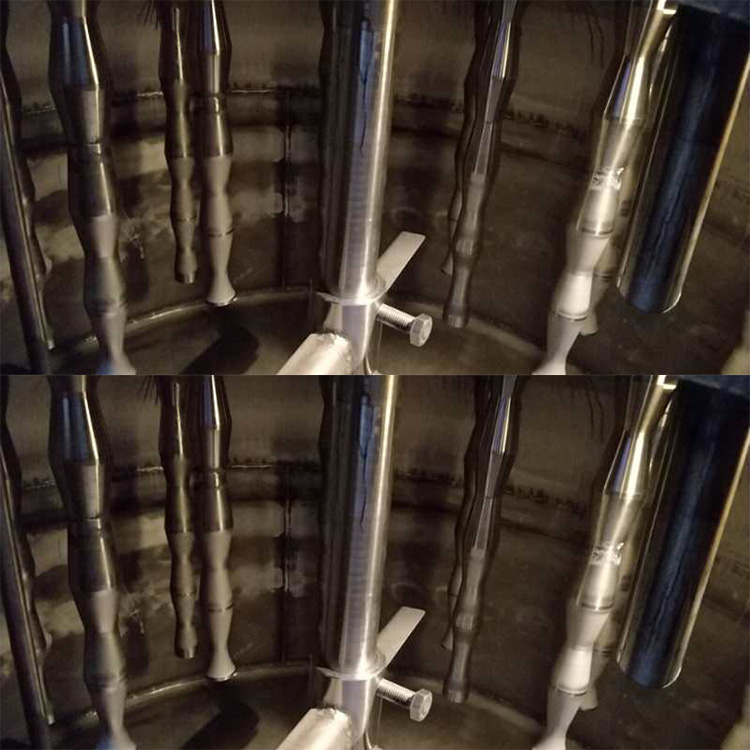
The most prominent and widely recognized effect of power ultrasound in liquids is its dispersing action. The dispersing effect of ultrasound in liquids primarily relies on the cavitation effect of the liquid.
Ultrasonic dispersion can be employed without the need for emulsifiers, and in many cases, ultrasonic emulsification can achieve particles below 1μm. The formation of this emulsion is primarily due to the intense cavitation effect near the dispersing tool. The emulsifier can disperse paraffin in water, with the particle diameter reaching below 1μm.
Ultrasonic dispersers typically feature low vibration and high acceleration. Ultrasonic dispersion systems are widely applied in fields such as food, fuel, new materials, chemicals, and coatings.
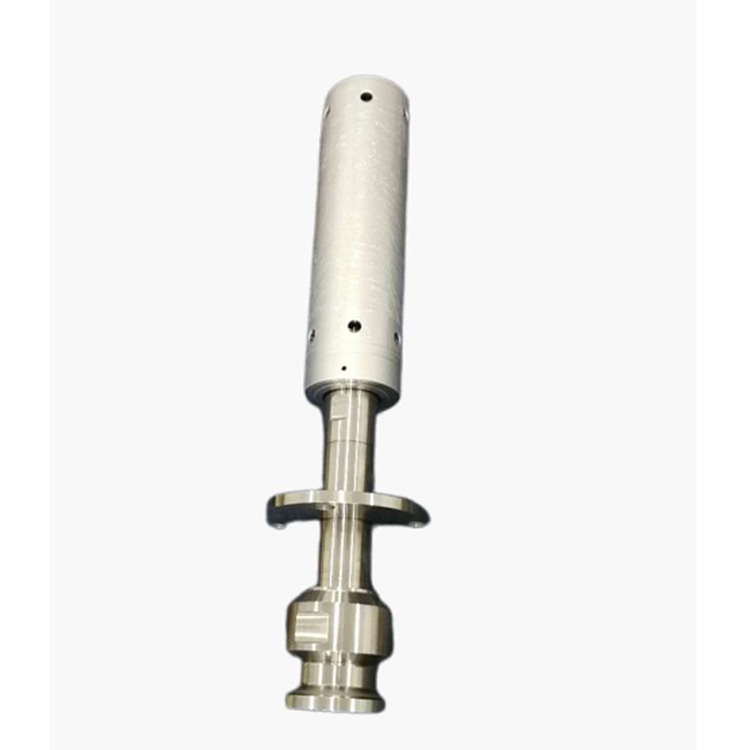
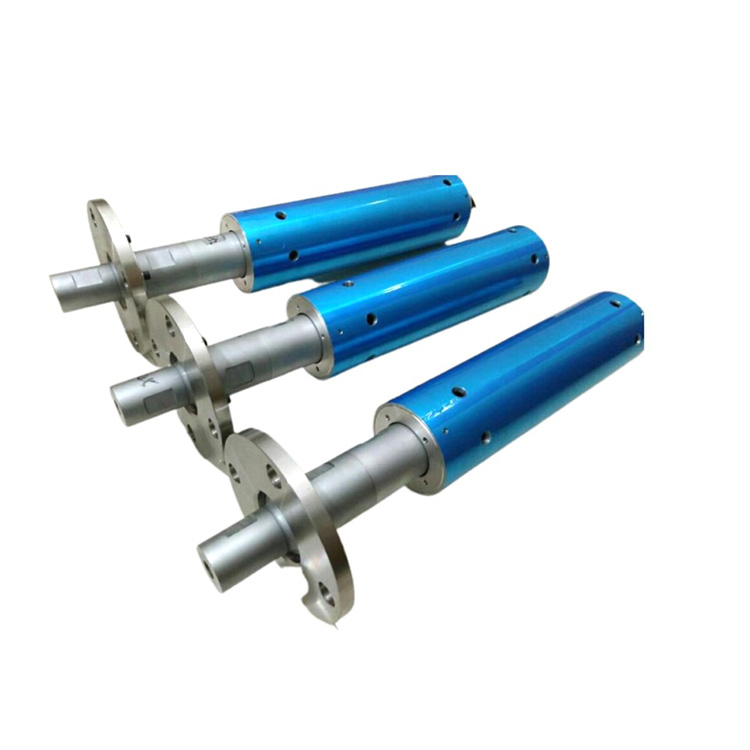
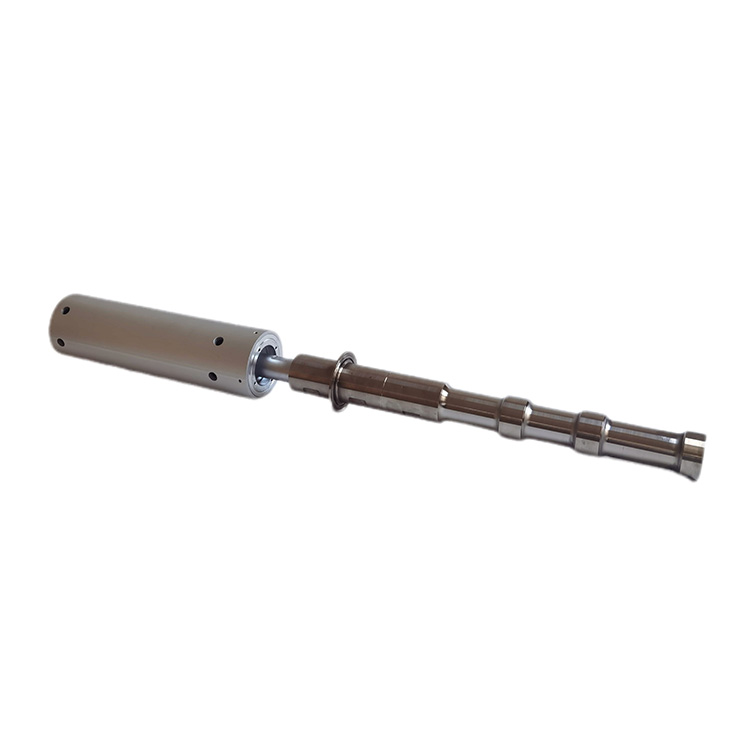
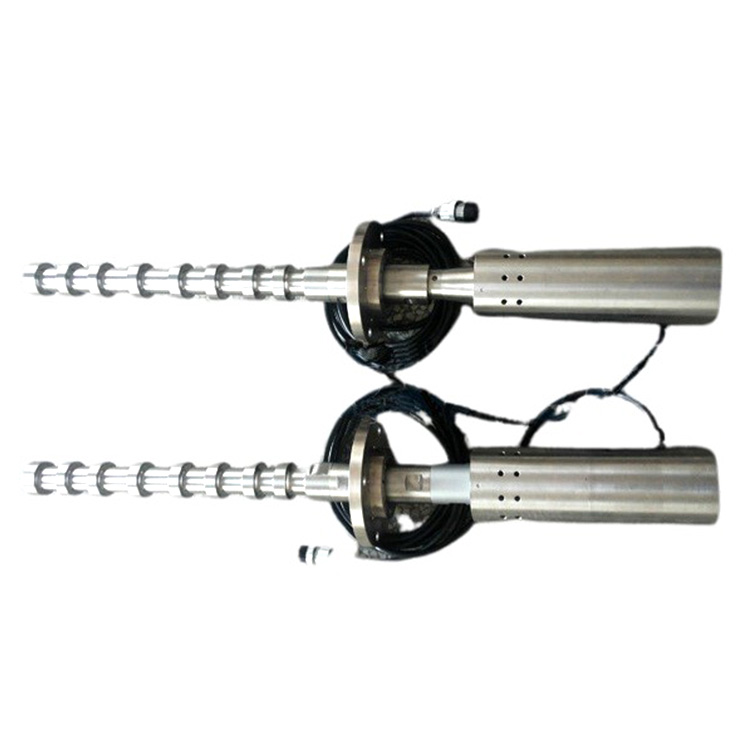
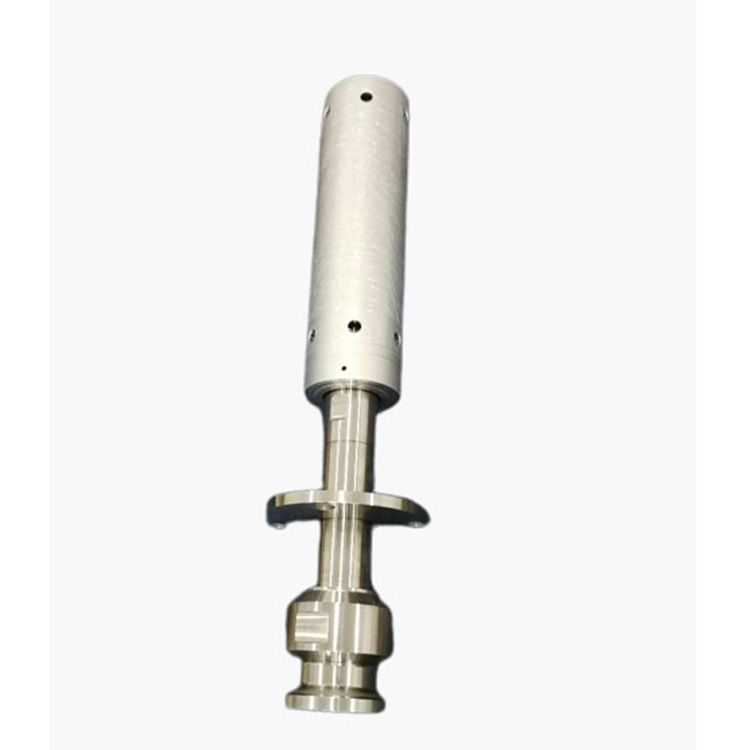
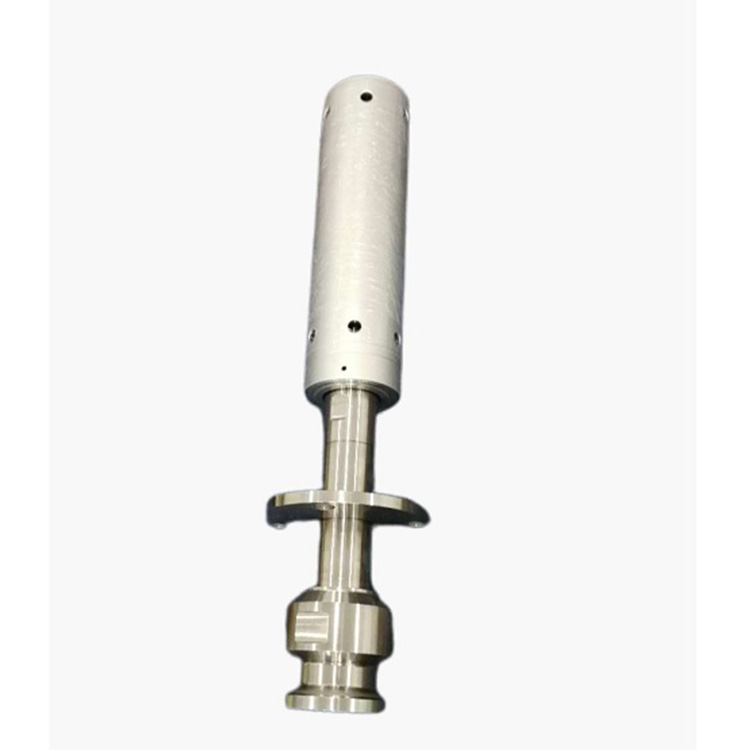
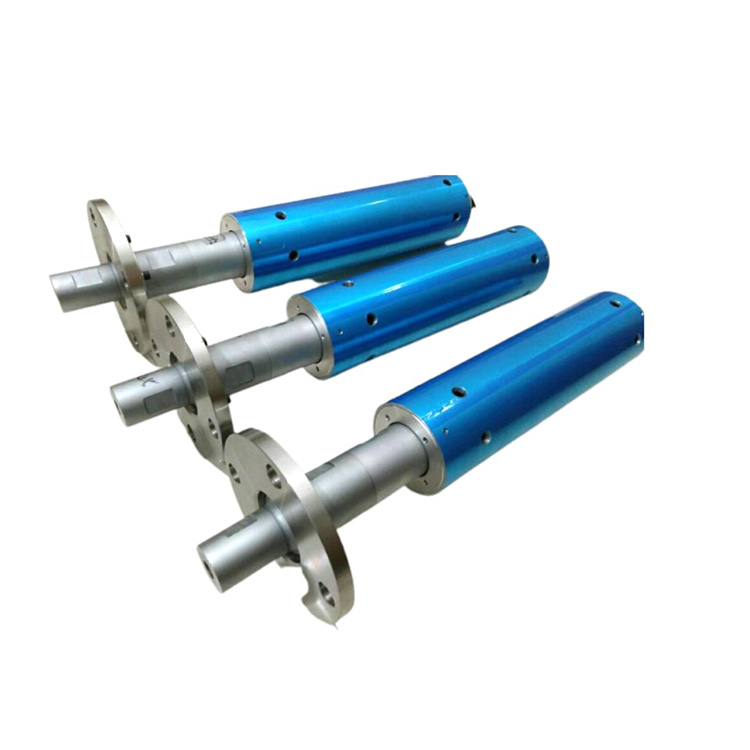
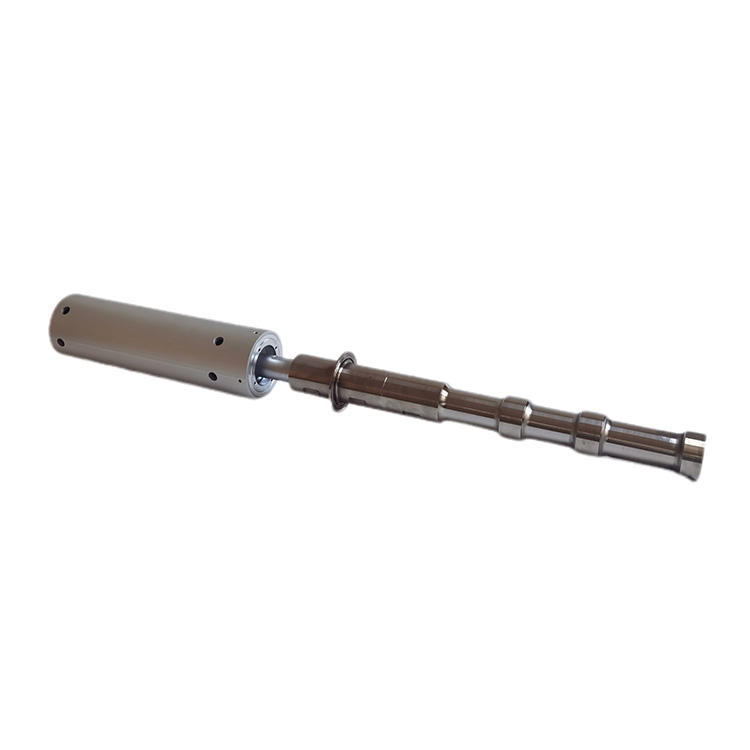
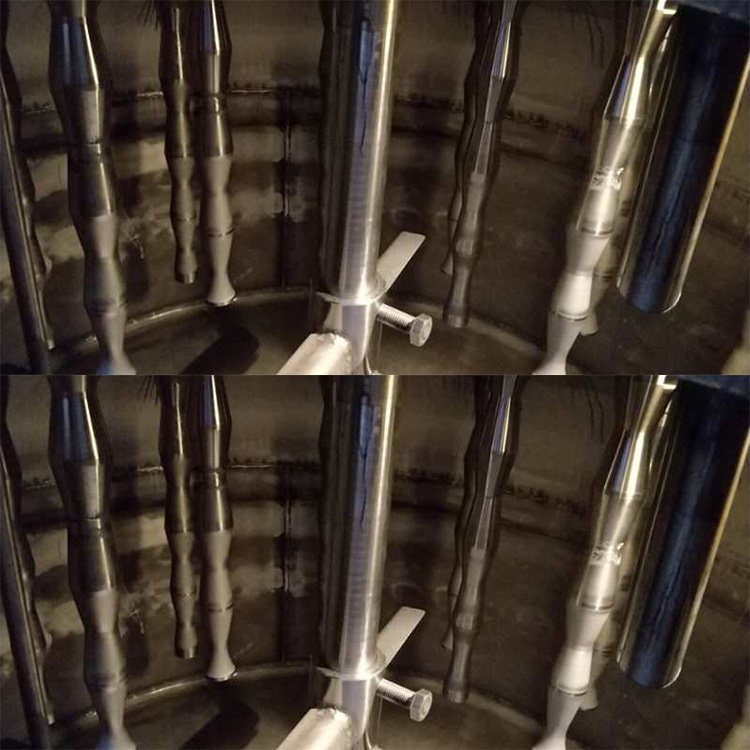
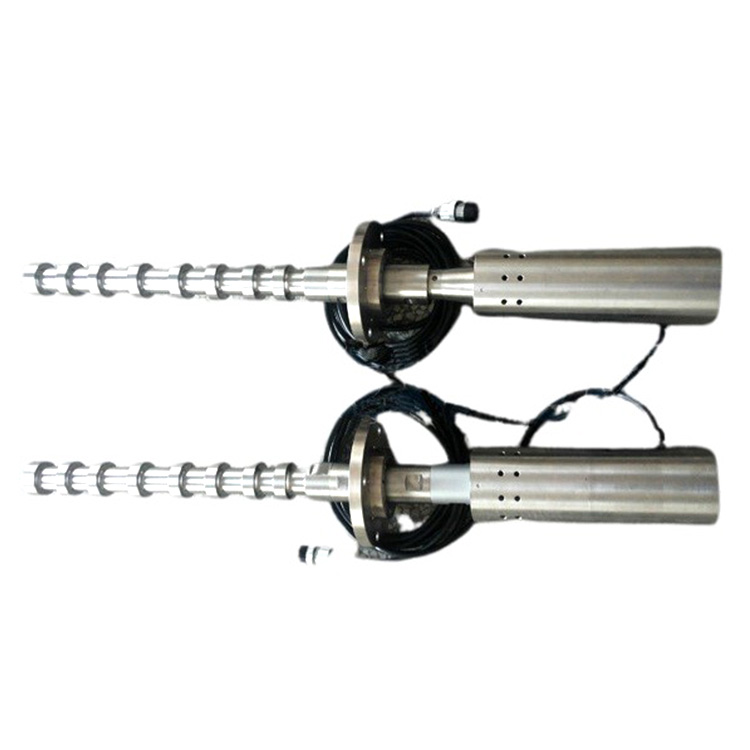
Ultrasonic vibration rod structure:
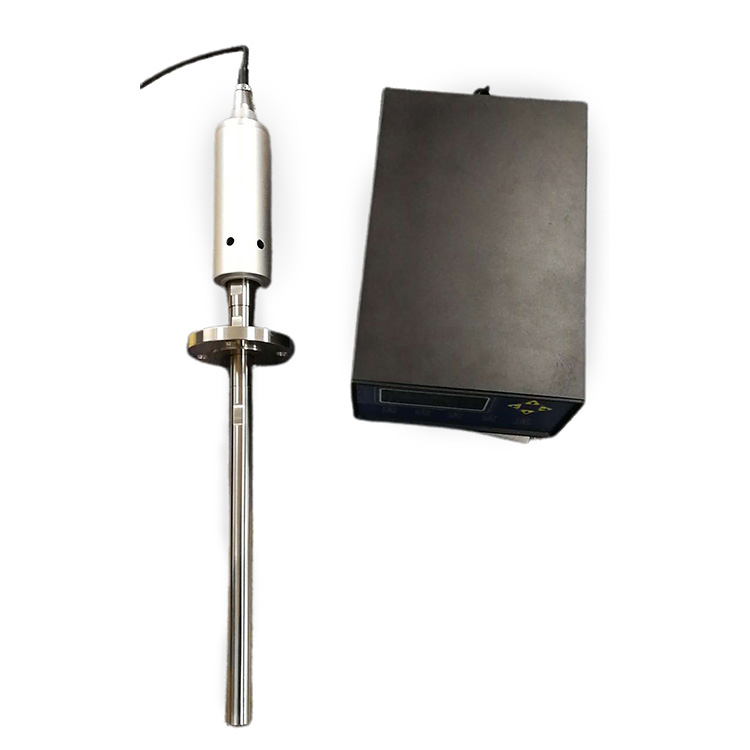
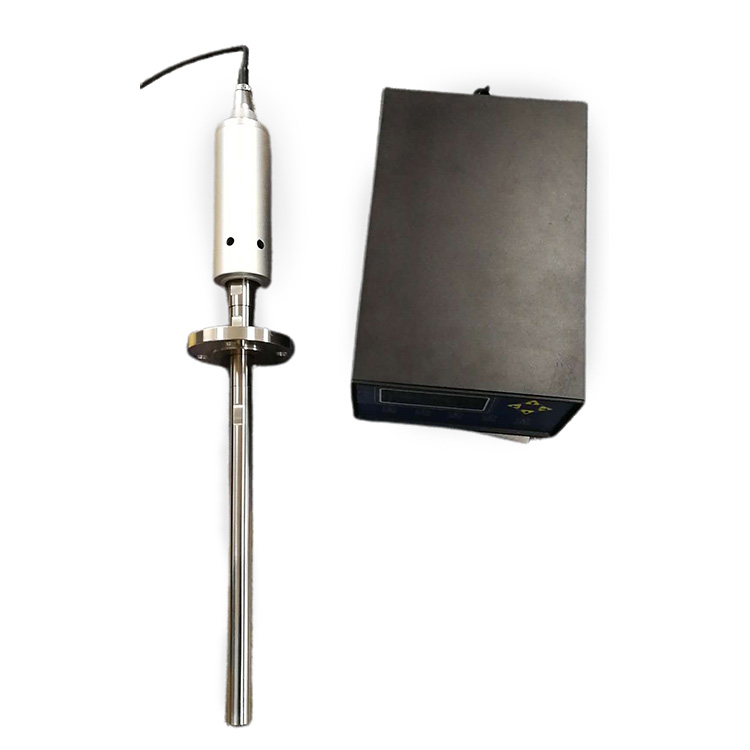
Ultrasonic Generator: With an efficiency of up to 90%, it is compact and lightweight; (also known as an ultrasonic drive power supply). [2]
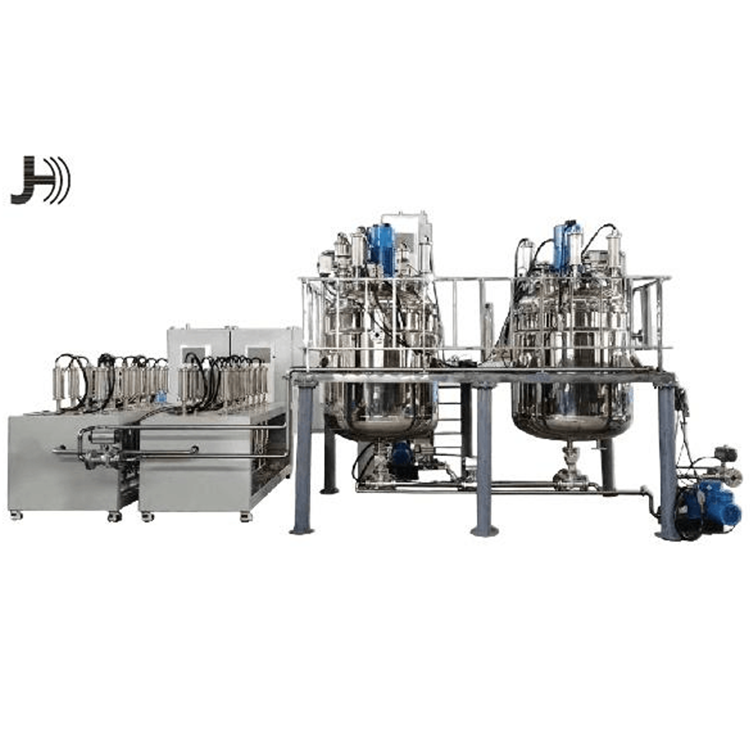
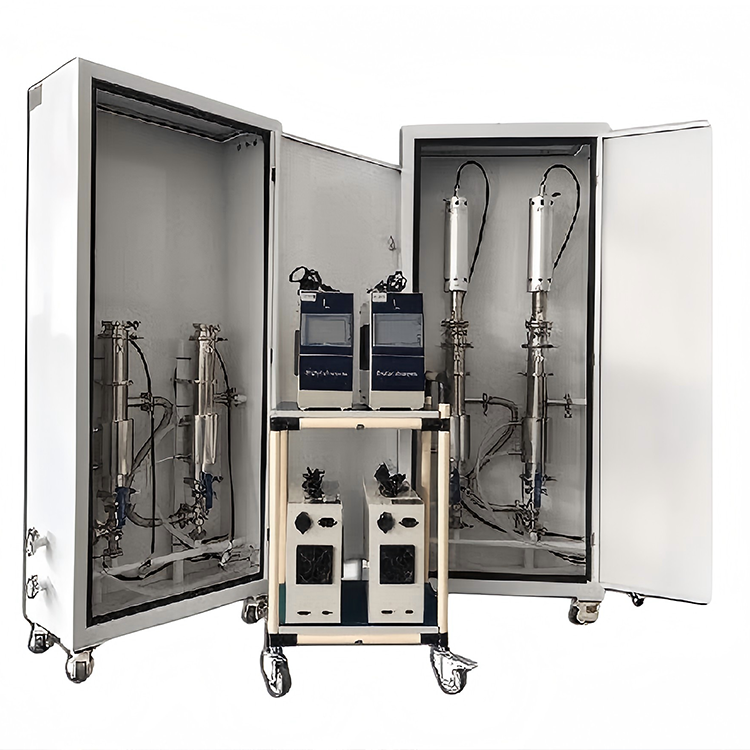
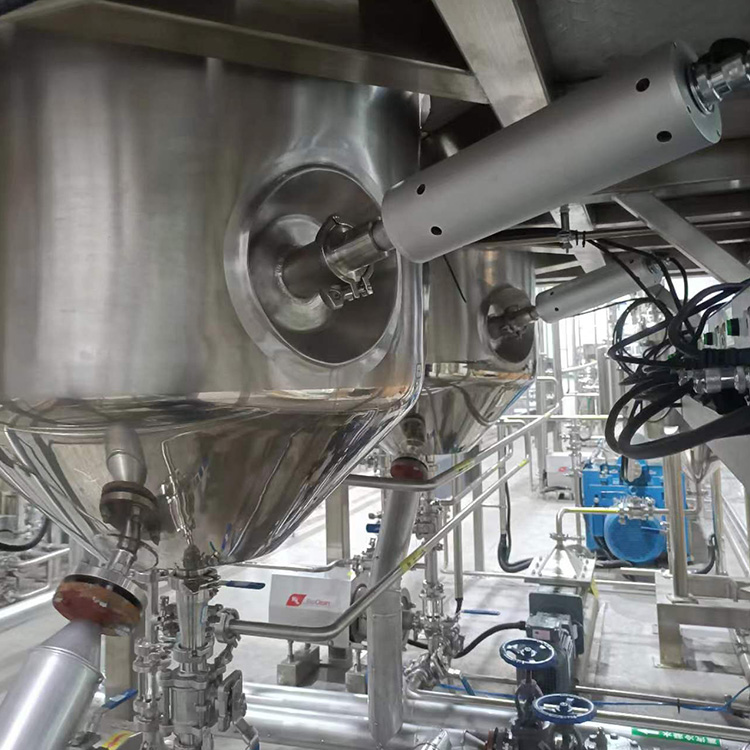
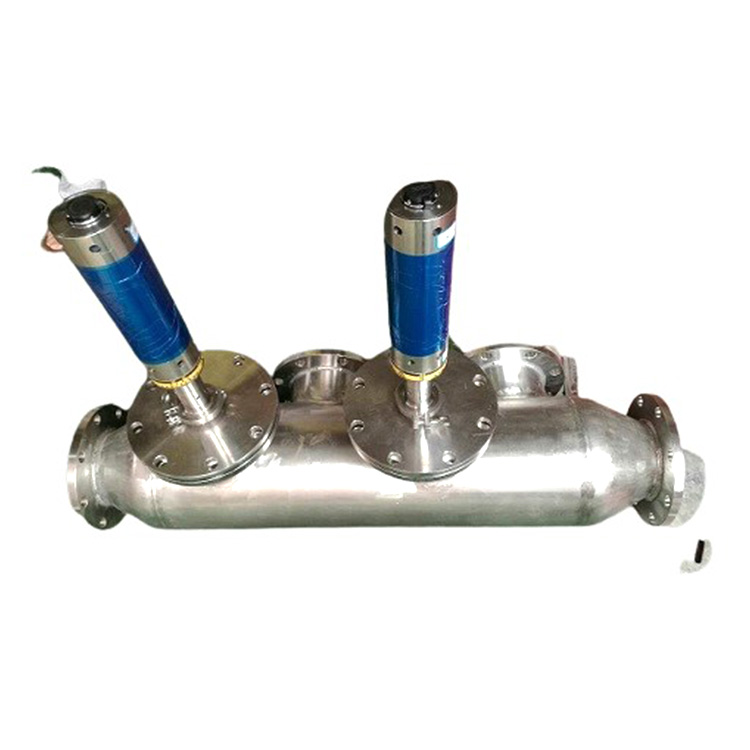
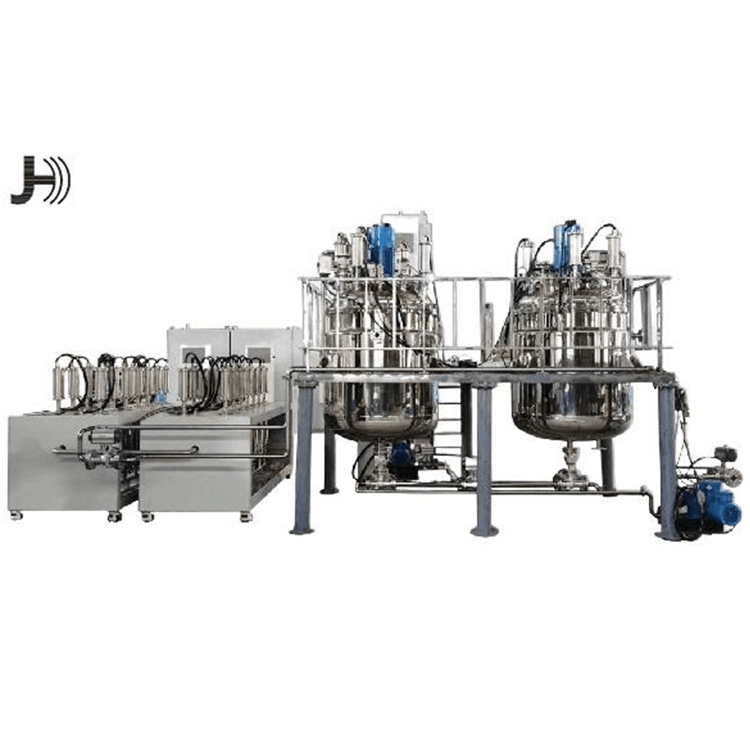
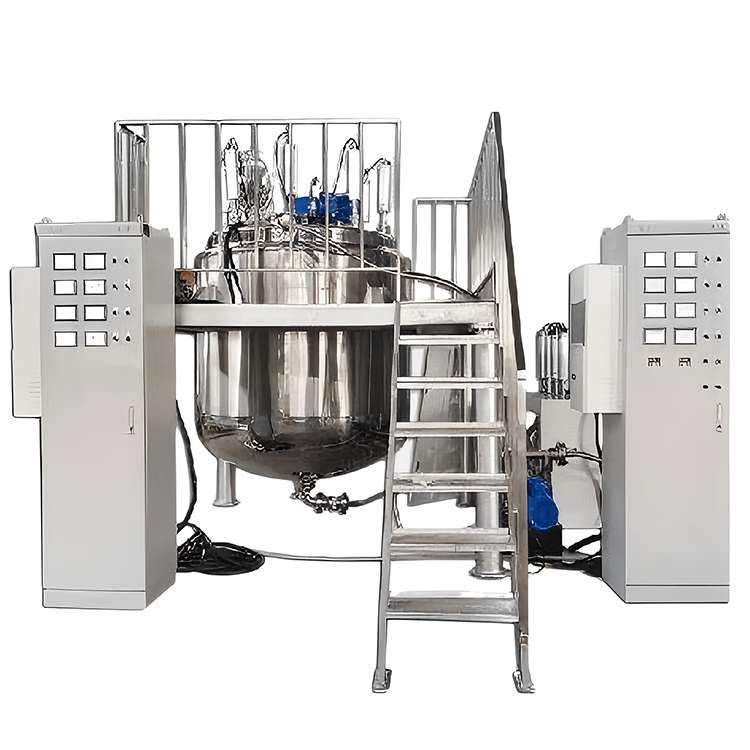
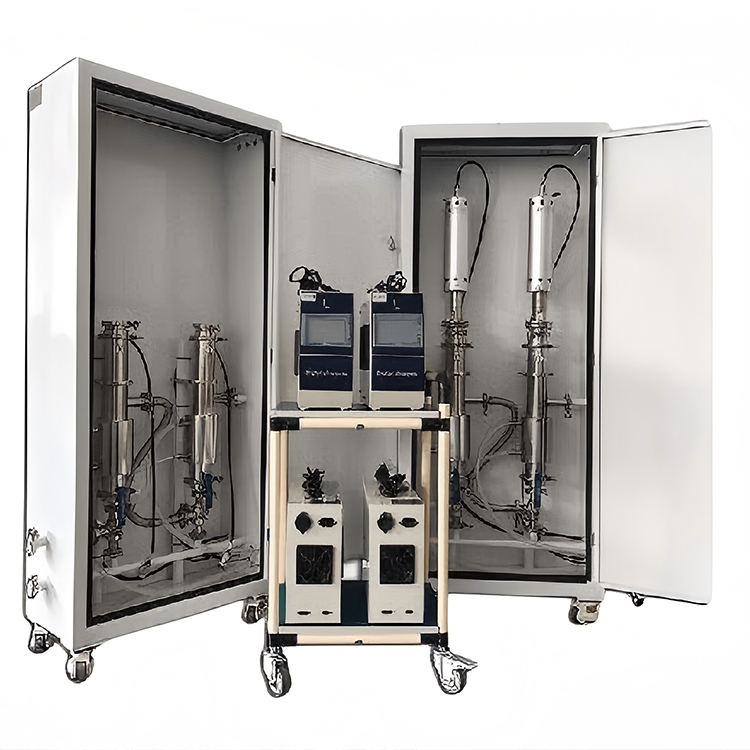
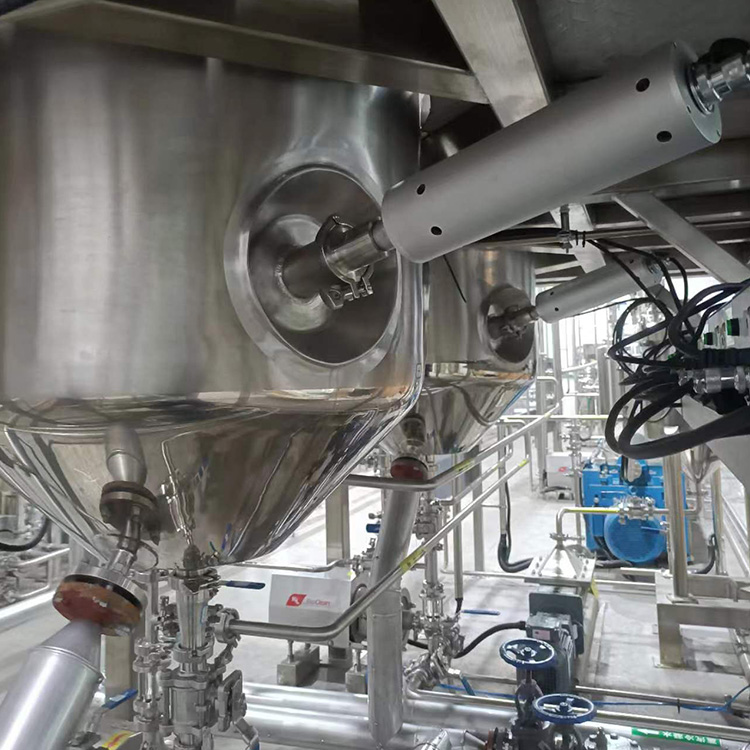
Ultrasonic Dispersion Equipment
2. The ultrasonic actuating system, for high power output, is designed with a resonance frequency around 15kHz; the ultrasonic generator and resonance system form an automatic frequency tracking system. (Ultrasonic transducer and ultrasonic amplitude transformer make up the ultrasonic vibration element).
3. Ultrasonic dispersion tool; (consists of an ultrasonic tool head connected to a vibrator).
4. Dispersing Container. The principle of the homogenizer works by the ultrasonic generator outputting high-frequency electrical pressure, which drives the ultrasonic transducer. After the transducer converts electrical energy into mechanical vibration and amplifies it, under the action of the dispersing tool, it performs intense dispersion processing within the container.
3 Factors
Two factors determine the effectiveness of dispersion: ultrasonic impact force; ultrasonic radiation time.
The average time required for a specific particle in the processing liquid to pass through this space is t = c * S / Q, where the flow of the processing liquid is Q, the gap is c, and the area of the flat plate in the relative direction is S. To enhance the ultrasonic dispersion effect, it is necessary to control three factors: the average pressure of the processing liquid p, the gap c, and the ultrasonic radiation time t(s).
Ultrasonic Dispersion Principle
Ultrasonic technology finds extensive applications in various fields, including food, cosmetics, and chemicals. The application of ultrasonic technology in food dispersion can generally be categorized into three types: liquid-liquid dispersion (emulsions), solid-liquid dispersion (suspensions), and gas-liquid dispersion.
Solid-liquid dispersion (suspension): such as the dispersion in powder emulsions.
Gas-liquid system dispersion: For the production of carbonated beverage water, the CO2 absorption method can be employed to improve stability.
Liquid-liquid dispersion (emulsion): such as emulsifying butter to produce high-grade lactose; for sauce production, dispersion of raw materials, etc.
Ultrasonic dispersion is also used in the preparation of nanomaterials; it is applied in food sample detection and analysis, such as extracting and enriching trace amounts of bisphenol A in milk samples using ultrasonic-assisted liquid-phase microextraction techniques.