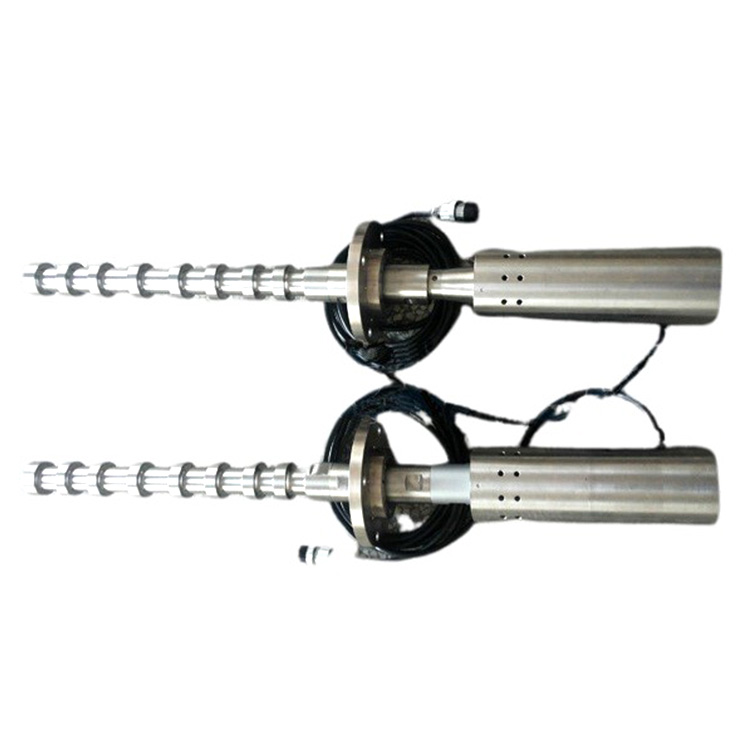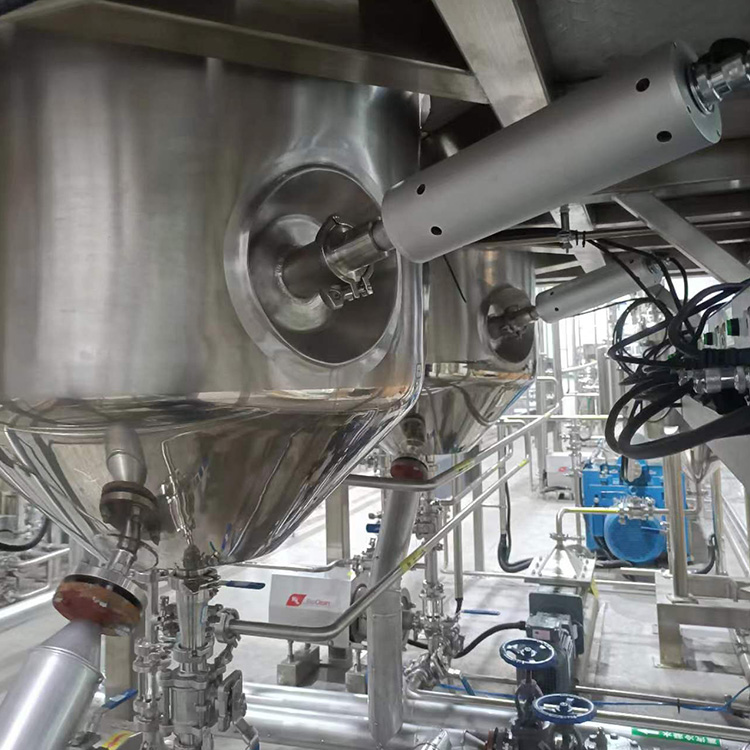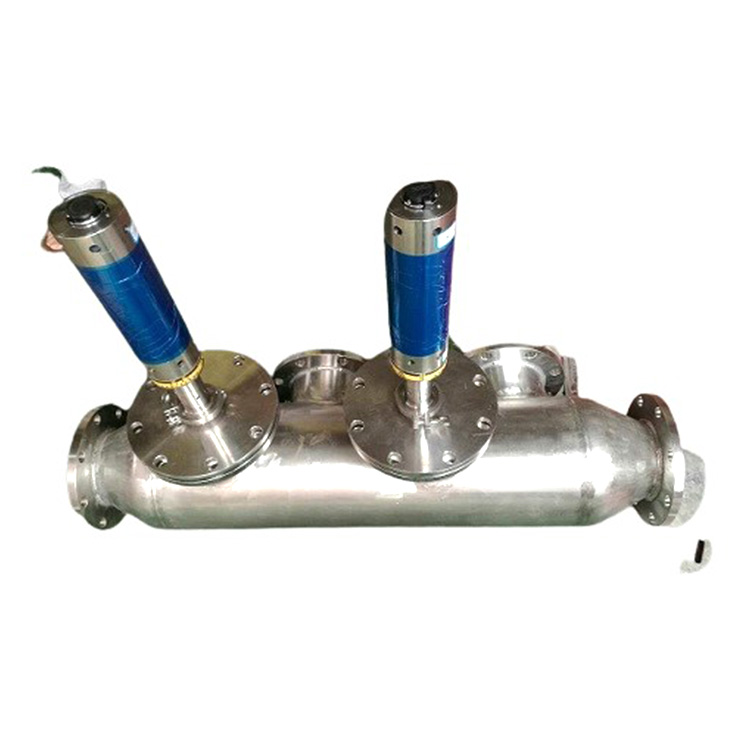



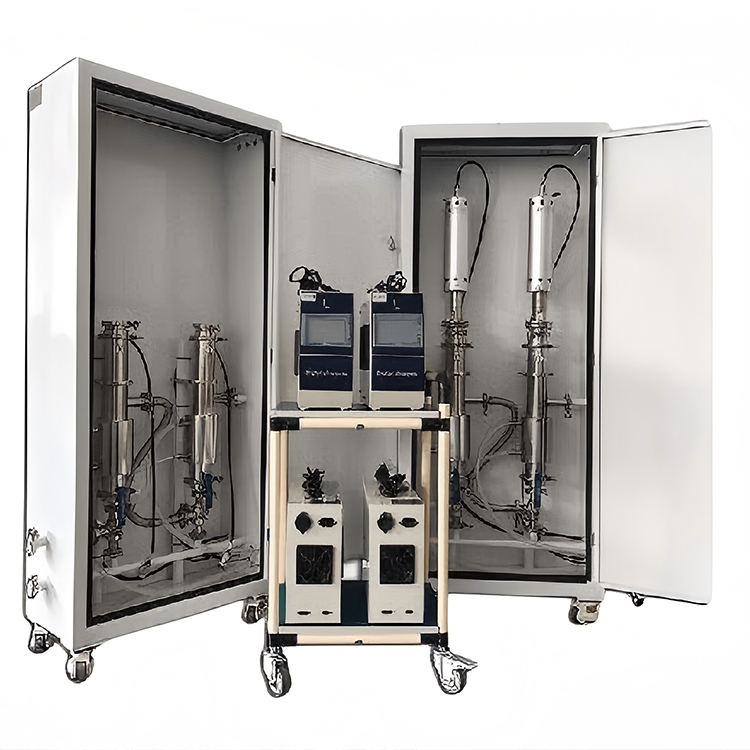
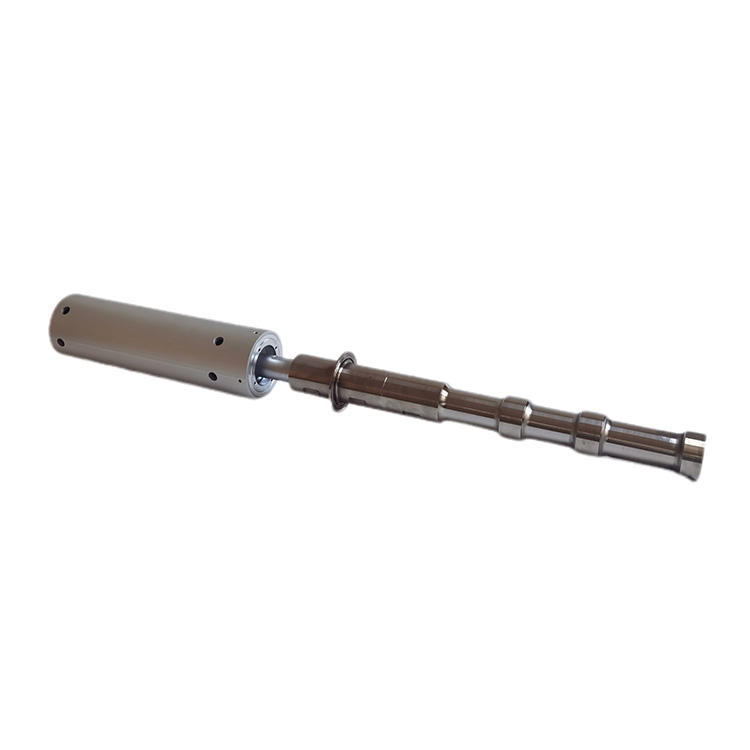
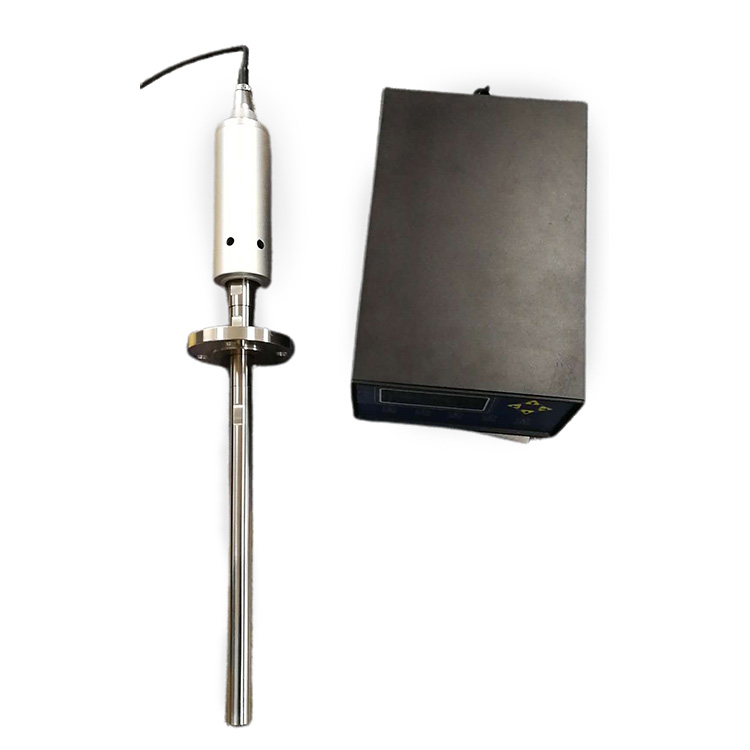





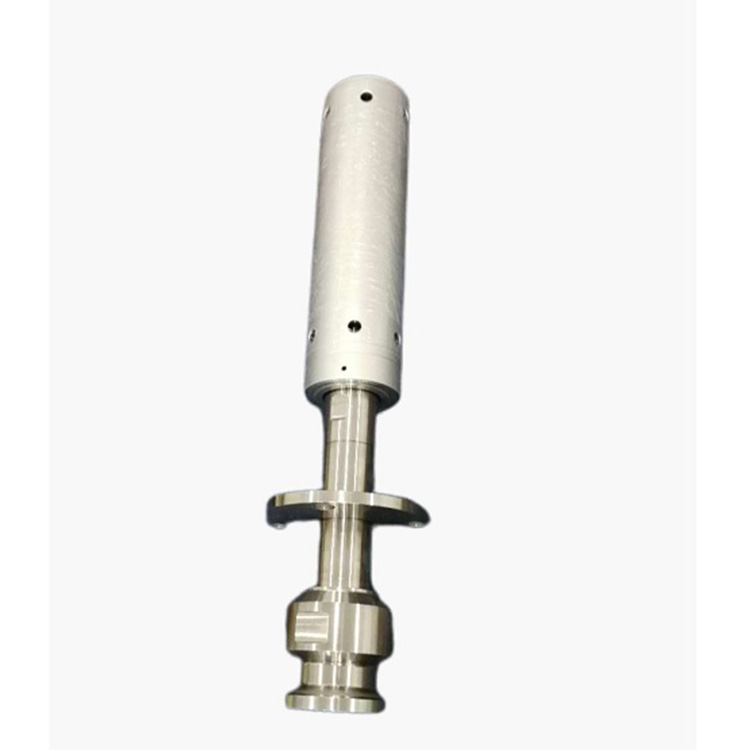
Detailed Introduction
Primary Applications: 1. Extraction of traditional Chinese medicine, cell, bacterial, and viral tissue破碎/lysis. For example, extraction of intracellular contents, purification of proteins, nucleic acids, trimming DNA, RNA, etc. 2. Research in nanomaterial technology.
3. Dispersing and homogenizing of material particles, as well as emulsification of products. For example, dispersion of nanomaterials. 4. Accelerating dissolution and chemical reactions. For example, used in chemical synthesis. 5. Chromatin immunoprecipitation technique. 6. Other application fields.
Ultrasonic dispersion nanomaterials
Ultrasonic dispersion involves placing the to-be-processed particle suspension directly into an ultrasonic field and treating it with high-power ultrasound by means of "irradiation." It is a highly intensive and effective dispersion method.
Ultrasonic dispersion mechanism
Firstly, the propagation of ultrasound requires a medium as its carrier.
Ultrasound propagation in a medium exhibits a cyclic alternating period of positive and negative pressure, with the medium being compressed and stretched under the positive and negative pressure of the colloid.
Ultrasound acting on a liquid medium causes the distance between medium molecules to exceed the critical molecular distance that the liquid medium maintains at a constant pressure, leading to the fracture of the liquid and the formation of microbubbles, which then grow into cavitation bubbles.
Bubbles can redissolve into the gas, rise and dissipate, or collapse due to detaching from the resonant phase of the ultrasonic field.
The phenomenon of cavitation bubbles forming, collapsing, or disappearing in a liquid medium.
Vapor cavitation generates local high temperature and pressure, along with tremendous impact forces and micro-jets. Under its action, the surface energy of nanometer powders is weakened, thereby achieving the dispersion of nanometer powders.
Ultrasonic dispersion method compared to conventional mechanical dispersion method
Mechanical dispersion methods can be divided into:
Grinding, ball milling, vibration ball milling, colloid mill, air mill, mechanical stirring, etc.
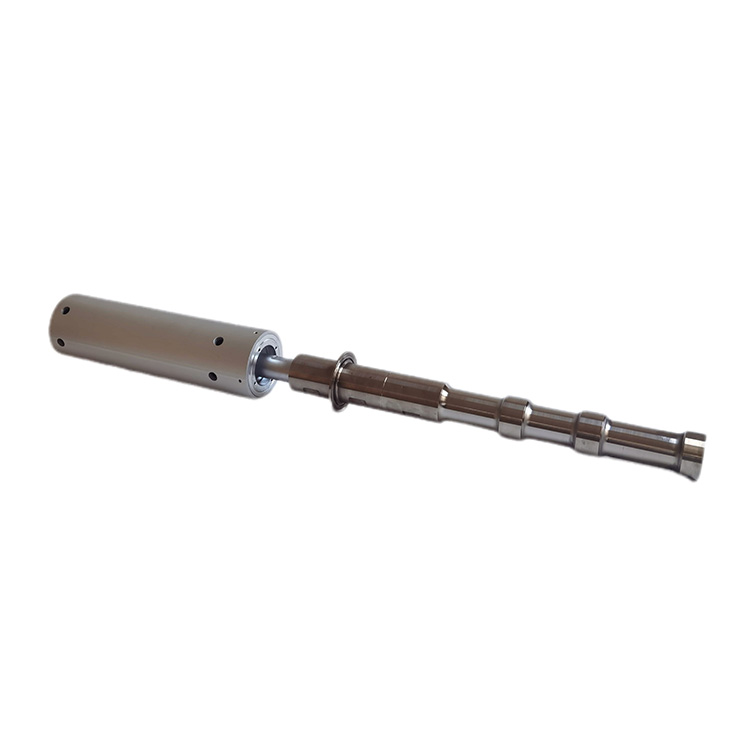
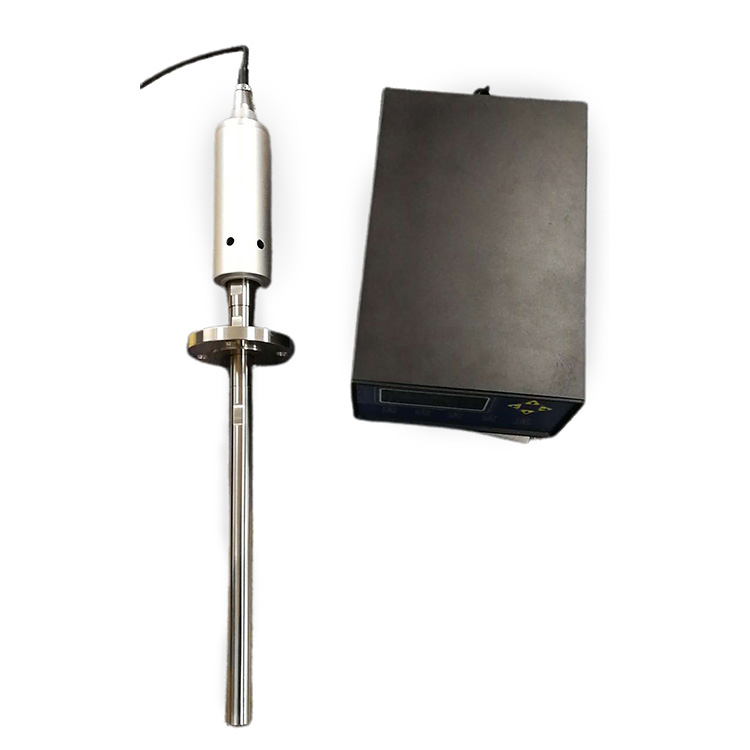
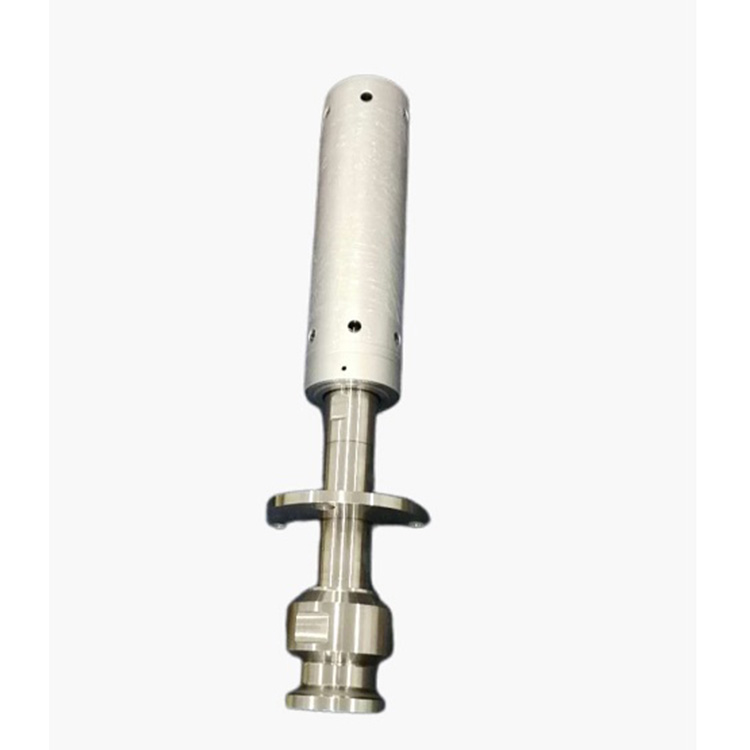
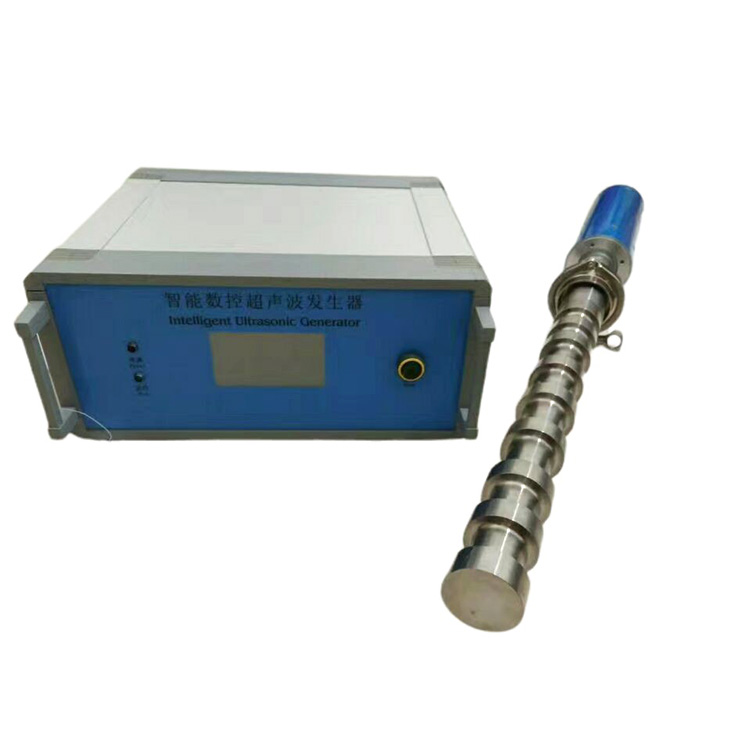
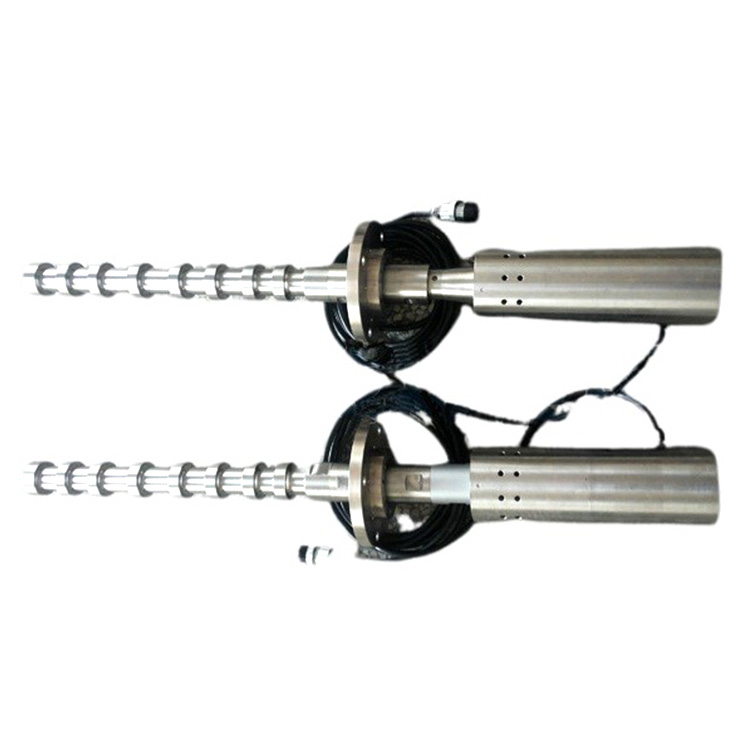
Mechanical dispersion involves numerous steps and requires a large and complex array of equipment, whereas ultrasonic dispersion can be achieved with just a power source and a vibration rod.
Mechanical Pulverization Limit Issue:
In nano-size grinding, due to the significant surface energy of fine particles and strong van der Waals forces between them, the tendency for particles to aggregate increases as the particle size decreases. The dispersion and aggregation effects reach equilibrium, and the particle size no longer changes.
Therefore, once ground to a certain extent, the particle size no longer decreases or decreases at a very slow rate, which is the mechanical grinding limit of the material. Thus, the mechanical dispersion method cannot restore the true particle size of nanomaterials, and its effectiveness is far inferior to that of the ultrasonic dispersion method.
Characteristics of ultrasonic nanomaterial dispersion:
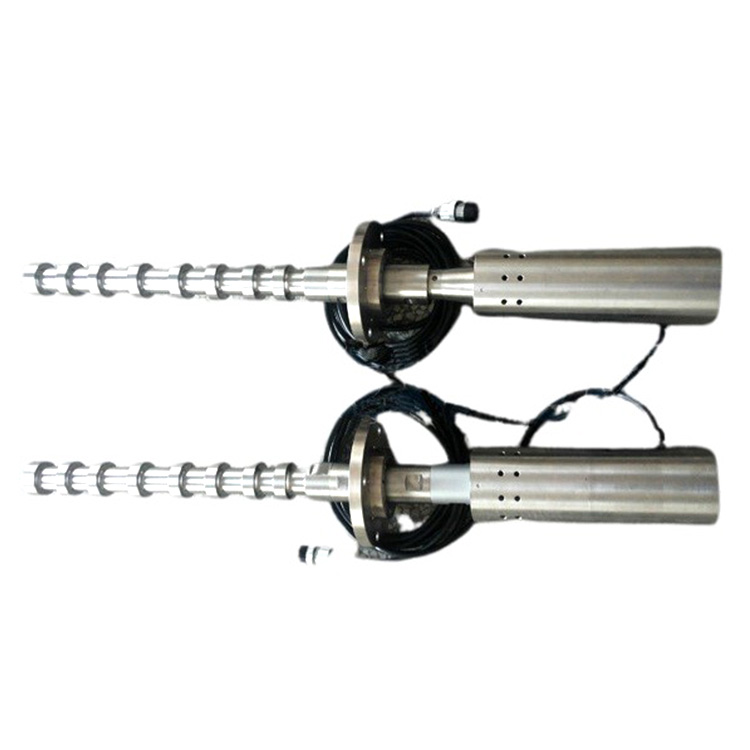
1. Utilizing a high-power focused ultrasonic transducer, which boasts large amplitude and high conversion efficiency.
2. High-amplitude ultrasonic waves are directly transmitted to the dispersed medium through the probe, resulting in a significant dispersion effect, greatly altering the methods previously adopted.
The ball mill method requires a substantial amount of time for dispersion.
3. The probe is made of high-strength titanium alloy, acid and alkali resistant, suitable for use in systems with various materials.
4. Simple operation, non-toxic to materials, with self-cleaning function.
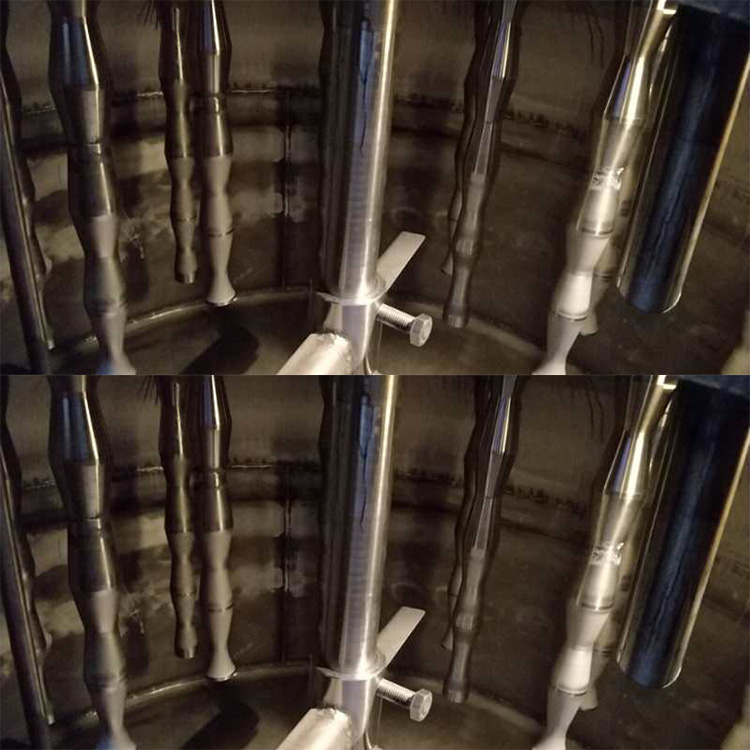
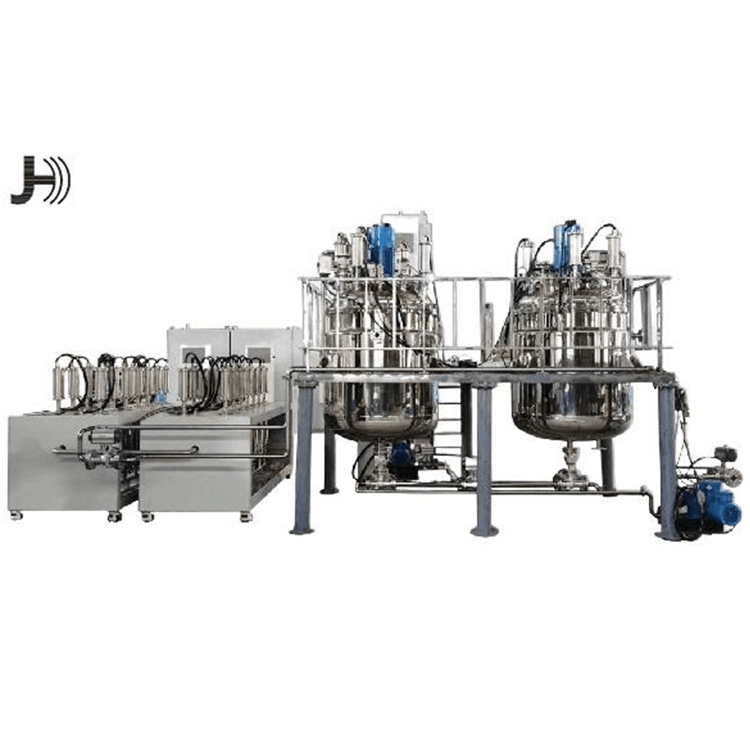
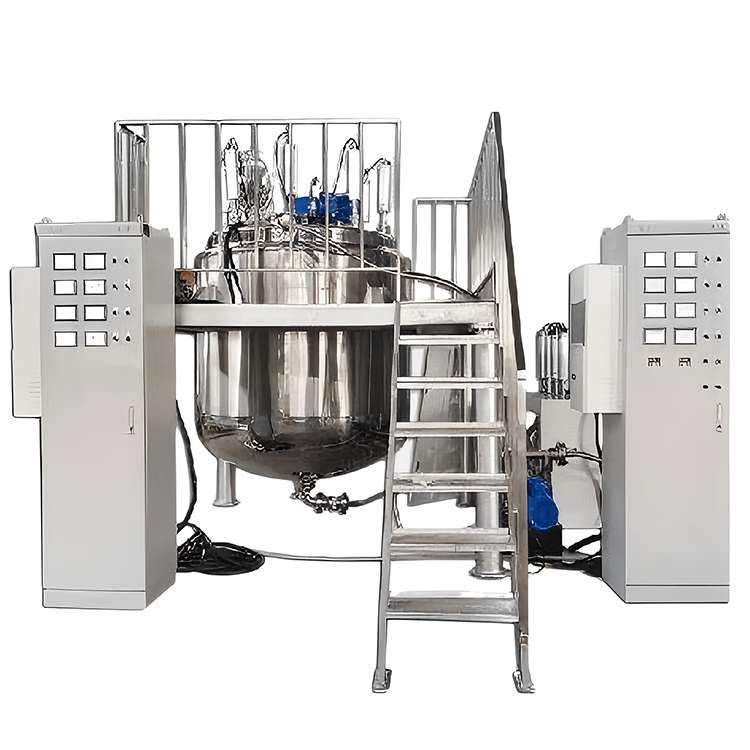
5. Capable of continuously processing bulk dispersion of nanomaterials, driving the application of nanomaterials into the market.
6. Equipped with temperature control, effectively preventing various materials from being affected by temperature.
Due to the small size effect, surface effect, quantum size effect, and macroscopic quantum tunneling effect of nanomaterials, they exhibit different thermal, optical, magnetic, sensitive properties, and surface stability compared to conventional particles. How to uniformly disperse nanoparticles into the matrix has become one of the key technical issues in nanomaterial technology. Using the cavitation effect of ultrasonic waves is currently the most effective physical method for dispersing agglomerated nanoparticles. It involves suspending the particles to be treated in an ultrasonic acoustic field, processing them with appropriate ultrasonic oscillation and treatment time. Our ultrasonic nanodisperser offers excellent dispersion, low power consumption, a one-time investment with long-term use, significantly improving the properties of nanomaterials and enhancing product competitiveness. It has become an essential tool for numerous material chemical manufacturers worldwide.
Product Advantages:
The time required for polymer homogenization is short.
2. Technical funding needed is minimal.
3. No impact on surrounding environment during processing.
4. Ultrasonic is physical and does not produce secondary pollution.
5. The equipment features a simple structure and easy operation.