

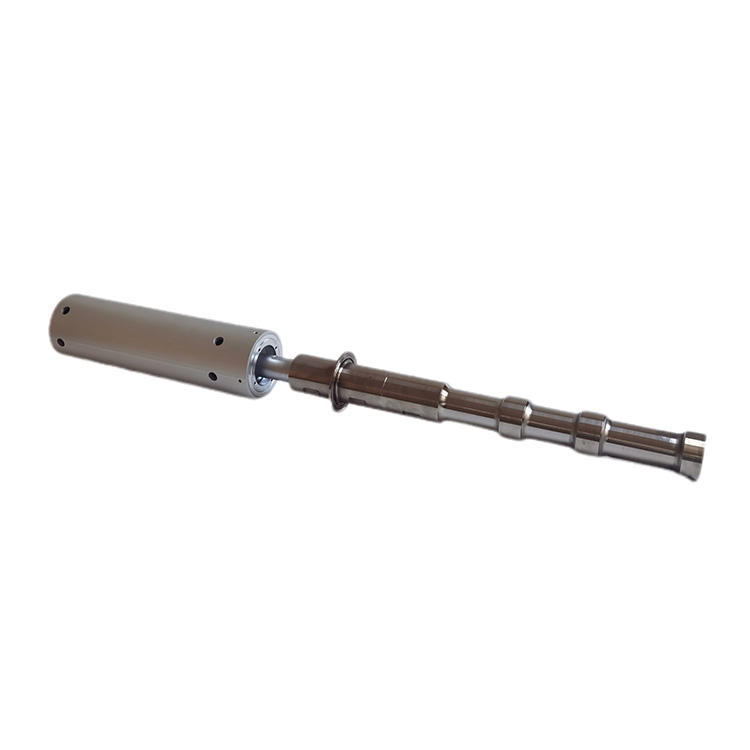
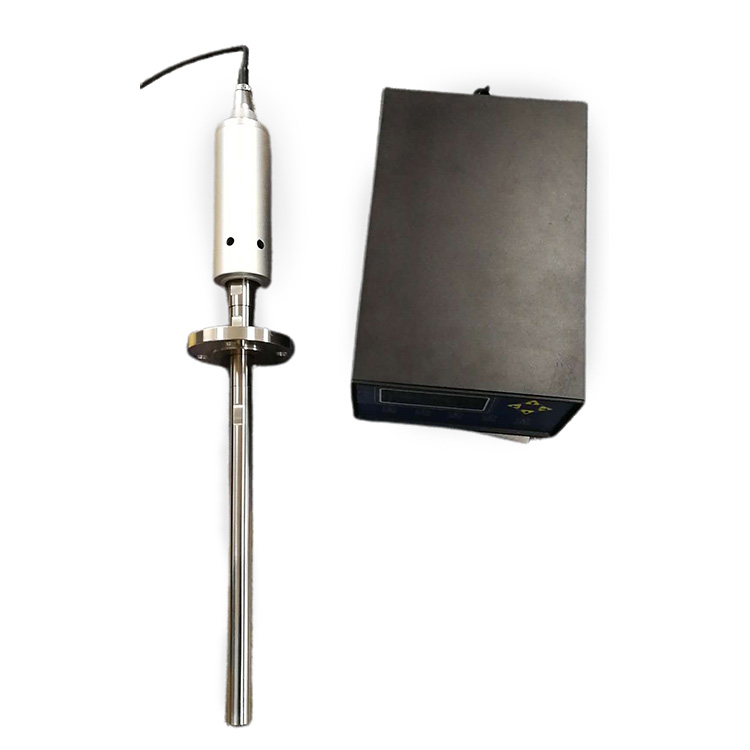





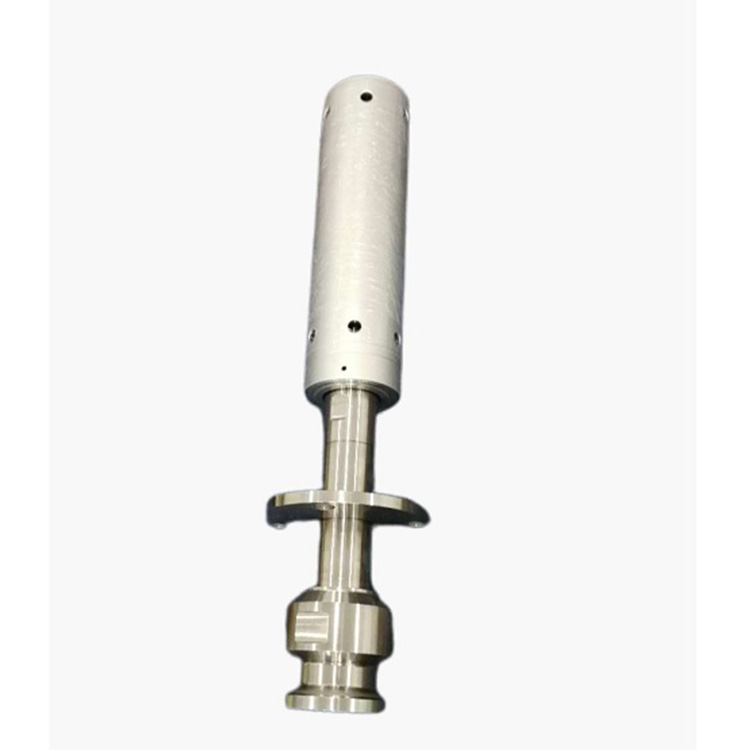
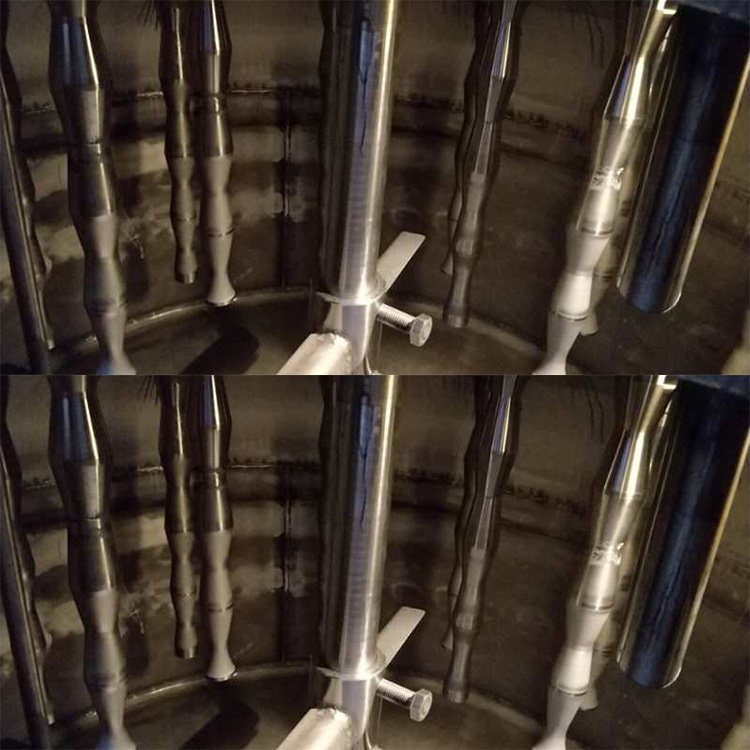
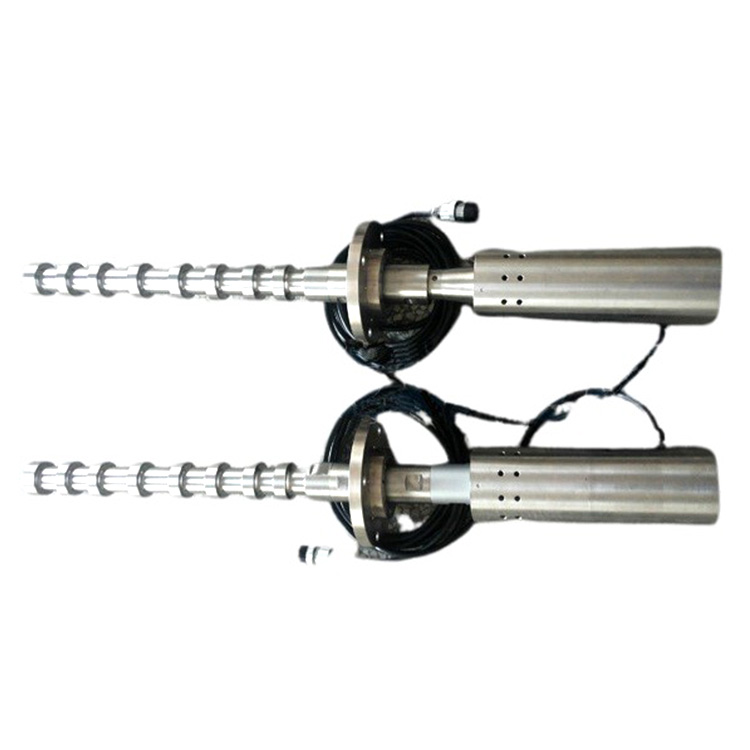
Detailed Introduction
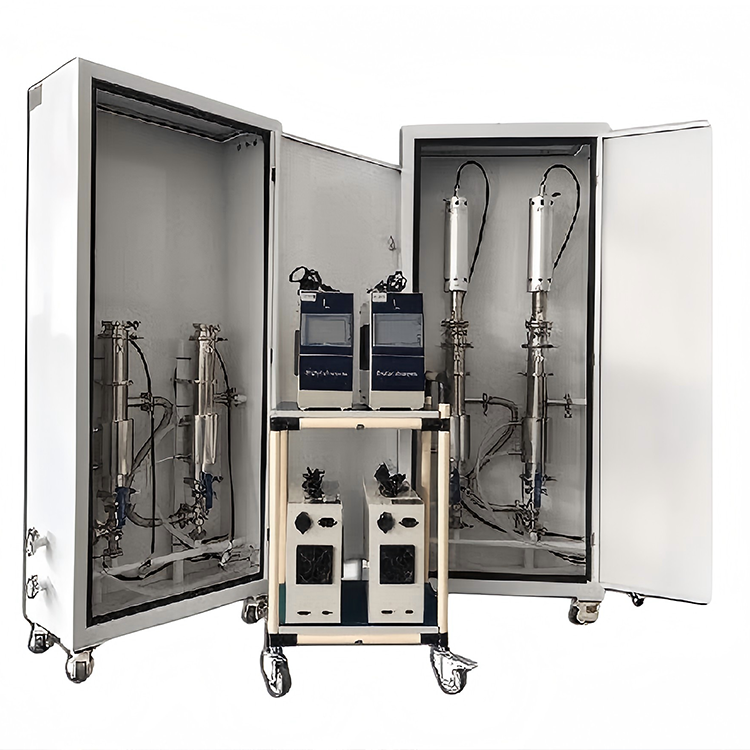
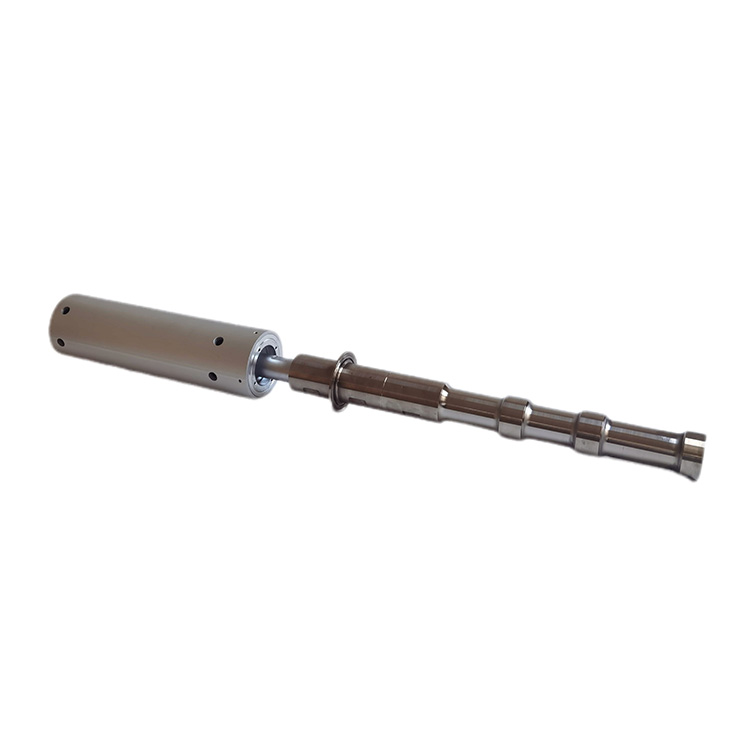
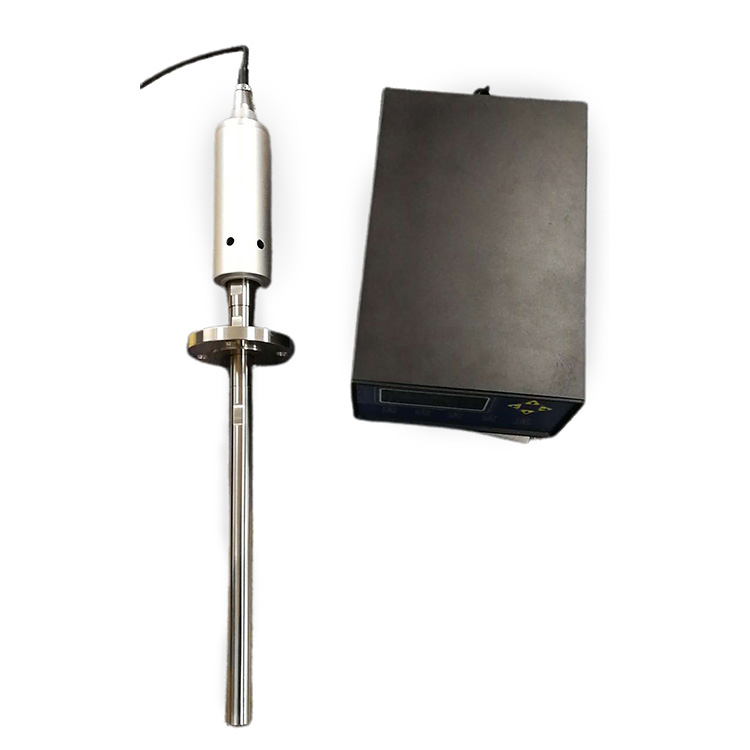
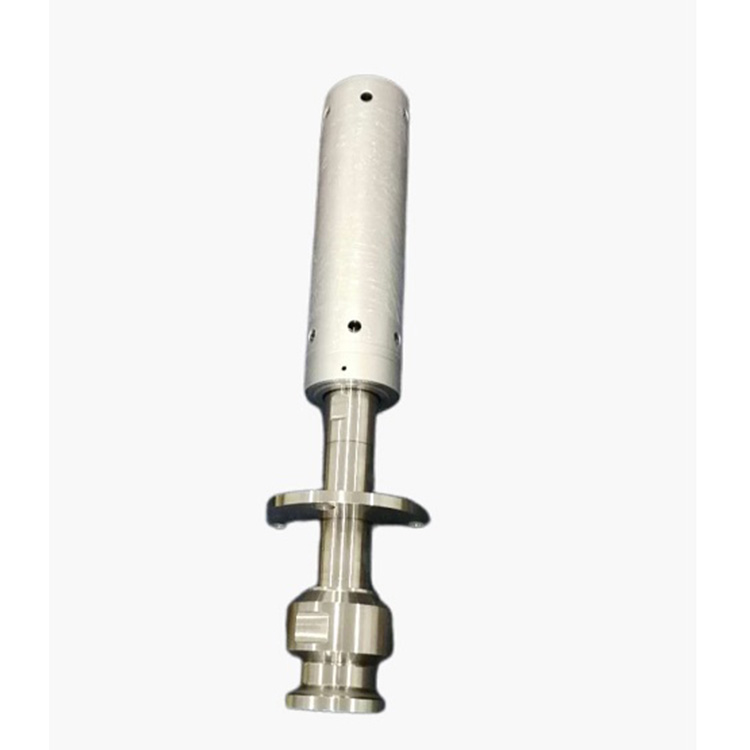
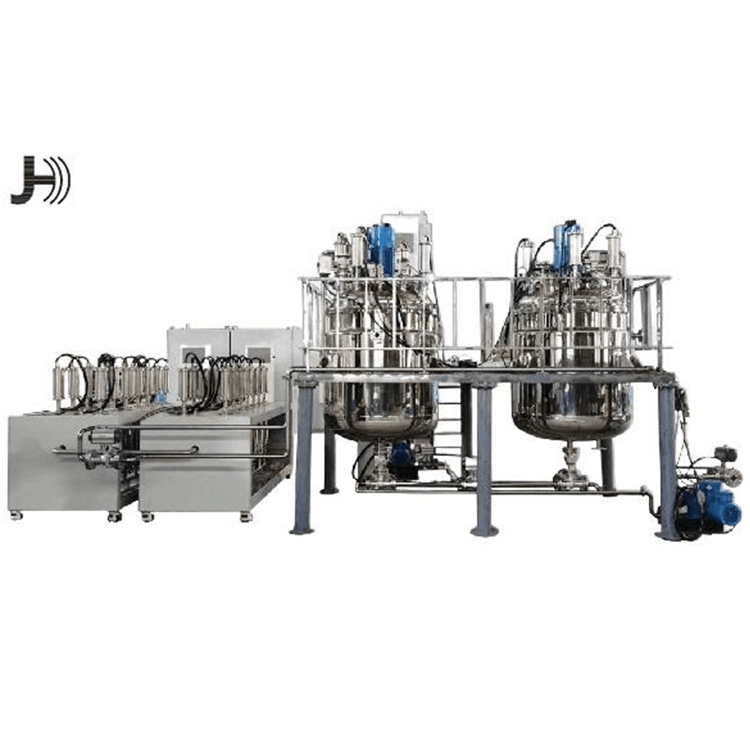
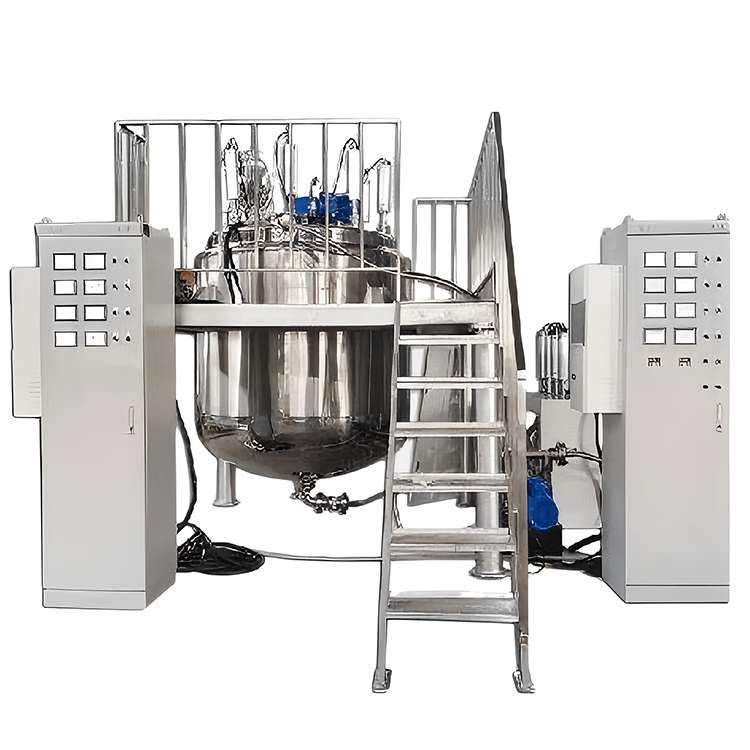
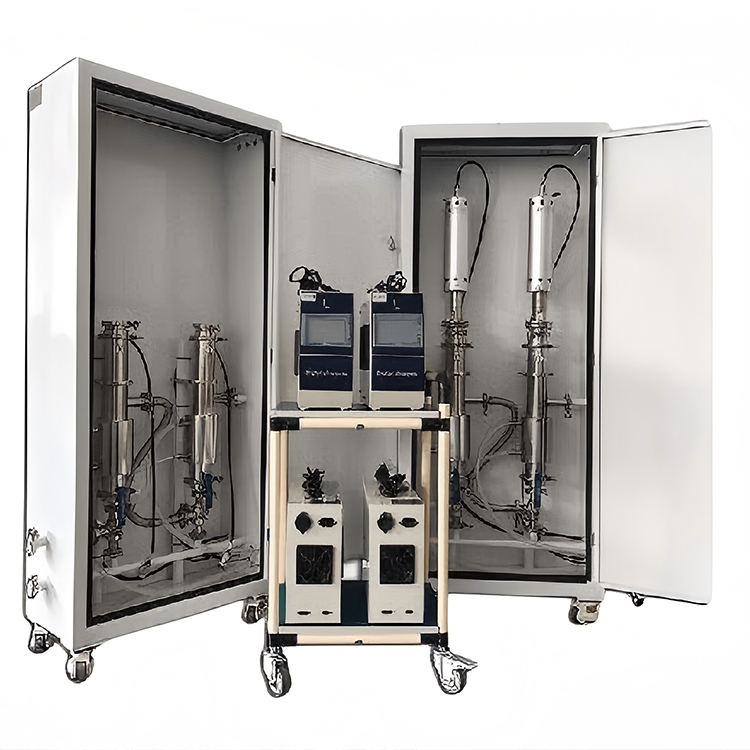
Ultrasonic Battery Paste Mixing Machine Principle:
Power ultrasound's most outstanding and widely recognized effect in liquids is the dispersion effect. The dispersion action of ultrasound in liquids primarily relies on the ultrasonic cavitation of the liquid. [1]
Ultrasonic dispersion can be achieved without the need for emulsifiers, and in many cases, ultrasonic emulsification can produce particles below 1μm. The formation of this emulsion is primarily due to the strong cavitation effect of ultrasonic near the dispersion tool. The emulsifier can disperse paraffin in water, with the particle diameter being below 1μm. The advantages of ultrasonic dispersion typically include low vibration and high acceleration. Ultrasonic dispersion equipment is widely used in industries such as food, fuel, new materials, chemicals, and coatings.
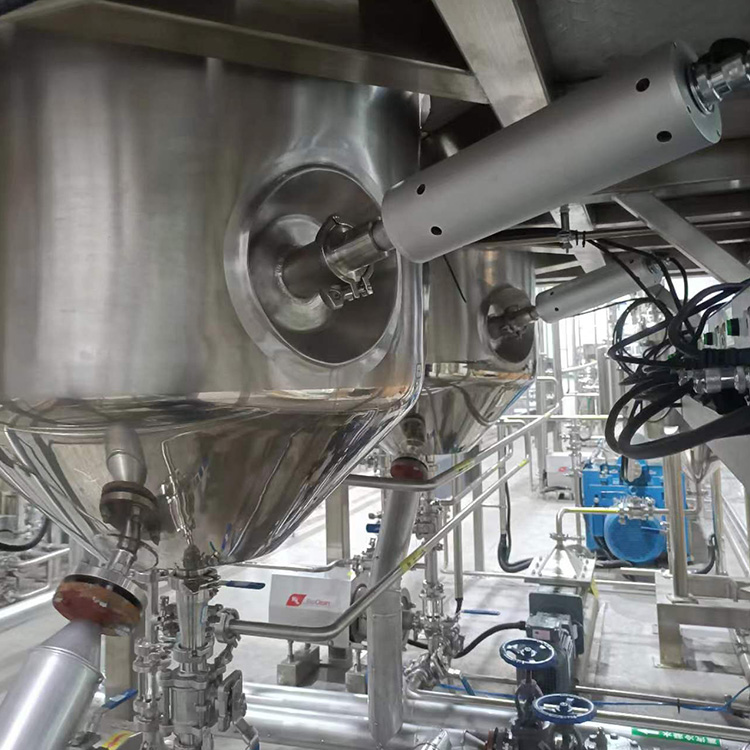
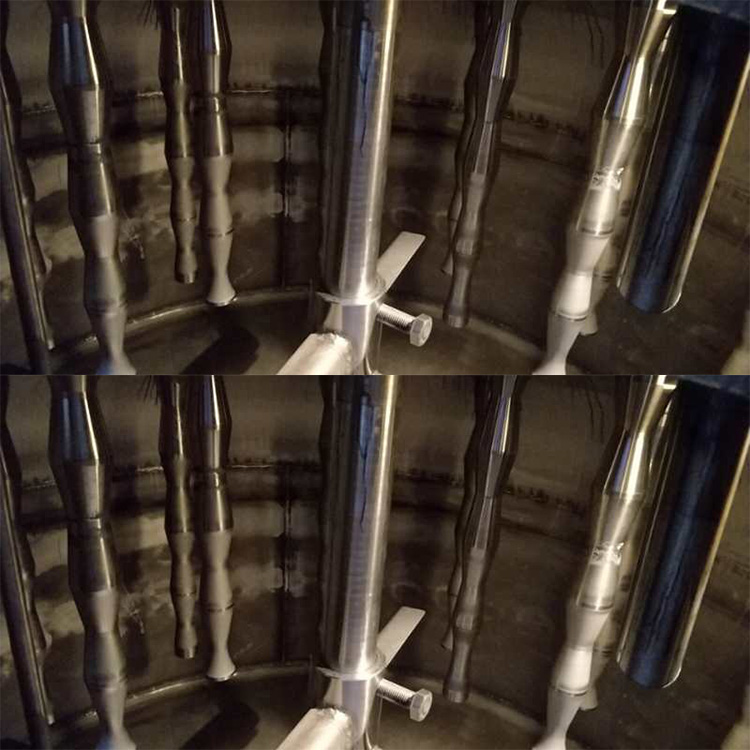
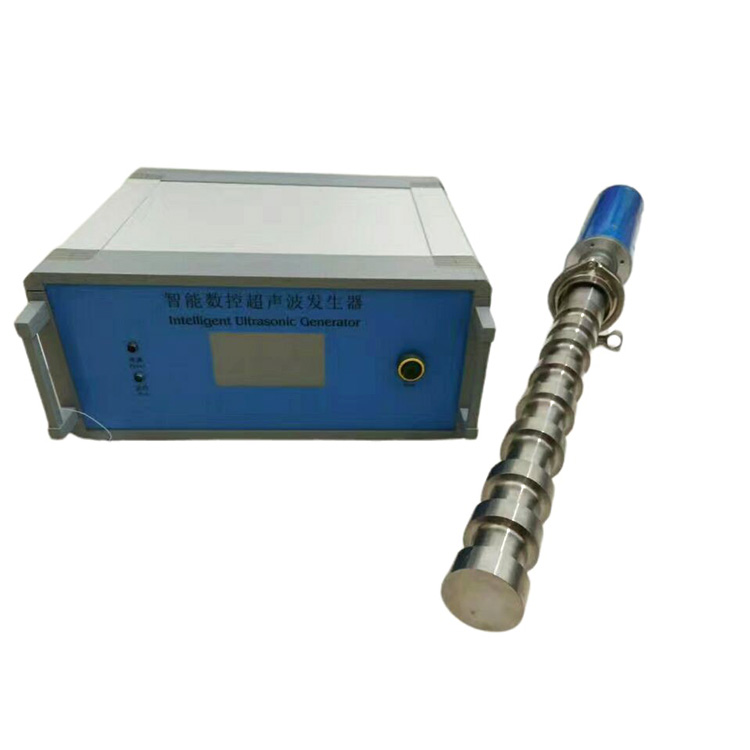
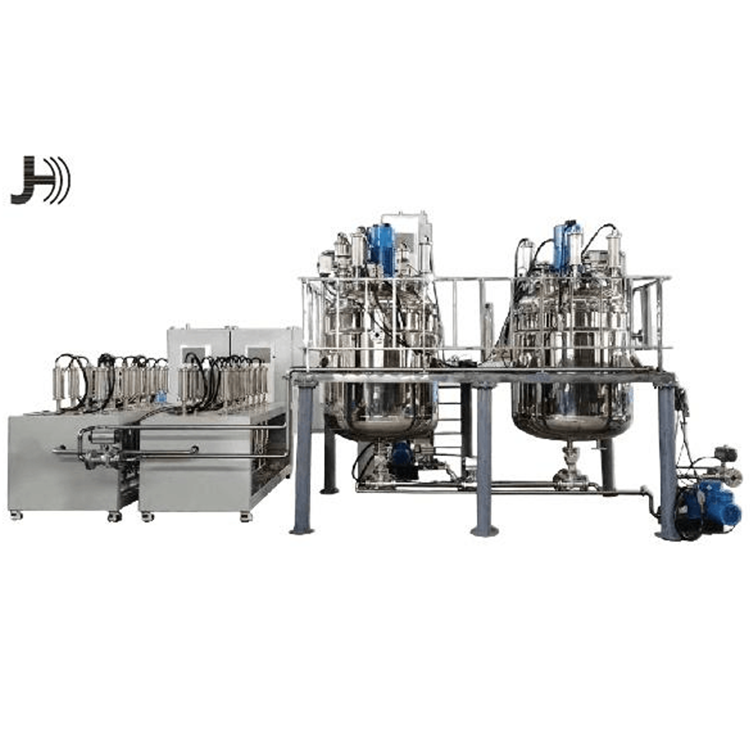
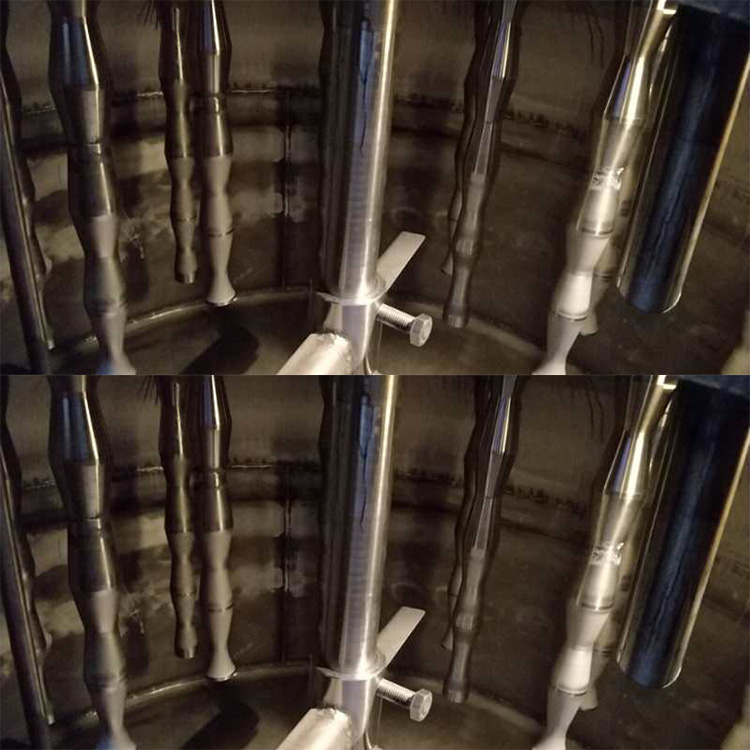
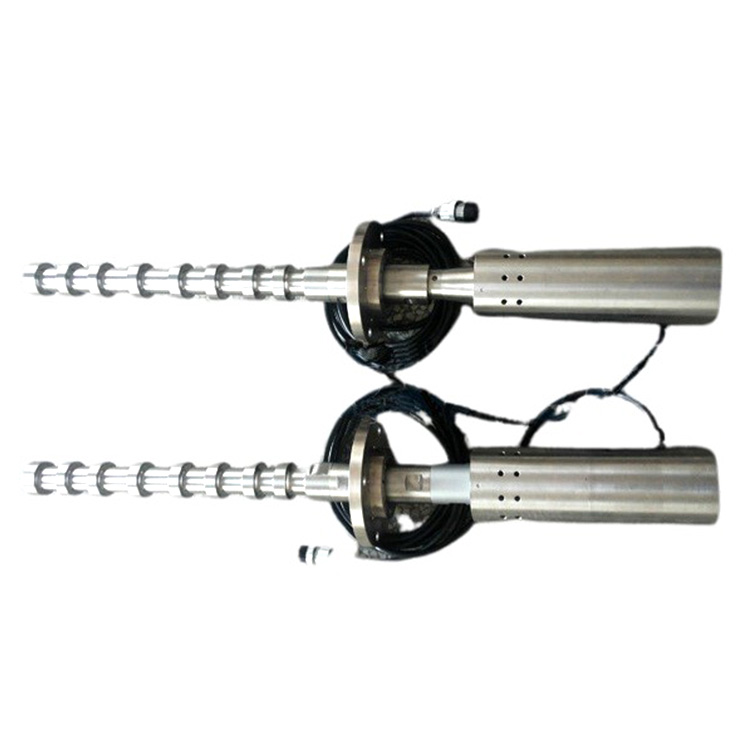
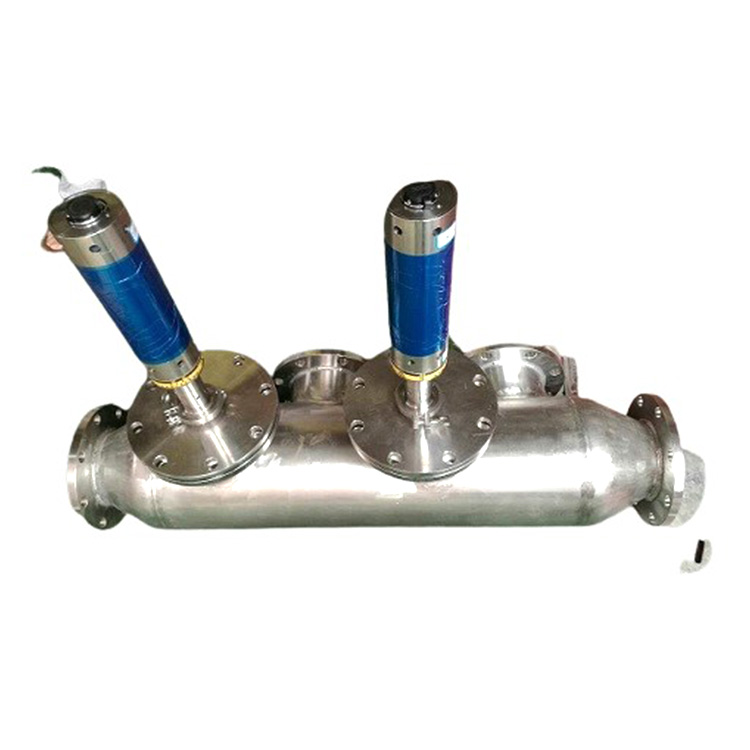
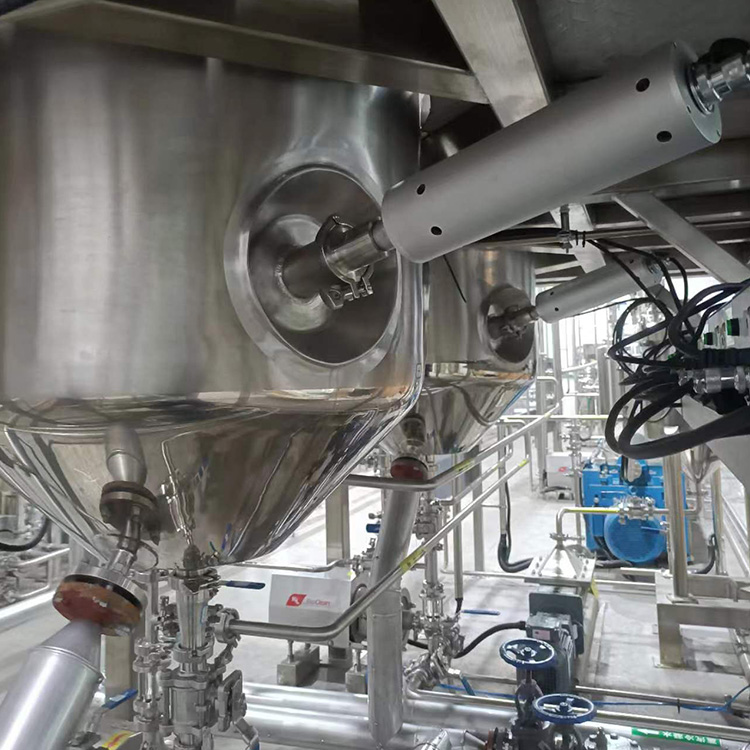
Ultrasonic Battery Paste Agitator: Ultrasound has characteristics such as short wavelength, nearly straight propagation, and easy energy concentration. Ultrasound can increase the rate of chemical reactions, shorten reaction time, and improve the selectivity of reactions; it can also initiate chemical reactions that would not occur in the absence of ultrasound. Ultrasonic dispersion involves placing the particle suspension to be treated directly in the ultrasonic field and treating it with ultrasound of appropriate frequency and power, which is a highly intensive dispersion method. The mechanism of ultrasonic dispersion is generally believed to be related to cavitation. The propagation of ultrasound is carried by the medium, and during its propagation in the medium, there is a cyclic change in positive and negative pressure. The medium is compressed and stretched under alternating positive and negative pressures. When ultrasound with a sufficient amplitude acts on the liquid medium to maintain a constant critical molecular distance, the liquid medium will break, forming microbubbles, which further grow into cavitation bubbles. These bubbles can either redissolve in the liquid medium, float and dissipate, or collapse when they脱离 the resonance phase of the ultrasonic field. Practice has shown that there is an optimal ultrasonic frequency for dispersing suspensions, which depends on the size of the suspended particles. Therefore, after a period of ultrasonic treatment, stopping for a while before continuing can prevent overheating. Using air or water for cooling during ultrasonic treatment is also an effective method.