


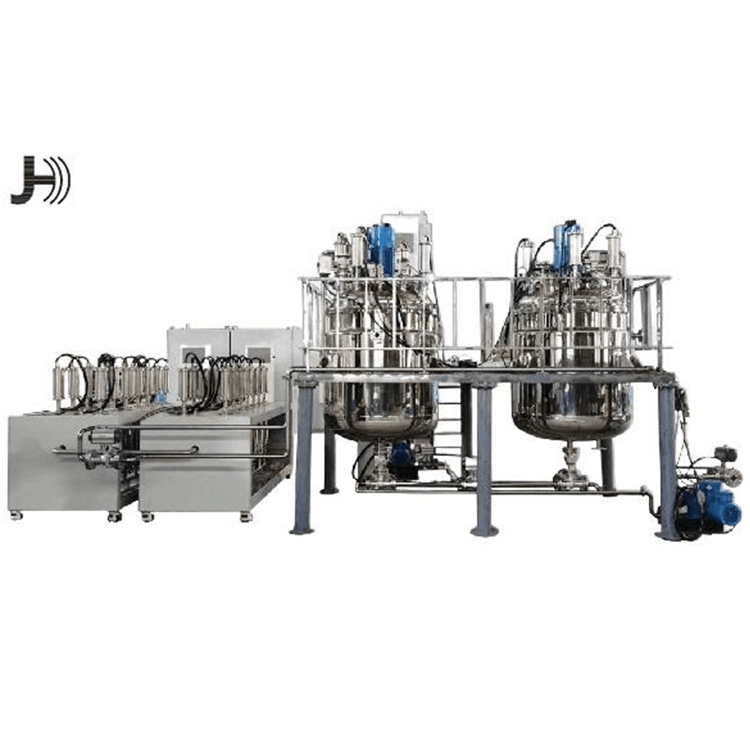
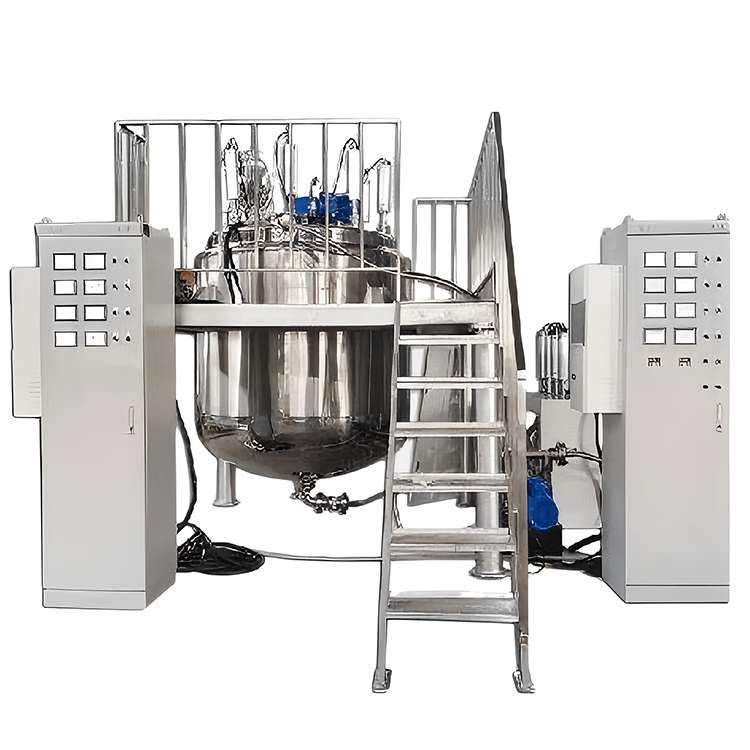
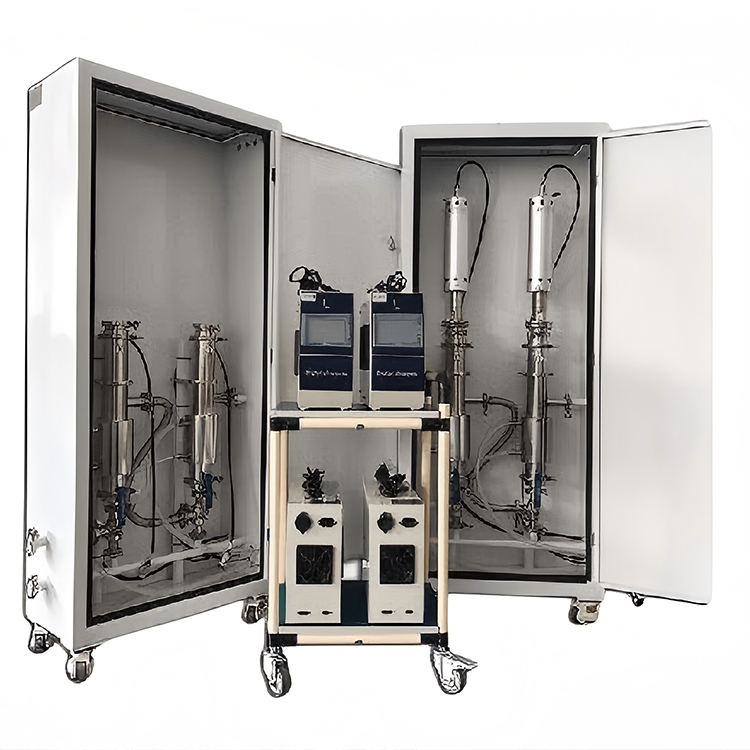





Detailed Introduction
Principle of Laboratory-grade Ultrasonic Stirrer:
The laboratory-grade ultrasonic disperser utilizes the physical mechanism of ultrasonic cavitation to crush insoluble solids (or liquids). Ultrasonic cavitation refers to the formation of numerous bubbles within a liquid under the influence of strong ultrasound. These small bubbles grow and expand with the ultrasonic vibration, then suddenly collapse and split. After splitting, the bubbles continue to grow and collapse. When these bubbles rapidly collapse, they produce high temperatures and pressures inside, and due to the high-speed liquid surrounding the bubble, a strong local shock wave is generated near the bubble, creating a local high temperature and pressure. This process results in the ultrasonic crushing and emulsifying effects.
Cavitation effect of the experimental-grade ultrasonic stirrer:
In some cases, the generation of ultrasonic effects is associated with cavitation mechanisms. Cavitiation refers to a series of dynamic processes that occur in microbubbles (cavities) within a liquid under the action of sound waves: oscillation, expansion, contraction, and ultimately collapse. At the site of cavitation, the local state of the liquid undergoes significant changes, resulting in high temperatures and pressures.
Components:
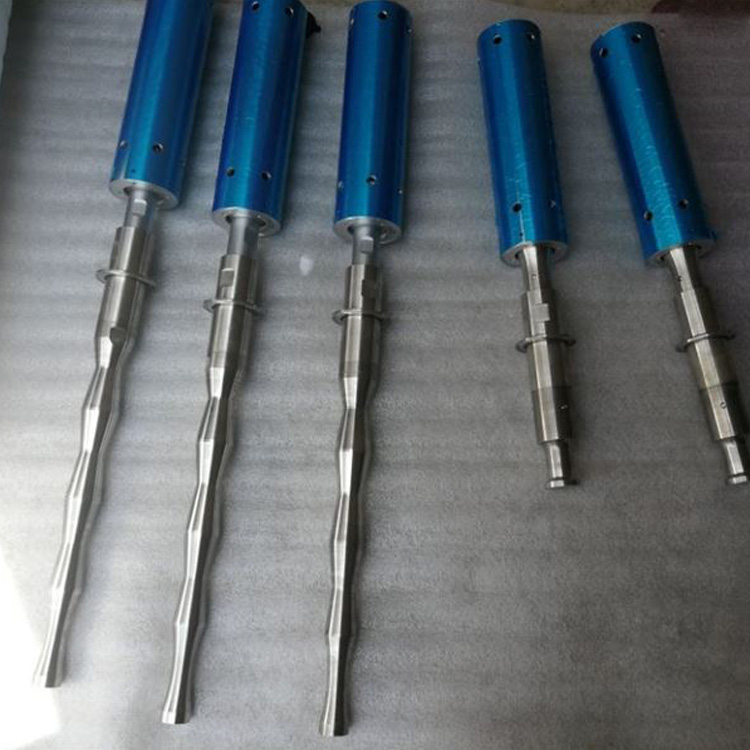
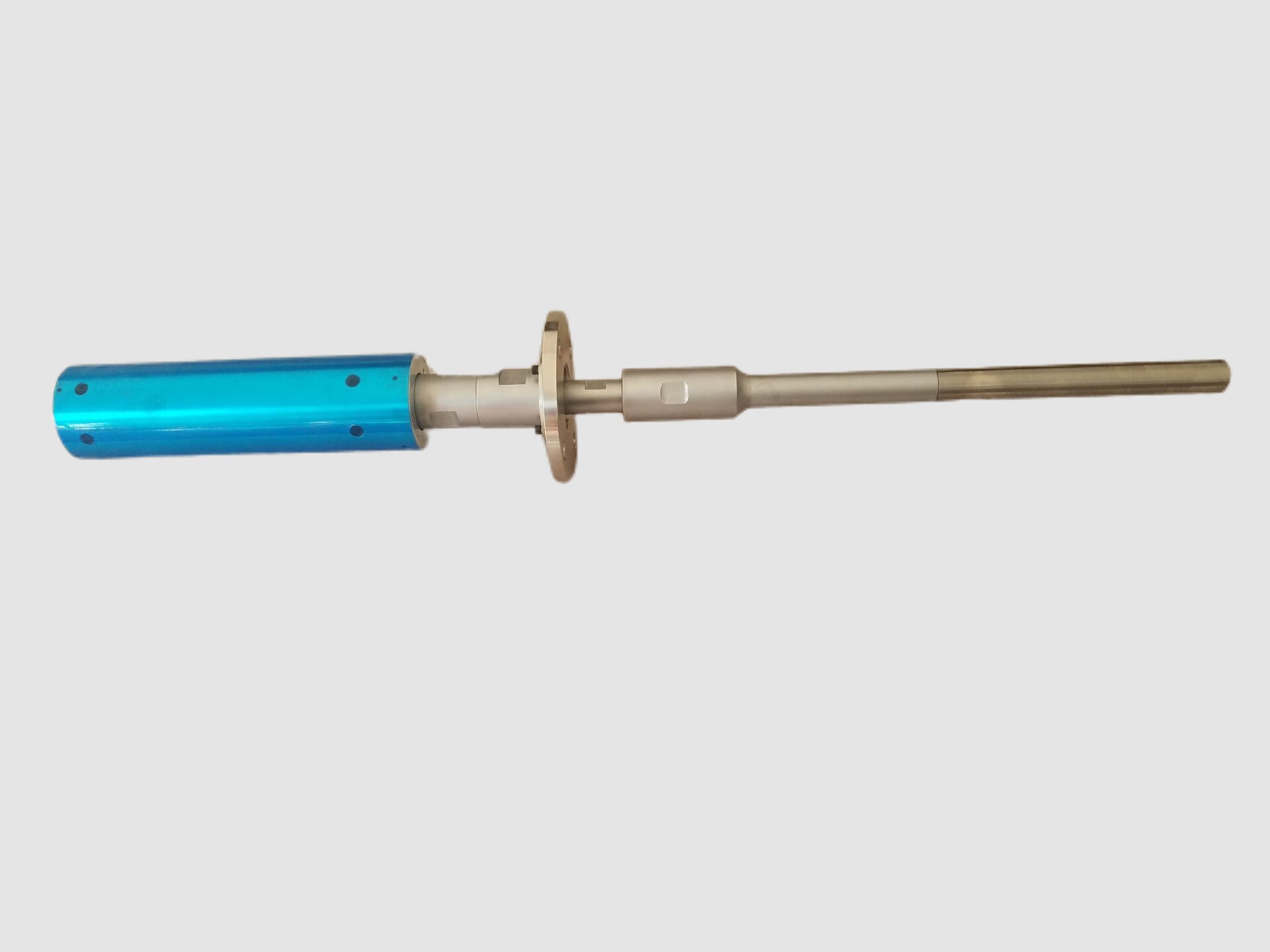
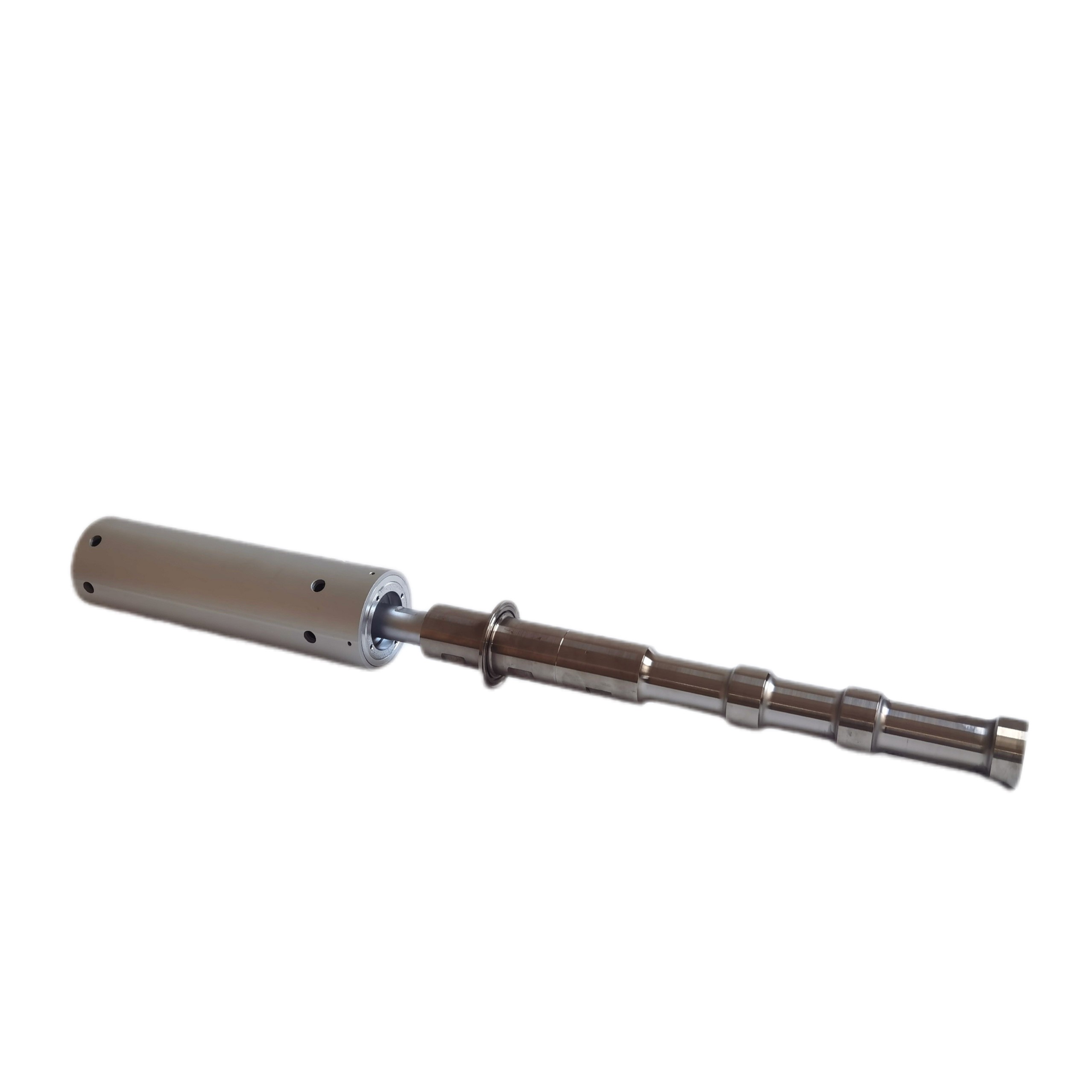
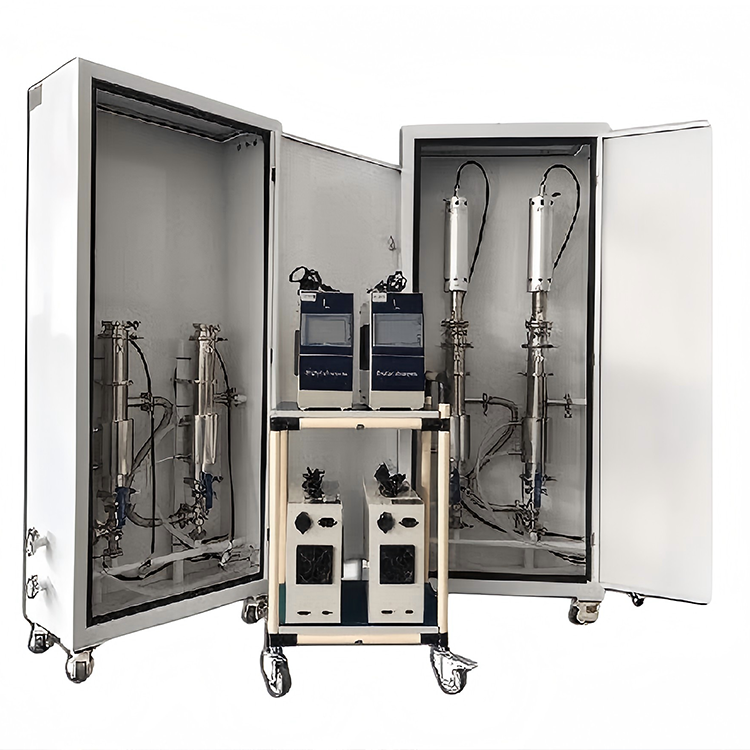
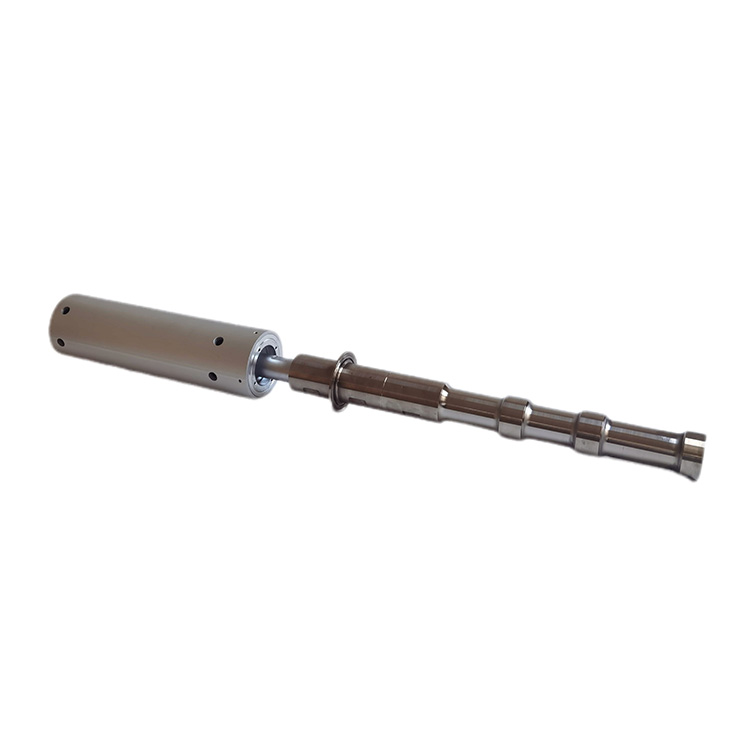
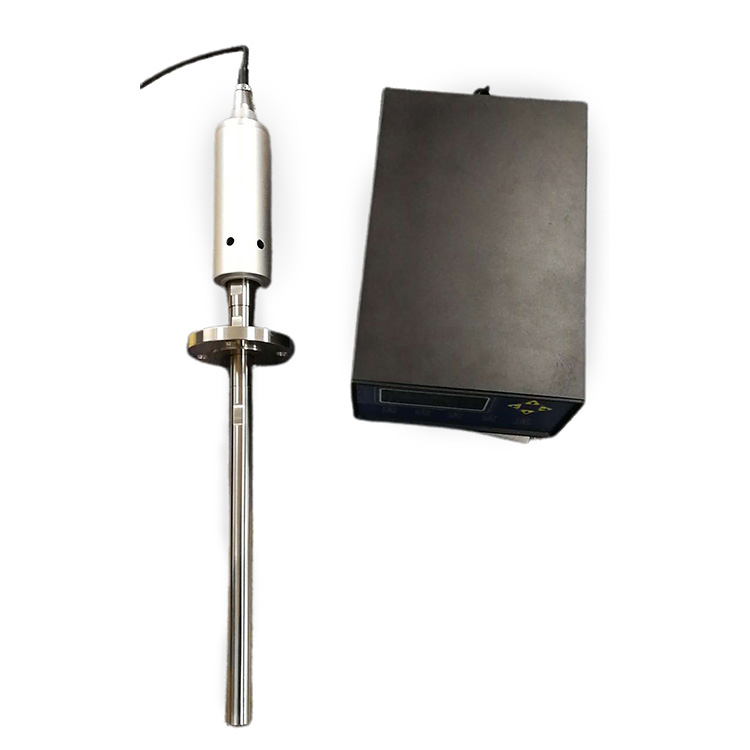
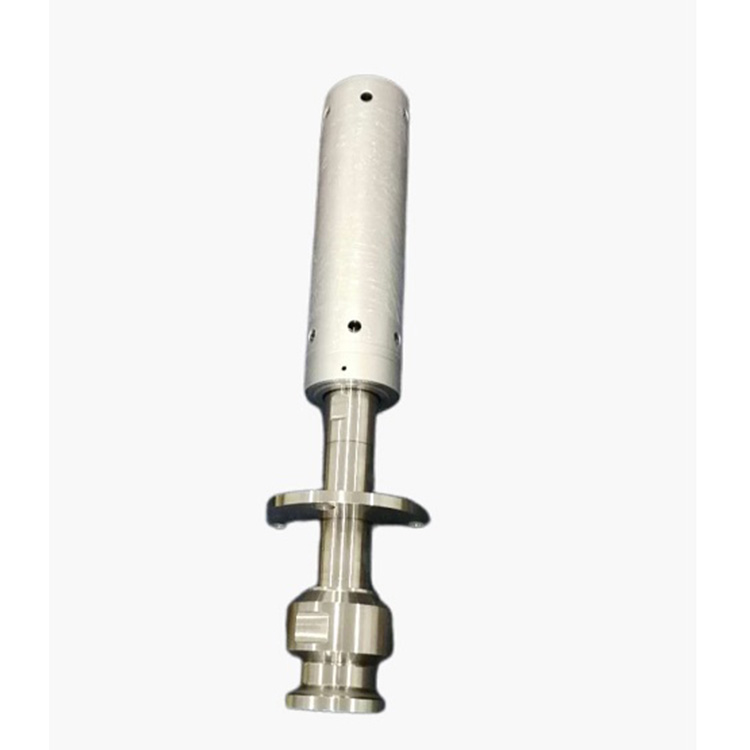
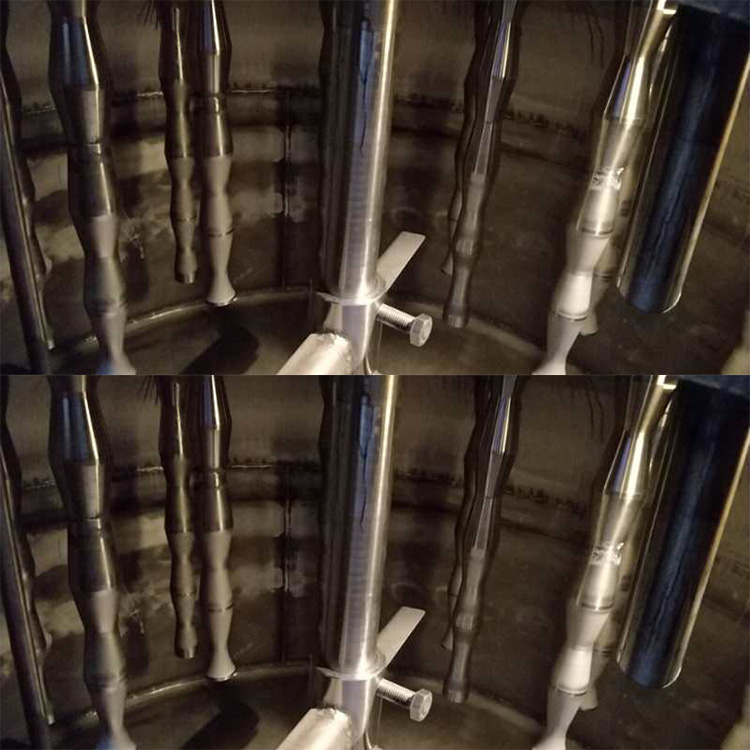
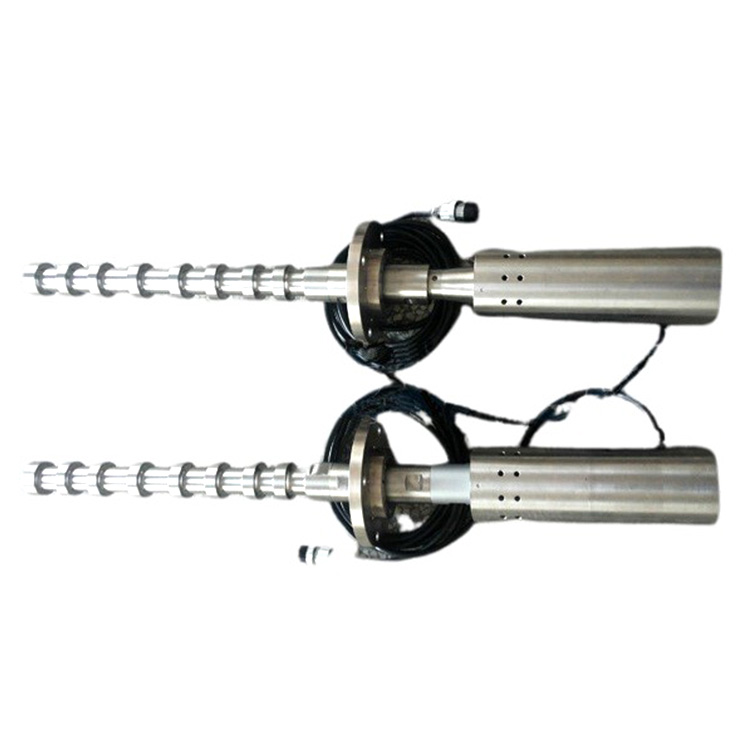
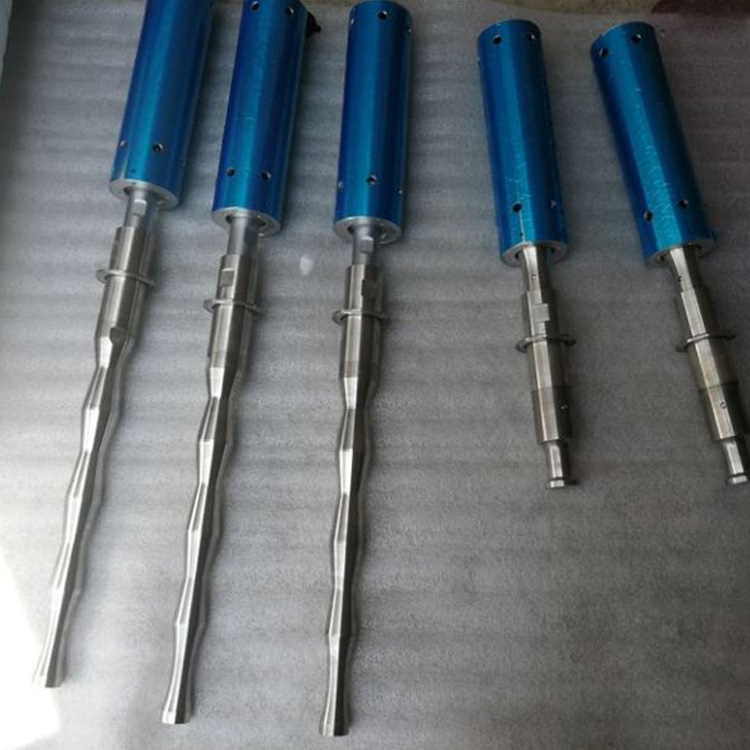
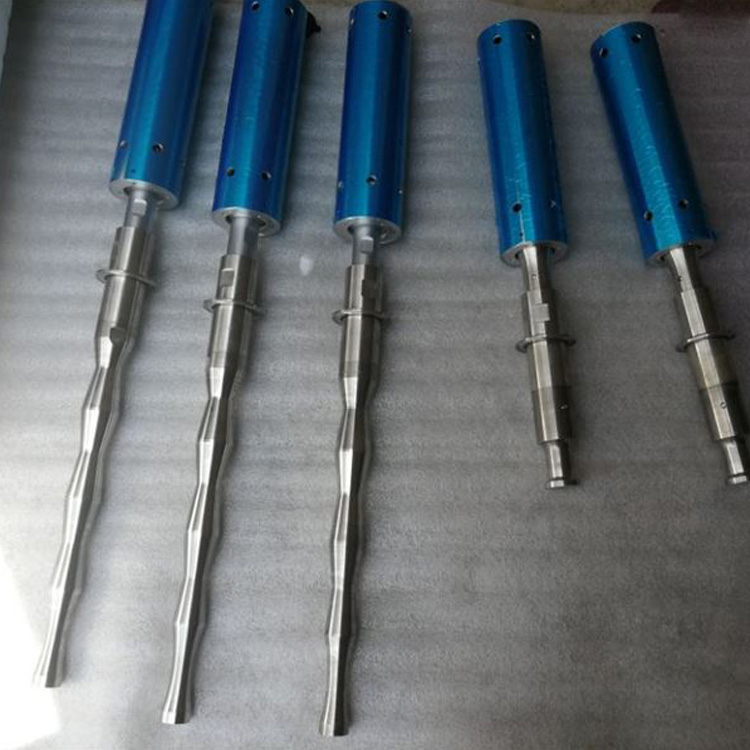
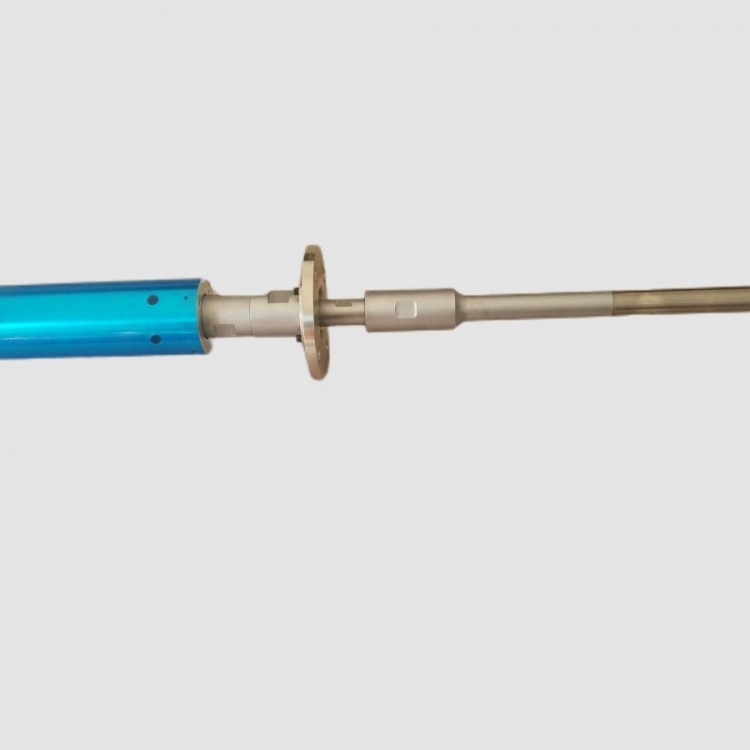
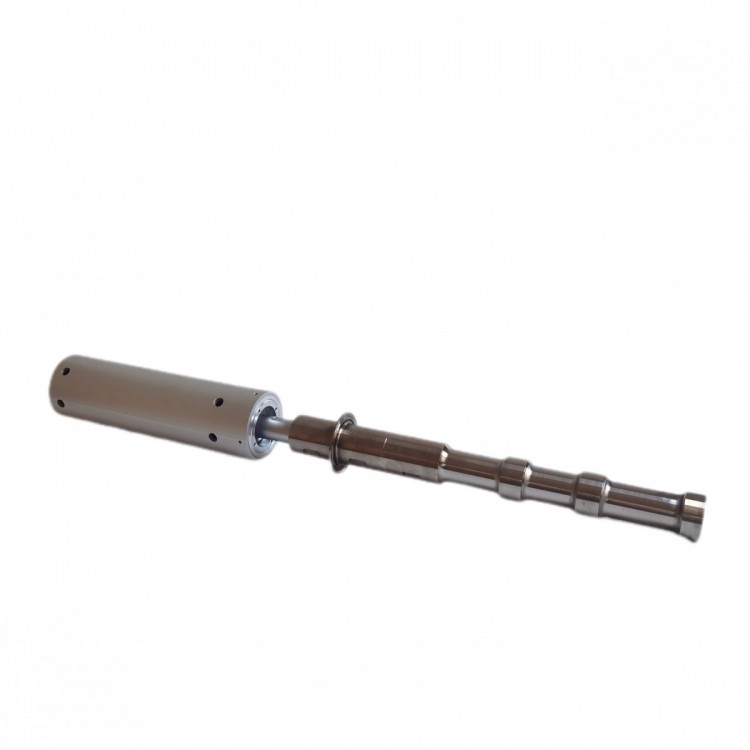
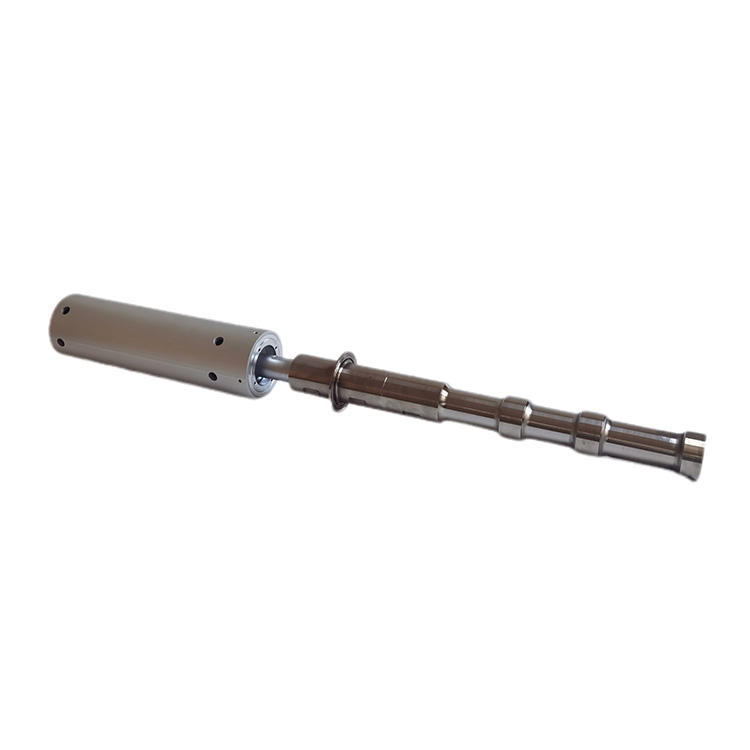
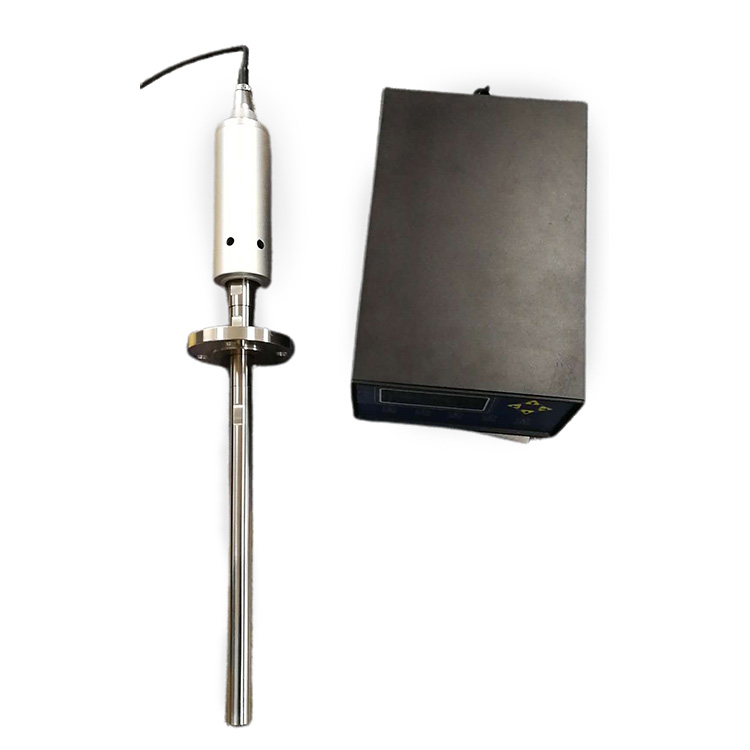
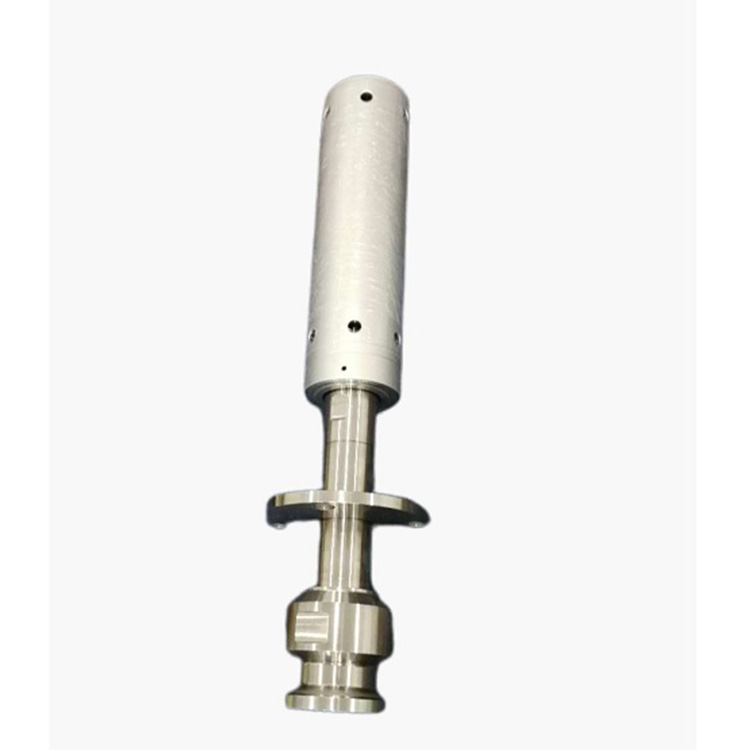
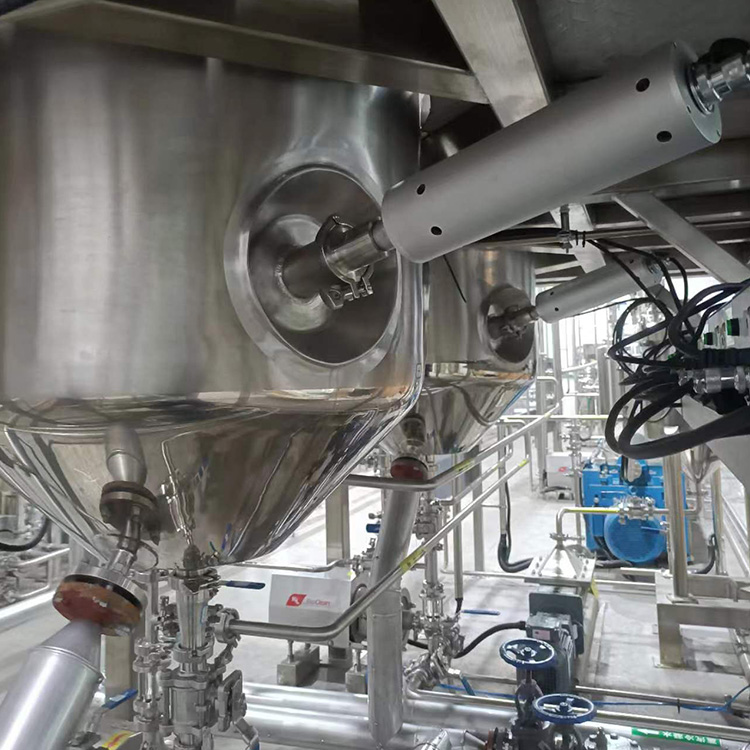
① Ultrasonic Transducer ② Ultrasonic Amplification Rod ③ Ultrasonic Tool Head ④ Ultrasonic Power Supply. The transducer performs a reciprocating longitudinal motion, with an amplitude typically in the range of a few micrometers. This amplitude power density is insufficient for direct use. The amplification rod, as designed, increases the amplitude, isolates the reaction solution from the transducer, and also serves to fix the entire ultrasonic vibration system. The tool head is connected to the amplification rod, which transfers the ultrasonic energy vibration to the tool head, and then the tool head emits the ultrasonic energy into the reaction liquid.
Main Technical Specifications:
1. Optional Frequency Range: 15KHz to 60 KHz.
2. Common Frequency: 20kHz
Detailed Description
Principle of Ultrasonic Vibration Rod
Ultrasonic vibration rods, also known as ultrasonic vibration bars, offer a broader range of applications and longer lifespan compared to traditional ultrasonic vibration plates. In industrial applications, ultrasonic vibration rods are used for cleaning, extraction, chemical reactions, scale prevention, water treatment, and more, making it a mature and widely-used technology.
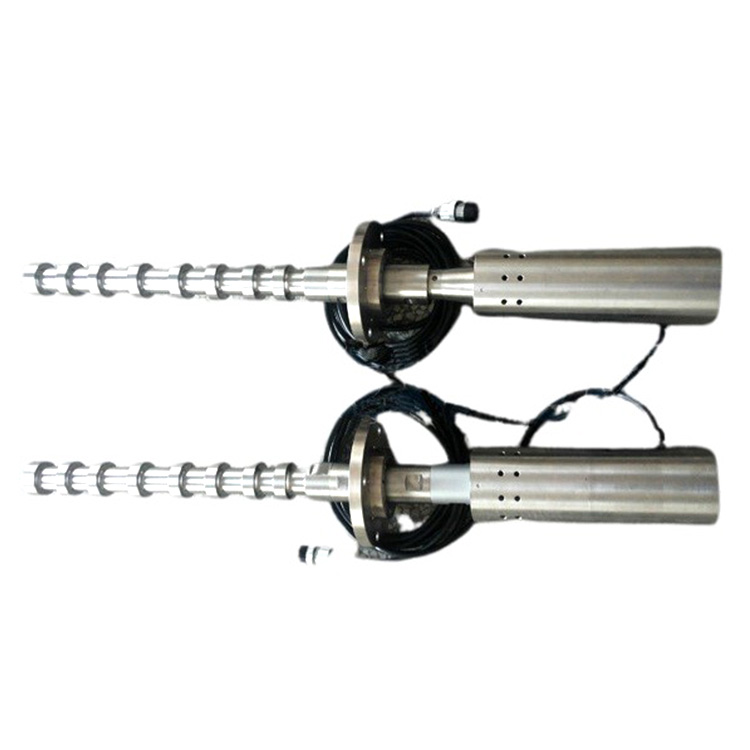
Ultrasonic vibration rods utilize the alternating cycles of positive and negative pressure in the transmission process of ultrasound. During the positive phase, they compress the medium molecules, increasing the medium's original density. In the negative phase, the medium molecules become sparse and scattered, reducing the medium's density. These rods can uniformly generate ultrasound at 360° around them, and their energy output is not affected by factors like liquid level or temperature differences. Ultrasonic vibration rods typically include high-power ultrasonic transducers, variable amplitude rods, and tool heads (emitters) for producing ultrasonic vibrations and emitting this vibration energy into the liquid. The transducer converts electrical energy into mechanical energy, i.e., ultrasound, with its motion being back and forth in the longitudinal direction, usually in the range of a few micrometers. This amplitude power density is insufficient for direct use. The variable amplitude rod amplifies the amplitude as required by design, isolates the reaction solution from the transducer, and also serves to fix the entire ultrasonic vibration system. The tool head is connected to the variable amplitude rod, which transmits the ultrasonic energy vibrations to the tool head, which then emits the ultrasound energy into the reaction liquid.
Ultrasonic Vibration Rod Features
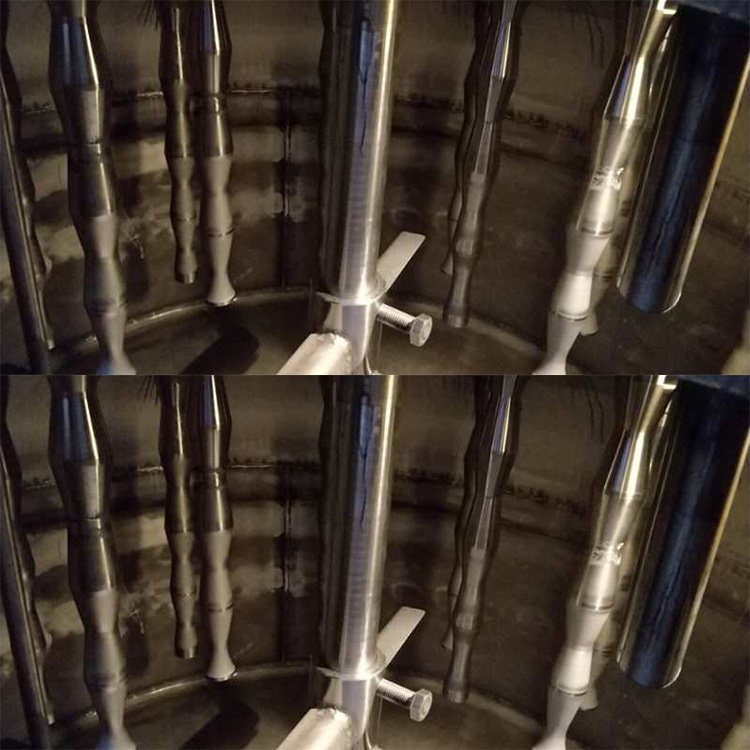
1. Ultrasonic cavitation is generated around the vibration rod, with the ultrasonic energy evenly distributed around the rod.
2. The power output of the ultrasonic vibration rod is unaffected by variations in liquid level, tank capacity, and temperature differences, ensuring a stable and uniform power output.
3. The ultrasonic vibration rod has a lifespan over 1.5 times that of traditional ultrasonic vibration plates.
4. The ultrasonic vibration rod's round tube design facilitates easy installation and use.
5. The ultrasonic vibration rod is sealed and waterproof, safe to use.
Ultrasonic vibration rod components:
1. Ultrasonic vibration source (drive power supply): Converts 50-60Hz household power into high-power high-frequency (15kHz-100kHz) power supply for the transducer.
2. Transducer (controller, transducer): Converts high-frequency electrical energy into mechanical vibration energy.
3. Amplifier Rod: Connects and secures the transducer to the tool head, amplifying the transducer's amplitude and transmitting it to the tool head.
4. Tool Head (Import Rod): Transfers mechanical energy and pressure to the workpiece, while also featuring the function of amplitude amplification.
Ultrasonic Vibration Rod Application Scope
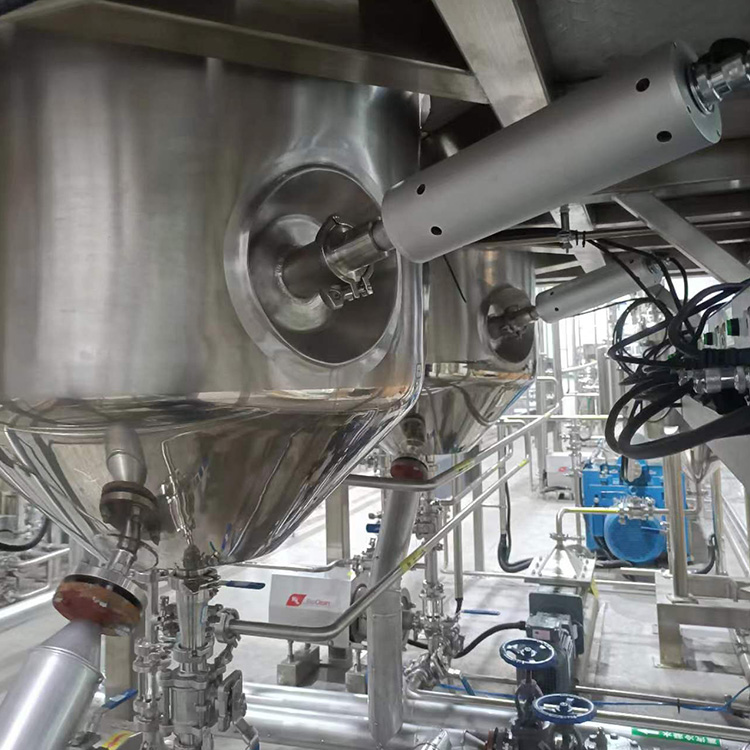
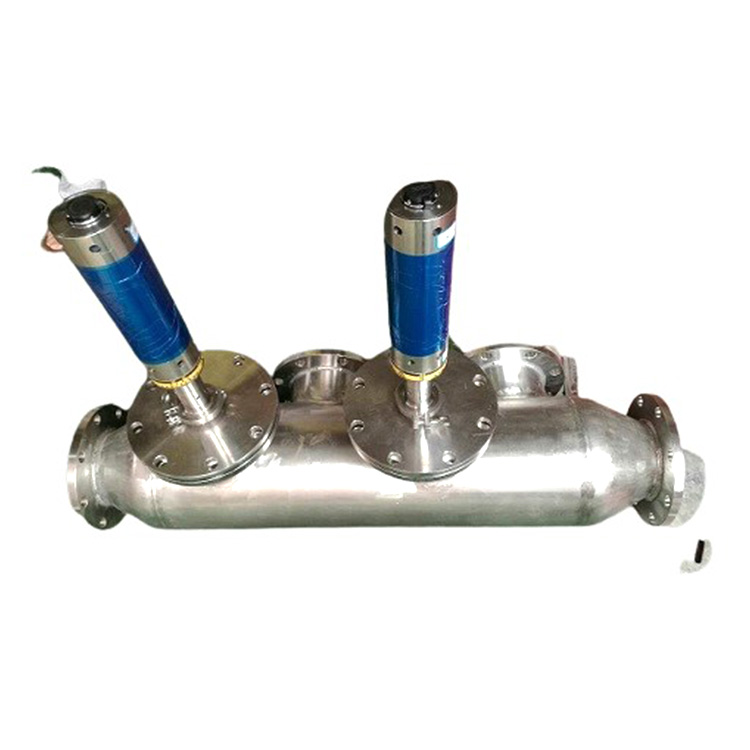
1. Ultrasonic vibration rods are suitable for applications such as traditional Chinese medicine extraction, cleaning the inner walls of thick-walled metal pipes, online ultrasonic scale prevention for boilers, ultrasonic cleaning in vacuum or pressure conditions, and various types of ultrasonic and acoustic chemical treatments for pipes.
2. Ultrasonic vibration rods are widely used in traditional ultrasonic cleaning applications, such as biochemical, food, chemical, and other industries.
In the field of biochemical engineering, ultrasonic vibration rods are extensively used in emulsification, separation, homogenization, extraction, and catalytic reactions to enhance production capacity. In the food industry, they are employed for uniform mixing, playing a significant role in achieving homogeneity. In the chemical industry, ultrasonic vibration rods are suitable for cleaning pipelines, tanks, and reactors. During the process of refining biodiesel from waste oils and palm oil, the catalytic effect of ultrasonic vibration rods is astonishing, increasing efficiency by several times, and holds great potential for development in the petrochemical industry. As a physical method and tool, ultrasonic technology can create near-ideal conditions in the medium of chemical reactions, not only stimulating or promoting numerous chemical reactions and accelerating reaction rates but also potentially altering the direction of certain reactions, resulting in unexpected effects and miracles. Ultrasonic mixers can be applied to almost all chemical reactions, including extraction and separation, synthesis and degradation, biodiesel production, microbial treatment, degradation of toxic organic pollutants, biological degradation, cell disruption, dispersion, and coalescence.