







Detailed Description
Principle of Laboratory-Grade Ultrasonic Stirrer:
Laboratory-grade ultrasonic mixers utilize the physical mechanism of ultrasonic cavitation to break down insoluble solids (or liquids). Ultrasonic cavitation refers to the formation of numerous bubbles within a liquid under the influence of strong ultrasound. These small bubbles grow and expand with the ultrasonic vibration, then suddenly collapse and split. After splitting, the bubbles continue to grow and collapse. When these bubbles rapidly collapse, they produce high temperatures and pressures inside, and due to the high-speed liquid surrounding the bubble, a strong local shock wave is generated near the bubble, creating localized high temperatures and pressures. This process leads to the ultrasonic粉碎 and emulsification effects.
Cavitation effect of the laboratory-grade ultrasonic mixer:
In certain cases, the generation of ultrasonic effects is related to cavitation mechanisms. Cavitational effects refer to a series of dynamic processes that occur in tiny bubbles (cavities) within a liquid under the influence of sound waves: oscillation, expansion, contraction, and ultimately collapse. At the sites of cavitation, the local state of the liquid undergoes significant changes, resulting in high temperatures and pressures.
Components:
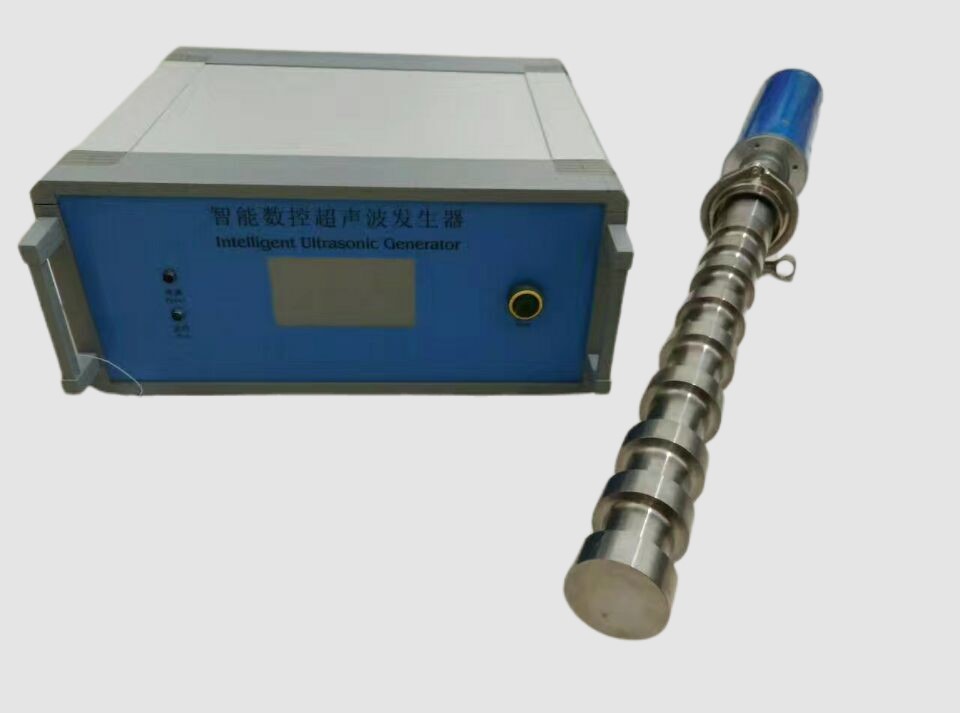
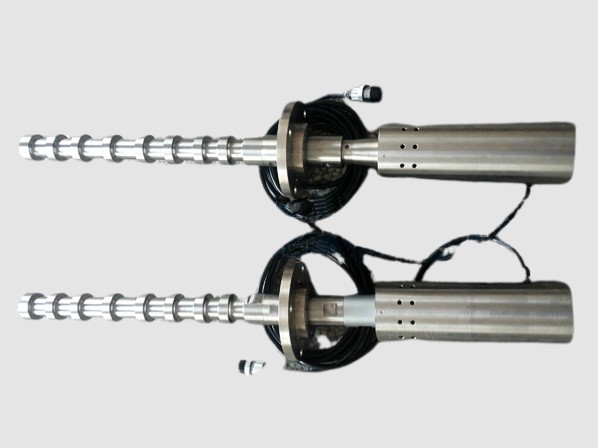
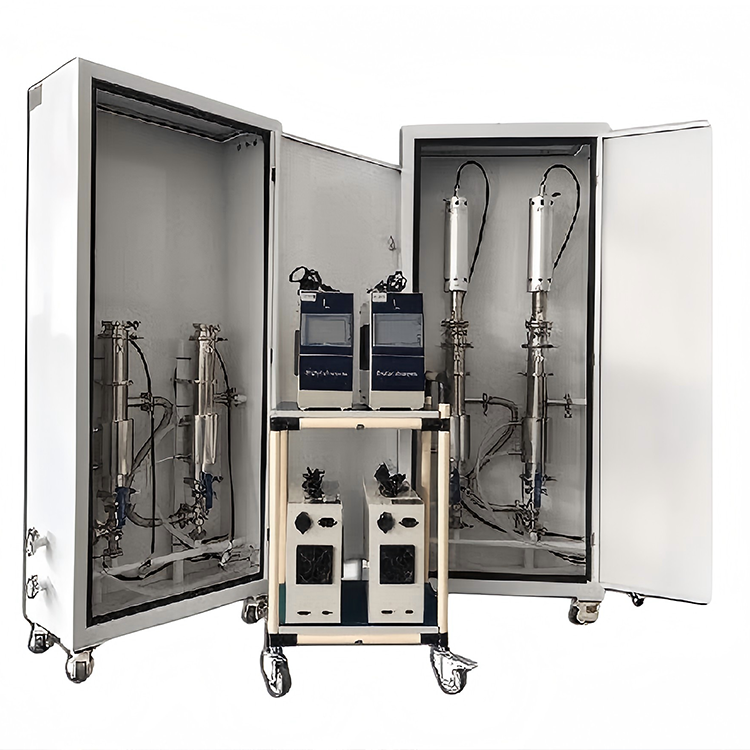
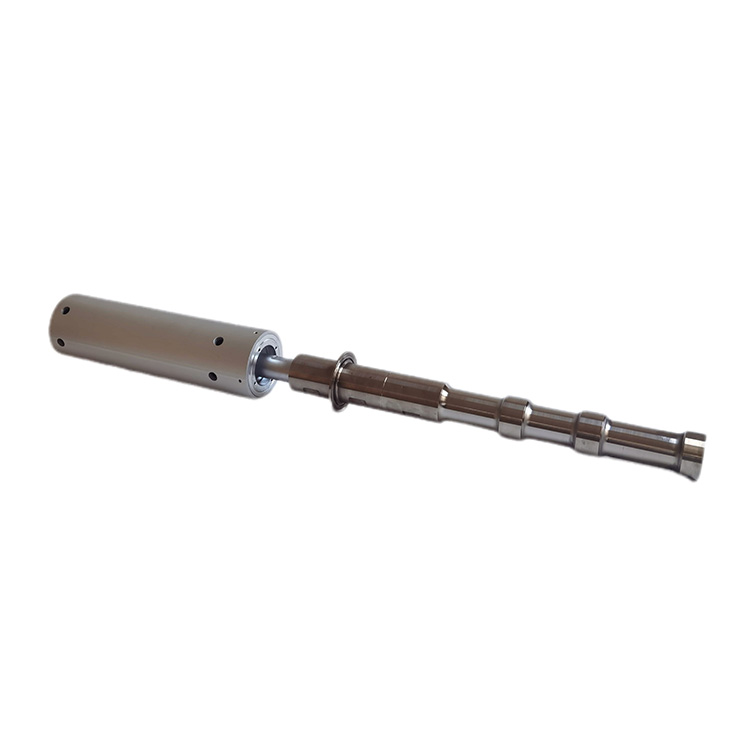
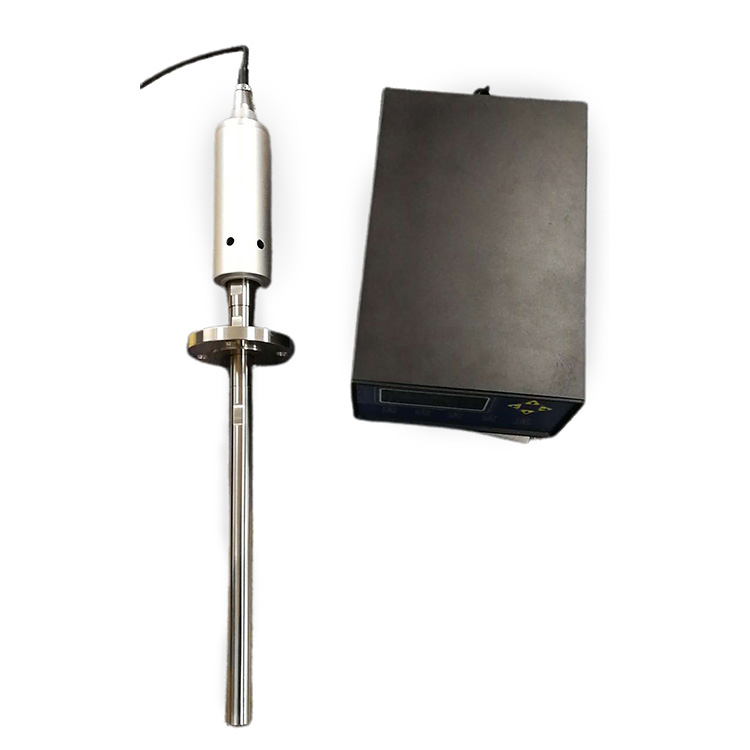
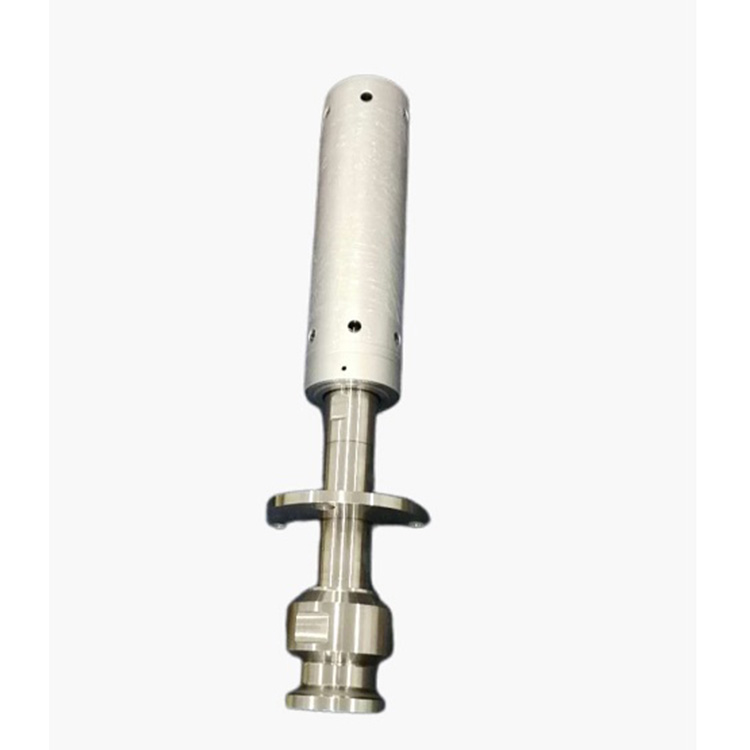
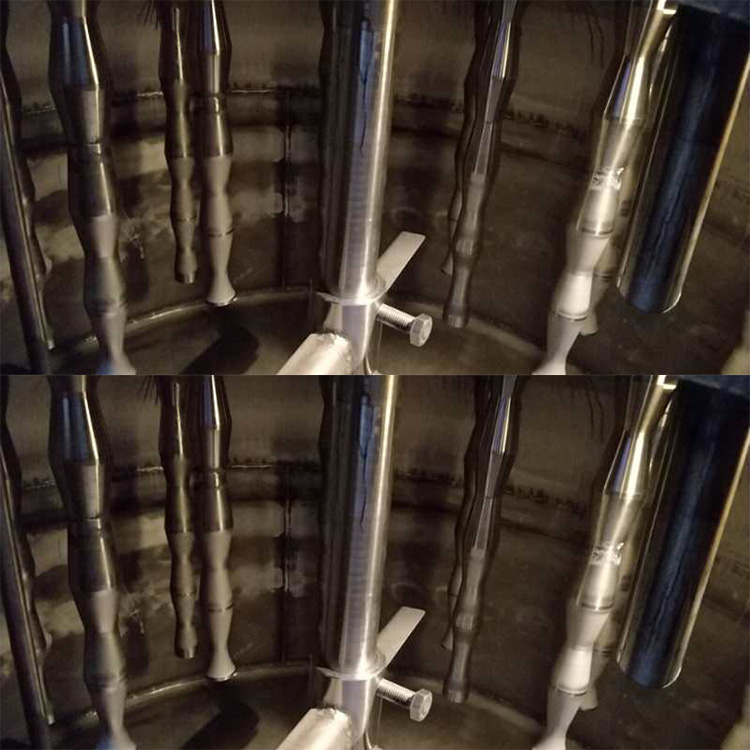
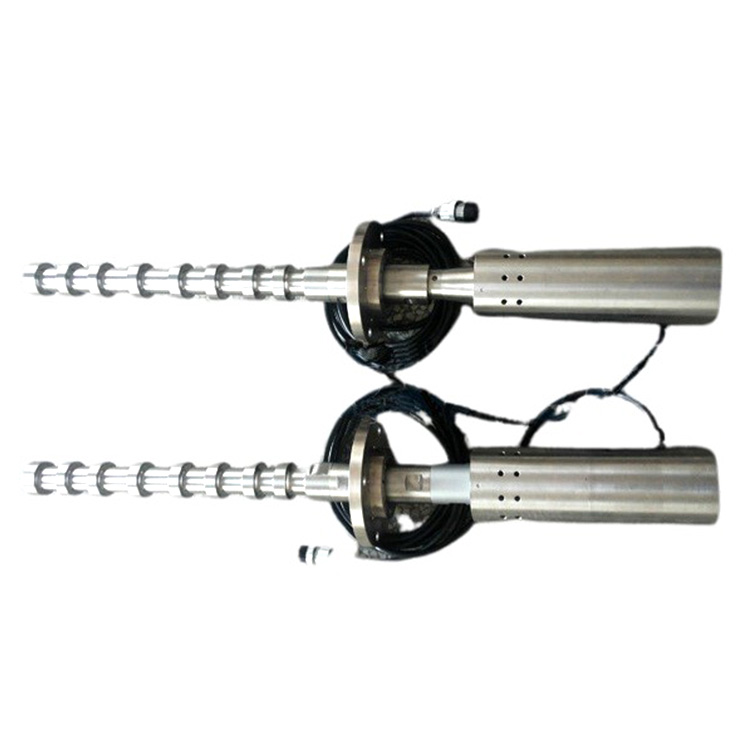
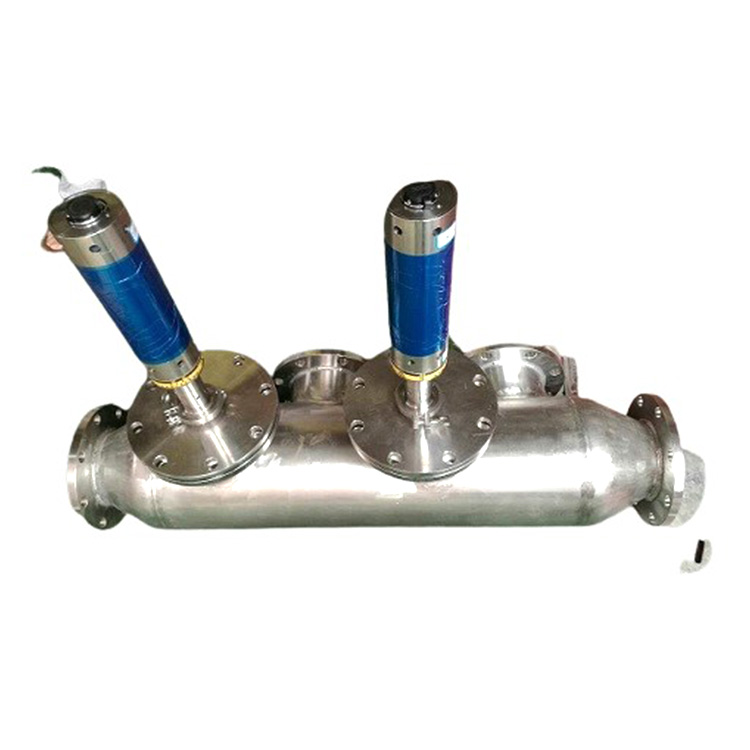
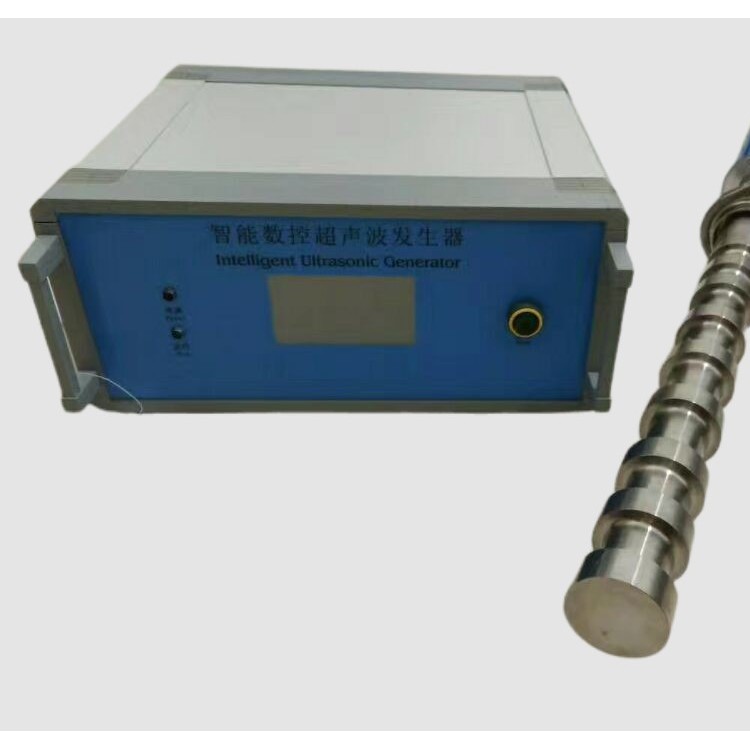
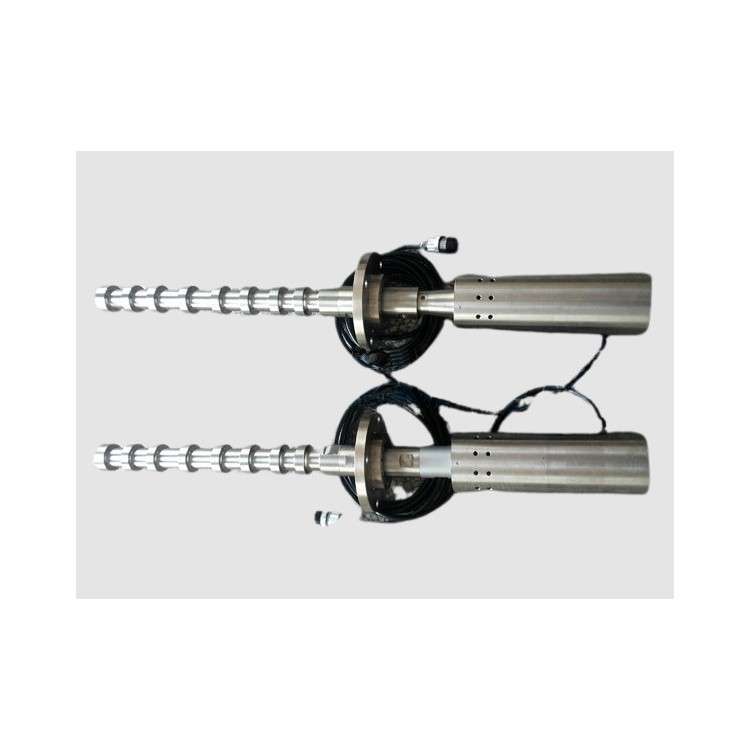
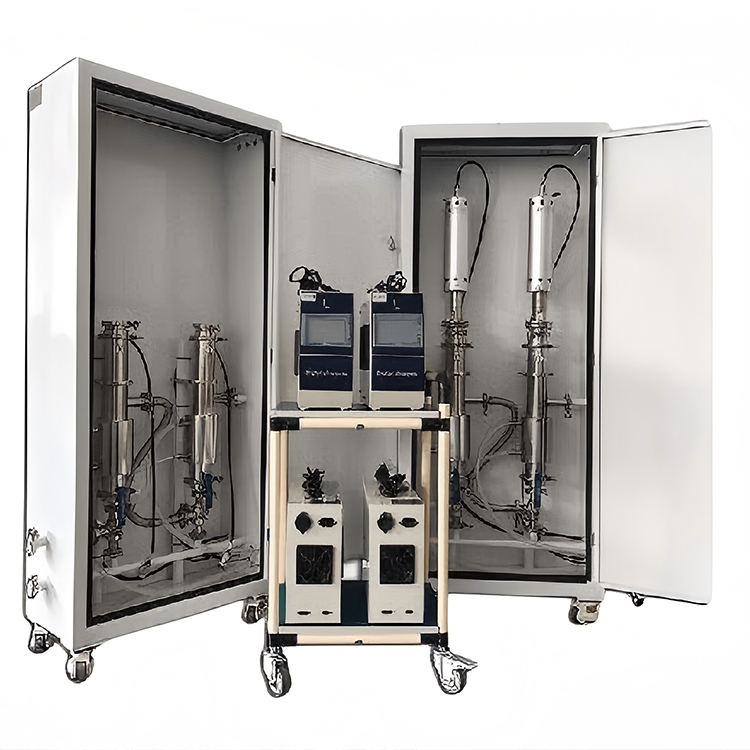
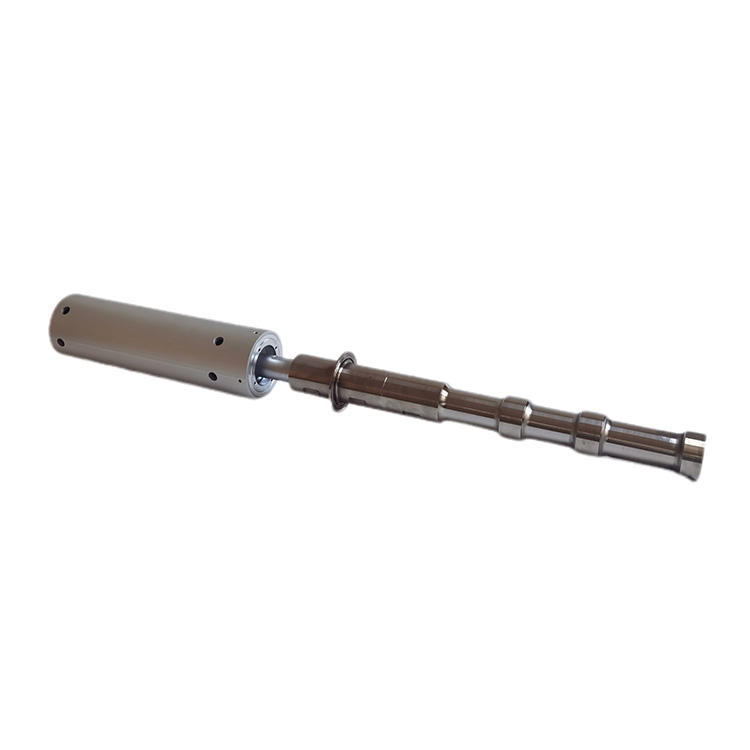
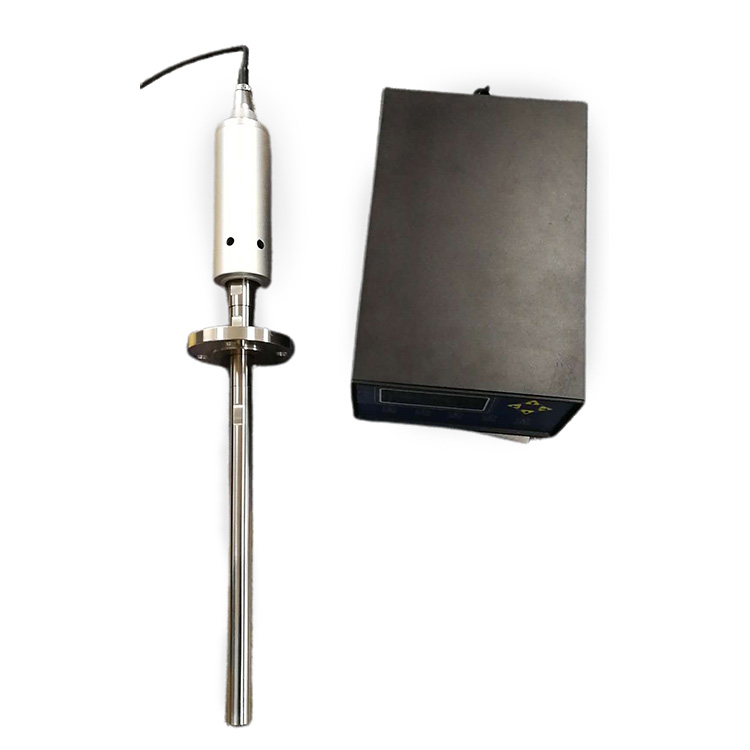
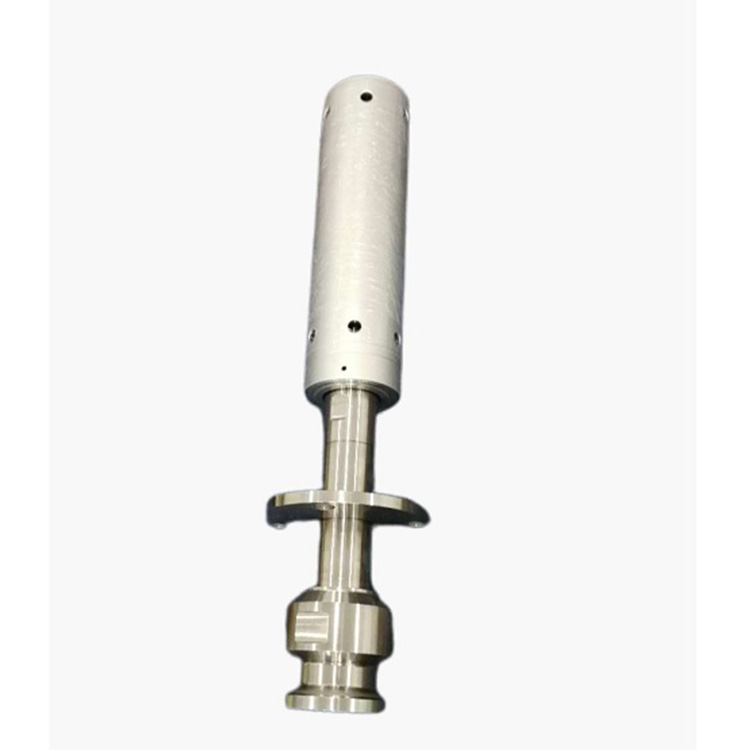
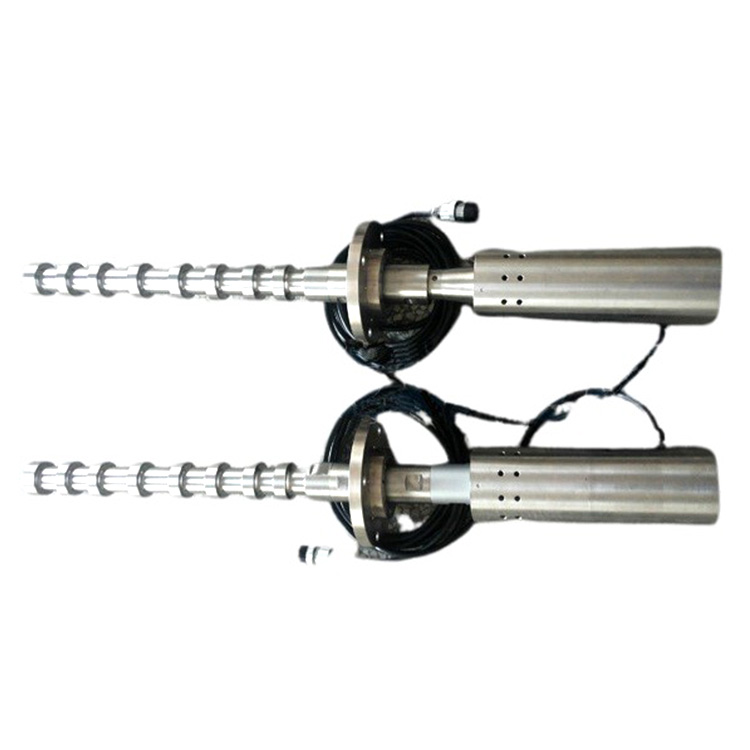
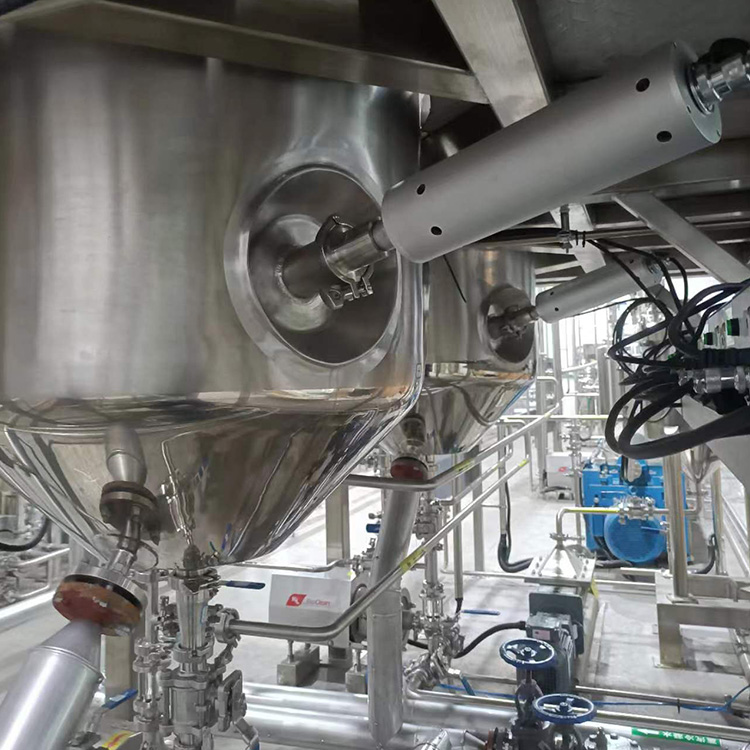
① Ultrasonic Transducer ② Ultrasonic Amplification Rod ③ Ultrasonic Tool Head ④ Ultrasonic Drive Power Supply. The transducer performs a reciprocating longitudinal movement, with an amplitude typically in the micrometer range. This amplitude power density is insufficient for direct use. The amplification rod, as designed, increases the amplitude, isolates the reaction solution from the transducer, and also serves to stabilize the entire ultrasonic vibration system. The tool head is connected to the amplification rod, which transfers the ultrasonic energy vibration to the tool head, which then emits the ultrasonic energy into the reaction liquid.
Key Technical Specifications:
1. Optional frequency range: 15KHz to 60 KHz.
2. Common Frequency: 20kHz
3. Nominal power per unit: 500W, 1000W, 1500W, 2000W, 3000W; lower frequency equals higher power per unit, while higher frequency results in lower power per unit. Units can also be combined for use.
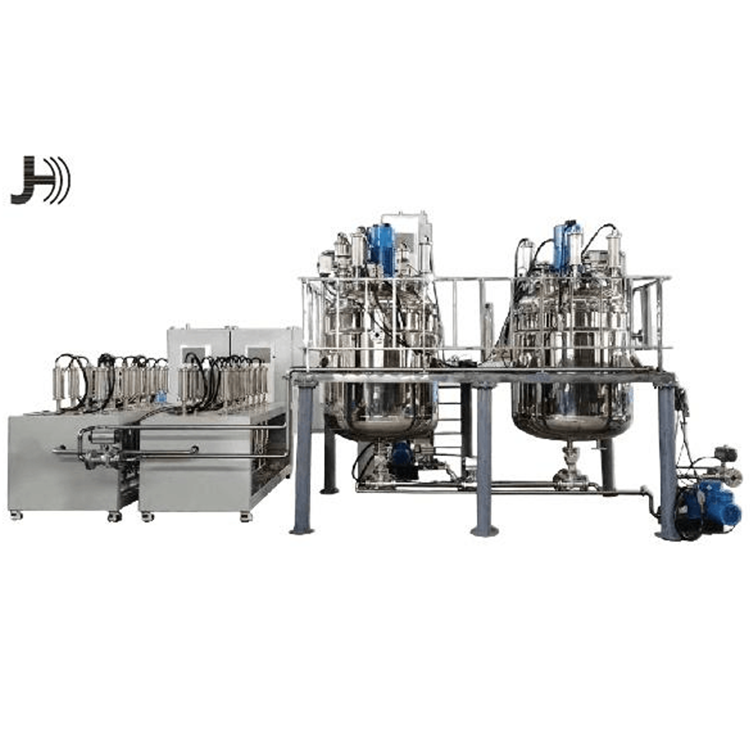
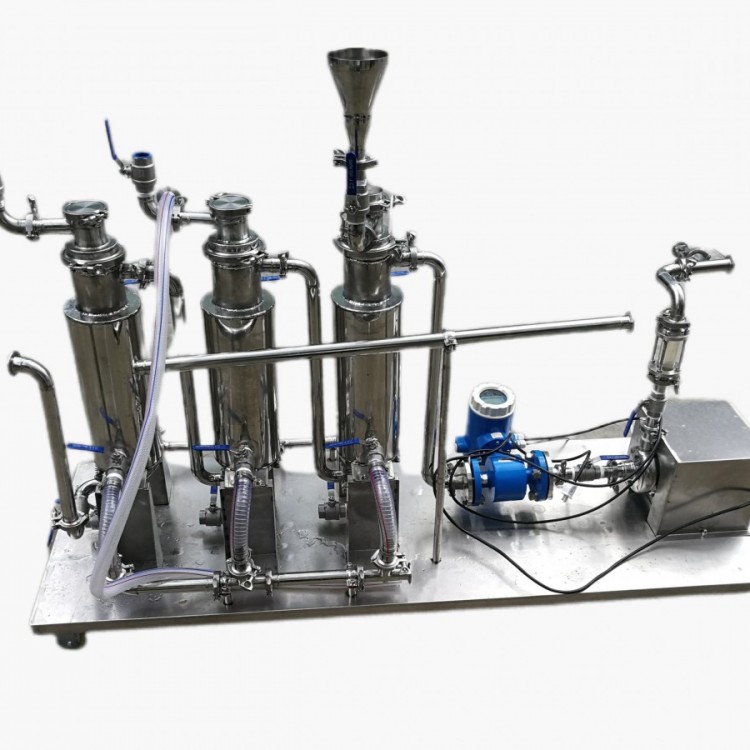
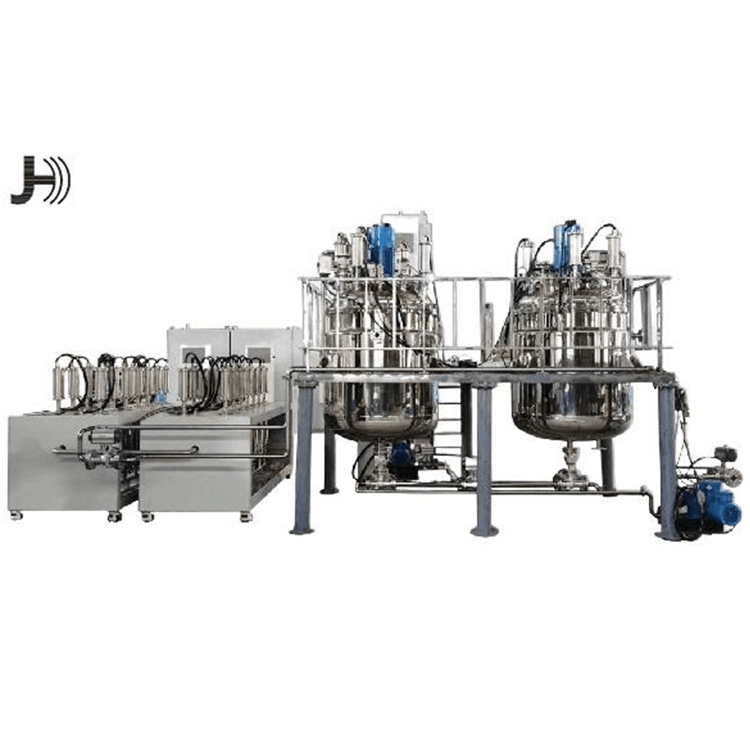
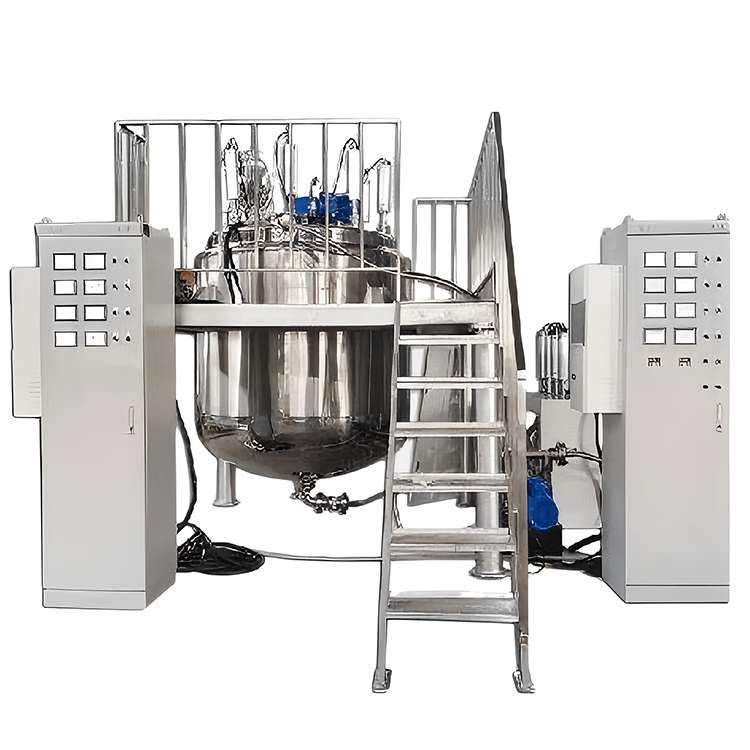
4. Tool Head (Probe) Materials: Stainless steel, titanium alloy; also customizable according to customer's special requirements. Industrial-grade acoustochemical systems are mainly used for large-scale industrial production. Our company's industrial-grade high-power ultrasonic acoustochemical treatment equipment boasts an energy conversion efficiency of up to 80%-90%, featuring high power, high efficiency, large radiation area, suitable for large-scale industrial production. It includes real-time frequency and power monitoring, adjustable power, and overload alarm functions.
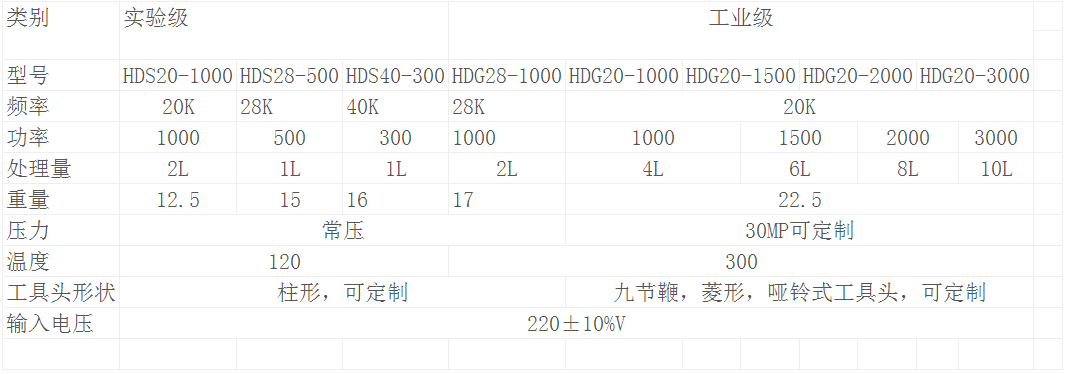
Parameters: