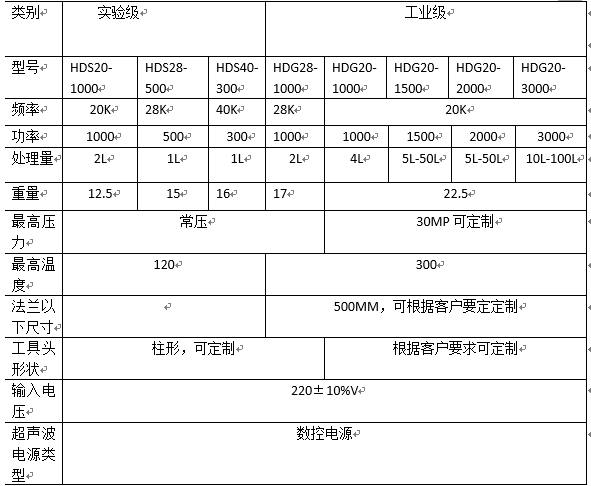








Detailed Description
Principle of Ultrasonic Immersion Vibration Rod:
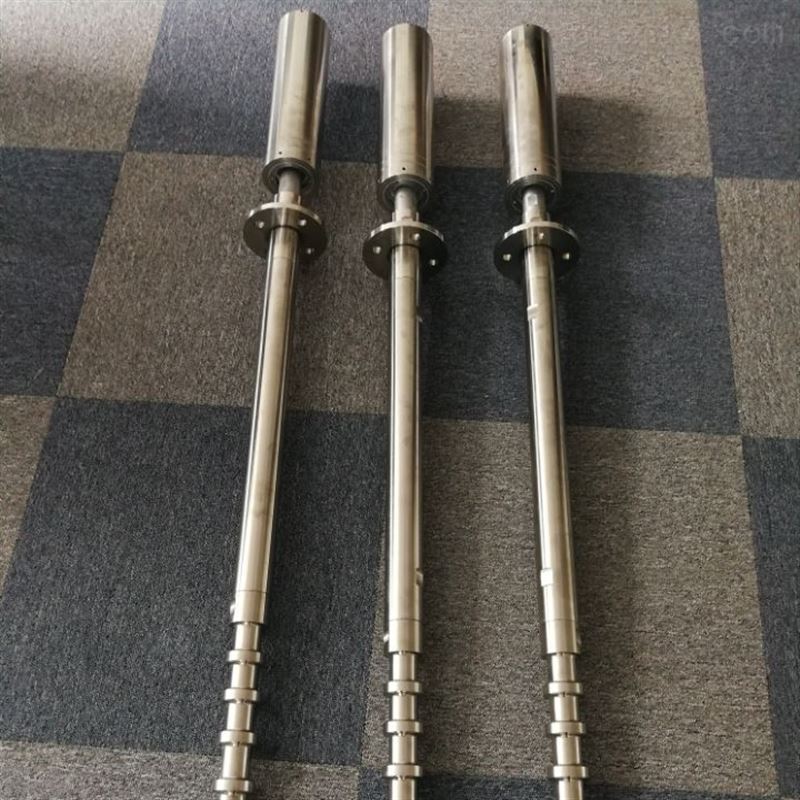
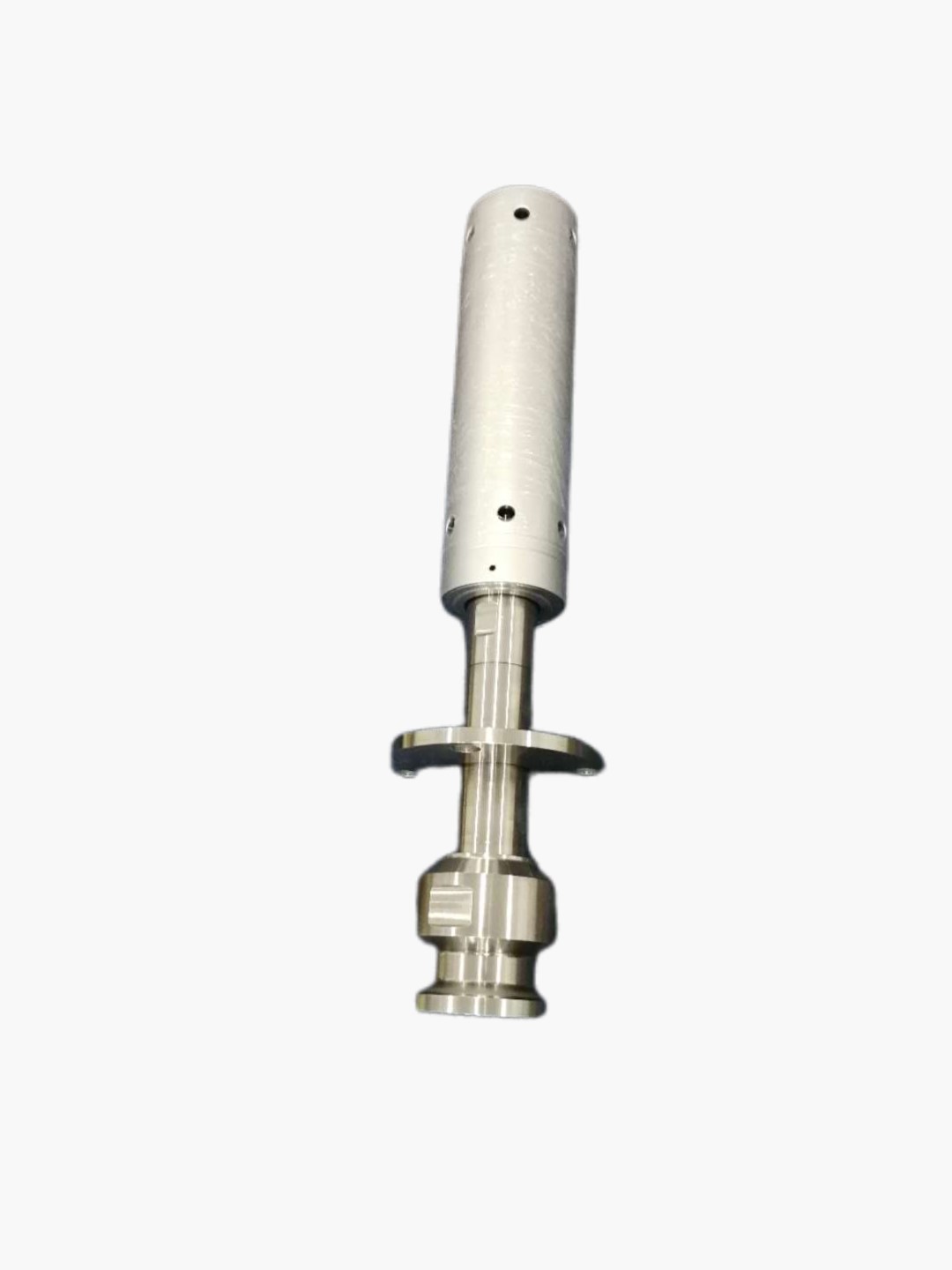
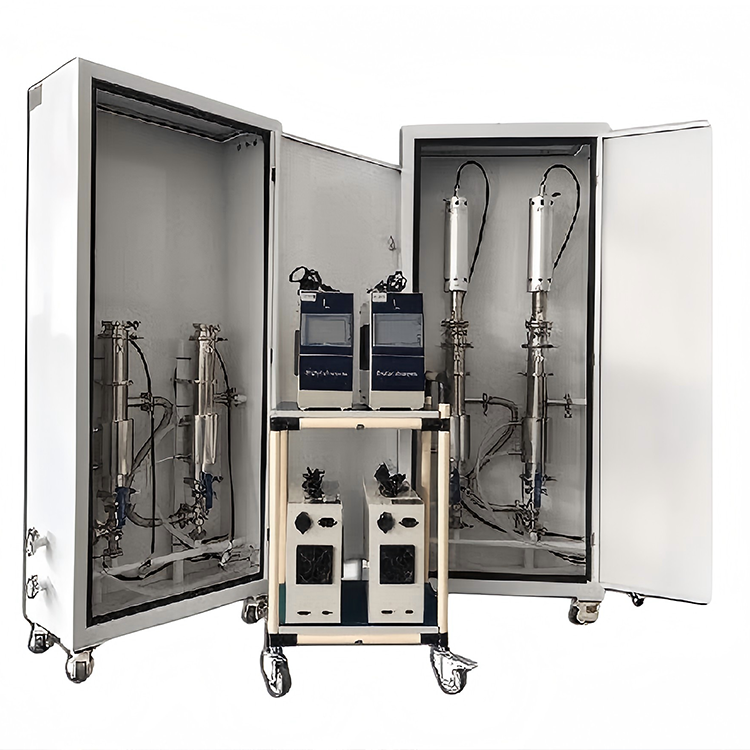
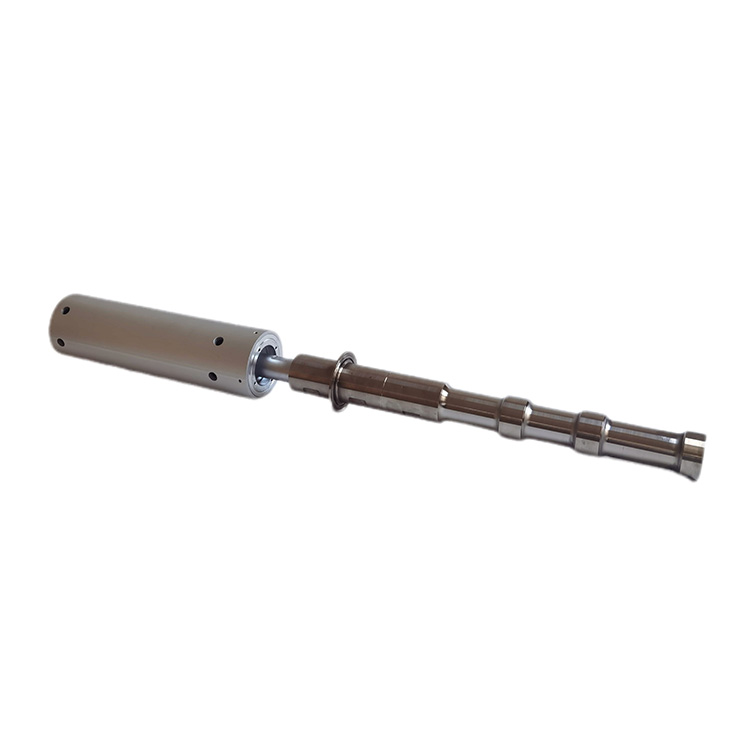
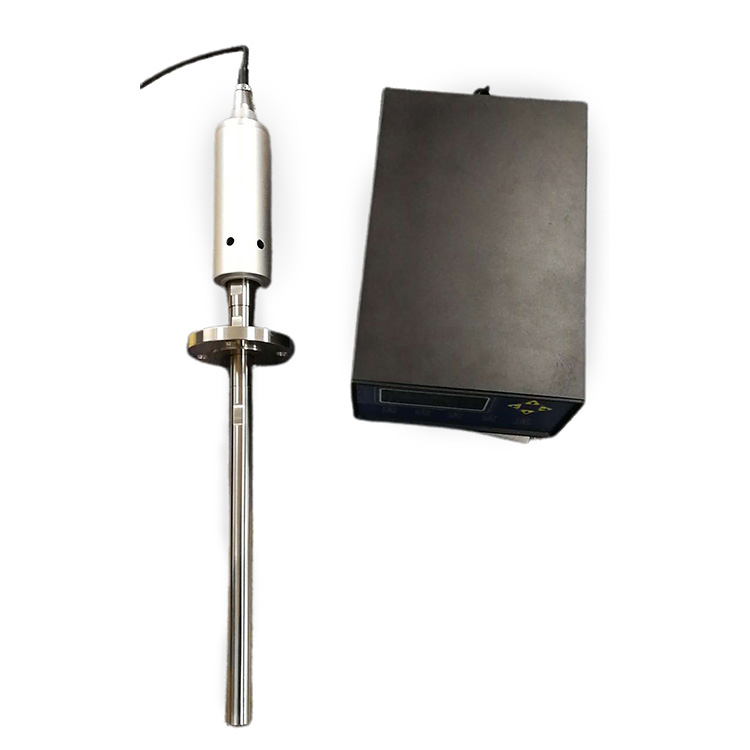
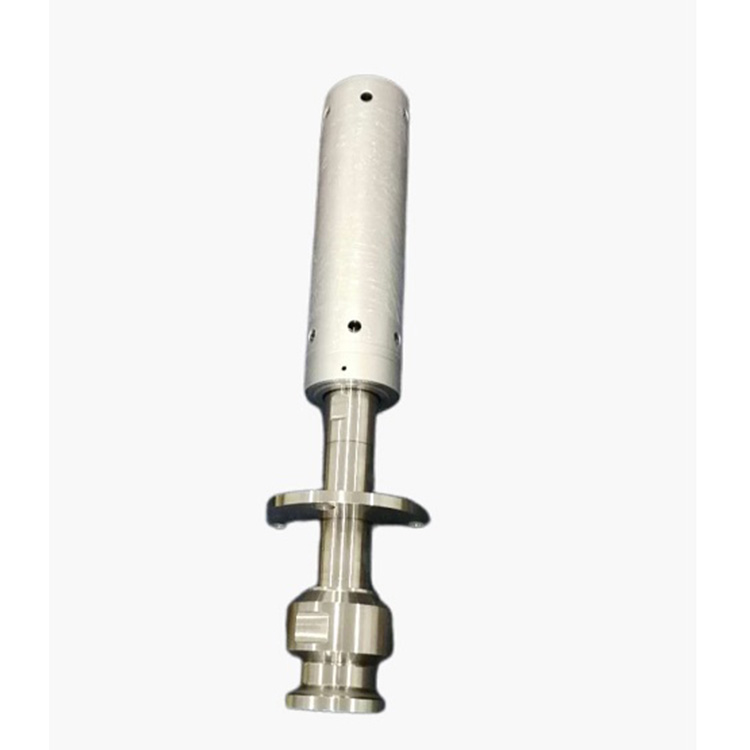
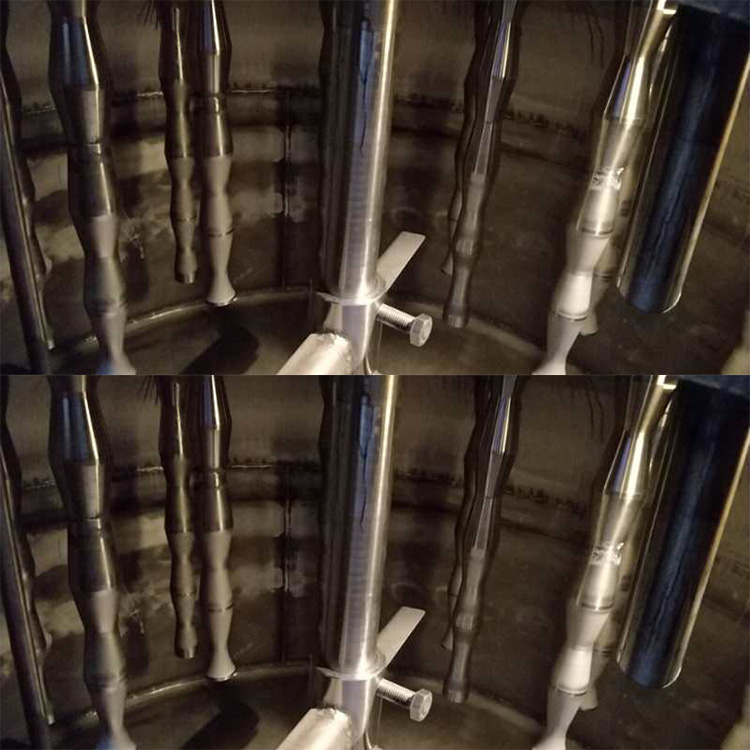
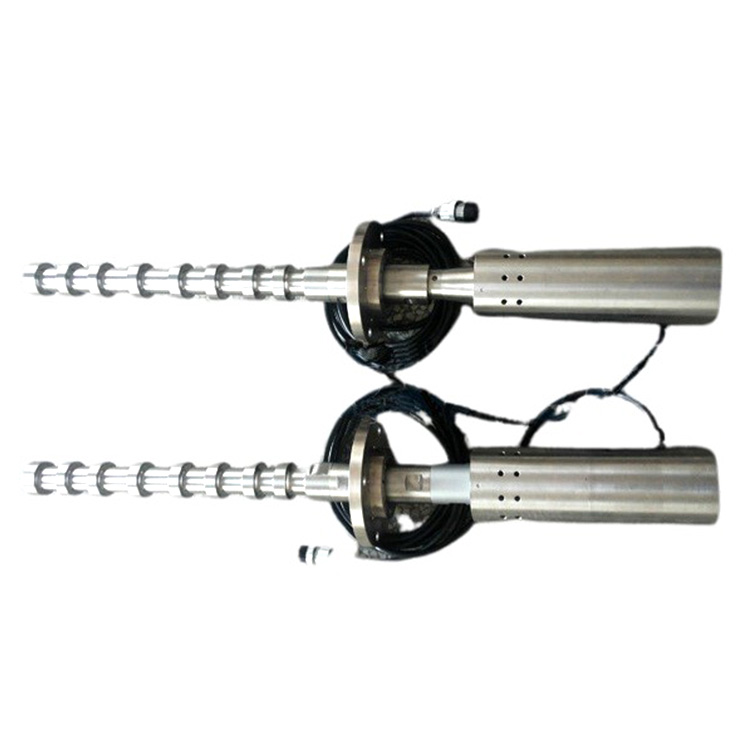
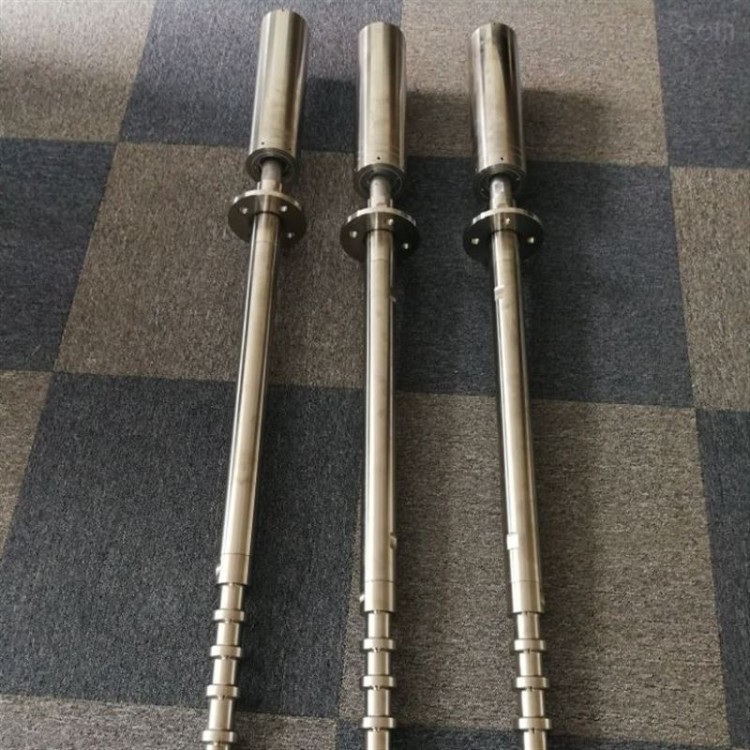
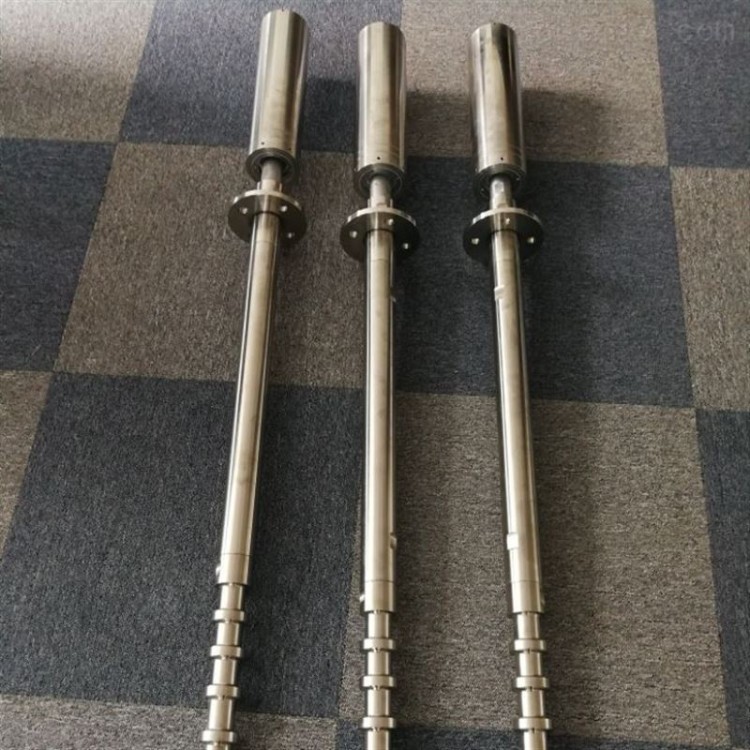
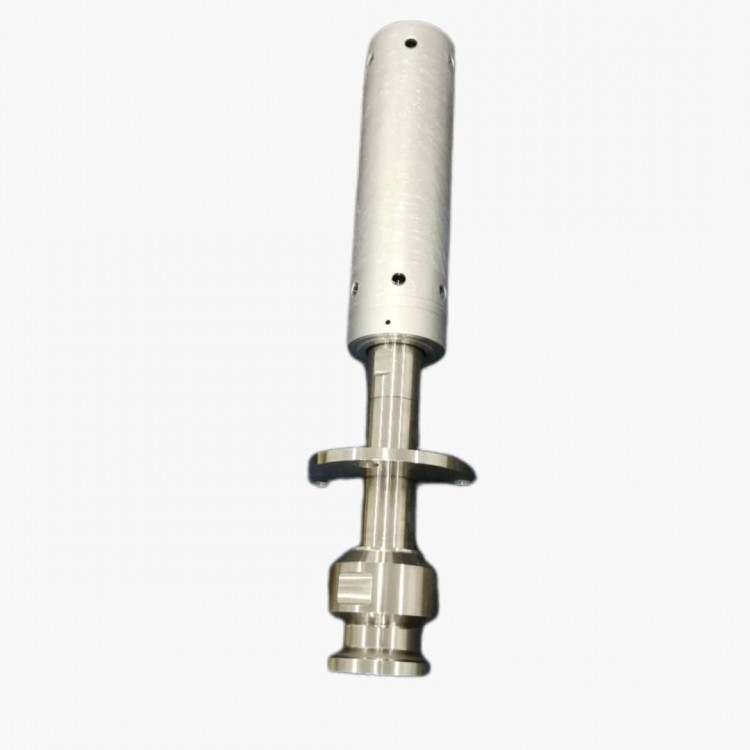
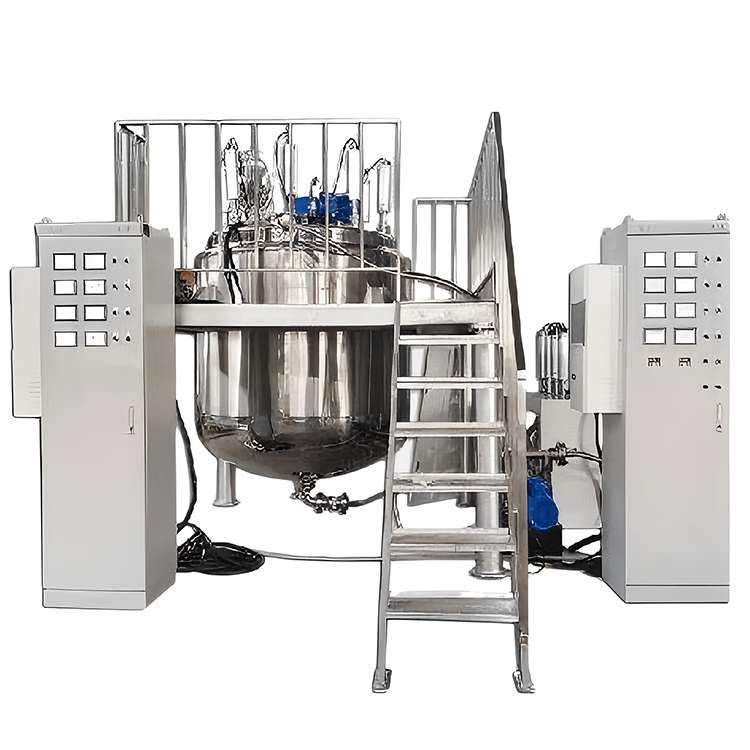
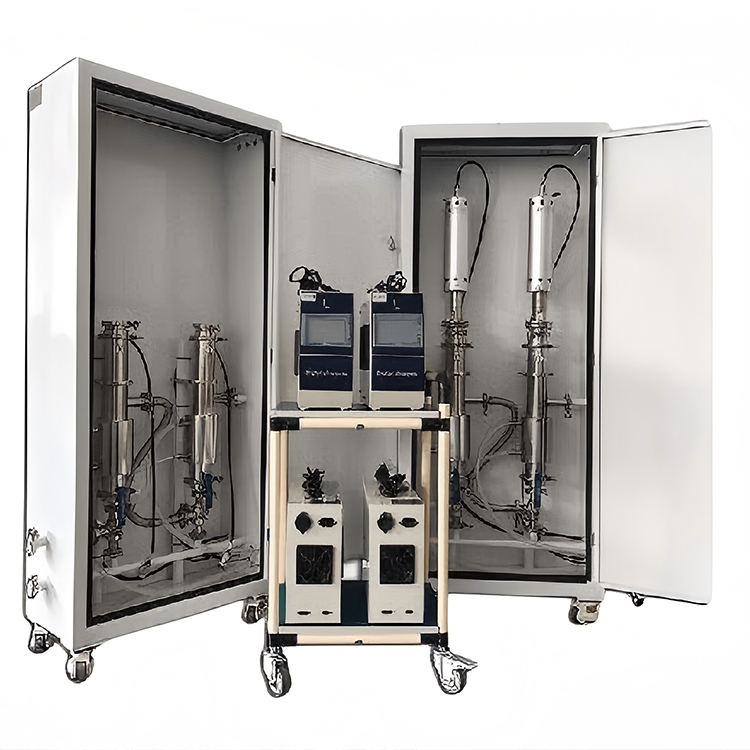
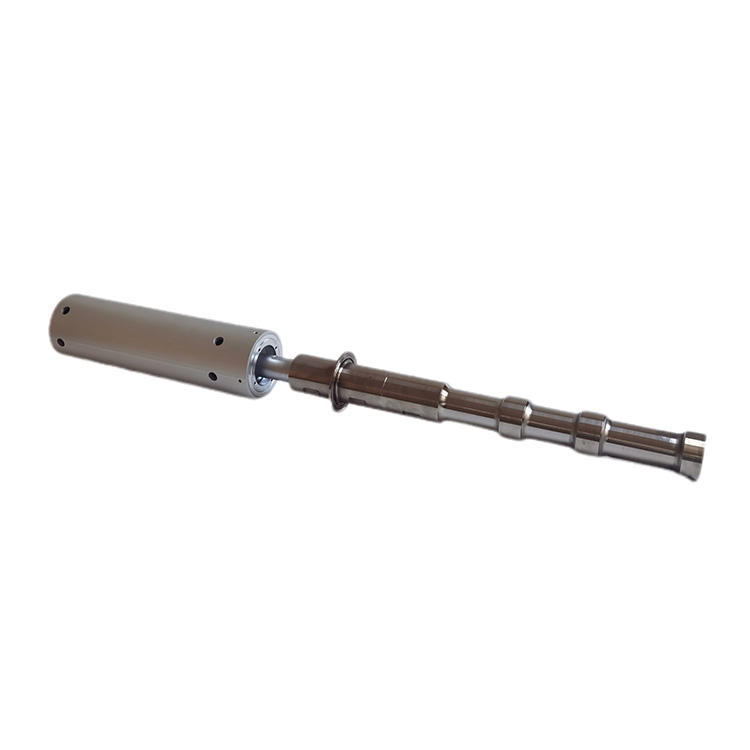
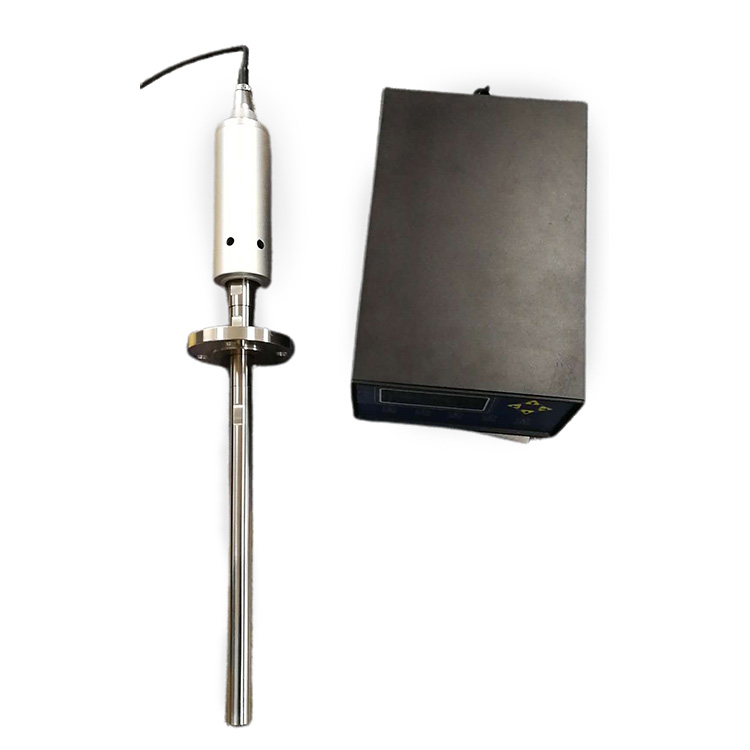
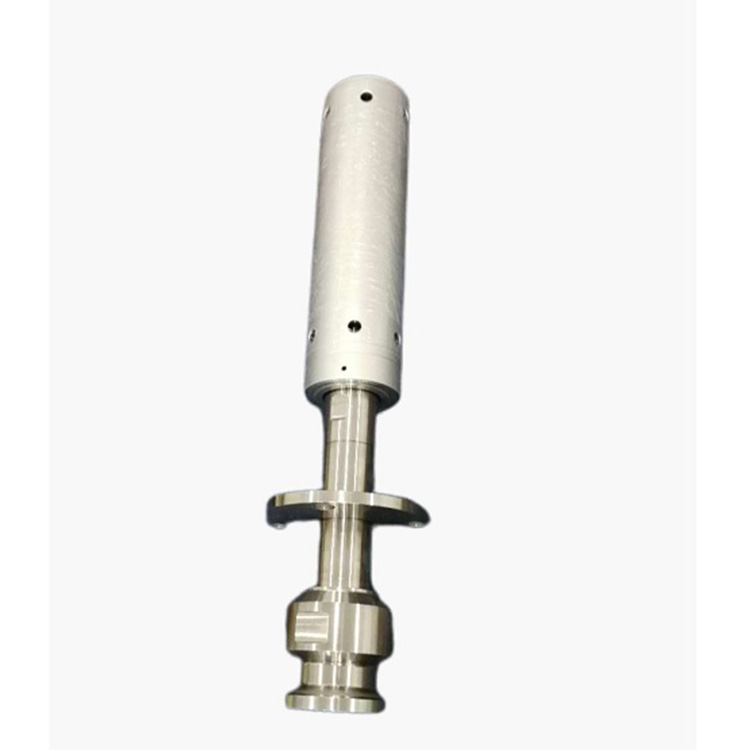
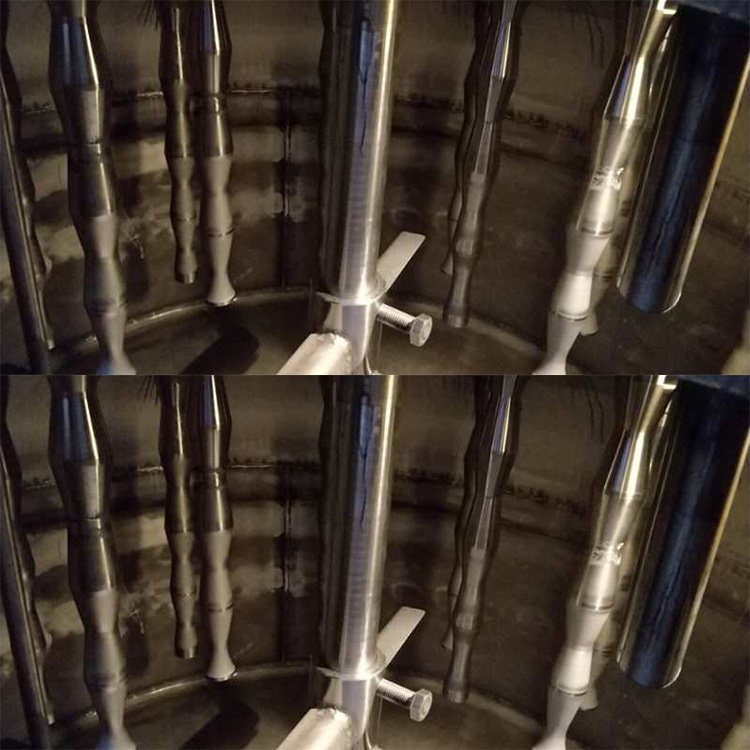
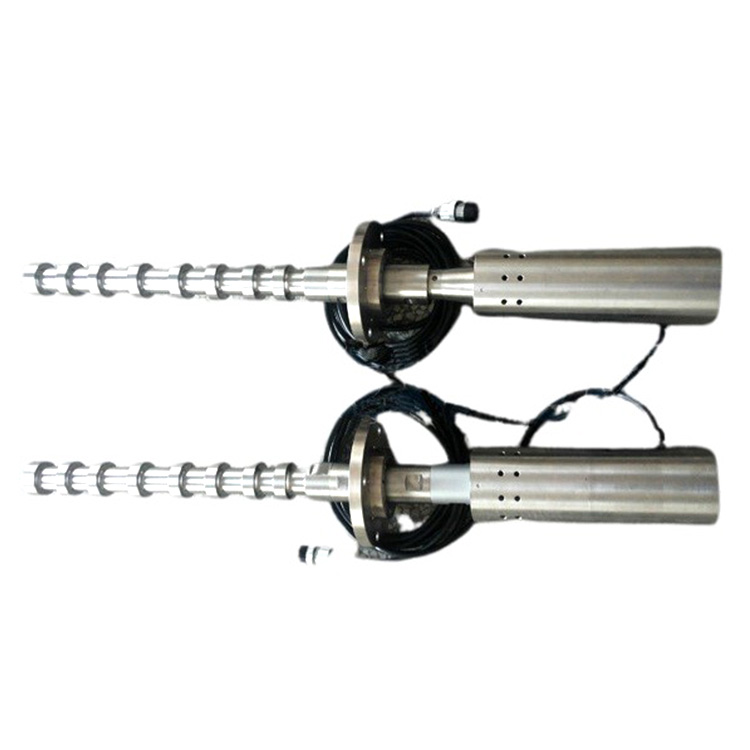
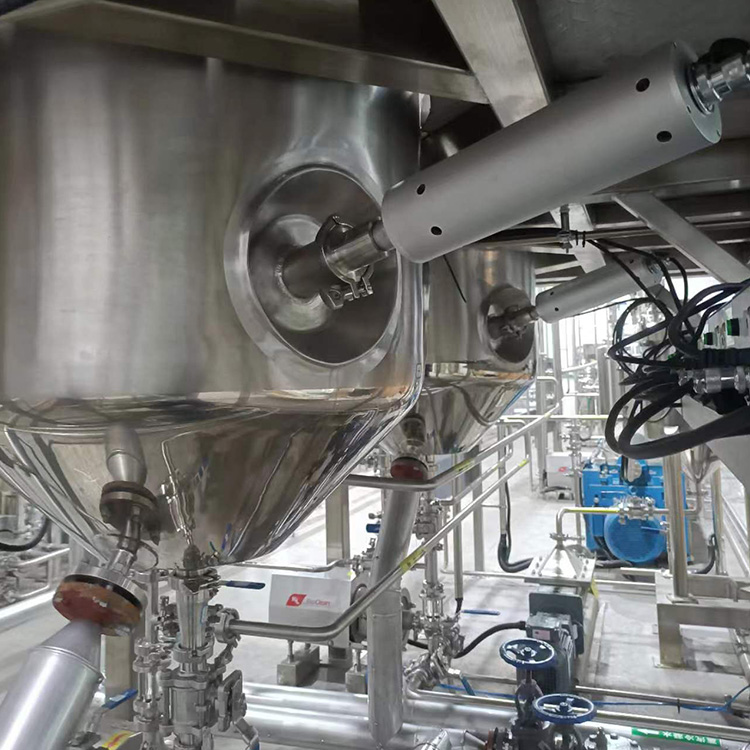
Ultrasonic vibration rods utilize the alternating cycles of positive and negative pressure intensities during the transmission of ultrasound. In the positive phase, they compress the medium molecules, increasing the original density of the medium. In the negative phase, the medium molecules become sparse and dispersed, reducing the medium density. These rods can uniformly generate ultrasound around 360° and their energy output is unaffected by factors like liquid level and temperature differences. They typically include a high-power ultrasonic transducer, an amplitude transformer, and a tool head (emission head) for producing ultrasonic vibrations and transmitting the vibration energy into the liquid. The transducer converts electrical energy into mechanical energy, i.e., ultrasound, with its movement being back and forth in the longitudinal direction, usually in the range of a few micrometers. Such amplitude power density is insufficient for direct use. The amplitude transformer amplifies the amplitude as per design, isolates the reaction solution from the transducer, and also serves to fix the entire ultrasonic vibration system. The tool head is connected to the amplitude transformer, which transfers the ultrasonic energy vibration to the tool head, and then the tool head emits the ultrasound energy into the reaction liquid.
Ultrasonic Immersion Vibration Rod Components
Ultrasonic Vibration Source (Power Supply): Converts 50-60Hz household power into high-power high-frequency (15kHz-100kHz) power supply for the transducer.
Transducer (controller, transducer): Converts high-frequency electrical energy into mechanical vibration energy.
Pole Variable: Connects and secures the transducer to the tool head, amplifying the transducer's amplitude before transmitting it to the tool head.
Tool Head (Import Rod): Transfers mechanical energy and pressure to the workpiece, while also featuring amplitude amplification.
Connect bolts: Securely connect all the above components.