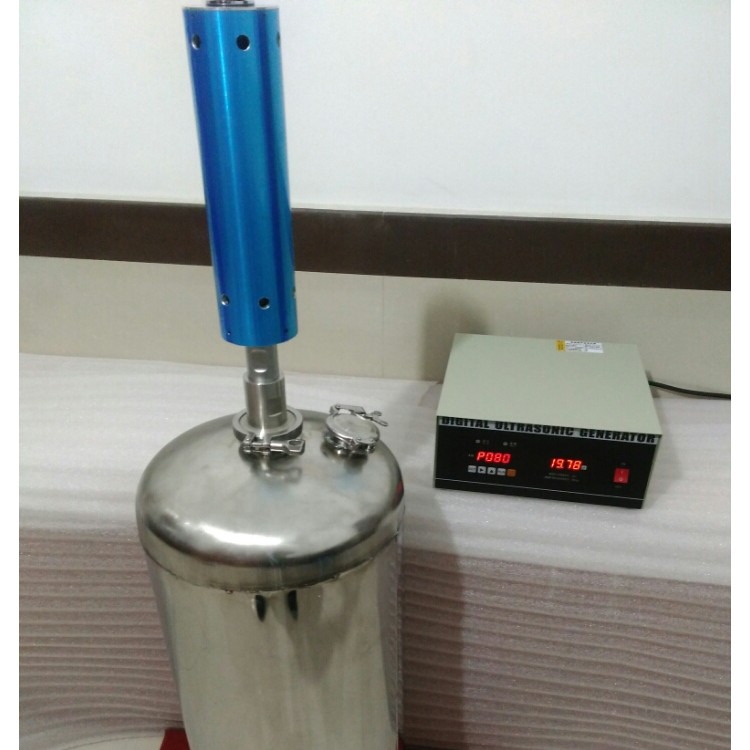
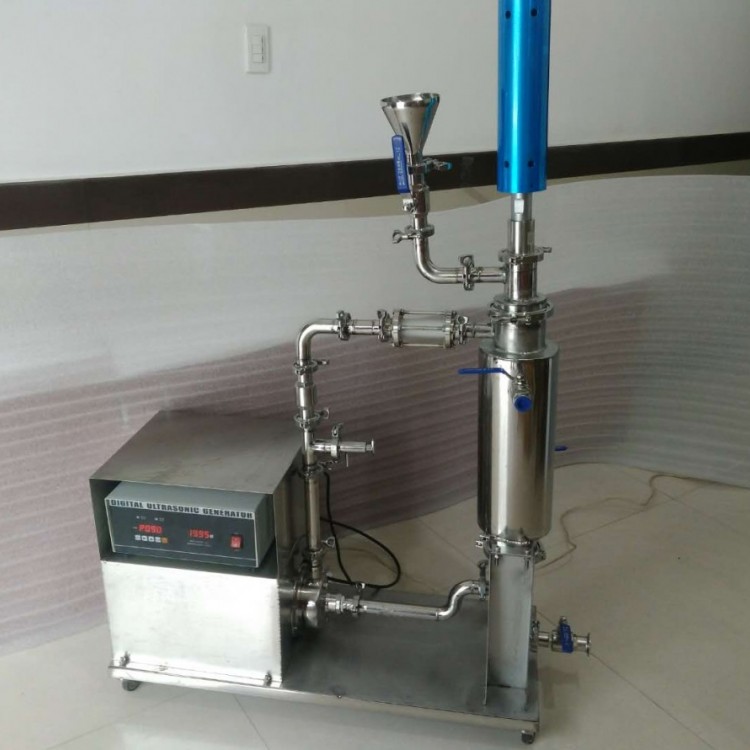


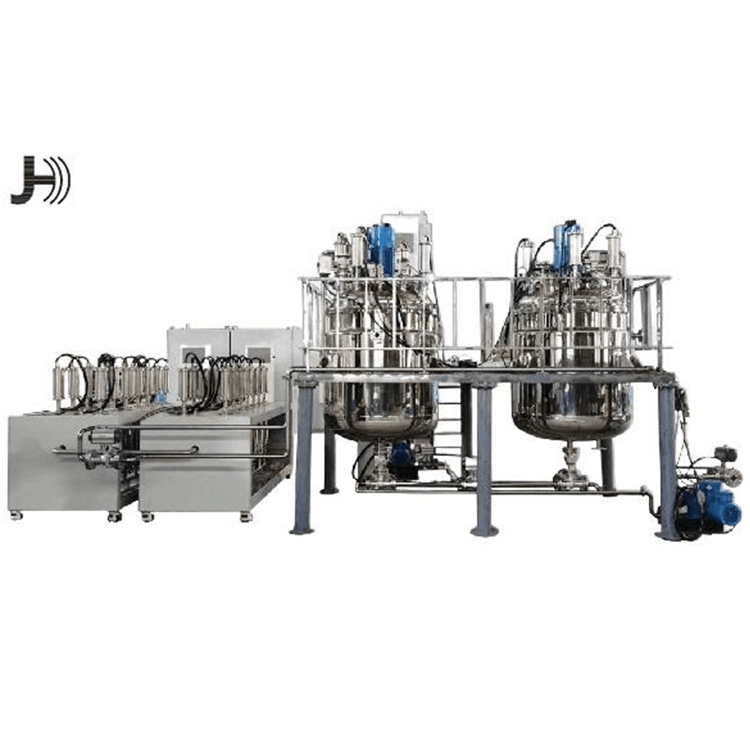
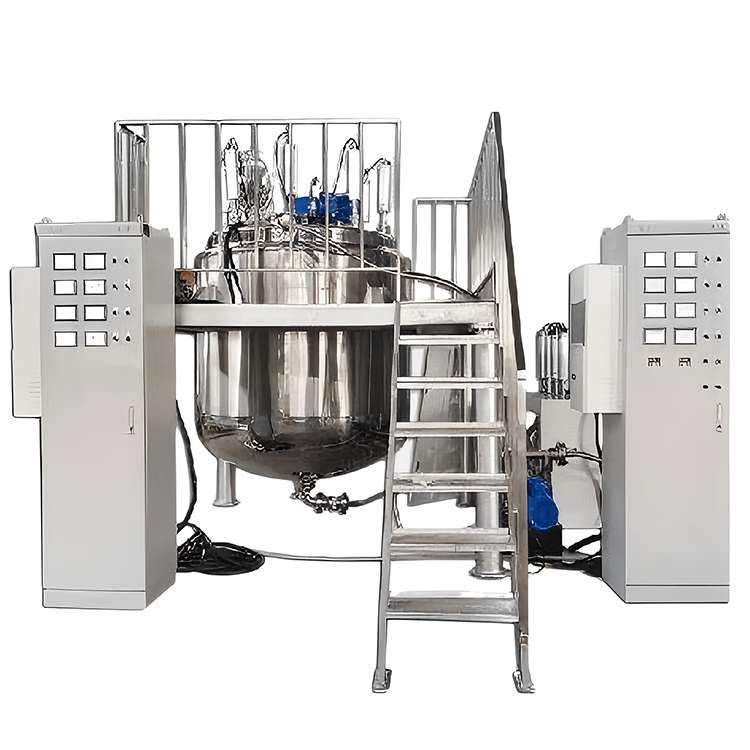





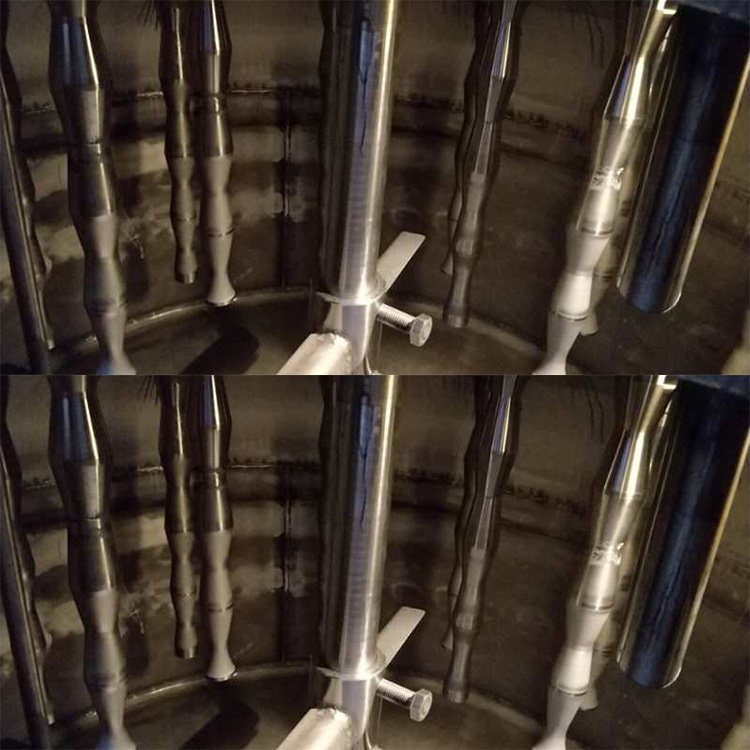
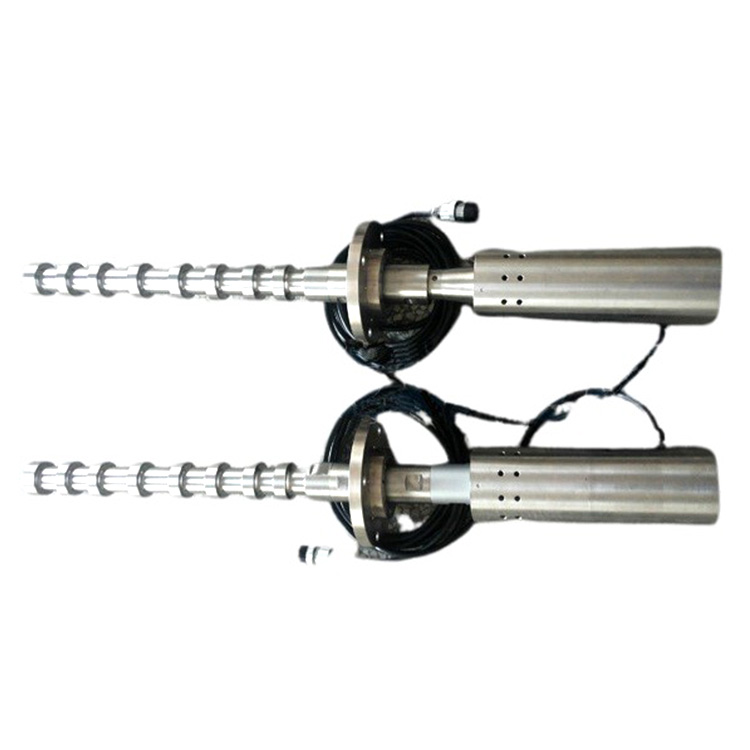
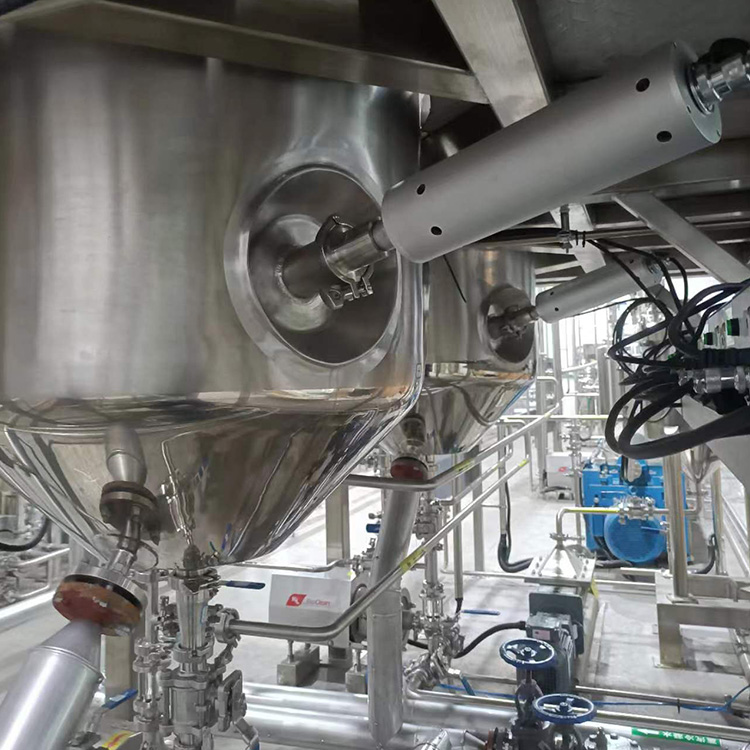
Introduction to Focus Ultrasound Disperser
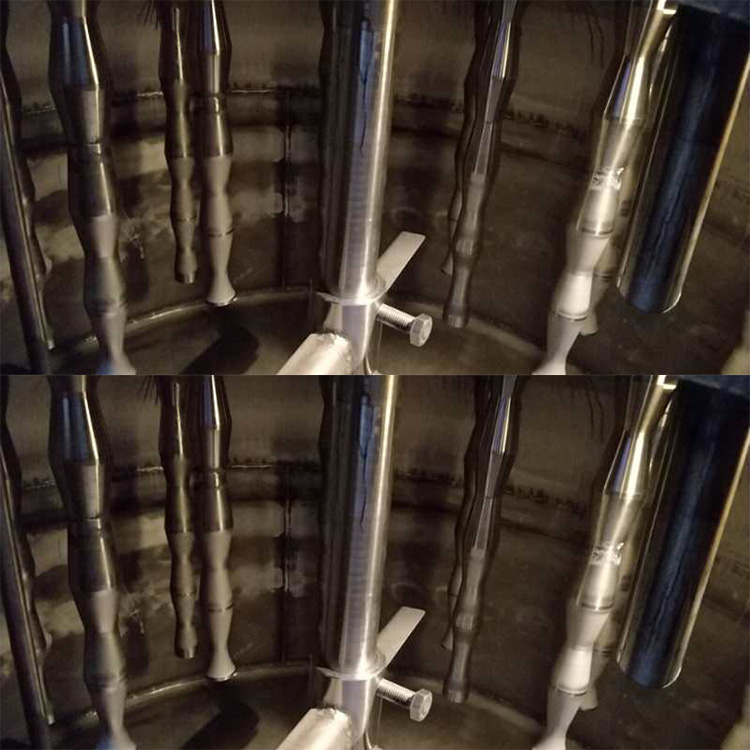
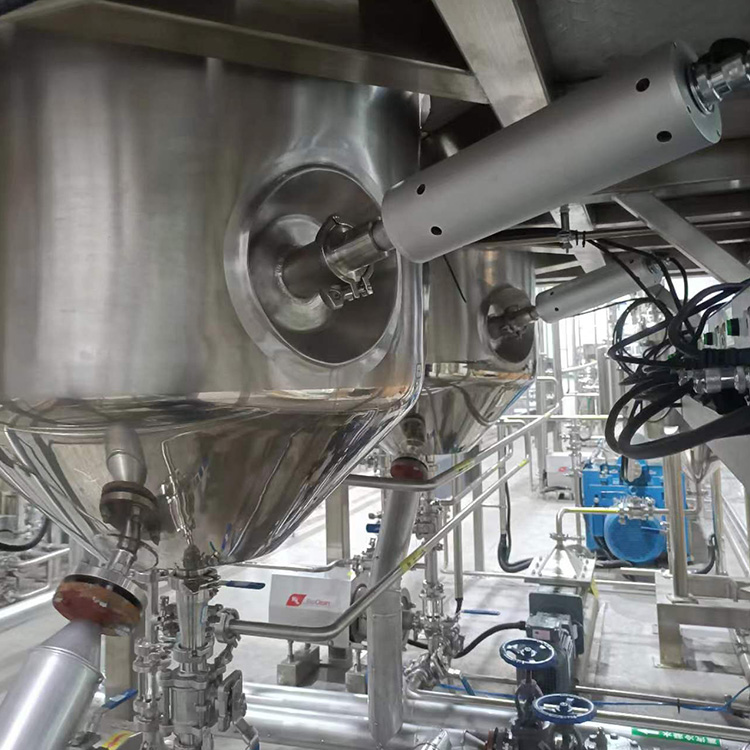
An ultrasonic emulsifying equipment utilizes strong ultrasonic energy to disperse insoluble solids (or other liquids) in a liquid into fine particles and thoroughly mix them with the surrounding liquid, thereby forming an emulsion.
Focus Ultrasound Disperser Knowledge:
The physical mechanism of粉碎intractable solids (or liquids) is generally believed to be the ultrasonic cavitation effect. The ultrasonic cavitation effect refers to the formation of a large number of bubbles within a liquid under the influence of strong ultrasound. These small bubbles grow and expand with the ultrasonic vibration, and then abruptly collapse and split. After splitting, the bubbles continue to grow and collapse. During the rapid collapse of these bubbles, a high temperature and pressure are generated inside the bubble. Additionally, due to the high-speed influx of liquid around the bubble, a strong local shock wave is produced near the bubble, creating localized high temperature and pressure. This results in the ultrasonic crushing and emulsification effects.
Product Principle:
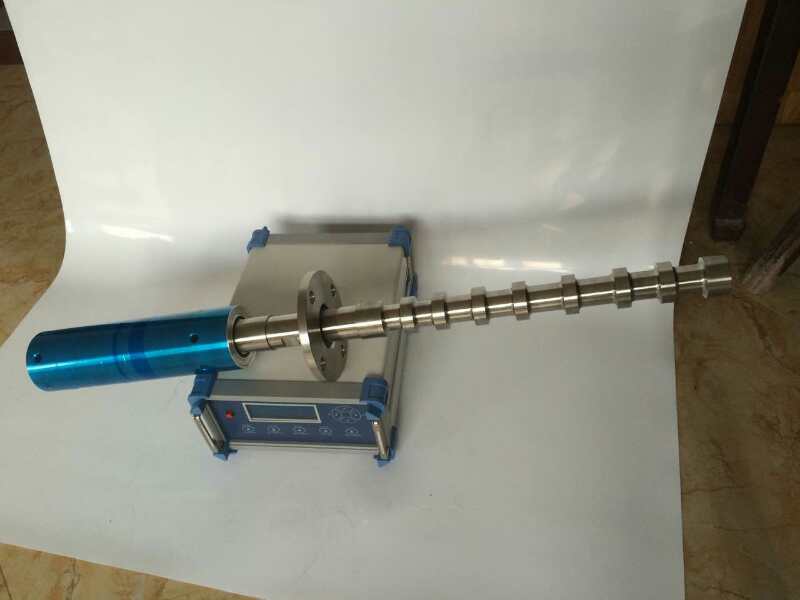
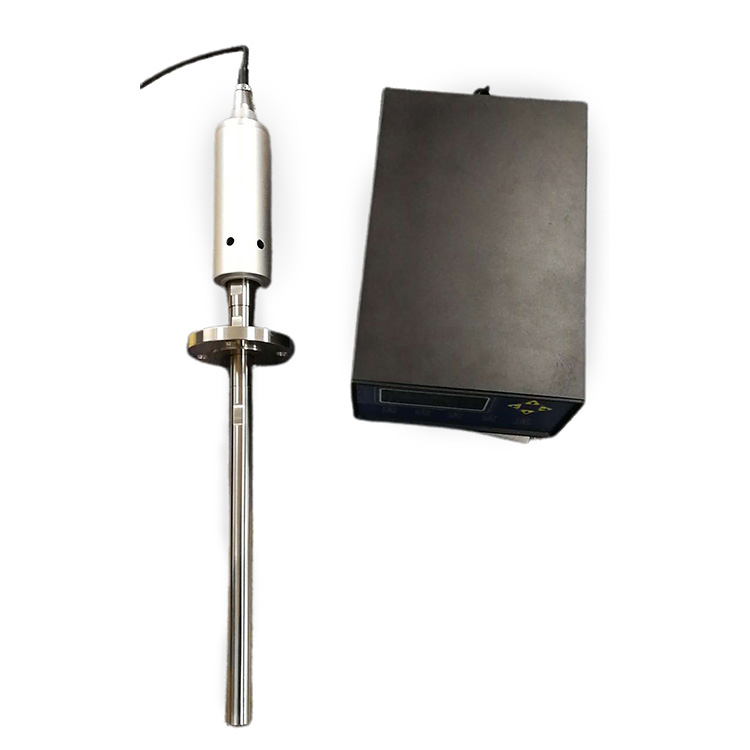
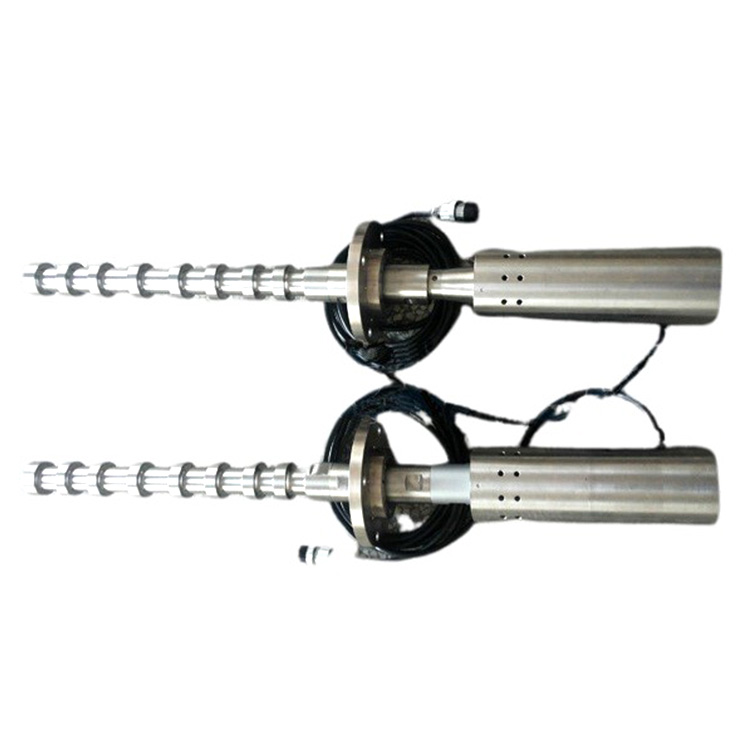
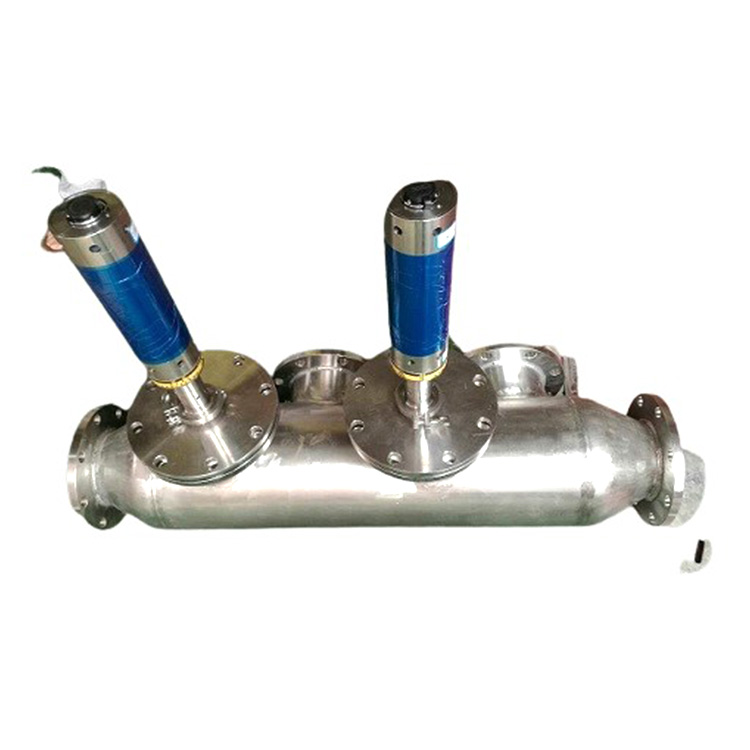
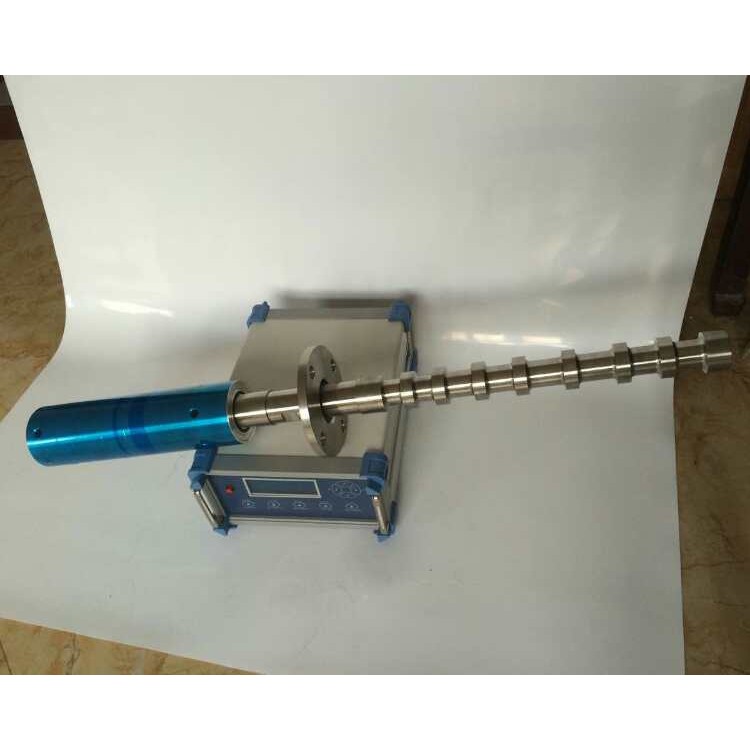
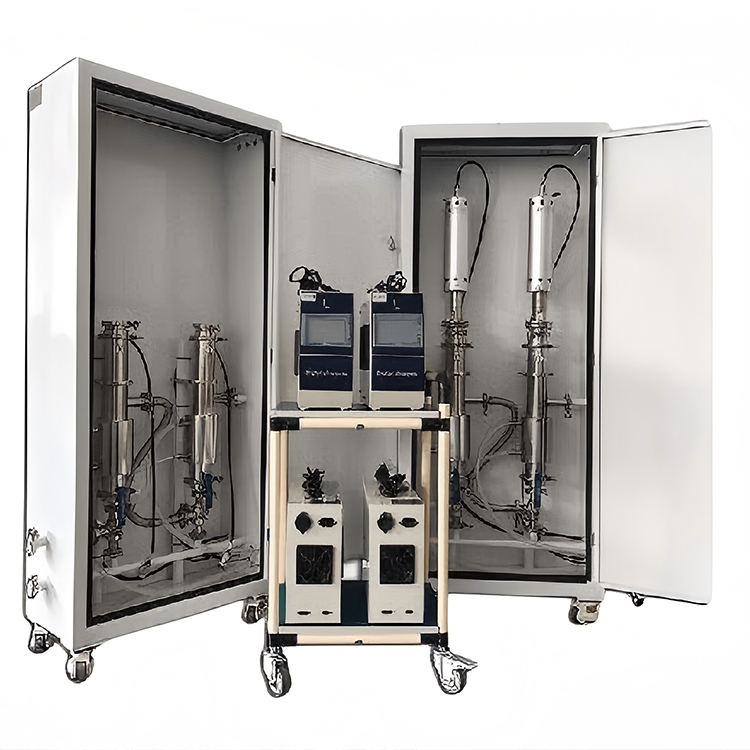
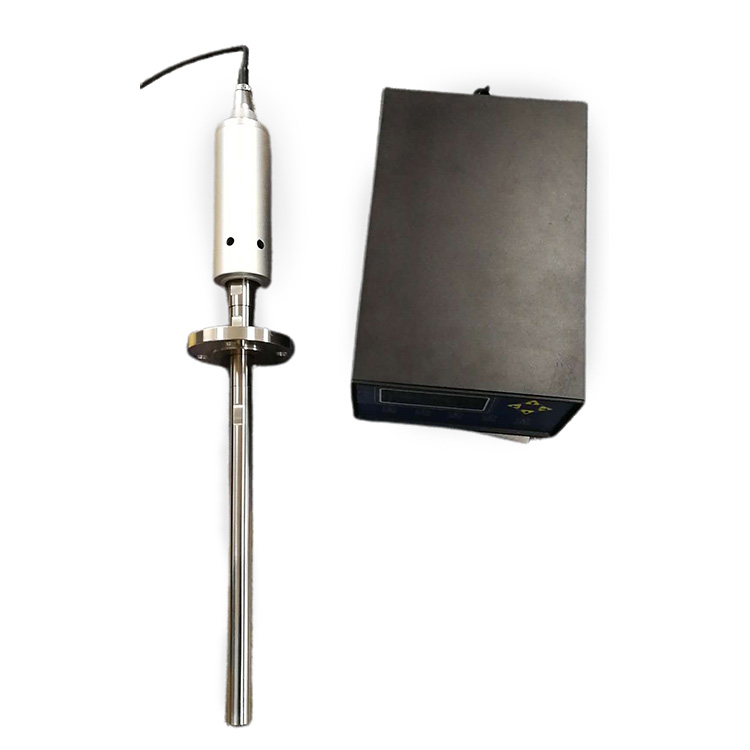
The ultrasonic emulsifying equipment consists of two parts: the ultrasonic emulsifying component and the ultrasonic drive system (ultrasonic generator).
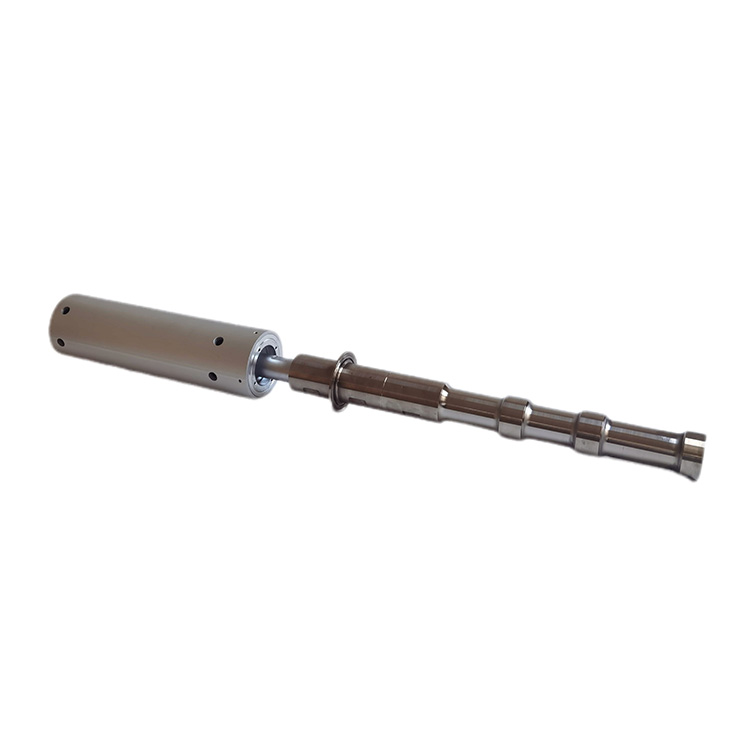
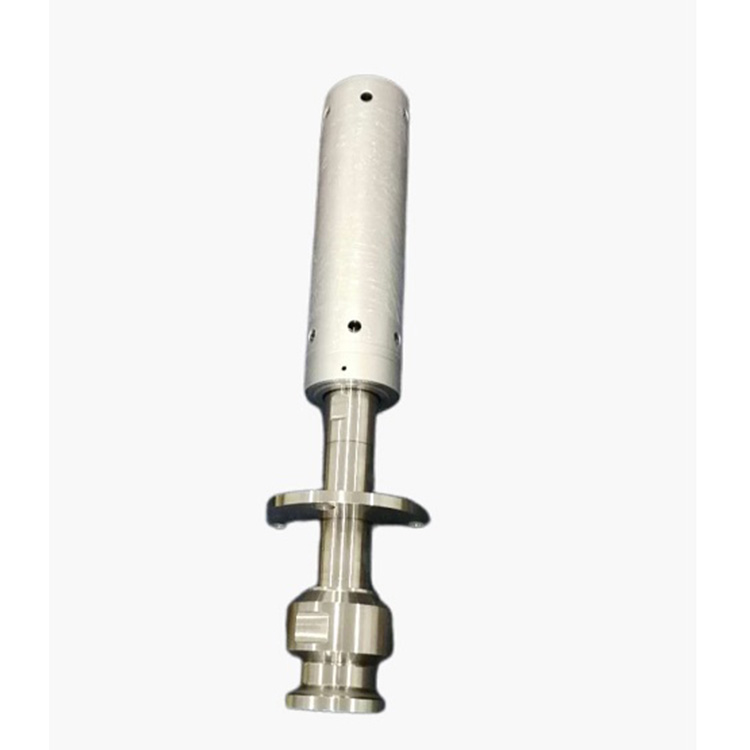
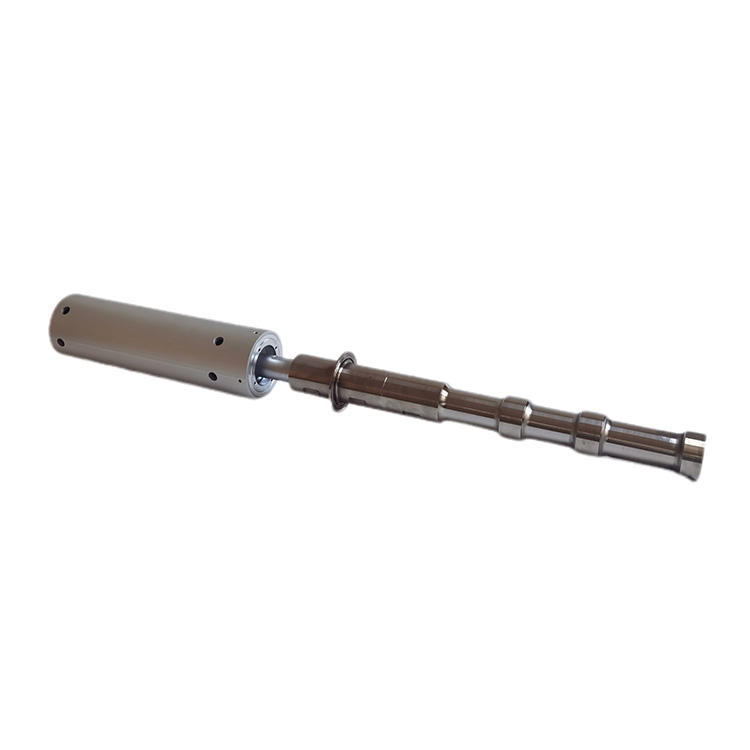
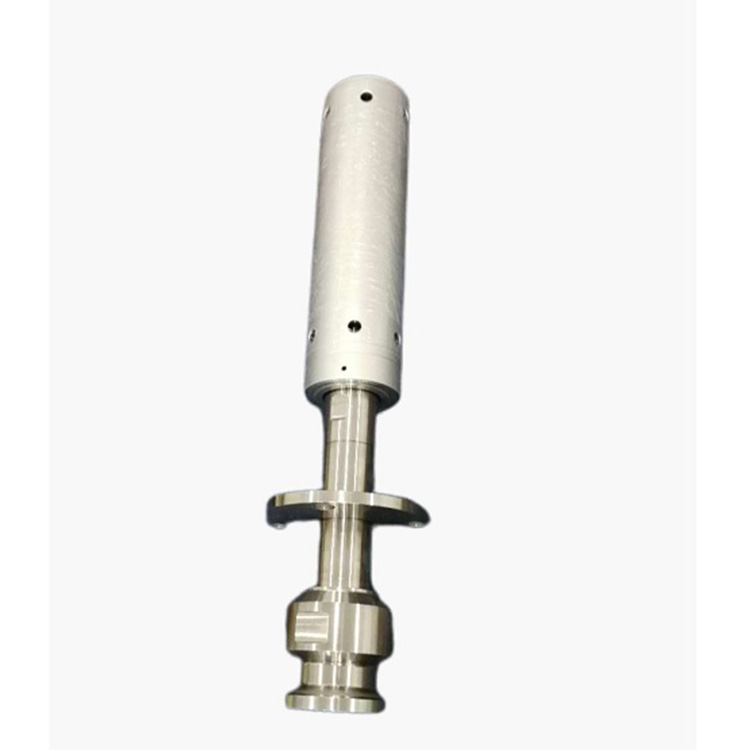
Ultrasonic Emulsification Components: Primarily includes ultrasonic transducers, ultrasonic amplitude horns, and ultrasonic tool heads used to generate ultrasonic vibrations and emit this vibrational energy into the liquid.
Ultrasonic Drive System: Generates high-frequency, high-power current to drive the ultrasonic vibration components. The power of the ultrasonic generator is adjustable to accommodate different operating conditions. Optional timing controllers can also be integrated within the generator to set the control of ultrasonic vibration and intermittent times as needed.
2. The ultrasonic demulsification equipment consists of two parts: the ultrasonic demulsification system and the ultrasonic drive system (ultrasonic generator).
Ultrasonic demulsification equipment primarily includes ultrasonic transducers, ultrasonic amplitude rods, and ultrasonic tool heads, which are used to generate ultrasonic vibrations and emit this vibrational energy into the liquid.
3. The ultrasonic transducer converts input electrical energy into mechanical energy, manifested as the transducer's longitudinal reciprocating movement, with an amplitude typically in the range of a few micrometers.
4. The ultrasonic amplitude rod is required to be connected due to insufficient amplitude generated by the ultrasonic transducer. It needs to amplify the amplitude as per design, isolate the reaction solution from the ultrasonic transducer, and also serves to fix the entire ultrasonic vibration equipment.
5. The ultrasonic tool head is connected to the amplitude rod, which transmits the ultrasonic energy vibration to the tool head. The tool head then emits the ultrasonic energy into the reaction liquid.
6. The ultrasonic generator produces high-frequency, high-power current to drive the ultrasonic vibration components. The power of the ultrasonic generator is adjustable to accommodate different operating conditions. A timer controller can also be integrated inside the generator as needed, to set the ultrasonic vibration and interval times.
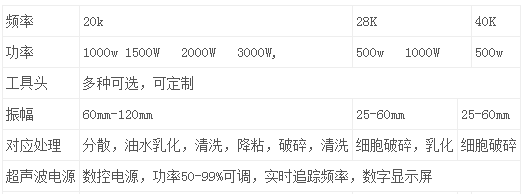
Focus ultrasonic machine specifications: