








Dongguan Guotai Precision Instruments Co., Ltd. is a supplier specializing in quality inspection equipment, tools, and gauges. The company's main business includes: Sanyo instruments from Japan, Swiss series quality inspection equipment, measuring instruments; projectors, tool microscopes, image measuring instruments, 3D measurement devices, magnifiers, SK desk magnifiers; tachometers, noise meters, illuminance meters, temperature and humidity gauges, and data loggers; pull-pull force gauges; torque measurement tools, calipers, micrometers, dial indicators, height gauges, various hardness testers, granite platforms, scoring knives, gloss meters; color difference meters; standard light source boxes, various microscopes; infrared temperature measuring instruments, needles, thread gauges, ring gauges, molds, hardware and electronic accessories; dust-free room equipment, salt spray test machines, abrasion test machines, ion wind machines, etc.
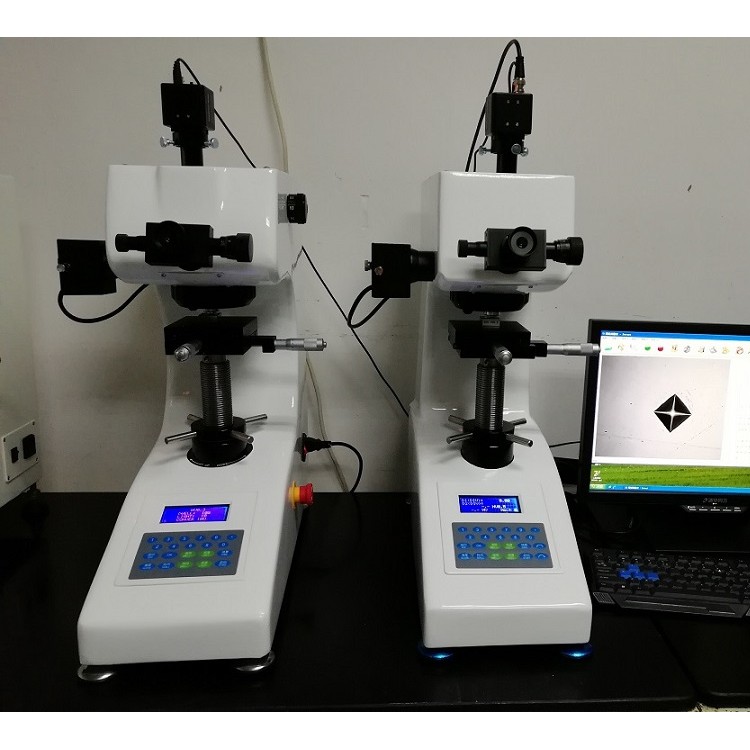
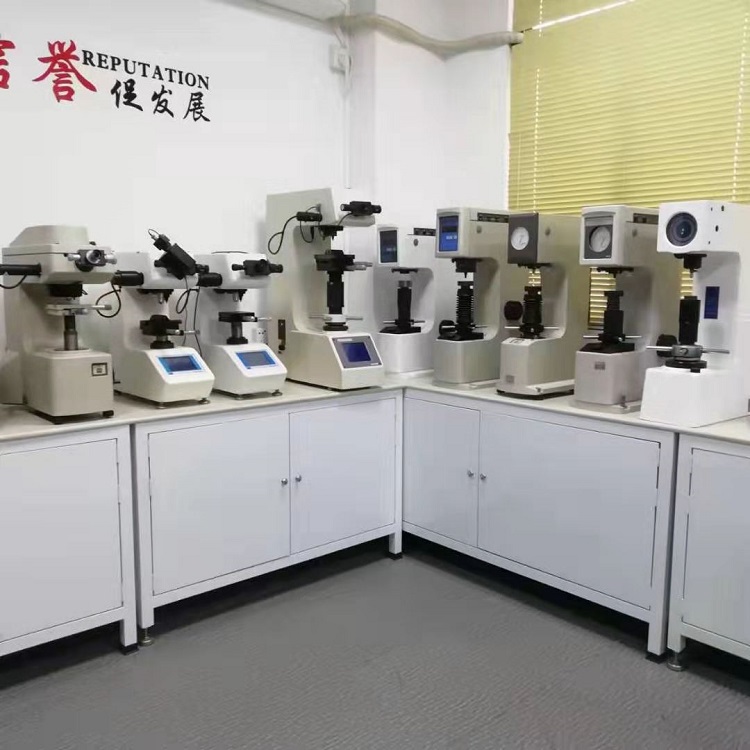
What hardness tester is used to measure aluminum hardness? The hardness tester manufacturer advises: Generally, we choose the hardness tester based on the hardness value. If the item being tested is relatively thin, the manufacturer suggests using a Rockwell hardness tester. For thicker workpieces, a Brinell hardness tester can be used. Selecting the appropriate hardness tester ensures a more accurate reading. We are a manufacturer of custom hardness testers. Our products are industry-leading, and if you have a need, please contact us by phone. We welcome both new and old customers. Our range includes Rockwell hardness testers, Brinell hardness testers, Leeb hardness testers, metal hardness testers, hardness testers, metal hardness meters, Rockwell hardness testers, Vickers hardness testers, plastic hardness testers, pencil hardness testers, imported hardness testers, sponge hardness testers, steel hardness testers, hardness testers, hardness test instruments, and desktop hardness testers. Our hardness tester manufacturer offers unique features and reliable quality. The Rockwell hardness testers are popular nationwide and internationally. If you need them, please contact us by phone!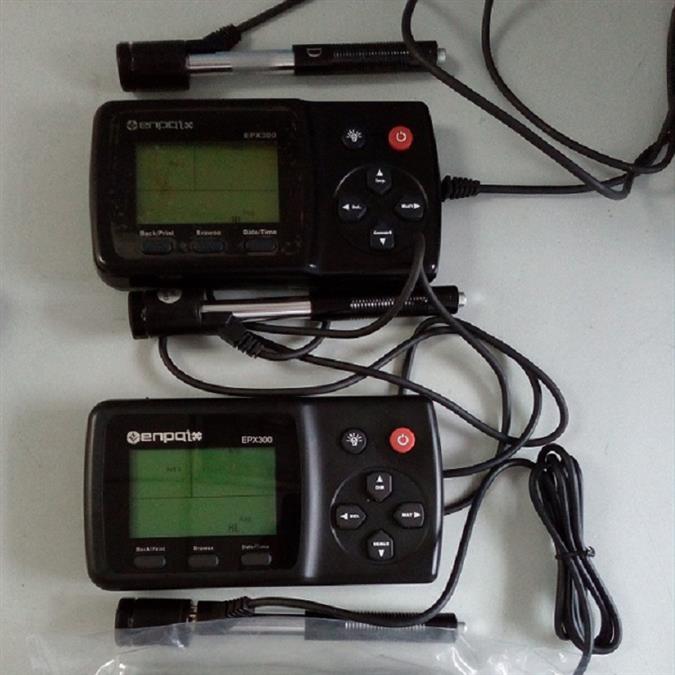
A hardness tester is a precise measuring instrument. Daily maintenance and care should include the following: 1) Regularly check the hardness tester using a standard hardness block to identify errors. If the error exceeds the allowable range specified in GB/T231.2-2002 "Metal Brinell Hardness Test Part 2: Calibration of Hardness Testers," further inspection should be conducted on the testing force for accuracy or check for any defects or deformation in the indentation ball. The calibration cycle for the hardness tester should be carried out according to national standards. 2) Regularly inspect the pressure of the first-stage positioning spring. The specific method is to place the test piece on the test table, use a portable hardness tester, rotate the handwheel clockwise smoothly to raise the test table, allowing the test piece to contact the indentation ball. Normally, the handwheel and nut will slide relative to each other, and the lever will be in its normal position without lifting the hardness tester. If other conditions arise, adjust the housing using the tightening screw under the handwheel. 3) Always disconnect the power source during any adjustments, inspections, or repairs. 4) Handle the indentation ball with care to ensure there is no damage, contamination, or foreign objects on the top surface. If not in use for an extended period, remove and store it properly, applying anti-rust oil. 5) The surface of the test table and standard blocks should be clean, free of stains, scratches, and impacts; apply anti-rust oil for storage. 6) Add lubricating grease to the reducer every six months and replace it at least every two years (depending on usage frequency). 7) Regularly lubricate the lifting screw, by removing the screw protector, applying a few drops of light lubricating oil to the screw, turning the handwheel, and repeatedly lifting and lowering the screw to ensure even distribution of the oil. Then, reattach the protector. Note not to overfill the lubricant. 8) Pay attention to dust and corrosion prevention in the working environment and after shutdown. In humid areas, rust prevention should be a regular concern. 9) When the hardness tester is not in use for a long time, cover the machine with a dust cover to prevent dust from entering. 10) If the hardness tester exhibits abnormal behavior, do not disassemble or adjust any fixed components without authorization; please fill out the warranty card and hand it over to our company's maintenance department for handling.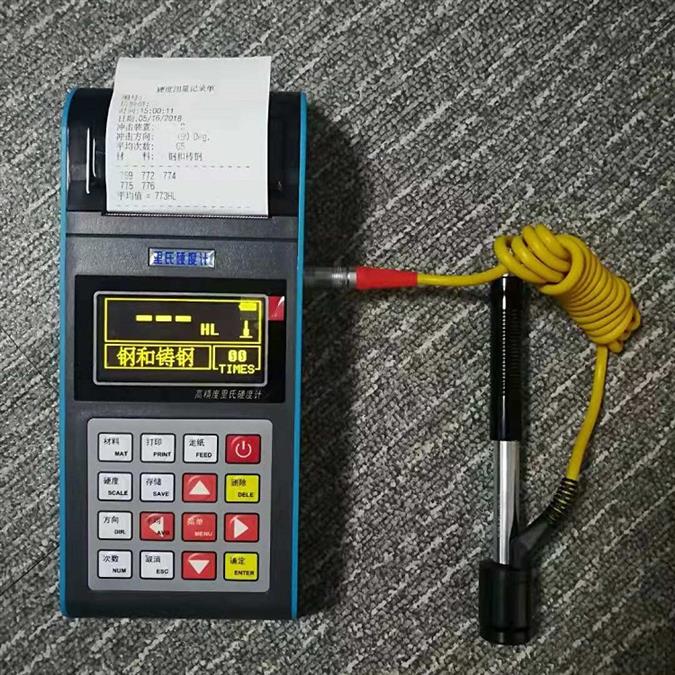
Dongguan Guangtai Co., Ltd. offers repair services for a variety of hardness gauge models with significant pricing advantages. We can provide a tailored hardness gauge repair solution to meet your needs, ensuring accuracy within the national standards range.
Maintain hardness tester:
Mitsubishi Sumitomo Micro-Vickers Hardness Testers HM-101, HM-112, HM-122, HM-114, HM-124, HM-123, HM-113, HM-115 for sale and repair; Mitsubishi Rockwell Hardness Testers AR-10, ARK-600, ATK-600 for sale and repair; Akashi Hardness Testers; MVK-H0, MVK-H1, MVK-H2, MVK-H3, MVK-H100, MVK-H200, MVK-H300, AR-10, AR-20, ATK-600, ARK-600, HR-521, HR-522, HM-101, HM-112, HM-113, ATK-F3000, ATK-F2000, ATK-F1000, ARK-F3000, ARK-F100 for sale and repair.
Japanese FUTURE-TFCH Hardness Gauge Repair, FT Rockwell Hardness Tester Repair FR-1eA, FR-3e, FR-1eL, FR-2e, FR-2eL, FR-3eL, LC-200R, LC-200R FV-700, FV-700e, FV-100e, FV-100, FV-300e, FV-300, FM-100e, FM-100, FM-300e, FM-300, FM-700e, FM-700 FT
USA沃泊特Micro Vickers Hardness Tester 401MVA, Vickers Hardness Tester 401MVD, Vickers Hardness Analysis Software, Manual Rockwell Hardness Tester 500RA, Electric Rockwell Hardness Tester 500MRA, Surface Rockwell Hardness Tester 500MRA/S, Digital Rockwell Hardness Tester 600MRD, Digital Surface Rockwell Hardness Tester 600MRD/S, 660RLD Series Digital Rockwell Hardness Testers
Japanese Akashi Hardness Gauges: MVK-H0, MVK-H1, MVK-H2, MVK-H3, MVK-H100, MVK-H200, MVK-H300, AR-10, AR-20, ATK-600, ARK-600, HR-511, HR-521, HR-522, HM-101, HM-112, HM-113, ATK-F3000, ATK-F2000, ATK-F1000, ARK-F3000, ARK-F1000, ARK-F2000, MVK-H11, AVK-C1, AVK-C2, AVK-C0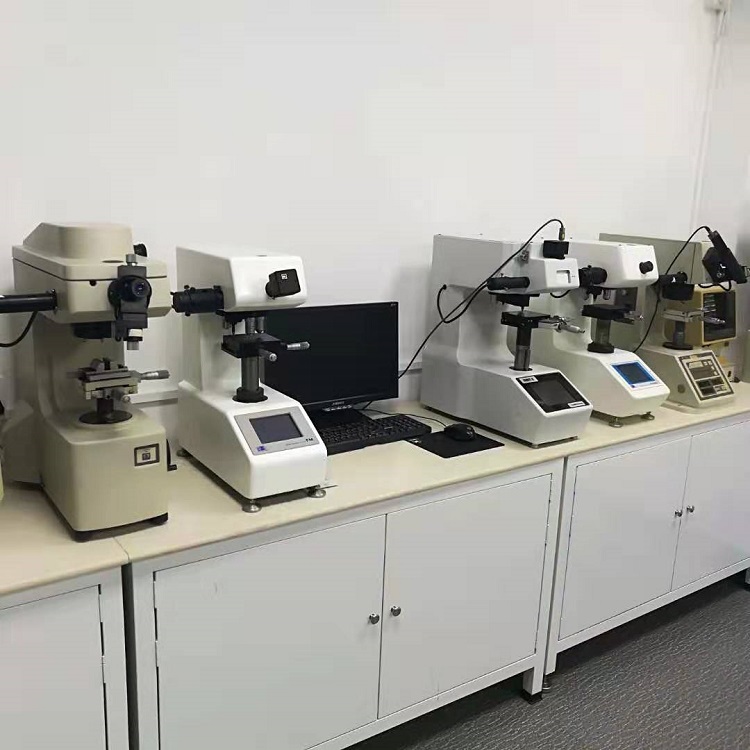
Factors affecting the tested parts:
1. Different surface finishes exhibit varying effects during Rockwell hardness testing. Lower surface finish results in higher hardness during high hardness testing, while higher surface finish leads to lower hardness. Rough surfaces with knife marks cool rapidly during quenching, or if the surface is very hard, the hardness value is high. Conversely, during tempering of the workpiece, the surface with knife marks transforms first, has less resistance to tempering, and the hardness value is lower. For parts with surface finish Δ7 or below, it is necessary to use worn grinding wheels for precision grinding, then smooth with a file, or use a fine hand grinding wheel to polish, and finally wipe clean.
2. Heat-treated parts have salt deposits and sand on their surfaces. When loaded, the parts may slip. If there is grease present, it acts as a lubricant when the diamond tip is pressed in, reducing friction and increasing the depth of pressure. These two factors cause the measured hardness values to be lower. The hardness value decreases on the thin oxide scale layer of the tested part, while the hardness value increases on the dense oxide scale layer. The oxide scale must be removed from the parts to be tested for hardness, ensuring they are clean and free of any dirt.
3. As for inclined (or conical) surfaces, spherical, and cylindrical parts, the error in hardness testing is greater than on flat surfaces. When the indenter is pressed into the surface of such parts, the resistance around the indentation is less than on a flat surface, and there may be deviations or sliding phenomena. The deeper the indentation, the lower the hardness. The smaller the radius of curvature, the steeper the slope, the more significant the reduction in hardness values. Diamond indenters are also prone to damage. For these parts, a worktable should be designed to align the worktable and the indenter concentrically.
WeChat Official Account

Scan to follow Official Account