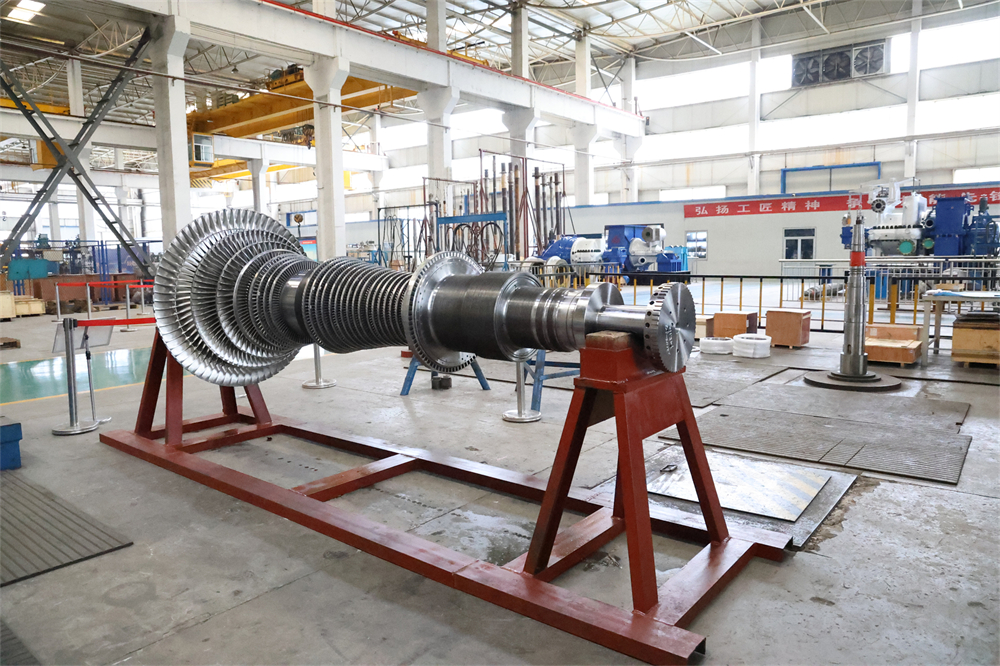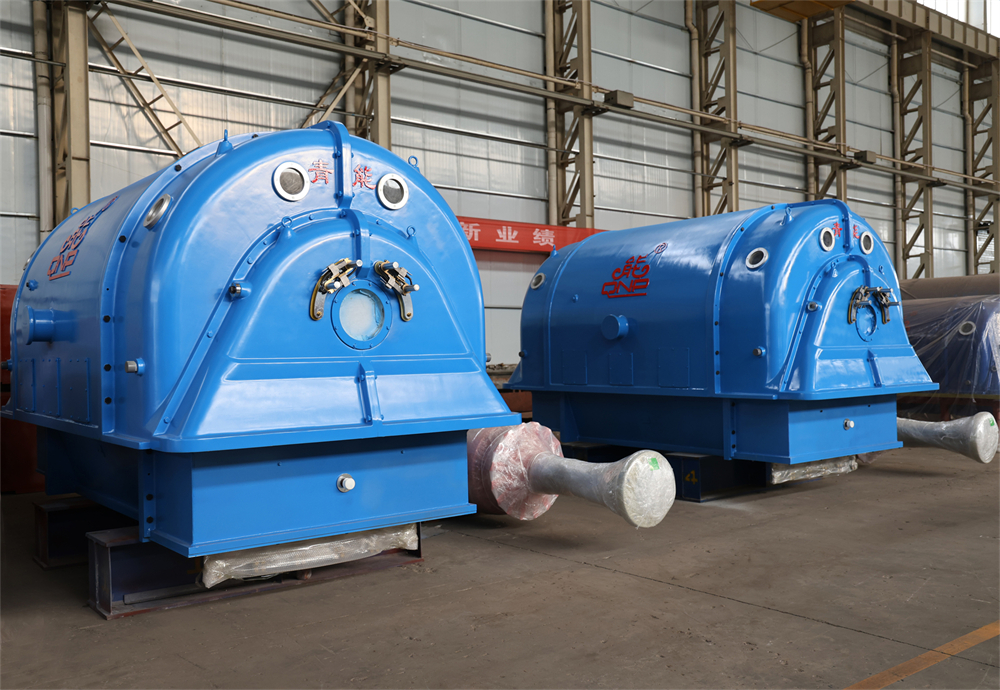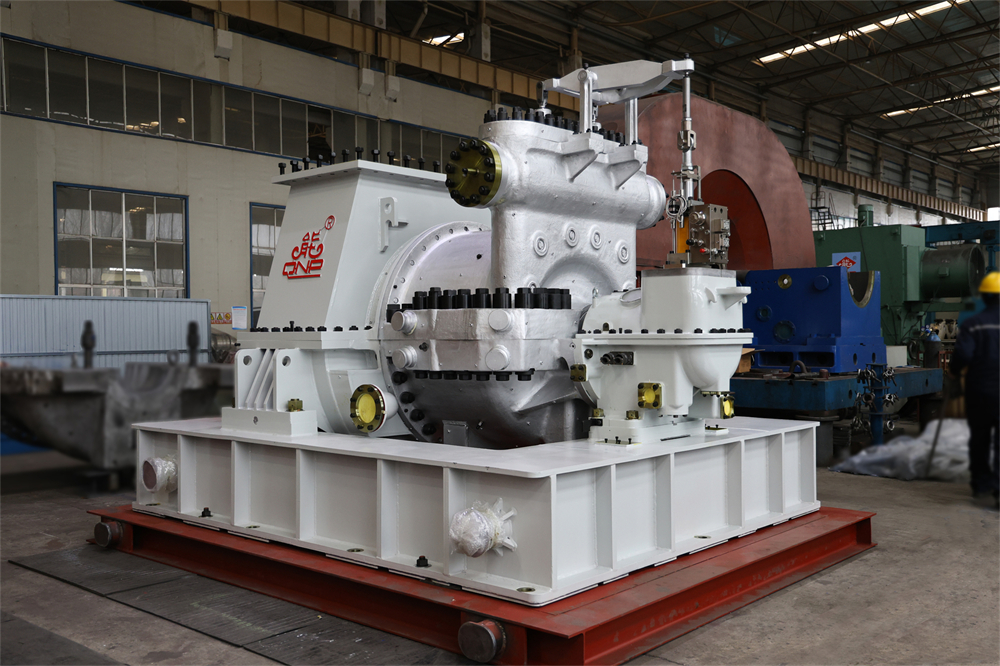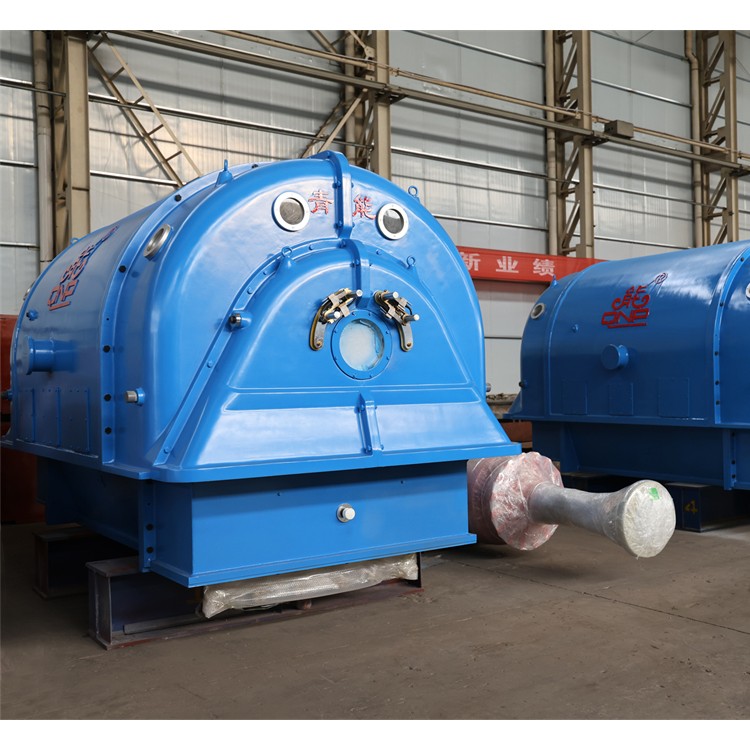


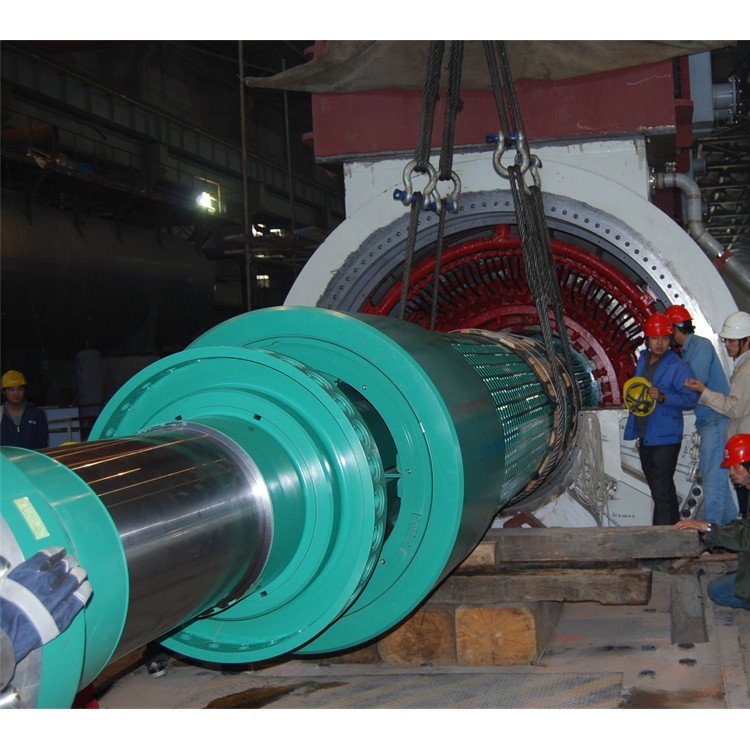
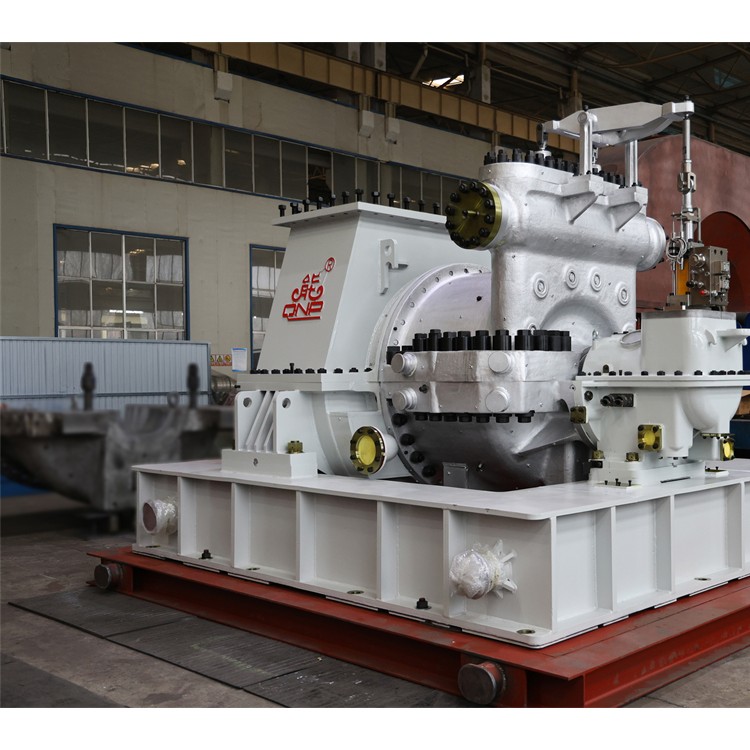











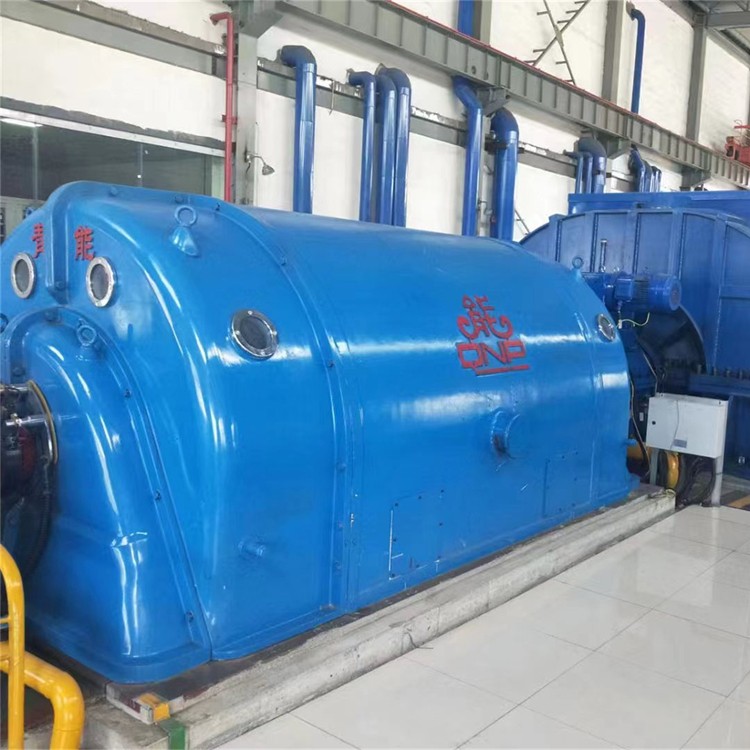
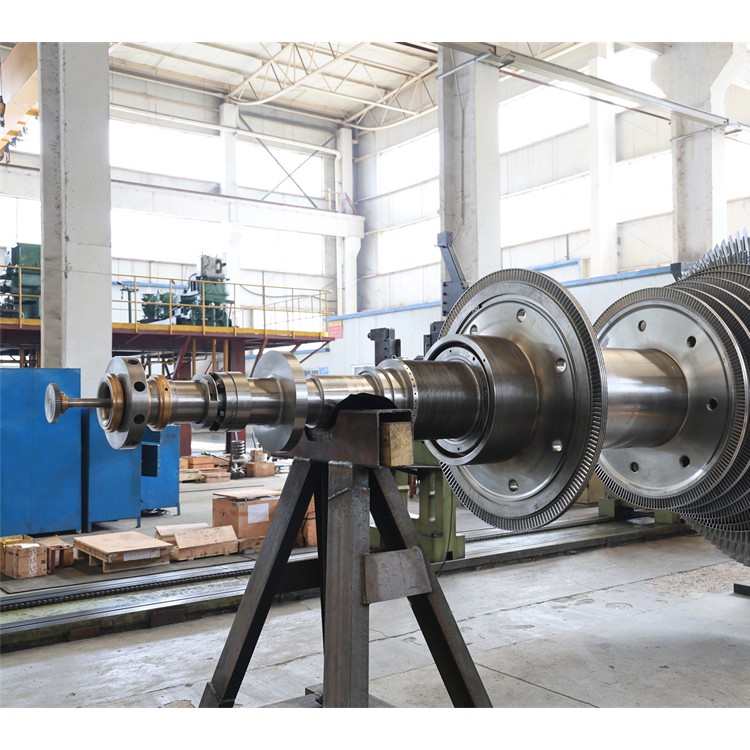
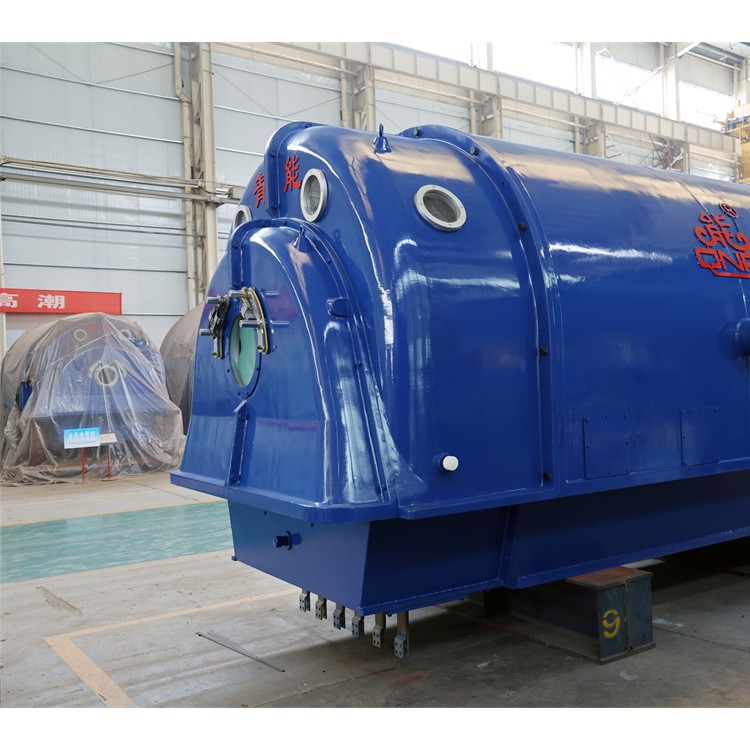
Turbines are widely used in power, chemical, metallurgical, and nuclear power sectors. With the development and application of new energy technologies such as solar thermal power generation, biomass power generation, and geothermal power generation, the market for turbines and auxiliary equipment is experiencing new opportunities for growth. At the same time, the implementation and enhancement of environmental protection policies are propelling the industry of turbines and auxiliary equipment towards a low-carbon, high-efficiency, and clean direction.
Pros and Cons
Advantages:
High single-unit power: Turbines have the highest single-unit power among existing power machinery, suitable for large-scale power generation and driving equipment.
Simple structure: A steam turbine is a mechanical device that produces rotational motion directly, with a continuous and stable operation process. It is characterized by its light weight, small size, and compact structure.
High work reliability: Turbines operate at high speeds, have minimal mechanical wear, long maintenance intervals, and extended service life.
Drawbacks:
Economically less efficient: A simple steam turbine setup is less economical than diesel and gas turbines mainly due to the lower initial temperature of the working fluid and a significant amount of heat being carried away by the cooling water in the condenser.
The equipment composition is complex: Steam turbines use steam as the working medium, requiring the installation of boilers, condensers, and other auxiliary equipment to serve them, or an atomic energy reactor and evaporator to produce steam, with poor mobility.