









Product Name
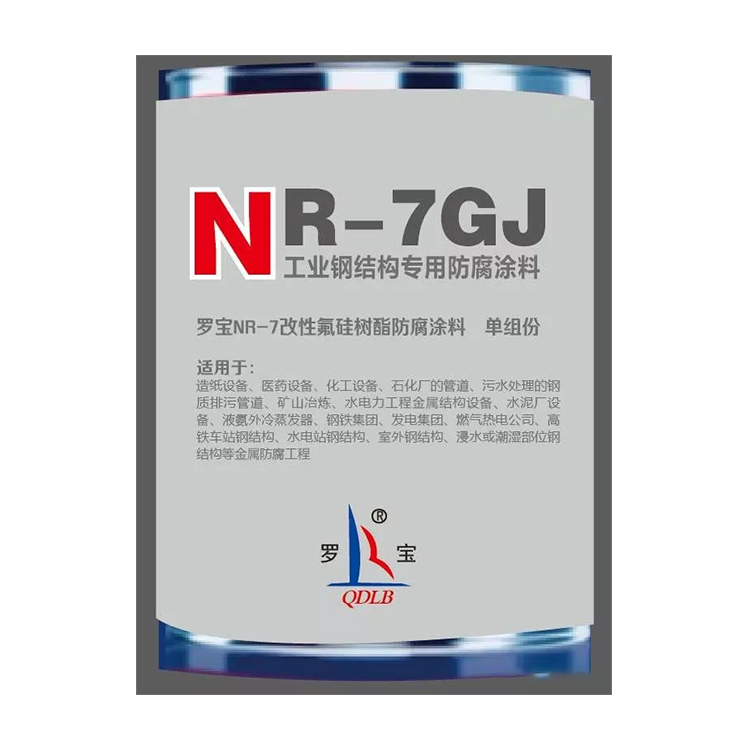
NR-7FX Fluorosilicone Zinc-rich Primer (One-Component)
Product Introduction
In the application of fluorosilicate corrosion-resistant coatings: Electrochemical aspect: Zinc, compared to pure iron, has a more negative potential and sacrifices itself in the dielectric medium to protect the pure iron. If the coating is damaged and the base metal is exposed, this is even more so; Sealing and impermeability: Due to the corrosion reaction products of zinc powder (mainly basic zinc carbonate ZnCO3(OH)2) depositing between the zinc powder particles, filling the gaps between pigments, and not being conductive, it effectively seals the coating; Shielding effect: As the flake-like zinc powder is arranged parallel to the coating surface within the coating and overlaps and interlaces with each other, it significantly increases the distance water and corrosive media need to penetrate through the coating, thereby enhancing the coating's corrosion resistance.
Product Features
NR-7 Fluorosilicate Corrosion-Resistant Paint boasts strong corrosion resistance, high hardness of 6H, heat resistance up to 300°C, excellent permeability, and strong adhesion. Enhanced by the high zinc powder content in the coating, it provides cathodic protection, extending the lifespan of the anti-corrosion facilities. It is a specialized corrosion-resistant paint that can be applied in extremely cold weather down to -50°C. It can be paired with various topcoats (water-based, oil-based) to further prolong the lifespan of the protective coating.
Application Scope
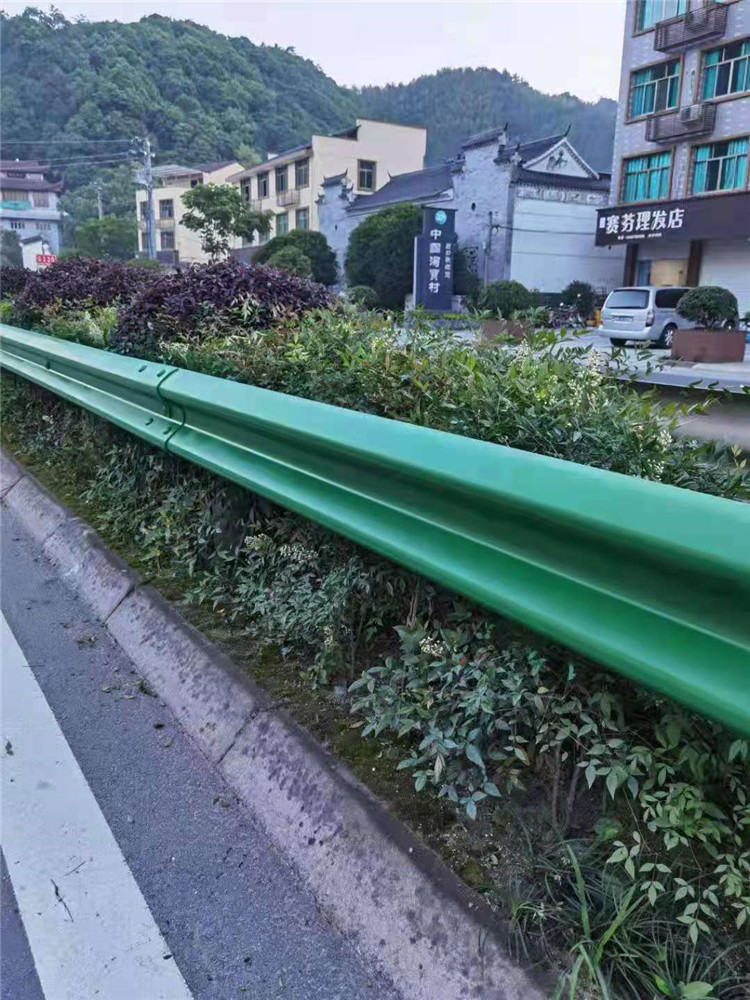
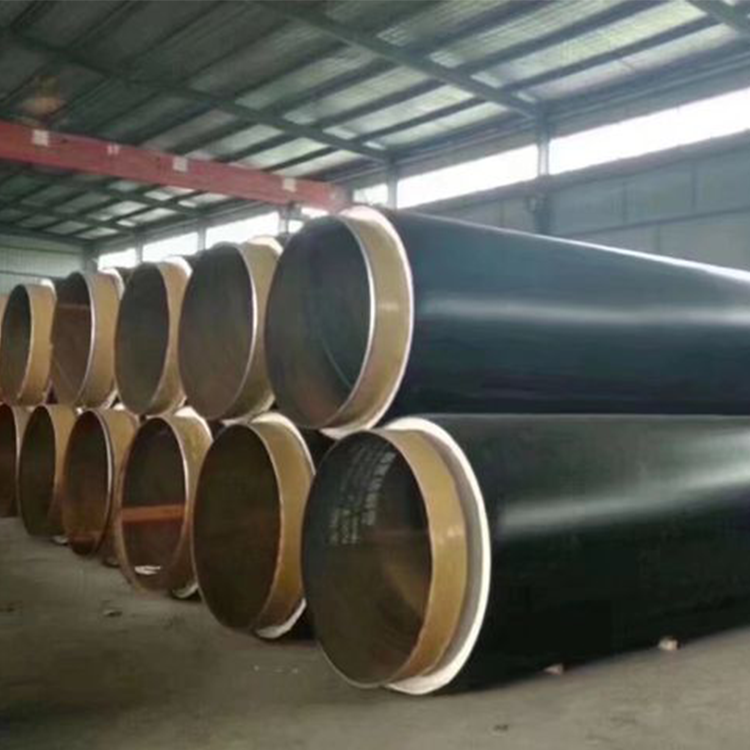
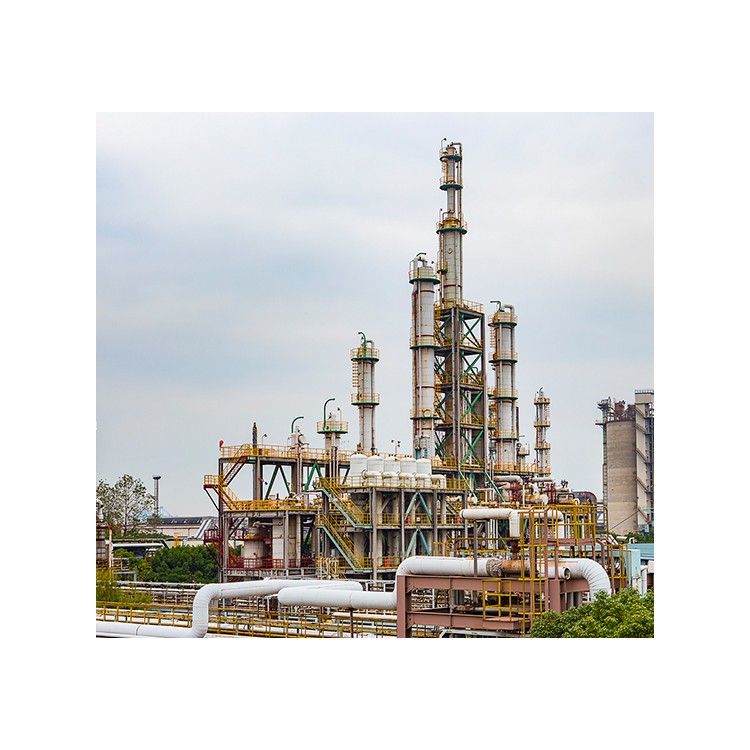
Corrosion protection for various metal heavy-duty environments, resistant to acidic, alkaline, and saline corrosive media, including marine vessels, offshore platforms, bridge piles, underwater pipelines, chemical industry equipment, steel structures, desulfurization towers in the power industry, chimney protection, highway guardrails maintenance, as well as corrosion protection for oil, chemical, heating, and sewage pipelines, and oil field well pipelines.
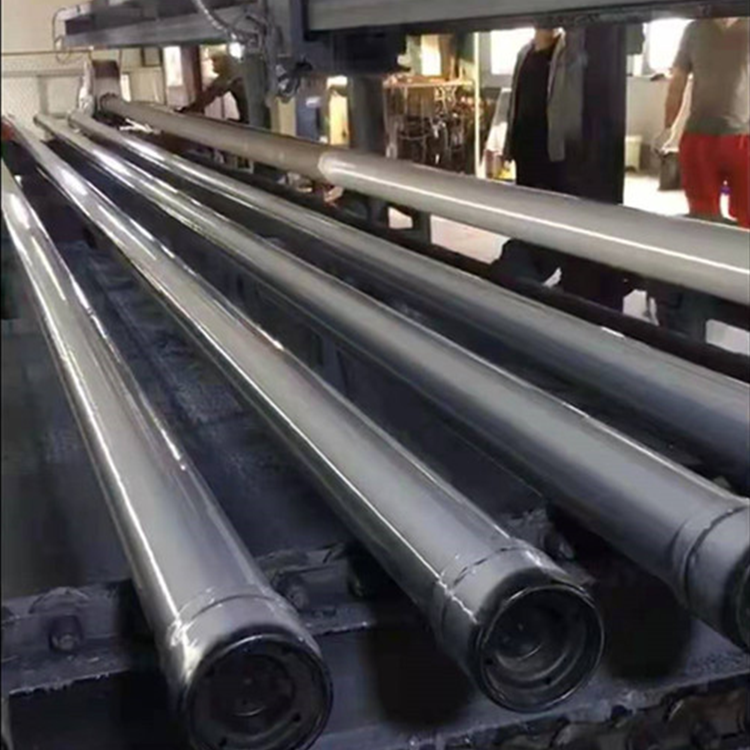
Is it compatible with the GB/T29047-2012 standard? That depends on whether the adhesion strength between the zinc-rich primer, steel pipe, and polyurethane rigid foam is greater than 200Kpa.
Standard for pre-fabricated buried thermal insulation pipes, non-equivalent to CEN Pr EN253, 480, 488 standards, the original standard is a set of specifications compiled under the premise of European qualified pre-fabricated buried thermal insulation pipes, UPonOR ECOPIPE has also established corresponding construction specifications and acceptance specifications, which meet the standards set under these conditions; currently, construction practices in China are not standardized, so it is reasonable and appropriate to strengthen remedial measures at each stage.

Two options: pre-fabricated buried insulation pipes fully meet national standards, construction is strictly in accordance with the construction specifications, and the acceptance is completely qualified; the insulation at the joints of the pre-fabricated buried insulation pipes can be standardized, and the surface treatment of the steel pipes is clean. If the above requirements cannot be met, the joint insulation and corrosion prevention, as well as the application of corrosion-resistant coating (temperature-resistant, adhesive) on the surface of the steel pipes, are also methods to extend the lifespan of the steel pipes.
It's all about necessity. The surface requirements for pre-fabricated buried-insulation steel pipes must be free of oil stains and impurities, and mainly consider the bonding strength between polyurethane rigid foam and the steel pipe; but oil stains are not the only factors affecting bonding strength!