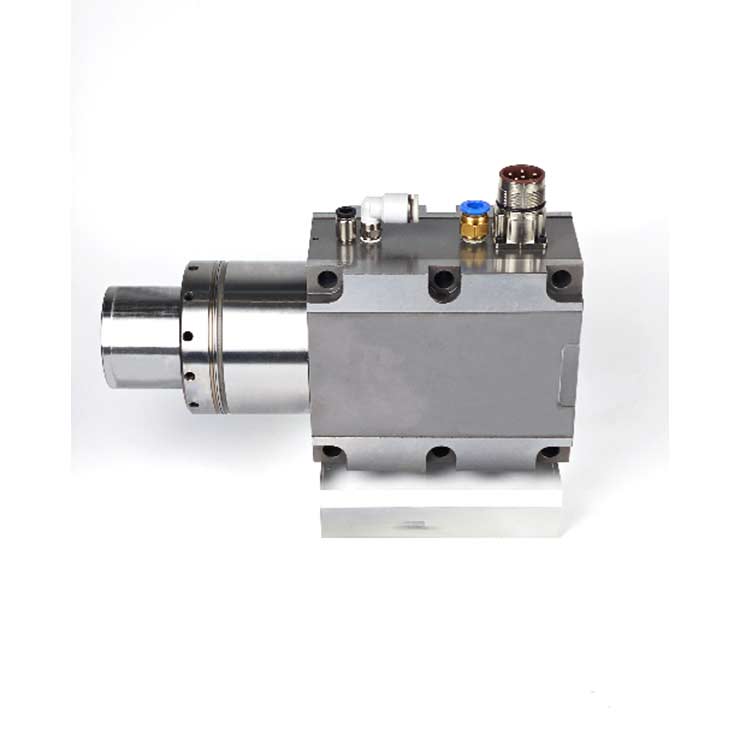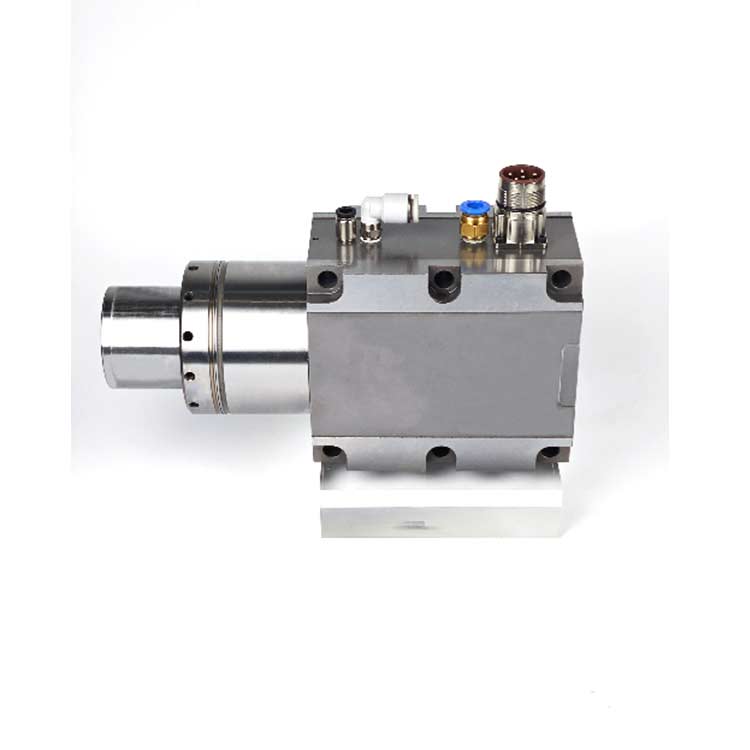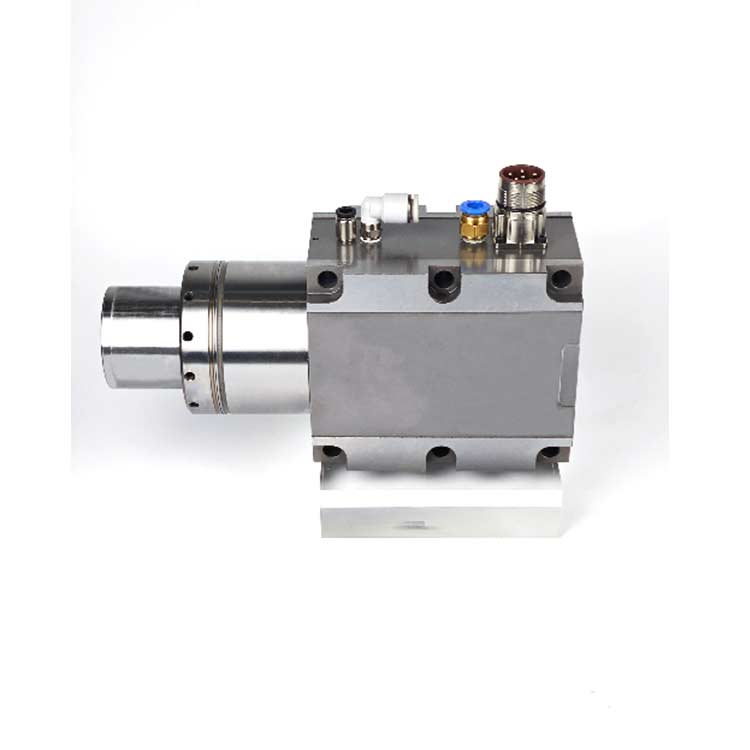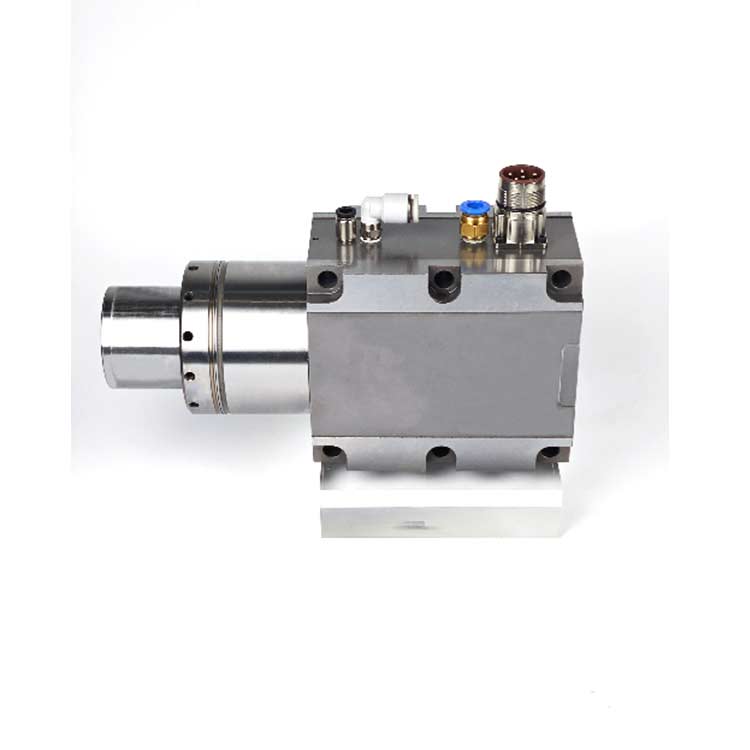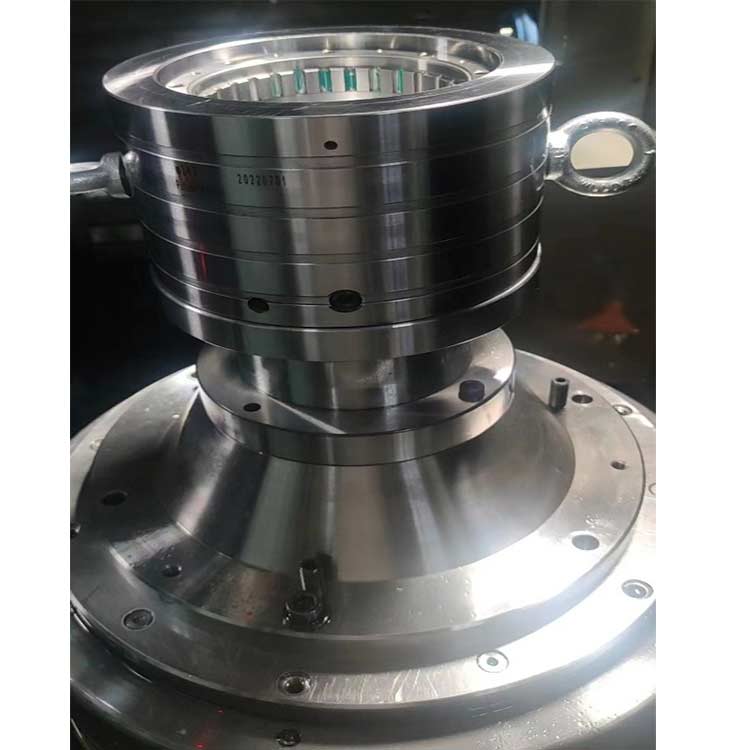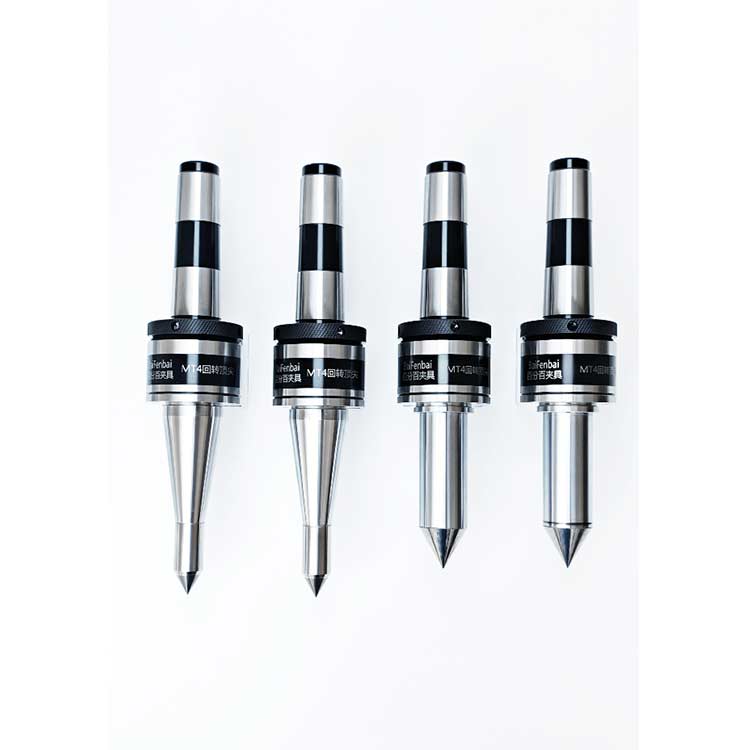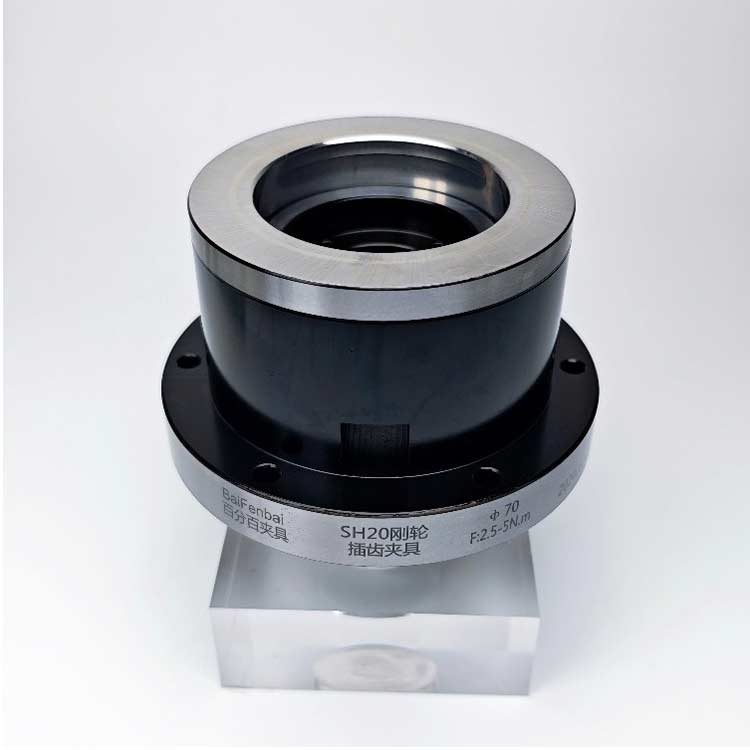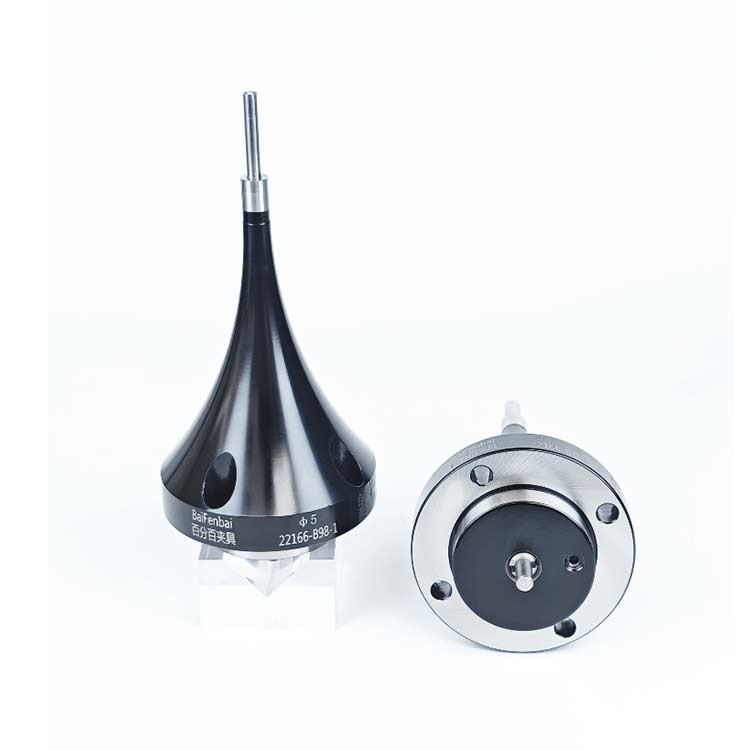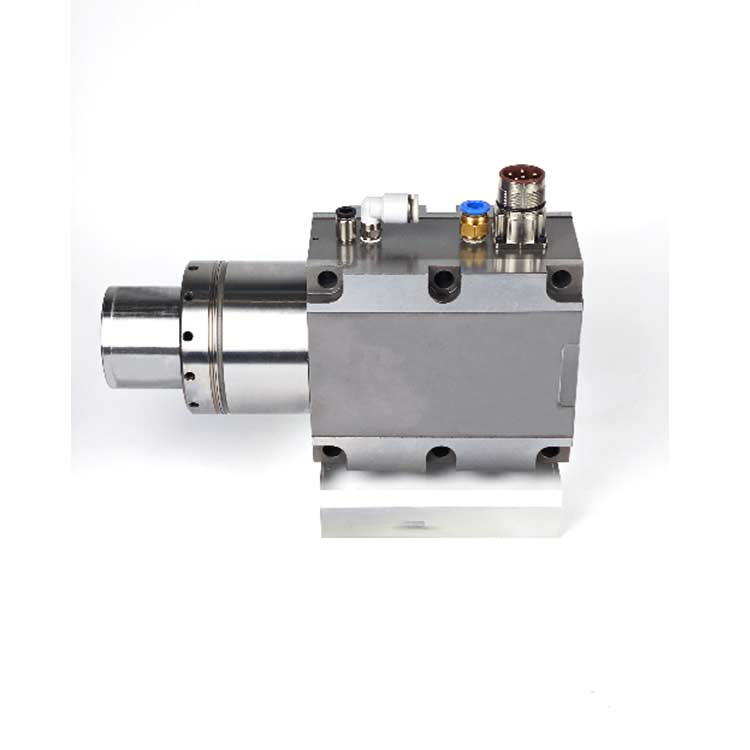

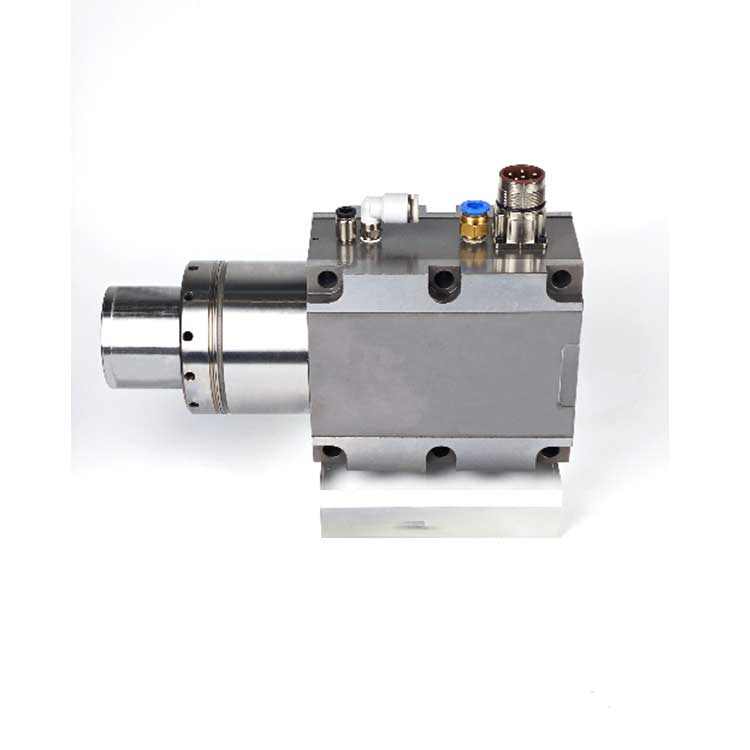

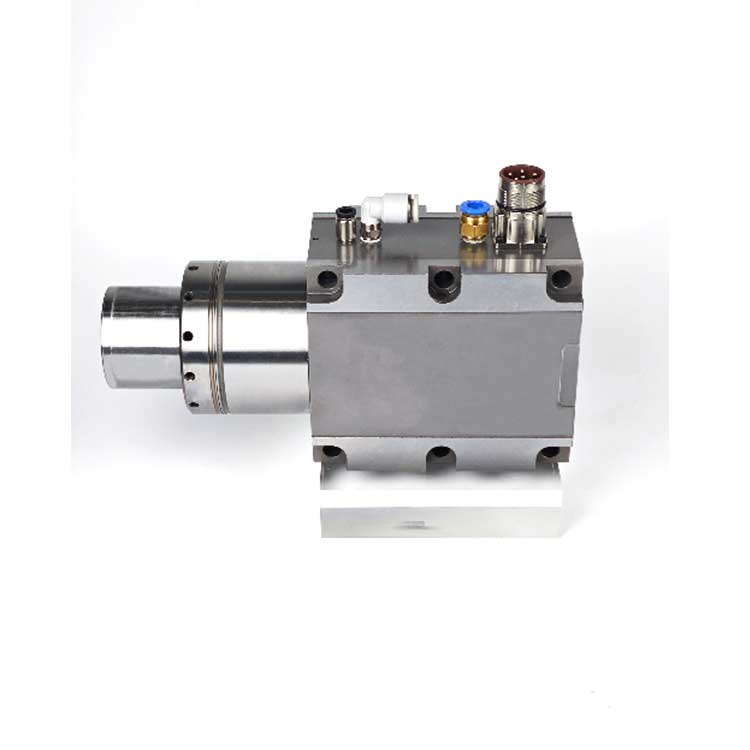


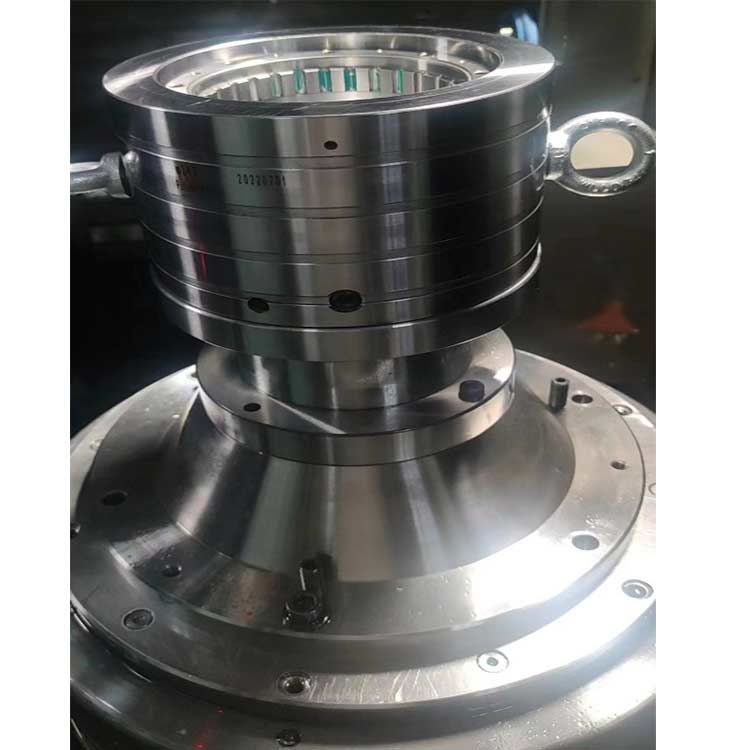
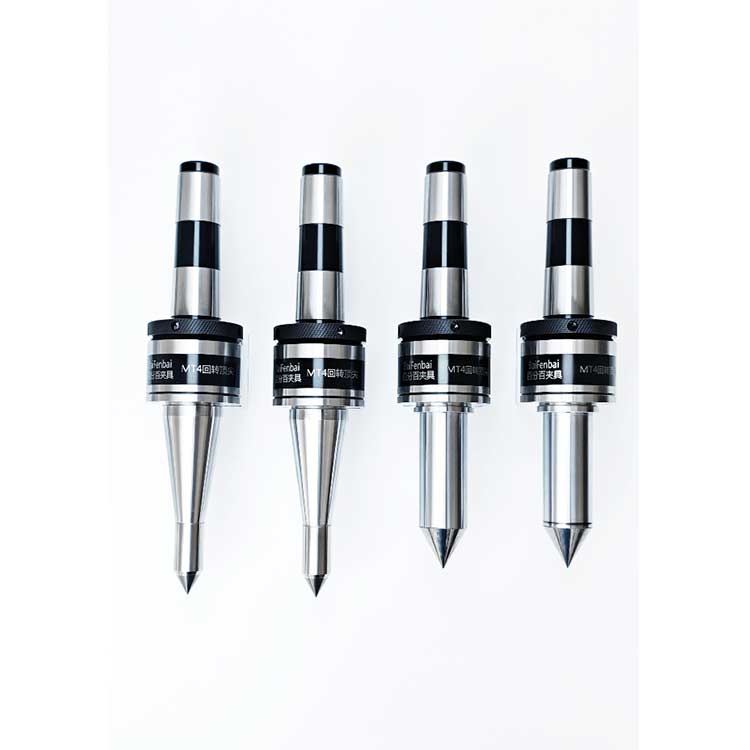
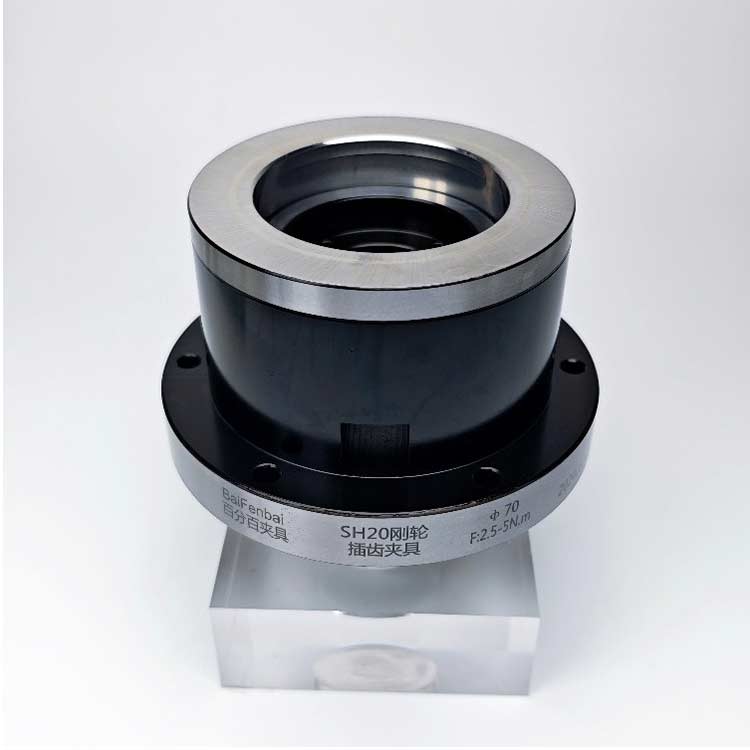
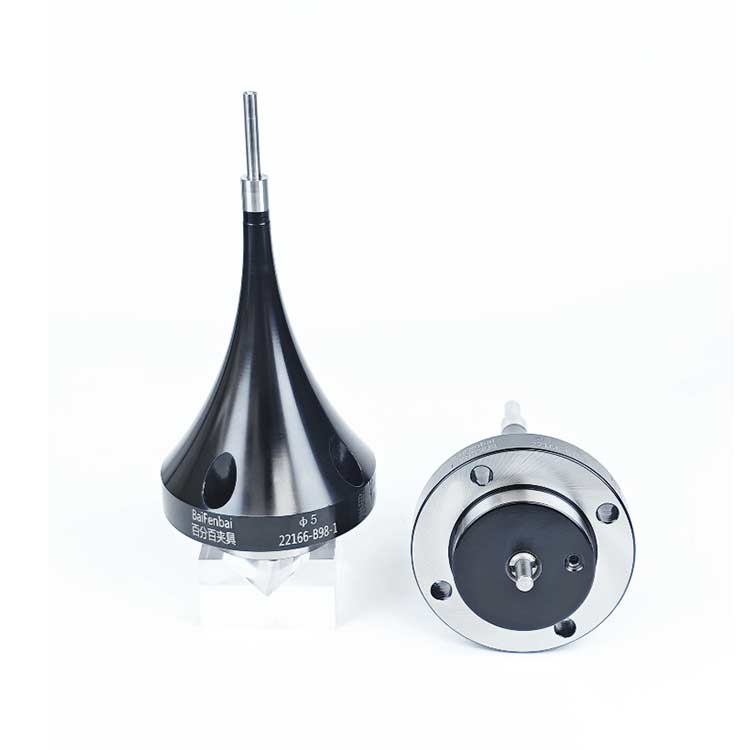






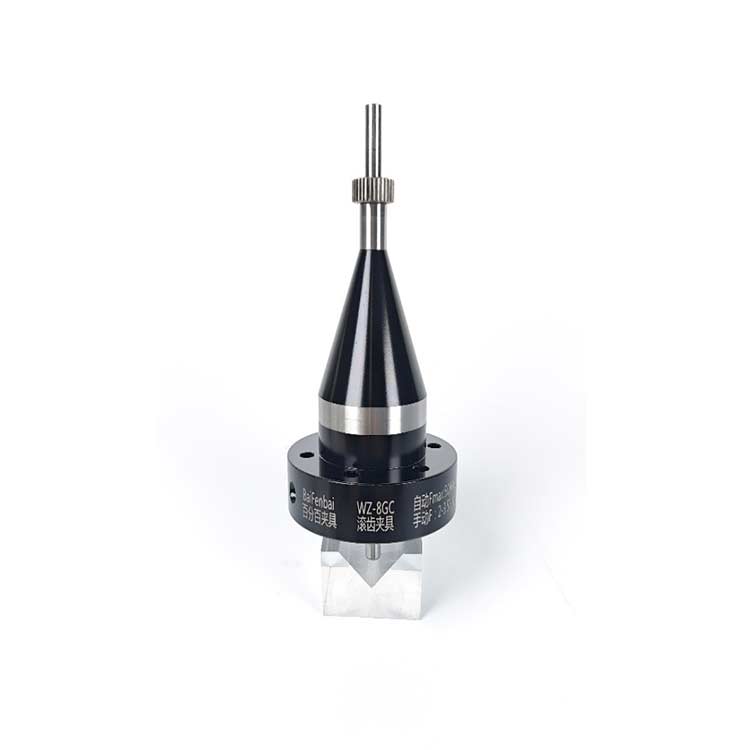
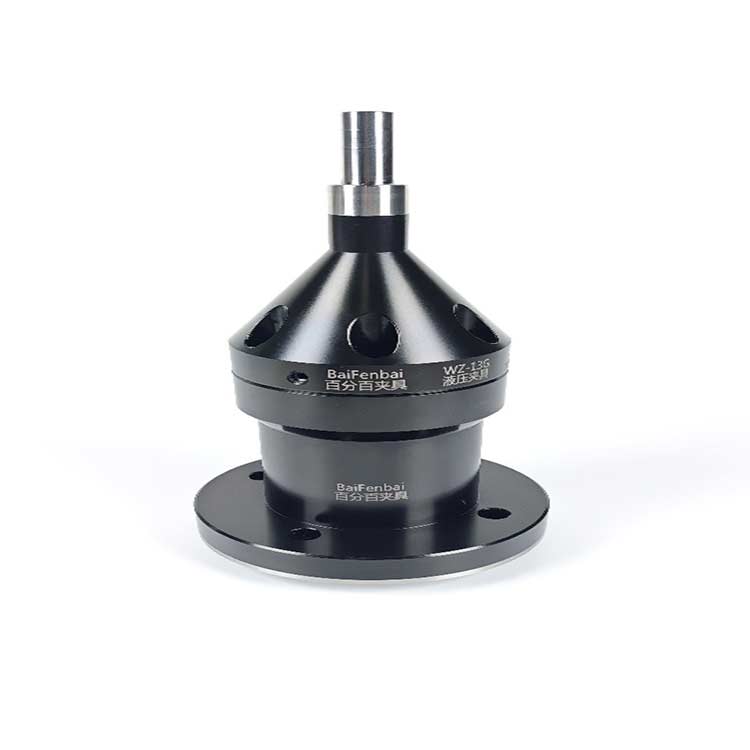
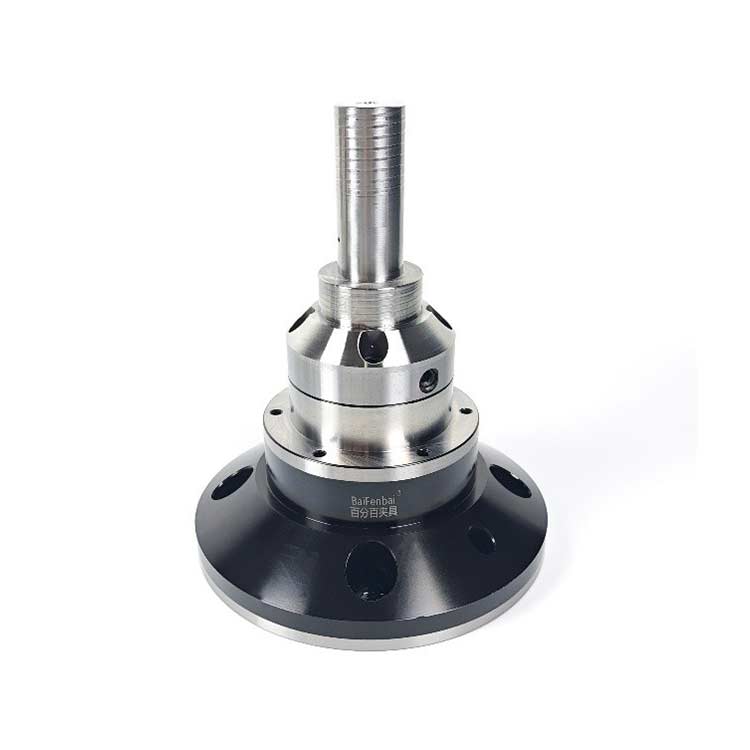

The grinding wheel dresser motor is a crucial component in the dressing equipment, driving the dressing tool to trim the grinding wheel, restoring its working surface grinding performance and correct geometric shape. Below is a detailed description of the grinding wheel dresser motor:
I. Function and Features
The main function of the grinding wheel dresser motor is to provide power to drive the dressing tool (such as diamond roller, silicon carbide grinding wheel, etc.) to dress the grinding wheel. Through the rotational motion of the motor, the dressing tool comes into contact with the grinding wheel and generates friction, thereby removing the dulling layer on the surface of the grinding wheel and restoring its grinding performance. At the same time, the grinding wheel dresser motor must also ensure the stability and accuracy of the dressing process to meet the processing requirements.
II. Selection and Configuration
PowerThe power of the grinding wheel dresser should be selected based on the requirements of the dressing task. Insufficient power may result in low dressing efficiency, while excessive power could lead to energy waste and increased equipment costs.
RPMThe motor's speed should match the design requirements of the finishing tool. Excessive speed may lead to rapid wear of the finishing tool, while insufficient speed could affect the finishing efficiency and accuracy.
Durability and reliabilityThe grinding wheel dresser motor should have excellent durability and reliability to ensure long-term stable operation. This requires the motor to be made with high-quality materials and advanced manufacturing processes, and to undergo rigorous testing and inspection.
Control MethodAccording to requirements, the grinding wheel dresser motor can be equipped with constant speed control or variable frequency control. Constant speed control is suitable for simple dressing tasks, while variable frequency control can adjust the motor speed according to the dressing requirements, enhancing both efficiency and precision.