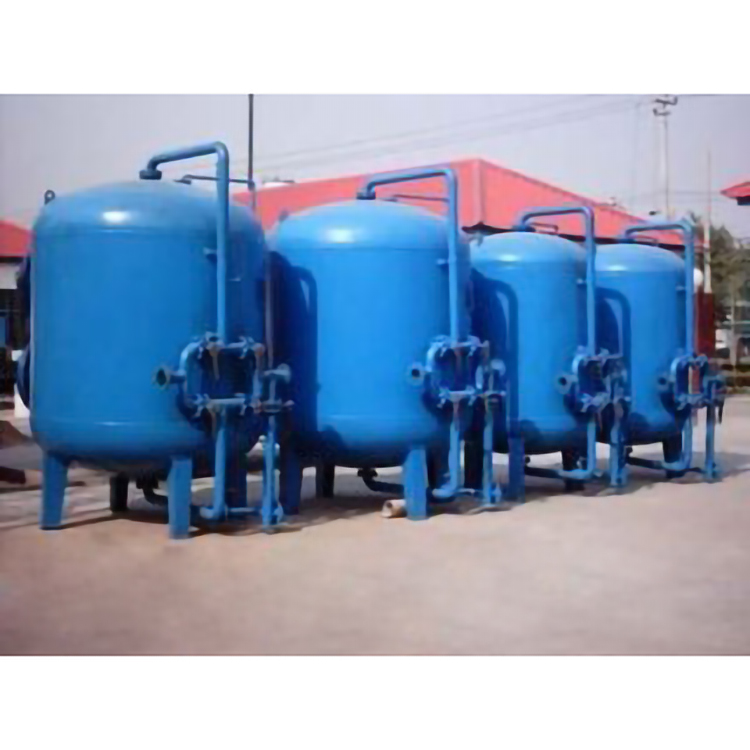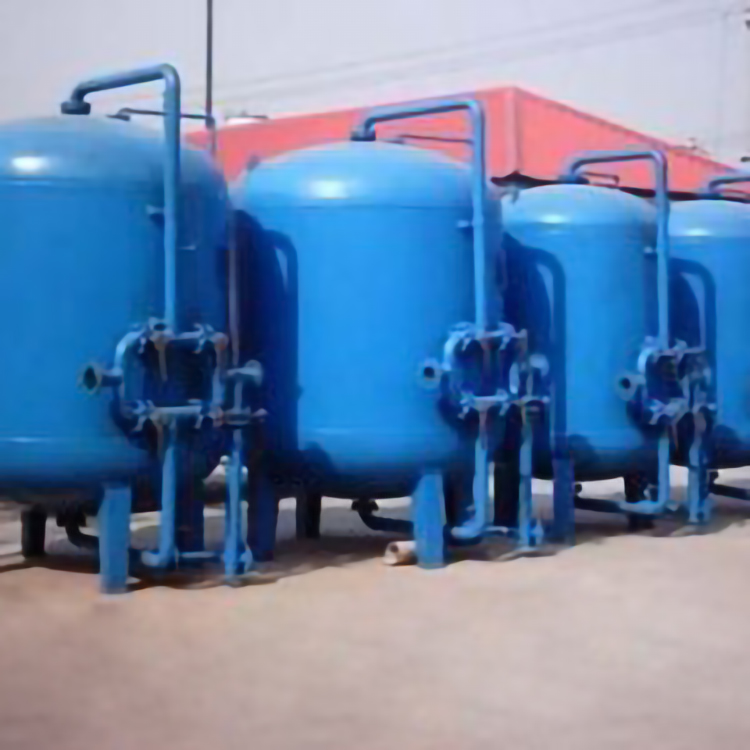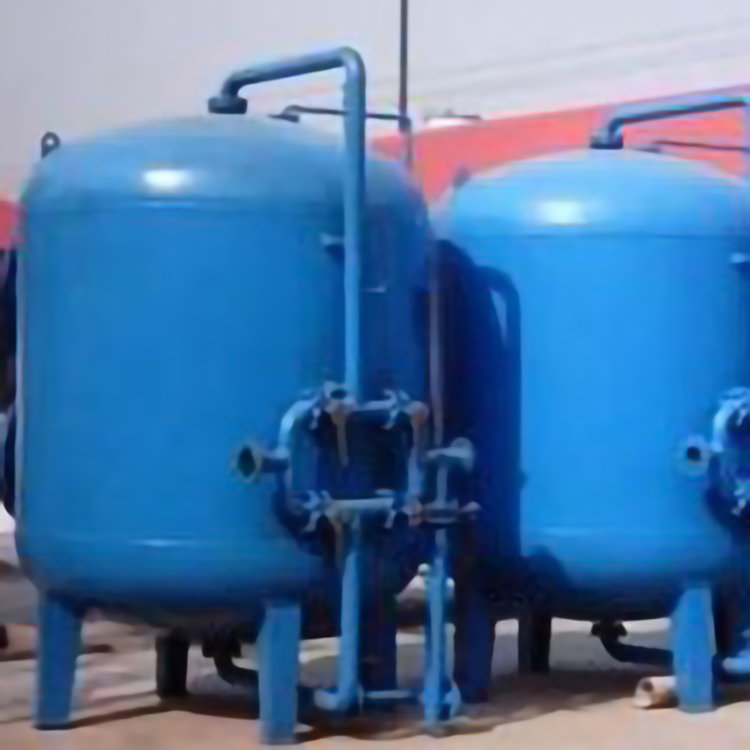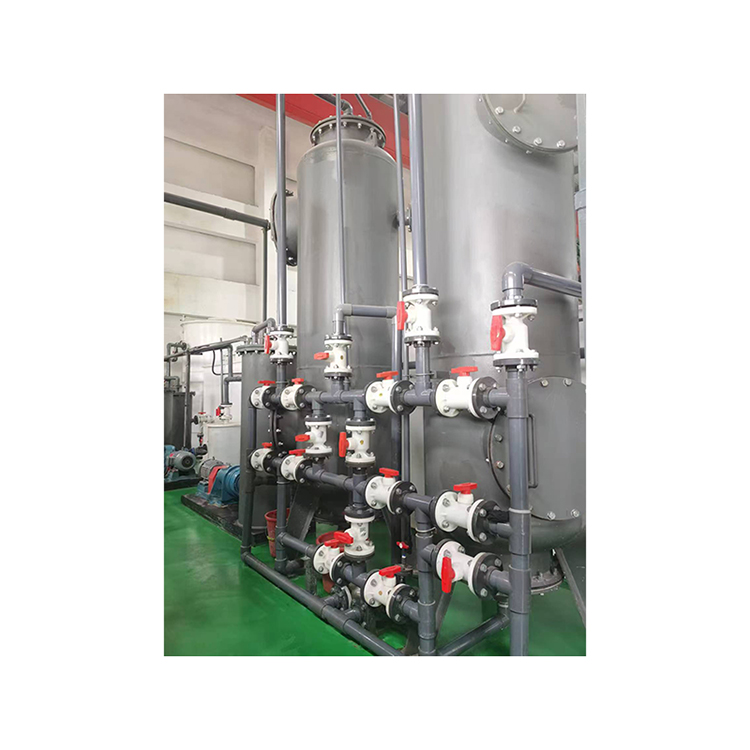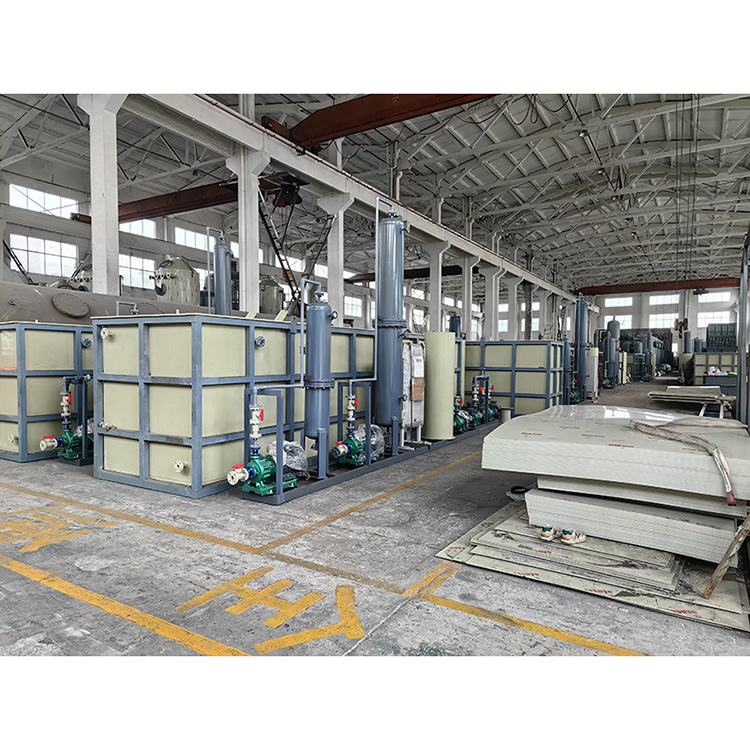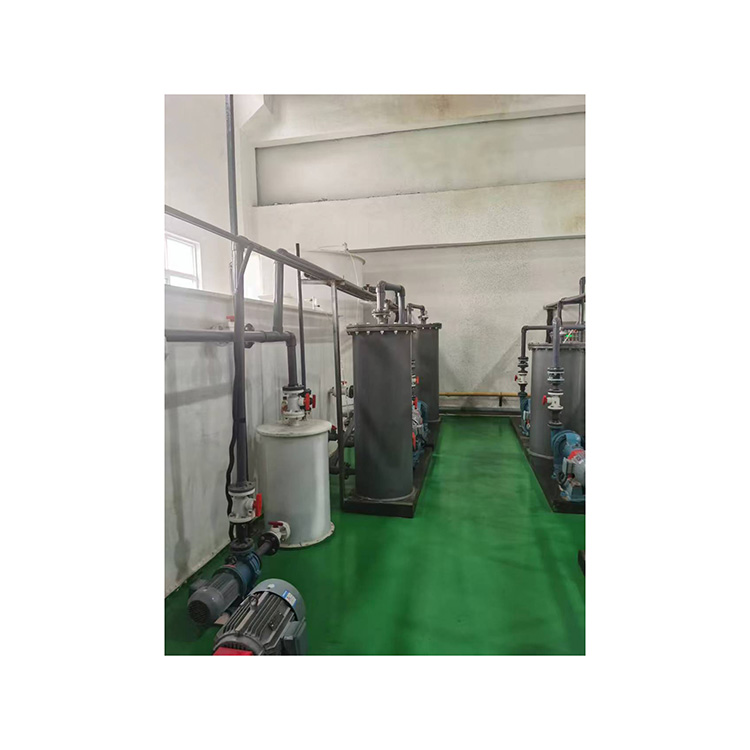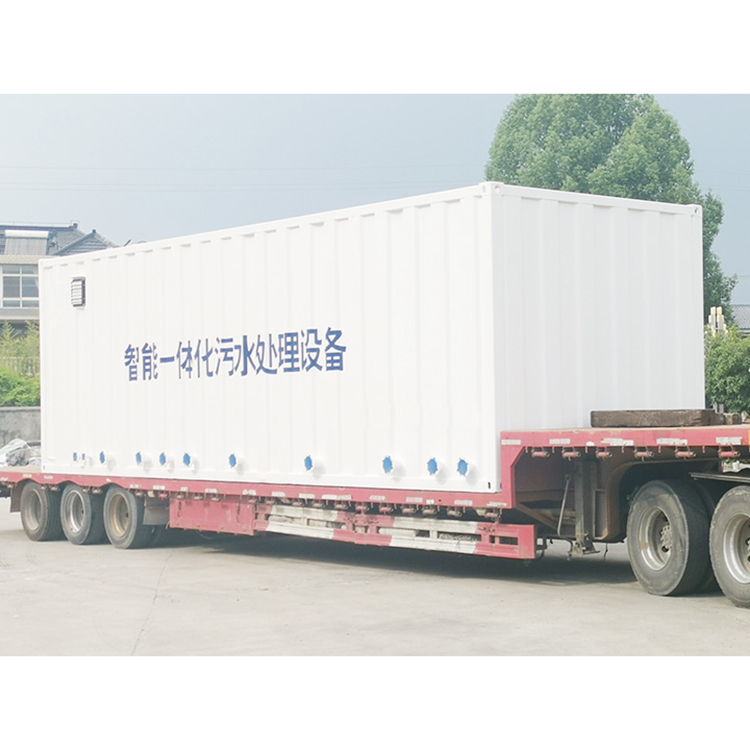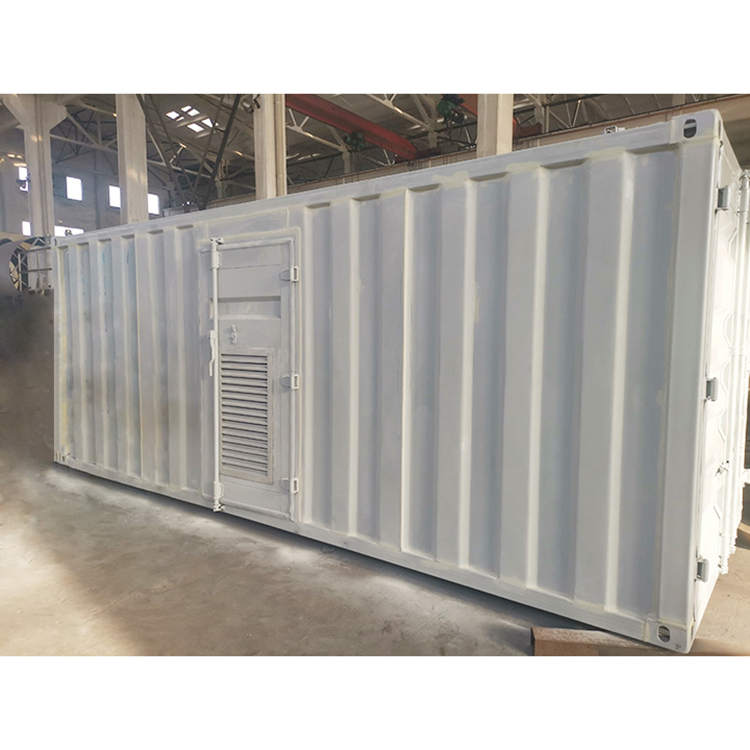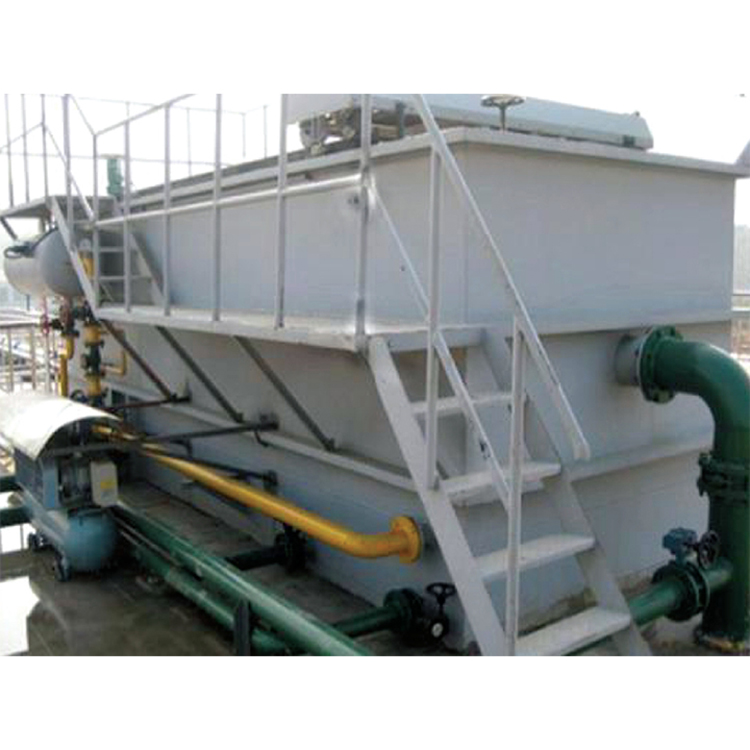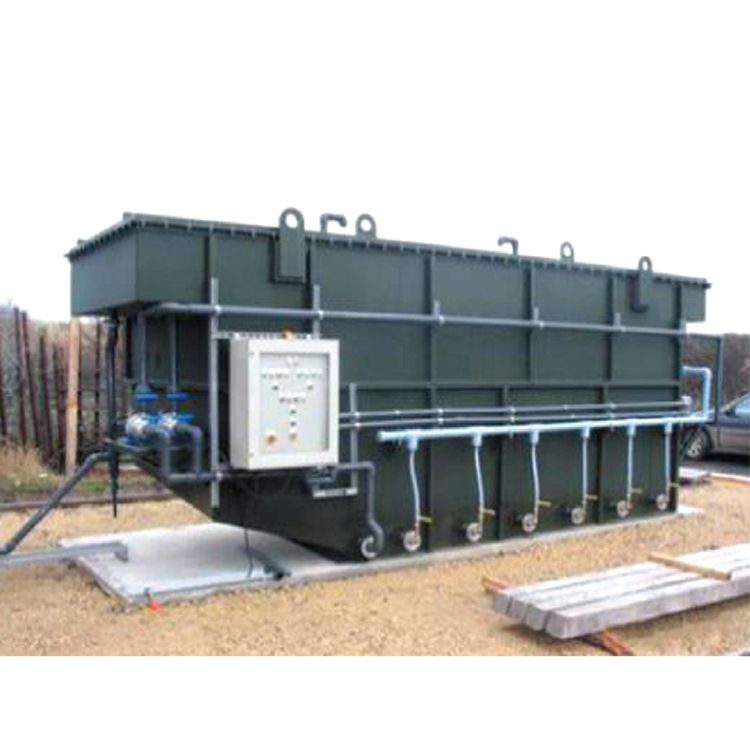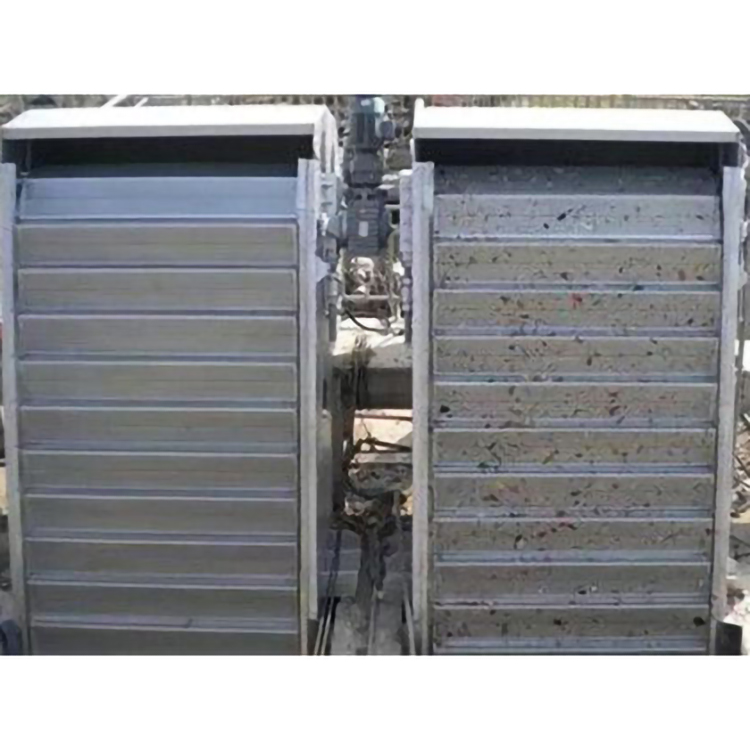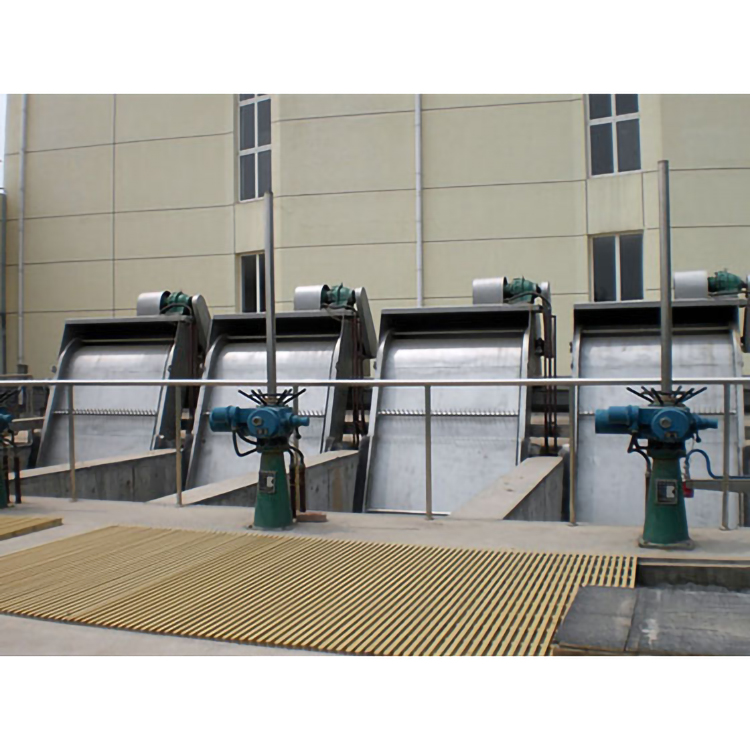

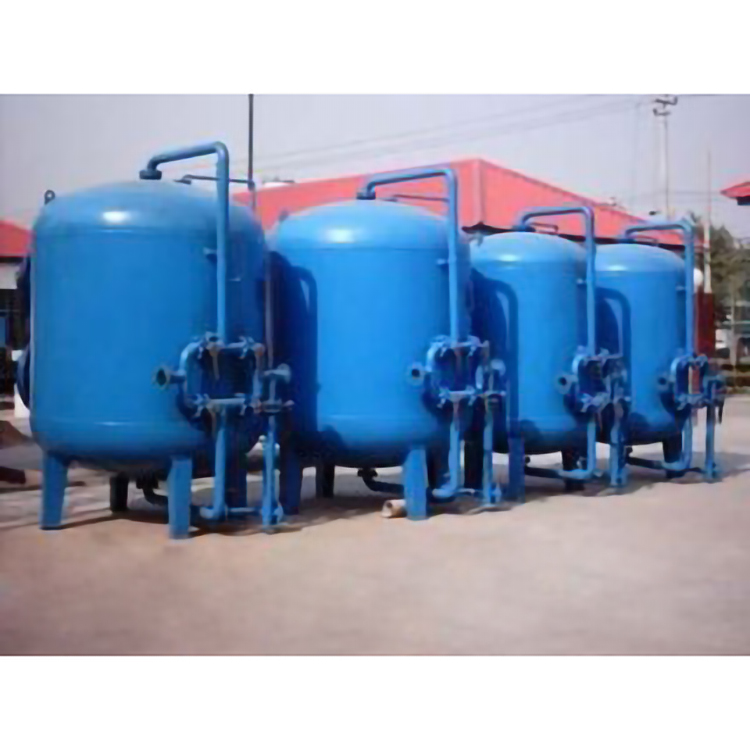


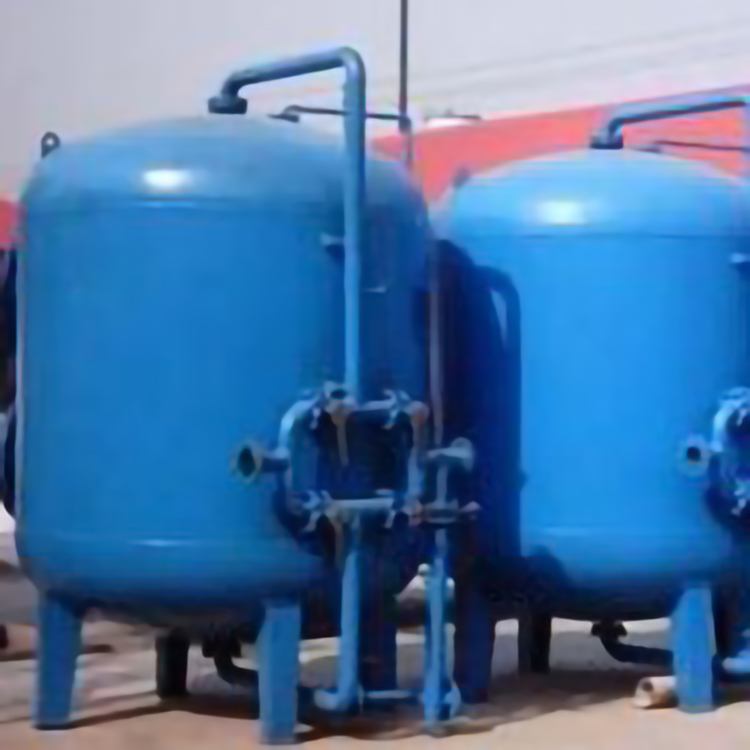


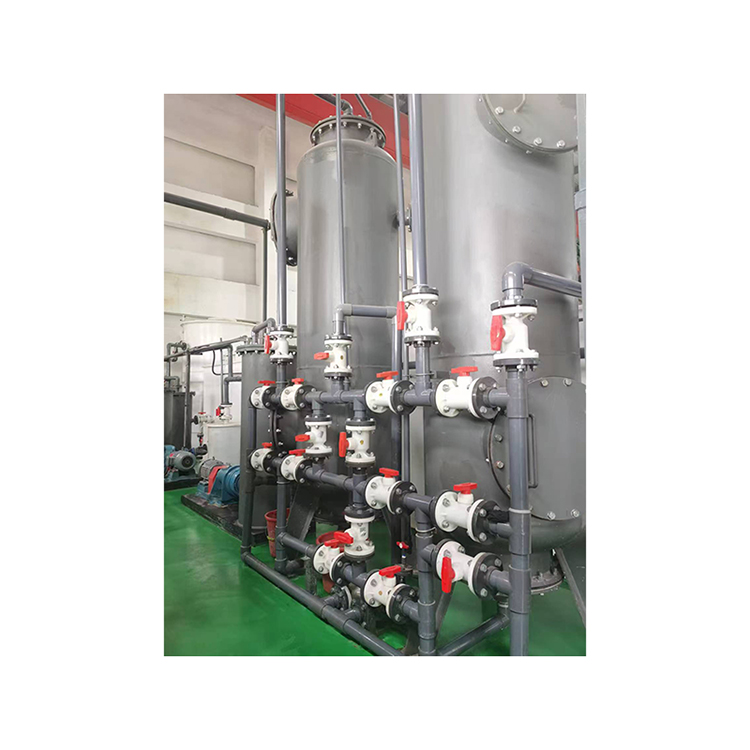
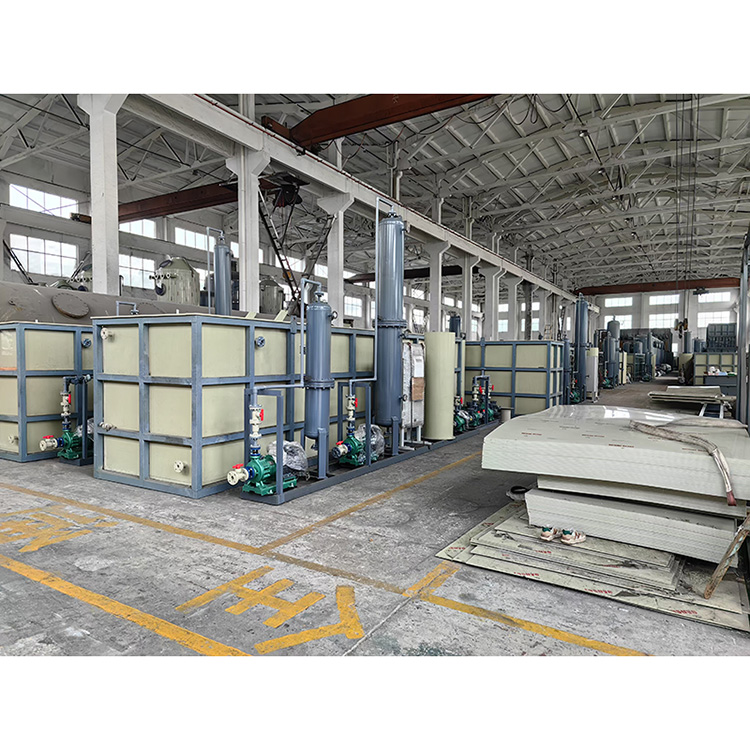
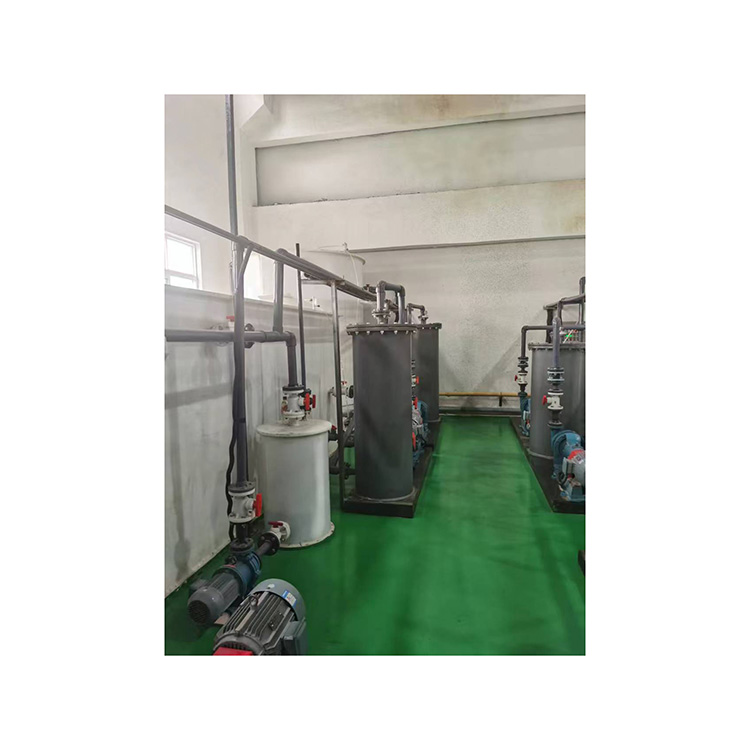
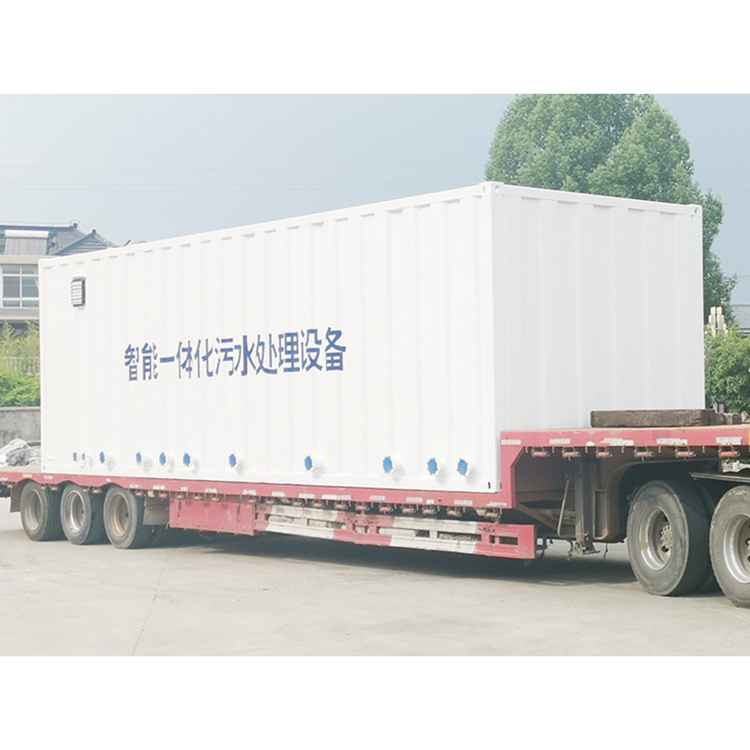
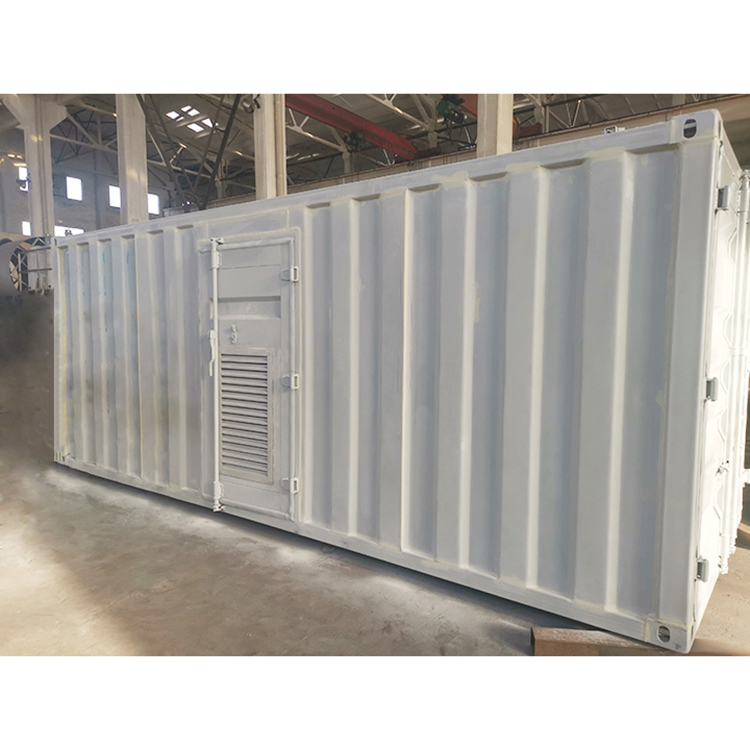





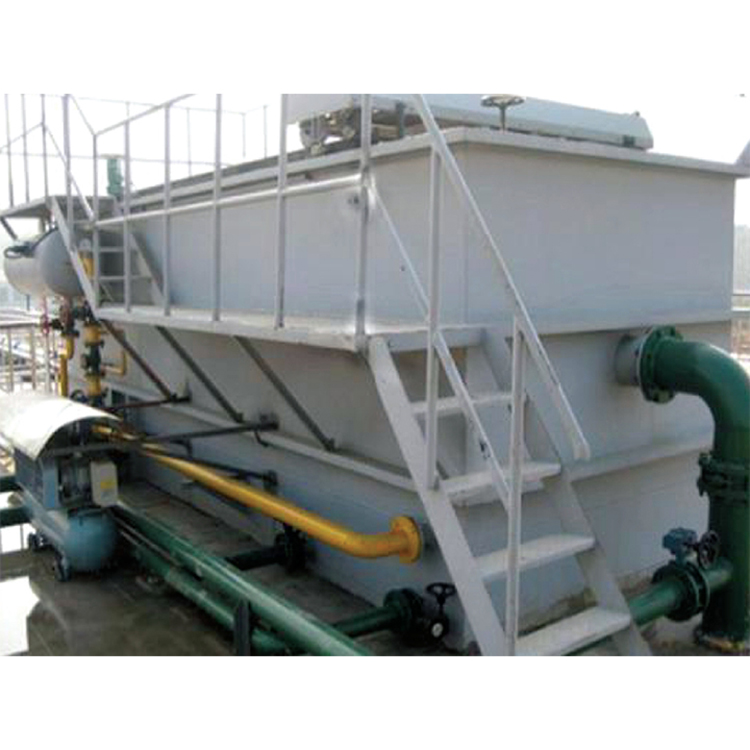
Fluoride Removal Unit
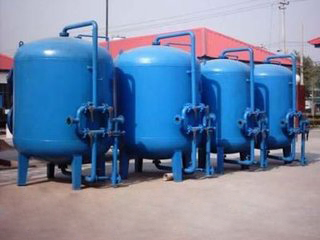
Principle of Fluorine Reduction Equipment
When the original water flows through the defluorination unit, the core filter layer of the defluorination unit, and the mineral filter material, the water comes into contact with the mineral filter material in the defluorination unit through physical and chemical reactions—adsorption and ion exchange. The fluoride ions in the water are adsorbed and exchanged by the filter material, thereby removing the fluoride ions from the water. This ensures the fluoride content in the water is within the national drinking water hygiene standard (GB5749-2006), which is 1.0mg/L or less. After a period of operation, the mineral filter material becomes saturated with adsorption and exchange, and requires regeneration through the regeneration system. Once regenerated, the filter material's performance is restored to its original state, allowing for long-term and repeated use. Potassium aluminum sulfate (alum) can be used as the regeneration agent.
Key Features
1. New, natural mineral filter material beneficial to human health.
2. Removes fluorine and various harmful substances from water simultaneously.
3. Stable performance and long service life; low operation cost, generally 0.3 yuan per ton of water.
4. Simple structure, minimal land footprint, and easy operation, maintenance, and management.
5. Flexible in scale, ranging from large to small, designed and manufactured according to customer requirements.
6. Available in manual, semi-automatic, and fully automatic models for your selection.
The necessity of fluoride removal
Fluorine is a halogen, a nonmetallic element that assumes a -1 oxidation state in compounds. Under normal conditions, fluorine gas is a pale yellow-green, highly flammable, and irritating toxic gas. The reaction of fluorine gas with water is complex, primarily producing hydrogen fluoride and oxygen, along with smaller amounts of hydrogen peroxide, difluorine monoxide, and ozone. It can also displace other nonmetallic elements in compounds. It can react violently with all nonmetals and most metals, forming fluorides and causing combustion. It possesses strong corrosive and toxic properties.
Fluoride Removal Equipment Features
1. Utilizing specially activated alumina as an adsorbent, it boasts fast adsorption speed, high adsorption capacity, minimal pH impact, and easy desorption, outperforming conventional activated alumina in all aspects.
2. The regenerant replaces traditional aluminum sulfate with sodium hydroxide, eliminating the harm caused by excessive aluminum ions in the effluent to human health.
3. By employing the recycling regeneration method, the traditional regeneration time can be shortened to completion within 4 hours.
4. Employed adjusted pH value and catalytic adsorption technology to significantly enhance the adsorption capacity.
5. Continuously add catalysts in fixed dosages to enhance the adsorption rate of fluorine.
6. Resolved the "caking" issue and "pseudo-fatigue" phenomenon of activated alumina.