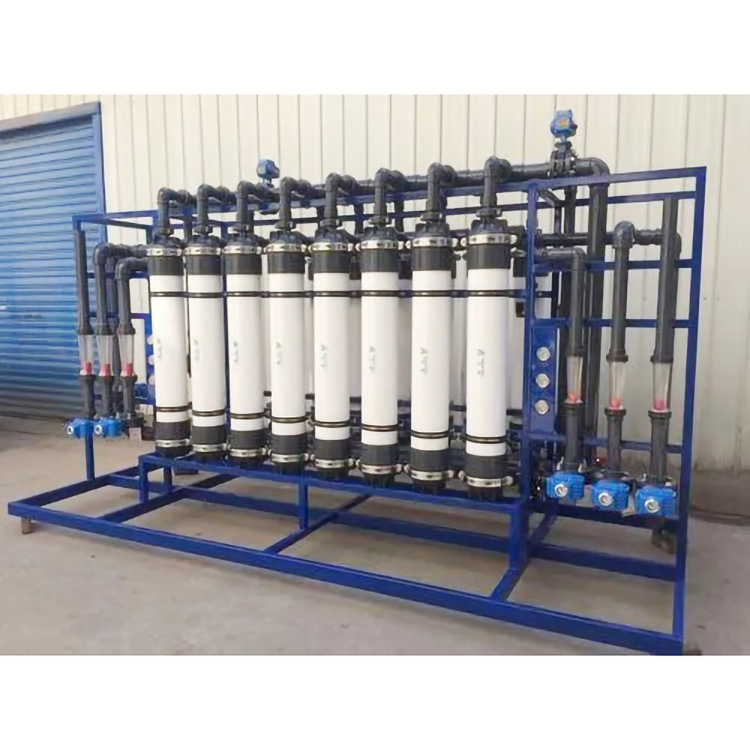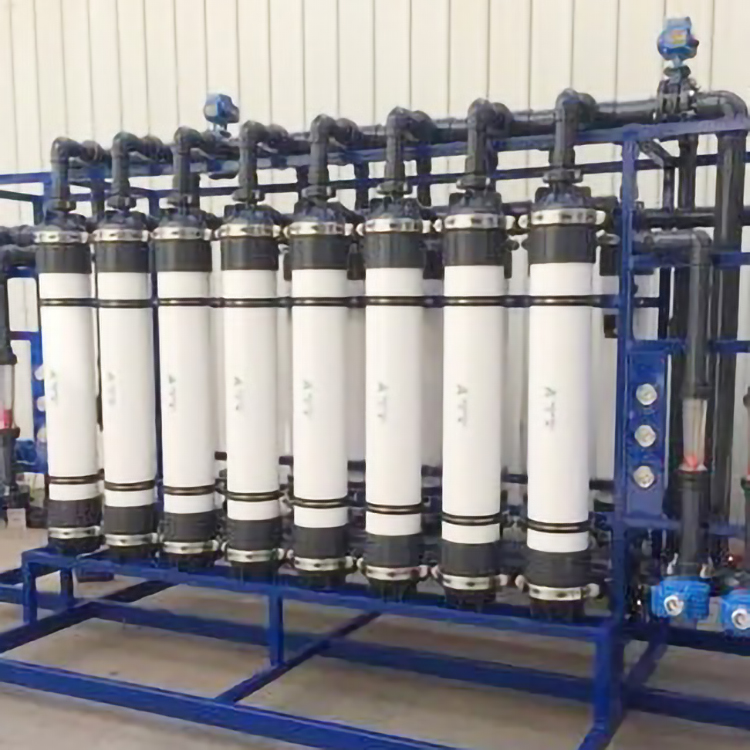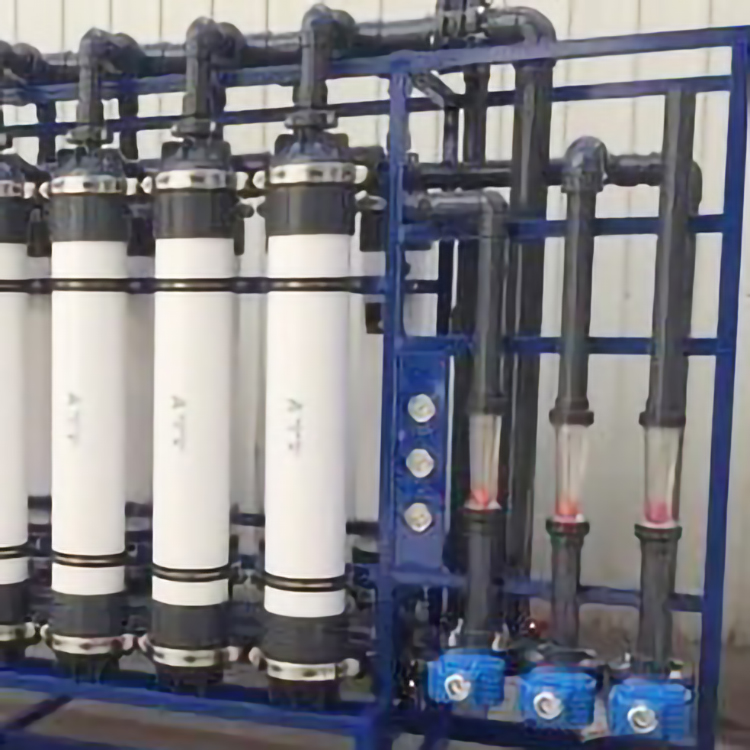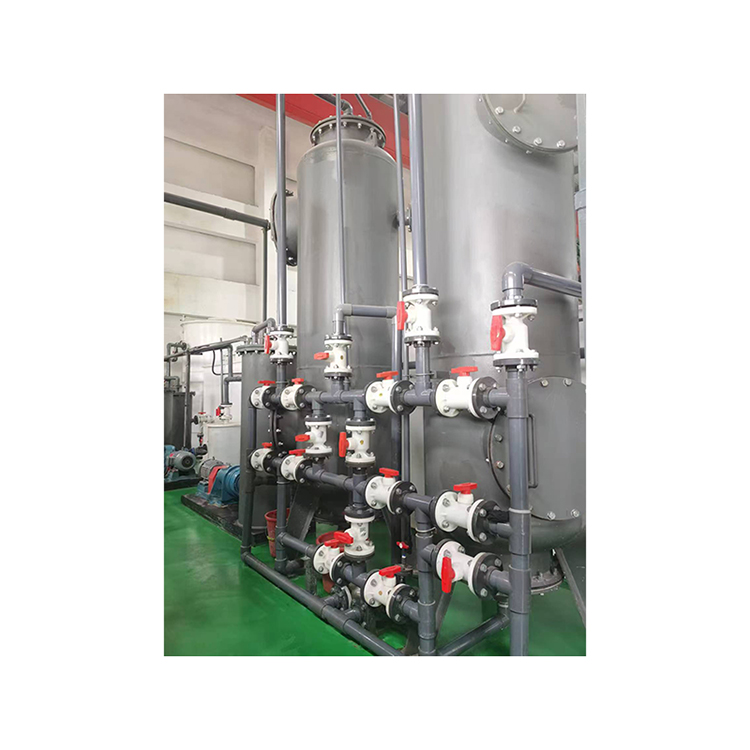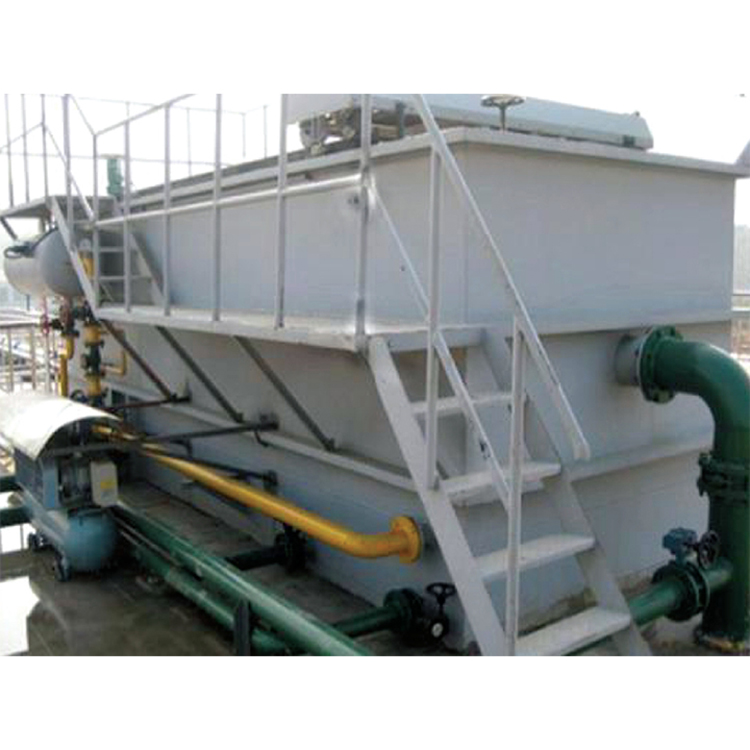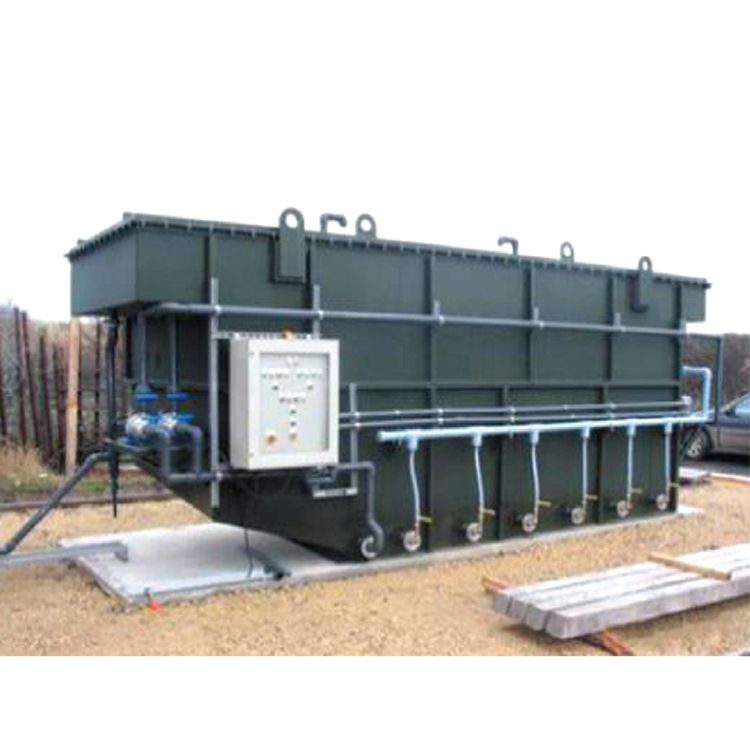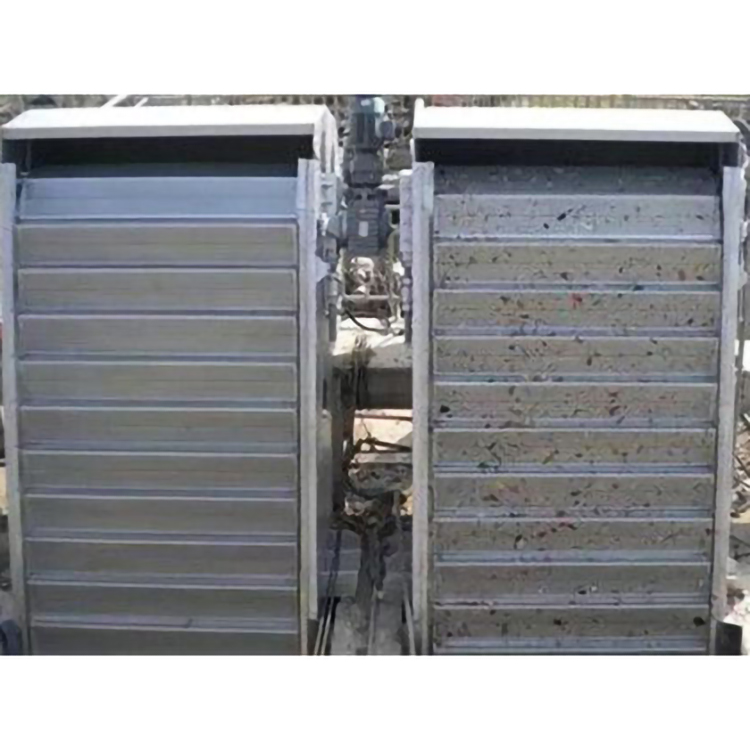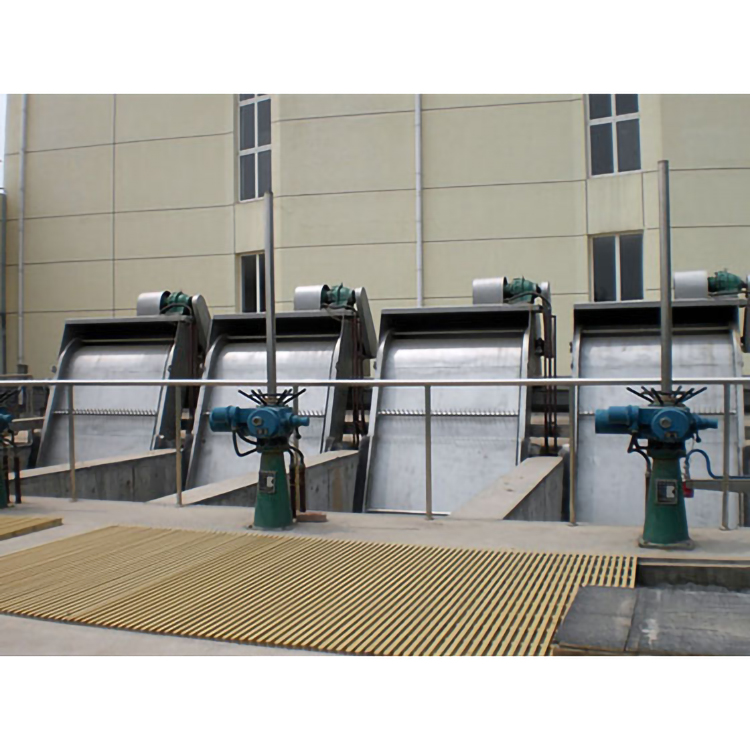




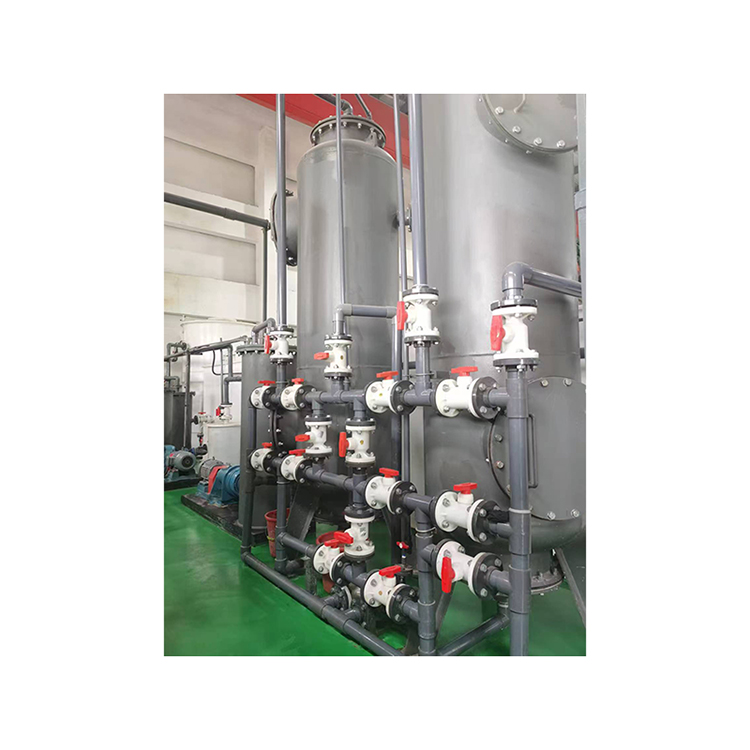
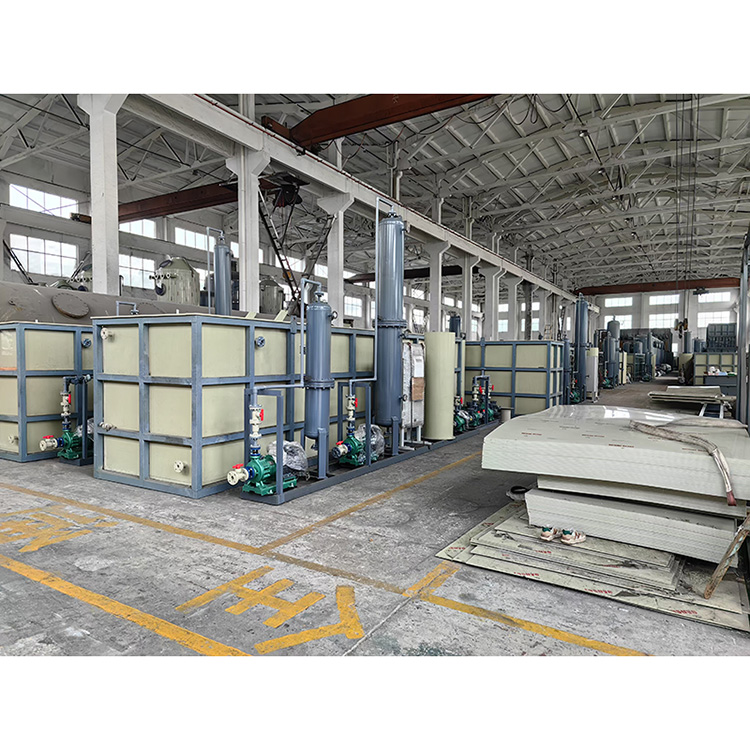
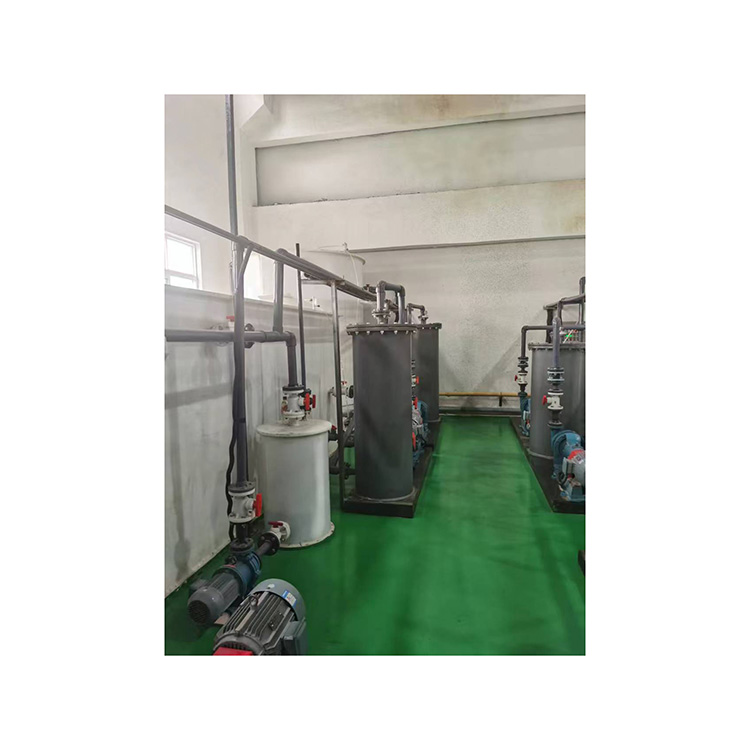
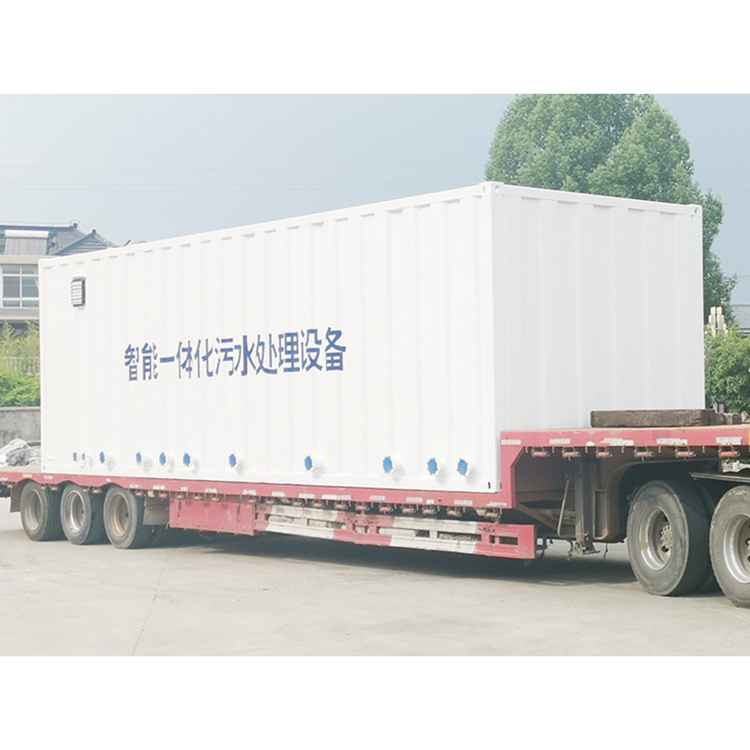





Ultrafiltration equipment
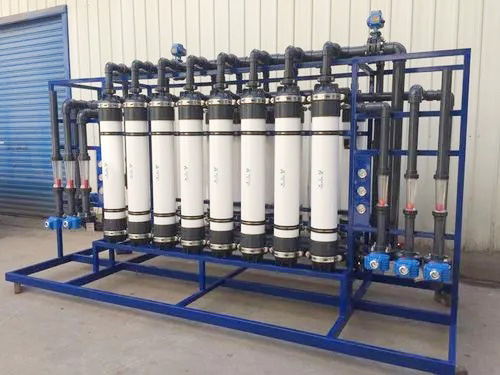
Ultrafiltration Equipment Overview
Ultrafiltration membranes are extensively used in water treatment projects. The ultrafiltration technology plays an increasingly significant role in pretreatment for reverse osmosis, drinking water treatment, and reclaimed water utilization. It is also crucial in sterilizing and clarifying alcoholic beverages and drinks, removing pyrogens in pharmaceuticals, and during the concentration processes of food and pharmaceutical products.
Ultrafiltration pore sizes and molecular weight cut-off ranges have historically been somewhat ambiguous. Generally, ultrafiltration membrane pore sizes are considered to be between 0.001-0.1 micrometers, with a molecular weight cut-off (MWCO) of 1,000-1,000,000 Daltons. Strictly speaking, ultrafiltration membrane pore sizes should be between 0.001-0.01 micrometers, and the molecular weight cut-off should be 1,000-300,000 Daltons. If the pore size exceeds 0.01 micrometers or the molecular weight cut-off is greater than 300,000 Daltons, the membrane should be classified as microfiltration or nanofiltration membrane.
The nominal molecular weight cutoff for ultrafiltration membranes commonly used in water treatment ranges from 30,000 to 300,000 Dalton, whereas ultrafiltration membranes with a molecular weight cutoff of 6,000 to 30,000 Dalton are typically employed for material separation, concentration, sterilization, and removal of heat sources.
Ultrafiltration membranes come in two forms: plate and tubular. Tubular ultrafiltration membranes are further categorized into hollow fiber, capillary, and tubular types based on their tube diameter. The ultrafiltration membranes used for water treatment on the market are predominantly capillary type. The hollow fiber (inner diameter 0.1-0.5mm) polyethylene or polypropylene microporous membranes used in some projects actually belong to microfiltration membranes.
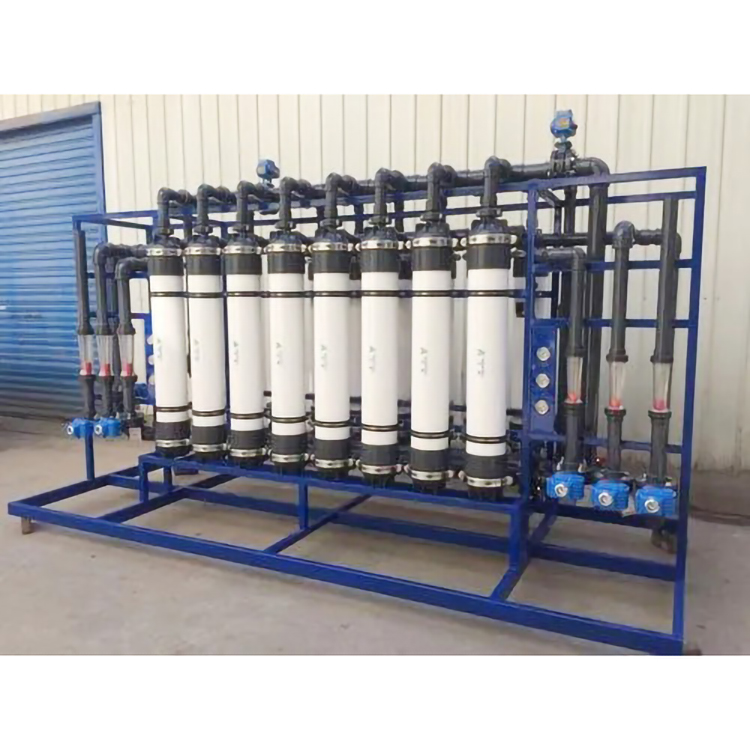
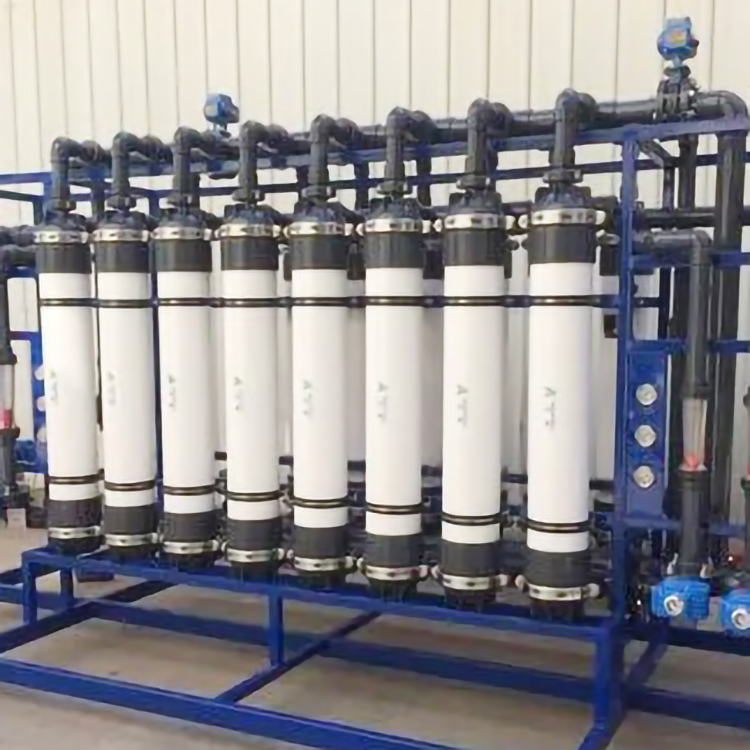
An assembly of ultrafiltration membrane fibers that can be connected to an ultrafiltration system is called an ultrafiltration membrane module. Ultrafiltration membrane modules are categorized into three types: internal pressure, external pressure, and submersion. The driving force for the submersion ultrafiltration membrane filtration is the pressure difference between the vacuum inside the membrane tube and atmospheric pressure. For ultrafiltration membranes with high filtration precision requirements, this pressure difference often does not meet the required filtration driving force, so the submersion module form is more suitable for ultrafiltration membranes or microfiltration membranes with lower filtration precision. In external pressure ultrafiltration, the flow rate of the liquid on the membrane surface is extremely uneven during forward and reverse flushing, affecting the flushing effect on the membrane surface, so the internal pressure module structure is more advantageous for ultrafiltration membranes used in water treatment.