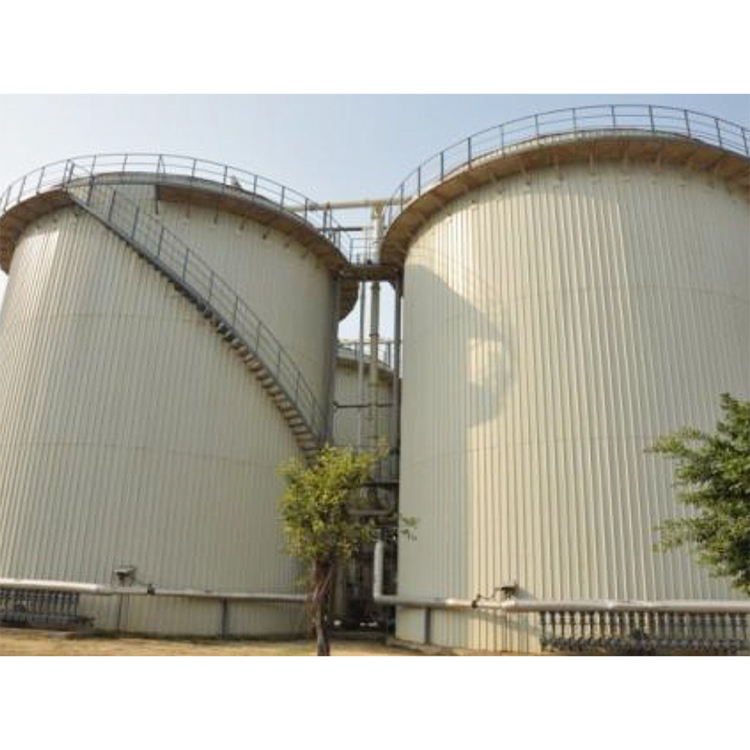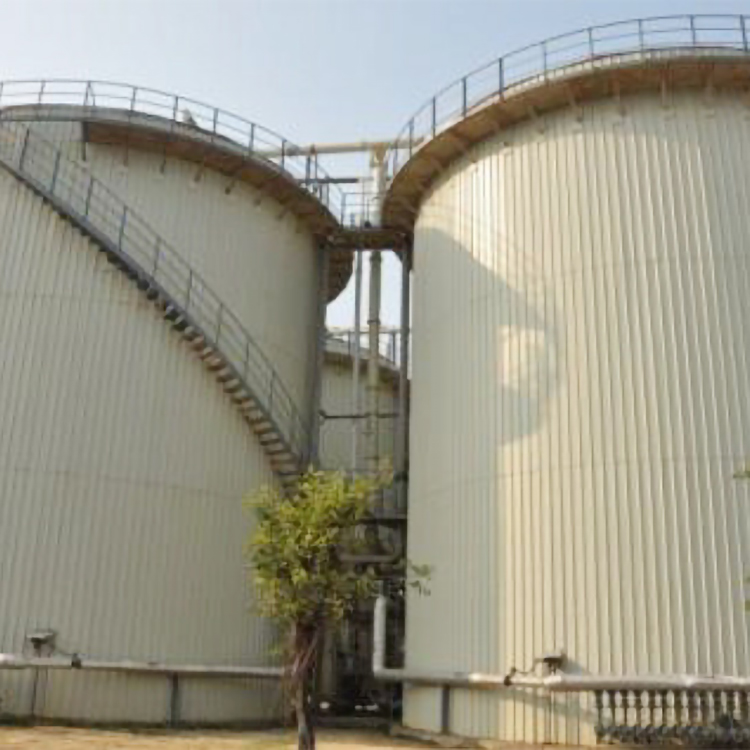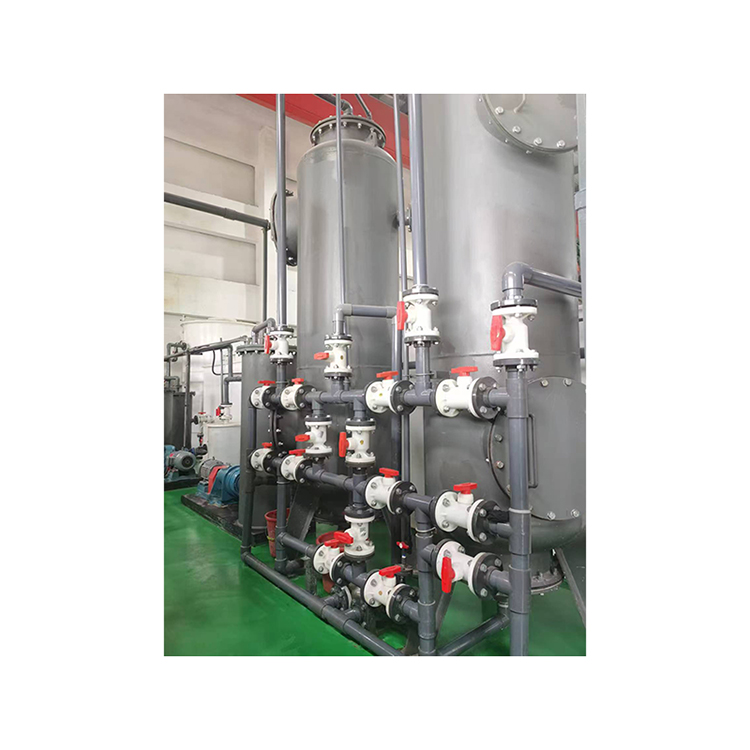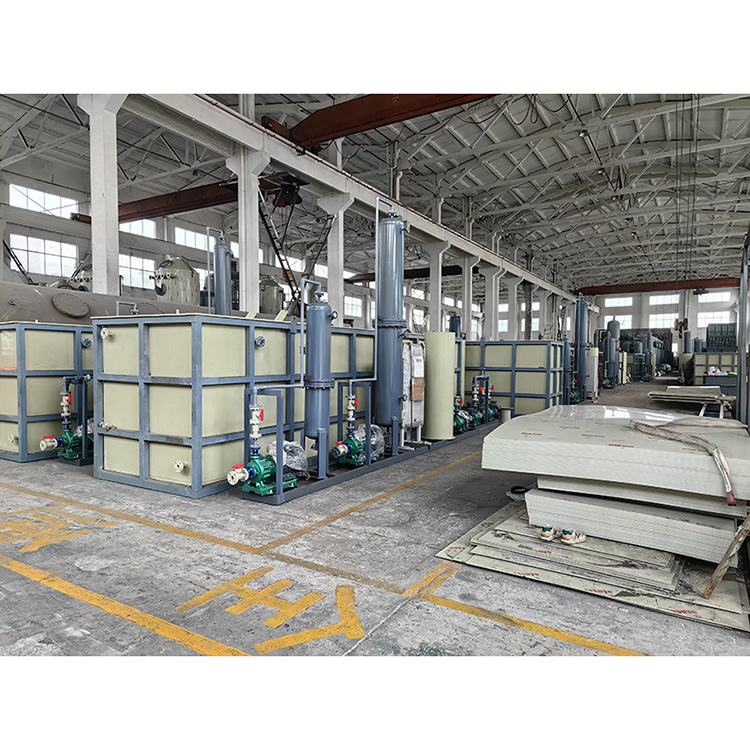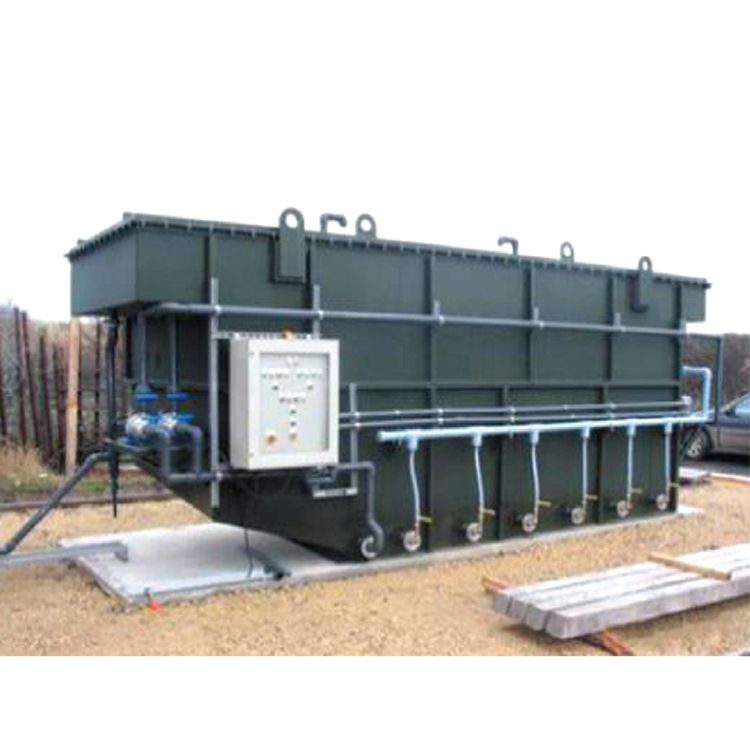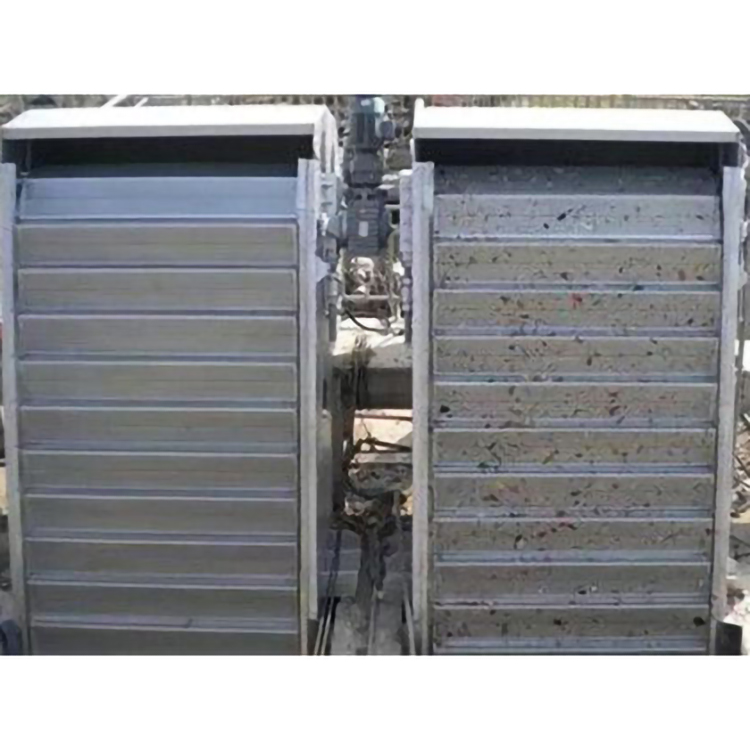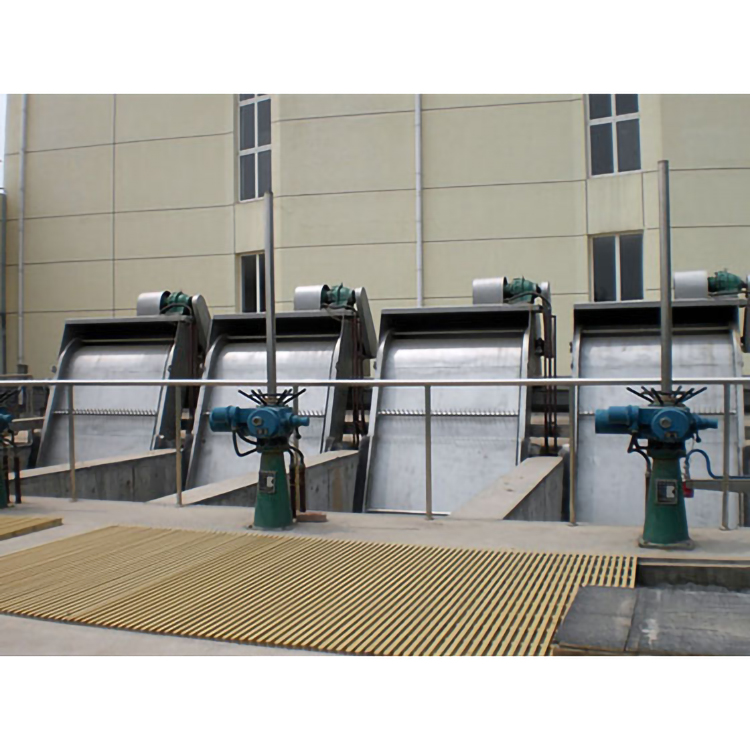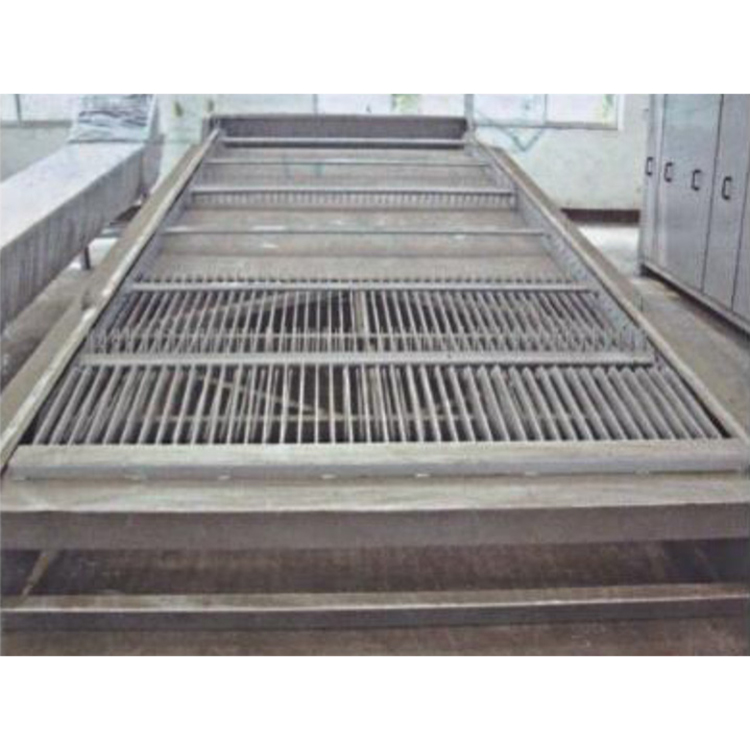

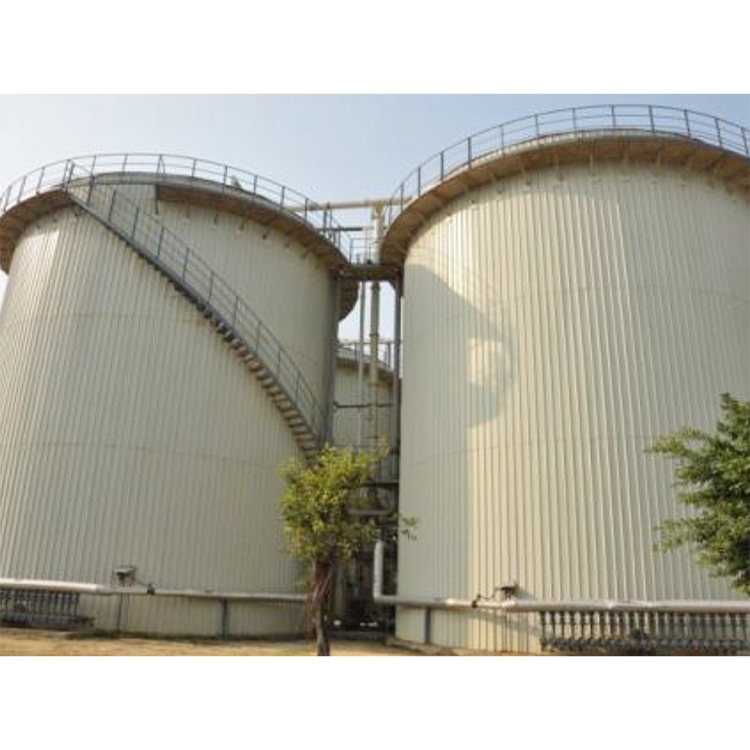









UASB Anaerobic Reactor
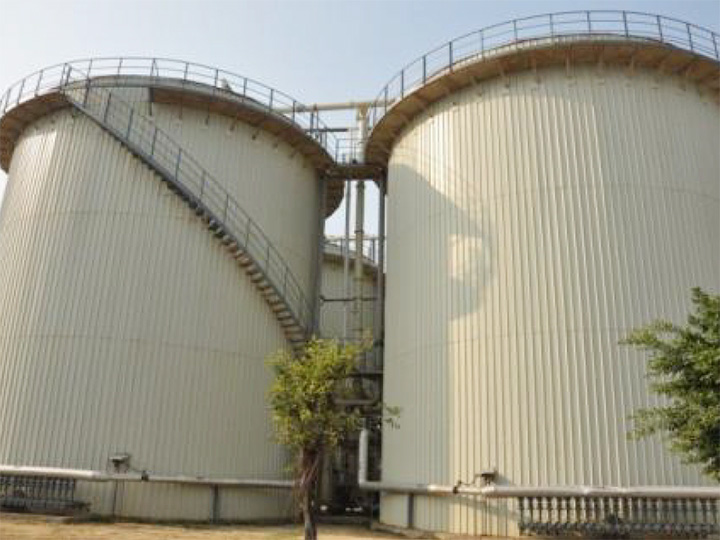
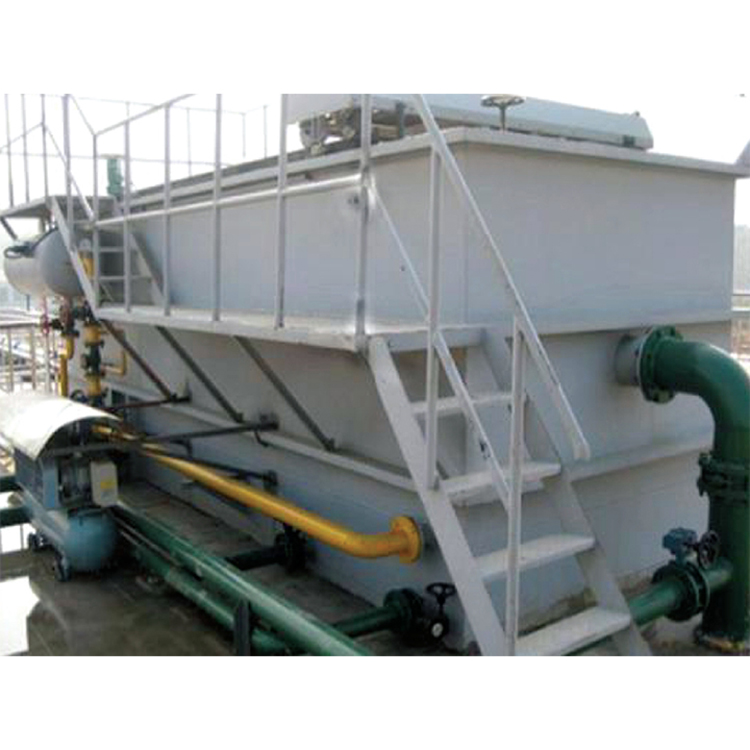
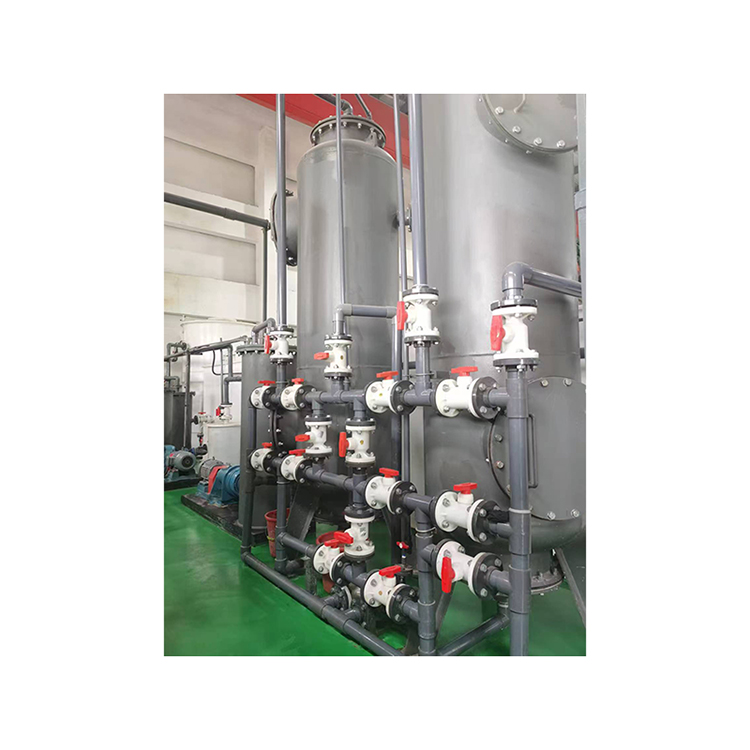
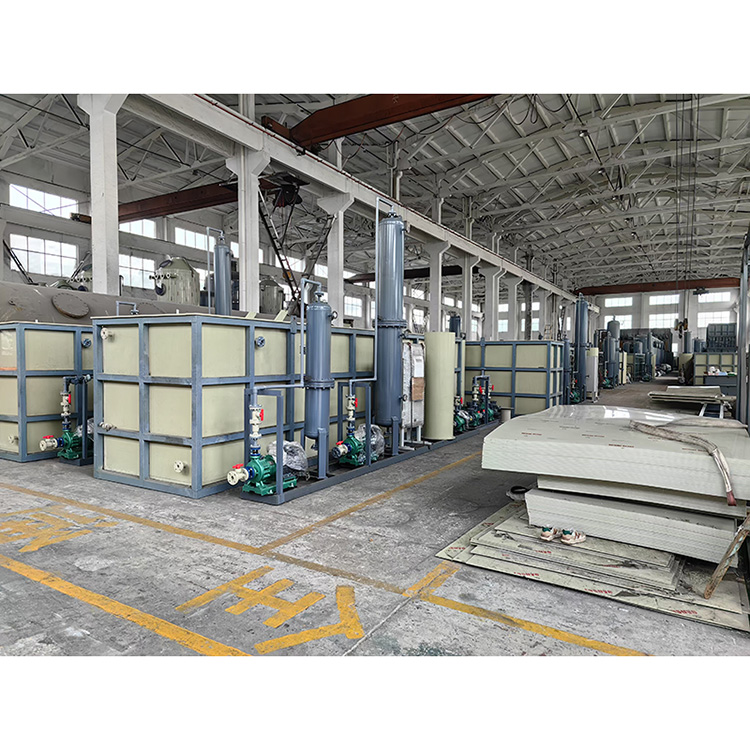
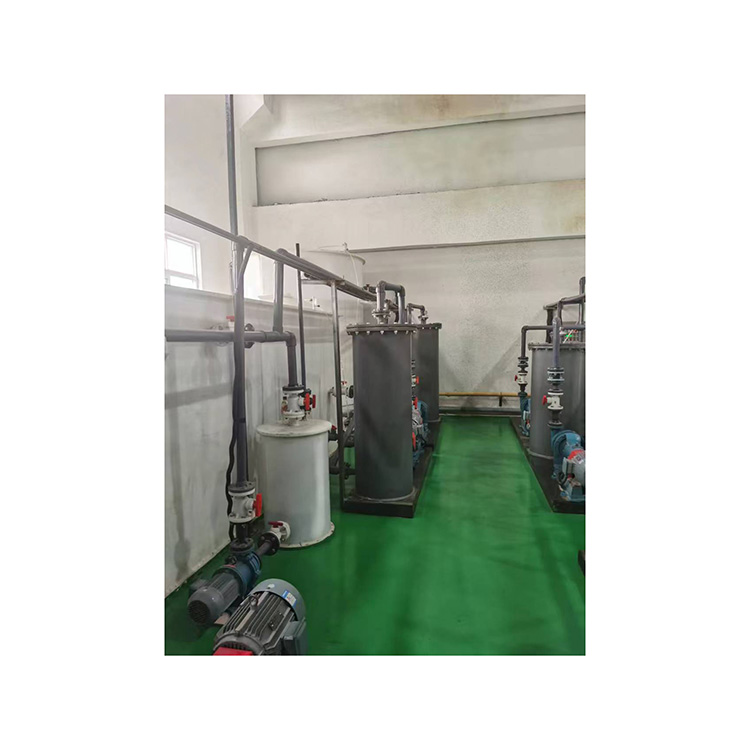
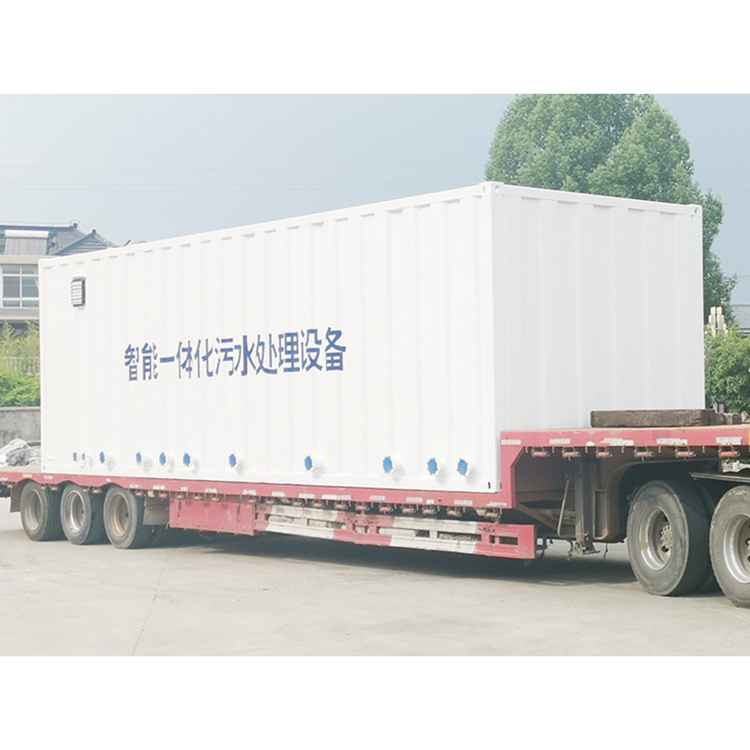
The Upflow Anaerobic Sludge Blanket (UASB) process, with its dual characteristics of anaerobic filtration and anaerobic active sludge method, is a technology that can convert pollutants in wastewater into renewable clean energy biogas.
The basic principle of the UASB reactor is as follows: the main body of the reactor can be divided into two zones, namely the reaction zone and the gas-liquid-solid three-phase separation zone. At the bottom of the reaction zone is an anaerobic sludge bed composed of well-settled sludge. Wastewater enters the bottom of the reactor through a distribution system, flows upward through the anaerobic sludge bed, and reacts thoroughly with the anaerobic sludge, converting organic matter into methane and carbon dioxide. The gas, liquid, and solid phases are separated by the upper three-phase separator. By effectively utilizing the coagulation and solidification of anaerobic bacteria, granular sludge is formed under certain hydraulic conditions. These high-concentration granular sludges have a large specific surface area and high activity, and these granular active sludges complete the treatment of organic matter.