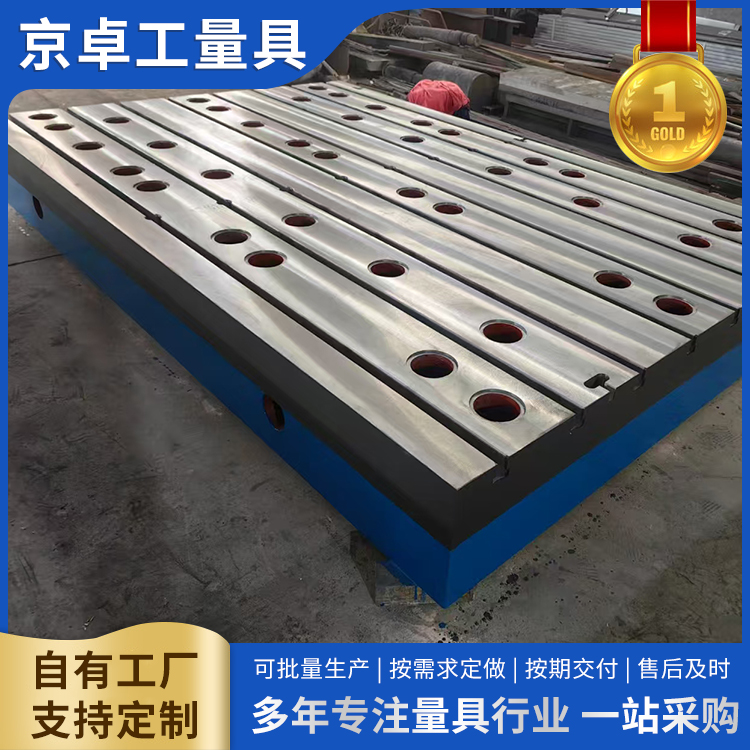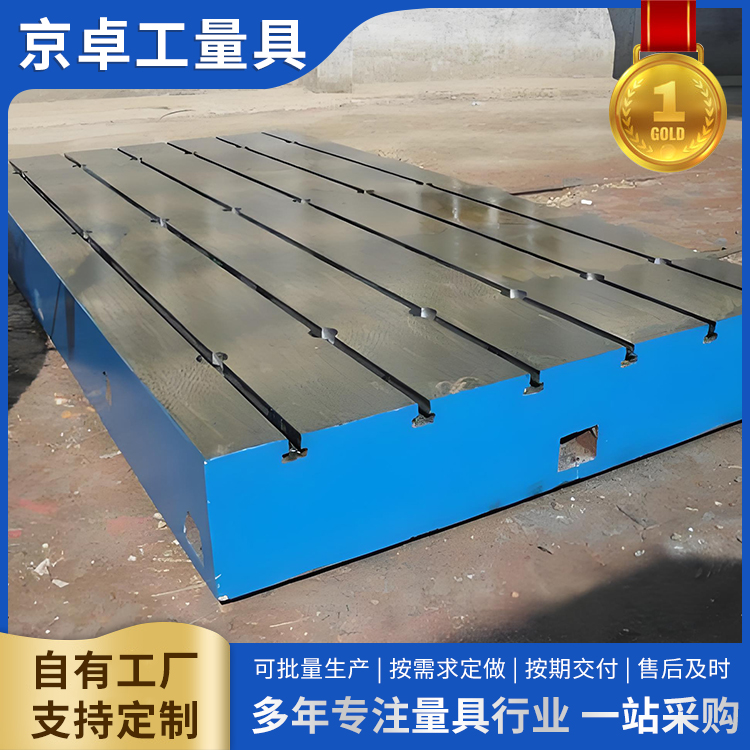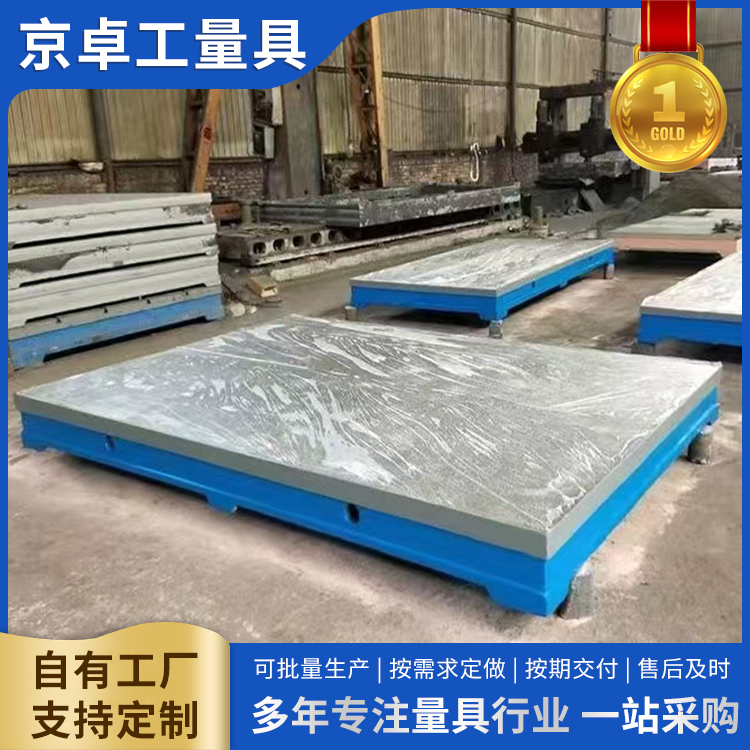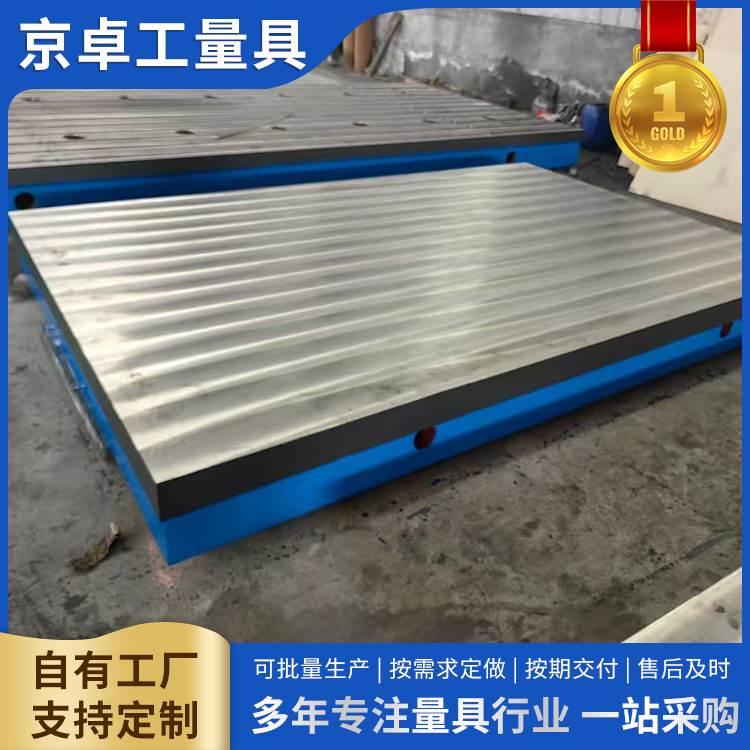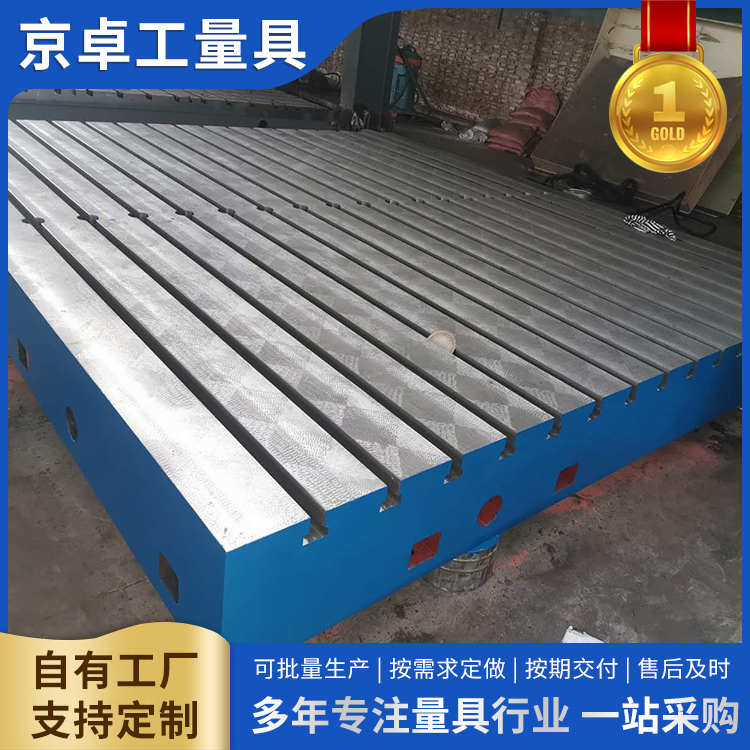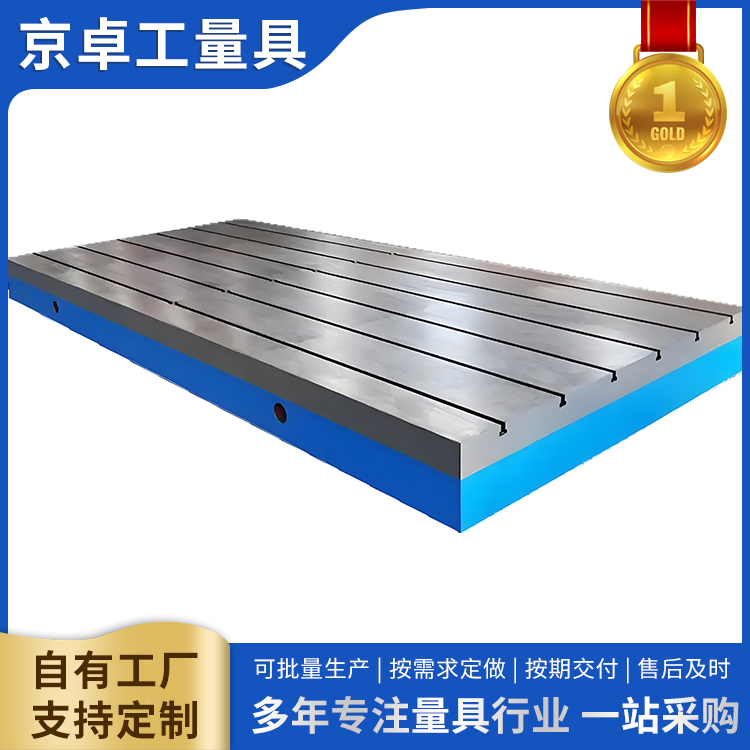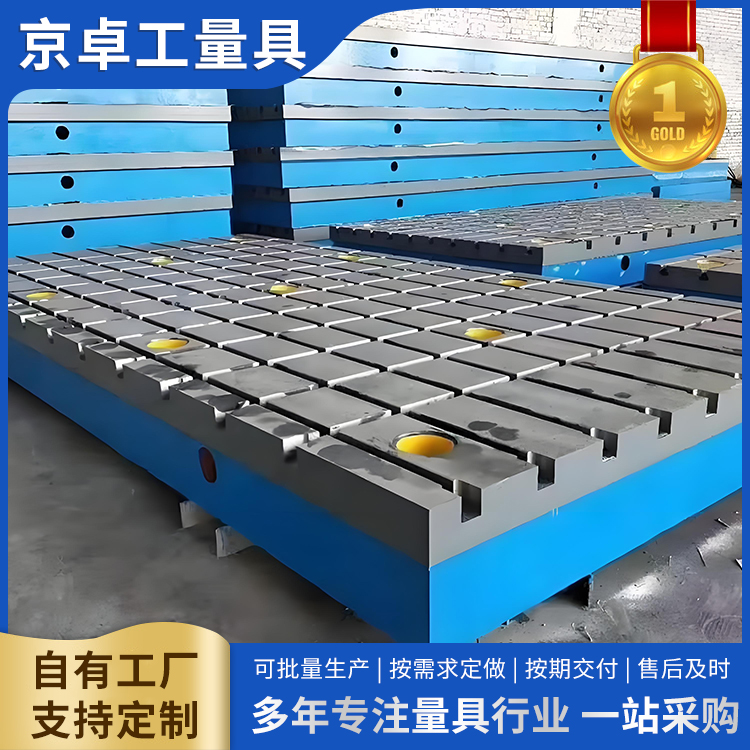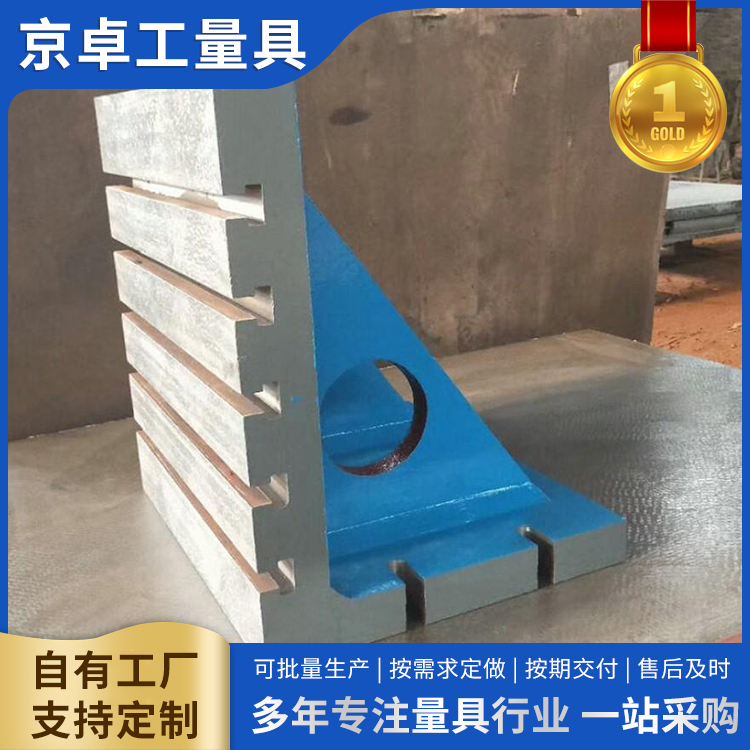



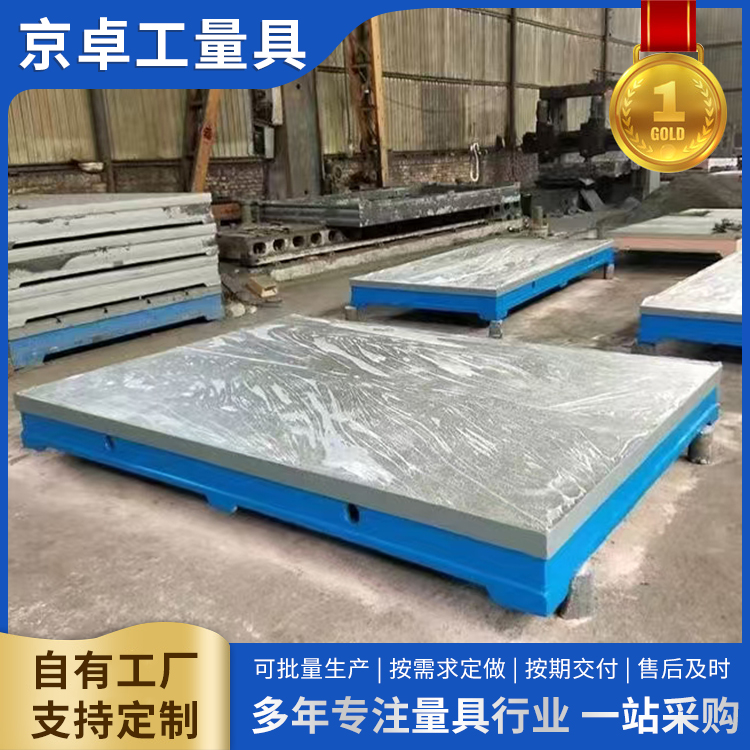
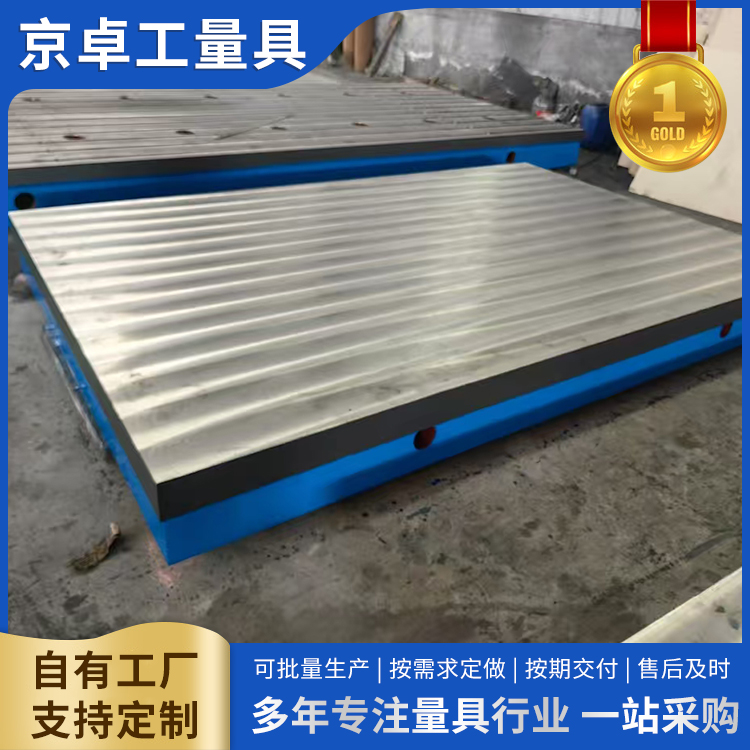





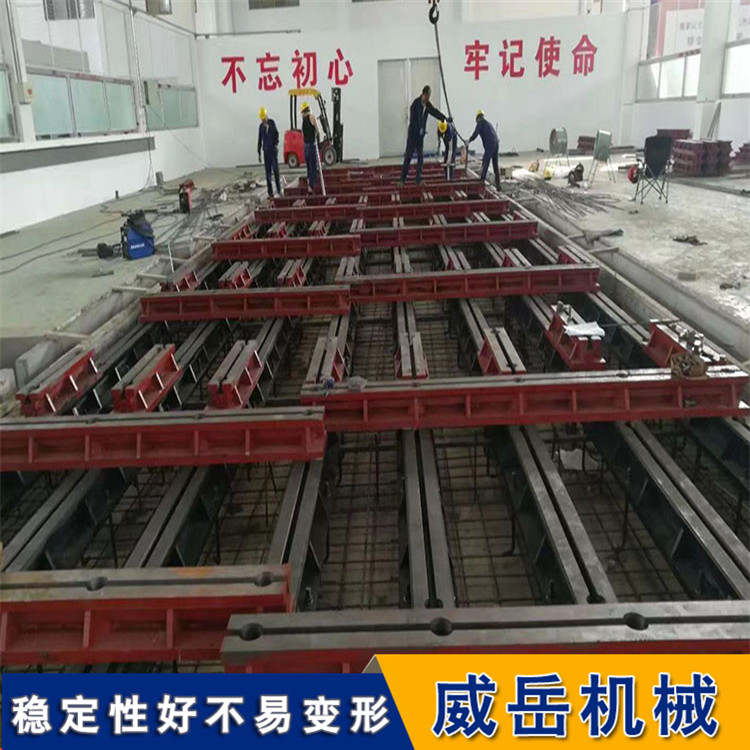
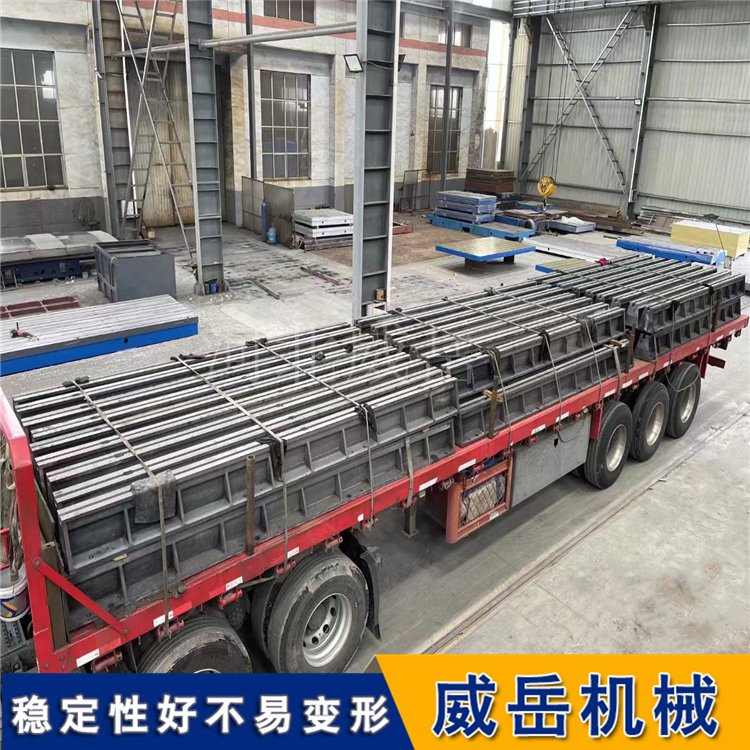
Cast iron ground track vibration aging treatment to enhance workpiece quality
Vibration aging treatment of cast iron rail tracks, as a method of mechanically reducing internal stress, plays a crucial role in enhancing workpiece quality and production efficiency. This article will delve into the working principle, processing procedure, advantages, and practical application cases of vibration aging treatment for cast iron rail tracks, aiming to provide valuable reference for the relevant field.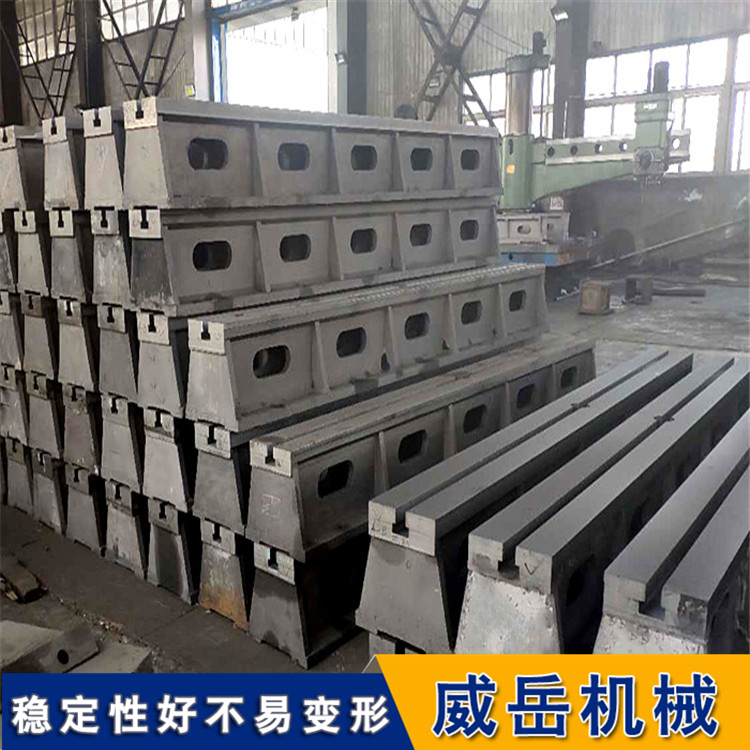 Exam
Exam
1. The working principle of vibration aging treatment
The basic principle of vibration aging treatment involves applying a periodic external force generated by an exciter to cast iron workpieces, causing them to vibrate. This vibration can reduce and equalize the residual stress within the castings, thereby enhancing the workpieces' resistance to deformation and the stability of their dimensional accuracy. Vibration aging treatment utilizes the resonance principle, where the vibration frequency produced by the exciter matches the natural frequency of the workpiece, causing resonance. The metal lattice continuously absorbs the vibration, releasing internal stresses within the casting through methods such as correcting lattice distortion.
During the resonance process, the stress state within the casting will change. The residual stresses originally produced by casting, forging, and other processes gradually release under the action of vibration, resulting in a more uniform stress distribution in the casting. Additionally, vibration can also micro-adjust the metal crystal lattice, enhancing the mechanical properties of the material.
Section 2: Vibration Aging Treatment Process
The process of vibration aging treatment mainly includes the following steps:
1. Preparation: Place cast iron workpieces on rubber blocks or other elastic supports to prevent the damping effect of the ground. At the same time, securely fasten the vibration exciter to the casting and properly connect the vibration equipment. The purpose of this step is to ensure the transmission of vibration to the casting while preventing interference to the surrounding environment.
2. Set Parameters: By adjusting parameters such as vibration frequency, amplitude, and duration, the effect of vibration aging treatment can be controlled. Generally, a vibration frequency of 167Hz or below is sufficient, and for most cast iron parts, 15 minutes of vibration is enough to relieve stress. The setting of these parameters requires a comprehensive consideration of factors such as the material, size, and stress state of the casting.
3. Start Vibration: Activate the vibration equipment, and the exciter begins to operate, transferring mechanical vibrations to the casting. During the vibration process, the casting will undergo plastic deformation, thereby reducing and equalizing residual stresses. This step is the core of the entire treatment process and requires ensuring the stable operation of the vibration equipment while simultaneously monitoring the vibration parameters and stress changes of the casting in real-time.
4. Monitoring and Adjustment: During the vibration process, it is necessary to continuously monitor the vibration parameters and stress changes of the casting.