







Cast Iron Ground Rails: A Practical Choice for Machining
In the field of mechanical processing, selecting the right auxiliary tools is crucial for ensuring processing accuracy and improving production efficiency. Cast iron track, as an important auxiliary equipment in mechanical processing, stands out among various options with its unique advantages and becomes a practical choice for many businesses. This article will delve into the characteristics, applications, advantages, and significant role of cast iron track in mechanical processing, aiming to provide readers with an understanding.
Characteristics of cast iron ground tracks
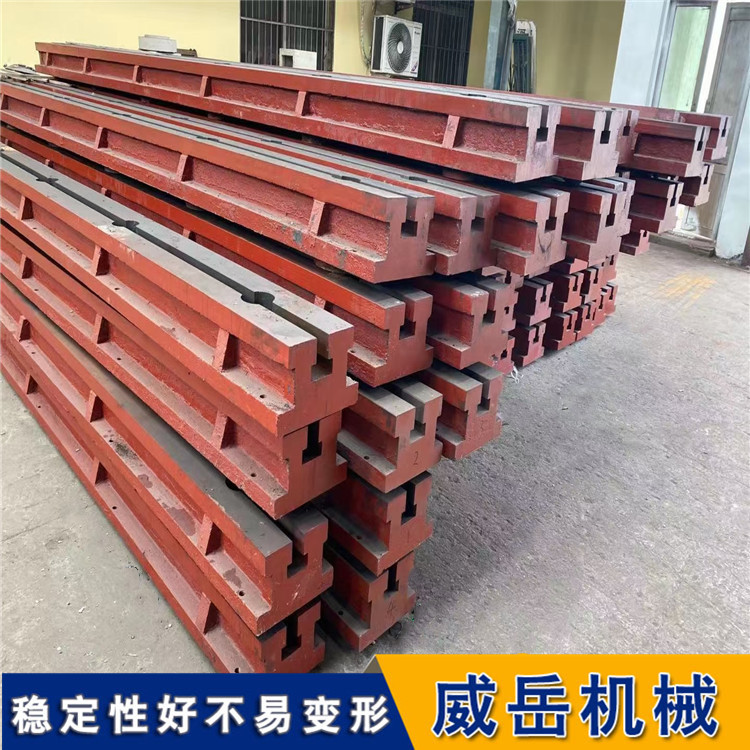
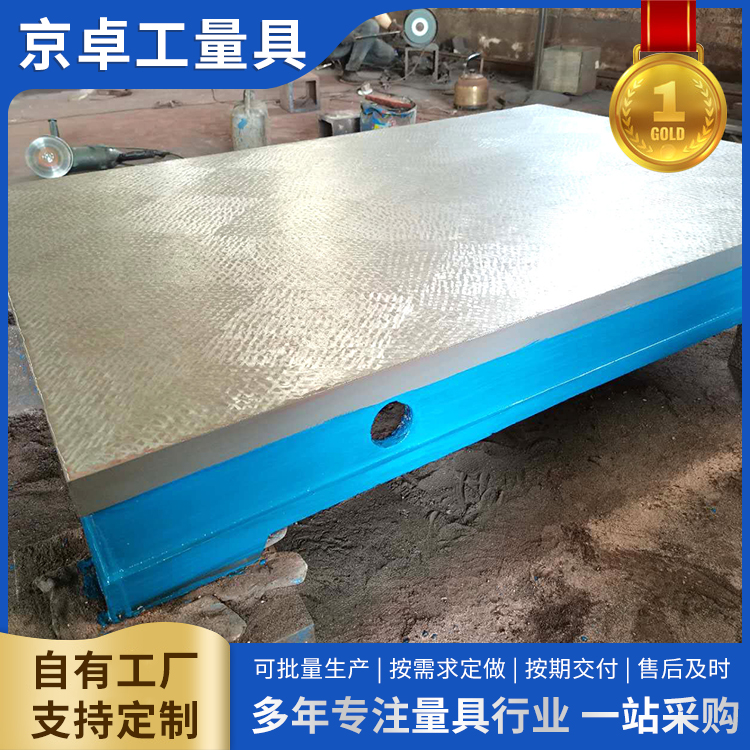
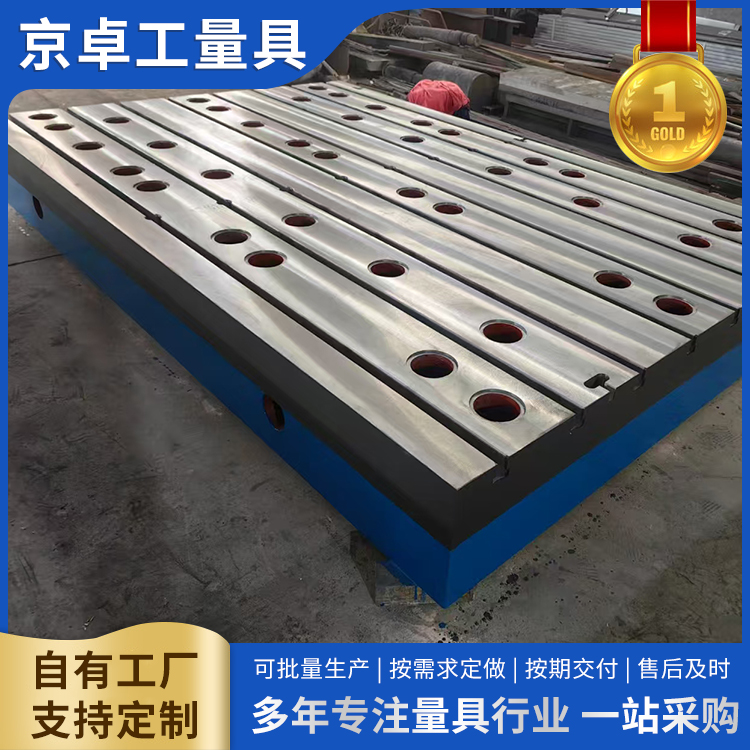
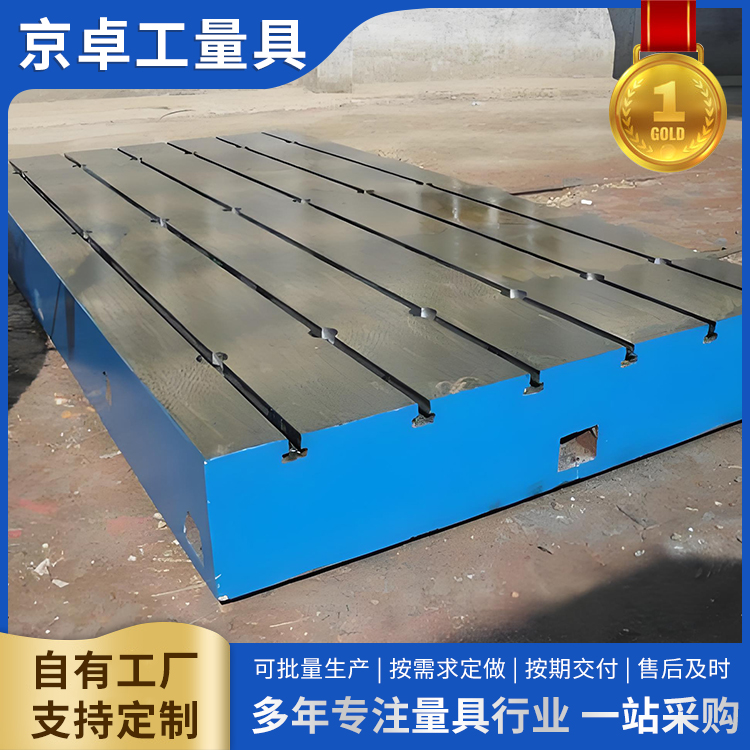
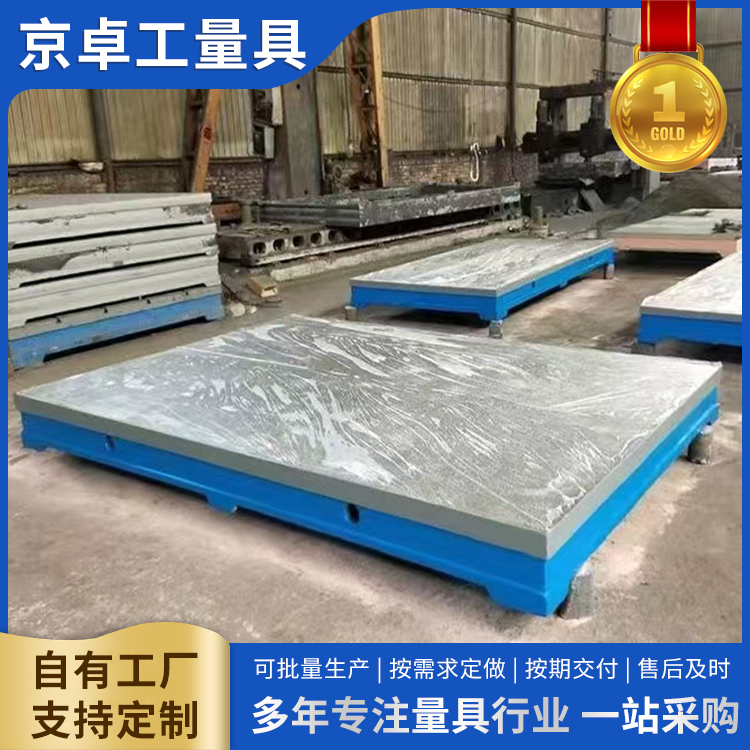
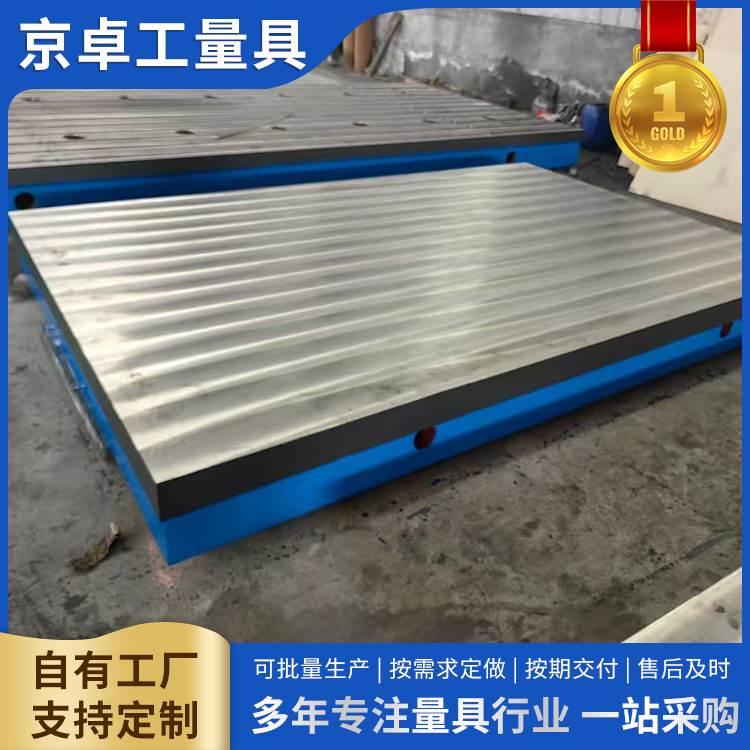
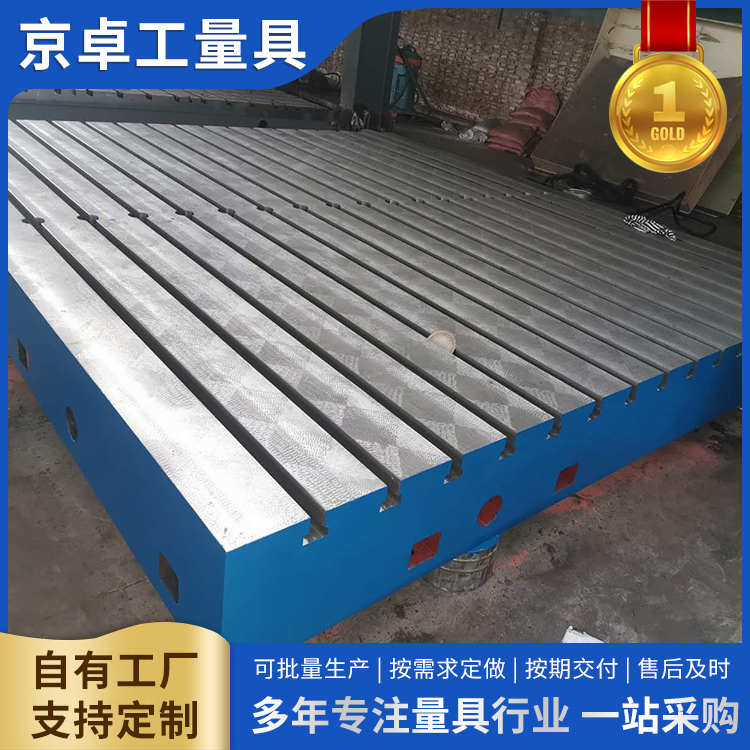
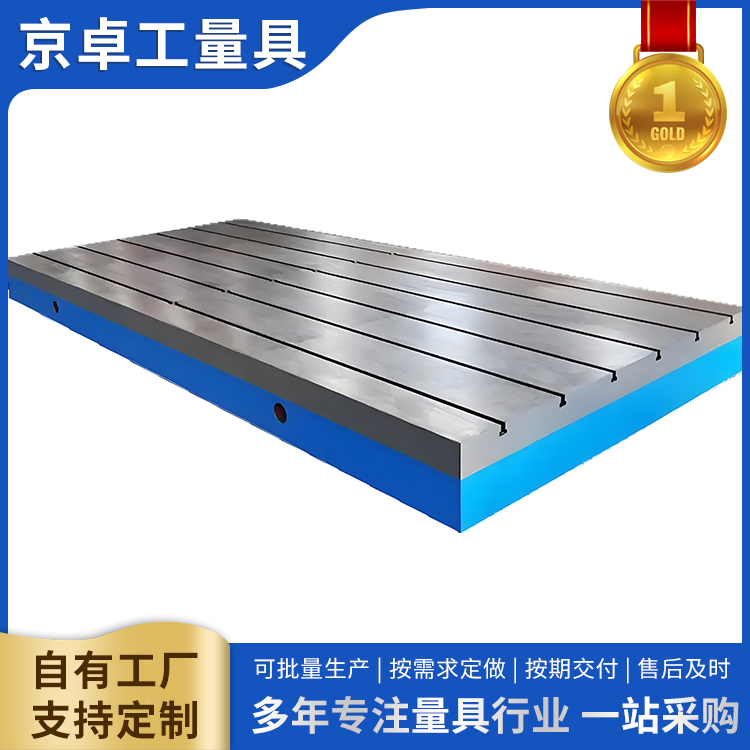
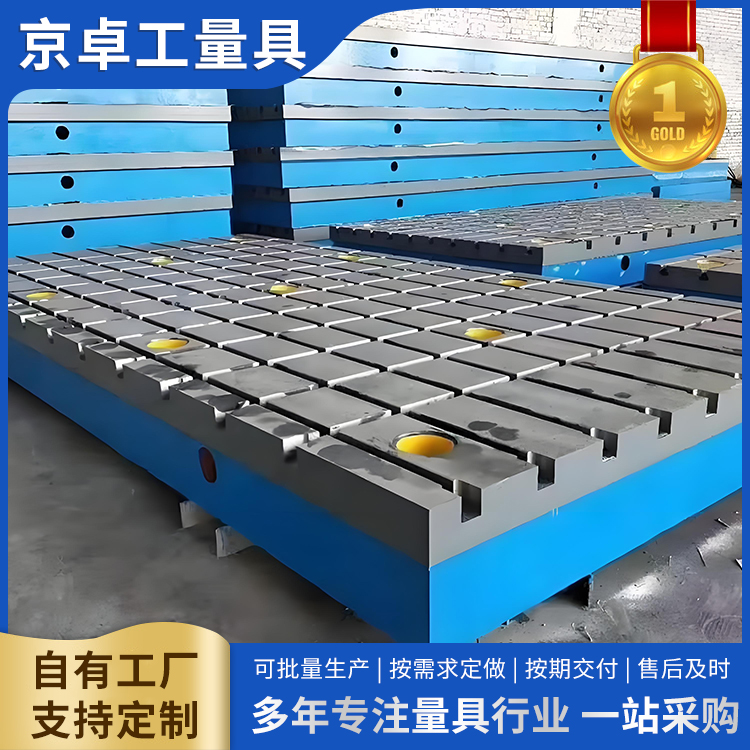
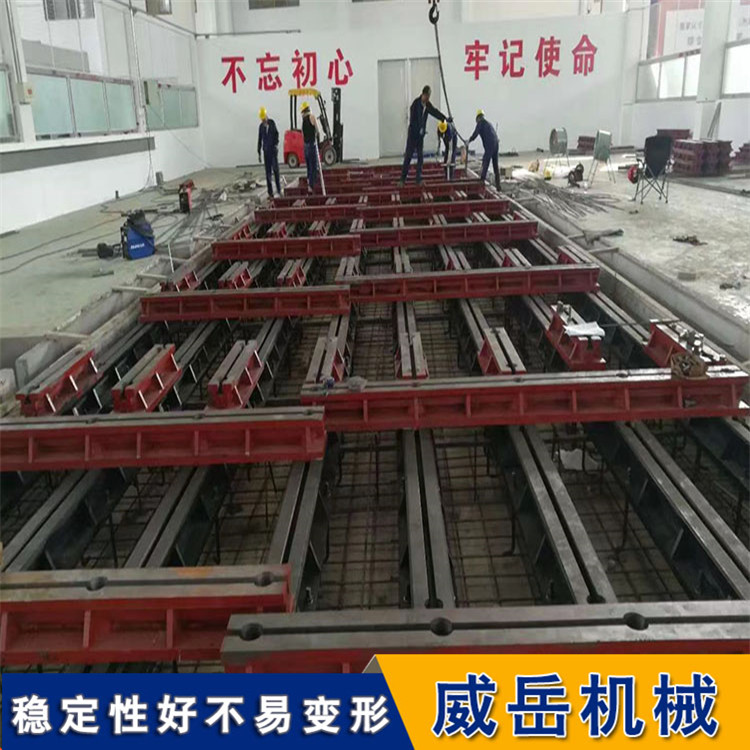
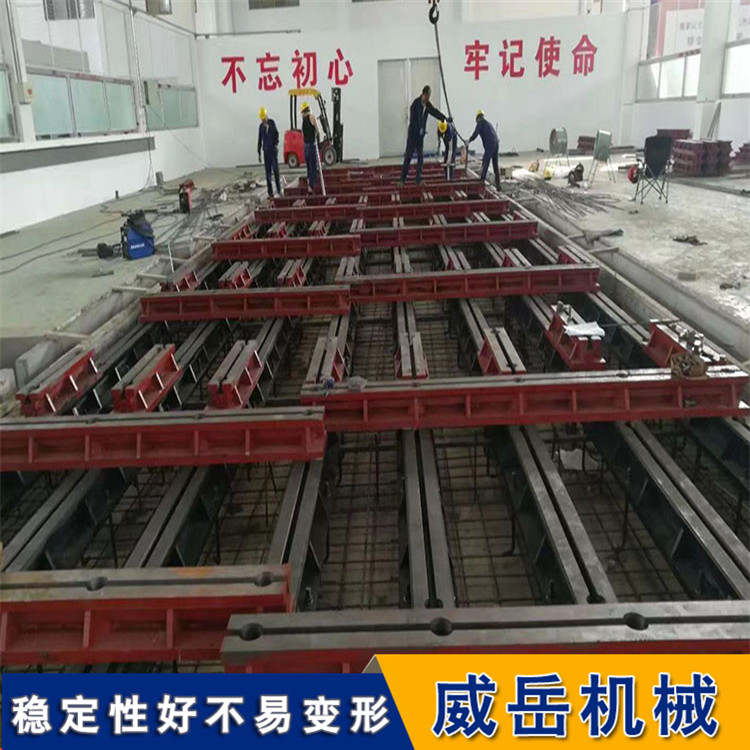
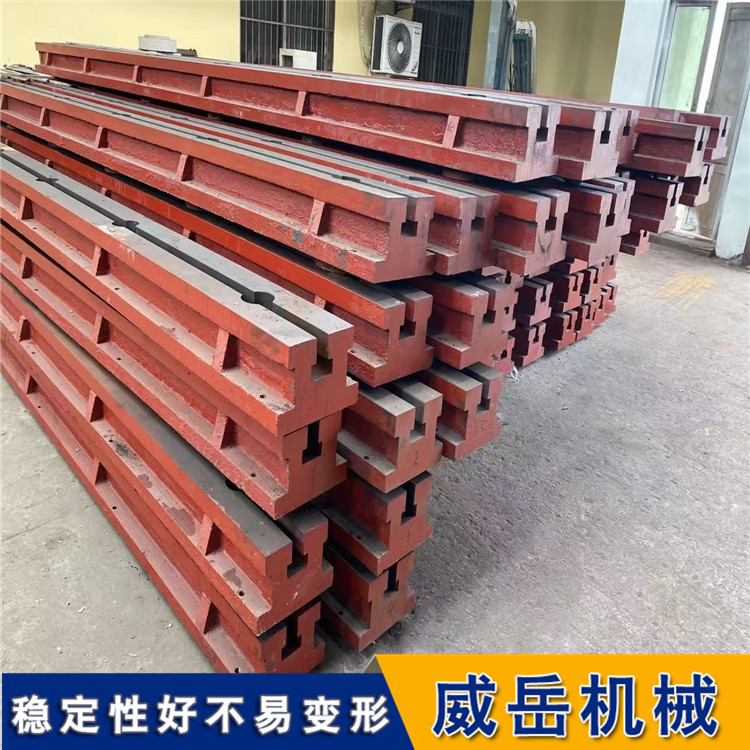
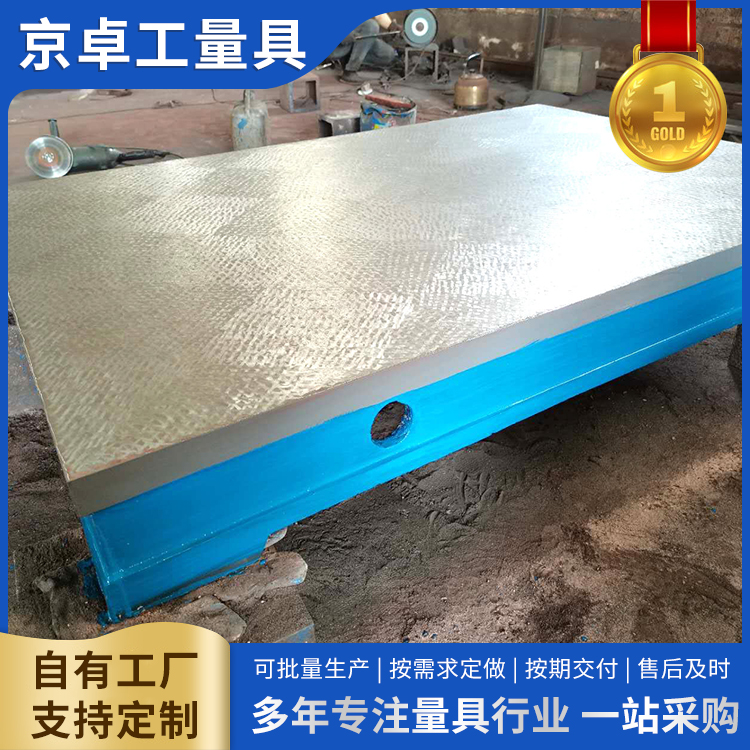
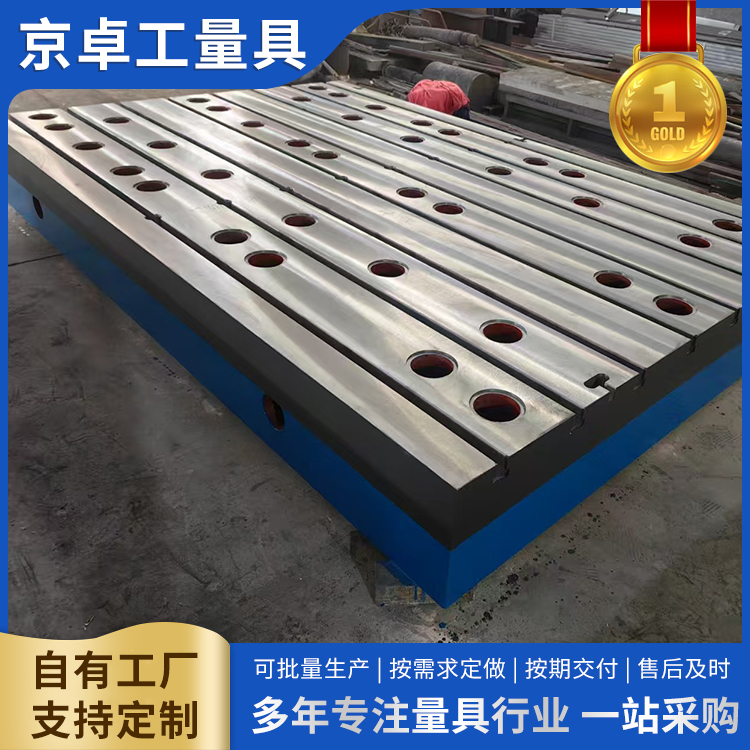
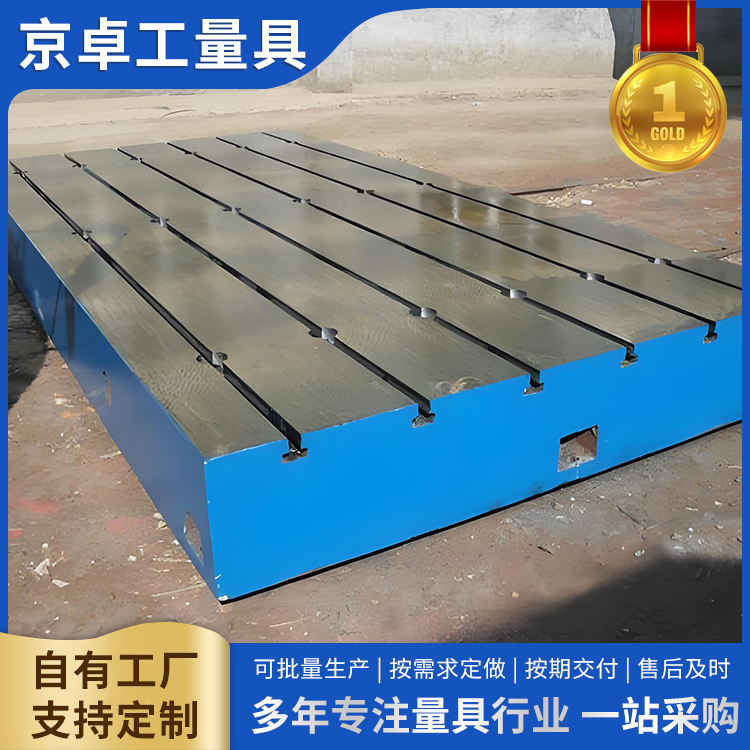
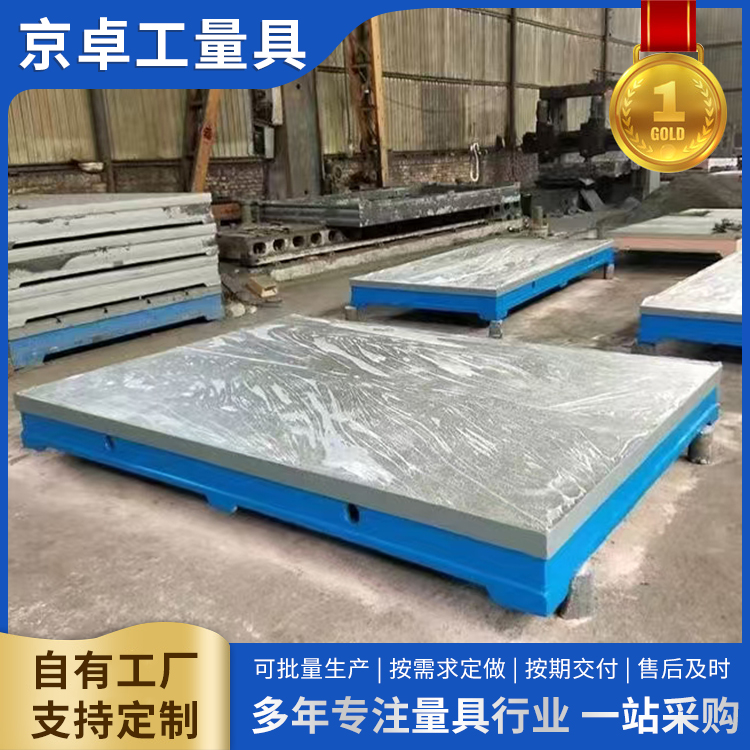
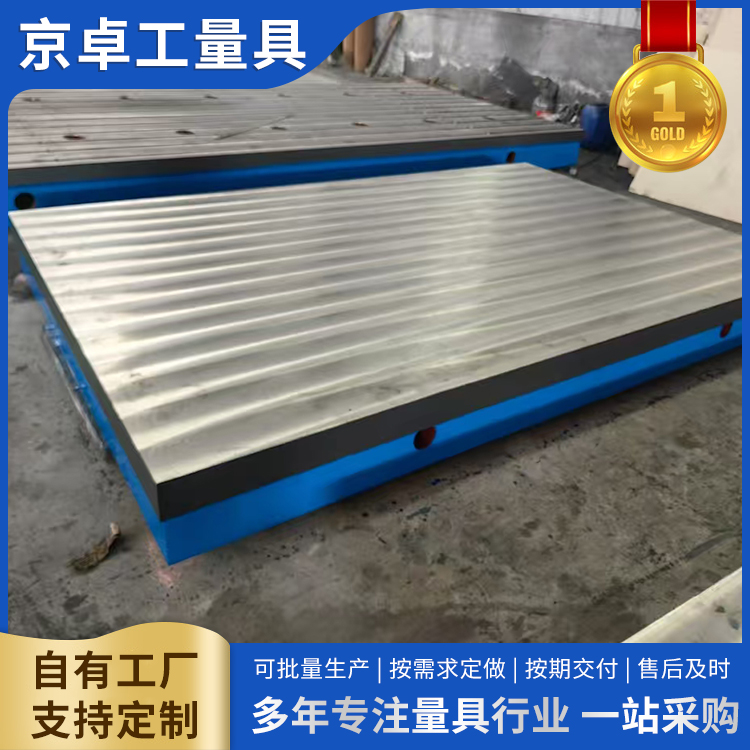
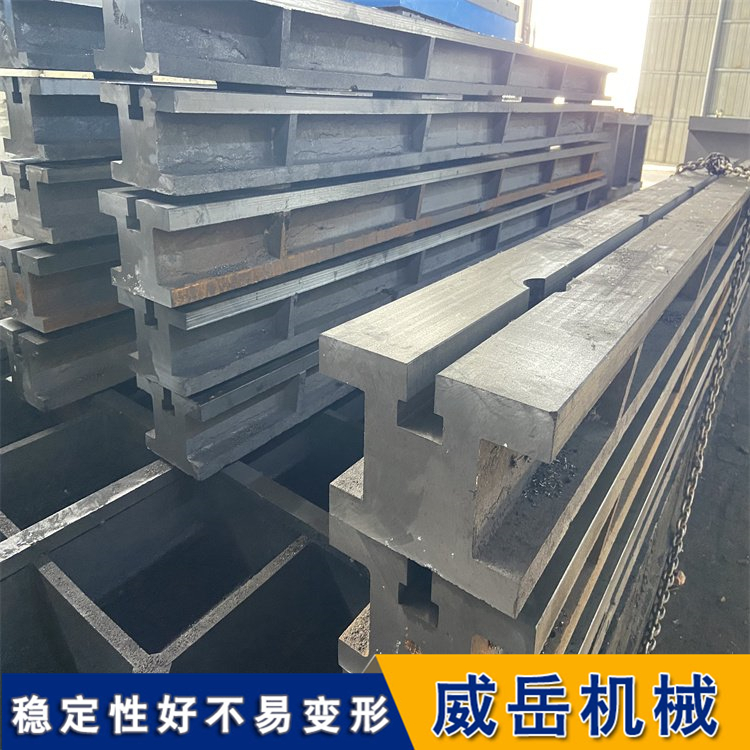
Cast iron ground tracks, as the name implies, are primarily made of cast iron. Guideways. The choice of material endows the ground guideways with a series of unique properties. Firstly, cast iron boasts excellent rigidity and stability, capable of bearing significant loads without deformation, which is crucial for high-precision work in mechanical processing. Secondly, the surface of the cast iron ground guideways is machined to have high flatness and straightness, providing a stable support surface for workpieces and ensuring precision and stability during the processing. Moreover, cast iron material also exhibits good wear resistance and corrosion resistance, maintaining long-term stability and service life in harsh working conditions.
Cast Iron Track Applications
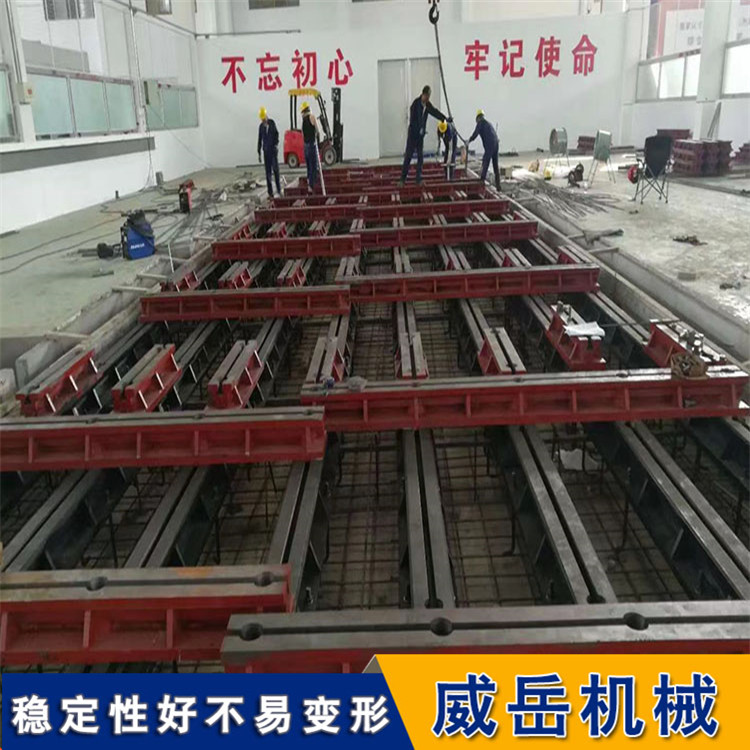
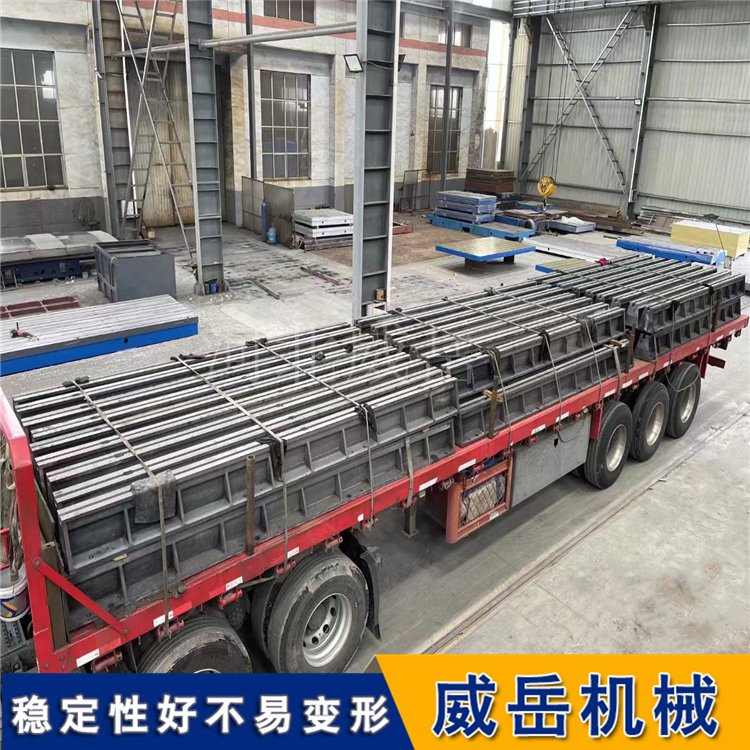
Cast iron ground rails find extensive application in mechanical processing, covering almost all occasions requiring high precision and support. On large machine tools such as milling machines, grinding machines, planers, etc., cast iron ground rails serve as the foundation support for the machine tools, ensuring stability and precision during operation. In mechanical processing, cast iron ground rails are indispensable, as operations like grinding and mirror finishing rely on high-precision ground rails to guarantee processing quality. Additionally, cast iron ground rails are widely used on assembly lines, inspection lines, and other automated production lines, providing stable and reliable support for various mechanical equipment.
Advantages of Cast Iron Ground Rails
High precision: The cast iron ground rail is processed to achieve high flatness and straightness, ensuring high precision during the machining process. This is of great significance in improving product quality and reducing scrap rates.
2. Excellent Stability: Cast iron material boasts superior rigidity and stability, capable of withstanding heavy loads without easy deformation. Even during prolonged operation, cast iron track maintains consistent precision and performance.
3. Strong Wear Resistance: Cast iron material boasts excellent wear resistance, maintaining long-term stability and service life in harsh working conditions. This reduces maintenance costs for businesses and enhances production efficiency.
4. Strong Corrosion Resistance: Cast iron materials also exhibit excellent corrosion resistance, maintaining stable performance in damp and highly corrosive environments. This is particularly crucial for machinery and equipment operating in harsh conditions.