








Cast Iron Track: A Stable Choice for Industrial Manufacturing
Cast iron ground tracks, as an indispensable infrastructure in the field of industrial manufacturing, play a crucial role in stable production and ensuring precision. They are widely used in various fields such as machine processing, heavy equipment manufacturing measurement, and more. With their unique performance and advantages, they have become the trusted choice for many companies to enhance production efficiency and product quality. This article will delve into the material characteristics, structural design, application scenarios, installation and maintenance of cast iron ground tracks, and their significant role in modern industry, aiming to provide readers with a comprehensive understanding.
Material characteristics of cast iron track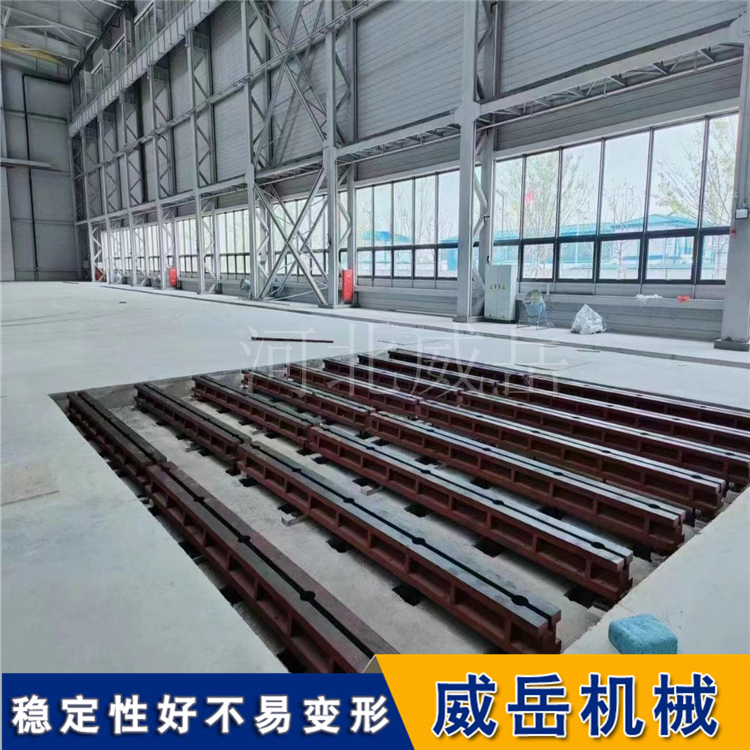
Cast iron, a historically established metal material, is the ideal material for manufacturing rail tracks due to its excellent casting properties, superior mechanical characteristics, and relatively cost-effective nature. Cast iron rail tracks are typically made from gray cast iron or ductile iron, which possess strength, high hardness, excellent wear resistance, and vibration resistance. Gray cast iron, with its flake-like internal graphite structure, absorbs mechanical vibrations and reduces noise transmission; while ductile iron, with its spherical graphite distribution, further enhances the material's tensile strength and toughness, making the rail tracks more stable and reliable under heavy loads.
Structural Design and Functional Implementation
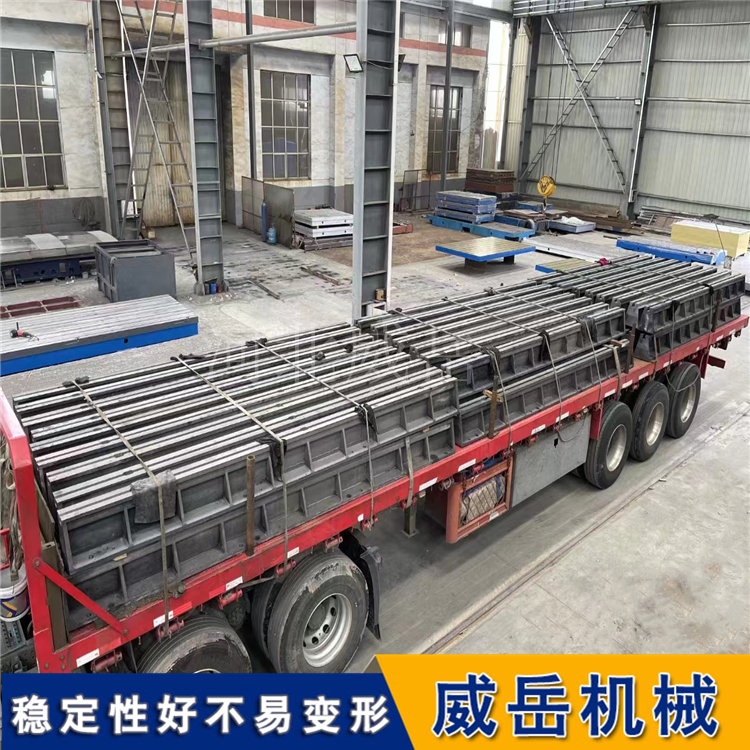
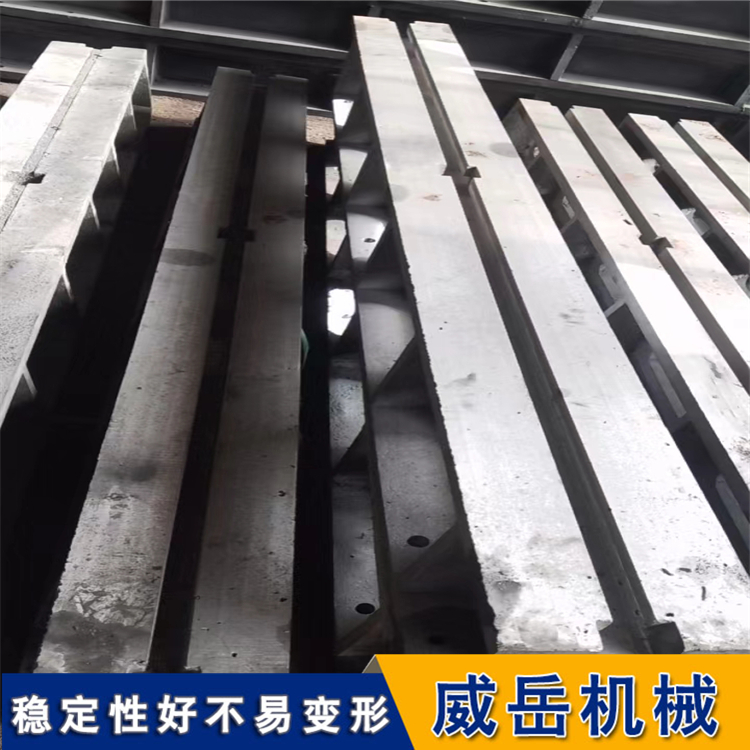
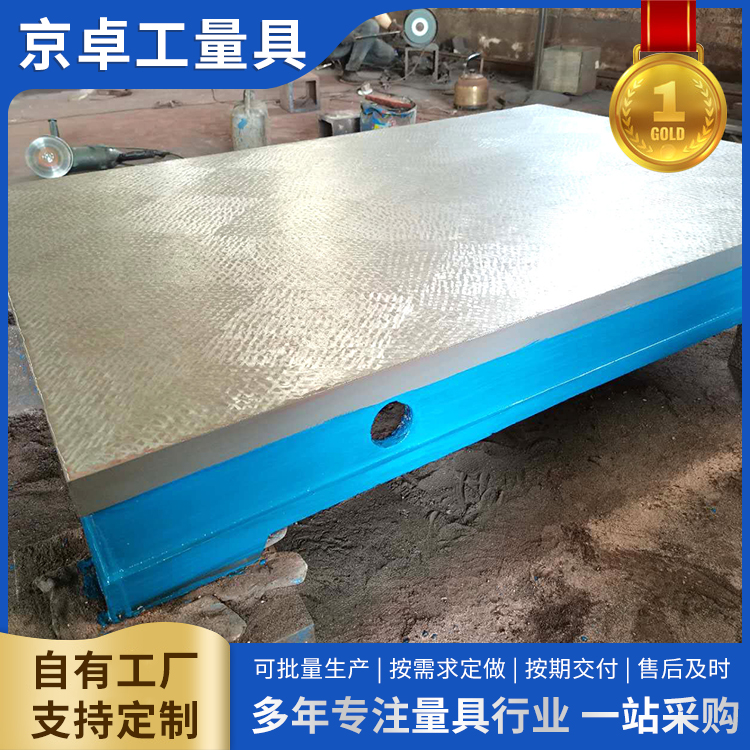
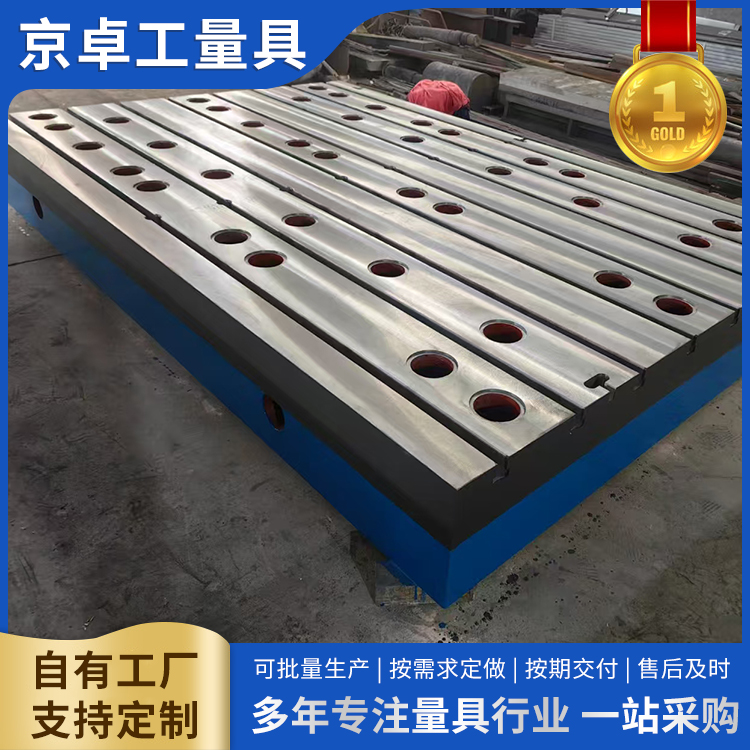
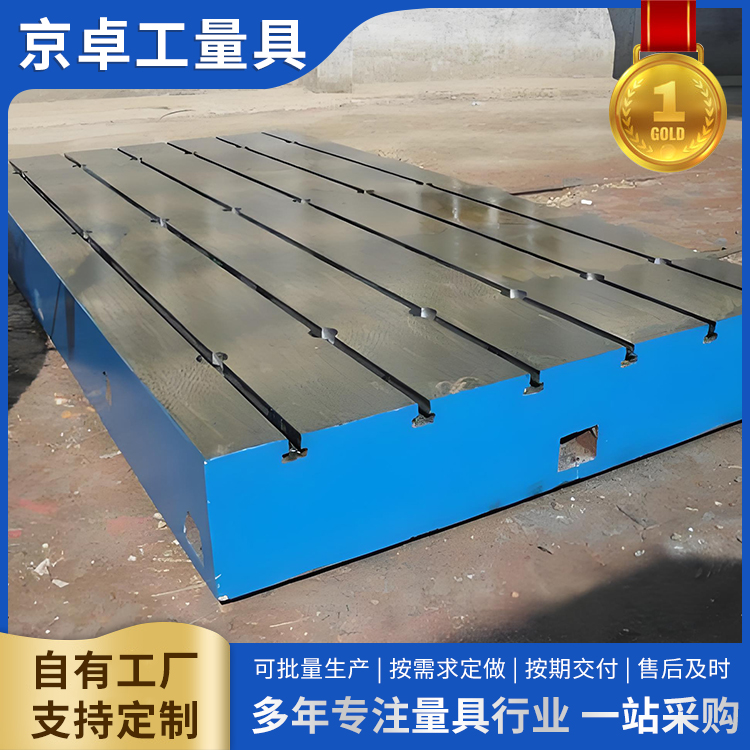
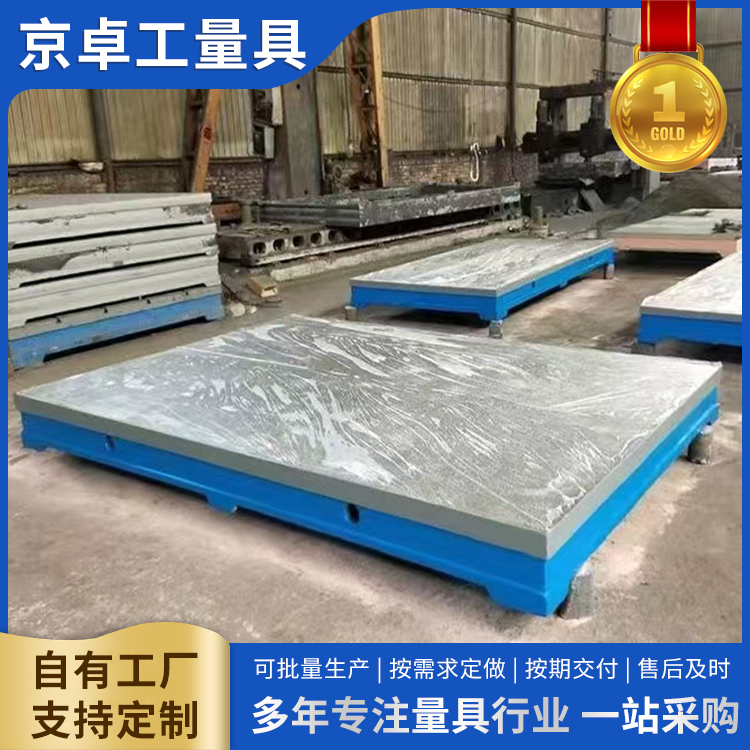
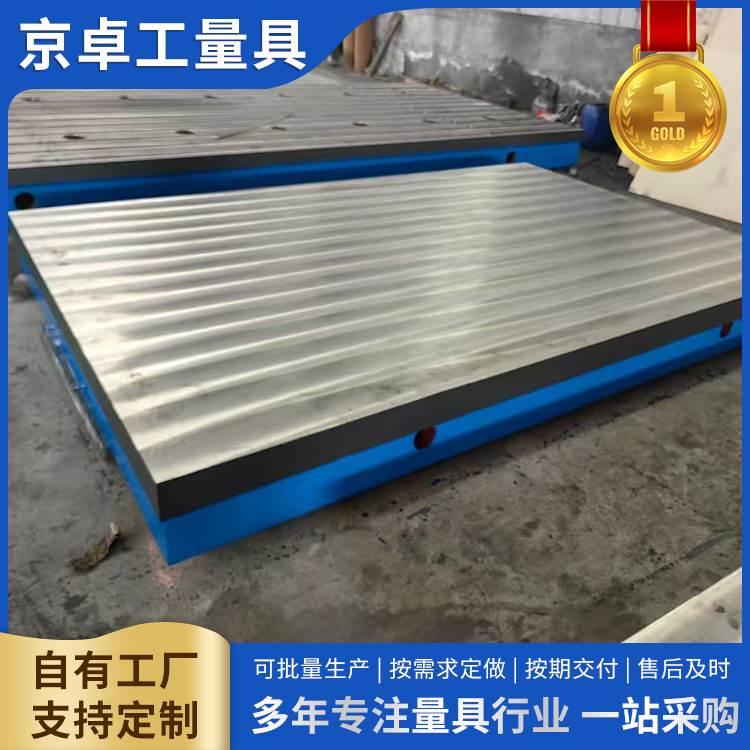
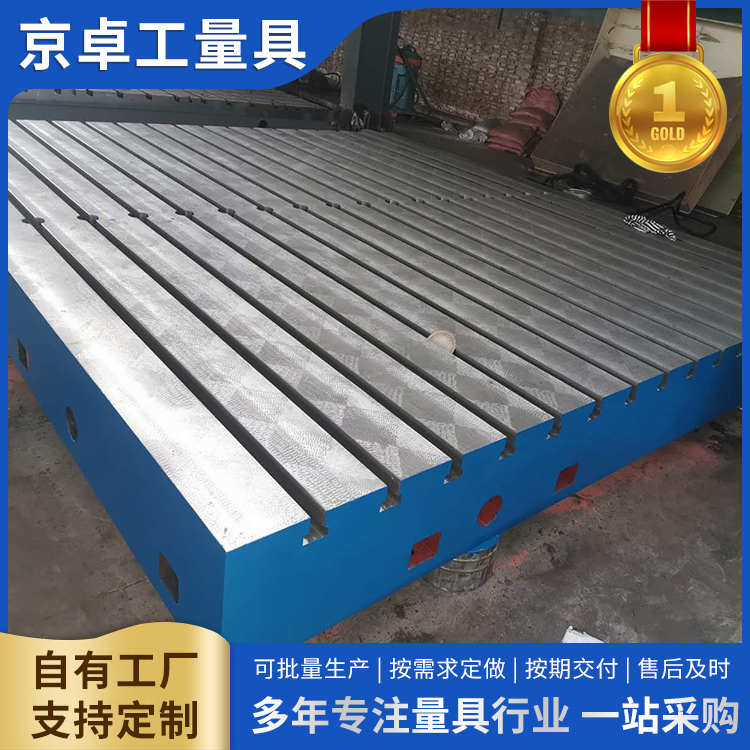
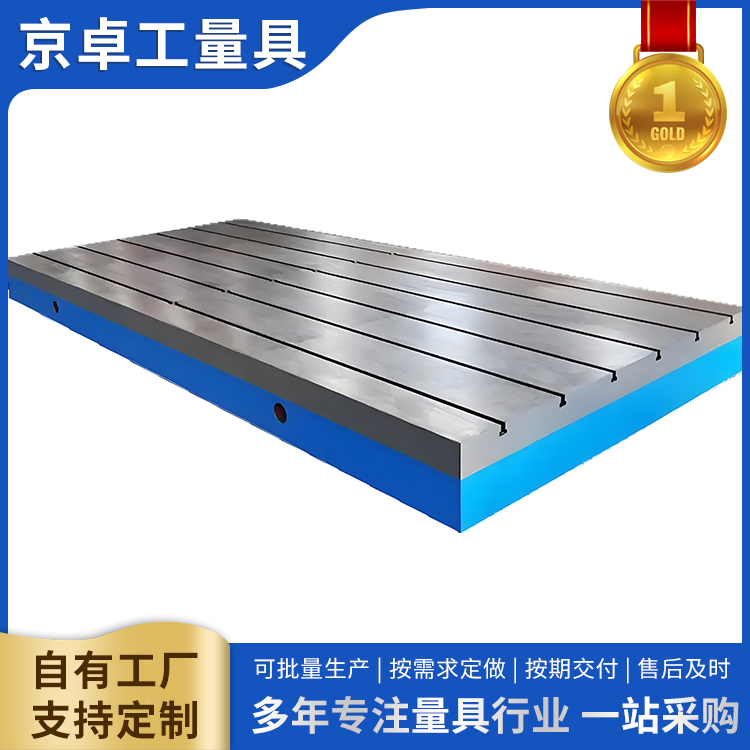
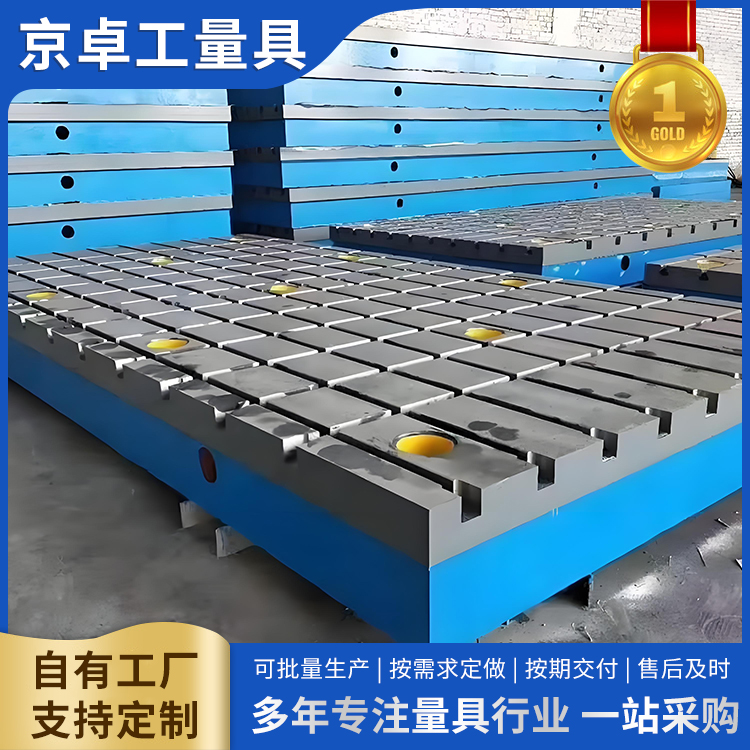
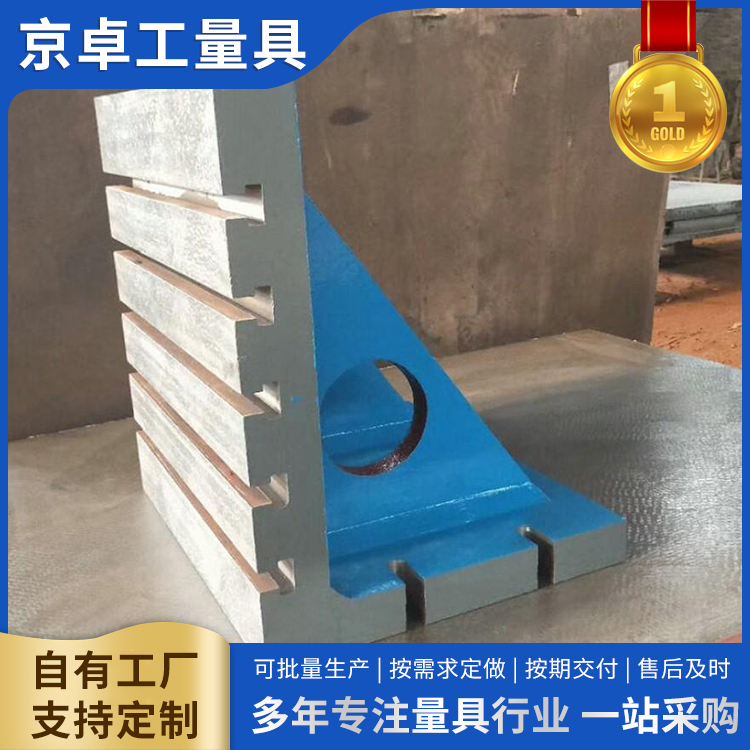
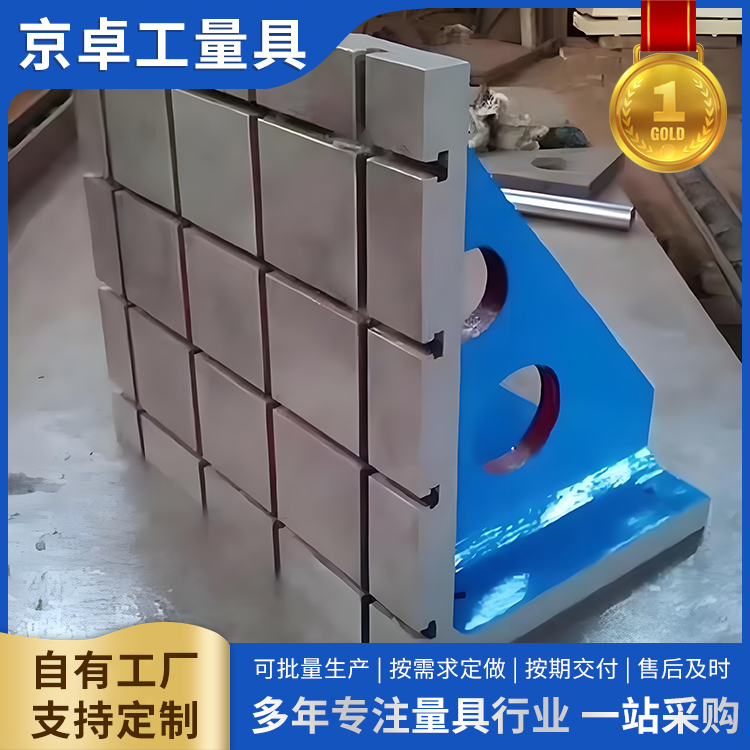
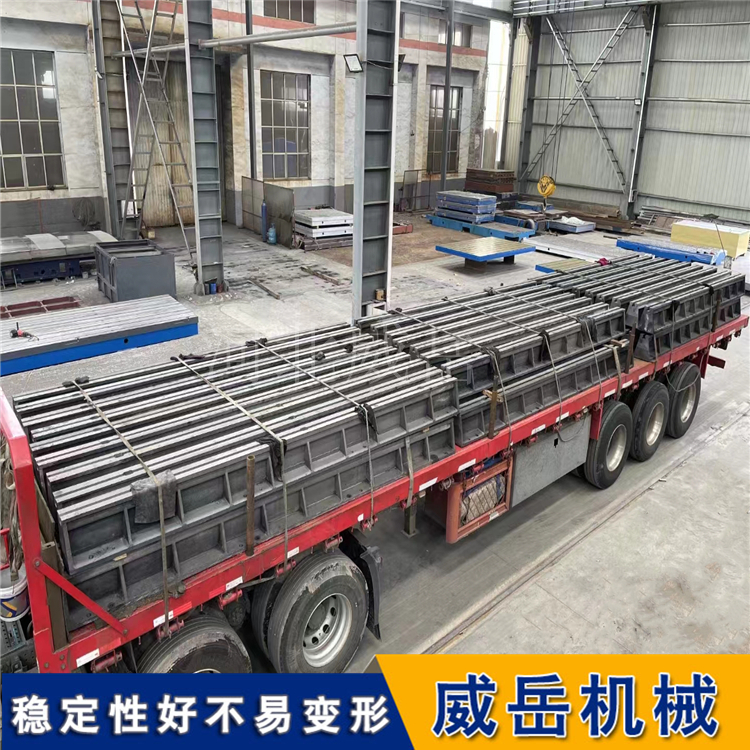
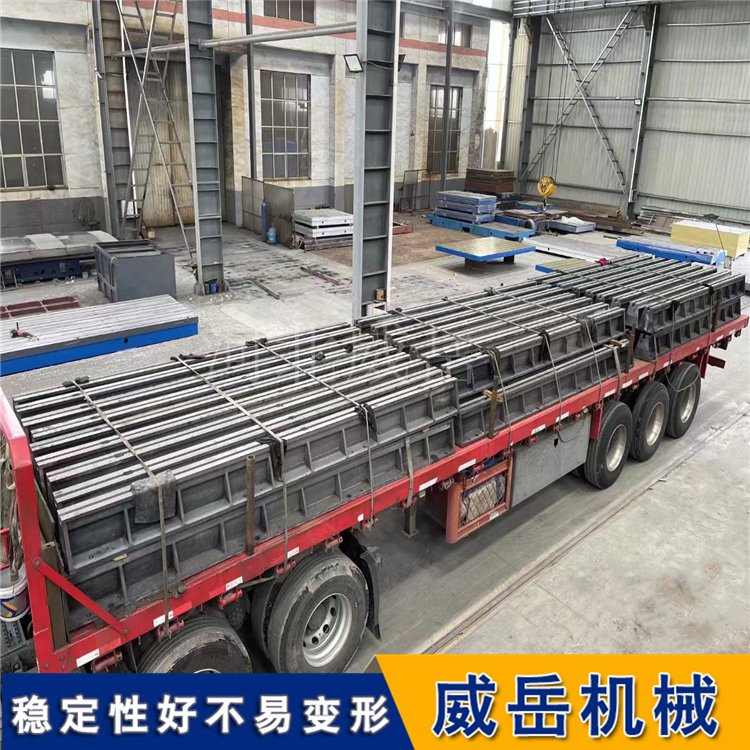
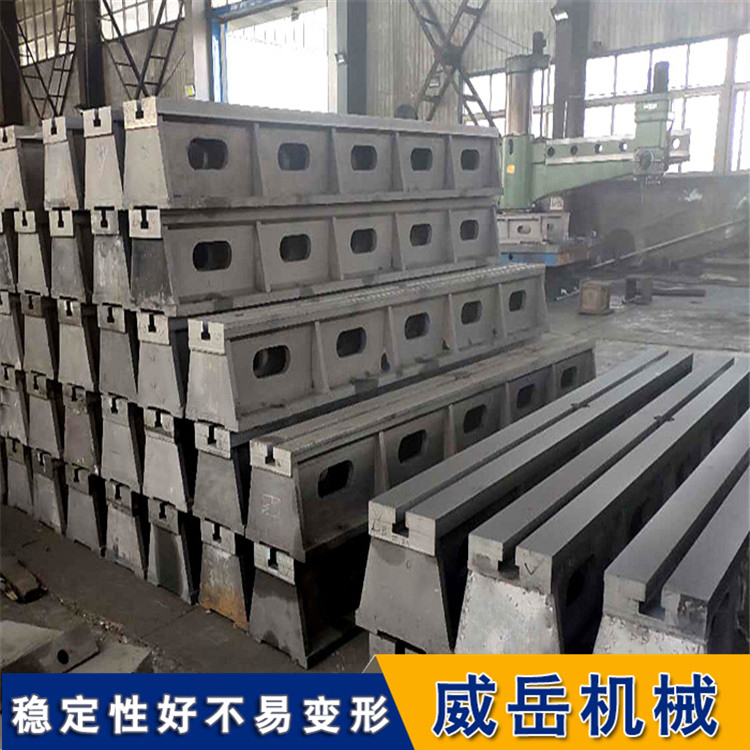
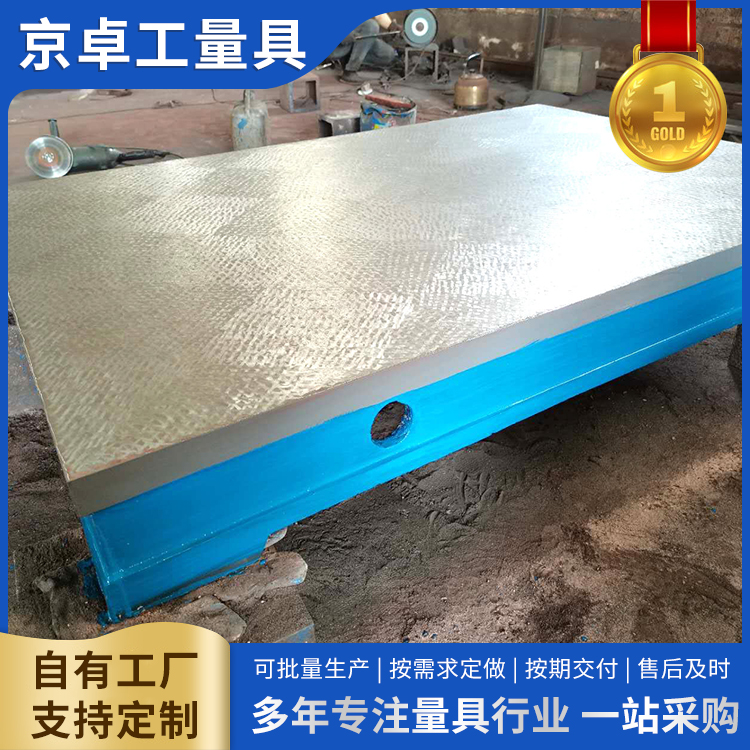
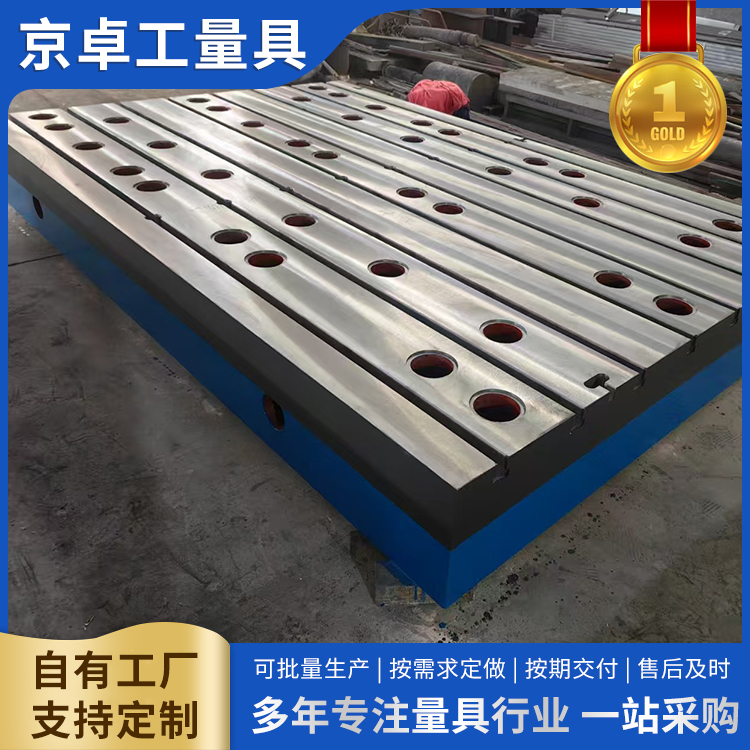
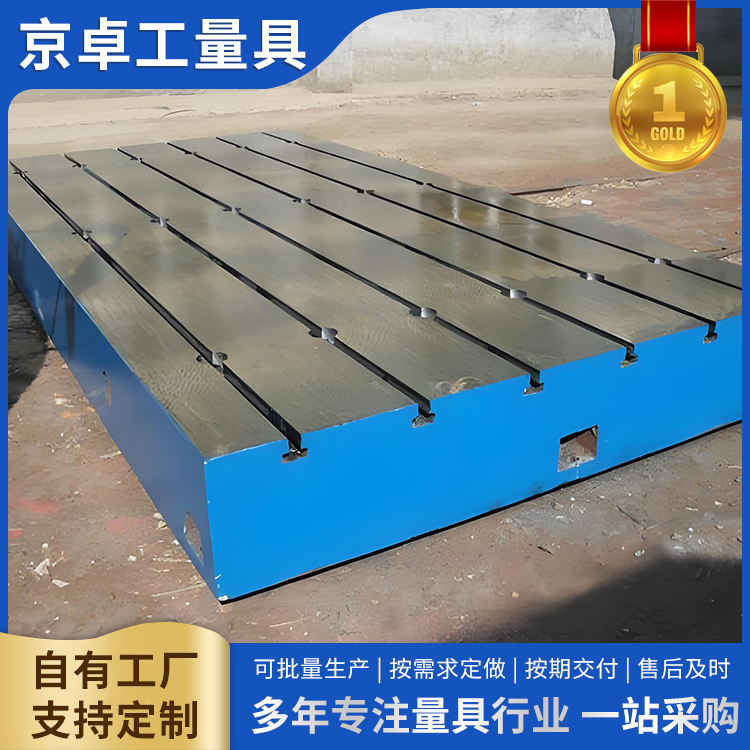
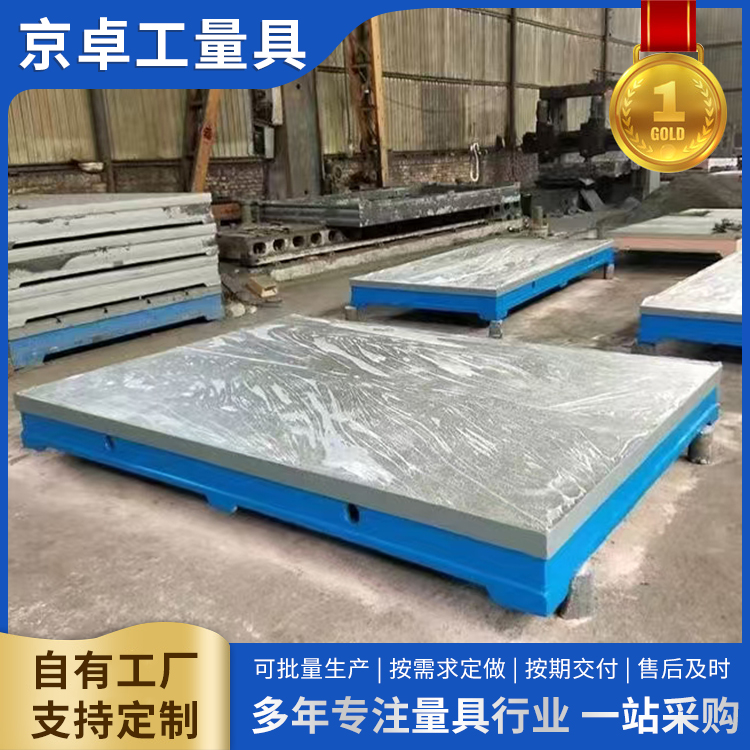
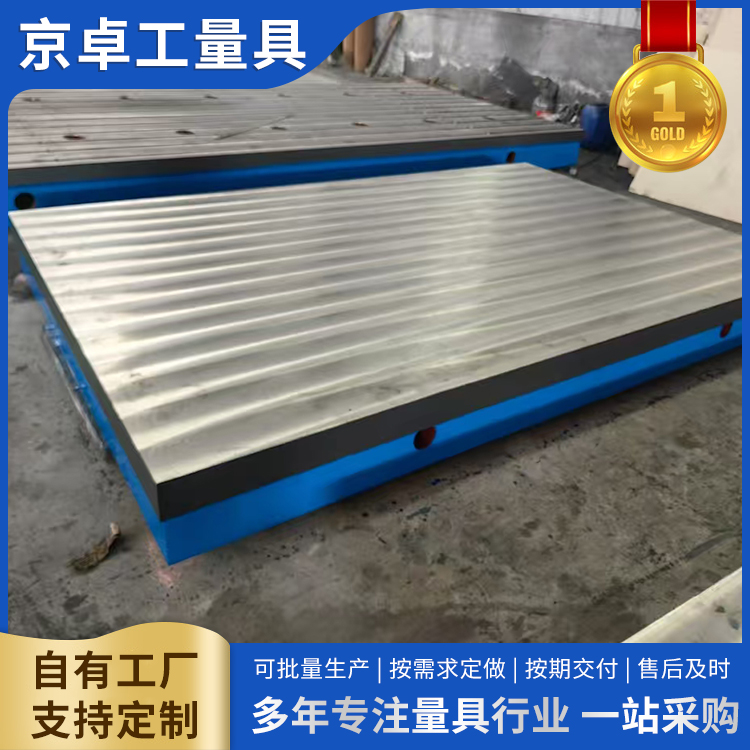
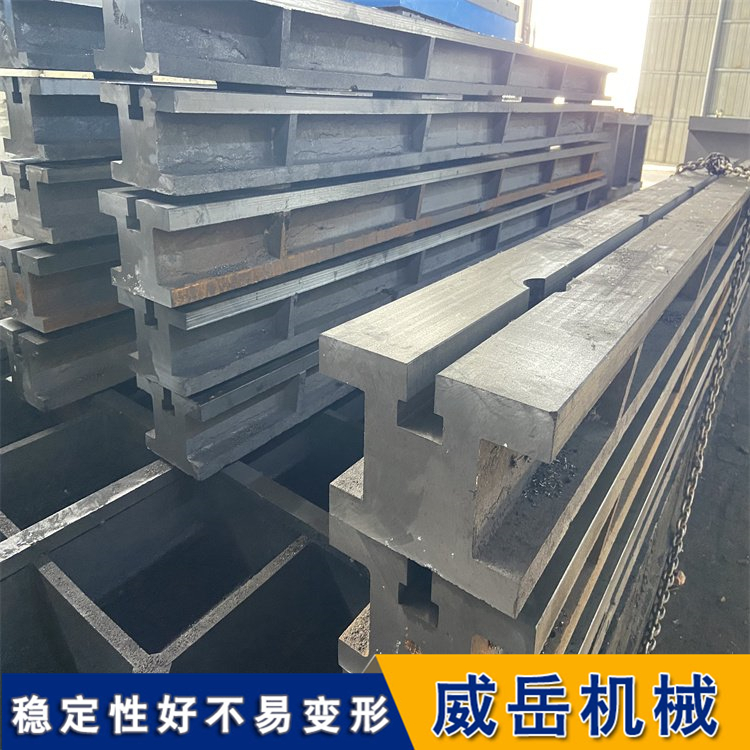
The structural design of cast iron ground tracks is tailored to the actual demands of industrial production, commonly featuring long strip or T-shaped cross-sections to enhance their bending strength and stability. The surface is processed to meet specific flatness and straightness requirements, providing a reference plane for machine tools and detection equipment. Moreover, some cast iron ground tracks are equipped with adjustable support systems, allowing for fine-tuning to accommodate uneven ground, ensuring level installation of equipment and further improving processing accuracy.
Application Scenarios and Advantages
In the machine processing workshop, cast iron floor tracks serve as the foundational support for machine tools, absorbing vibrations generated during operation to minimize machining errors and enhance the surface finish and dimensional accuracy of parts. In the field of heavy equipment manufacturing, such as ship, bridge, and wind power generation equipment production, large cast iron floor tracks provide a stable working platform for assembly and joining processes, ensuring the alignment of large components. Additionally, in the measurement room, cast iron floor tracks act as a datum surface, supporting the operation of coordinate measuring machines and other high-precision detection equipment, providing a reliable guarantee for quality control.
Installation and Maintenance
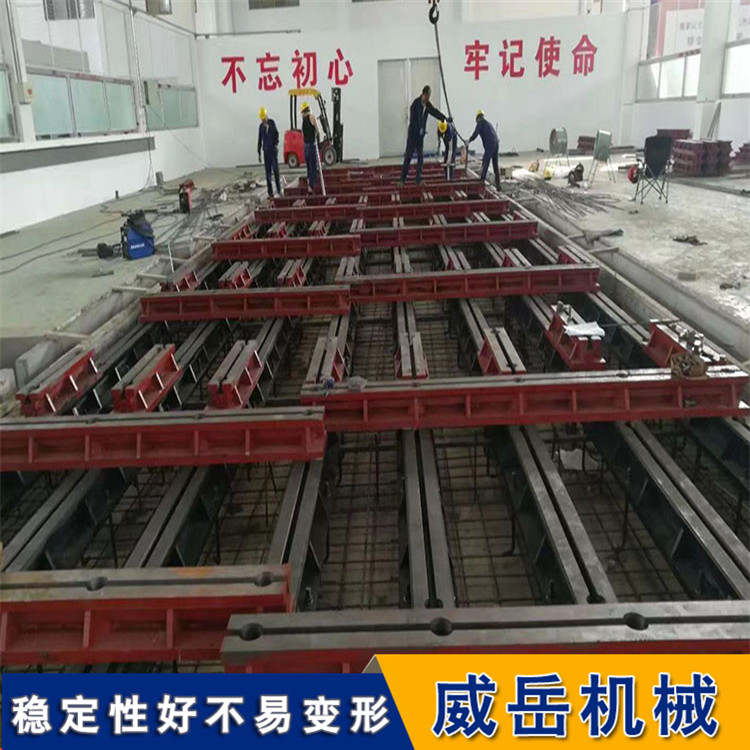
The installation of cast iron ground tracks is a systematic project, requiring comprehensive consideration of multiple stages such as foundation treatment, embedded component setup, and track laying. The correct installation steps include leveling and compacting the foundation, securing the embedded components, adjusting and tightening the tracks, ensuring the ground tracks do not experience any issues during use.