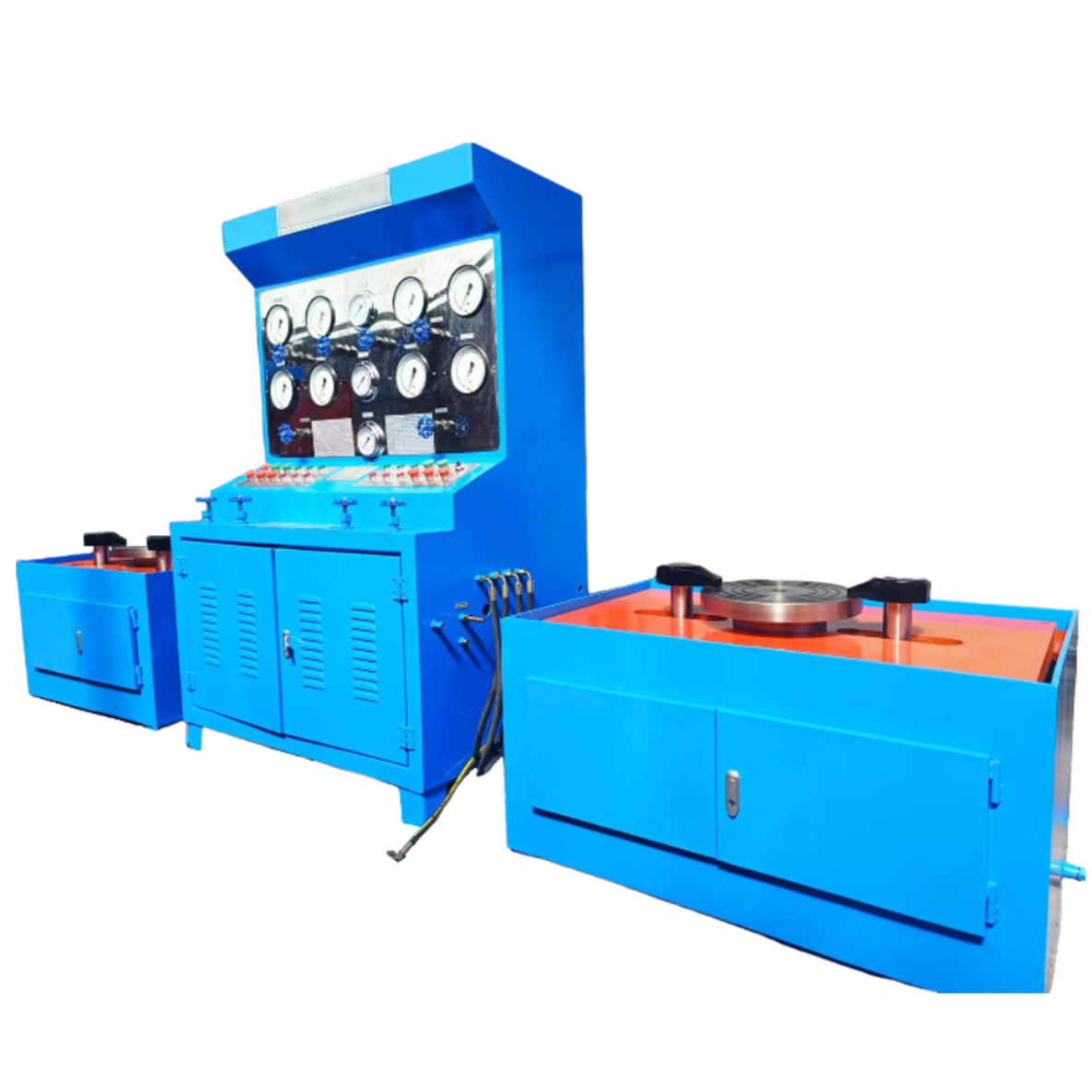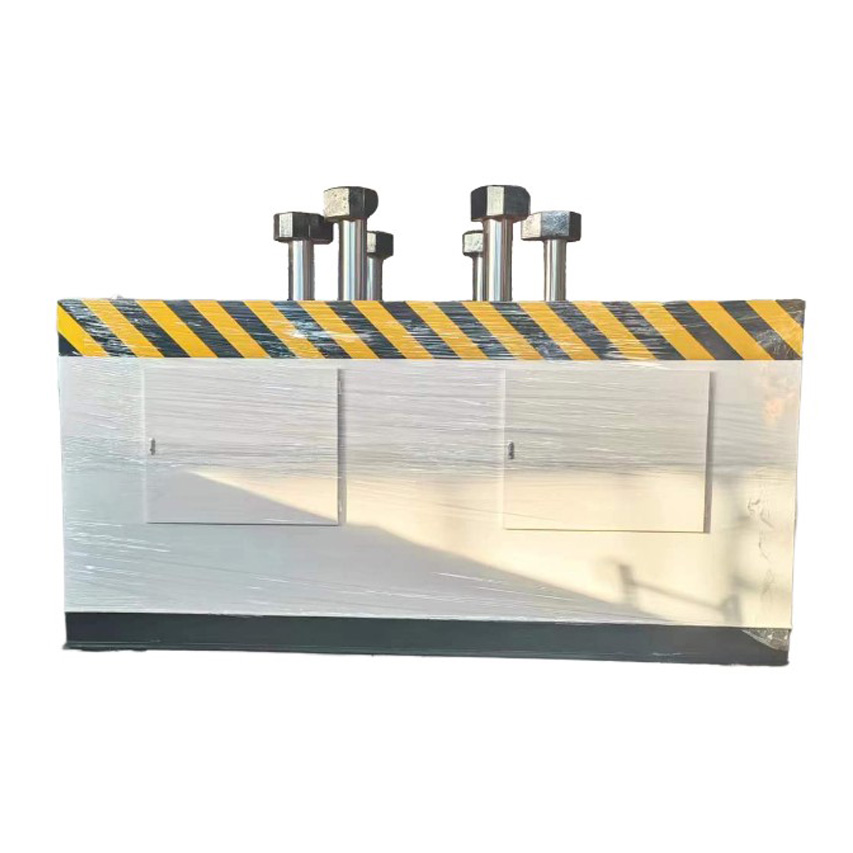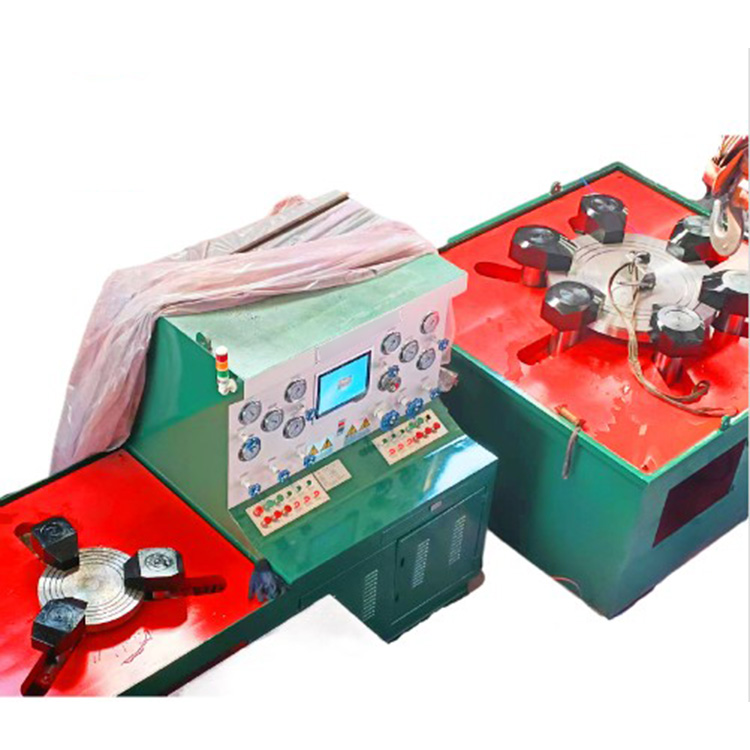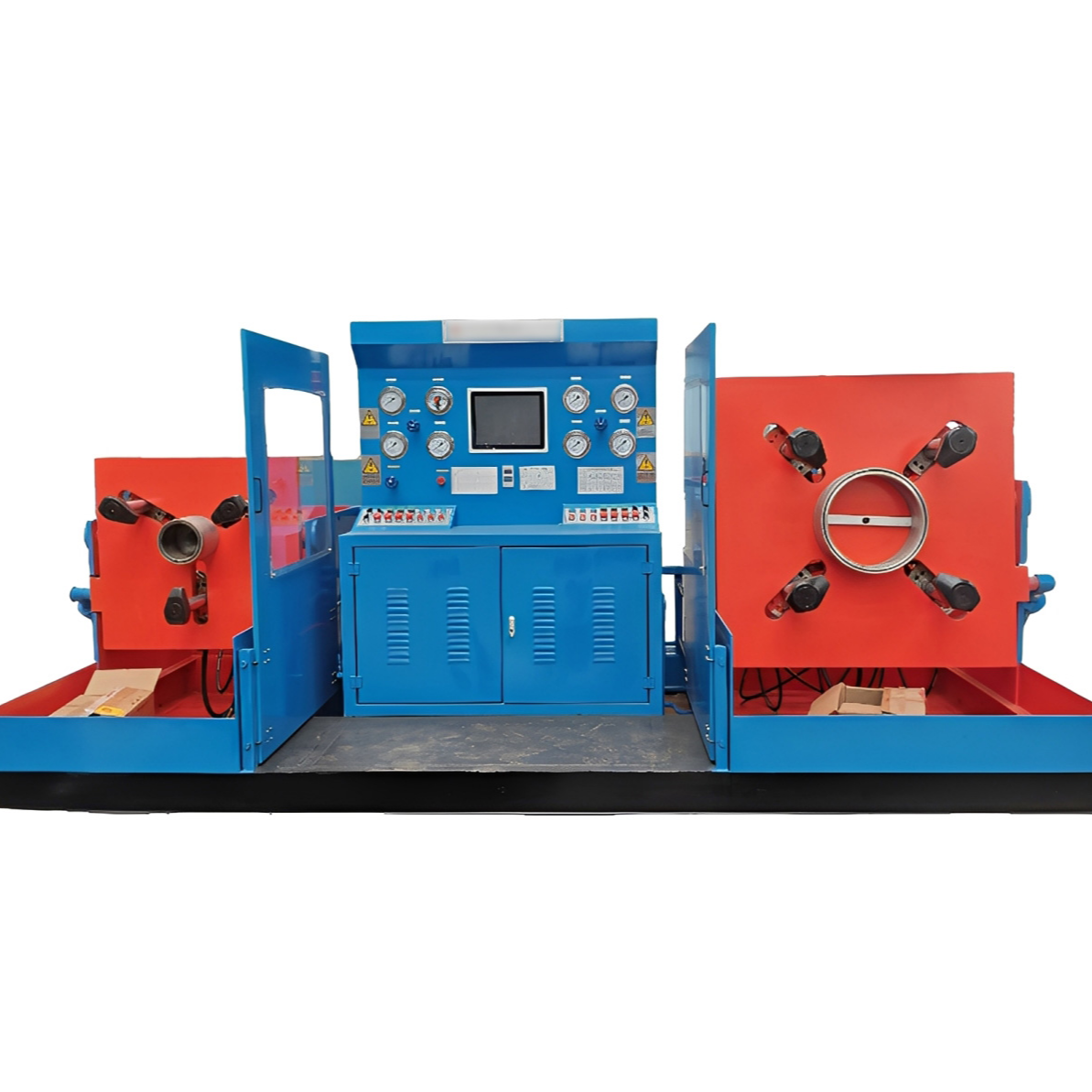










I. Main Functions:
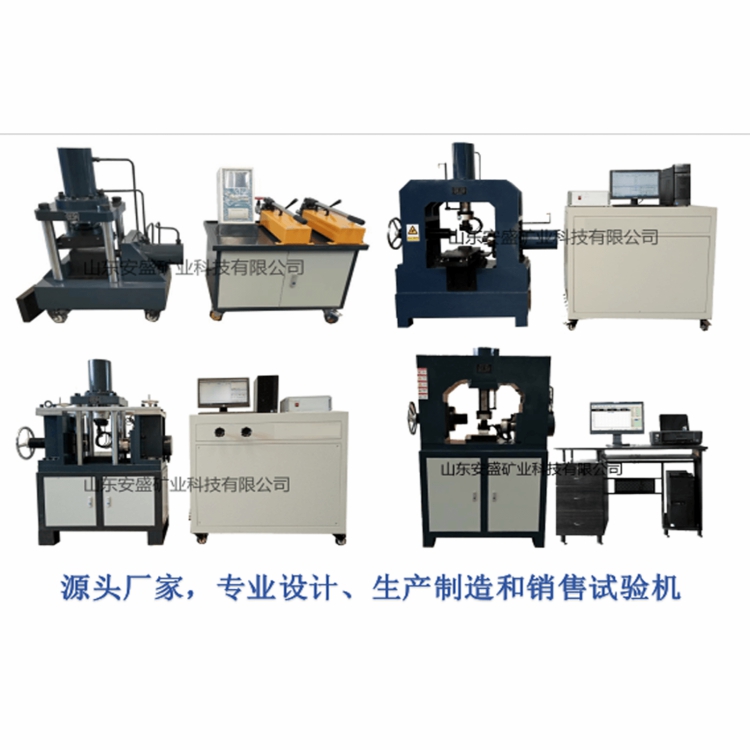
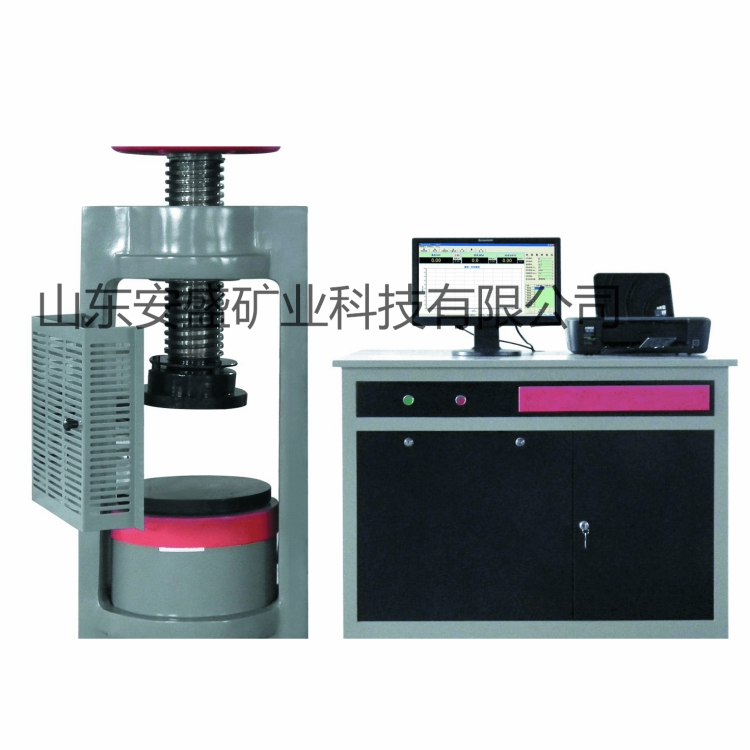
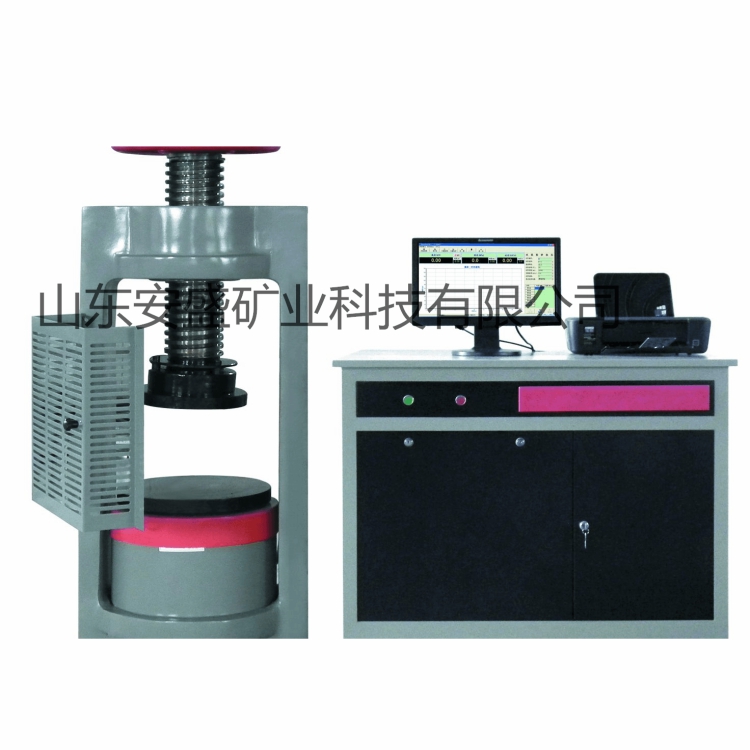
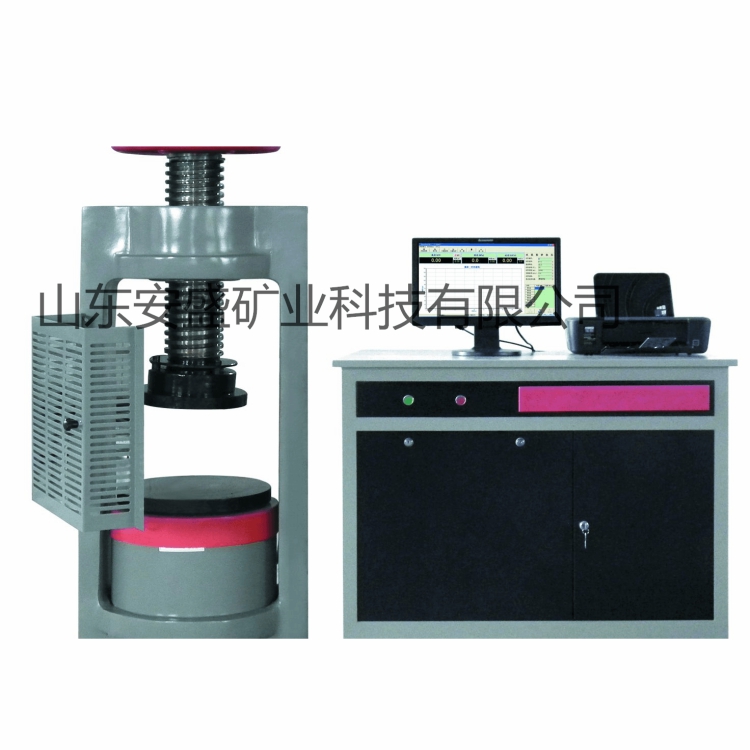
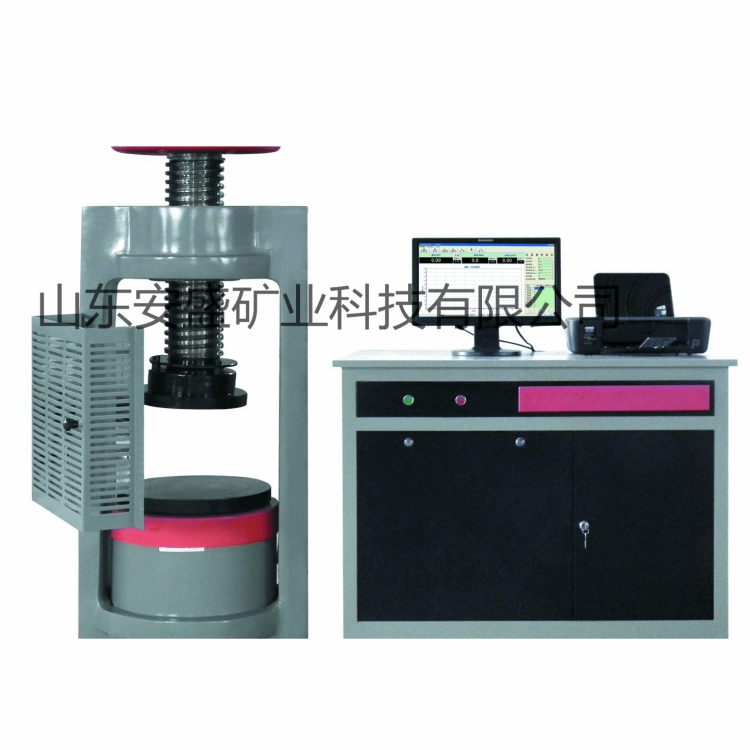
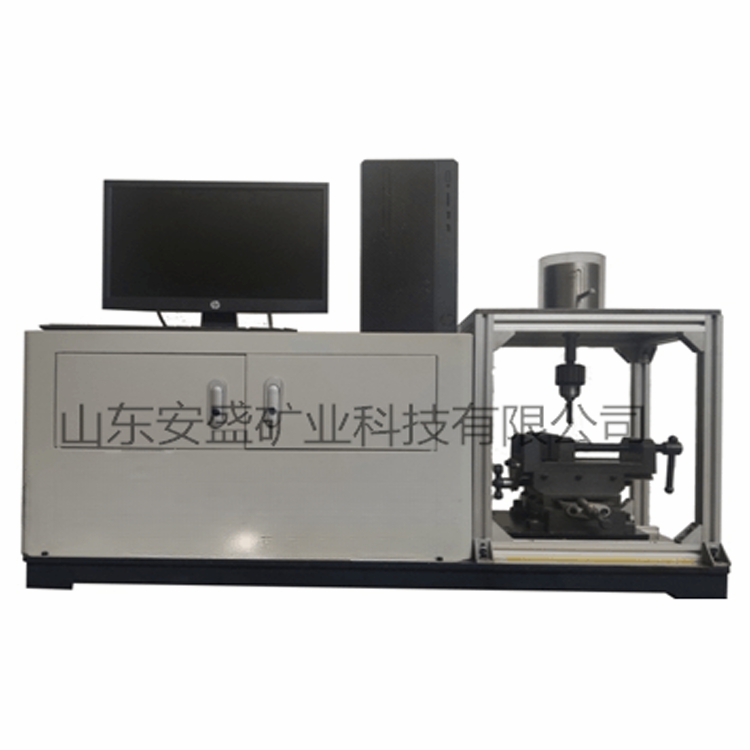
This machine features microcomputer control, constant-speed loading, and automatic completion of the testing process. It's ready for use after a smooth, level landing. It's primarily used for compressive strength tests on building materials such as rocks, concrete, cement products, hollow bricks, fly ash bricks, refractory materials, engineering materials, stone, rubber pads, and more. It is an essential piece of equipment for testing laboratories in industries such as highways, railways, bridges, construction, building materials, and colleges. It is also suitable for compressive strength tests on materials like red bricks, masonry bricks, block bricks, fly ash bricks, and concrete pavement bricks.
II. Key Features:
1. The machine utilizes high-precision sensors and computer control, enabling automatic control, analysis, storage, retrieval, and printing of test reports.
2. The machine adjusts the compression space with a rotating screw, significantly speeding up the testing process.
3. The machine can be customized to design reports according to the unit's requirements.
4. Maintain constant stress control, speed display, data processing, and record test curve during the testing process.
III. Technical Parameters
1. Test Force: 2000KN 2. Force Accuracy: ≤±1% (up to ±0.5%)
3. Compression Space: 0-350mm 4. Press Plate Size: Φ300mm (Customizable to 300*400mm)
5. Piston Stroke: 50mm 6. Column Spacing: 340mm
7. Loading Rate: 0~25 KN/s (Digital Setting)
8. Operating Temperature: 5°C - 35°C
9. Overload Protection: 3% over full scale range 10. Main Unit Dimensions: 600mm × 600mm × 1450mm
11. Motor Power: 0.75 kW 12. Working Voltage: 380V/220V
13. Principle: Hydraulically loaded with internal signal sensors, controlled by computer automation, real-time detection, automatically processed according to national standards, automatic conversion, and print output. Reporting formats can be self-set.
14. Fall Protection Shield
15. Total Weight: 700 Kg