








Direct Diluents, Paint Diluents, Epoxy Diluents, Active Diluents, Ink Diluents
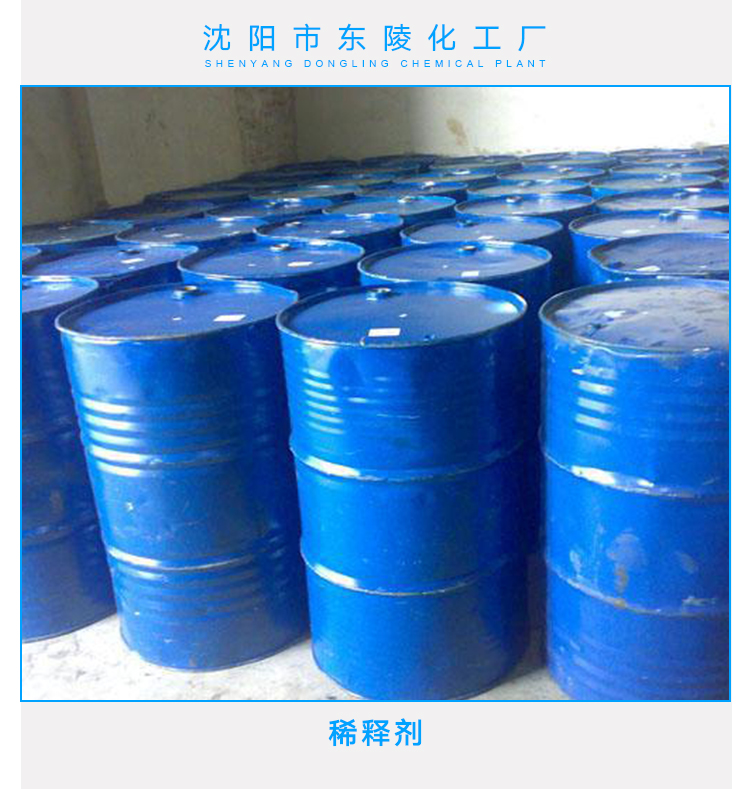

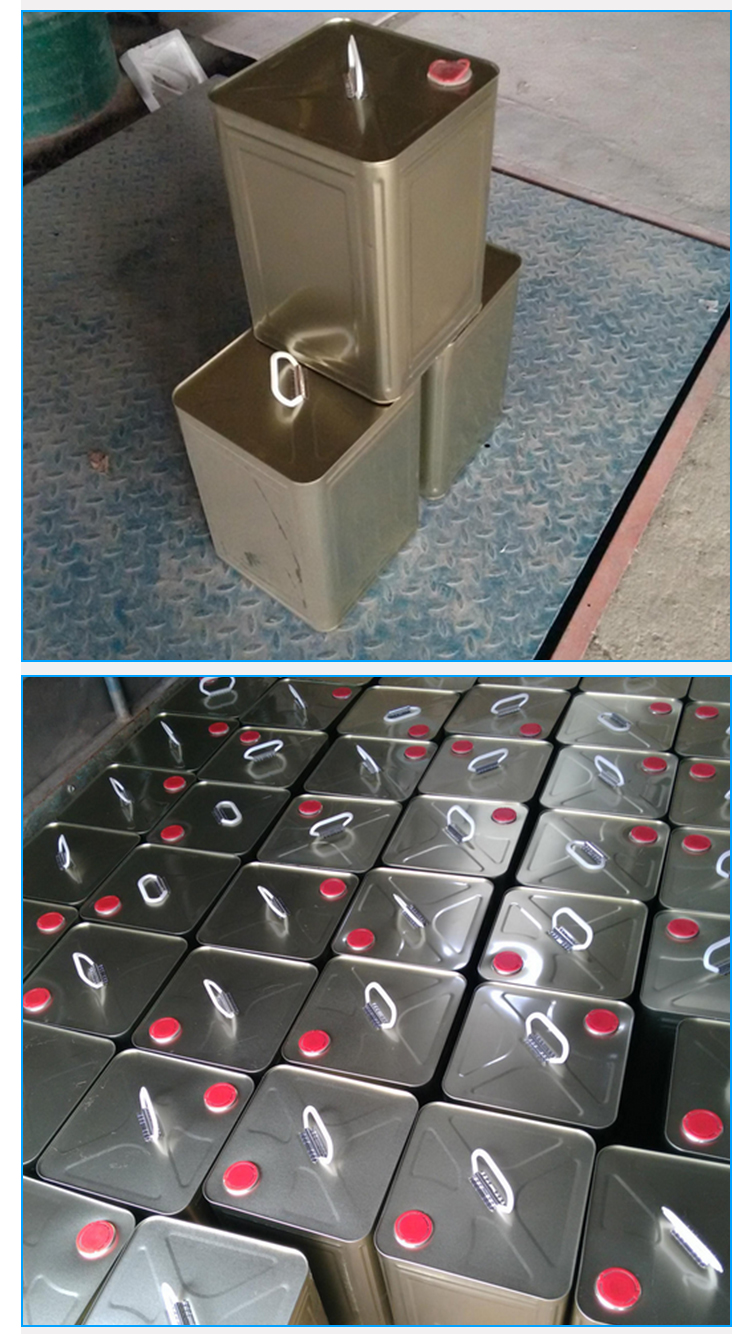
Thinner, also known as a "filler." An inert substance added for dilution during the processing of the original material into a powder form, or to facilitate spraying. Suitable solvents can act as adhesives by dissolving polymers, polymer solutions can be used as paints, and solvent addition is also required for wet spinning.
A thinner is a compound used to reduce the viscosity of adhesives, enhancing their penetration, improving process performance, and some can decrease the activity of the adhesive, thereby extending its service life. Thinner is often used to dissolve the binder and adjust the required viscosity for easier coating.
There are two types of diluents: inactive diluents and active diluents.
① Non-active diluents: These diluents do not contain active groups in their molecules and are mostly inert solvents, such as ethanol, acetone, toluene, etc. They do not participate in the reaction during the dilution process; instead, they are mixed with resins to reduce viscosity. Besides dilution, they also affect mechanical properties, heat deflection temperature, resistance to media, and aging degradation. The volatility of the solvent should be considered; if it's too fast, the胶 layer surface may form a film, hindering the escape of solvent within the layer, leading to air bubbles. If it's too slow, solvent may remain in the胶 layer, affecting the bonding strength. Typically, a mixture of solvents with different boiling points is used to adjust the volatility rate. They are commonly used in rubber-based adhesives, phenolic adhesives, polyester adhesives, and epoxy adhesives, etc.
② Active Diluent - An active diluent is a diluent that contains active functional groups. It participates in the reaction during the dilution of adhesives and also serves to enhance toughness (for instance, adding glycerol epoxy resin or propylene glycol butyl ether to epoxy adhesives can improve toughness).
Active diluents are commonly used in epoxy adhesive, while other types are less frequently employed.