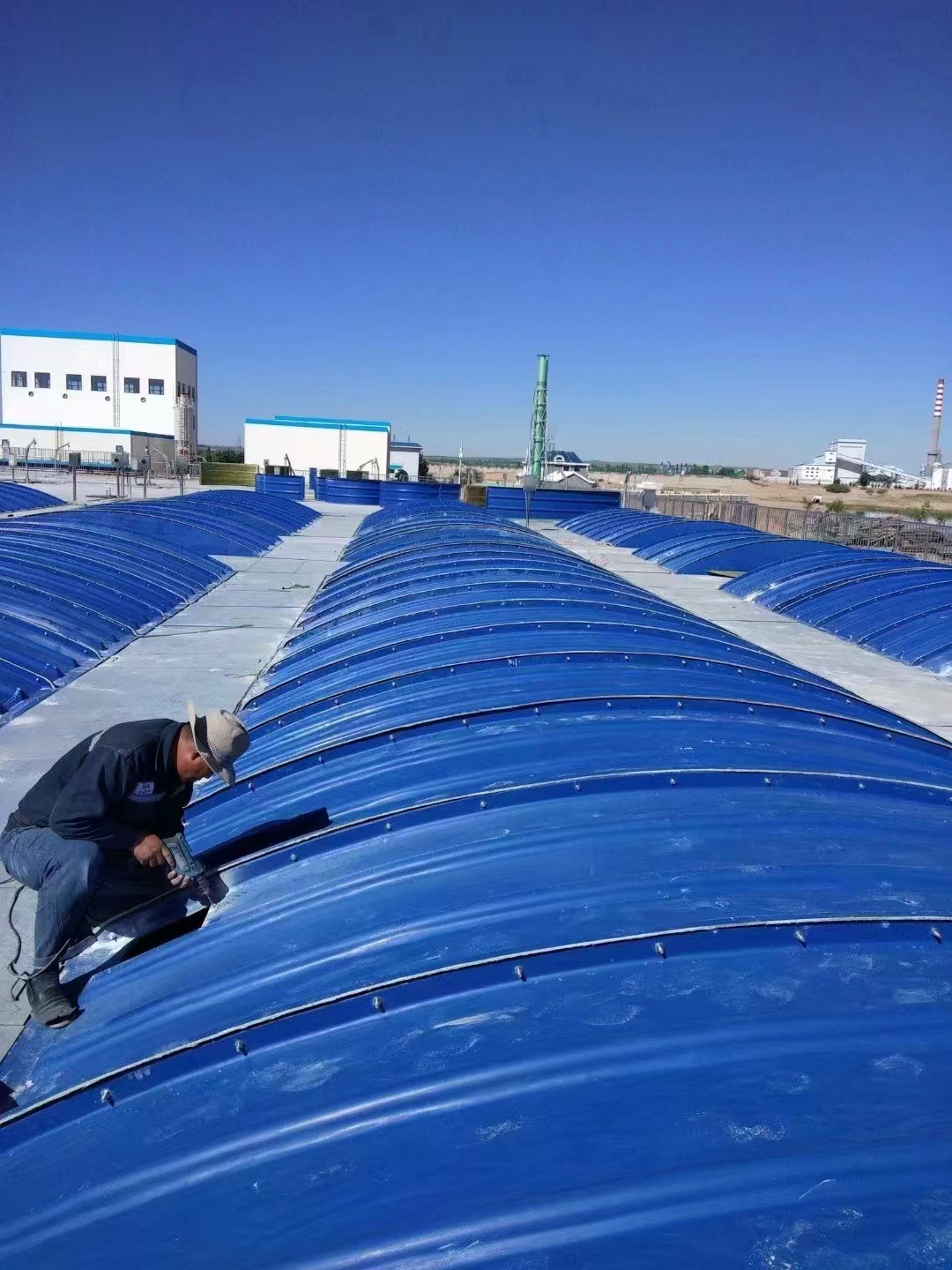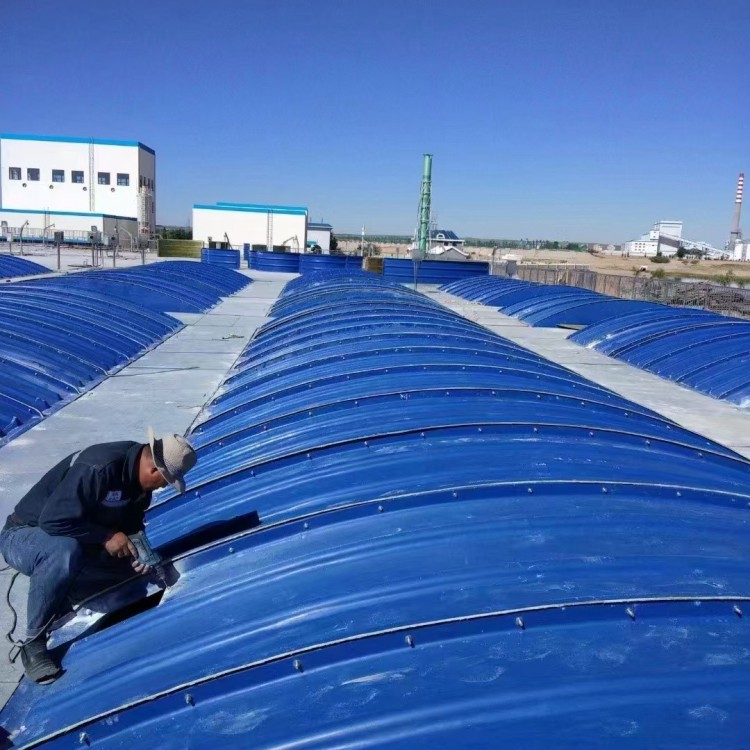

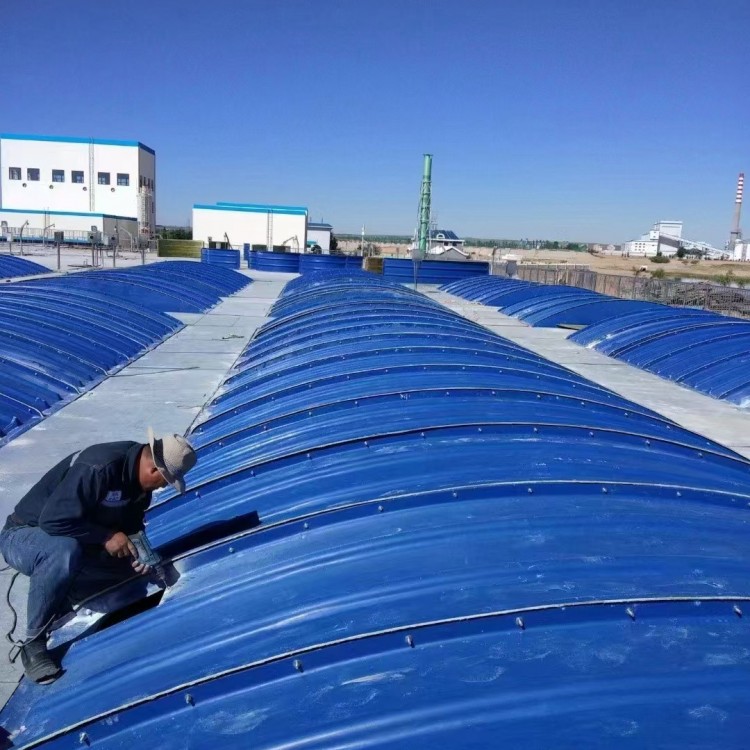
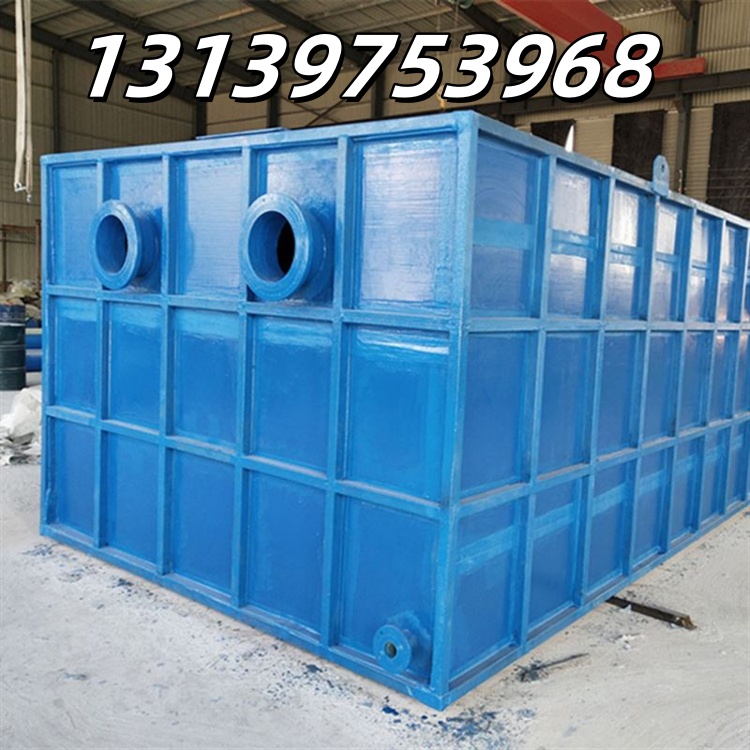













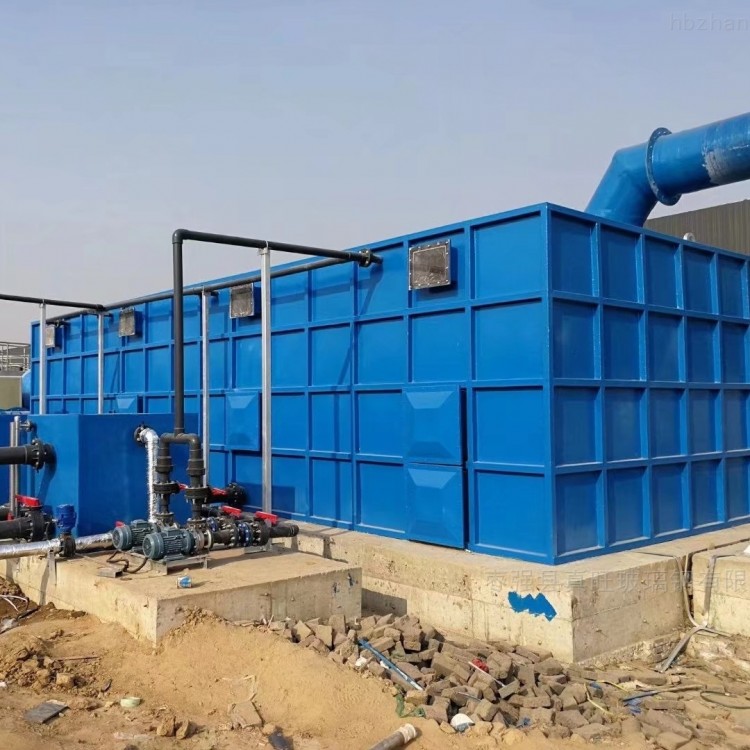
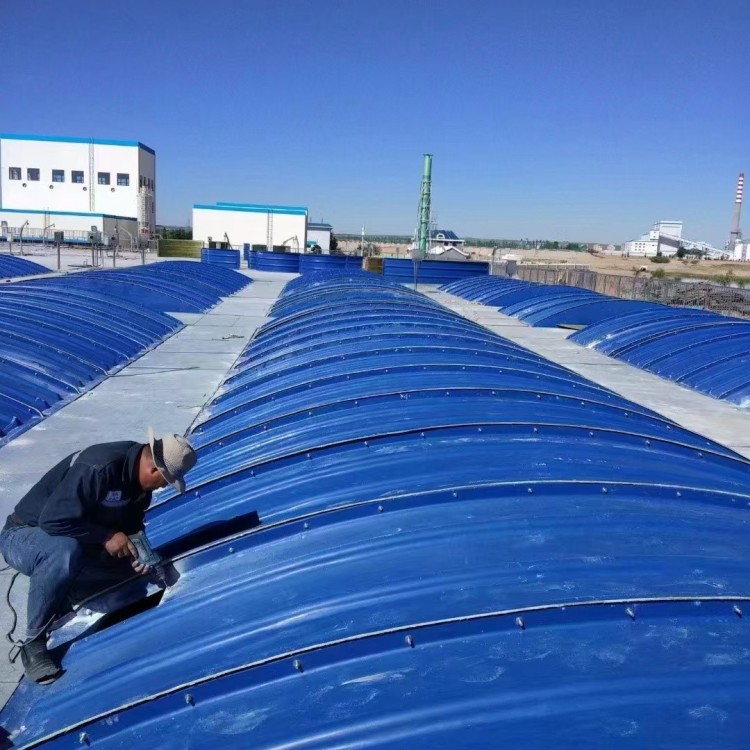
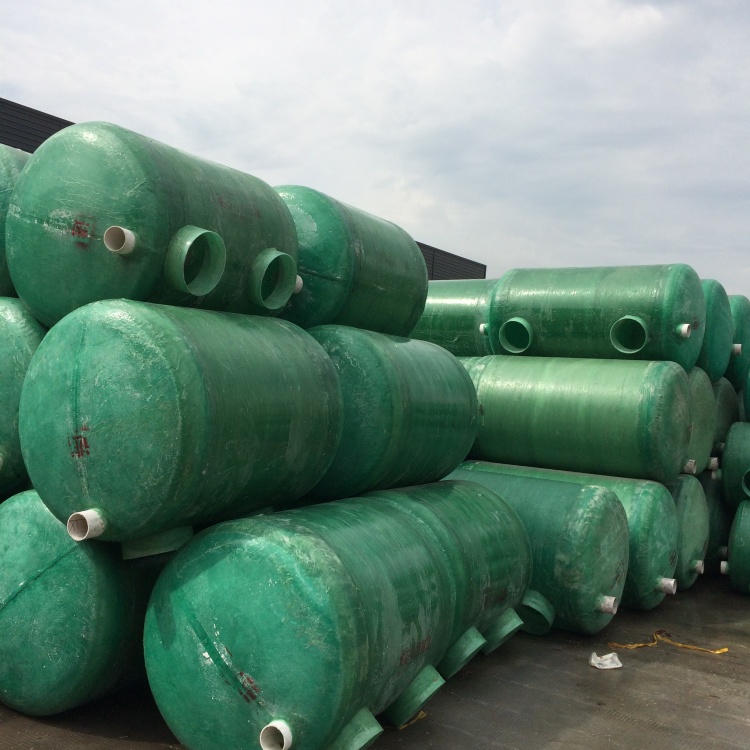
Our fiberglass sewage pond covers offer superior corrosion resistance, lightweight strength, excellent design flexibility, easy installation, vibrant colors, attractive appearance, aging resistance, and long service life.
1. Strong corrosion resistance: This product is made from base materials of acid and alkali-resistant, corrosion-resistant resins.
2. Enhanced fire-retardant properties: High-quality flame retardants can be added to the product according to customer requirements, offering excellent fire resistance with an oxygen index greater than 26.
3. Lightweight and High-Strength, Easy to Install: This product has a density just 1/3 to 1/4 of steel products, high curing degree, heavy load-bearing capacity, and high strength, suitable for large-span pools. Additionally, the cover can be divided into several small pieces for easy transportation and installation.
4. Aesthetics and Aging Resistance: This product features an anti-aging, weather-resistant, and UV-resistant vinyl ester coating for its exterior, ensuring a smooth, attractive appearance with vibrant colors and a lifespan of over twenty years.
5. Low operation and maintenance costs, easy repair: Due to the high corrosion resistance and aging resistance of this product, regular maintenance like metal products is not required, significantly reducing costs. The hood features observation windows and a repair door at the end for easy access by workers without disrupting the normal operation of the equipment.
6. Highly customizable: The product size can be flexibly designed based on the specific conditions of the on-site pond, with shapes available in arched lids, round lids, flat lids, and more.
7. Color variety: We can produce products in various colors such as blue, green, yellow, and white, catering to customer needs and achieving the effect of beautifying the environment.
Cooling and heat dissipation
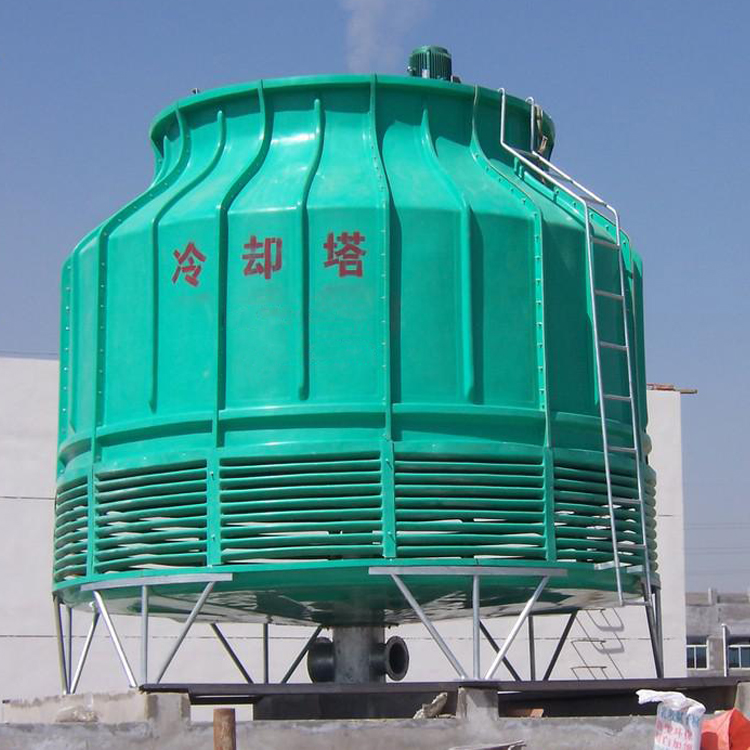
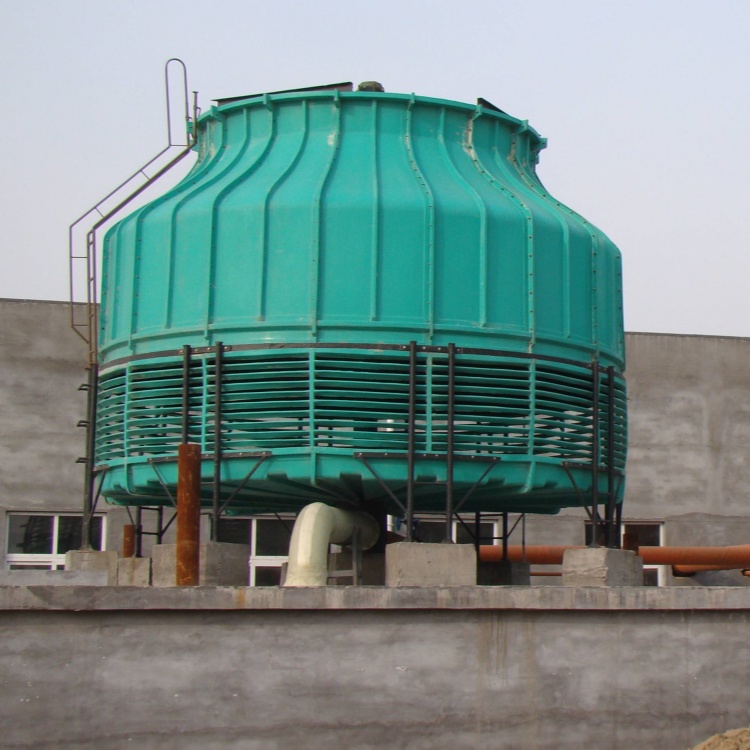
The main function of a cooling tower is to exchange heat between the cooling water carrying waste heat and the air within the tower by means of evaporation, contact, and radiation cooling. This transfers the waste heat to the air and dissipates it into the atmosphere, thereby reducing the water temperature and creating a device for the recyclable use of cooling water.
2. Ensure system operation
In industrial production or refrigeration and air conditioning, cooling towers utilize the contact between water and air to dissipate waste heat through evaporation, ensuring the stable operation of the system.
3. Multi-domain Applications
Cooling towers are widely used in various fields, including air conditioning cooling systems, refrigeration series, injection molding, leather making, foaming, power generation, steam turbines, aluminum profile processing, air compressors, and industrial water cooling.
4. Conclusion
Cooling towers are crucial heat exchange equipment that dissipate waste heat through the contact of water and air, ensuring the normal operation of various systems and equipment. Their application ranges widely, covering nearly all industrial and air conditioning refrigeration fields.
The primary function is to produce steam through heat exchange between water and air flow, with steam vaporization carrying away heat. This is achieved by utilizing principles such as evaporation cooling, convection, and radiant heat transfer to dissipate excess heat generated in industrial processes or refrigeration and air conditioning systems, thereby lowering water temperature. Such equipment is typically cylindrical, hence termed a cooling tower. The working principle of a cooling tower involves knowledge from various disciplines including aerodynamics, thermodynamics, fluid dynamics, chemistry, biochemical engineering, materials science, static and dynamic structural mechanics, and processing technology. The construction of a cooling tower usually includes the tower body, water basin, motor, fan, and sprinkler system, among other components. The water is pumped to the top of the tower by a high-pressure pump, filtered through a distributor, and then evenly sprinkled down. The fan's wind facilitates contact between air and water droplets, thereby carrying away heat and cooling the water. Cooling towers are widely used in manufacturing facilities such as steel mills, textile factories, chemical plants, and food factories to enhance production efficiency. Depending on the cooling method and principle, cooling towers can be categorized into various types such as natural ventilation cooling towers, low-noise cooling towers, industrial cooling towers, and open-market cooling towers, with natural ventilation and industrial cooling towers being more common domestically. The maintenance and upkeep of cooling towers can be cumbersome and costly, so it's important to select the appropriate type based on actual needs.