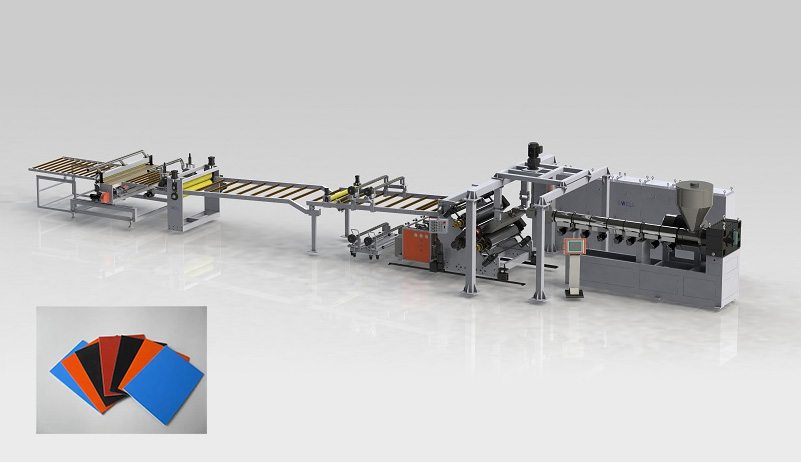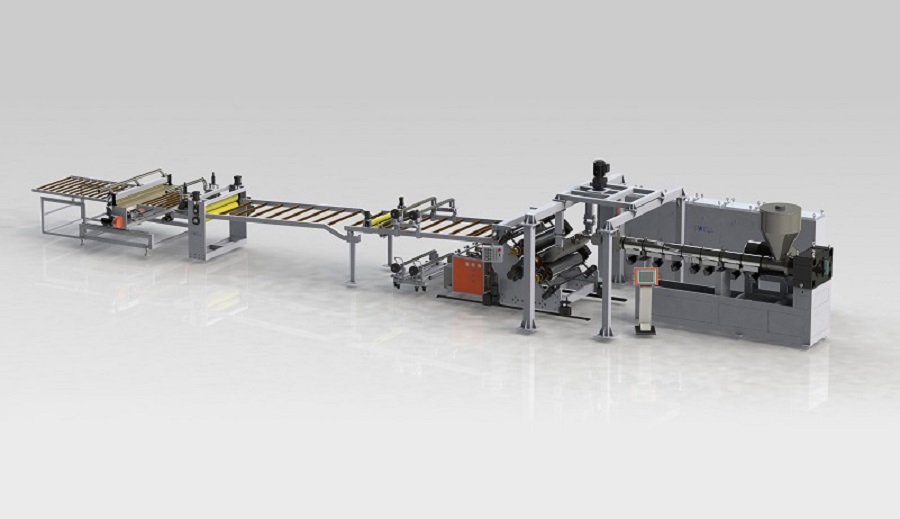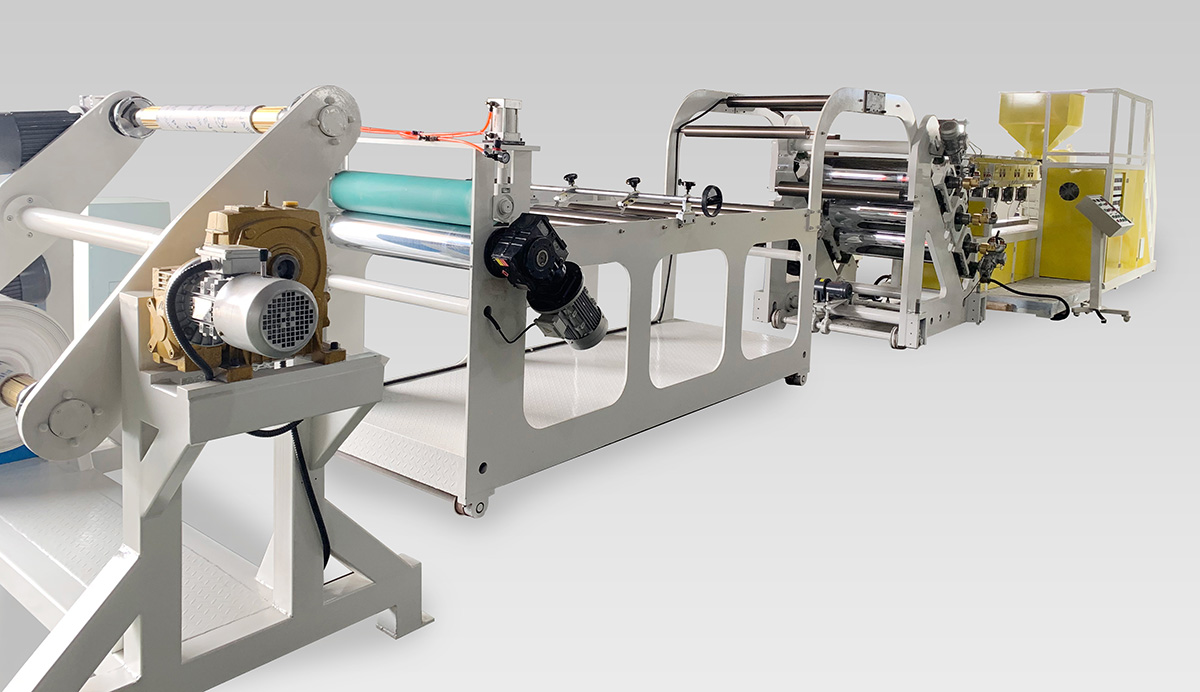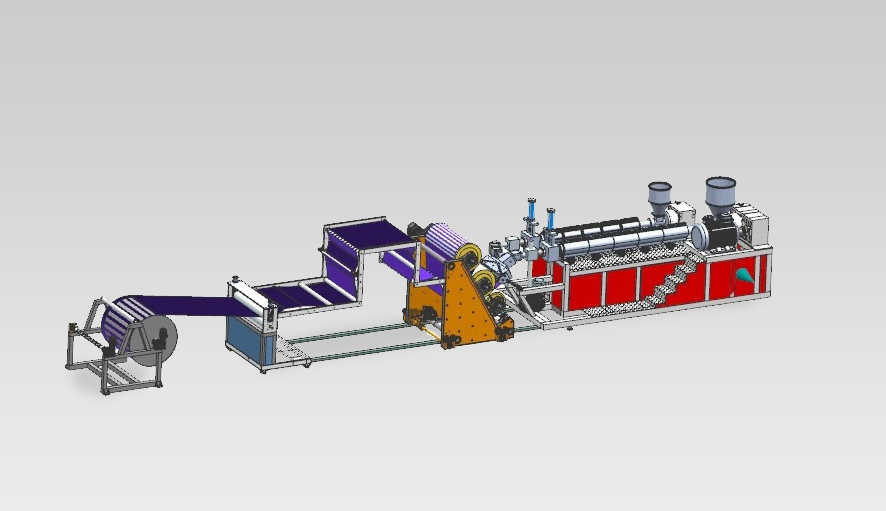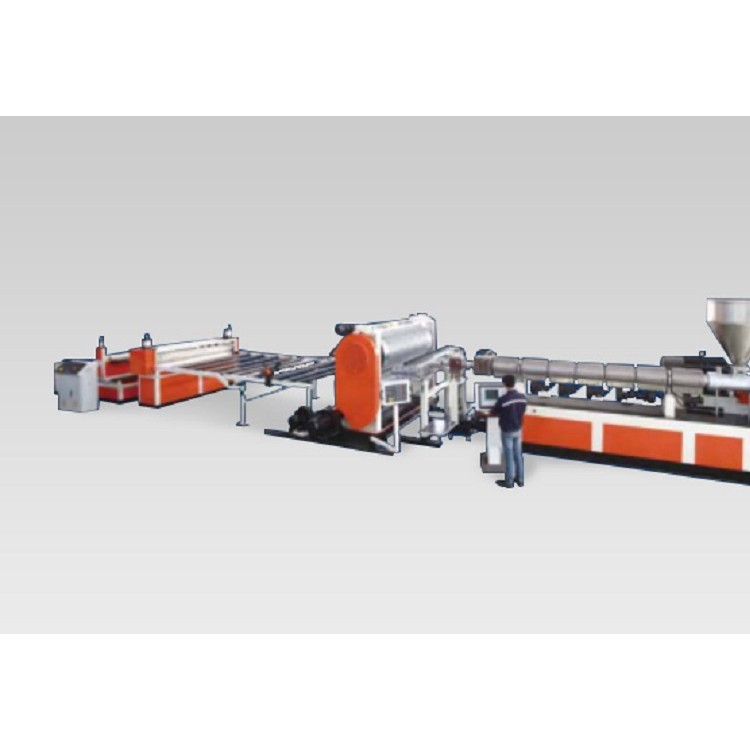


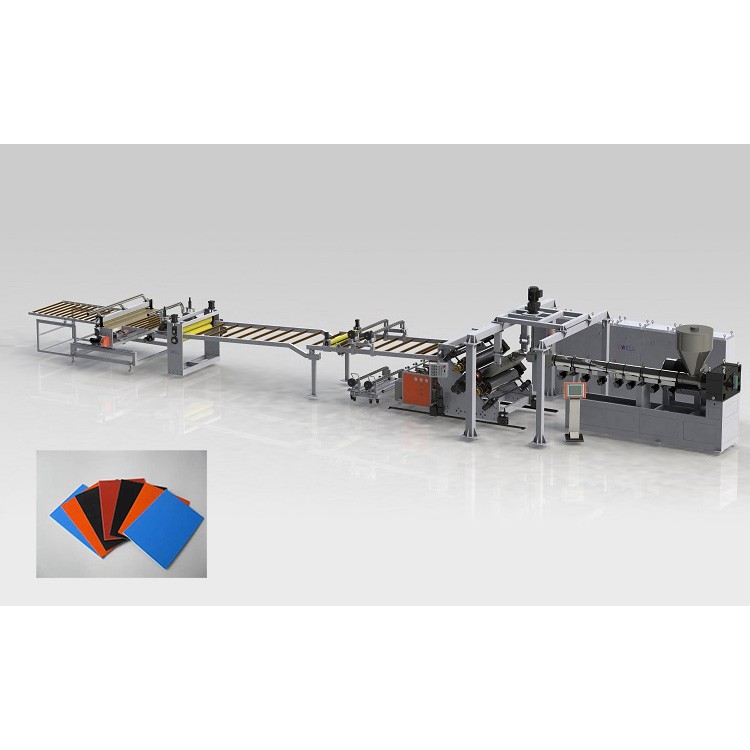
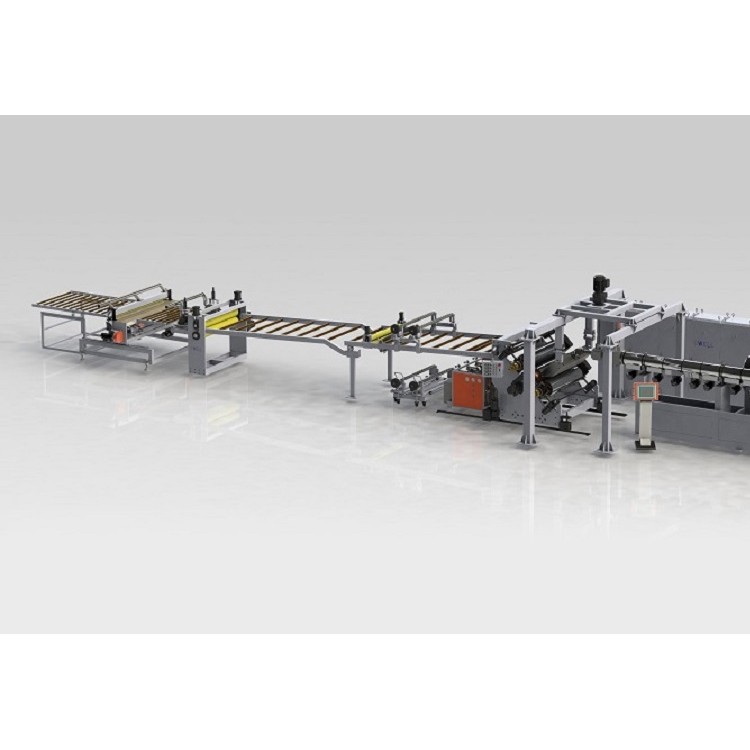


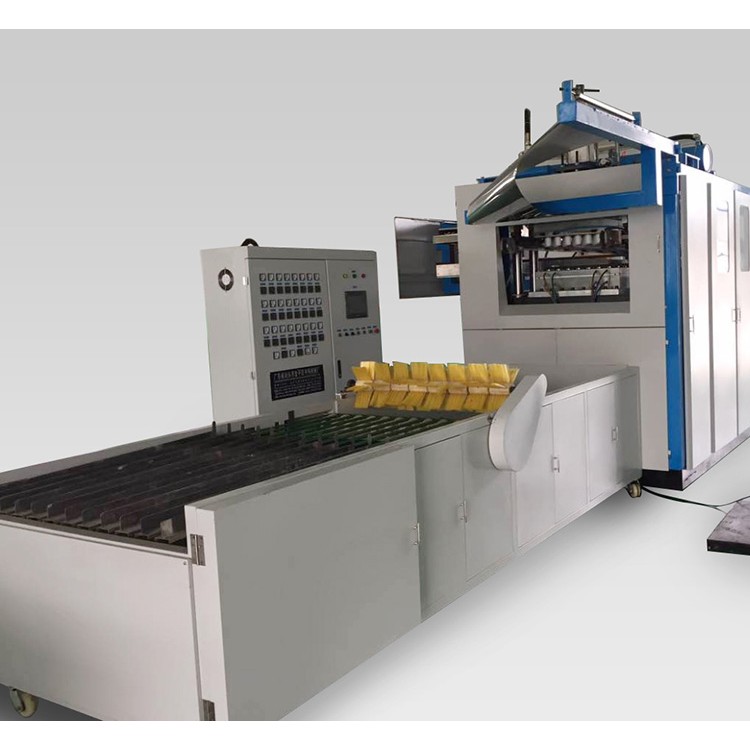
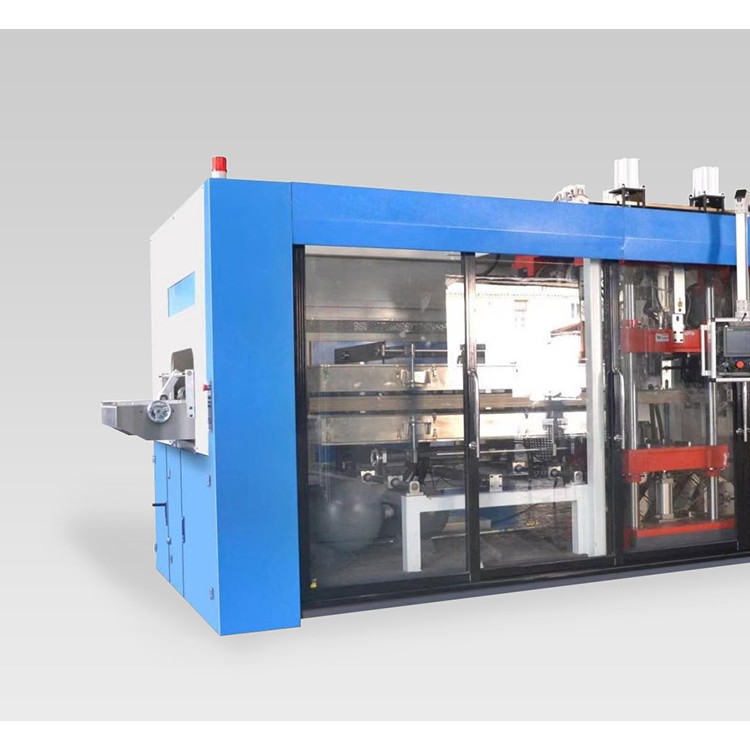
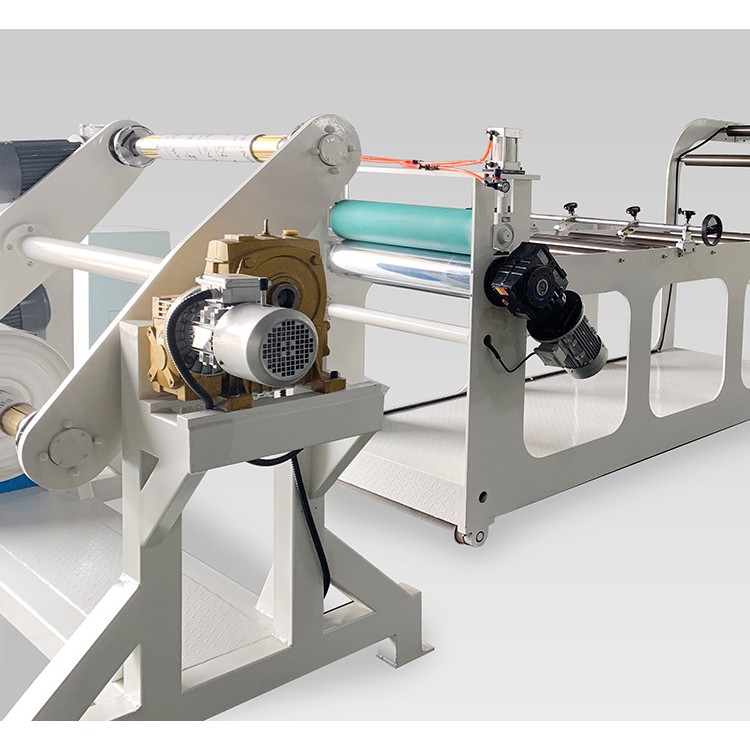
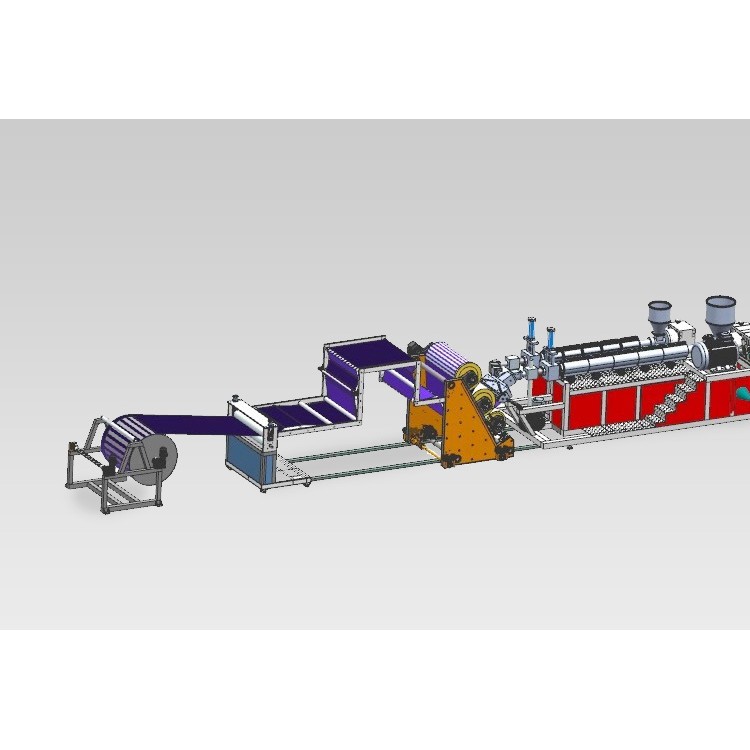





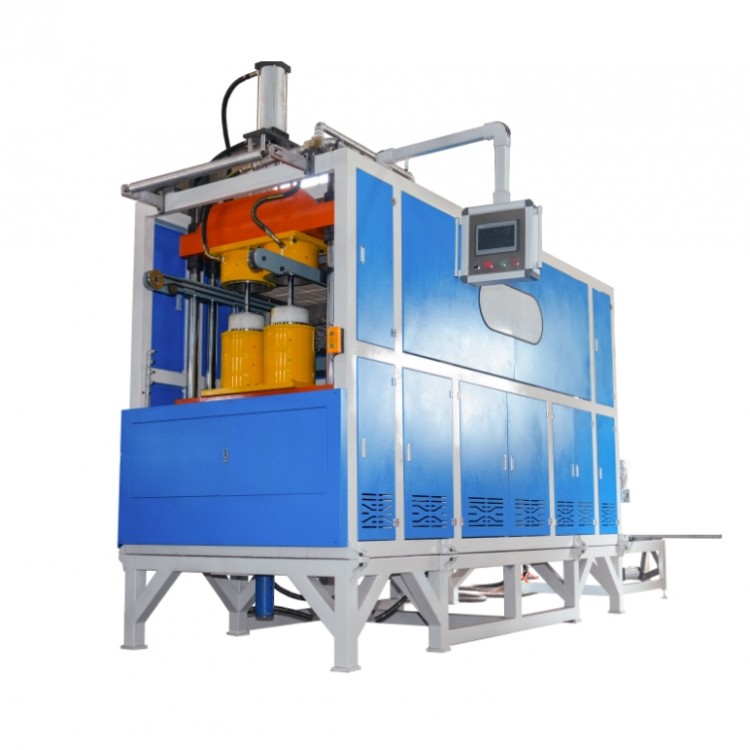
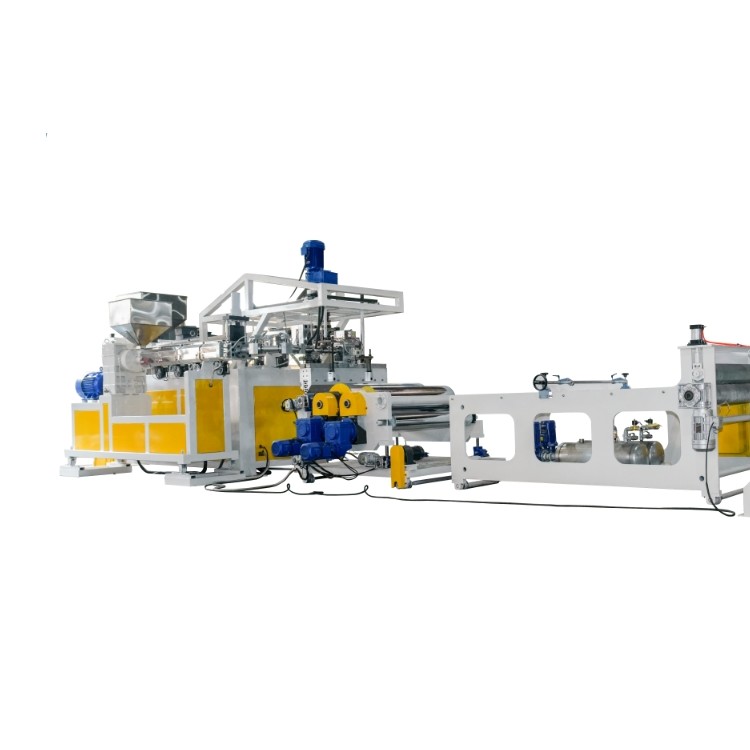
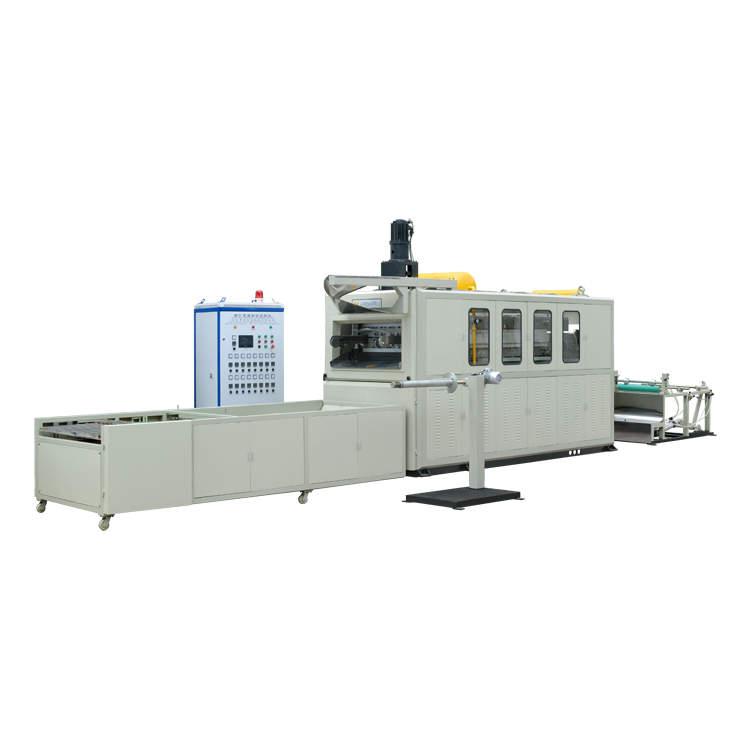
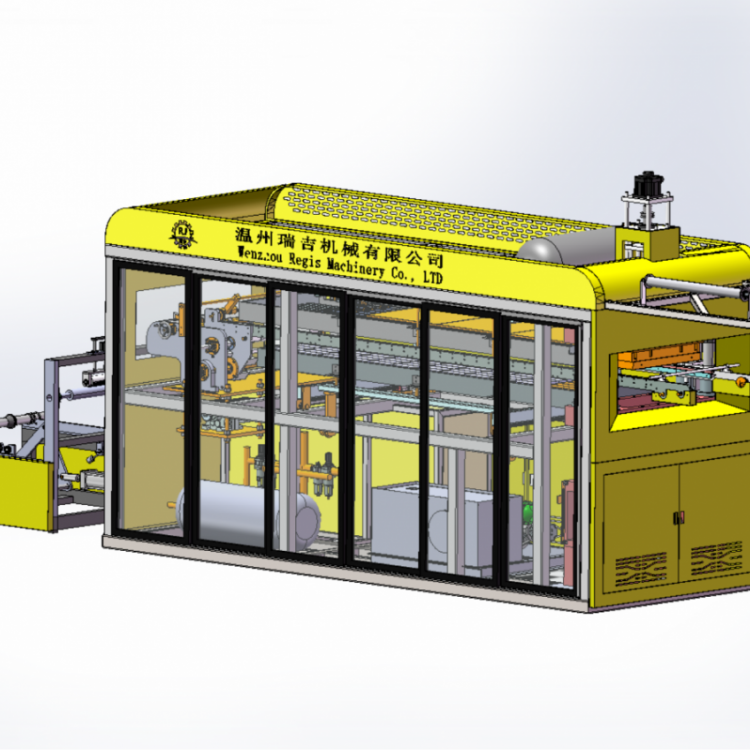
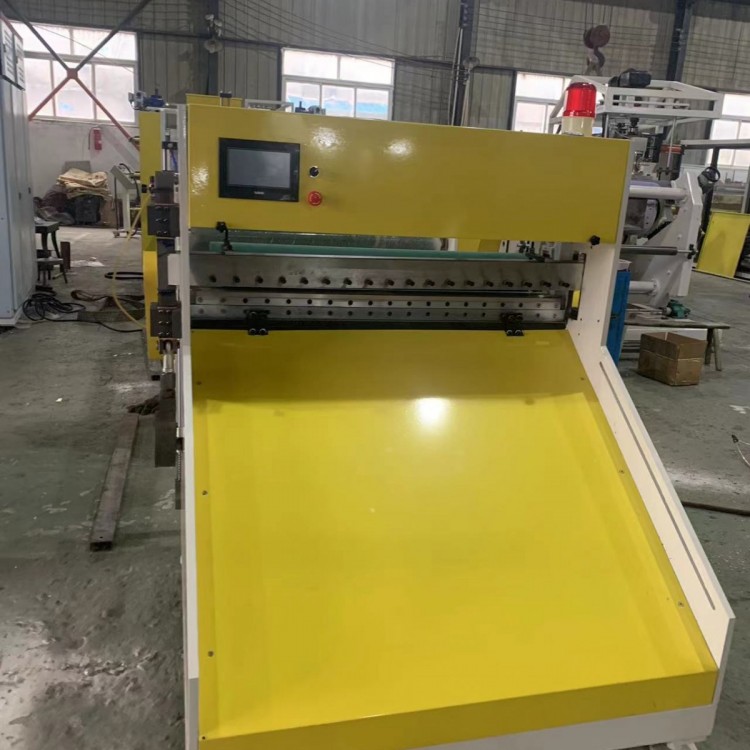
Drainage composition:
A lightweight panel made of high-density polyethylene (HDPE) with conical bosses, featuring a three-dimensional supporting structure that provides both drainage and water retention capabilities, with high spatial rigidity and strong compressive strength.
The advantages of drainage boards:
Traditional drainage methods use bricks, stones, and tiles as the filter layer, with a generous amount of cobblestones or gravel as the water filter layer, draining water to a designated location. In contrast, using drainage boards instead of cobblestone filter layers for drainage saves time and effort, is energy-efficient, reduces investment costs, and lowers the building's load.
Application of Drainage Panels:
Primarily used for roof greening in underground engineering or roofing. Compared to conventional methods, the composite of drainage boards and geotextiles integrates multiple functions such as drainage, waterproofing, breathability, moisture retention, and root barrier into one.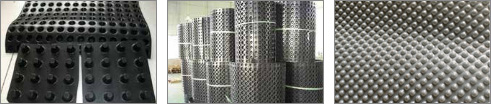
Main Technical Parameters
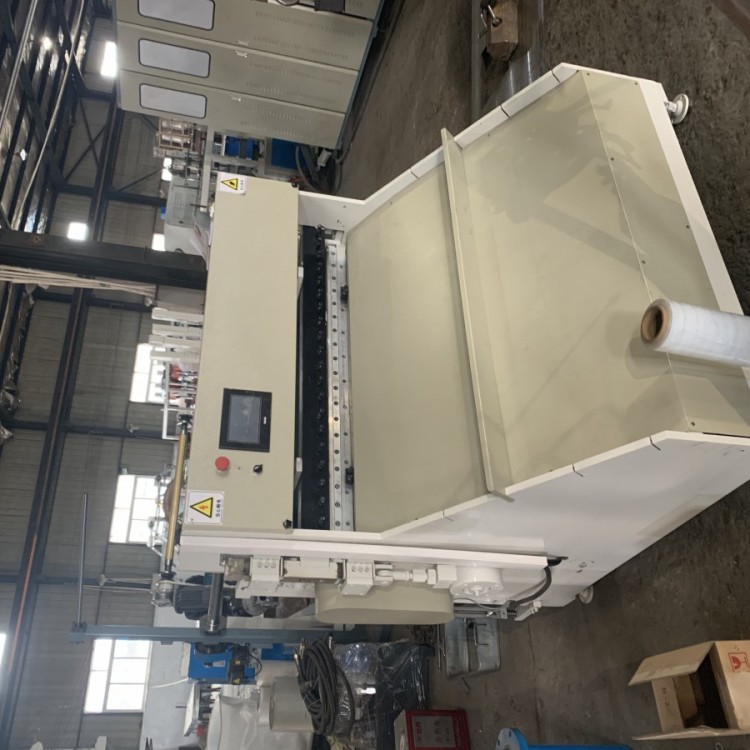
| Model | RJ--120 | RJ--150 |
| Product Width | 1500-2000mm | 2000-3000mm |
| Product thickness | 0.5-3.0mm | 0.5-3.0mm |
| Squeeze output production | 300kg/h | 600kg/h |
Note: If any changes are made to the above specifications and parameters, no additional notice will be provided.