Direct pipe construction is a non-excavation construction method.
Here are some key points regarding pipe jacking construction:
PrincipleBy the thrust generated from the jacking equipment, the friction between the pipeline and the surrounding soil is overcome, allowing the pipeline to be pushed into the ground at the designed gradient, and the soil to be removed.
AdvantagesIt can prevent damage to ground traffic, buildings, and other facilities; minimize environmental impact; and is suitable for laying underground pipelines in complex environments such as urban centers.
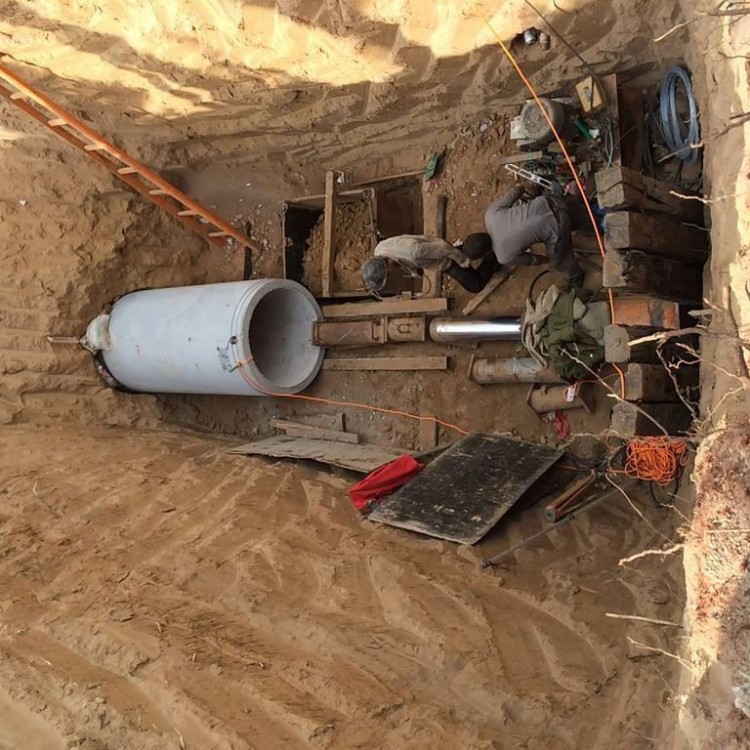
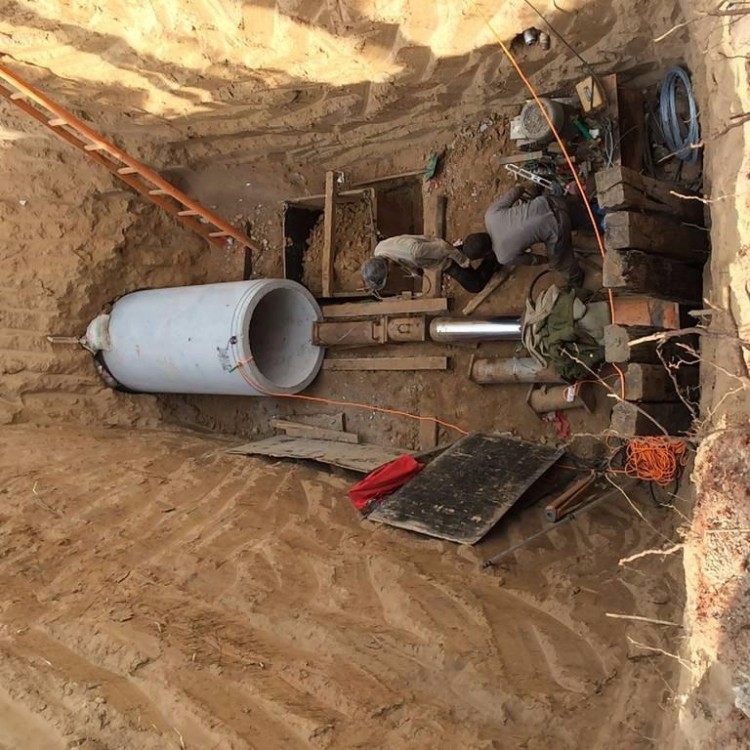
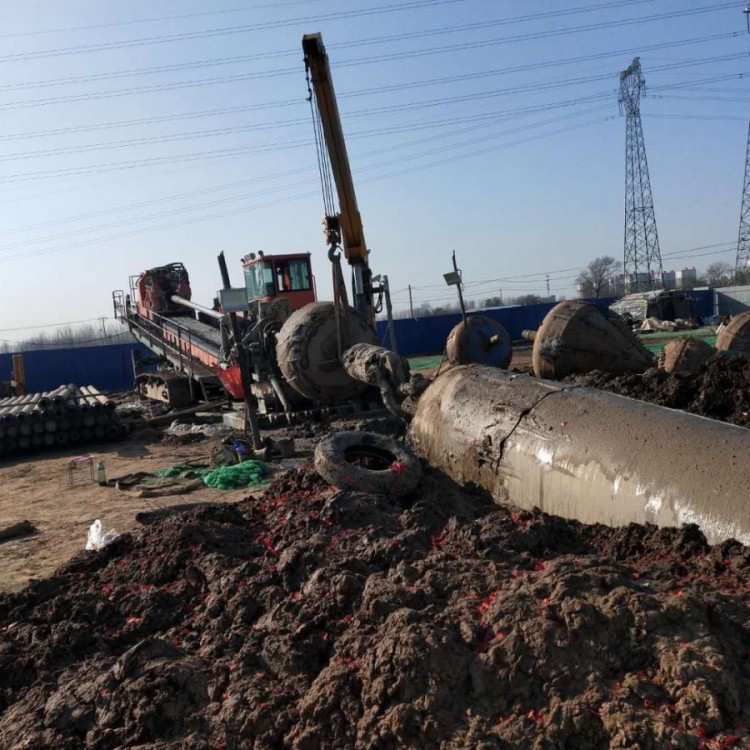
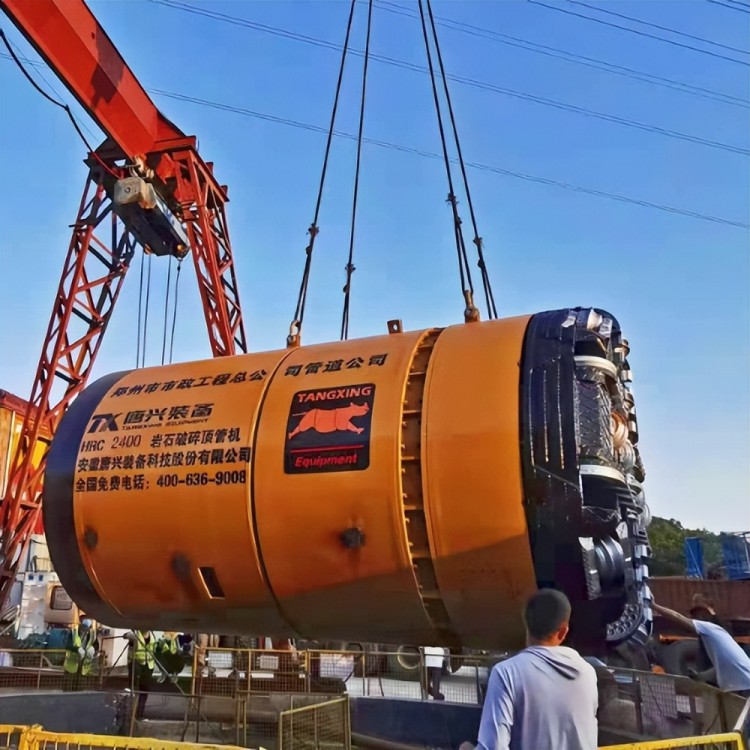
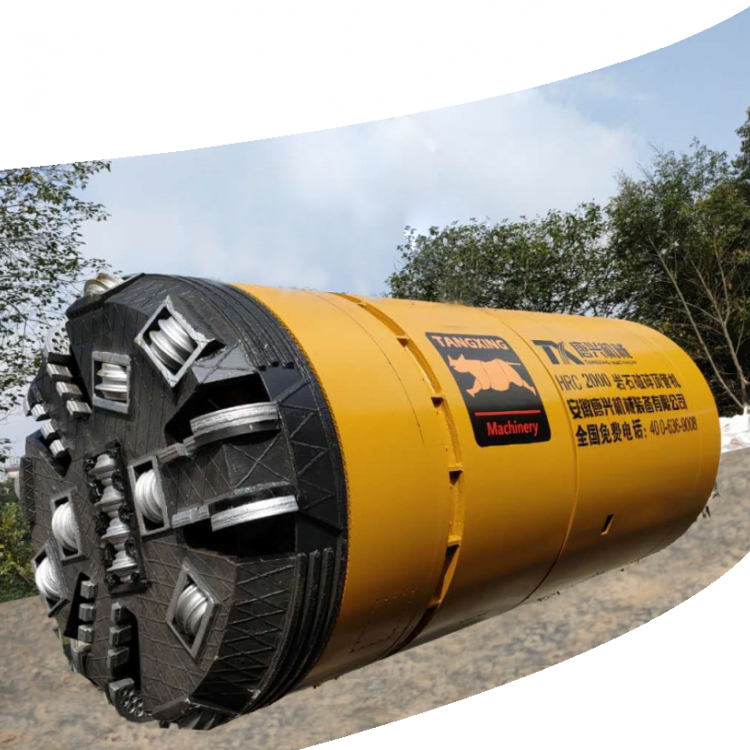
Key EquipmentIncluding jacks, jacking irons, rear seats, oil pumps, and other jacking equipment, as well as tunnel boring machines (used for breaking soil).
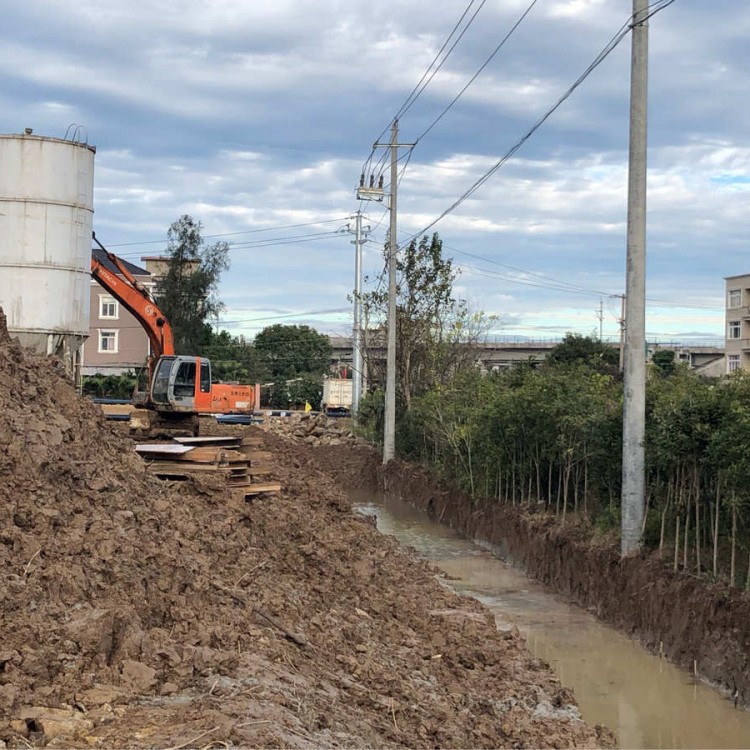
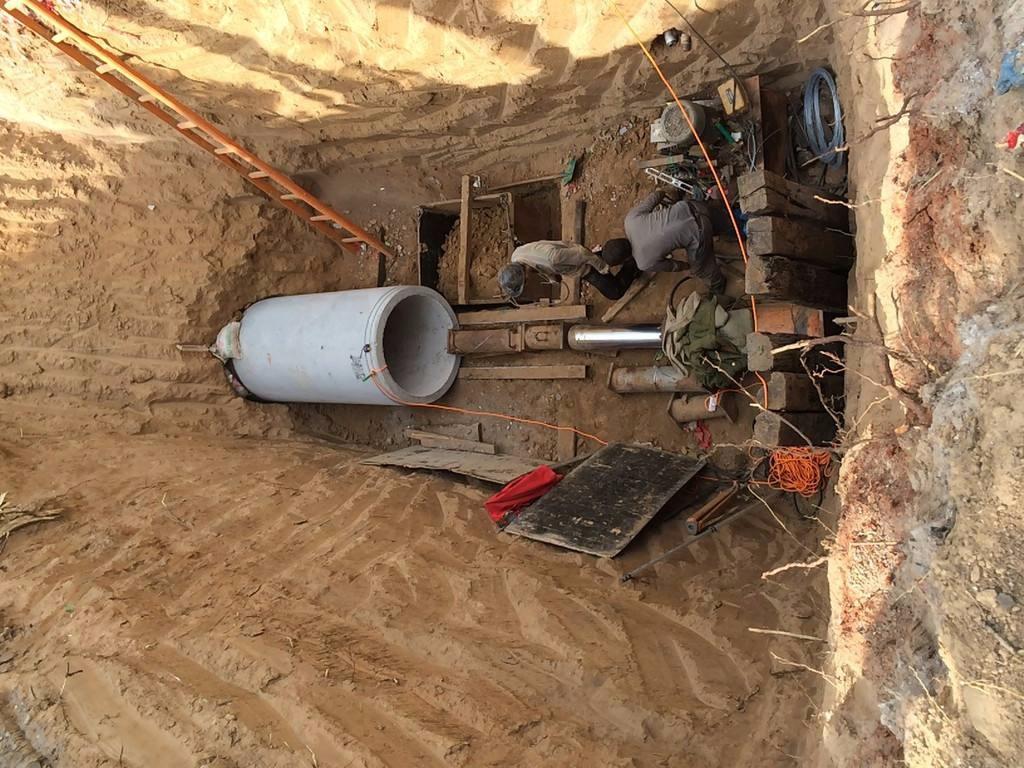
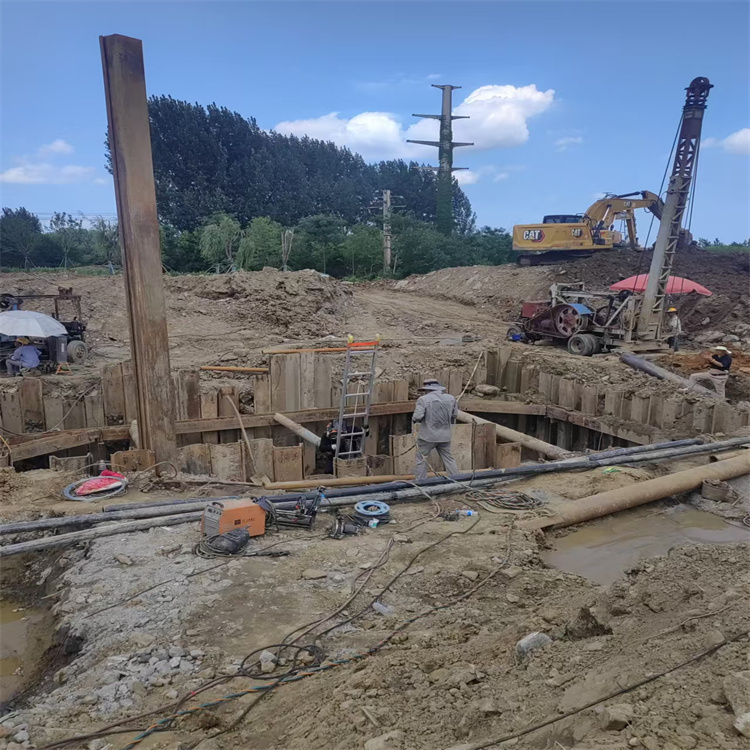
Construction ProcessFirst, dig a work pit at the starting end, install the equipment, and place the pipeline in the predetermined position. Then, activate the jacking equipment to push the pipeline forward while continuously removing soil and connecting the subsequent pipeline.
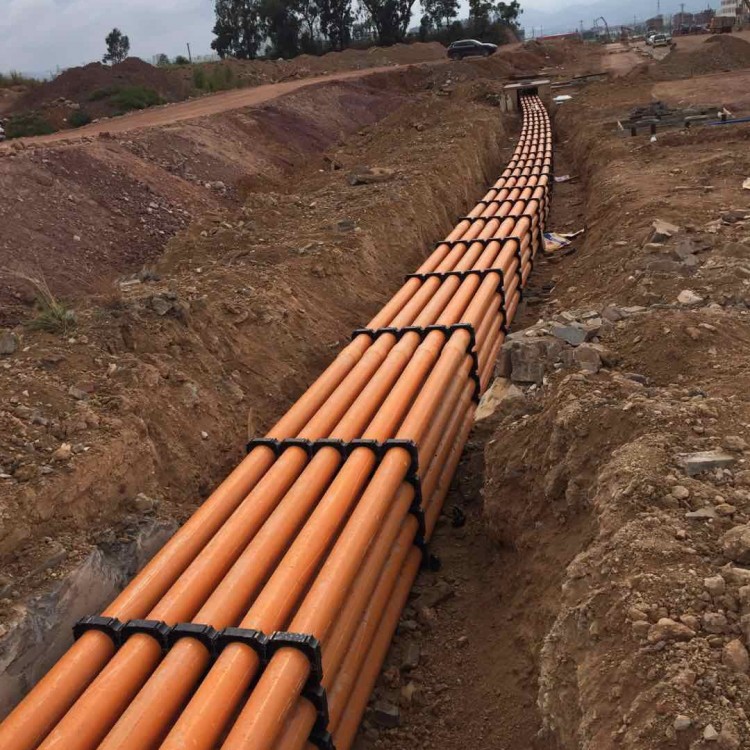
Application ScopeWidely used for the laying of sewage pipelines, water supply pipelines, gas pipelines, and power communication pipelines, etc.
For instance, when laying sewage pipelines in bustling urban areas, trenchless construction methods can prevent extensive road excavation, minimizing disruptions to traffic and the public's daily life. Similarly, when crossing through special locations like railways or rivers, trenchless construction can complete pipeline installation without interrupting traffic or shipping.
In summary, pipe jacking is an efficient, environmentally friendly, and less impactful construction technique on the surrounding environment, playing a crucial role in modern urban construction and infrastructure development.