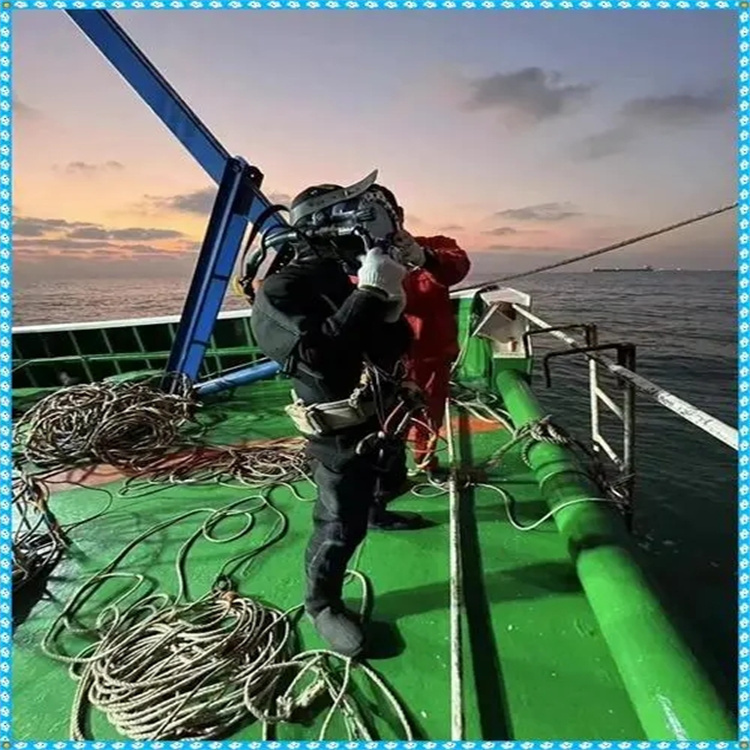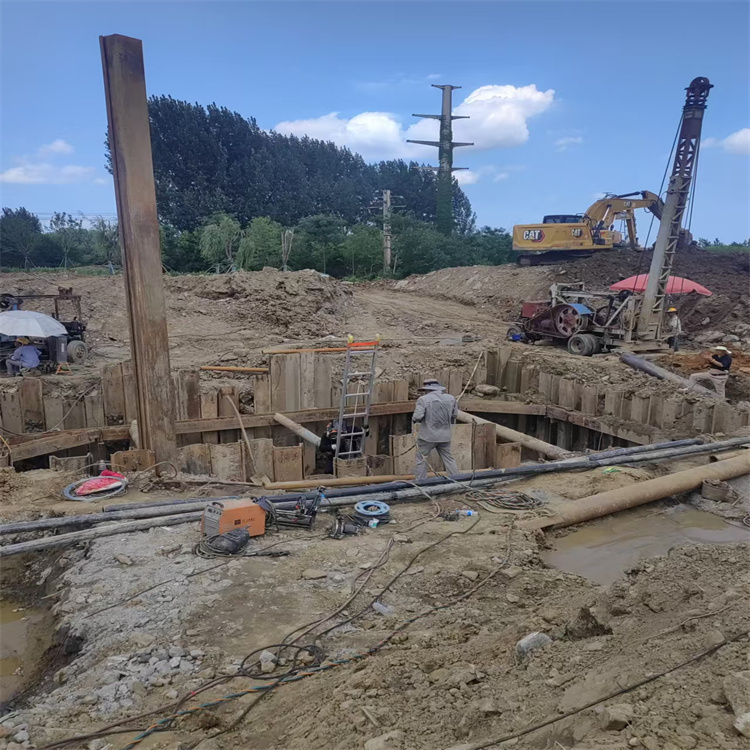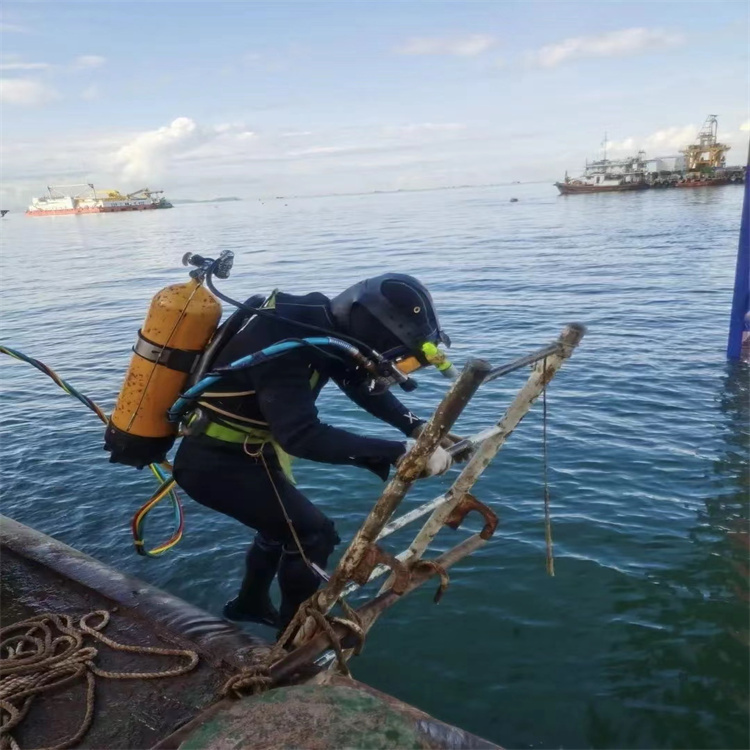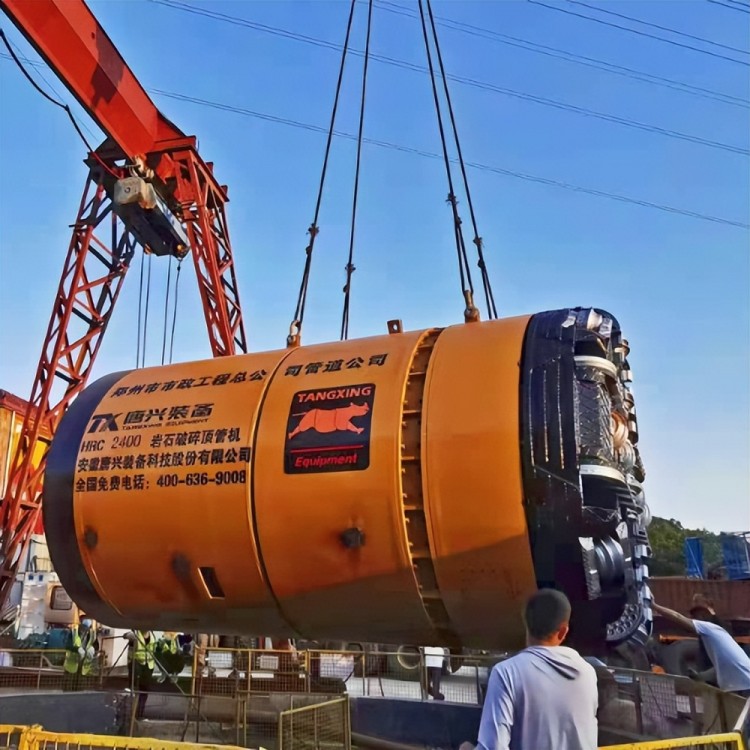

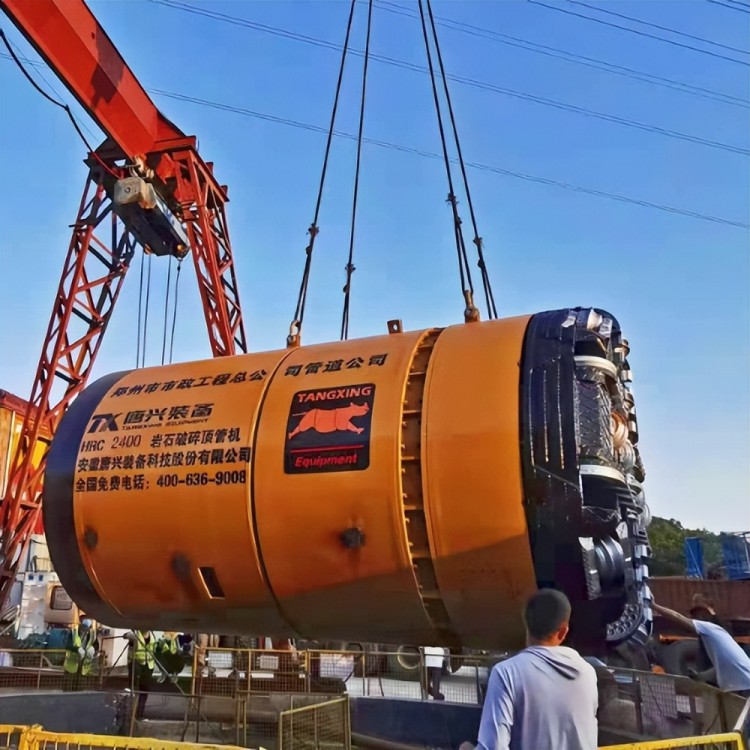


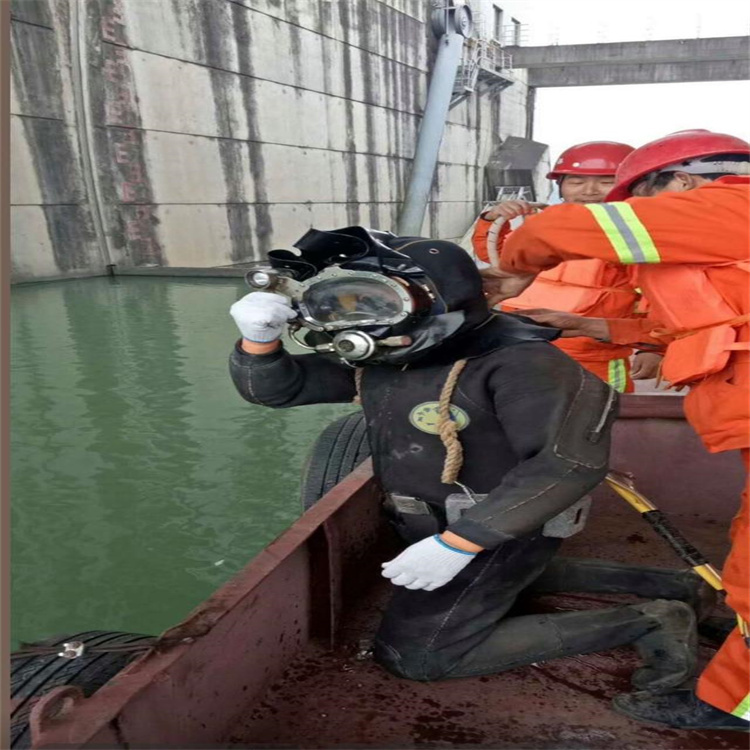
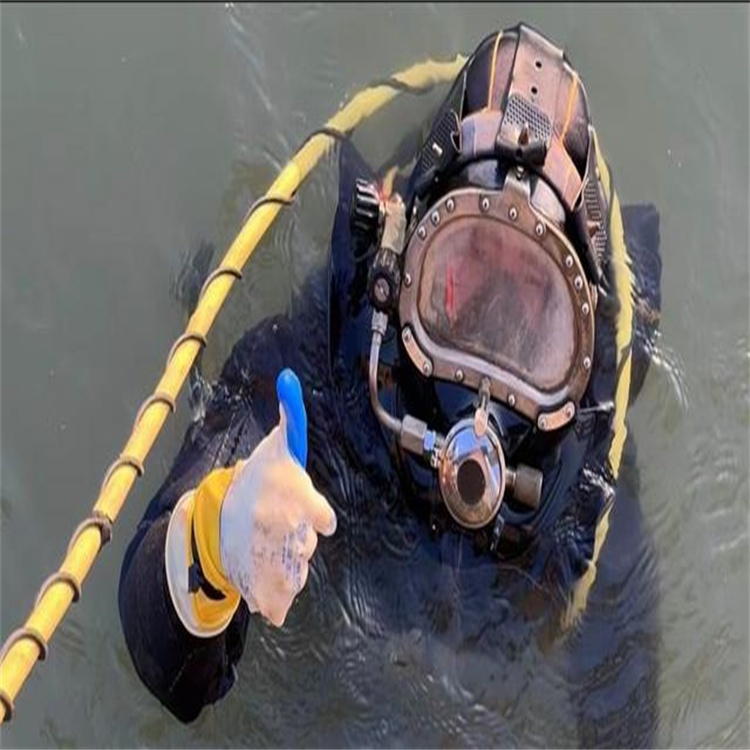
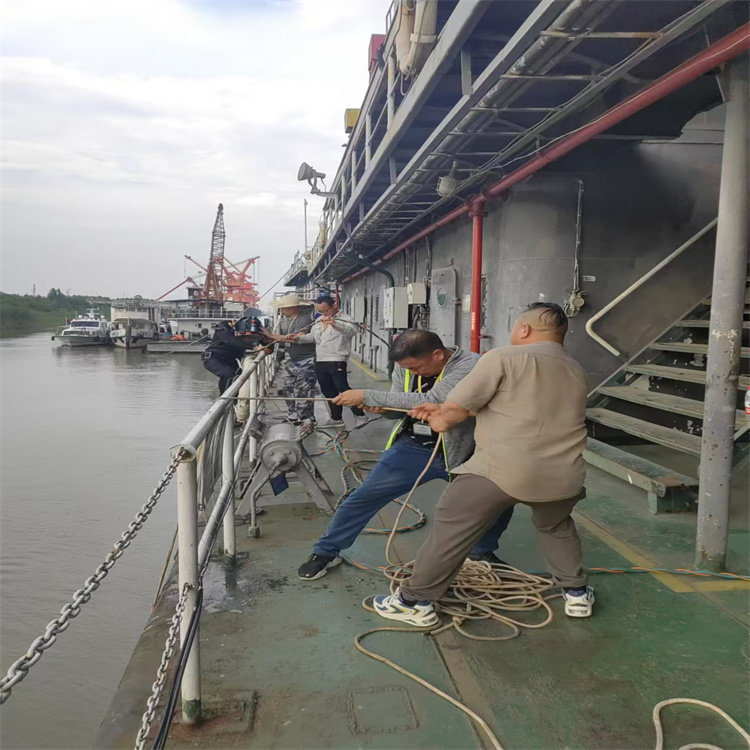






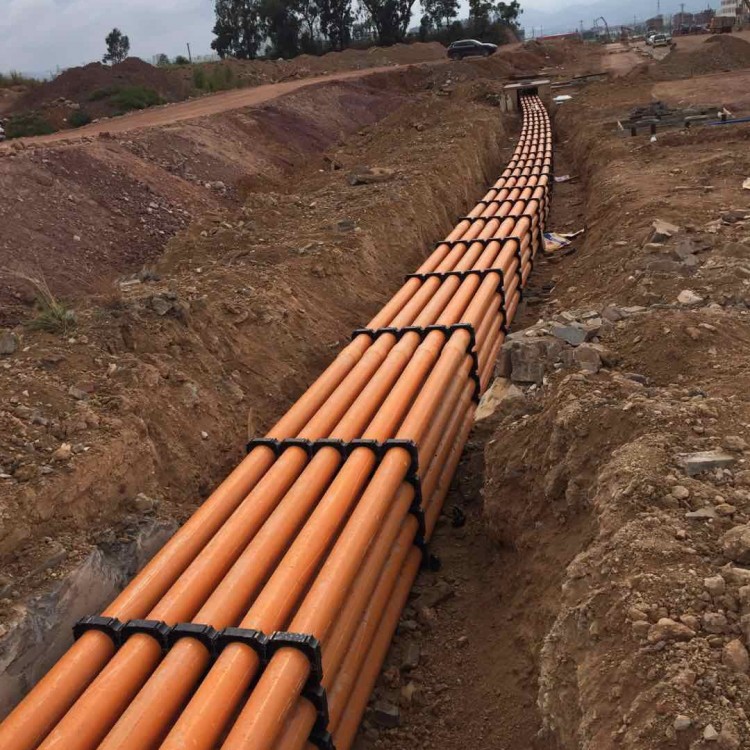

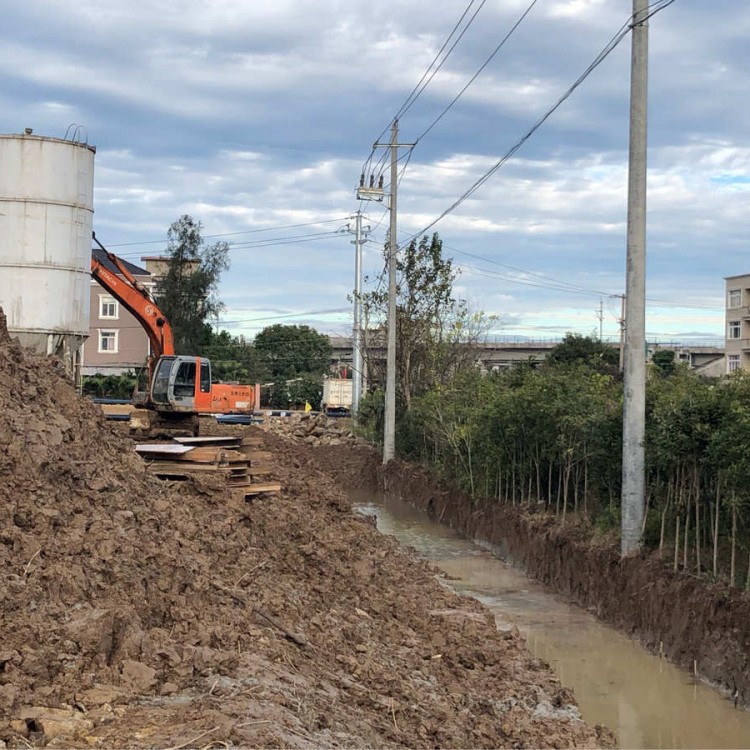

Non-invasive pipeline laying is an advanced underground pipeline construction technique.
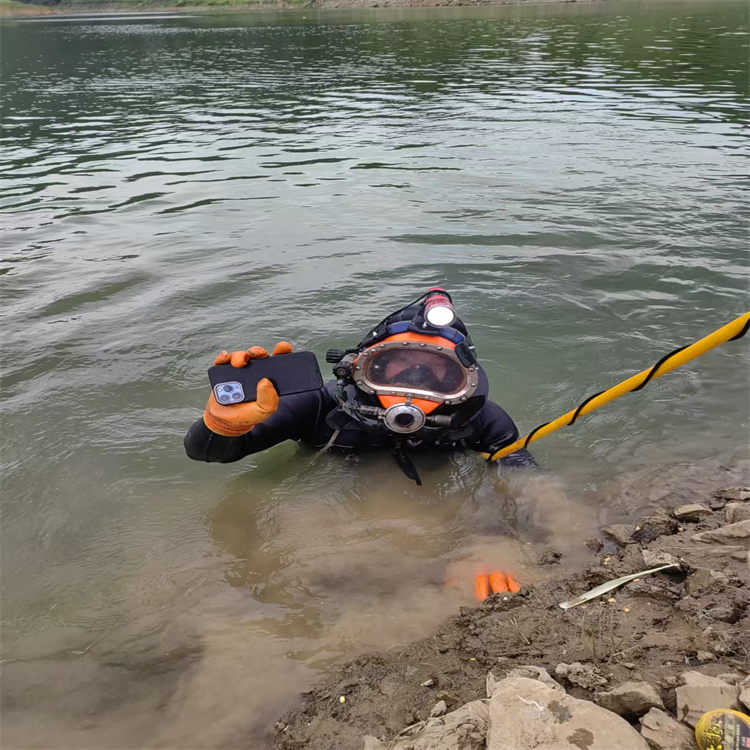
It boasts numerous advantages. Firstly, it has a minimal impact on ground traffic and the surrounding environment, requiring no extensive road excavation, thereby reducing disruption to urban traffic and residents' lives. Secondly, construction is relatively quick, which can shorten the project timeline and enhance efficiency. Furthermore, it can cross obstacles such as rivers, railways, and highways, increasing the flexibility and feasibility of pipeline installation.
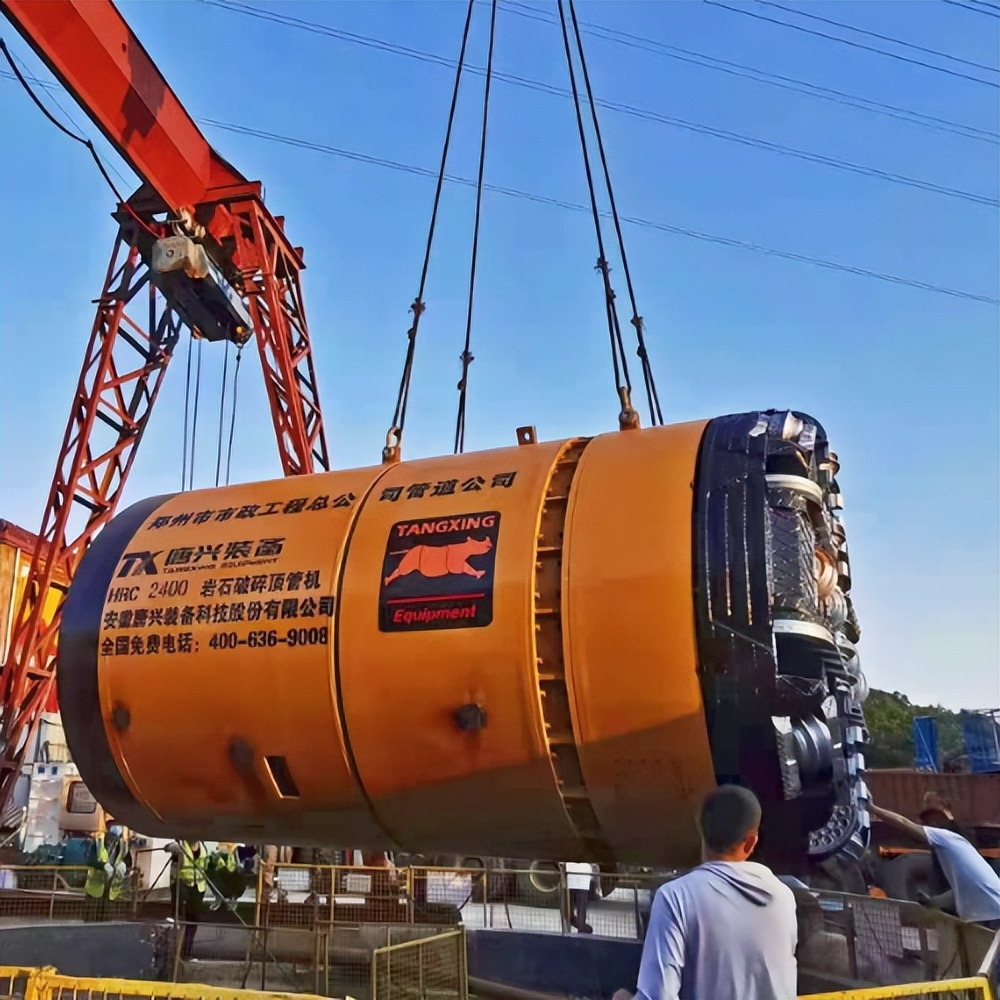
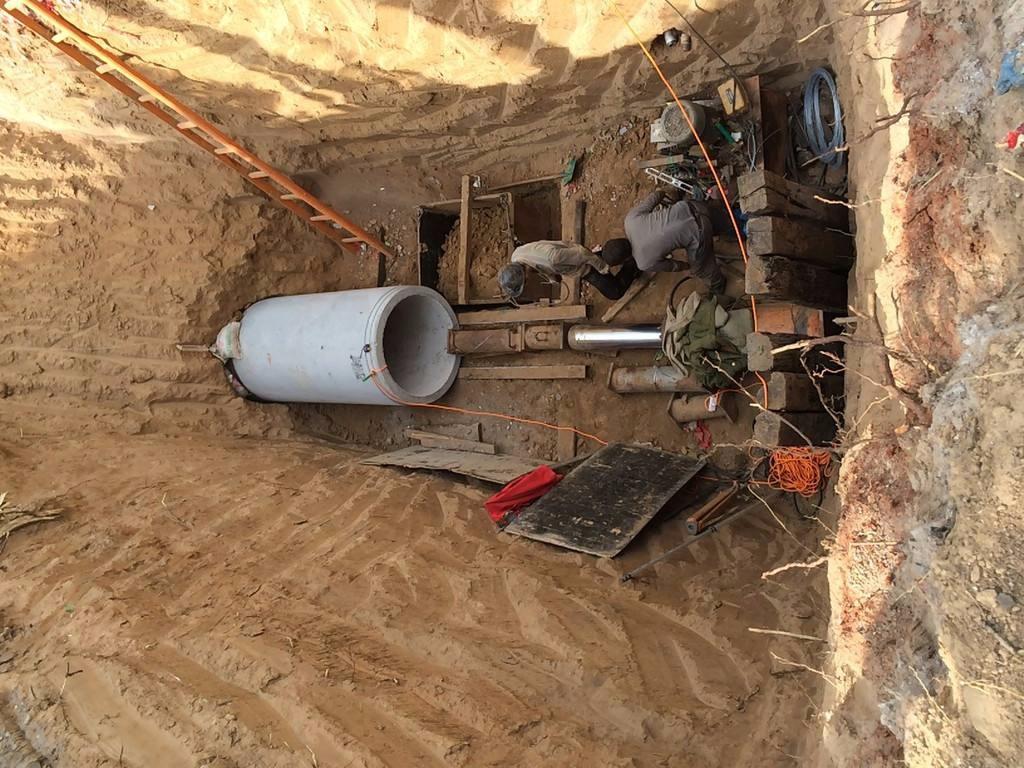
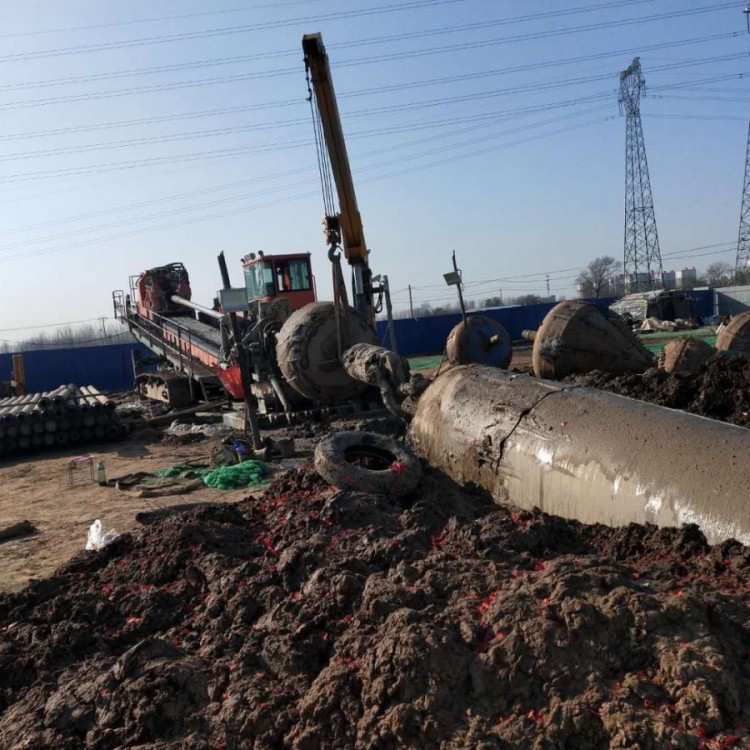
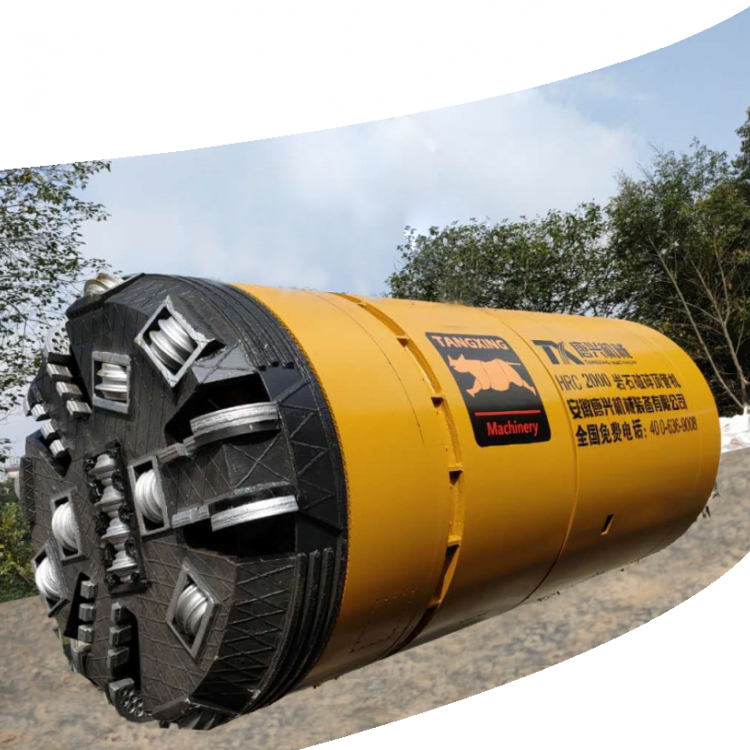
Non-invasive techniques include horizontal directional drilling, jacking methods, and more. Horizontal directional drilling completes pipeline laying through steps such as guidance boring, hole enlargement, and retraction. The jacking method uses jacks and other equipment to push the pipeline segments underground.
Non-invasive pipeline installation is widely used in urban water supply and drainage, gas, electricity, and communication fields. For instance, when updating or expanding pipelines in city center areas, non-invasive techniques can avoid extensive road excavation and traffic congestion. It also effectively protects ground buildings and landscapes when crossing special areas like ancient architectural protection zones.
In summary, trenchless pipeline laying technology plays a crucial role in modern urban construction and infrastructure maintenance, boasting a vast developmental prospect.