Electrical pipeline construction is a crucial engineering activity. Here are some key points regarding electrical pipeline construction:
Pre-construction preparation:
Planning and Design: Define the pipeline routing, layout, and connection methods, considering coordination with other infrastructure.
Material Preparation: Ensure that the required electrical piping, fittings, etc., are of high quality and meet relevant standards.
On-Site Survey: Understand the geological, topographical, and surrounding environmental conditions of the construction area.
Construction Process:
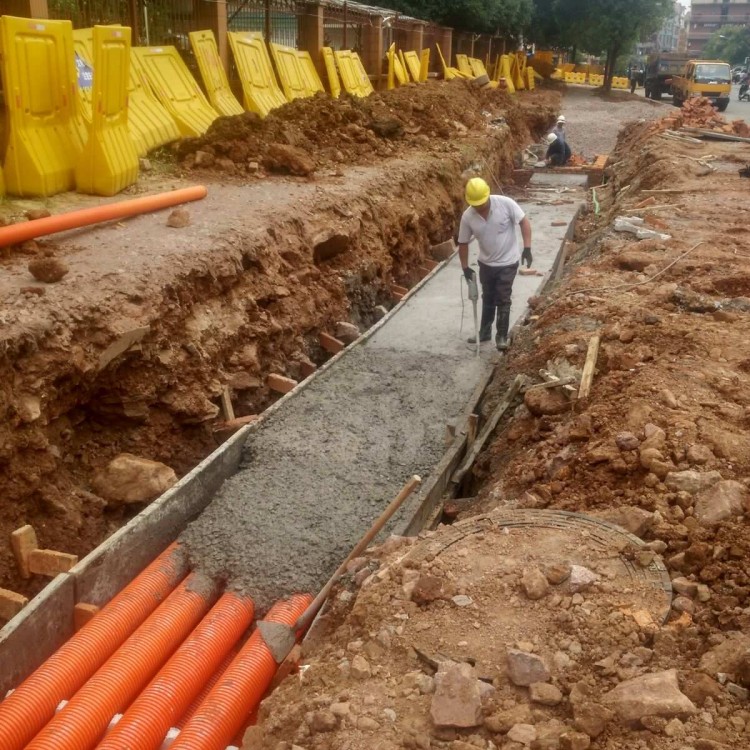
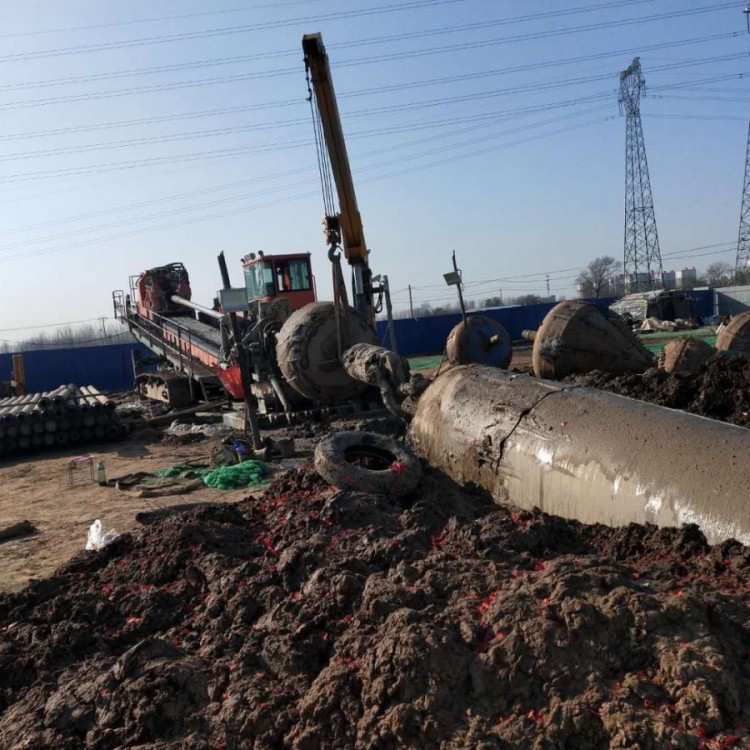
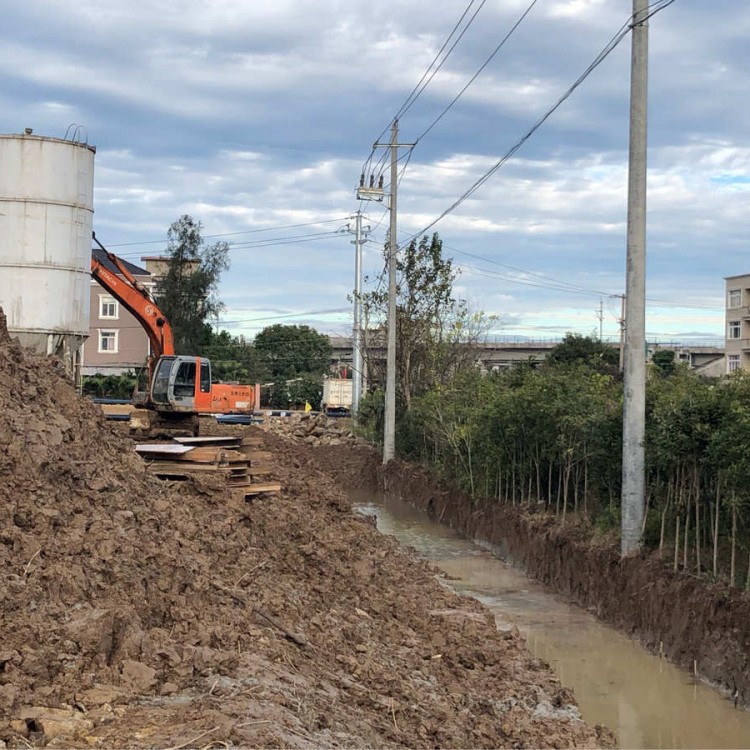
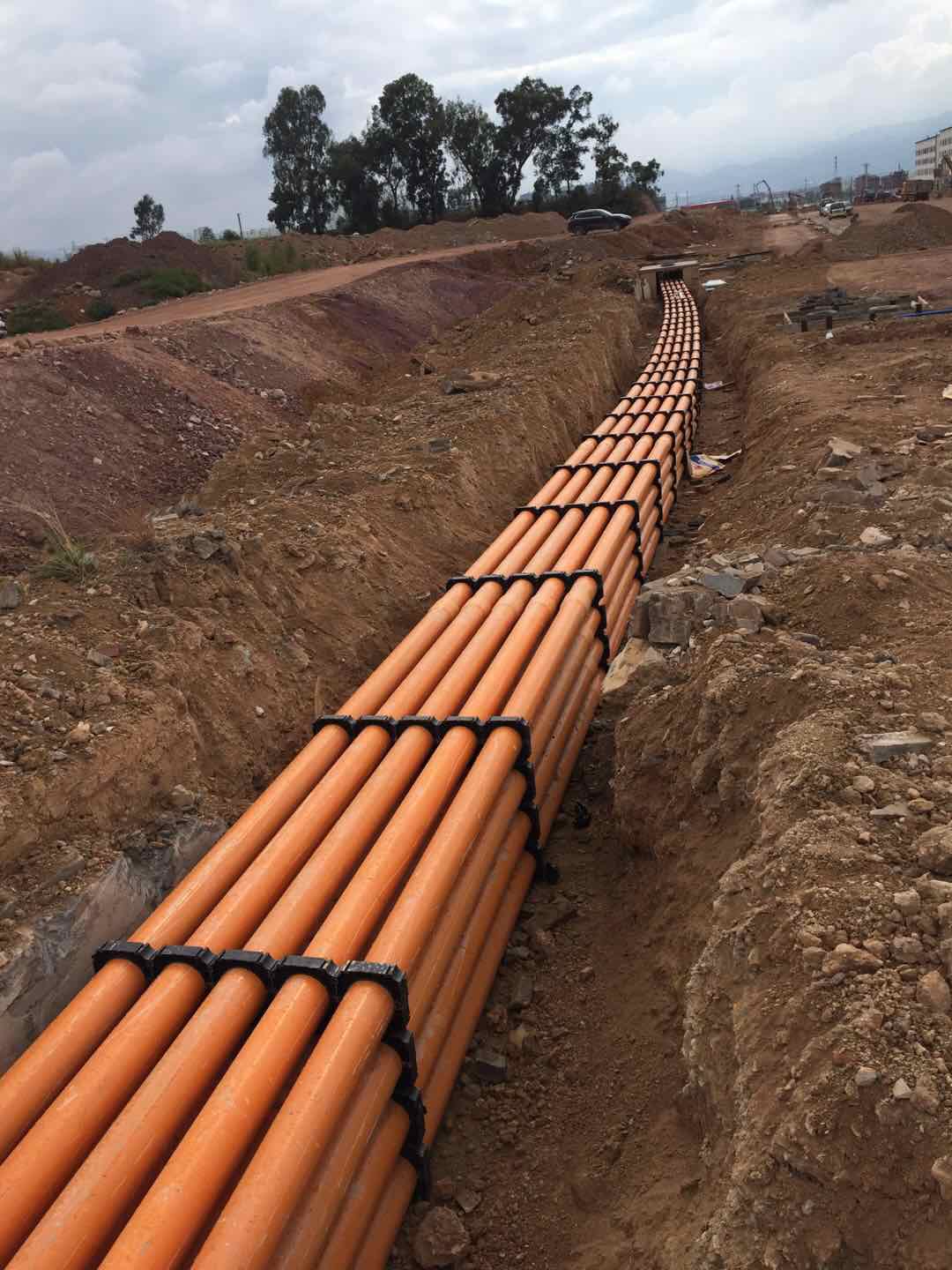
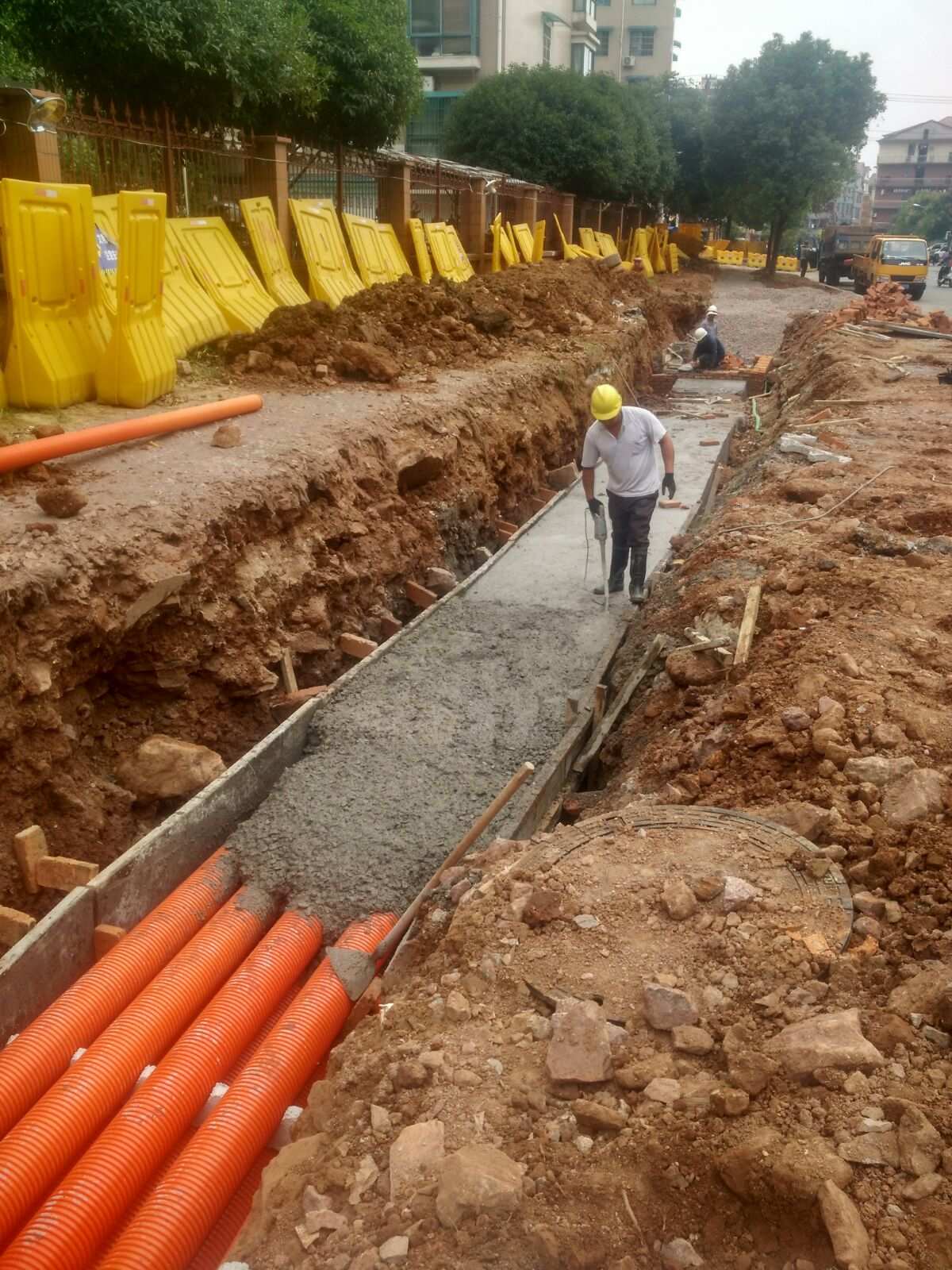
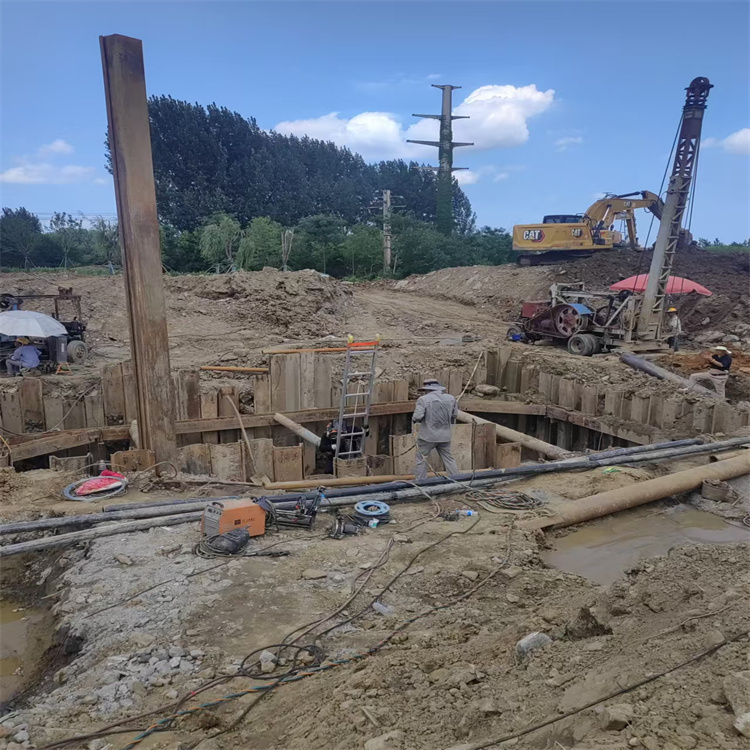
Trench Excavation: Excavate pipeline trenches according to design specifications, ensuring safety and stability.
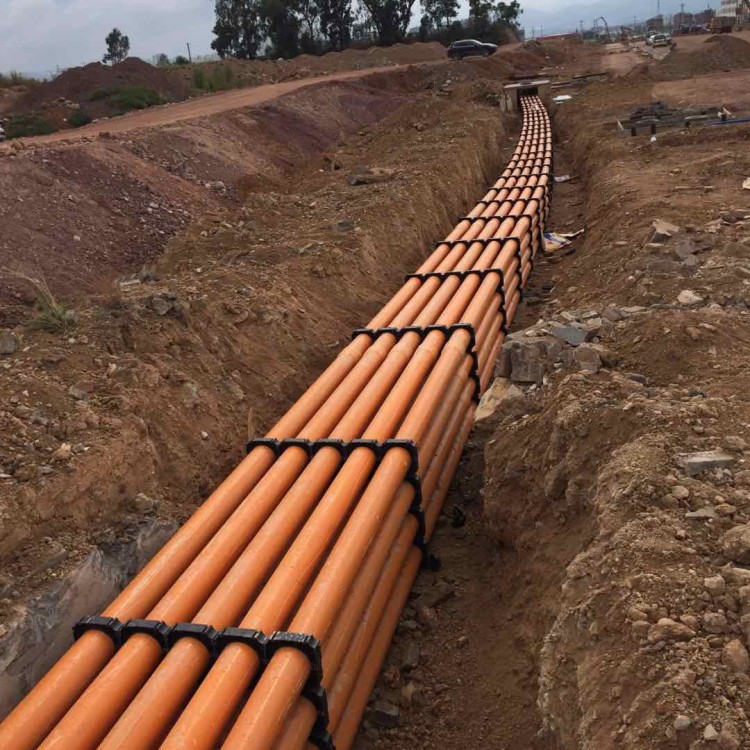
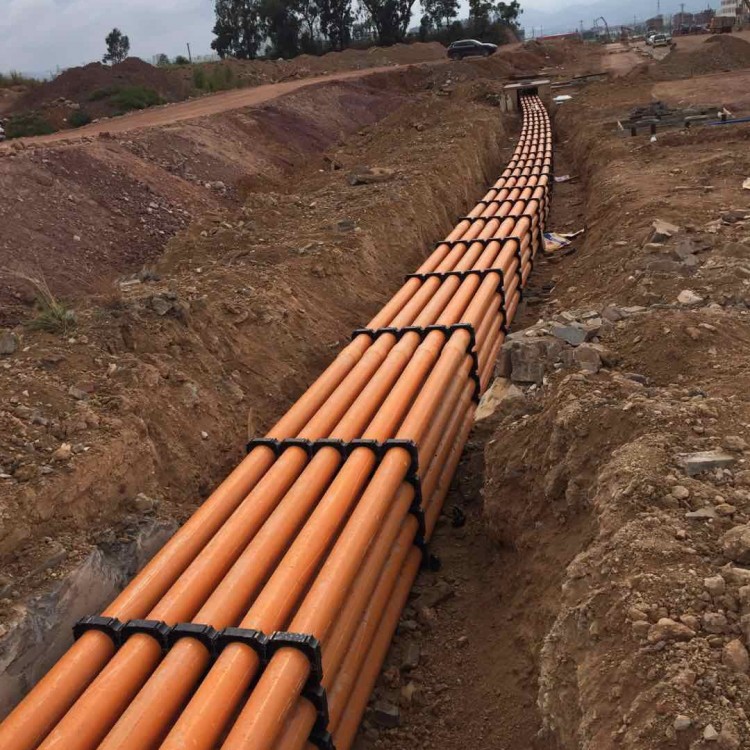
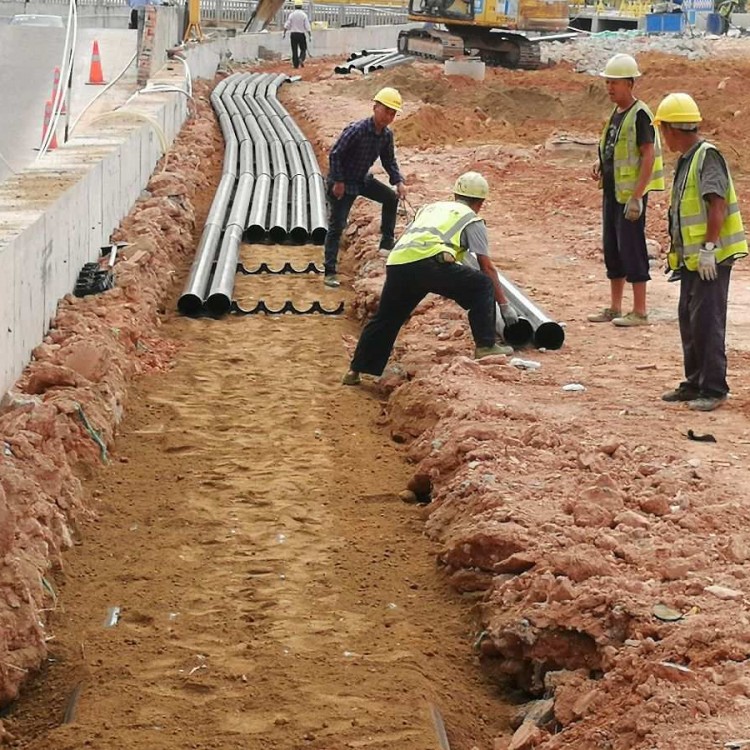
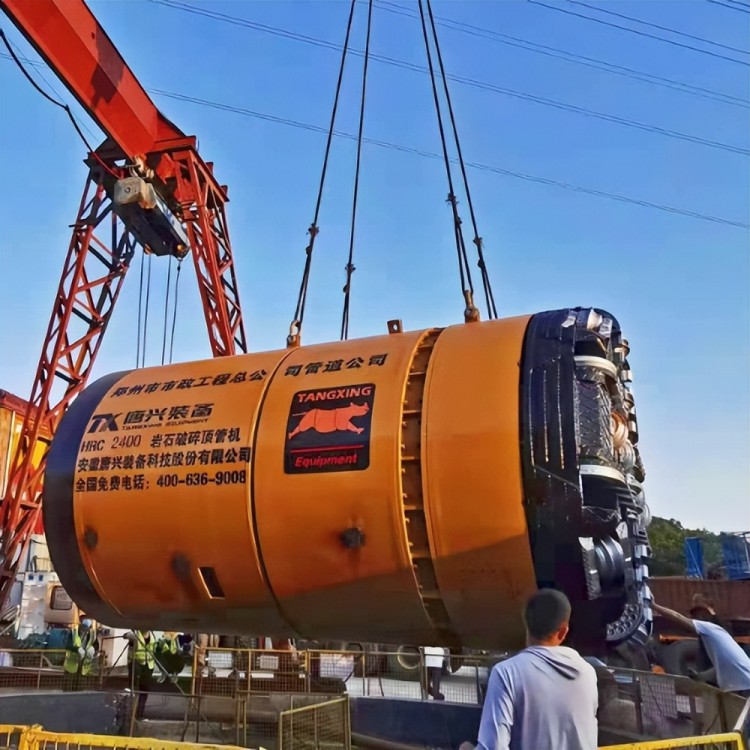
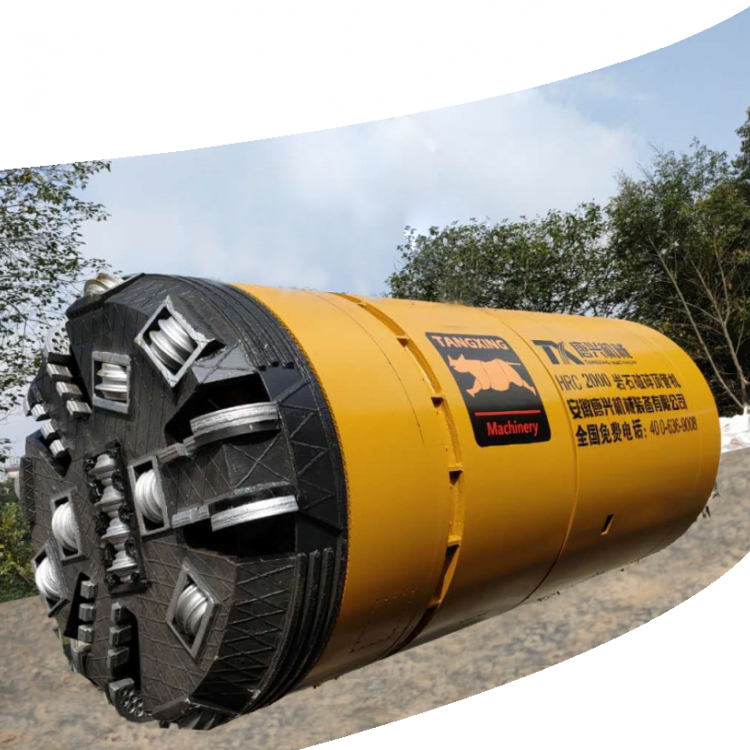
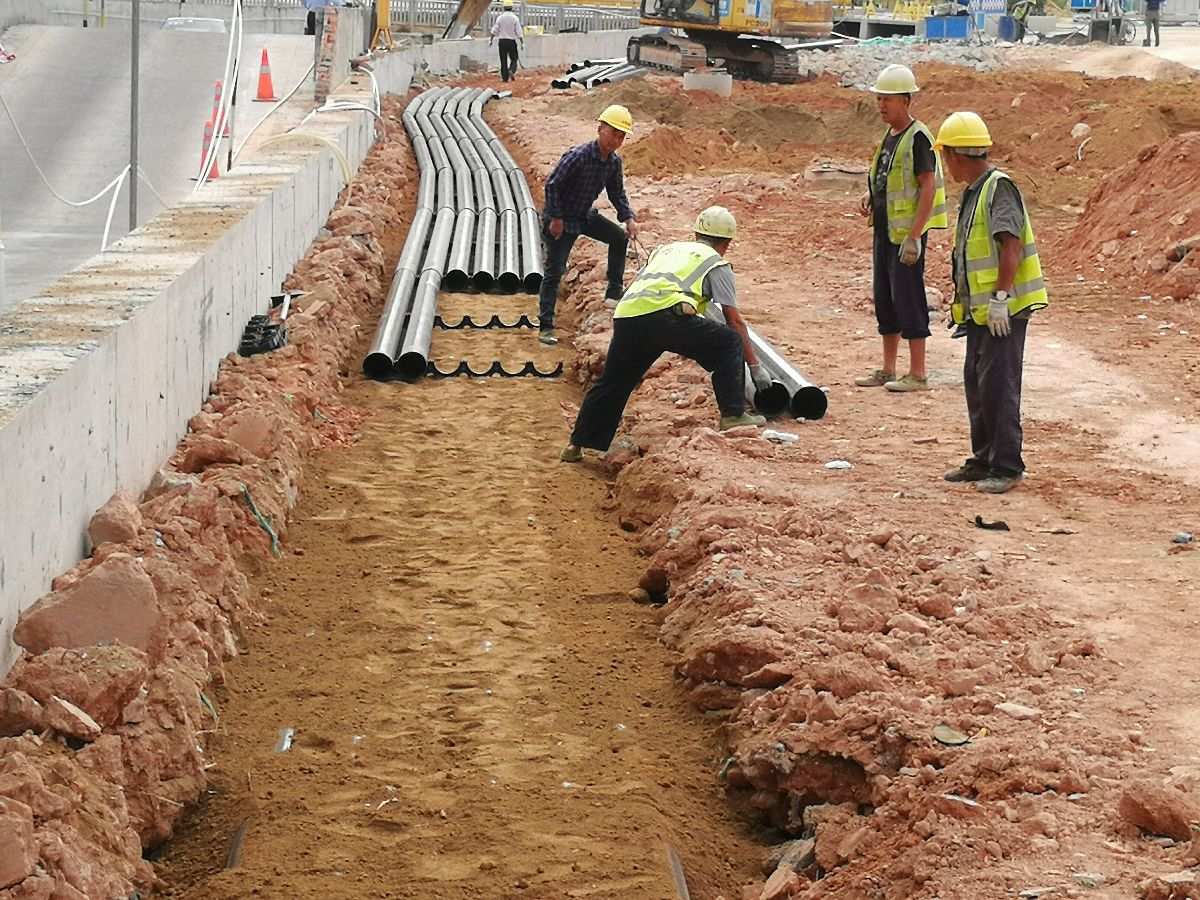
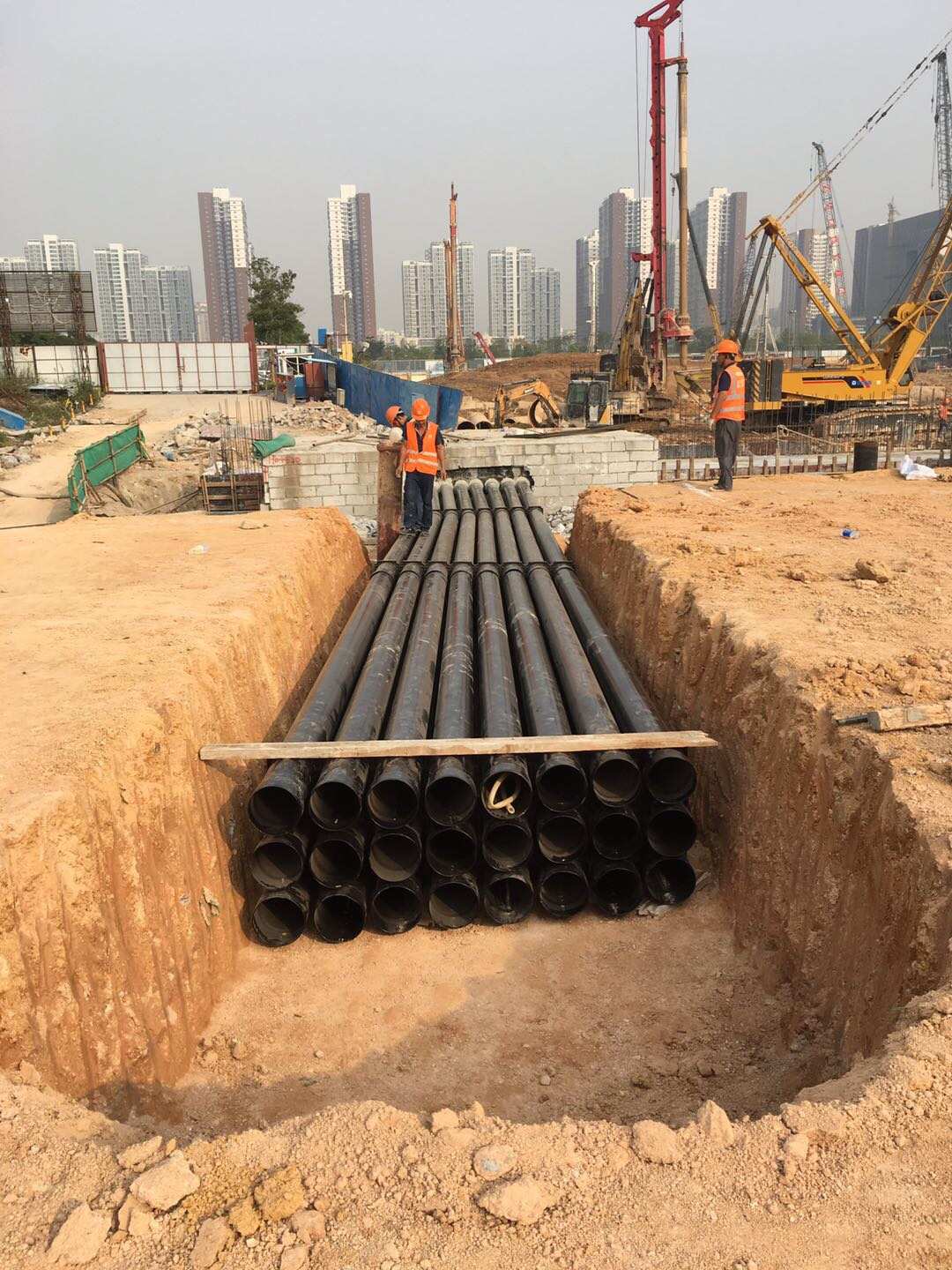
Pipe Laying: Carefully place electrical pipes into the trench, ensuring tight connections.
Pipe Connection and Fixation: Employ appropriate methods to connect pipes and ensure secure fixation to prevent movement.
Protection Measures: Perform necessary anti-corrosion and waterproofing treatments on the pipeline.
Quality Control:
Operate strictly in accordance with construction specifications and standards.
Conduct periodic quality inspections and acceptances.
Pay close attention to critical areas such as welding and connections.
Safety Precautions:
Warning signs are set up at the construction site to ensure personnel and equipment safety.
Conduct safety training for construction personnel.
Ensure electrical safety to prevent accidents such as electric shocks.
For instance, when constructing electrical pipeline projects on urban roads, coordination with the traffic department is essential to schedule construction times and areas appropriately, minimizing disruption to traffic. Additionally, when laying long-distance electrical pipelines, elevation and gradient control is necessary to ensure smooth and stable power transmission.