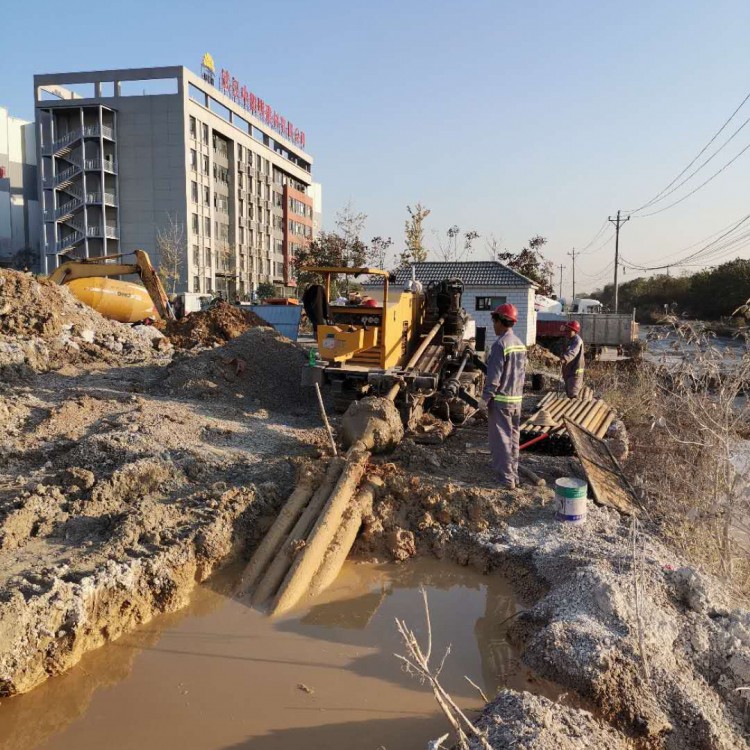
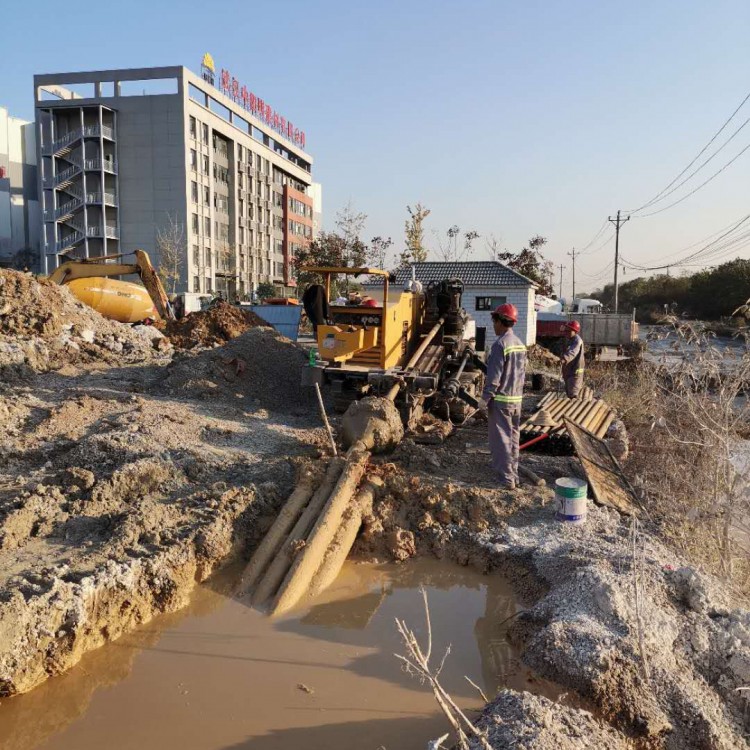
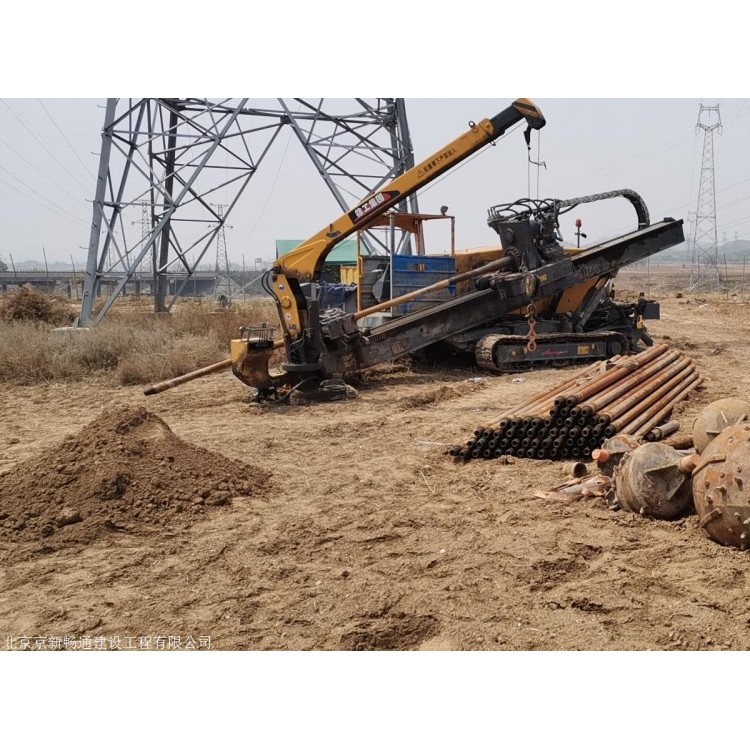
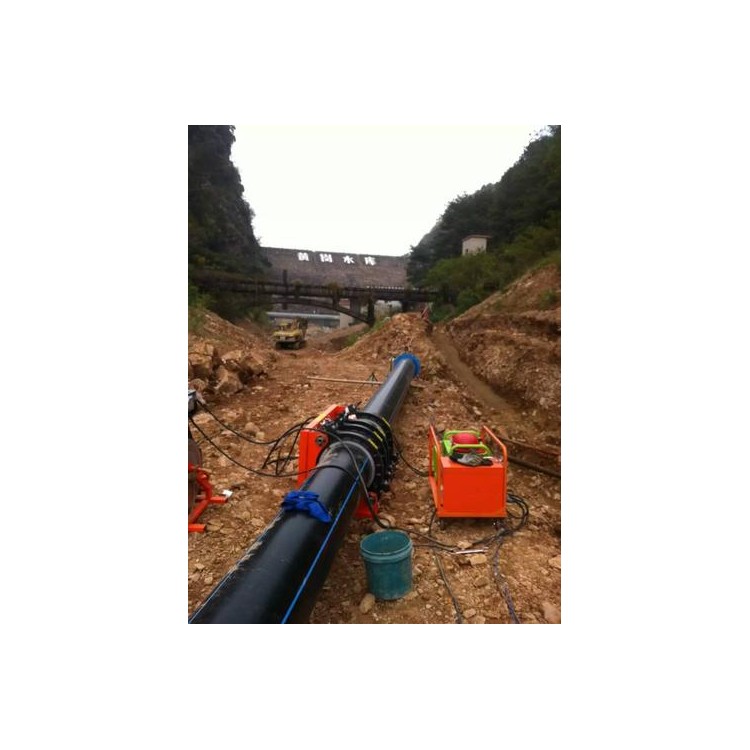
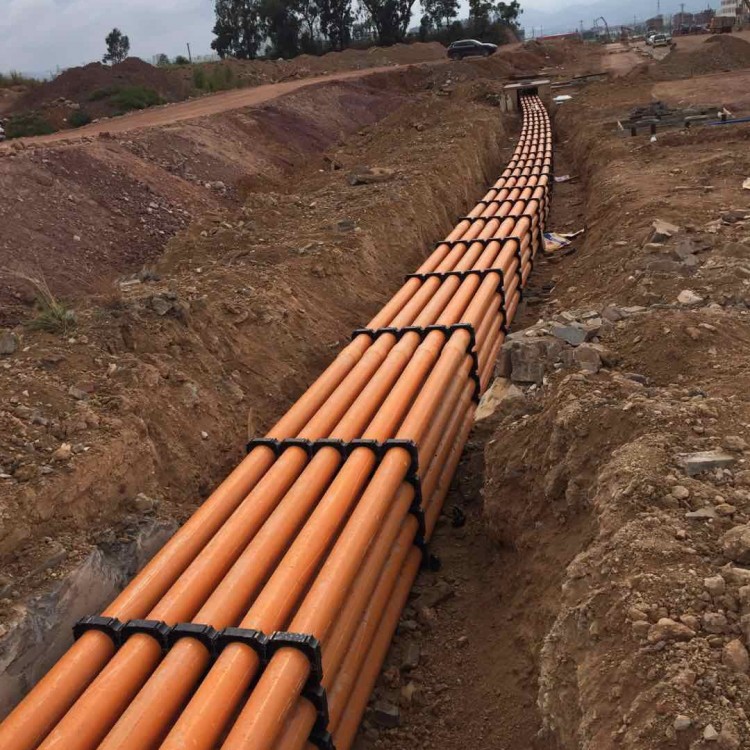
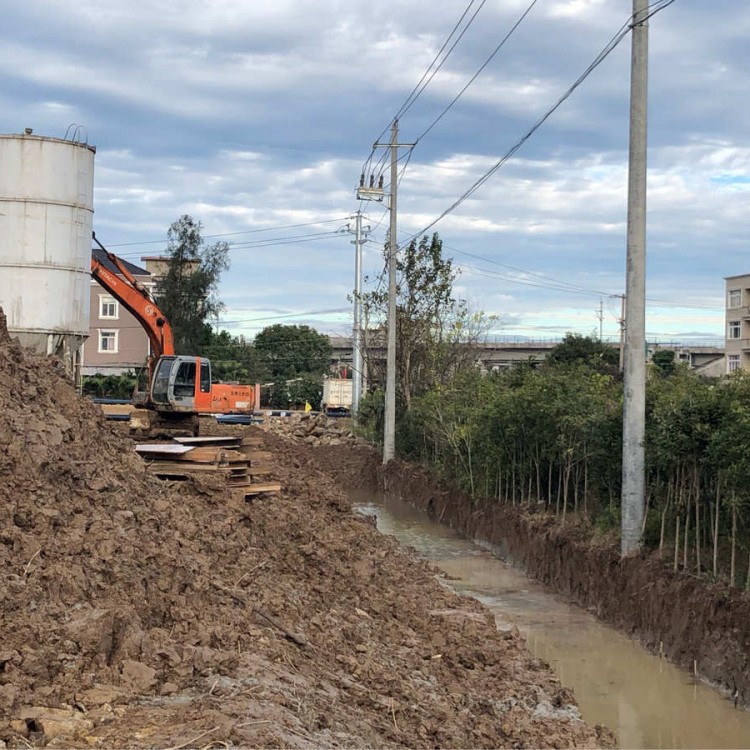
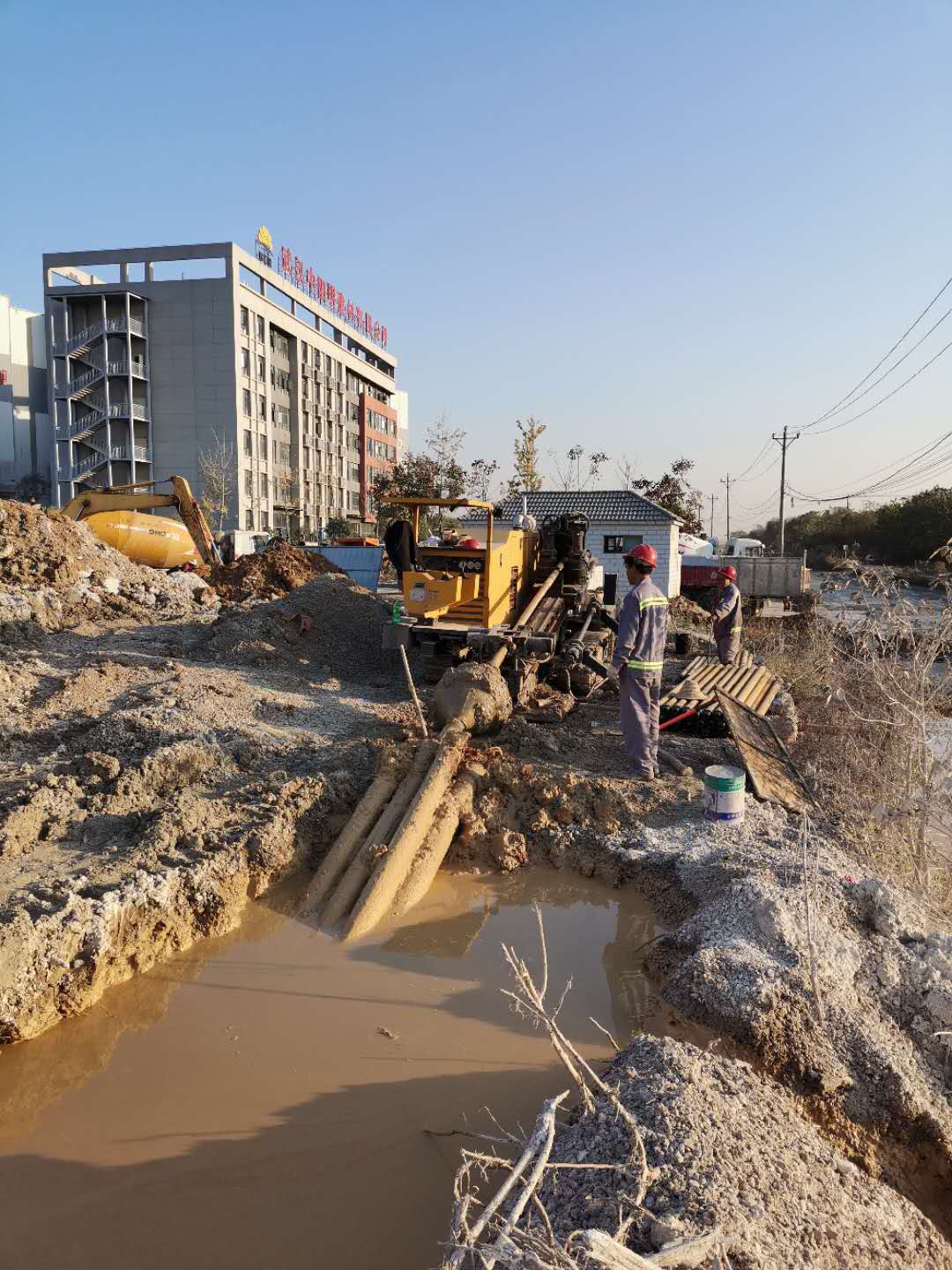
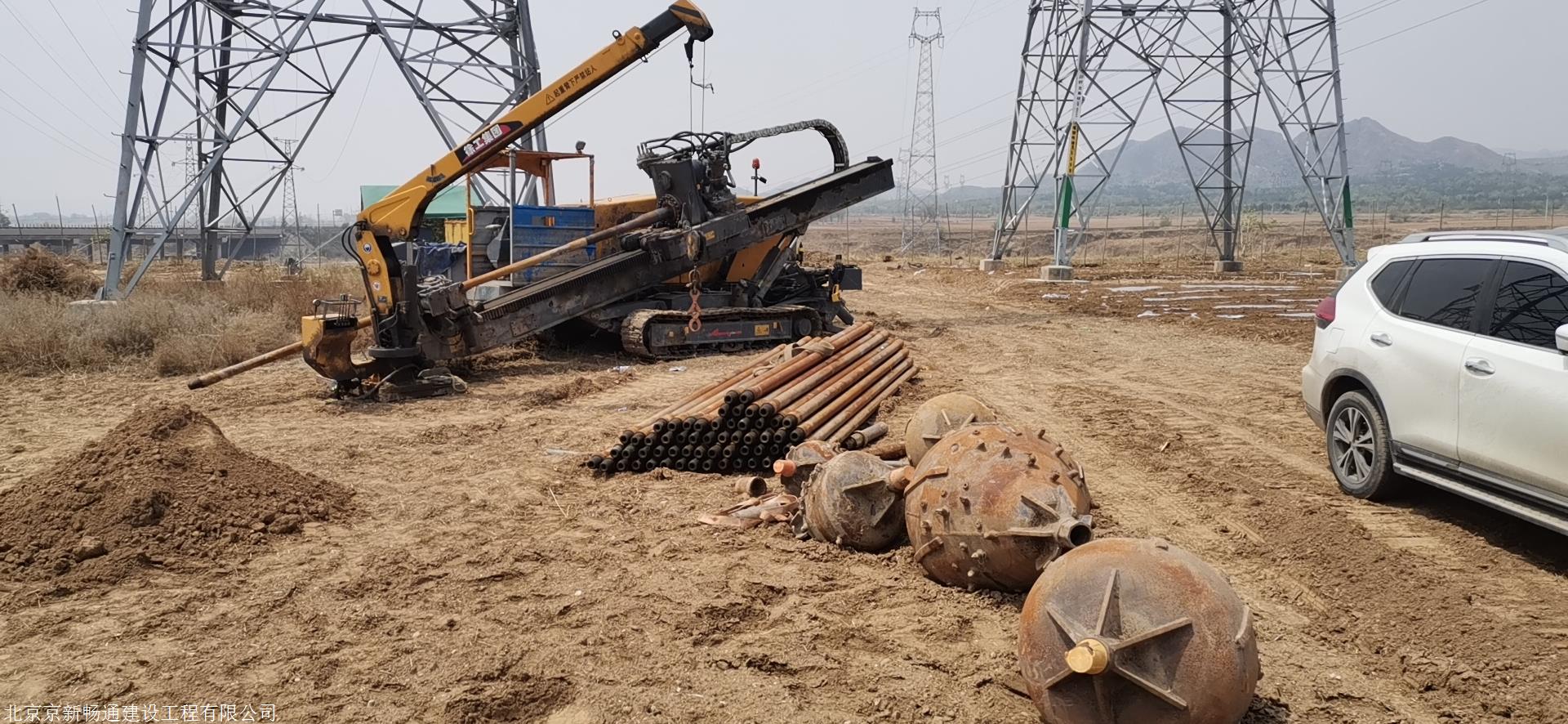
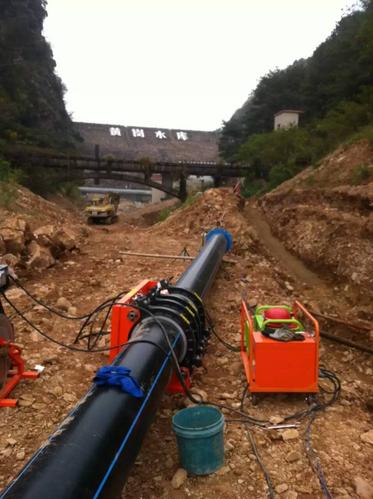
Non-invasive pipeline construction is a technique for laying, repairing, or replacing underground pipelines without excavation or with minimal surface disturbance.
Some features and advantages of trenchless pipeline construction:
Reduce environmental and traffic impactMinimized large-scale excavation work, reduced destruction to roads, buildings, and surrounding environments, and lessened traffic disruption caused by construction.
Cost-savingCompared to traditional excavation construction, it can reduce costs for earthwork and road restoration.
Shorten the project timelineNo extensive road excavation and restoration process required, significantly speeding up construction progress.
Wide range of applicationsSuitable for various geological conditions and pipeline types.
Common trenchless pipeline construction methods include:
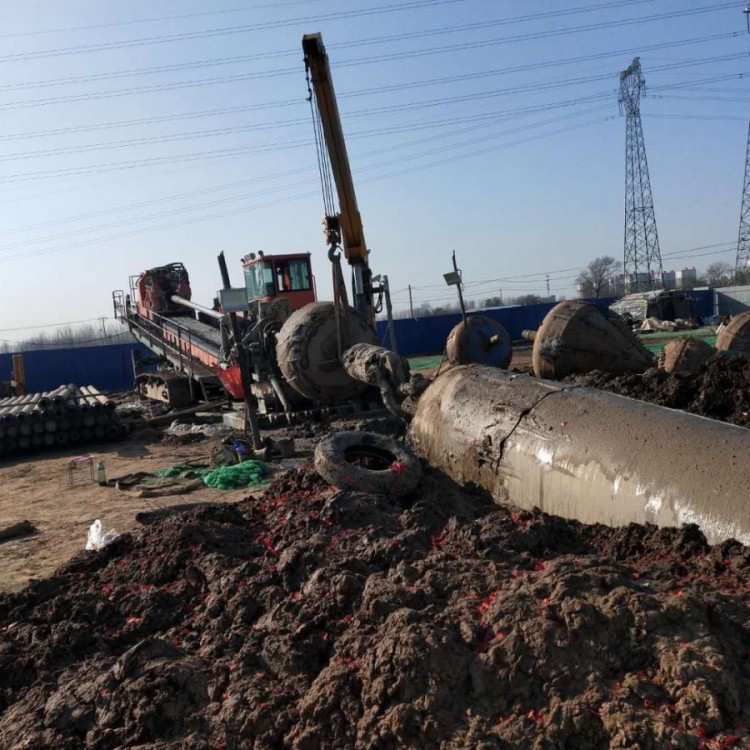
Horizontal directional drillingPipe laying is achieved by guided drilling and hole enlargement, following the designed route.
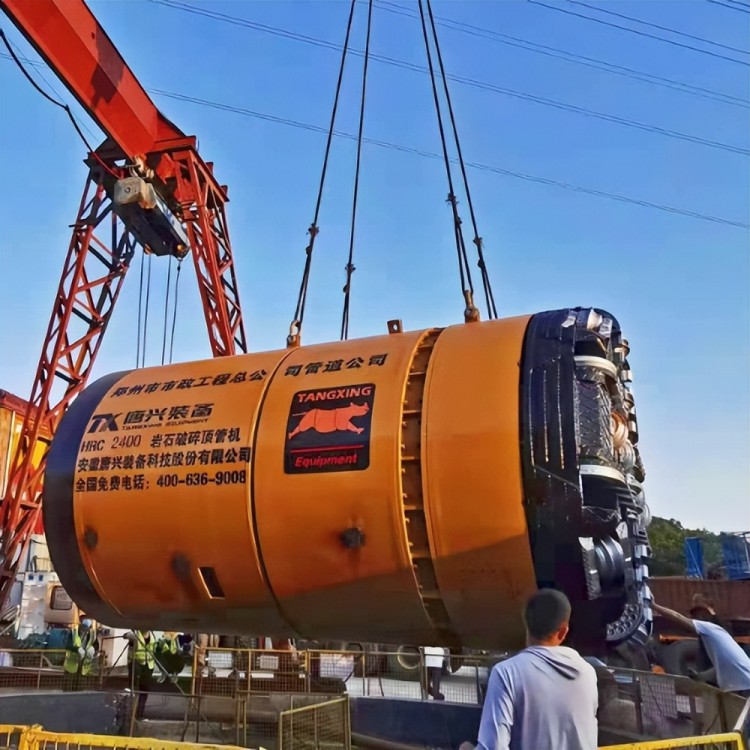
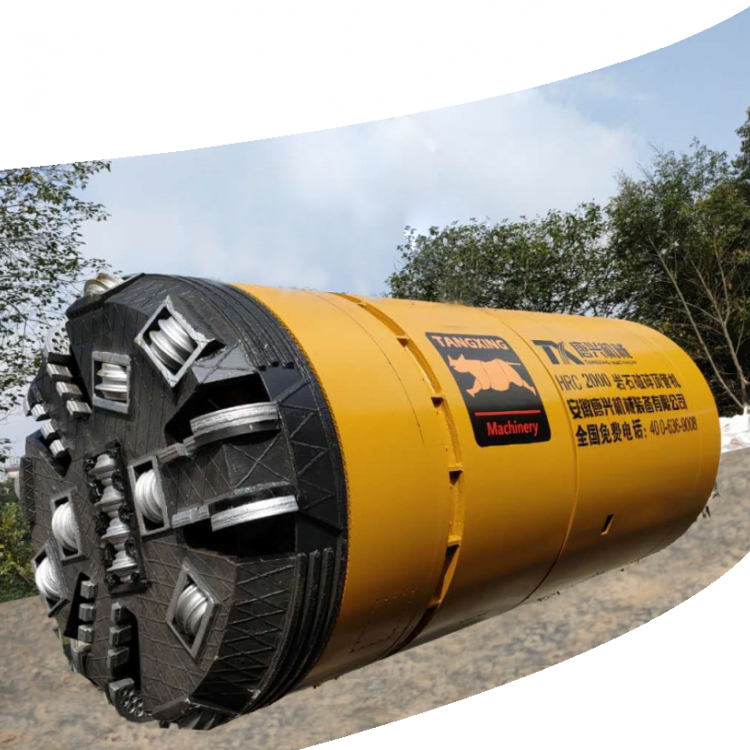
Direct pipe jacking methodUtilize jacking equipment to gradually push the pipeline underground.
Micro-tunneling MethodFor laying smaller diameter pipelines.
For example, when updating pipelines in urban central areas, non-destructive construction methods can significantly minimize the impact on commercial and residential districts. Similarly, when crossing rivers, railways, and other special locations, trenchless technology can effectively address the challenges faced by traditional construction methods.