




















Advantages of Learning Masonry Skills:
1. No cultural requirements (even those with primary school education can learn). Learning to install decoration and renovation work does not demand a high level of education; a middle or primary school education is sufficient.
2. No age restrictions. Individuals aged 16 to 60 are eligible. The wages for bricklayers are relatively generous. As a skilled tradesperson, the older one gets, the more valuable they become, and future compensation is expected to be even more favorable.
3. Decorative construction workers earn high wages. While the job can be a bit tiring, the average daily salary for bricklayers is now around 300 to 400 yuan, with some in first-tier cities earning up to 500 to 600 yuan per day. Thus, bricklaying is considered a lucrative profession.
4. One person can handle the entire masonry and tile laying project for the entire suite, earning more money.
Teaching Method:Each morning from 9:00 to 10:30, a professional bricklayer instructor teaches theoretical classes, teaching students construction methods and techniques. From 10:30 to 5:30 PM, students engage in hands-on practice, with instructors guiding them through the process, sharing field construction experience and skills.
Learning Time:1 month. (For those with lower learning abilities, if you haven't mastered it after 1 month, you can learn for free indefinitely until you do.)
Accommodation Arrangement:Accommodation is free, as well as electricity and water charges, or any other fees. The school provides free blankets. A set of tools, work clothes, a work bag, and a set of textbooks are provided free of charge.
Work Schedule:Ages 16 to 58 are eligible for employment, with work arrangements guaranteed. Salaries typically range from 10,000 to 12,000 after the probation period.
Class Start Time:Enroll monthly, with classes starting on the 1st and 16th of each month. Also, walk-in learning is available.
Lifestyle Arrangements:The school has a cafeteria where students purchase meals with tickets.
Certificates Available:Carpenter Technical Training Certificate
Masonry apprentice curriculum:
1: Basic Knowledge of Home Decorative Tilework; Understanding Home Tilework Construction; Common Data in Home Tilework Construction.
Step-by-step tool usage guide; How to use manual tools; How to use electrician tools. Operating instructions for cutters, the use of a line hammer, the use of an infrared level, operation of tile pusher blades, and how to use a level.
Step-by-step guide on using tools; the right choice of cement; the right choice of sand; the right choice of lime; the right choice of tiles; the right choice of grout; the right choice of spray materials. Aesthetic grouting methods and techniques for floor tiles.
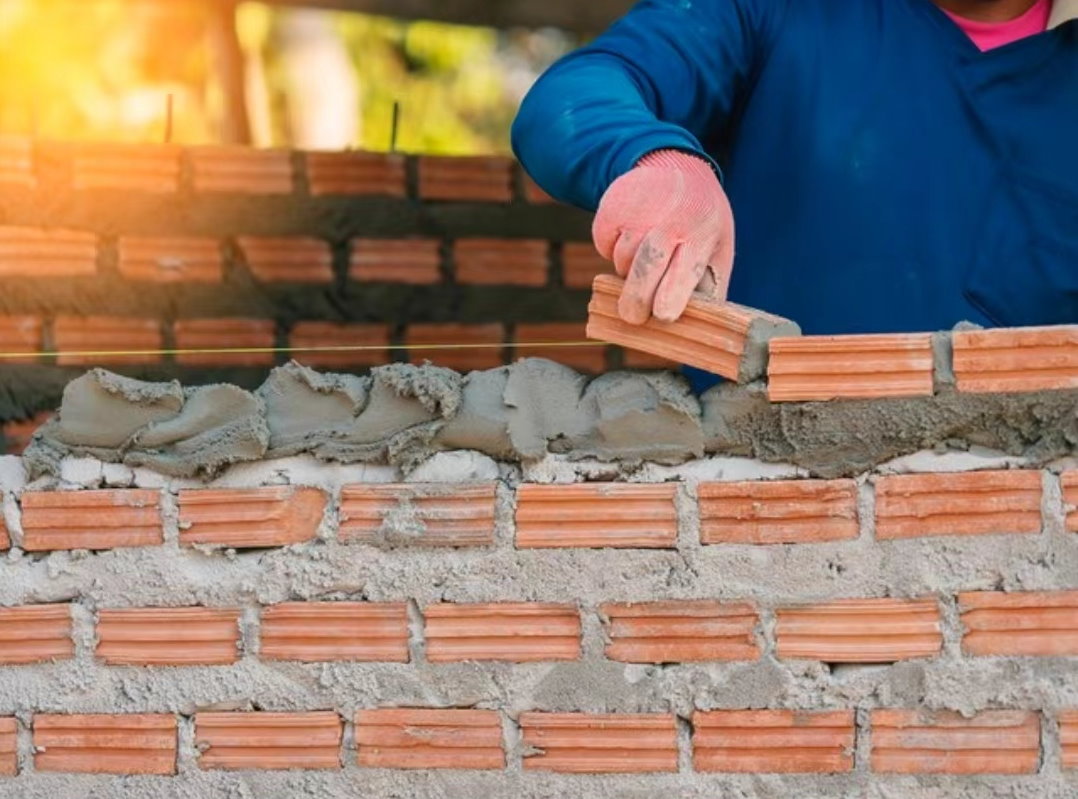
4: Step-by-step guide to masonry construction; Selection of common masonry methods; How to build brick walls; How to build rubble stone walls; Wrapping water pipes with red bricks.
5: Learn hands-on how to apply waterproof plaster; teach you how to do waterproof plastering in the bathroom; teach you how to do waterproof plastering in the kitchen; teach you how to do waterproof plastering on the balcony.
6: Step-by-step guide to decorative plastering; Overview of plastering projects; How to perform general plastering; How to do ceiling plastering; How to do interior wall plastering; How to do floor plastering; How to do exterior wall plastering.
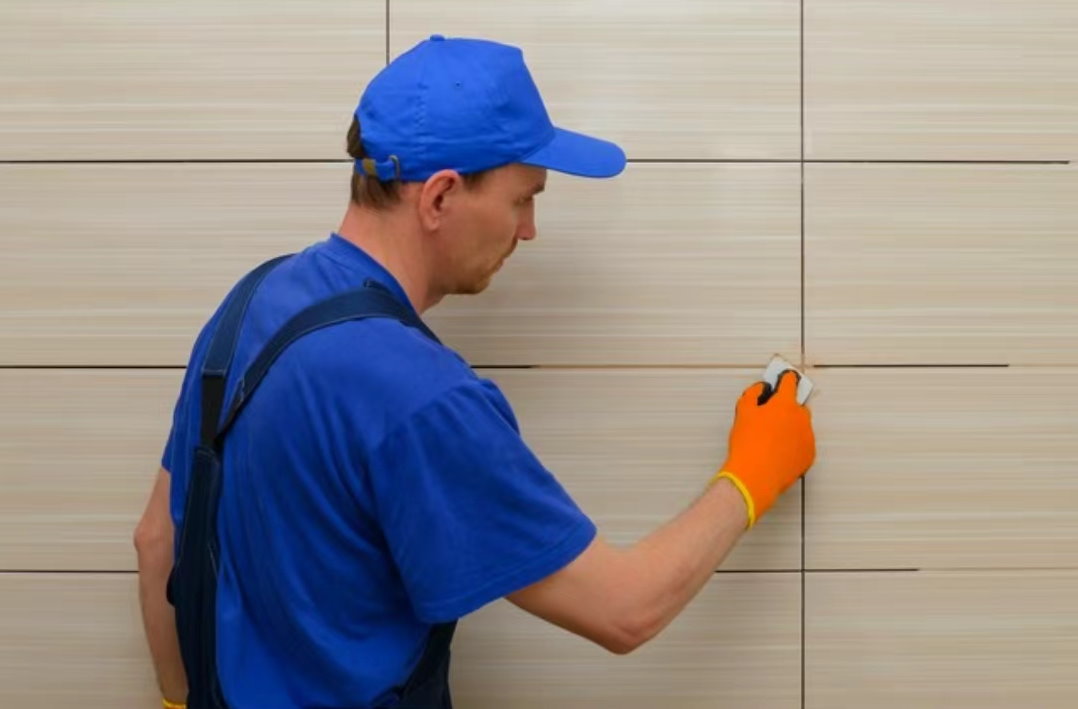
Step-by-step guide to tile installation; detailed instructions on tile application; learn how to lay floor tiles; learn how to lay wall tiles; learn how to install mosaic tiles. Techniques and methods for installing tiles in sizes of 15*15, 300*300, 300*450, 300*600, 600*600, 800*800, polished tiles, vitrified tiles, matte tiles, antique tiles, and full porcelain semi-porcelain tiles.
8: Hands-on Tutorial: How to Install Decorative Panels; Common Methods for Decorative Panel Installation; Guide to Installing Wooden Decorative Panels; Guide to Installing Metal Decorative Panels; Guide to Installing Stone Decorative Panels; Common Issues in Decorative Panel Installation and Solutions.
Step-by-step guide on interpreting construction engineering drawings.
10: Step-by-step guide on how to create labor hour budget and material cost budget.