



















Educational Objectives:Develop versatile electrical technician professionals.
Learning Time:2 months.
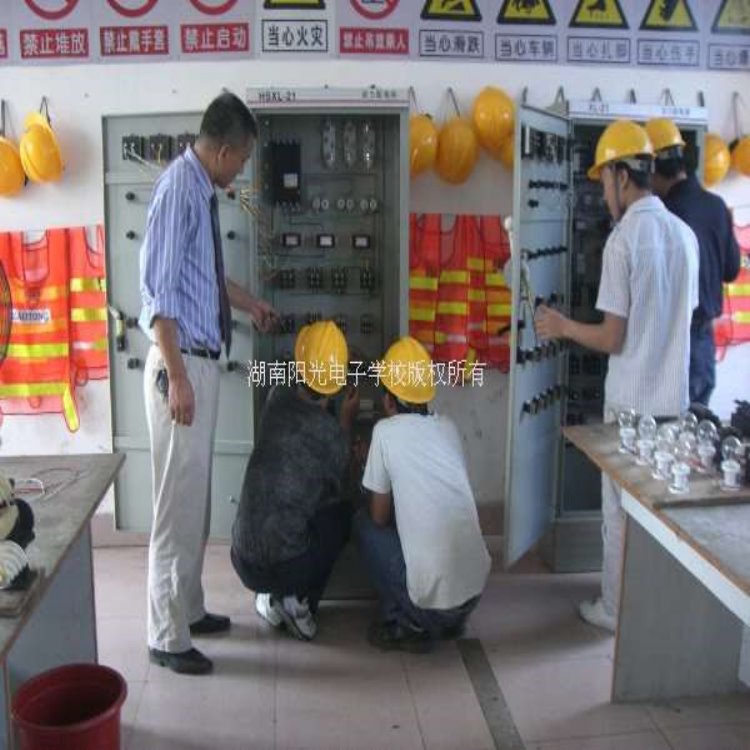
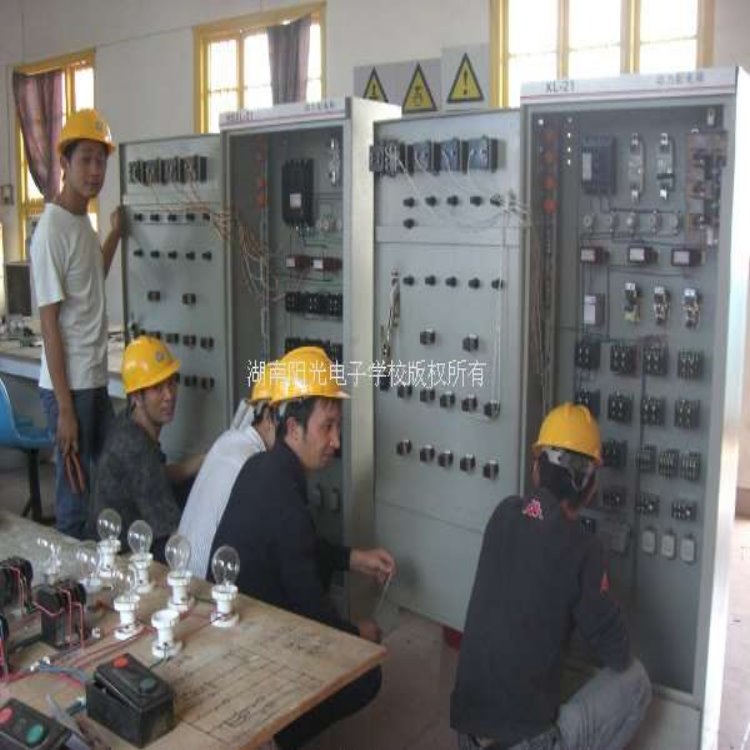
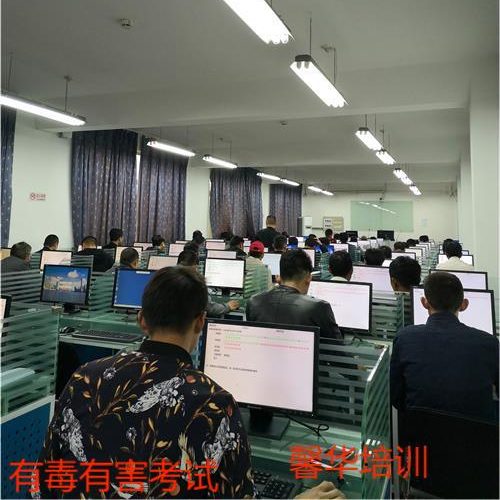
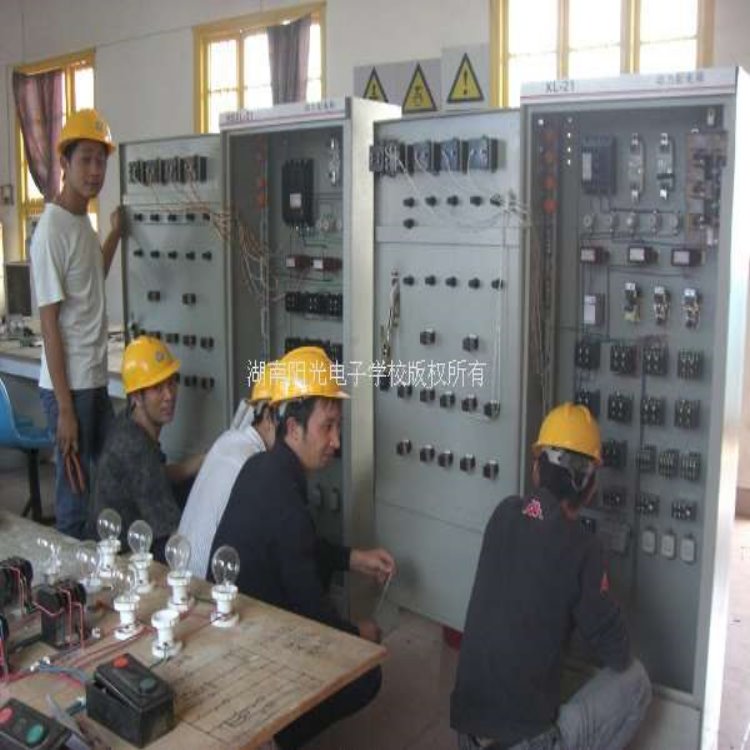
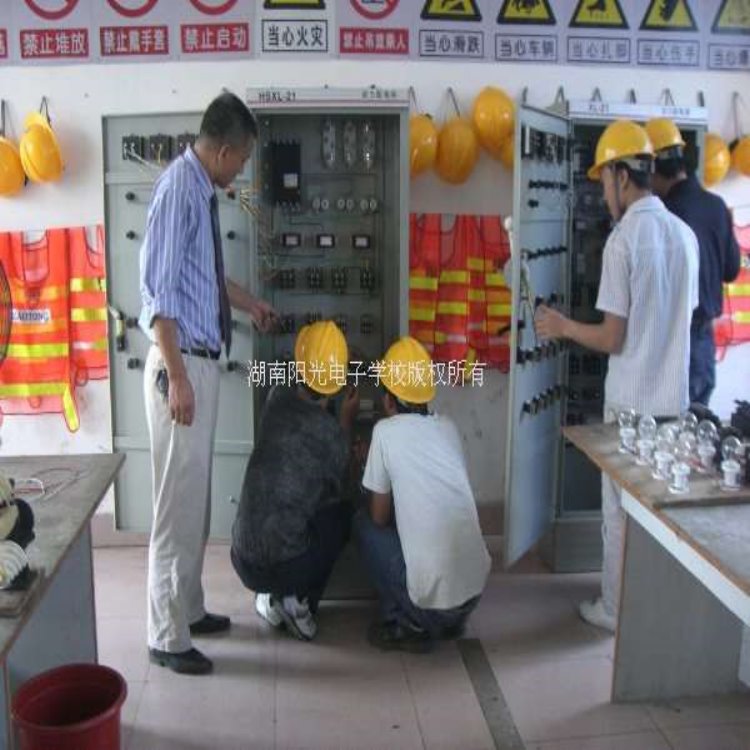
Teaching Method:Utilizing our unique "Module-Based Teaching Method," students attend classes from 8:30 AM to 11:30 AM for theory lessons daily and from 2:30 PM to 5:30 PM for practical sessions.
Class Start Time:Enroll on the 1st and 16th of each month, or attend as soon as you arrive. We offer a continuous teaching approach, where if you don't master the course in one session, you can relearn for free until you do.
Career Path:Recommend for electrical work in large enterprises and companies, as well as for refrigeration after-sales repair services. Graduates can also open their own shops, with the school providing long-term technical support.
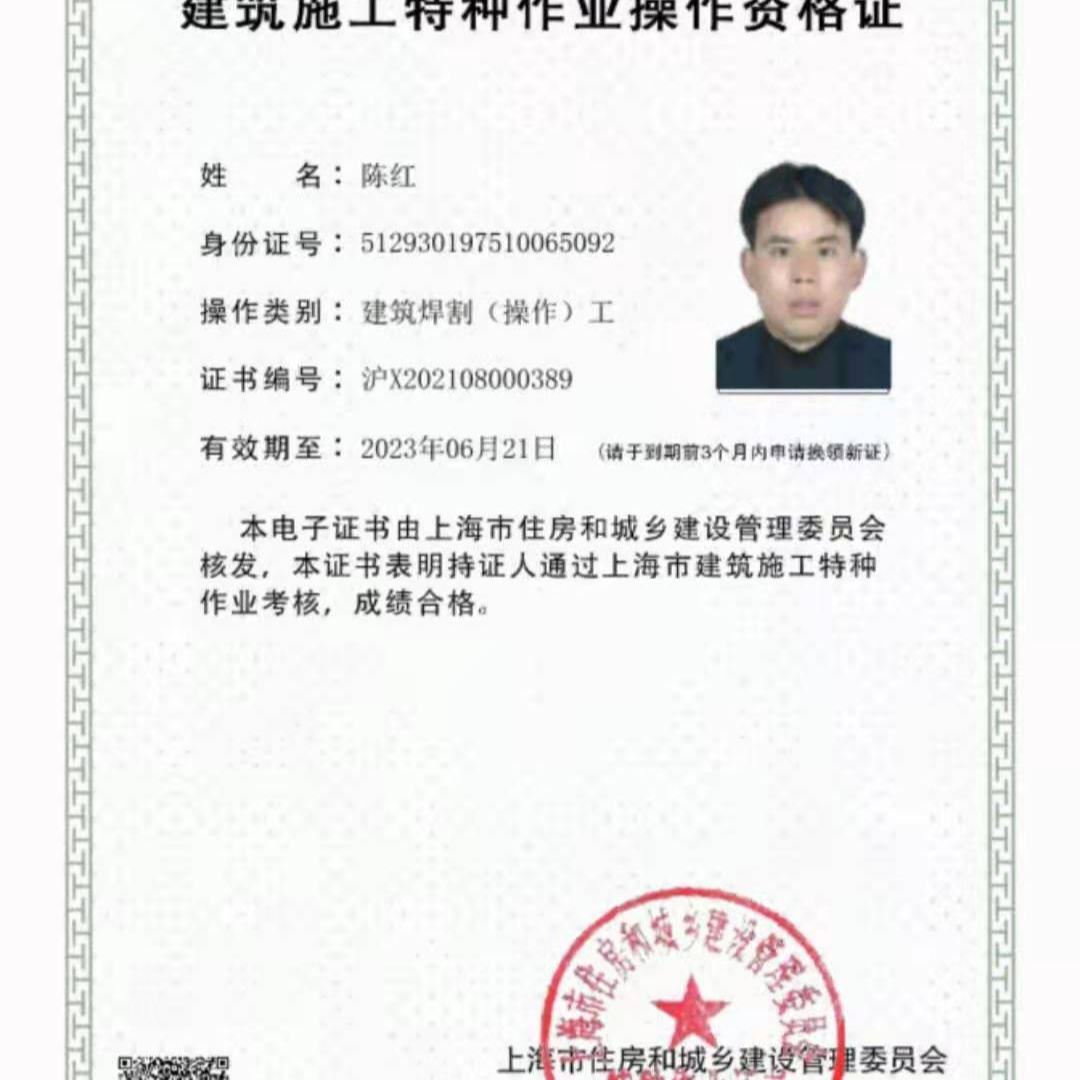
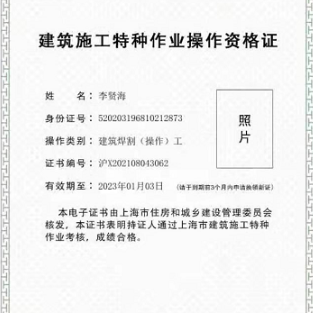
Award CertificationNational General Electric Qualification Certificate, Electrician License, nationally recognized and searchable through the national grid.
Target Recipients:Open to applicants aged 18 to 58.
Learning Content:
Basic Electrical EngineeringElectrical fundamentals, blueprint reading, multimeter usage, megohmmeter. Motor repair.
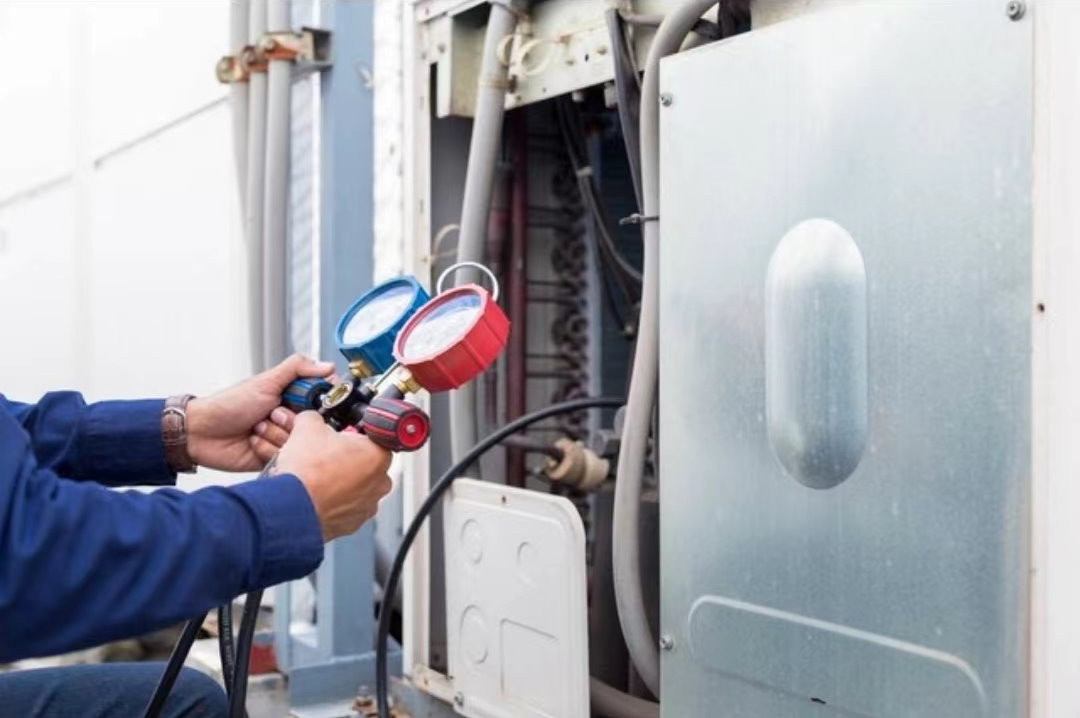
Two, Air Conditioning Refrigeration Repair Technology:Cooling Principles; Refrigerator and Air Conditioner Cooling, Circuit Principles; Welding Technique Operation, Cooling Tool Usage; Refrigerator and Air Conditioner Wiring Fault Analysis and Practical Operation; Refrigerator and Air Conditioner Cooling System Fault Analysis and Practical Operation; Home Air Conditioner Installation and Dismantling Techniques.
Three, Electrical Engineering Technology:
1. Electrical Safety Operation Techniques: Contact Voltage, Step Voltage, Protective Grounding, Repeated Grounding, and Protective Grounding to Zero. Emergency First Aid for Electric Shock and Safe Electrical Use. Proper Use of Professional Tools and Instruments.
2. Lighting Circuit Installation and Maintenance: Requirements for exposed conduit wiring technology. Specifications for exposed and concealed wiring through conduits, as well as exposed PVC槽板 wiring technology. Standards for the manufacturing and installation of distribution panel boxes, along with the working principles and installation requirements for representative lighting categories.
3. AC asynchronous motor and power transformer: Starting principle and fault diagnosis of single-phase squirrel-cage asynchronous motor. Principle and fault diagnosis of three-phase squirrel-cage asynchronous motor. Working principle and usage specifications of power transformers, voltage transformers, and current transformers.
4. Power Drive Control Wiring: Classification and Operating Principles of Main Control Devices. Air switches, AC contactors, intermediate relays, timing relays, thermal overload relays, terminal blocks. Wiring standards and construction techniques for primary and secondary circuits. Analysis of three-phase asynchronous motors. Control circuit for three-phase asynchronous motors. Liquid level water supply control circuit. Float switch water supply and drainage control circuit. Time control switch motor control circuit. Working principle and wiring methods and techniques of distribution boxes and cabinets. Circuit analysis and troubleshooting for overhead cranes (gantry cranes) in factory workshops. Lathe control circuit.