Lead aprons come in various styles to accommodate different usage scenarios and requirements. Below are some common styles of lead aprons and their respective application scenarios:
Medical Lead Apron
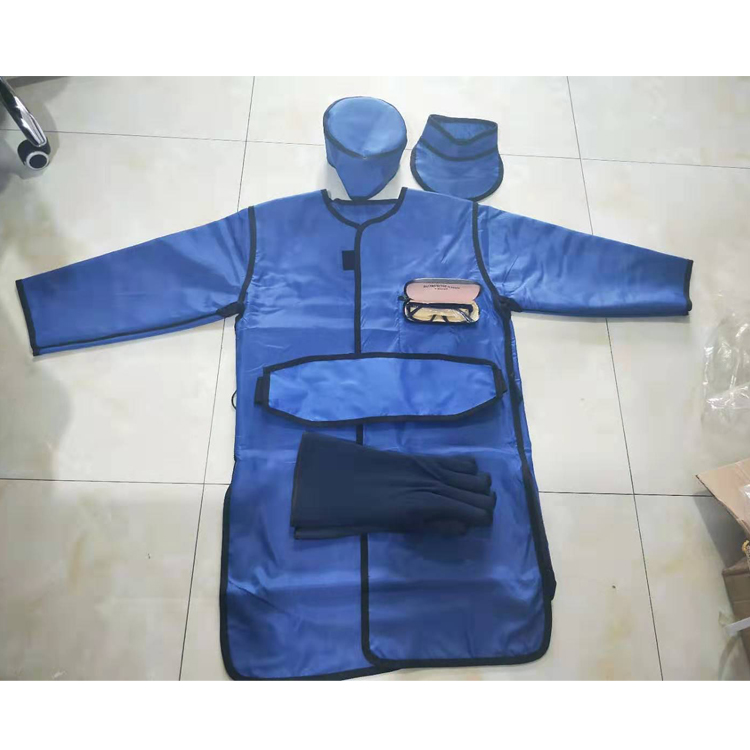
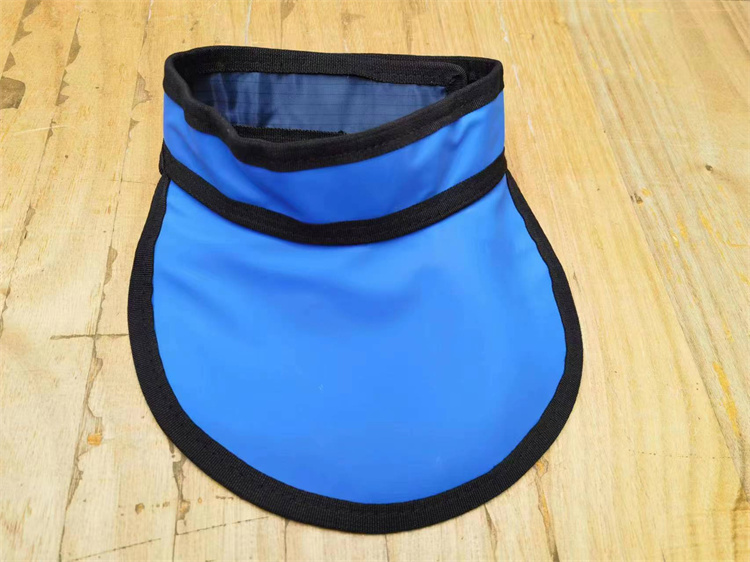
Styles: Featuring various types such as vests, tank tops, skirts, aprons, and more, to accommodate different medical procedures and examination needs. Additionally, full-body protective sets that include accessories like lead hats and lead collars are also available.
Application Scenarios: Primarily used in radiology, interventional departments, nuclear medicine, and other radioactive examination and treatment facilities within medical practice. Examples include X-ray examinations, CT scans, radiation therapy, vascular surgeries, and radioactive drug therapy, all of which require medical staff to wear lead aprons for protection.
Industrial Lead Apron
Styles: Typically customized based on specific industrial environments and operational requirements, which may include full-body protective suits, protective skirts, and protective vests, etc.
Application Scenarios: High radiation environments such as chemical industries, nuclear power plants, and mines, providing effective radiation protection for workers. Additionally, industrial lead aprons are required during radioactive experiments or handling radioactive materials.
Special Customized Lead Apron
Styles: Customized according to specific customer requirements, such as split protective suits, new-style half-sleeve lead aprons, etc.
Application Scenarios: Suitable for specific events or user groups, such as oral CT radiology, specialized surgeries, etc.
Differences Between Children's Lead Aprons and Adult Lead Aprons
Children's lead aprons and adult lead aprons have some differences in design, material, and usage. The following are the main distinctions based on search results:Protective Performance
Children's lead aprons and adult lead aprons differ in their protective performance. Children's lead aprons typically require a lead equivalent of not less than 0.50mm Pb9, while adult lead aprons may have a higher lead equivalent for more comprehensive protection. Additionally, the buoyancy of children's lead aprons should be able to support a 5.0 kg iron block in freshwater for 24 hours, whereas the buoyancy requirements for adult lead aprons may vary.
2. Sizes and Adaptability
Child lead aprons need to consider the body size and weight of children, so the sizes and designs must be more tailored to children's physical characteristics. Adult lead aprons, on the other hand, are designed for adults, with sizes and designs better suited to the adult physique.
3. Patterns and Logos
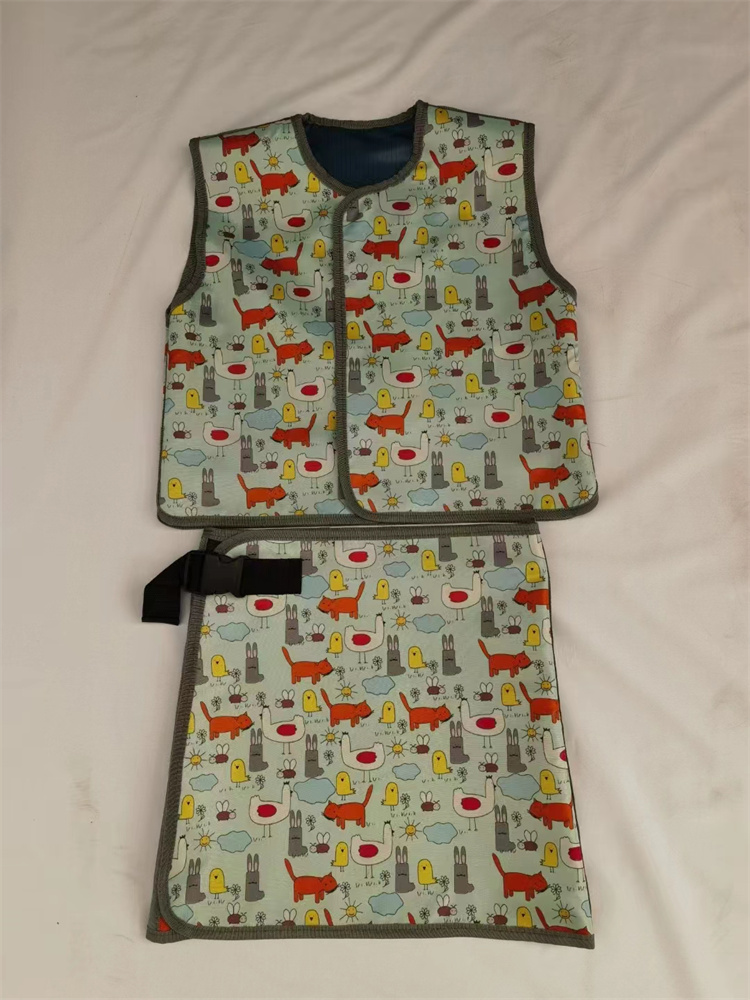
To attract children's attention and reduce their fear, children's lead aprons usually come in various cartoon designs for hospital selection, which helps decrease the children's aversion to wearing lead aprons.
4. Service Life
The service life of children's lead aprons and adult lead aprons may also vary. Generally, children's lead aprons have a shorter service life due to their rapid growth, while adult lead aprons can be adjusted or extended as needed.
5. Maintenance and care
Children's lead aprons and adult lead aprons may differ in maintenance and care. For instance, medical lead aprons are not washable; if they become soiled, they can be wiped with a soft cloth dampened with alcohol or a neutral detergent. In case of contamination with blood or body fluids from infected individuals, it may be necessary to use ethylene oxide gas for sterilization; high-temperature, high-pressure sterilization is not recommended.
6. Accessories and Functionality
Children's lead aprons and adult lead aprons may also differ in accessories and functionality. For instance, the safety buckles on children's life jackets must not be fewer than two, while the number of safety buckles on adult life jackets may vary.
7. Cost
Costs for children's lead aprons and adult lead aprons may also vary.