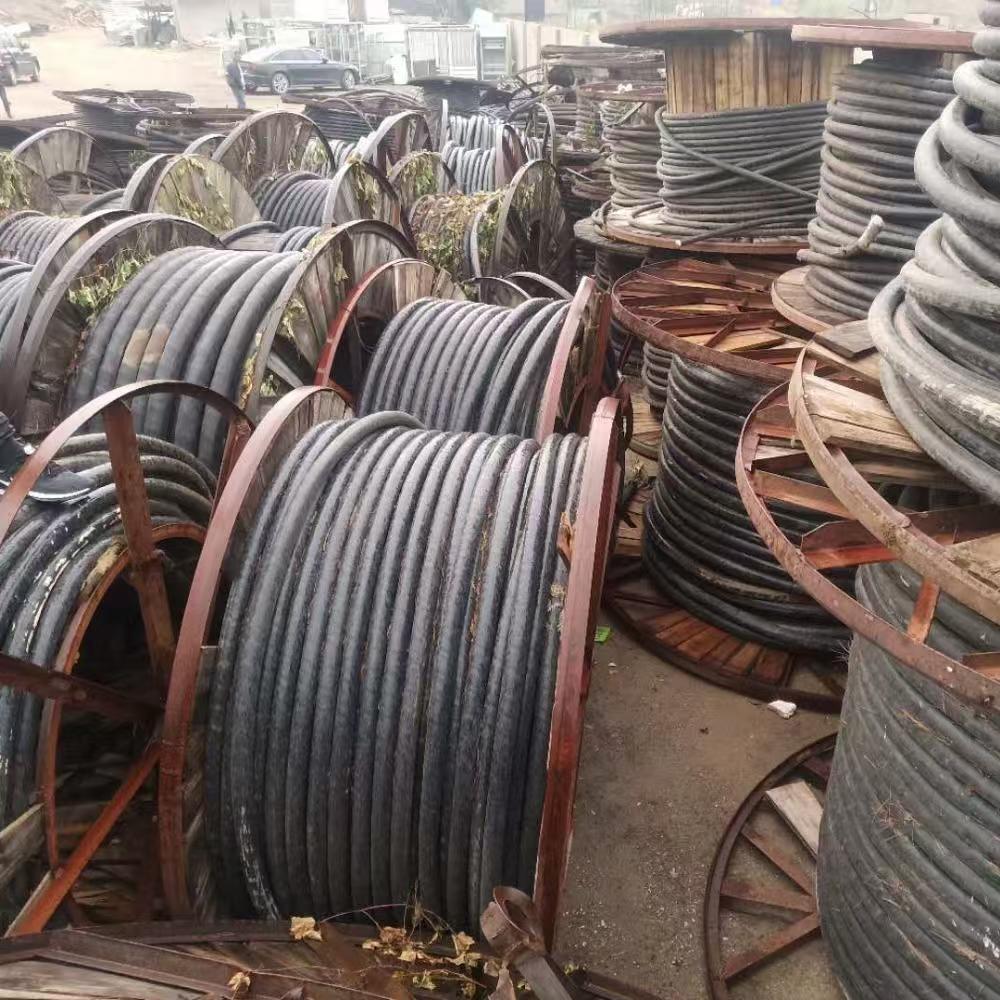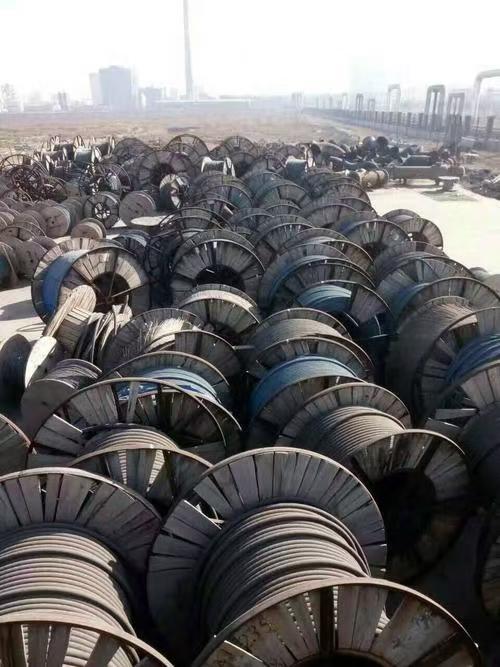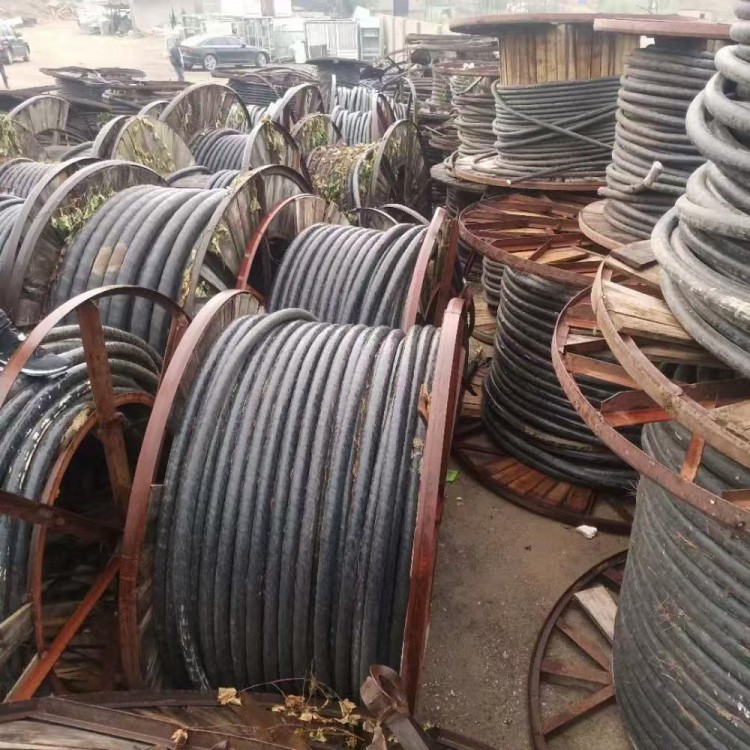












Power Cable Recycling, Cable Recycling Prices, Waste Cable Recycling Units. Cables are wire products used for transmitting electrical energy and realizing electromagnetic energy conversion, which consist of conductors and insulating layers, and sometimes also include a tight inner sheath to prevent moisture intrusion or a mechanically strong outer sheath. These products have a more complex structure and larger cross-sectional area. Wires are typically metal conductor products with an insulating layer and a light protective covering (such as cotton yarn braiding, glass fiber braiding, plastic, rubber, etc.), with simple structure, smaller outer diameter, and lower voltage and current requirements. Wires and cables are composed of basic parts such as conductors (wires), insulating layers, shielding, insulated cores, and protective layers. Depending on different requirements, wires and cables are integrated bodies composed of some or all of the aforementioned components. Common faults in cable lines include mechanical damage, insulation damage, insulation moisture, insulation aging and deterioration, overvoltage, and cable overheating faults. When such faults occur, the power supply to the faulty cable should be disconnected, the fault point located, and the fault inspected and analyzed. After repairs and tests are conducted, power supply can be restored once the fault is eliminated. Common causes of faults include: a) Long-term overloading, which can increase cable temperature, cause insulation aging, and lead to insulation breakdown, reducing construction quality. b) Electrical issues such as poor sealing of cable ends, moisture entering the cable, and a decrease in cable insulation performance; failure to take protective measures during cable laying, resulting in damage to the protective layer and reduced insulation. c) Civil engineering issues such as cables being submerged in water for a long time, damaging insulation strength; insufficient cable bending radius due to small manholes, and long-term external force damage from rough construction during municipal projects. d) Corrosion. Long-term chemical corrosion or cable corrosion of the protective layer can lead to its failure and reduced insulation.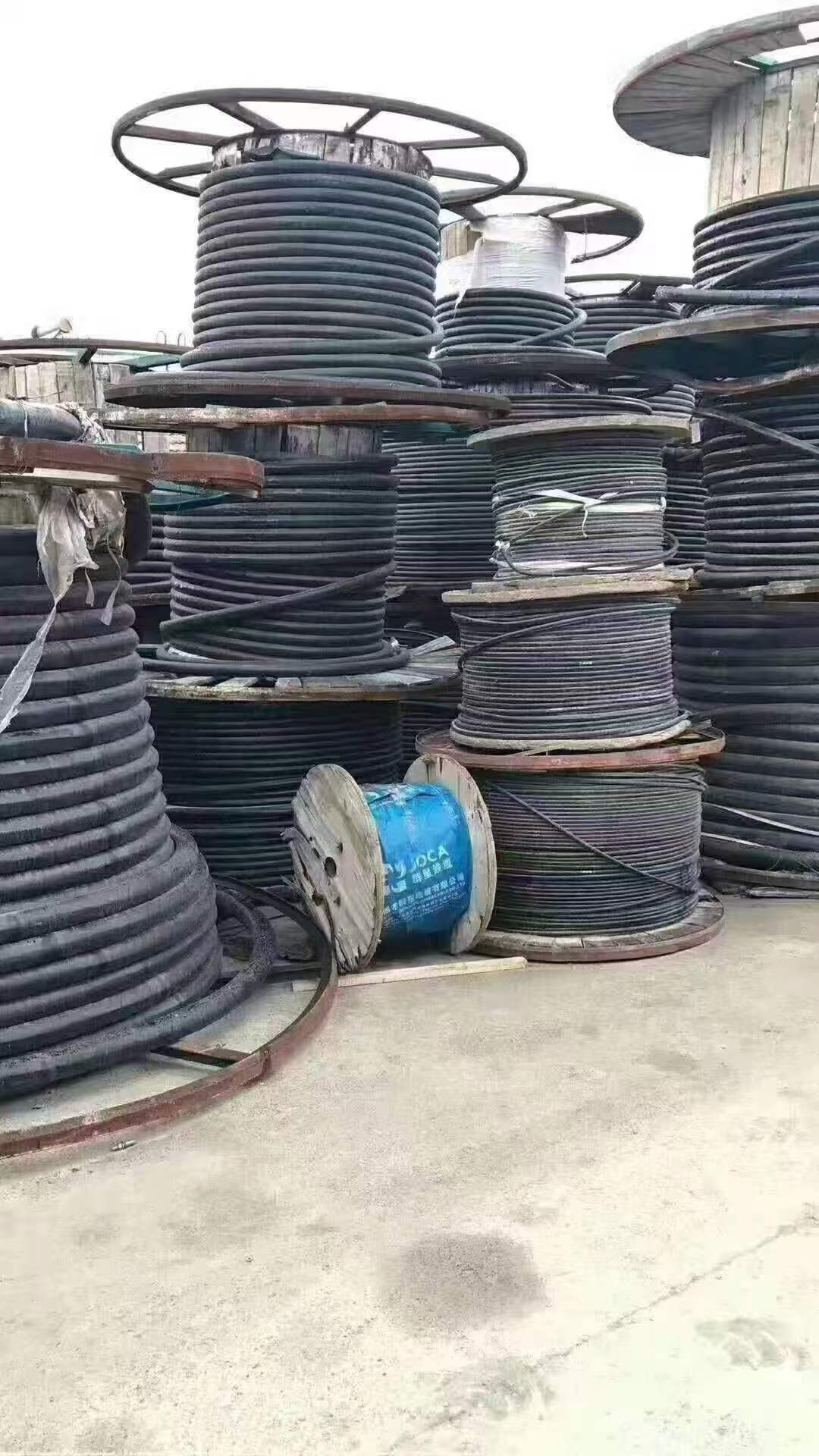 Power cable recycling is a crucial issue. It is reported that the cable manufacturing industry generates 5 million tons of waste annually during production. Additionally, 10% of long-stored cable products become waste, which not only causes pollution but also wastes natural resources. Currently, low-energy consumption and low-pollution cable products are the trend in the cable industry, and in the face of the overall economic downturn, the wire and cable market demands green, environmentally friendly, and energy-saving products. However, the rapid development of society will inevitably lead to a large consumption of resources. As social development is a long-term process, it is essential to promote common development through a circular approach to energy and economy.
WeChat Official Account

Scan to follow Official Account