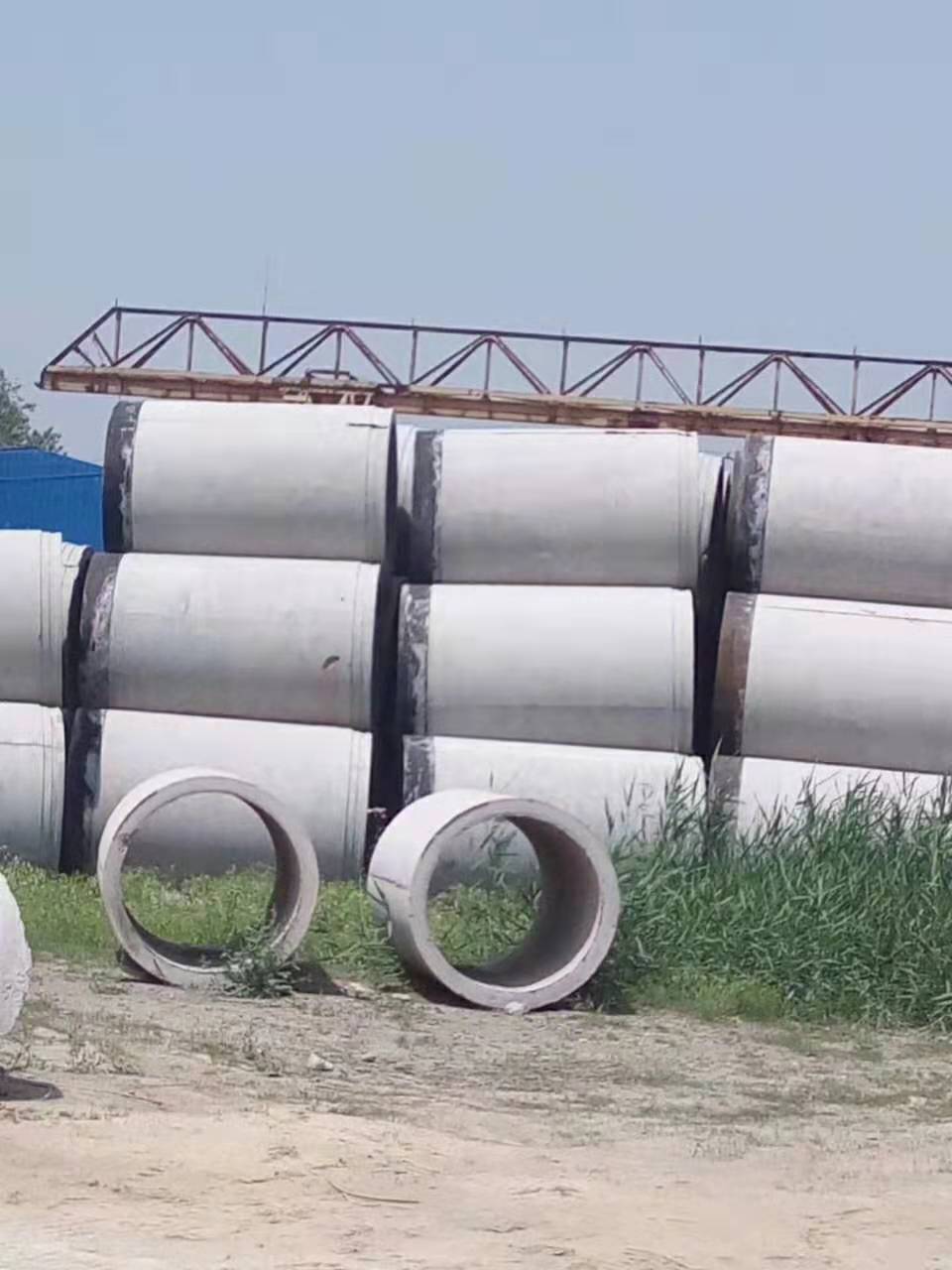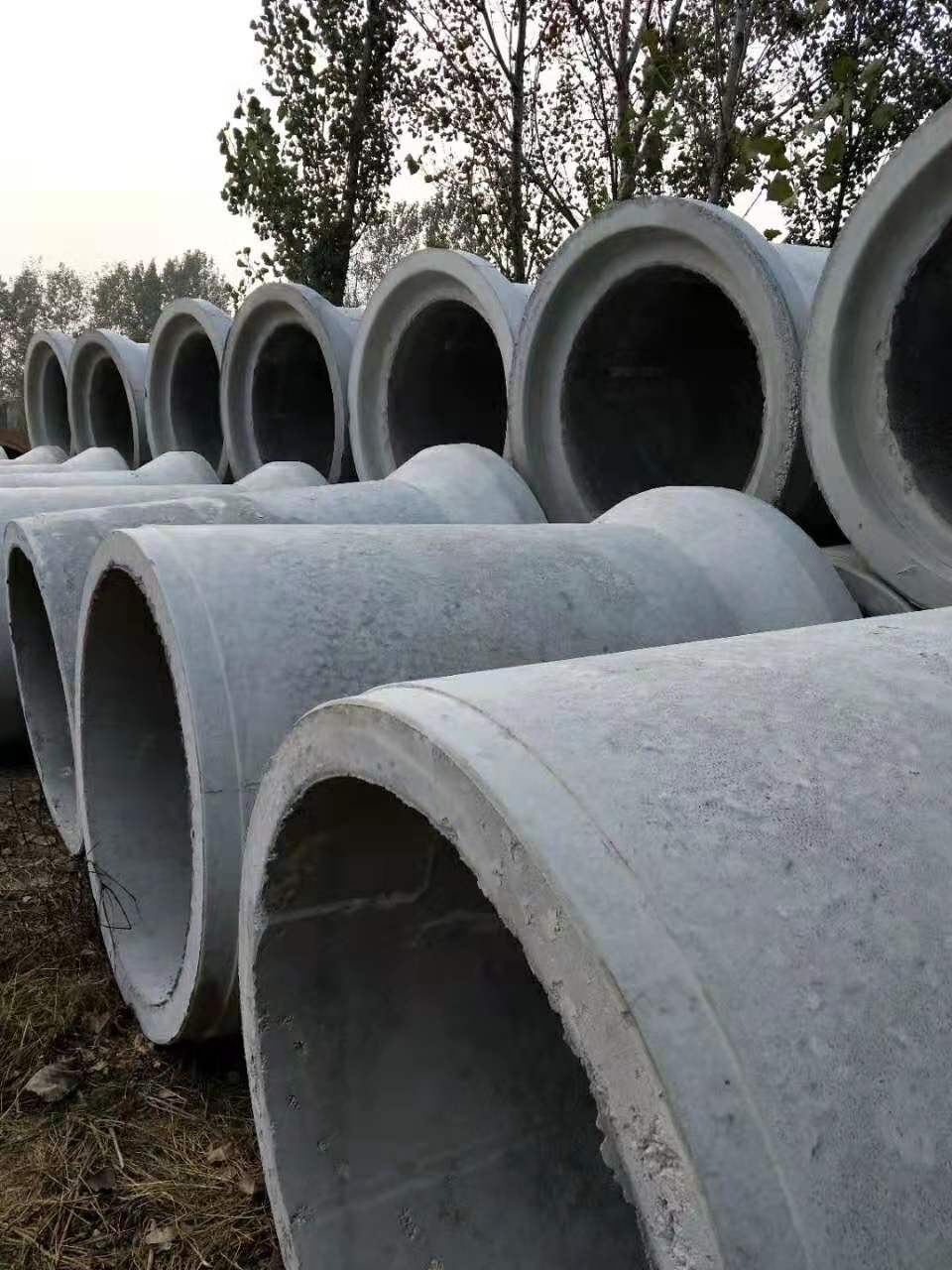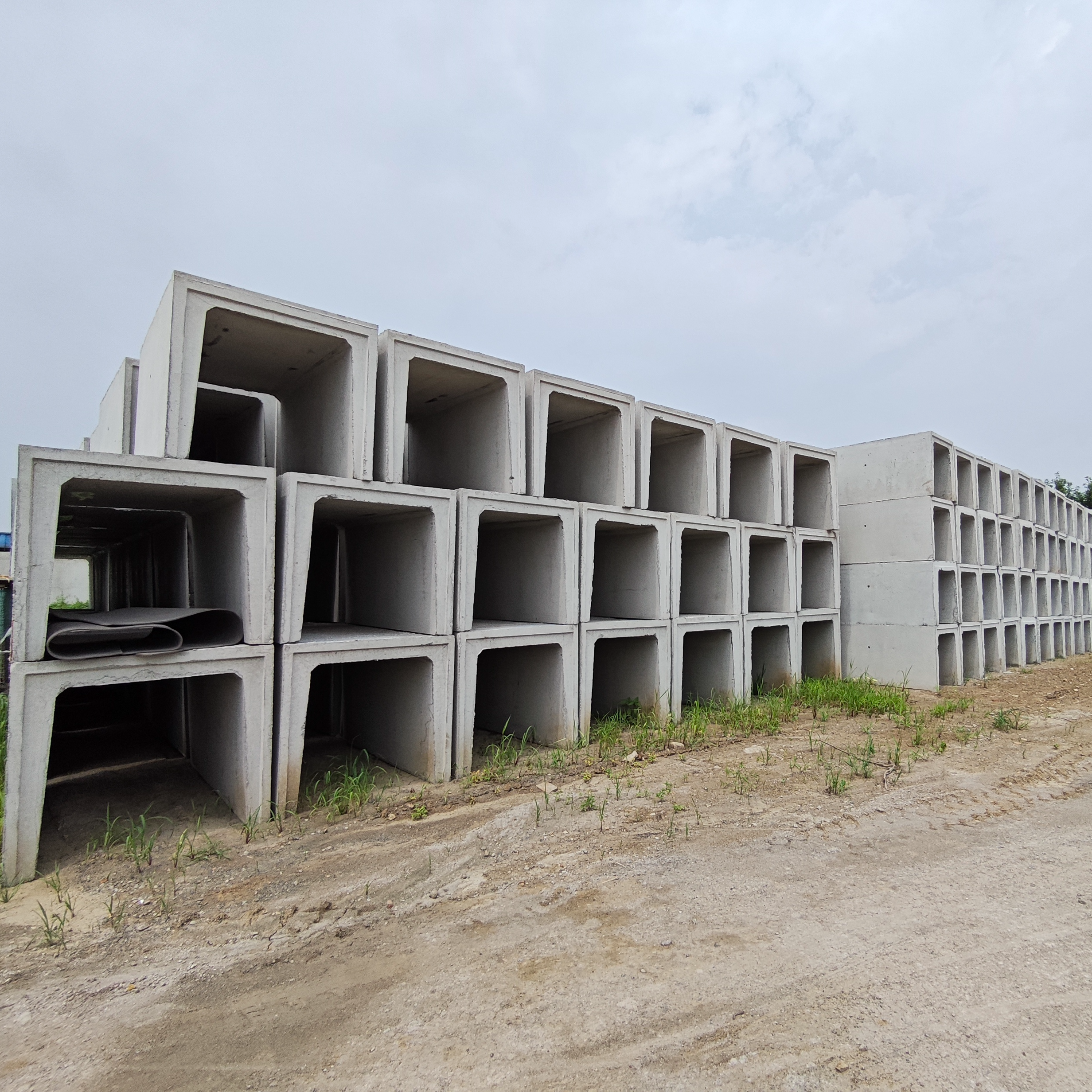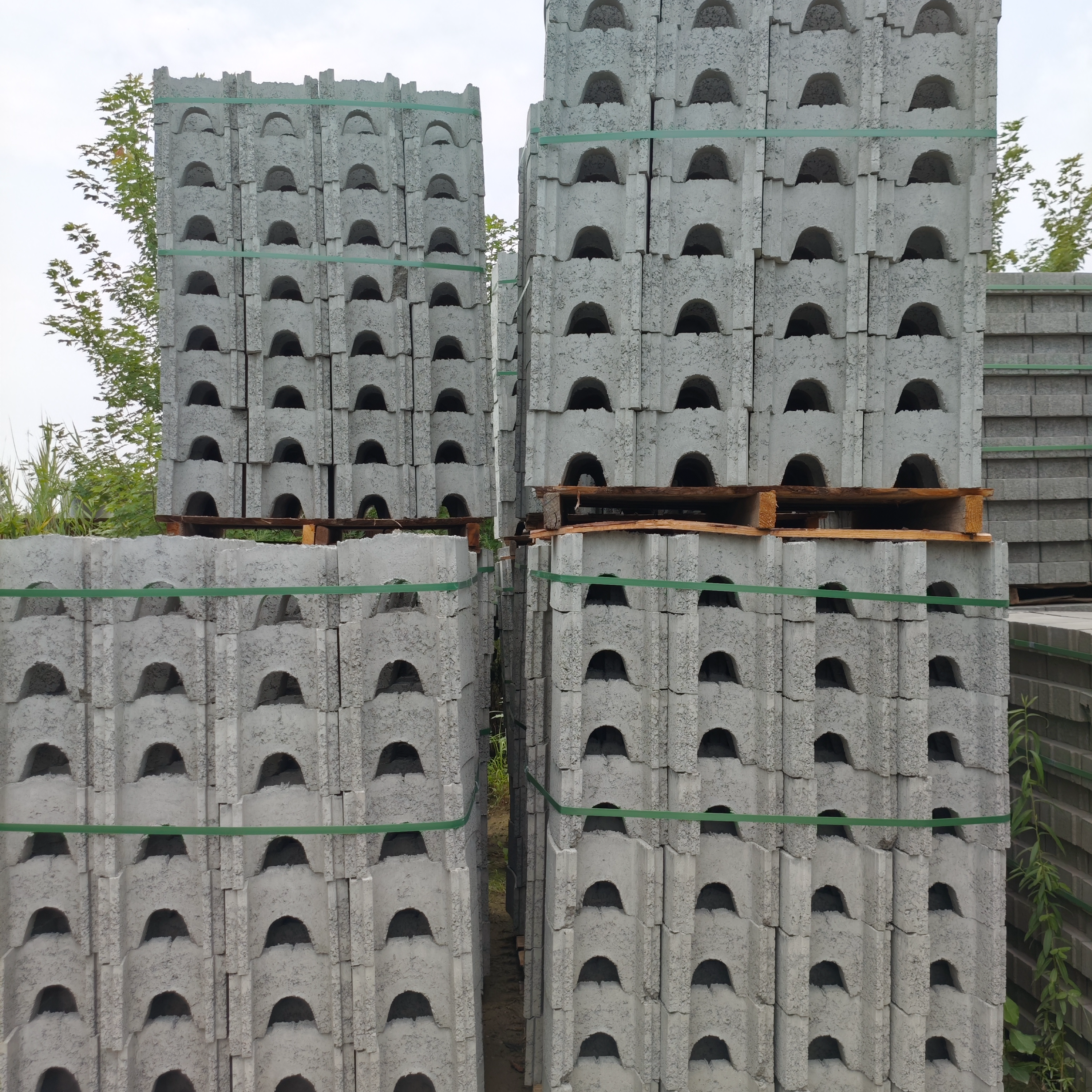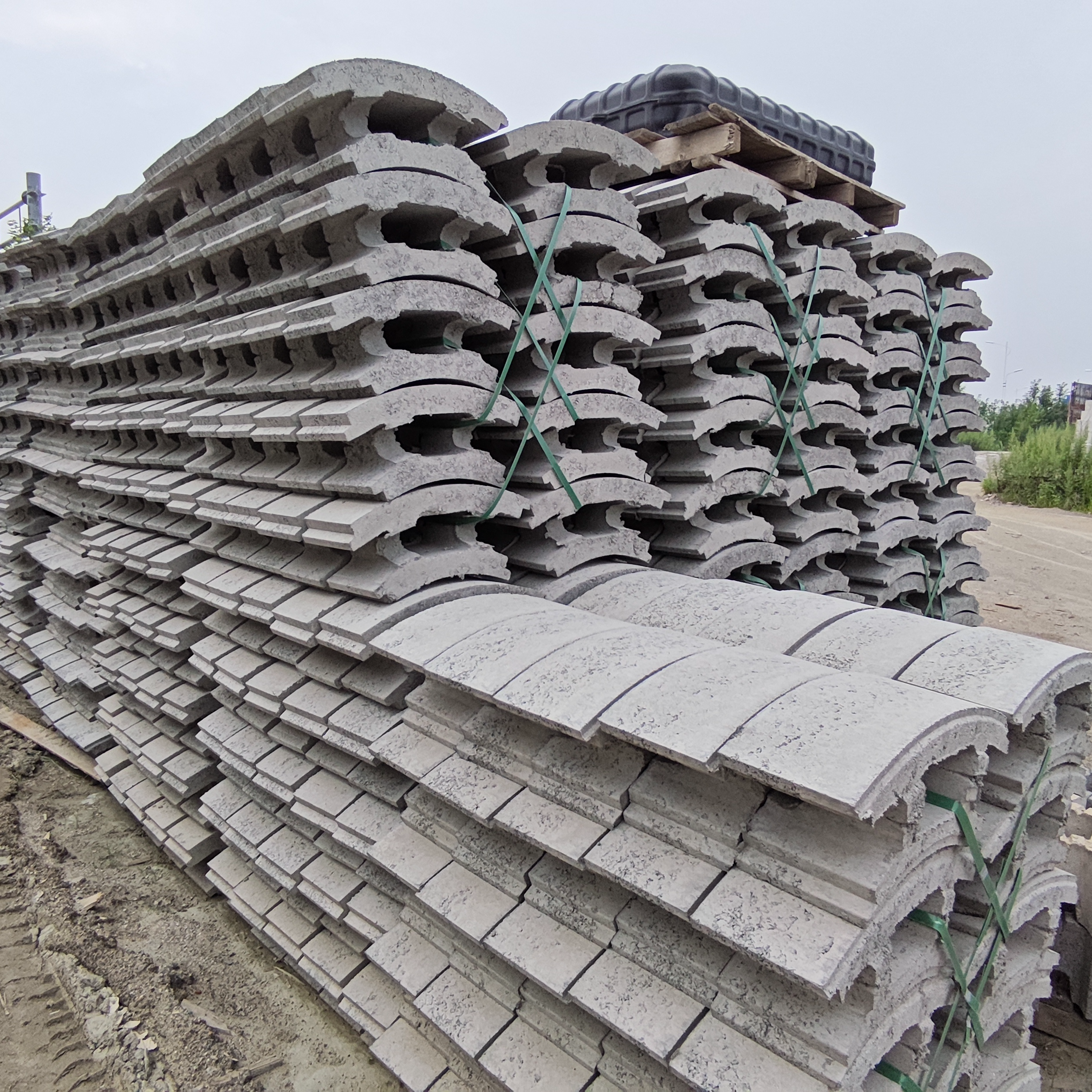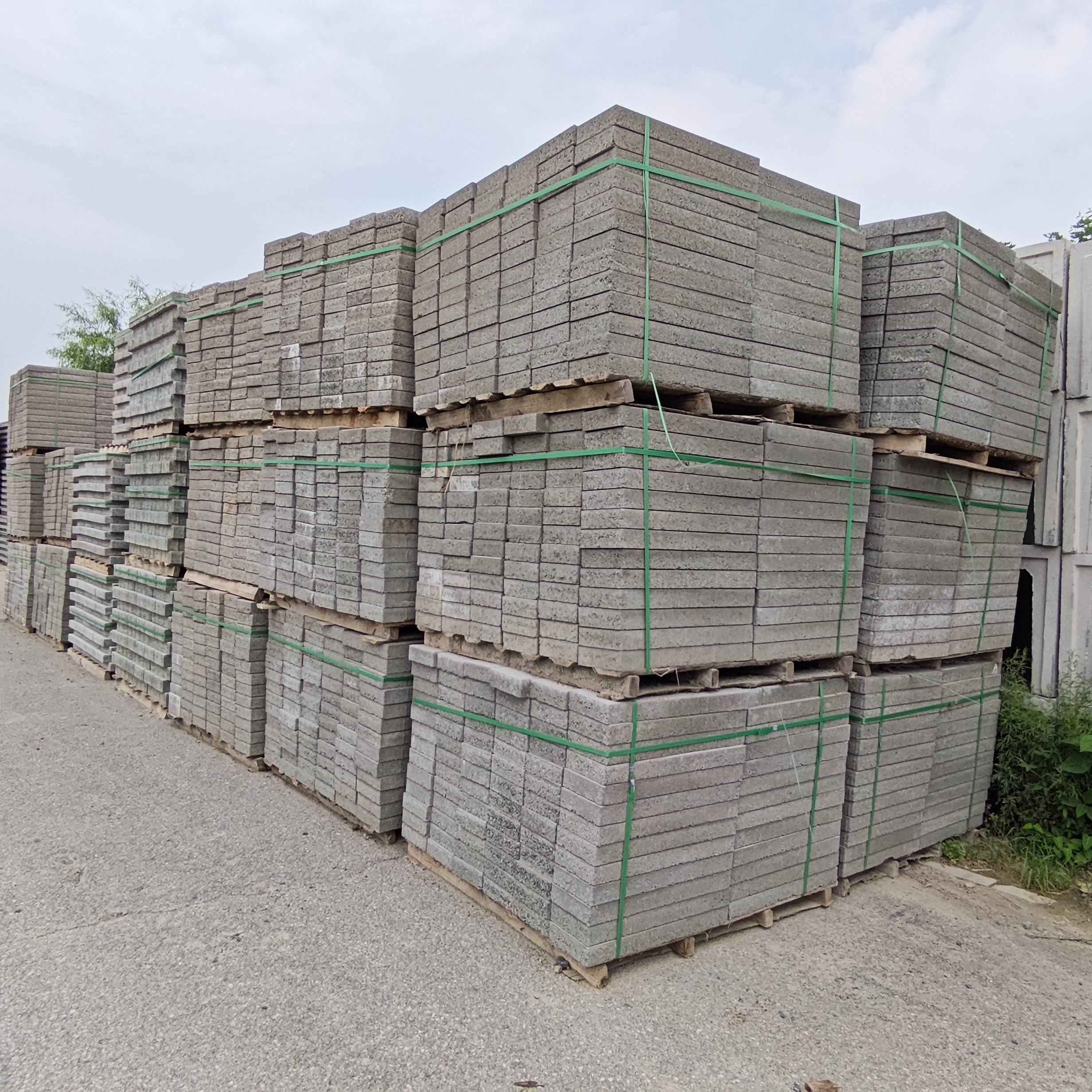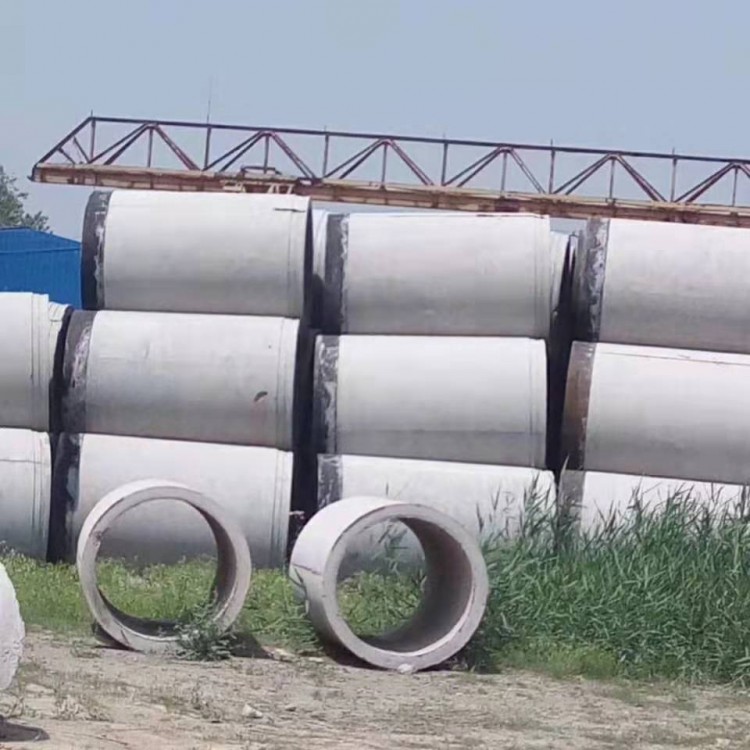

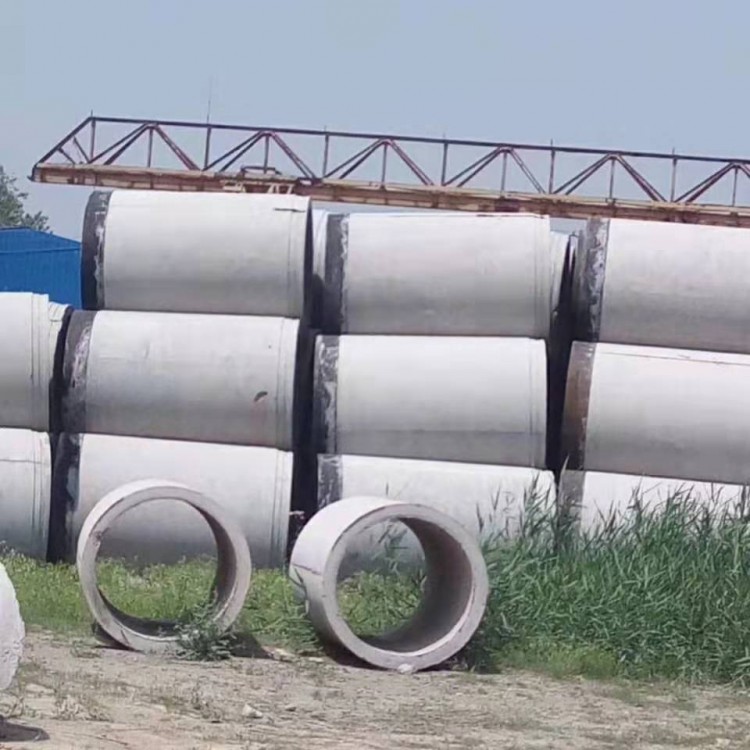
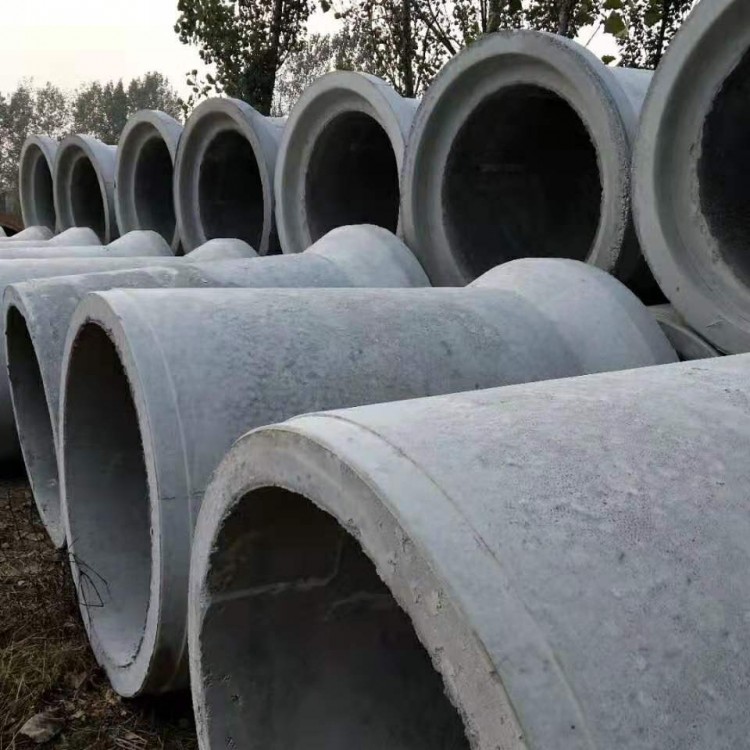
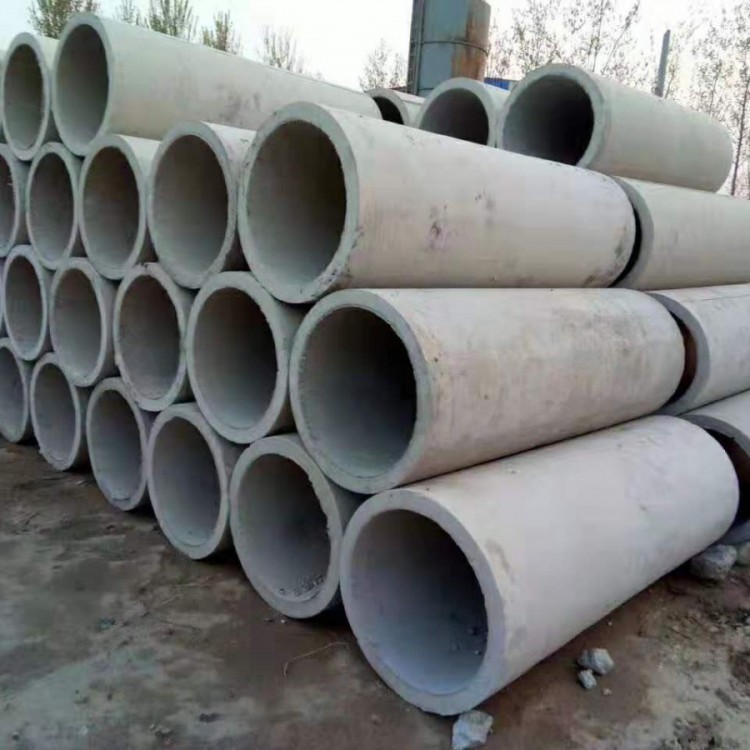


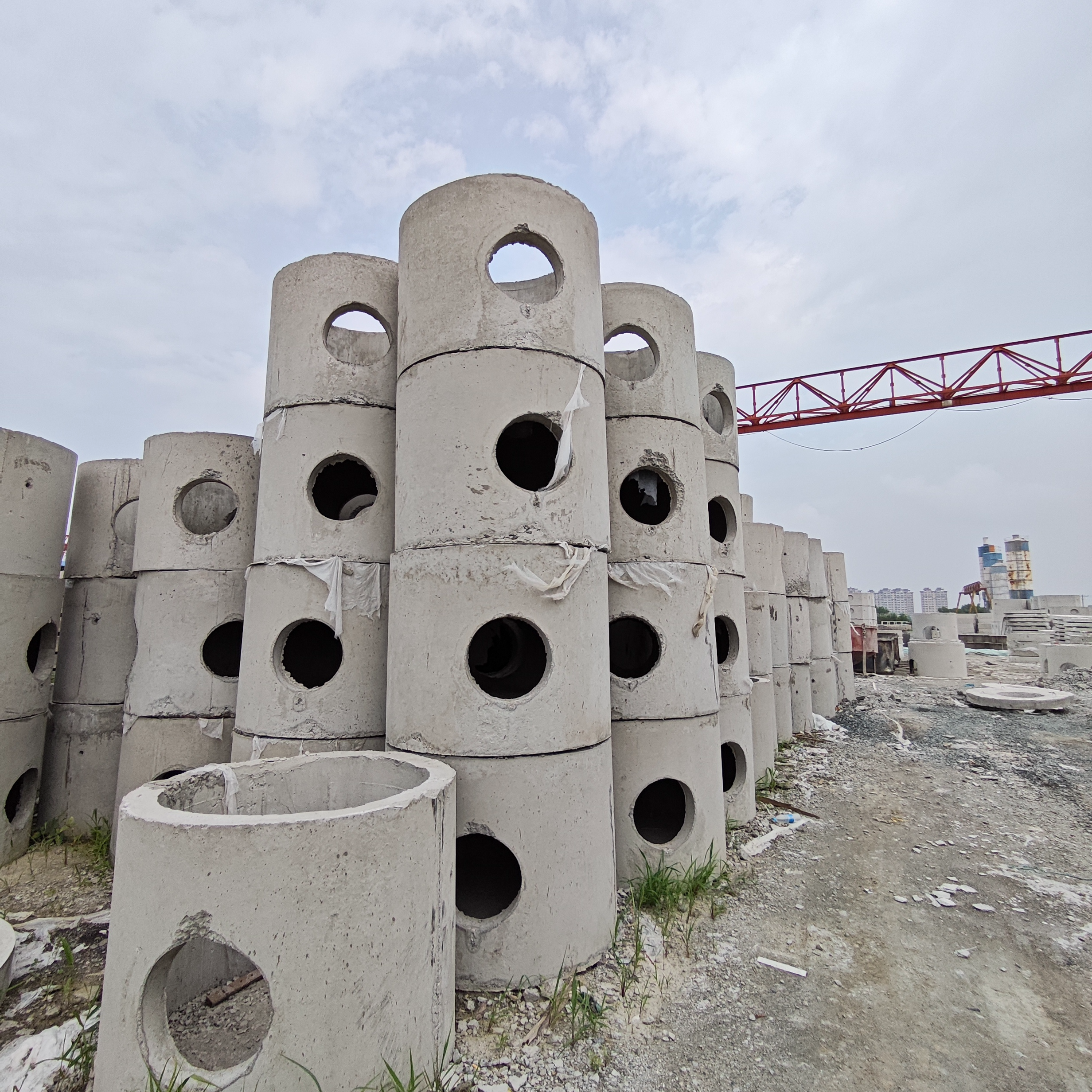
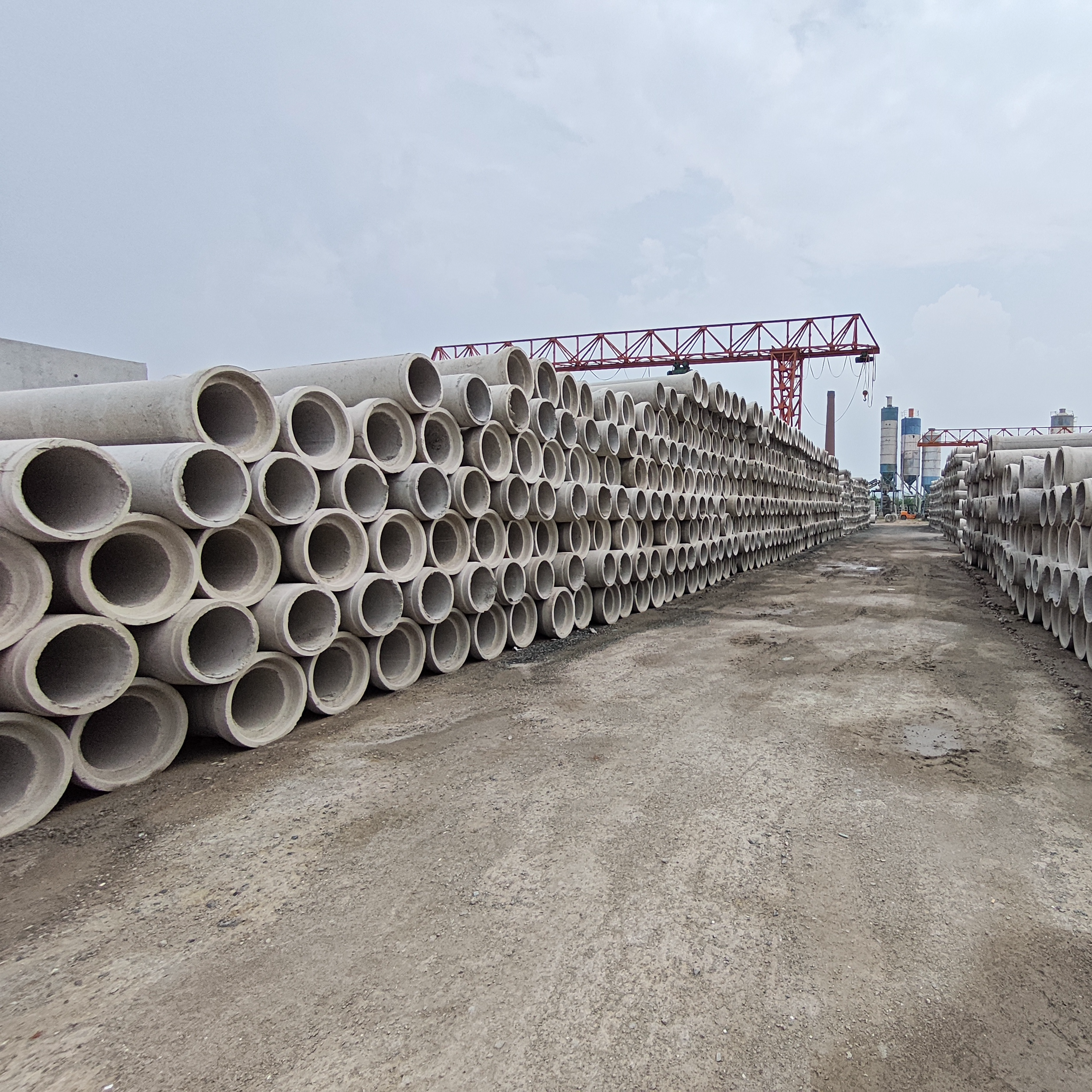
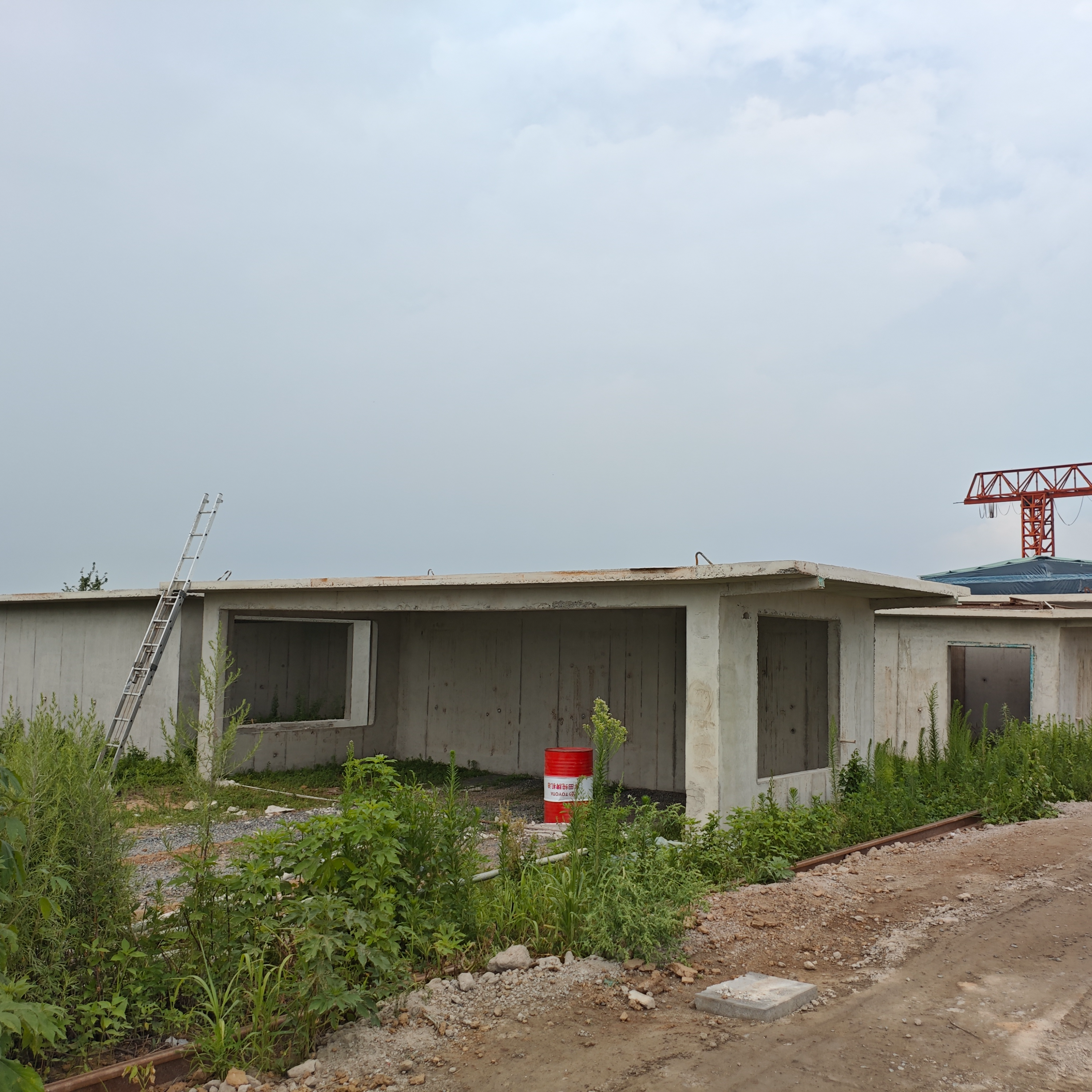
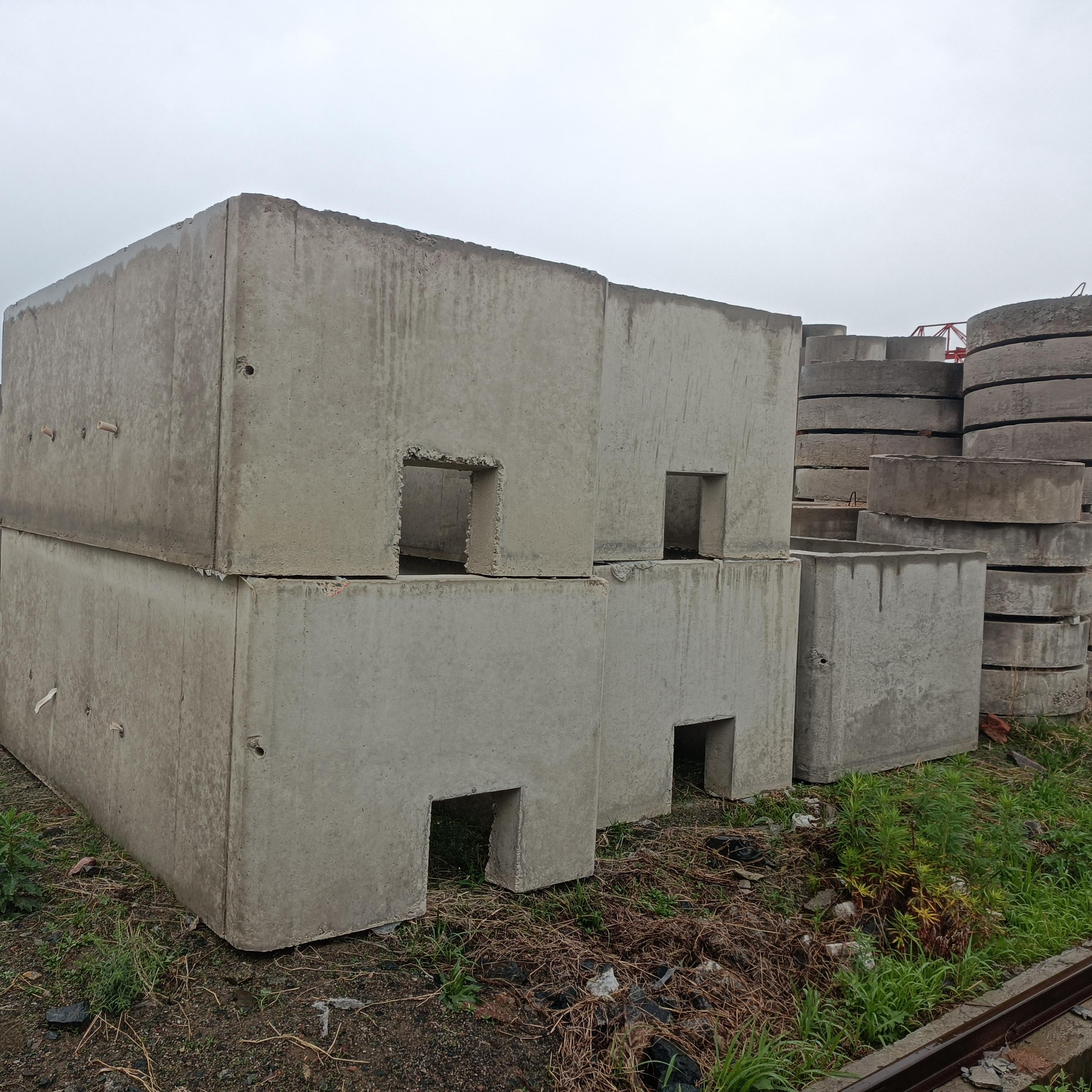
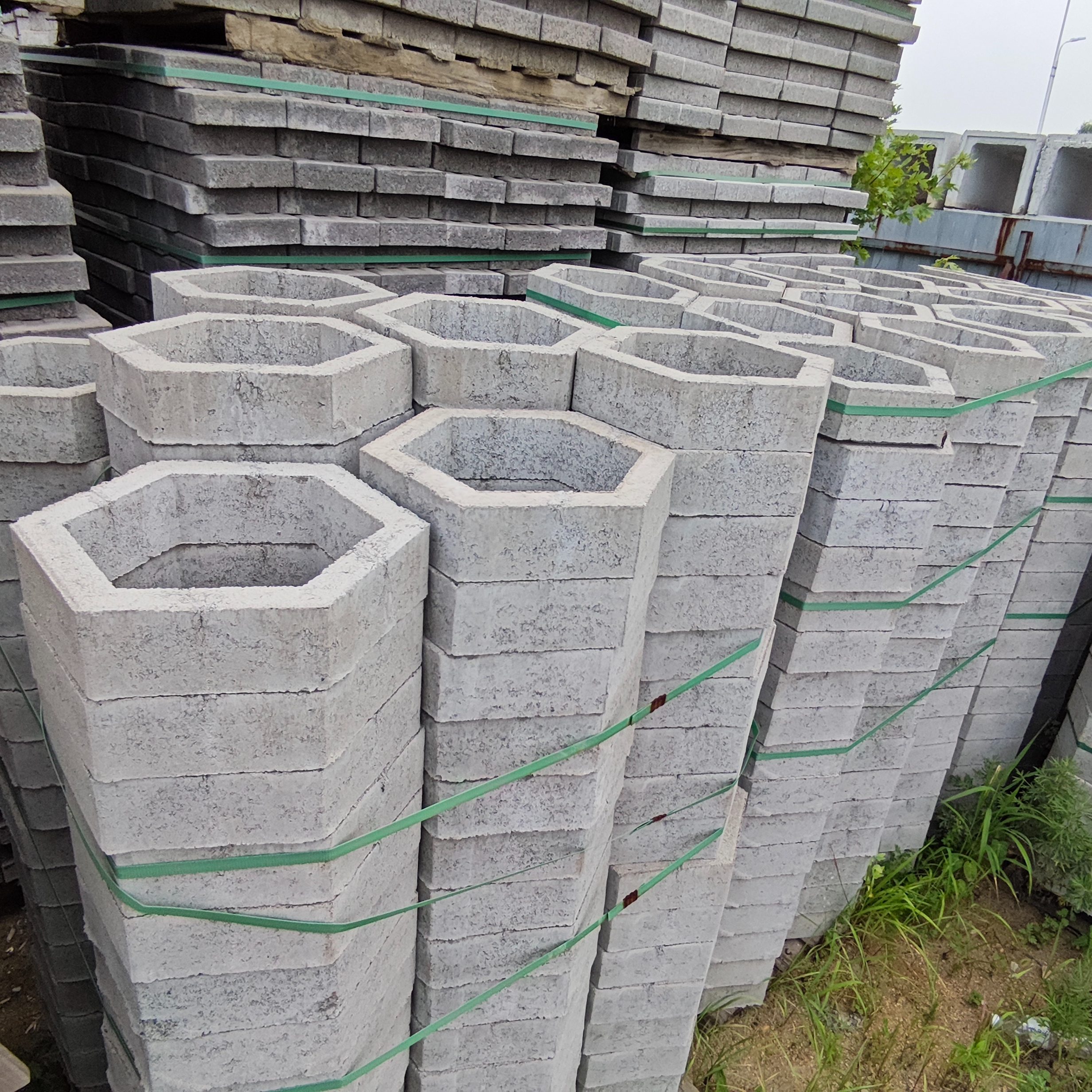





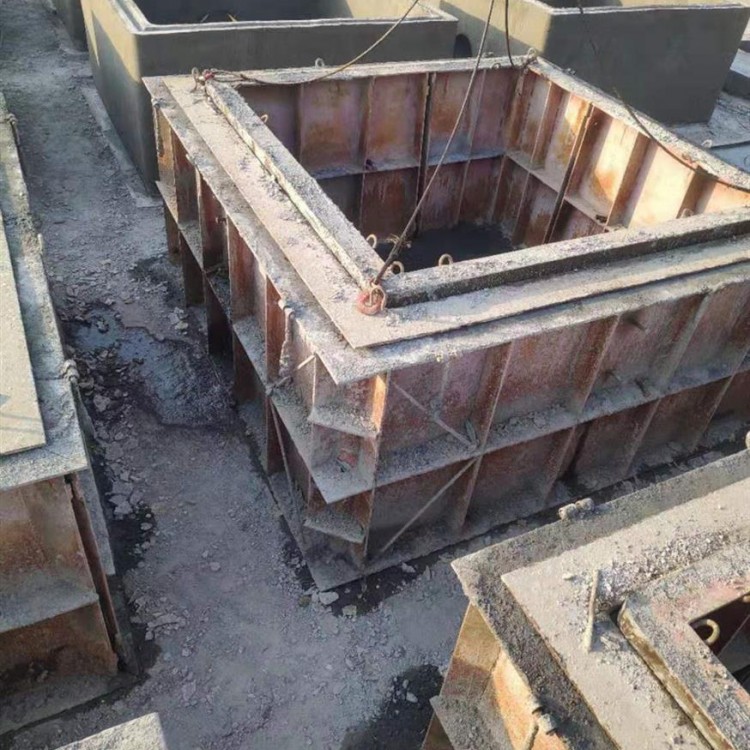

Cement pipes, also known as pressure pipes or reinforced concrete pipes, are used for urban construction foundations as sewage and drainage pipes, for flood prevention and drainage, and as water supply pipes in special factories and mines, as well as for agricultural well drilling. They are generally categorized into: flat-end reinforced concrete cement pipes, flexible bell-end reinforced concrete cement pipes, socket-and-spigot reinforced concrete cement pipes, F-type steel socket cement pipes, flat-end sleeve joint cement pipes, and bell-end cement pipes, etc.
Installation Method for Cement Pipes
1. Check all parts before use to ensure they are functioning properly. Confirm that all hose connections are secure.
2. Always strictly adhere to the specifications in the main parameters when in use. Avoid overloading or continuing to press after reaching the stroke limit. Otherwise, severe oil leakage at the top of the cylinder may occur if the lifting height or tonnage exceeds the specified limit.
3. In case the oil level in the pump body is insufficient, working oil (32# hydraulic oil) must be added to the pump before it can operate.
4. Refer to the instruction manual for the electric pump.
5. Choose a moderate center of gravity for heavy loads, and properly select the fulcrum point of the electric jack. Ensure the bottom surface is leveled. Also, consider the ground's hardness and softness; determine if you need to use sturdy wood as a pad. Check for stability to prevent sinking or tilting under the weight.
6. After an electric jack lifts a heavy object, it should be promptly supported securely with a sturdy support. The electric jack is prohibited from being used as a support.