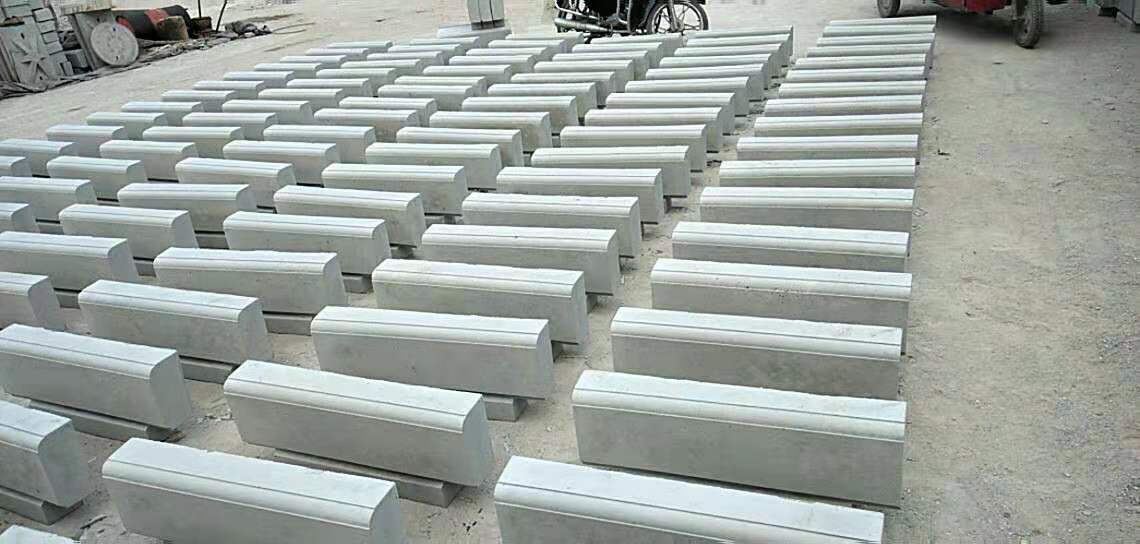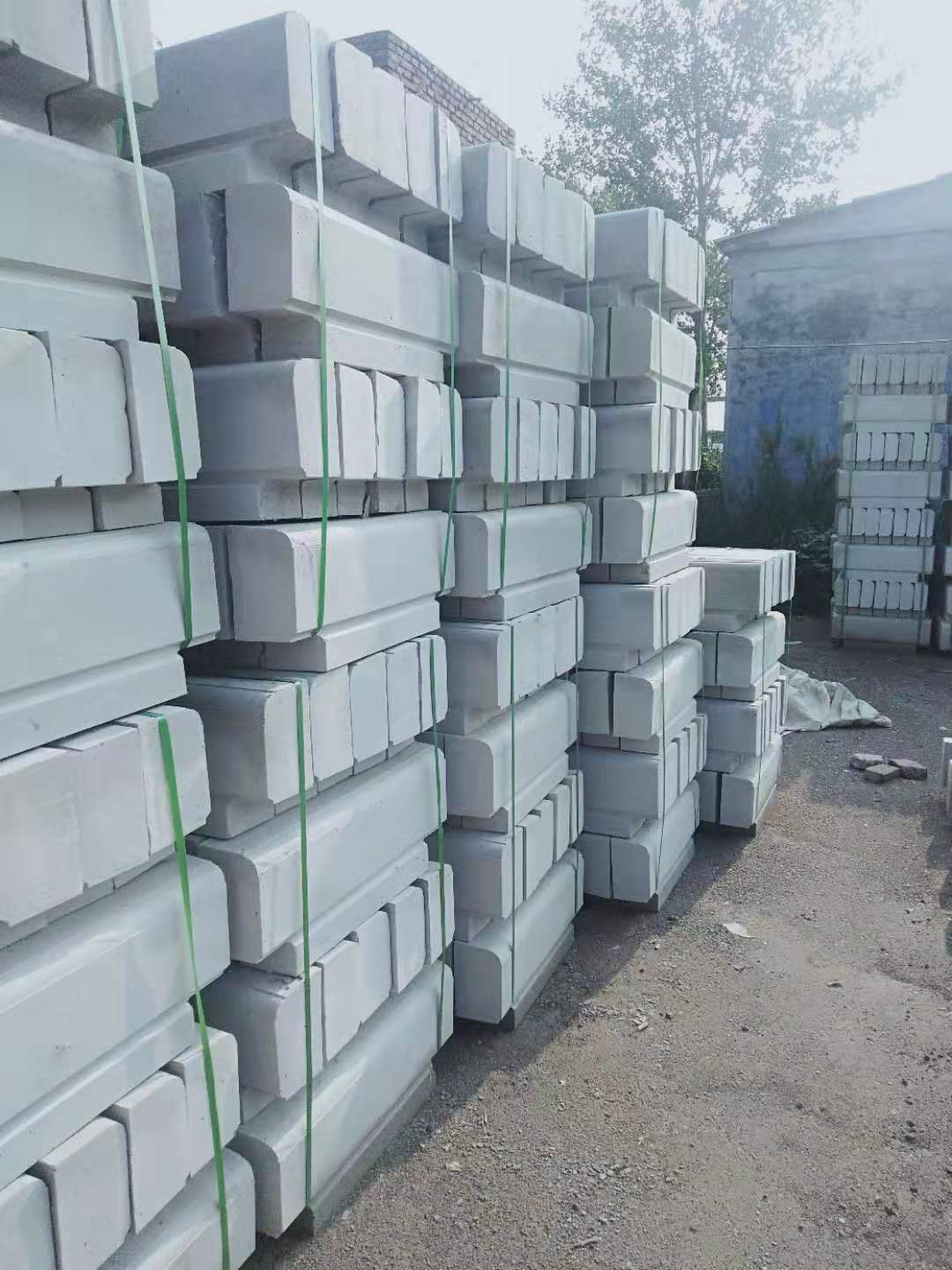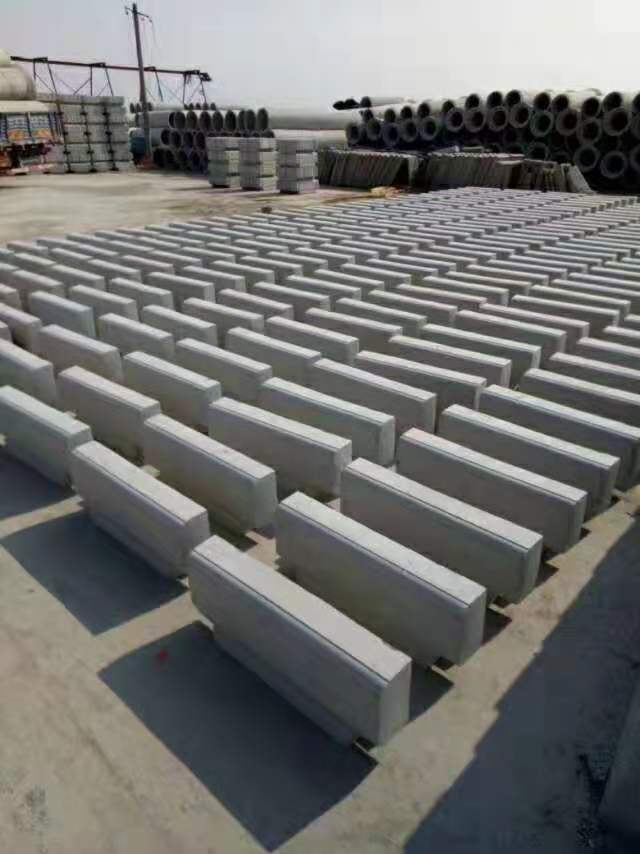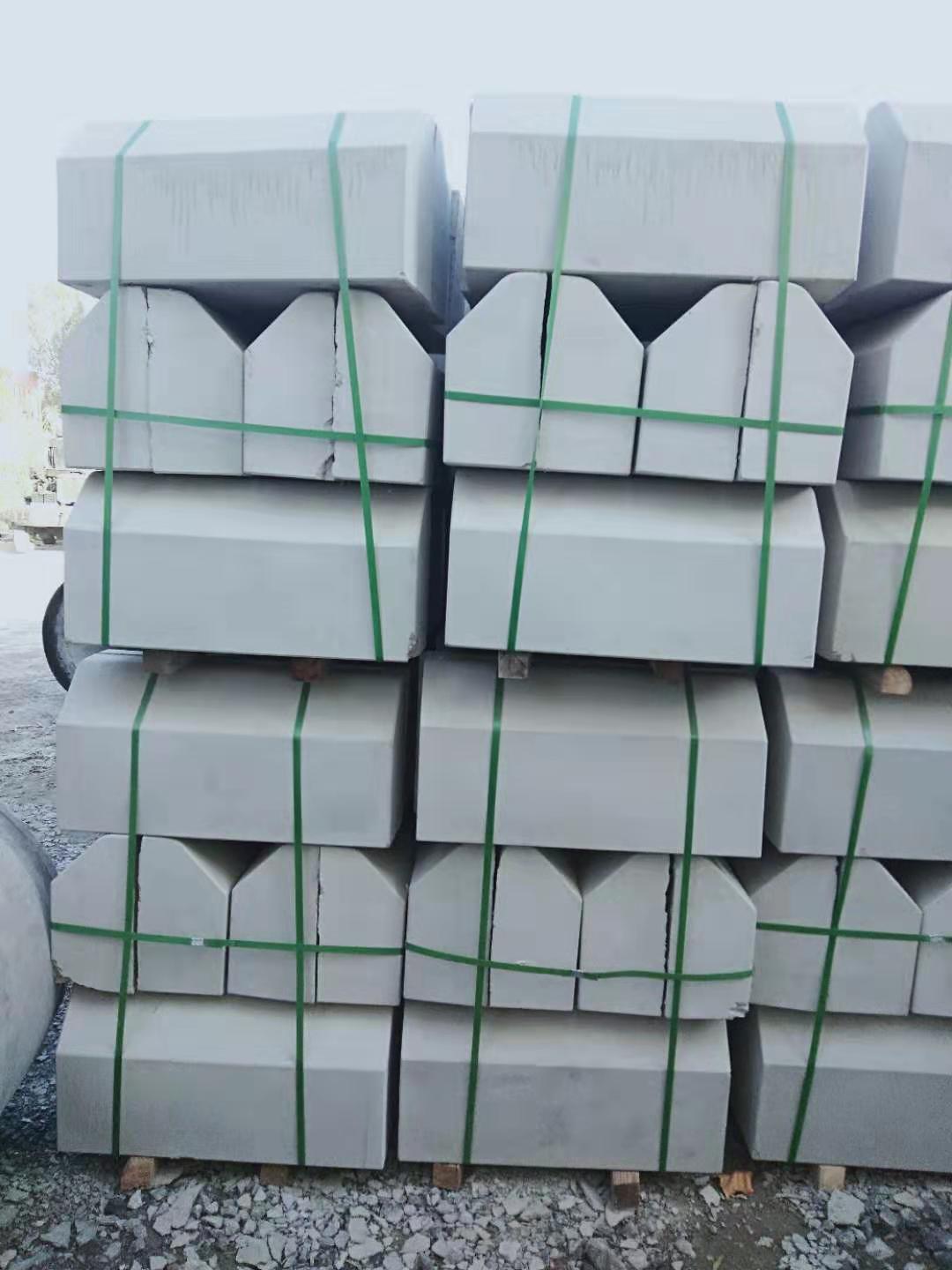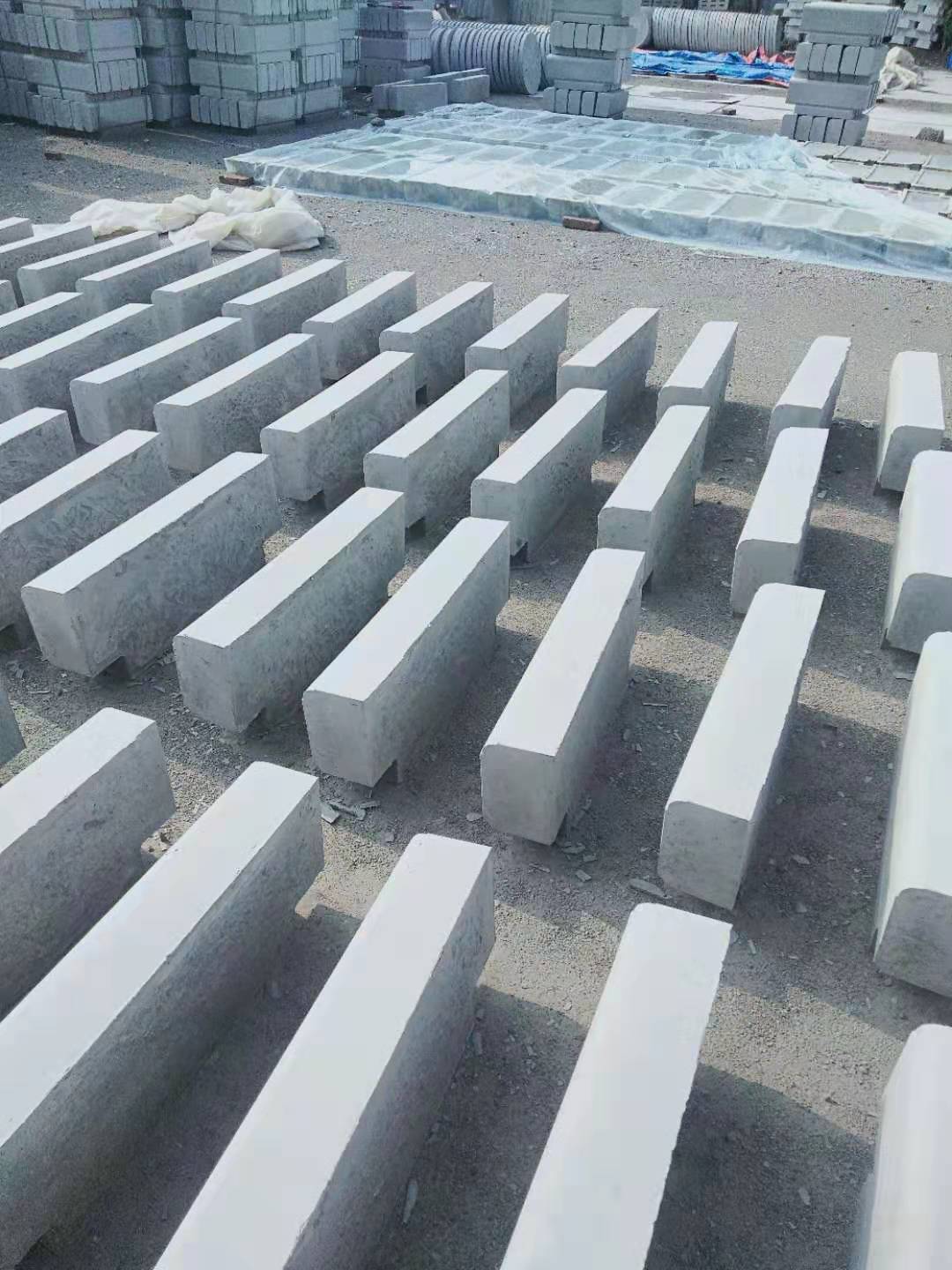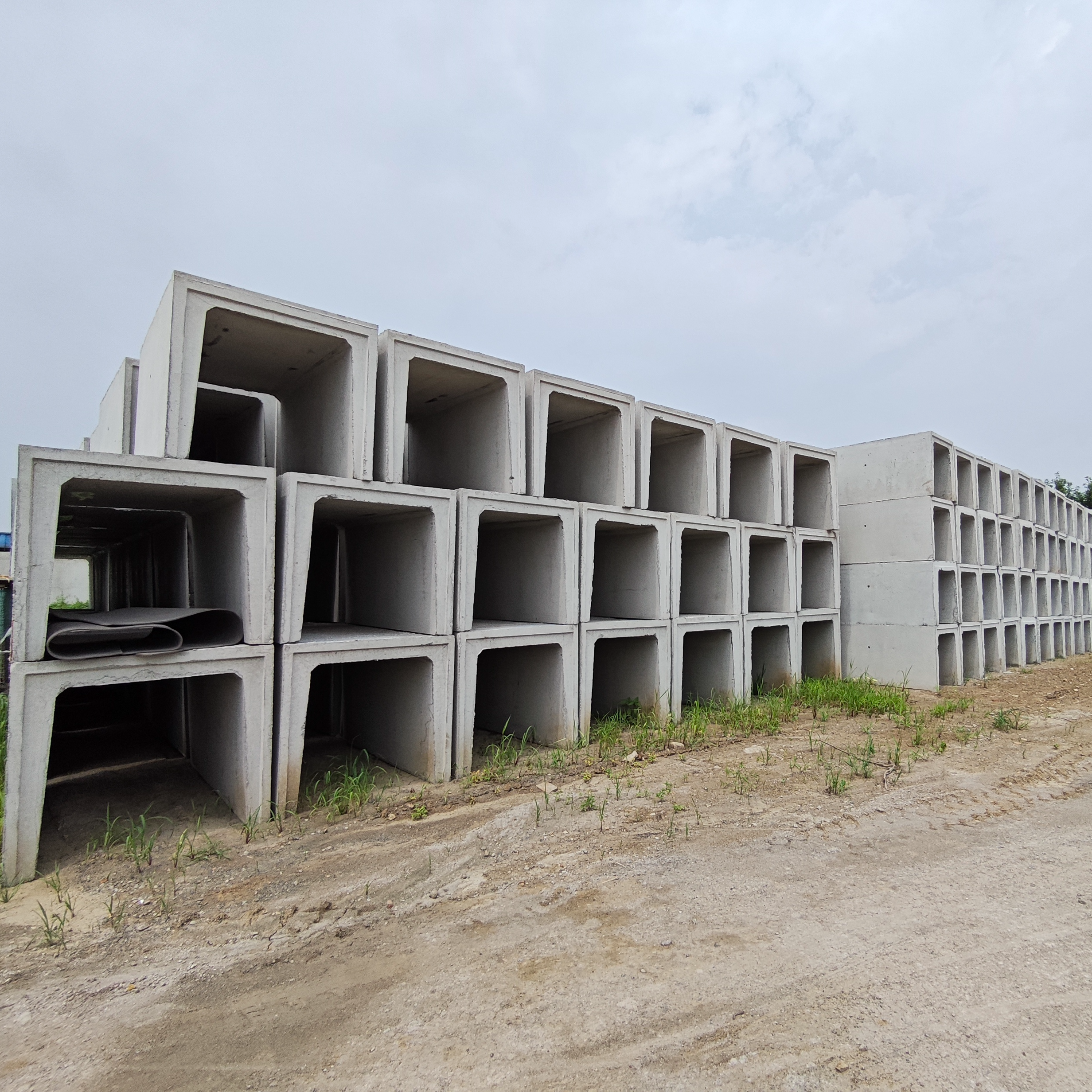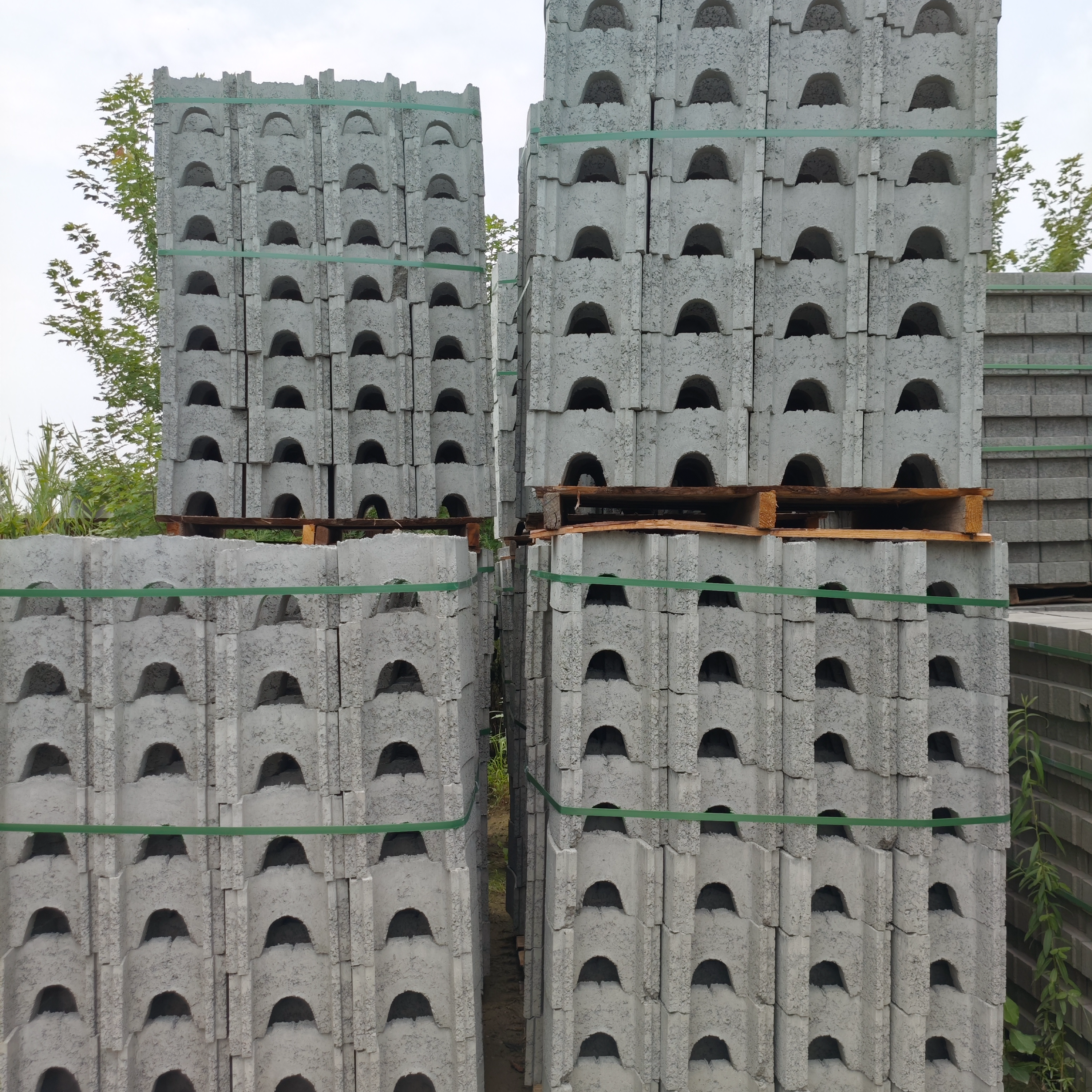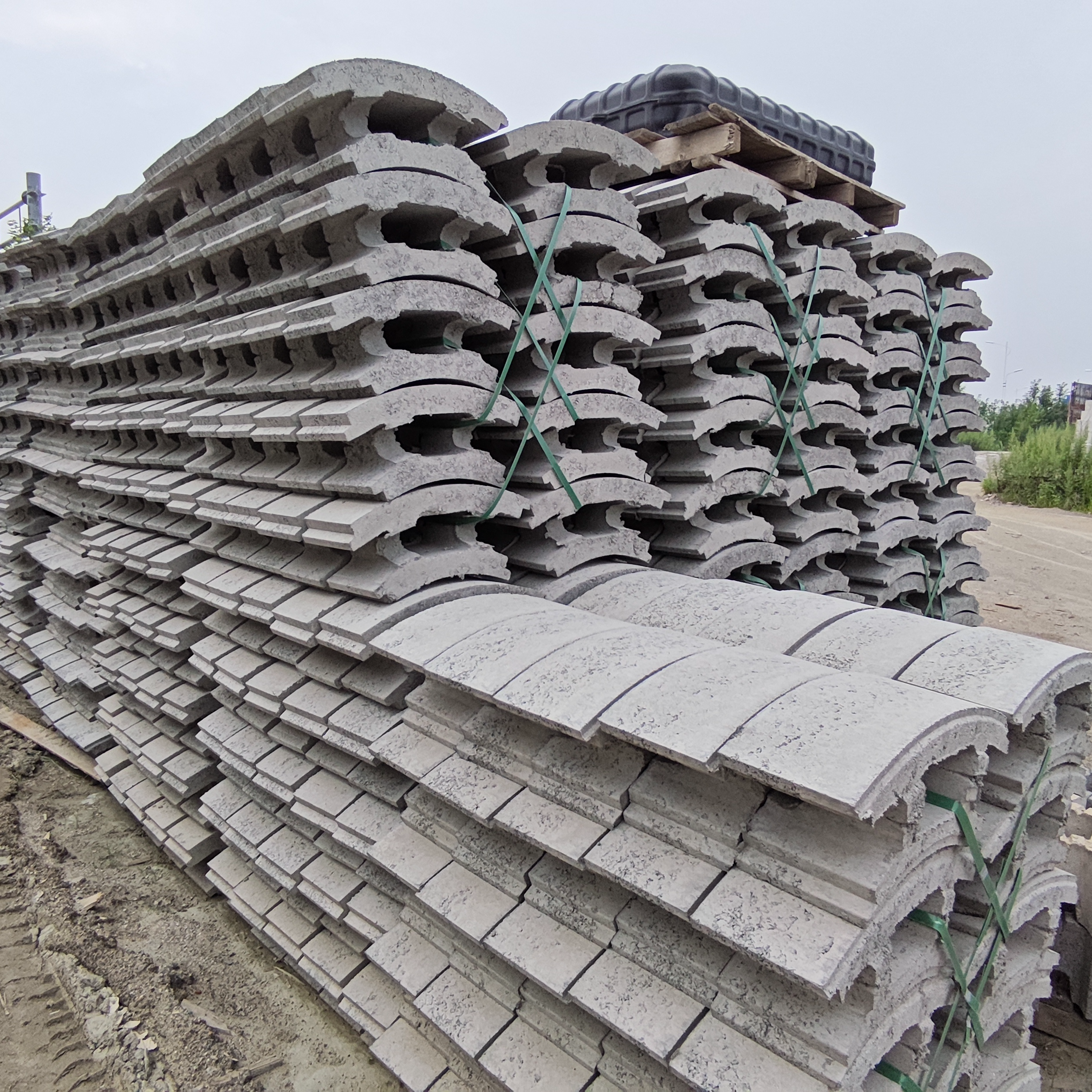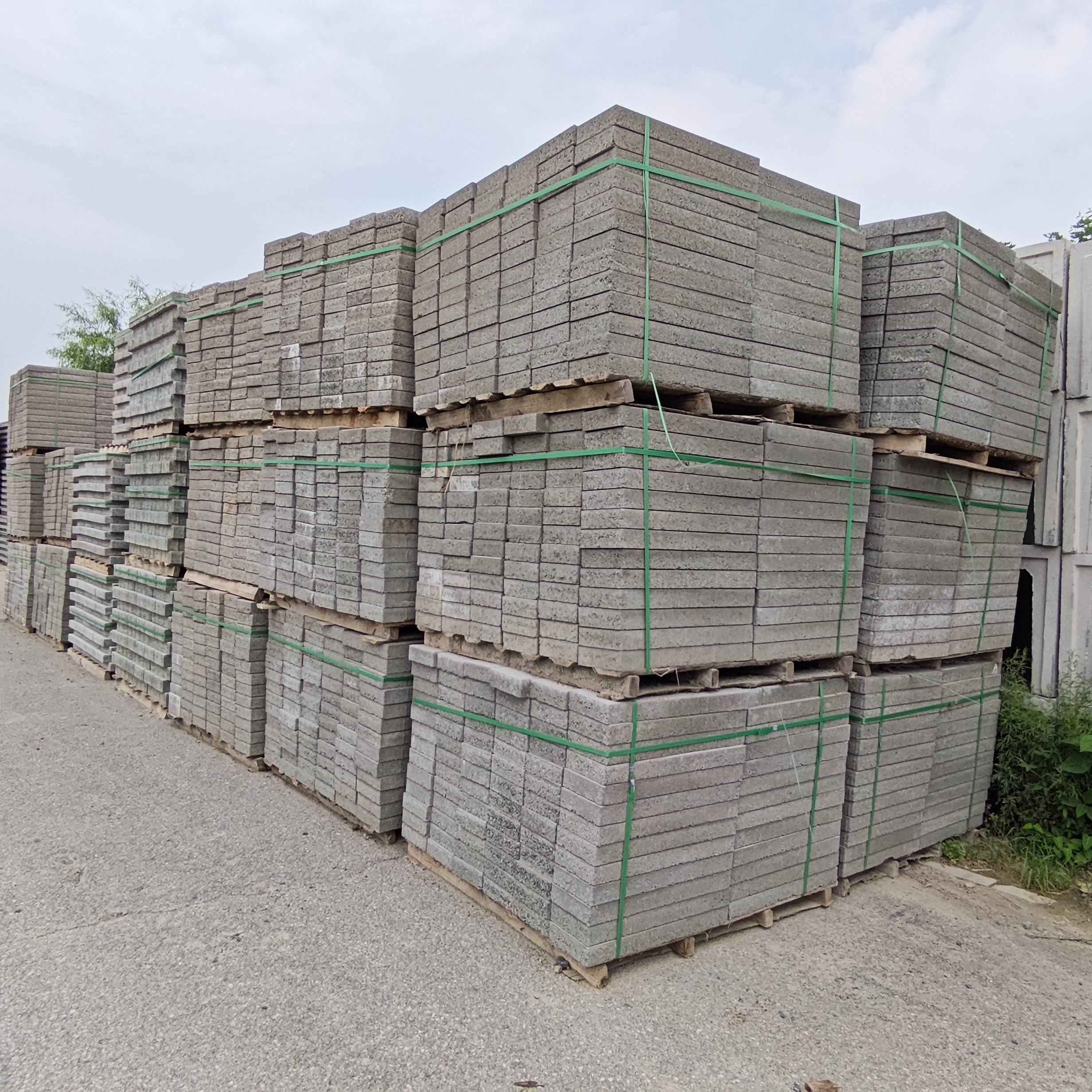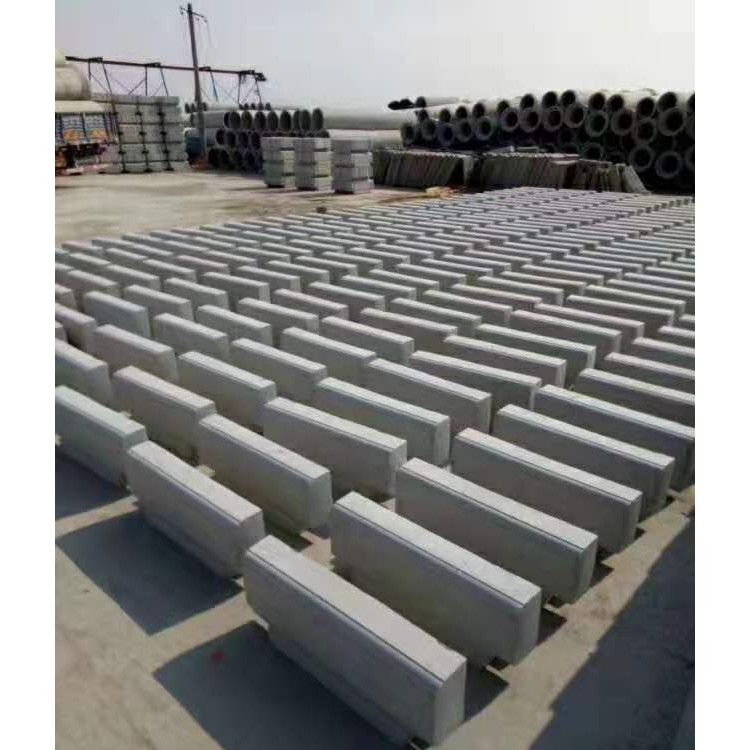


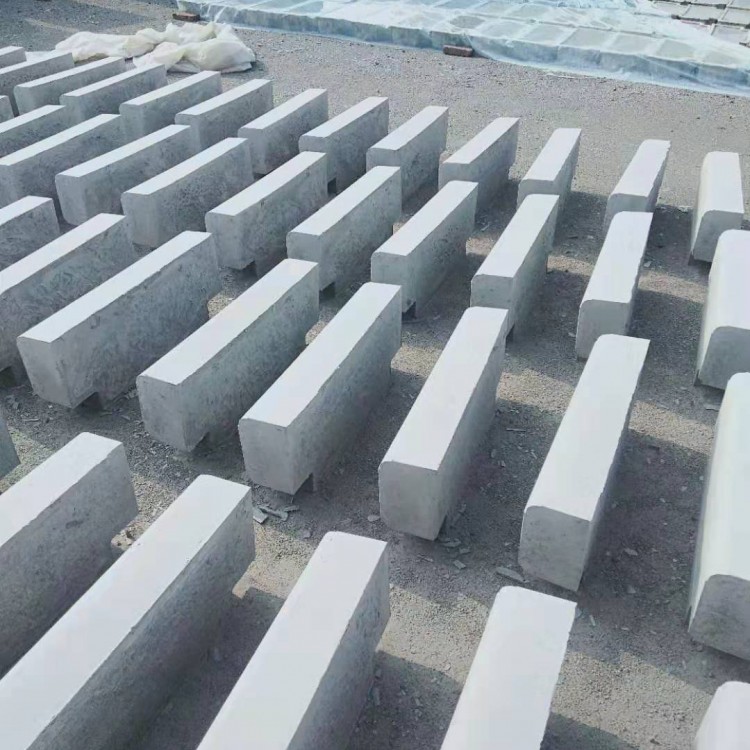


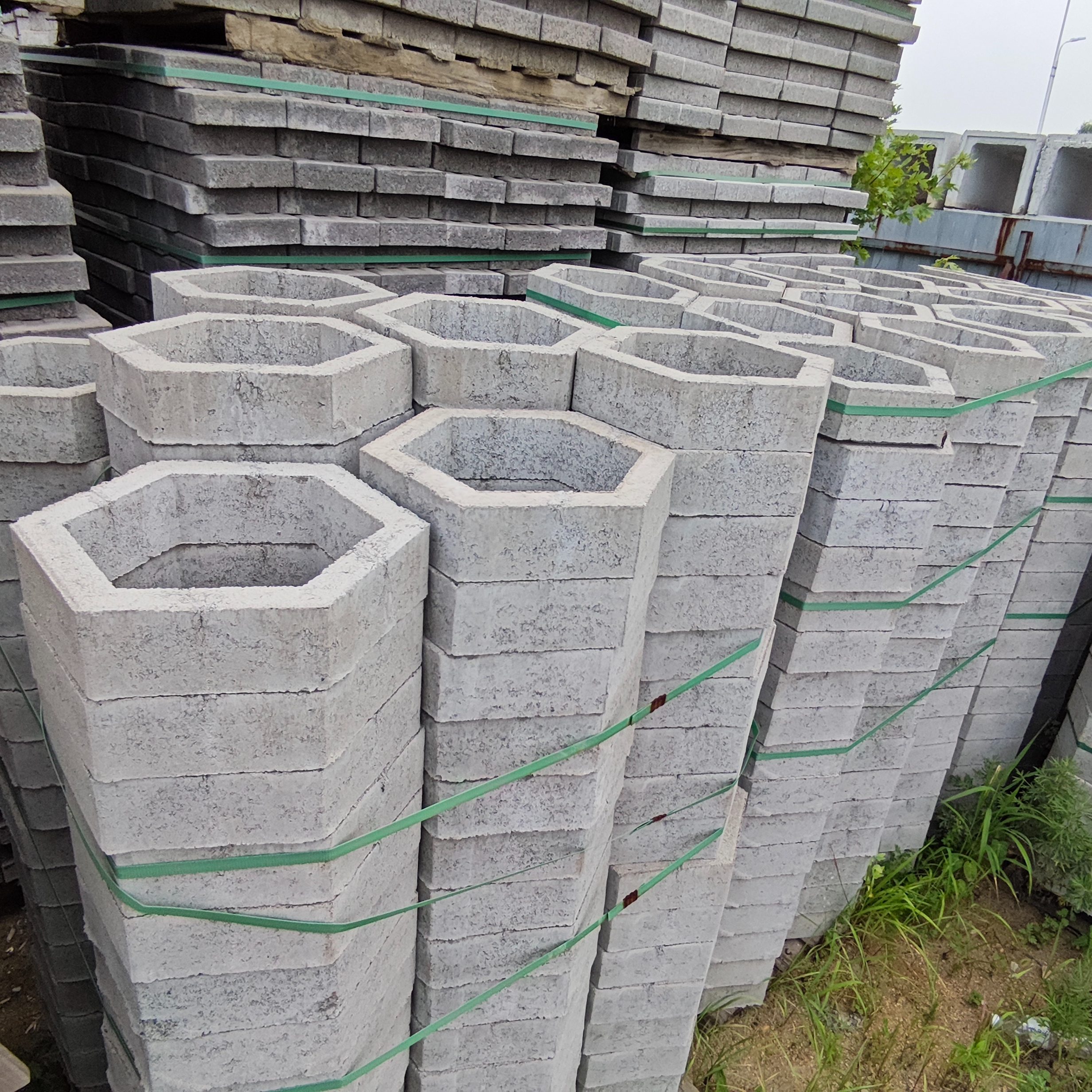





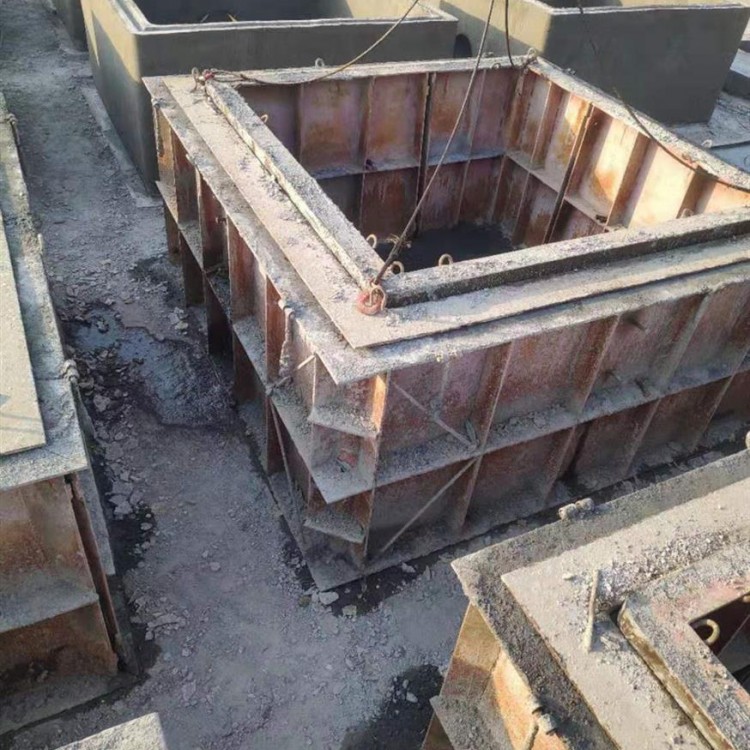

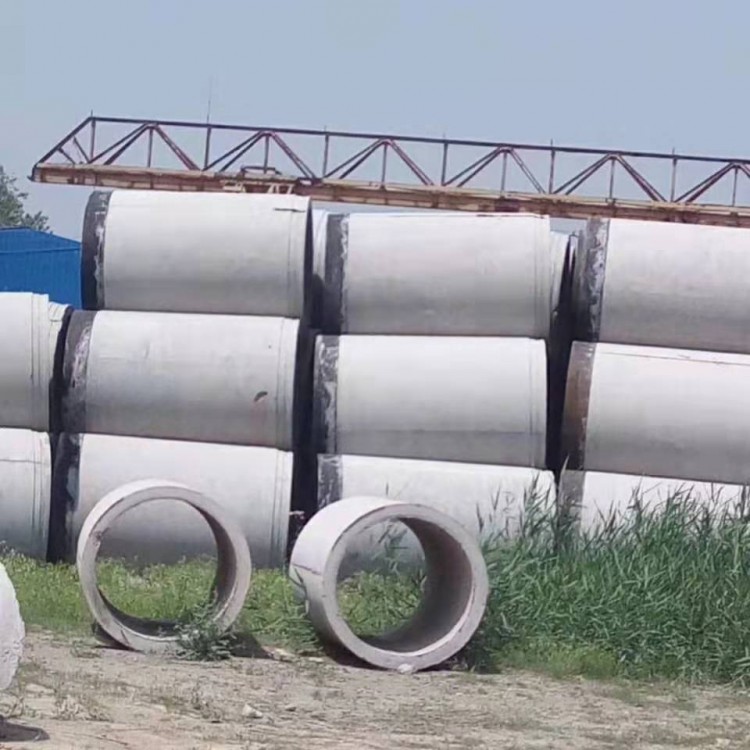
Curbstone serves to delineate the boundaries between roadways, green spaces, medians, and other road components, ensuring pedestrian and vehicle safety as well as maintaining the neatness of the road edges. Curbstone styles are varied, including vertical, inclined, flat, and combination types.
Natural and artificial; these two categories are often used for many items, like jade and the like, which come in both natural and artificial varieties. When selecting curbing stones, first ensure that the five-leaf lotus curbing stones are free of cracks and other obvious quality issues. Next, choose those with good luster. Pay attention to the thickness and flatness of the five-leaf lotus curbing stones, such as whether the corners are straight. Also, note if there are cutting lines on the five-leaf lotus curbing stones and opt for those with cutting lines.
Every road in the city is lined with curb stones, featuring options like granite仿花岗岩, cement水泥, concrete混凝土, and roadside stones, each with its unique charm, contributing to the city's beauty and harmonious environment. To ensure the normal operation of motor vehicles, curb stones are typically elevated 15 centimeters above the road surface, effectively preventing potential safety hazards.
Edgings come in vertical, slanting, and flat styles. The edging stones are machined from natural granite with uniform texture. The stone must meet strength requirements, with even color, no cracks on the surface, complete edges, consistent appearance, no obvious spots or color variations, and no weathering. They must not be dropped, struck, or bumped during handling to prevent damage. Edgings refer to long, strip-shaped stones, precast concrete strips, or bricks that are laid along the road edge to protect the pavement. In the north, they are also called "road cliffs," "road curb," or "path curb."