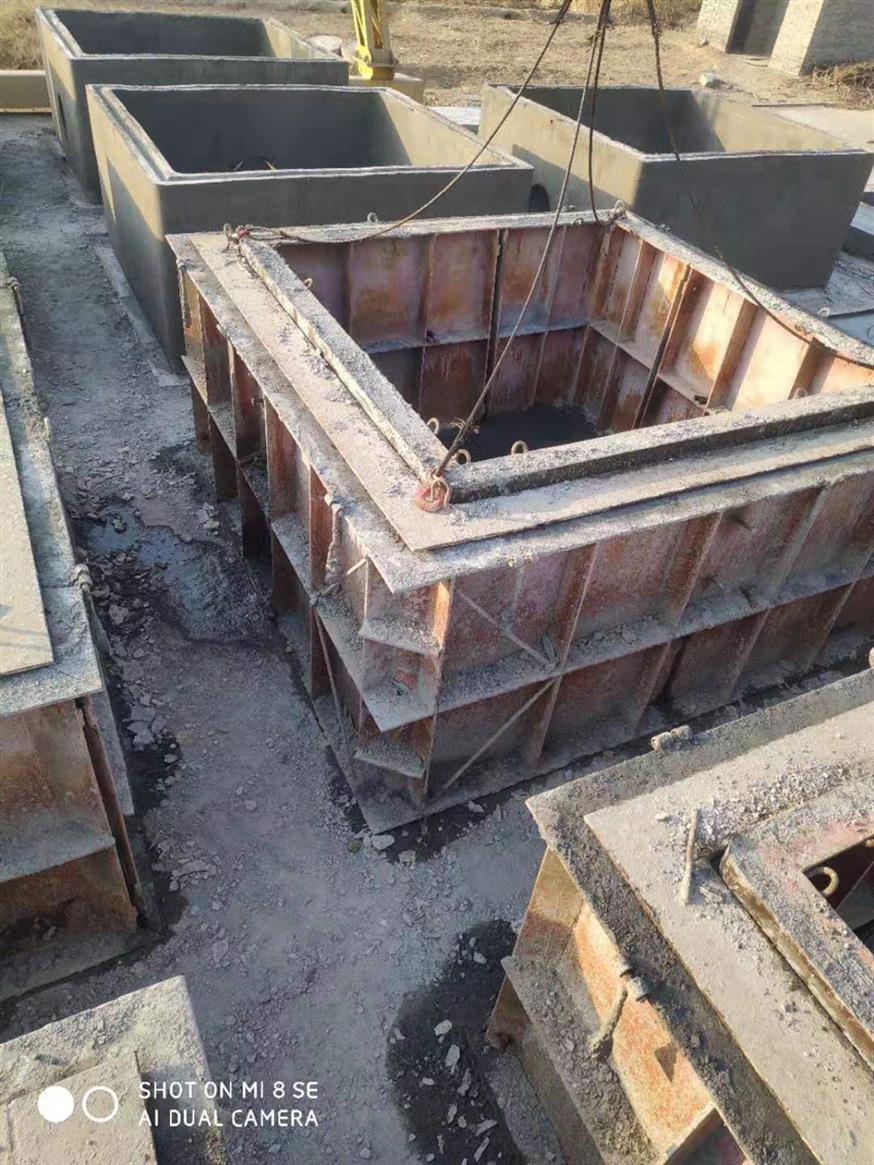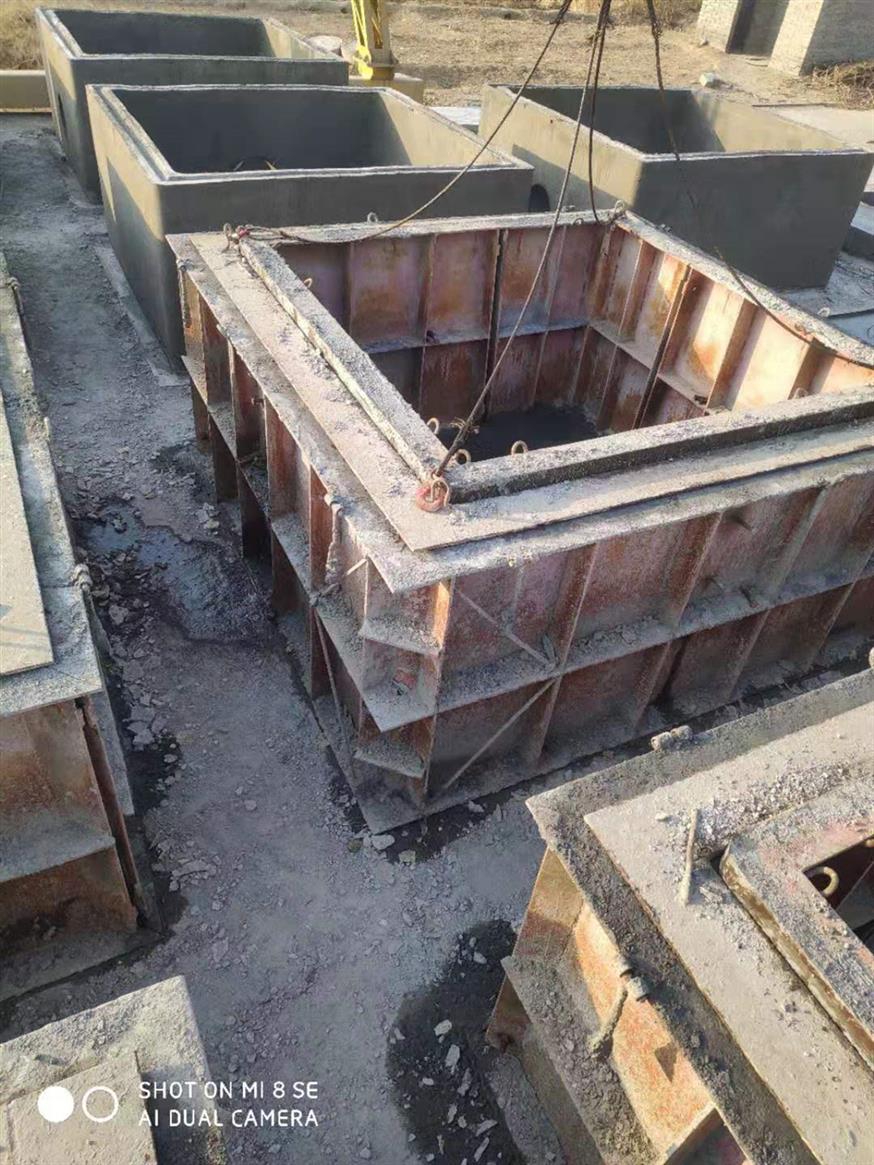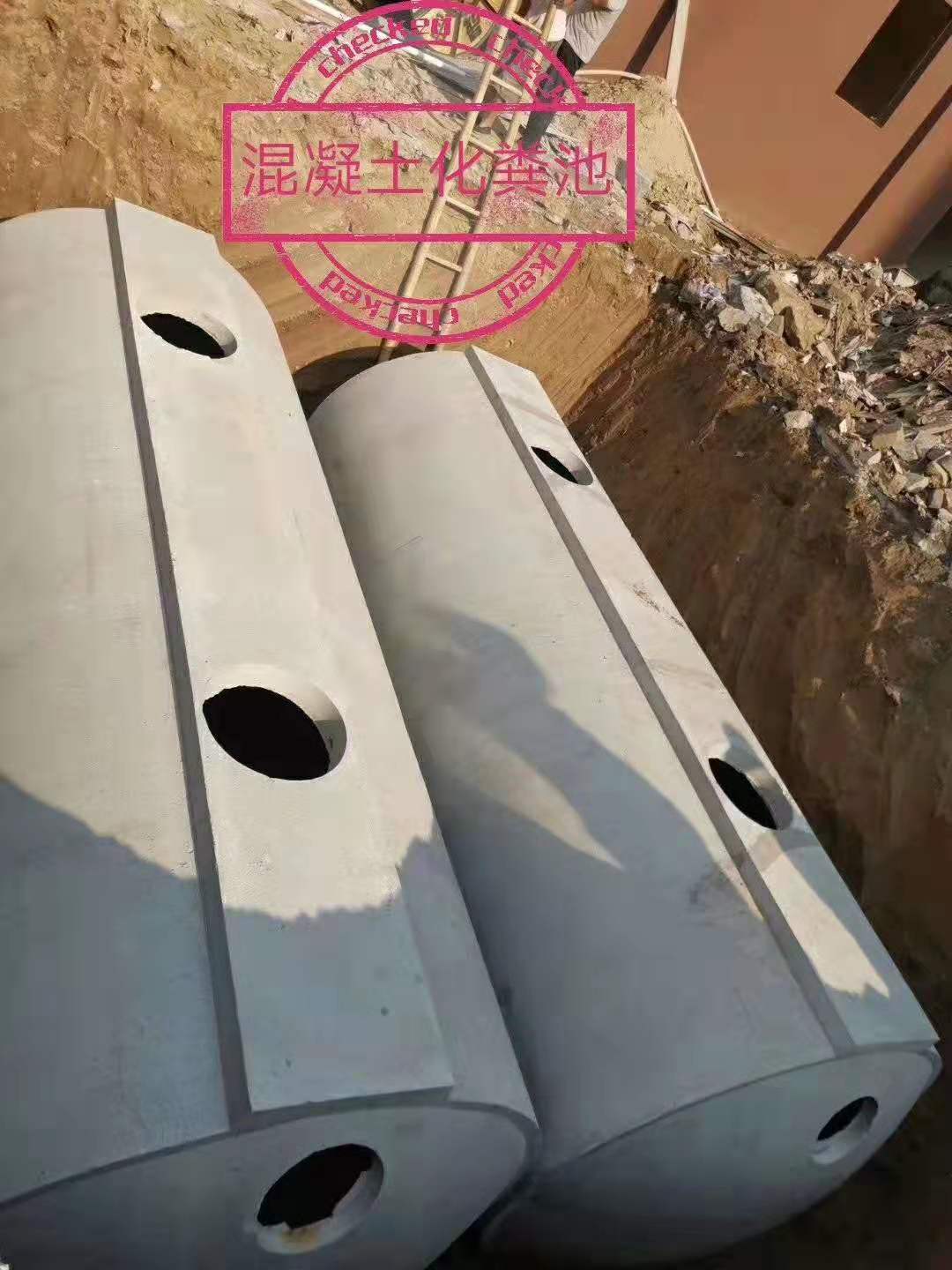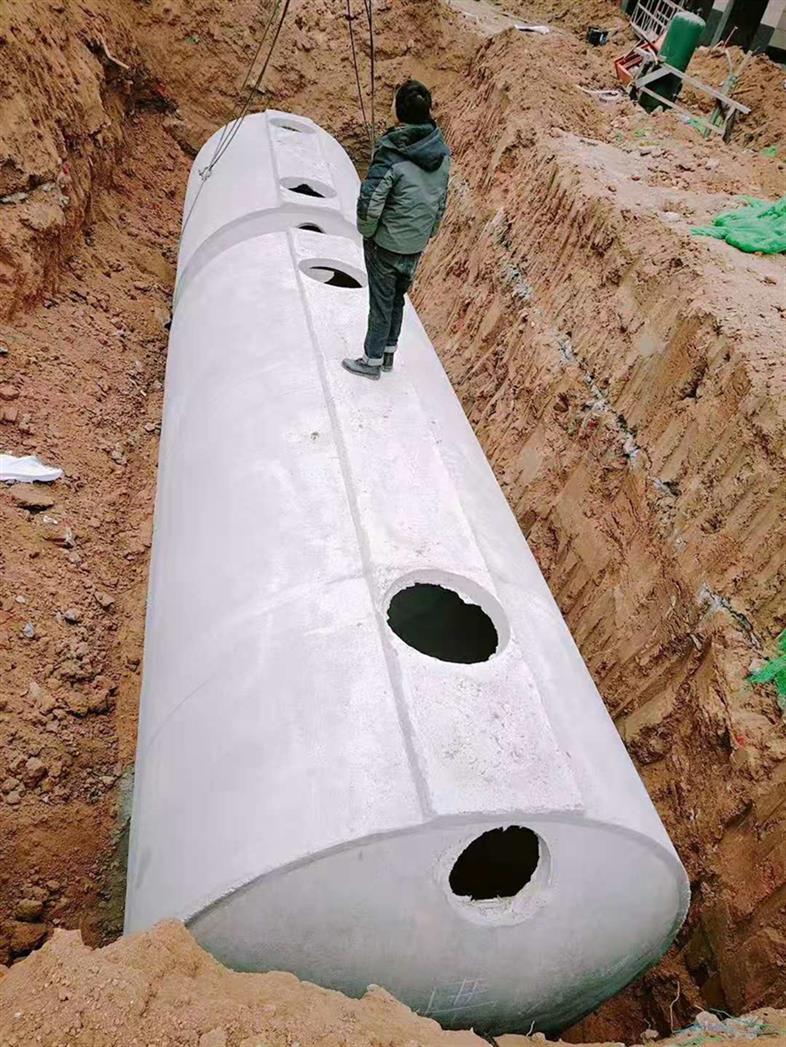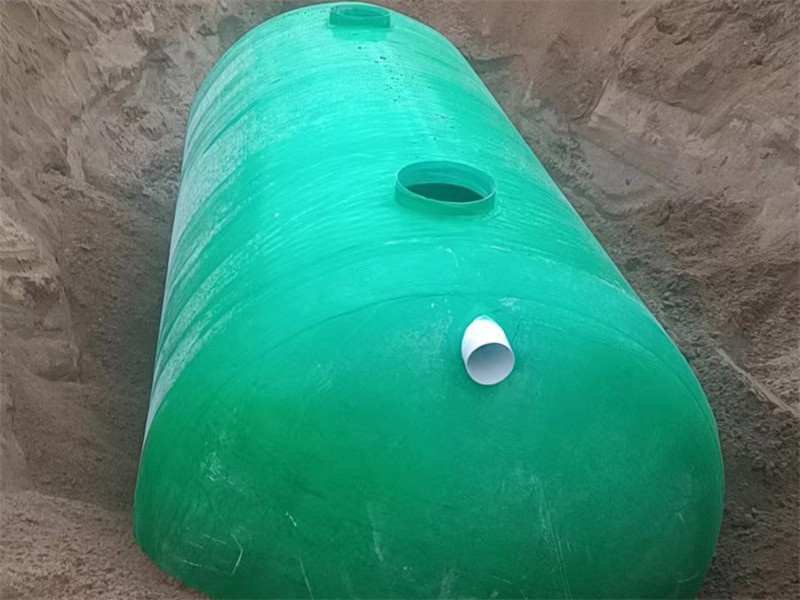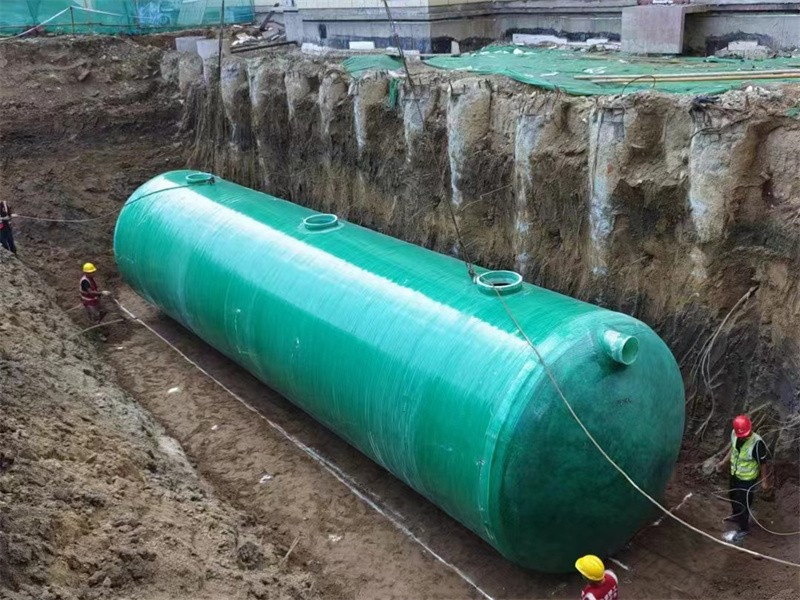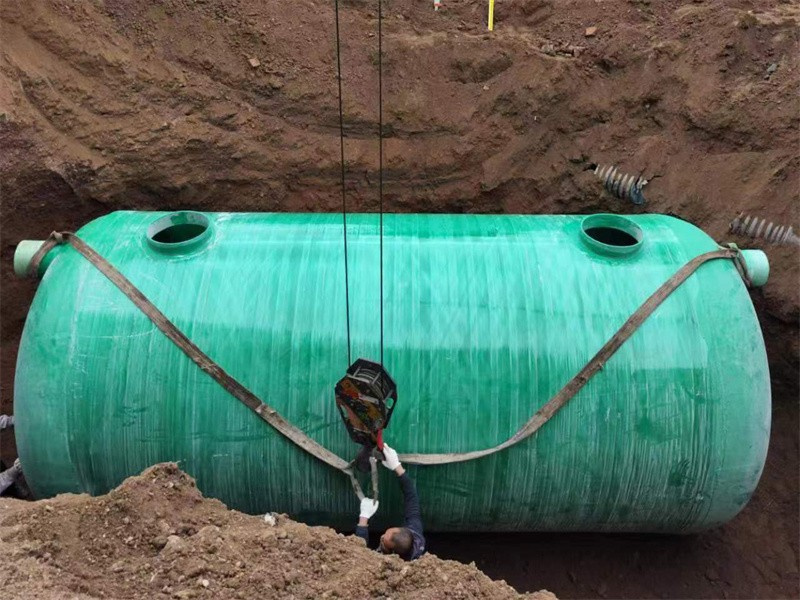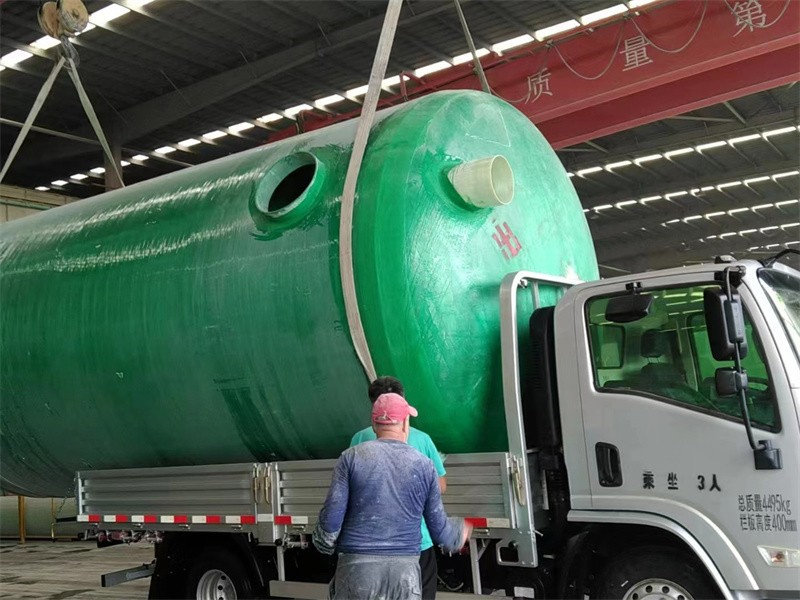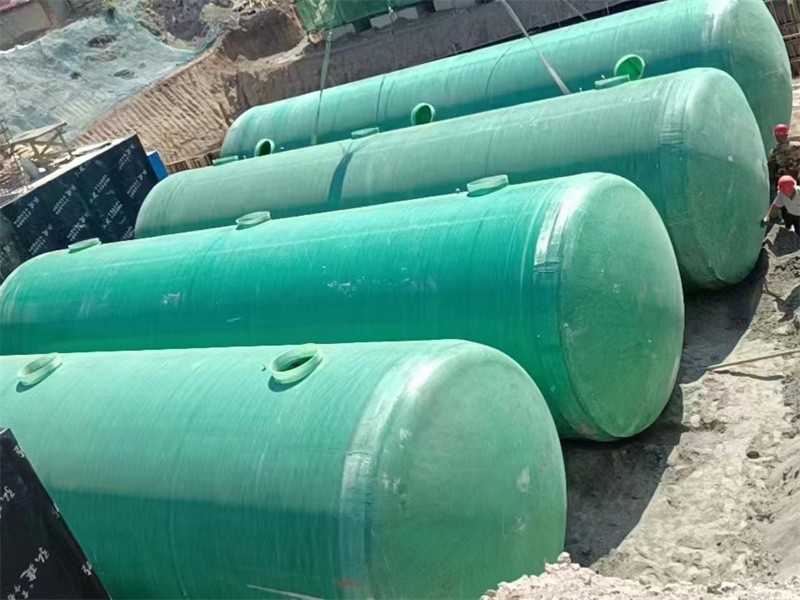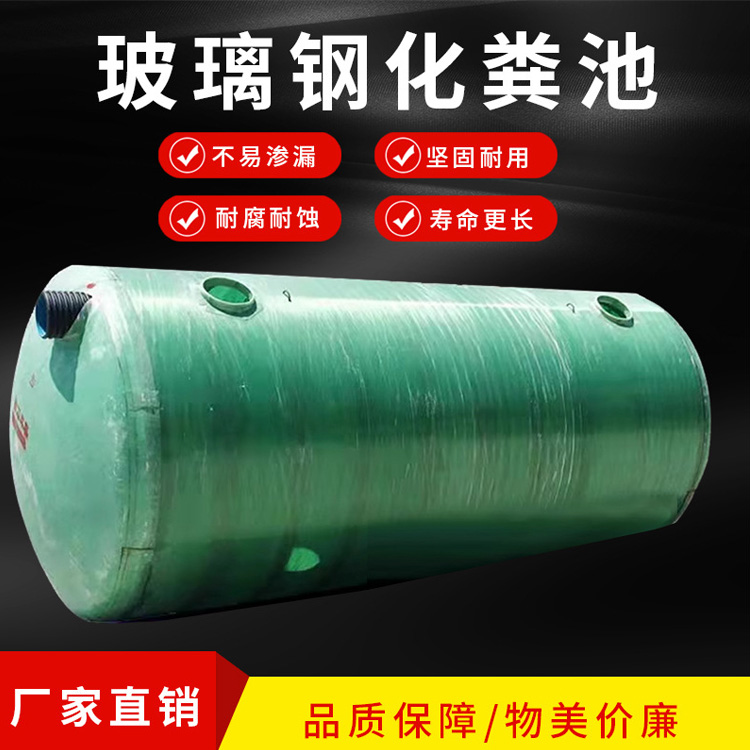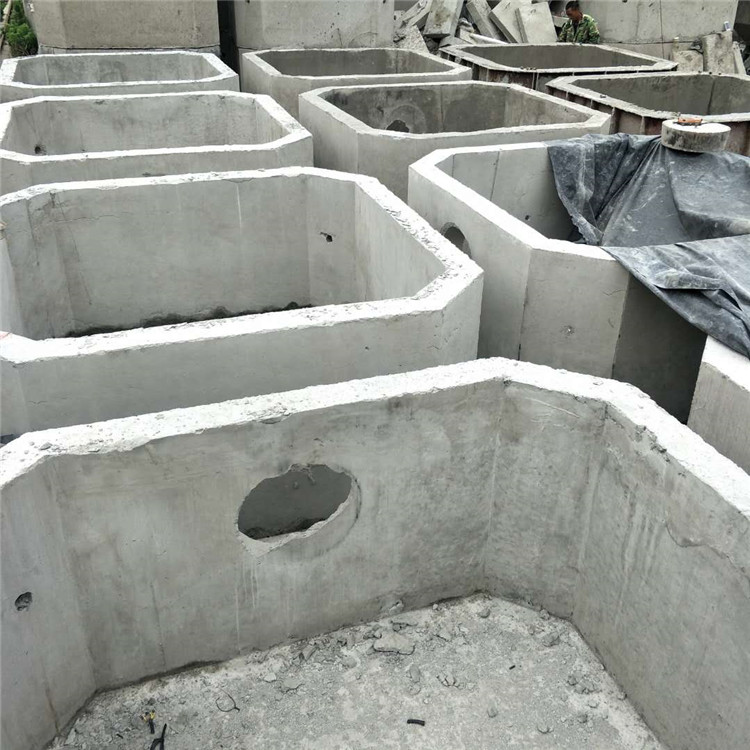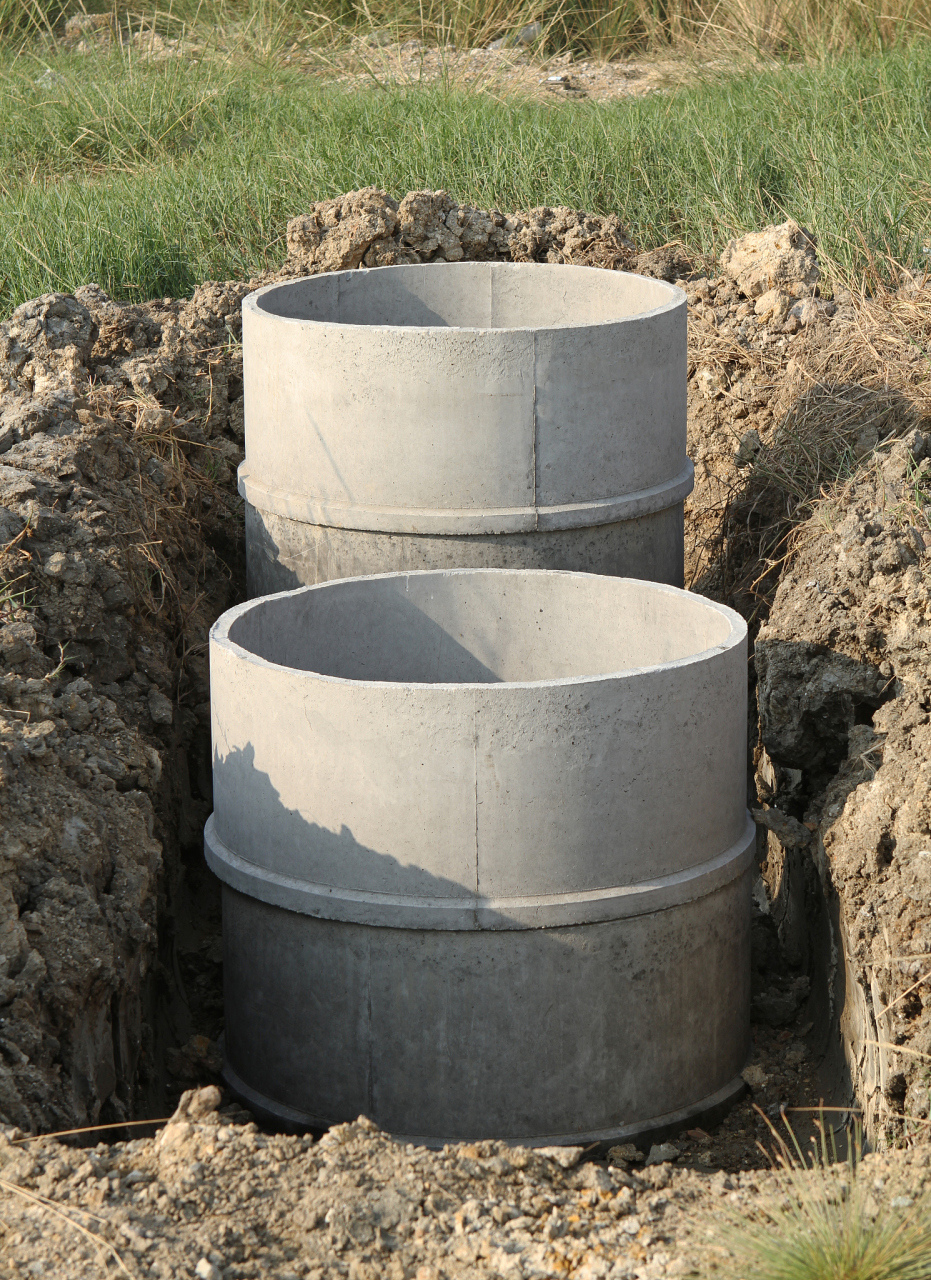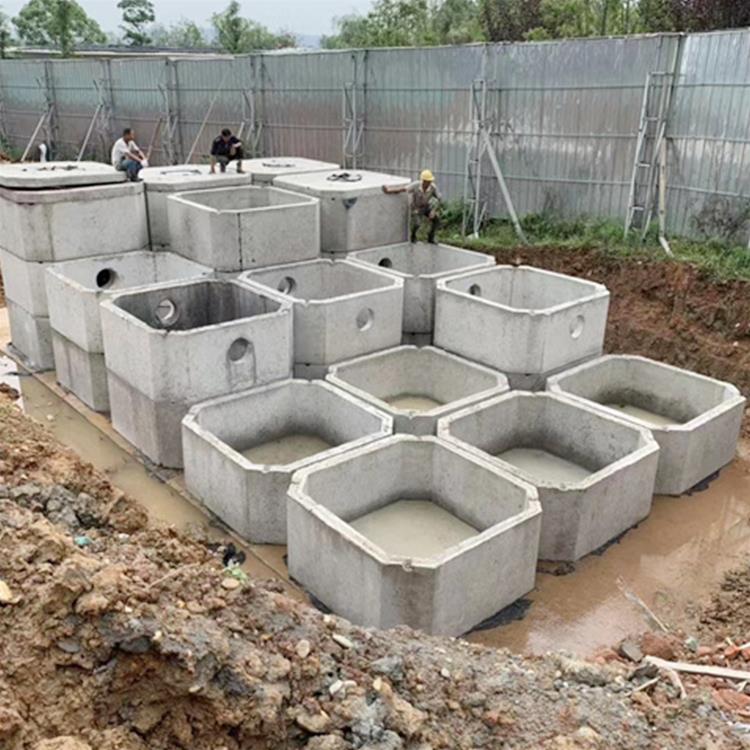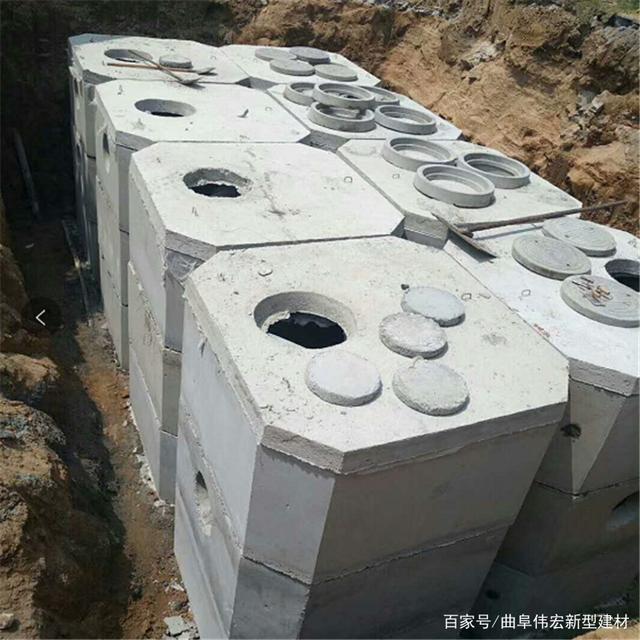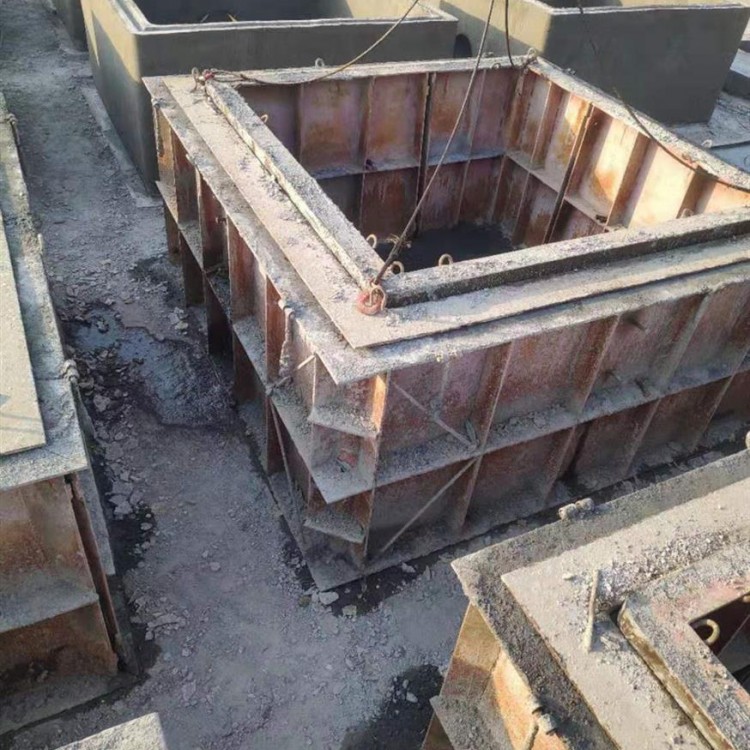



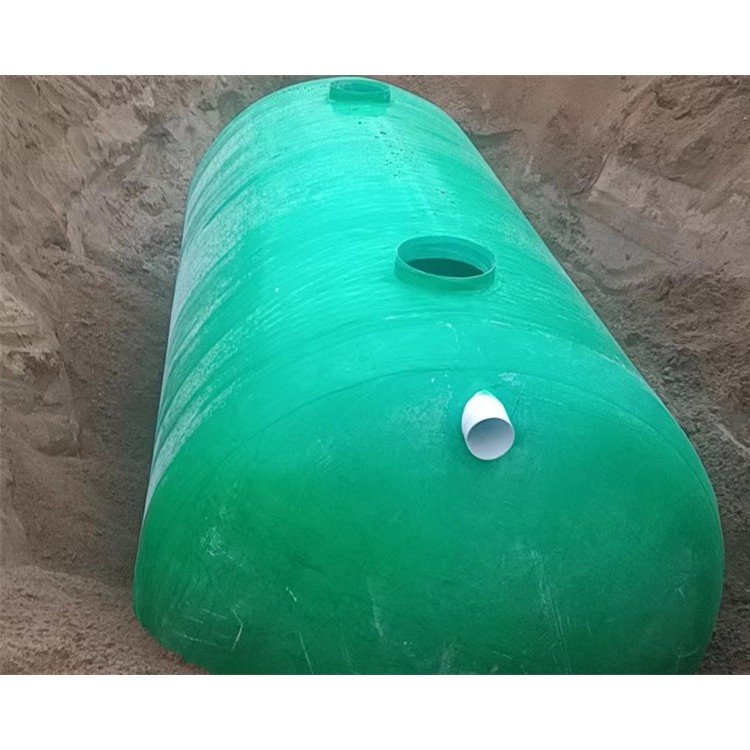
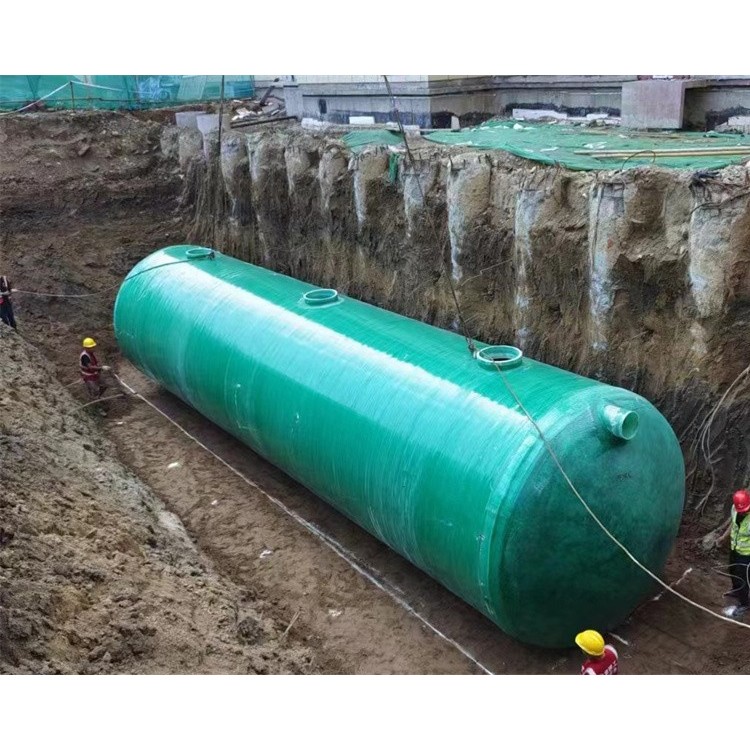
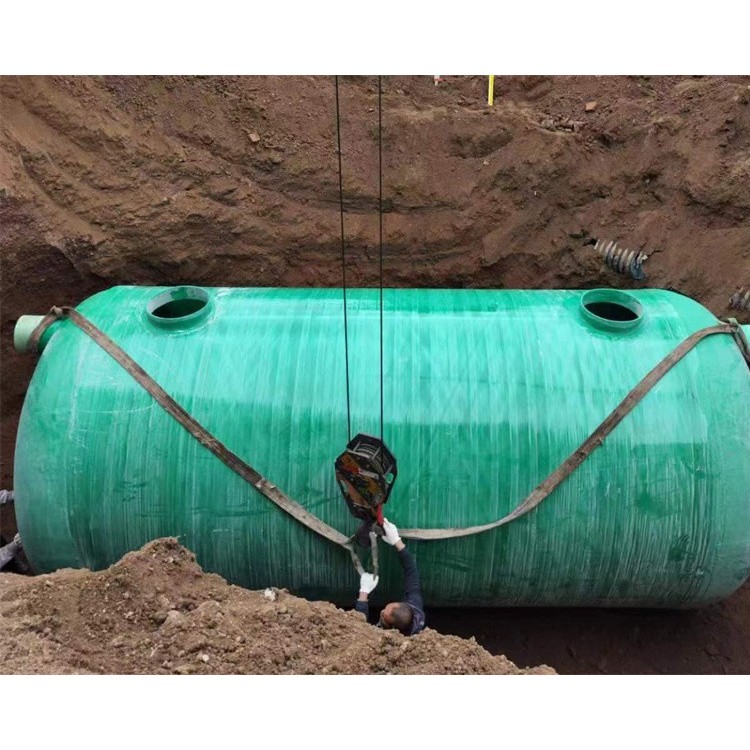
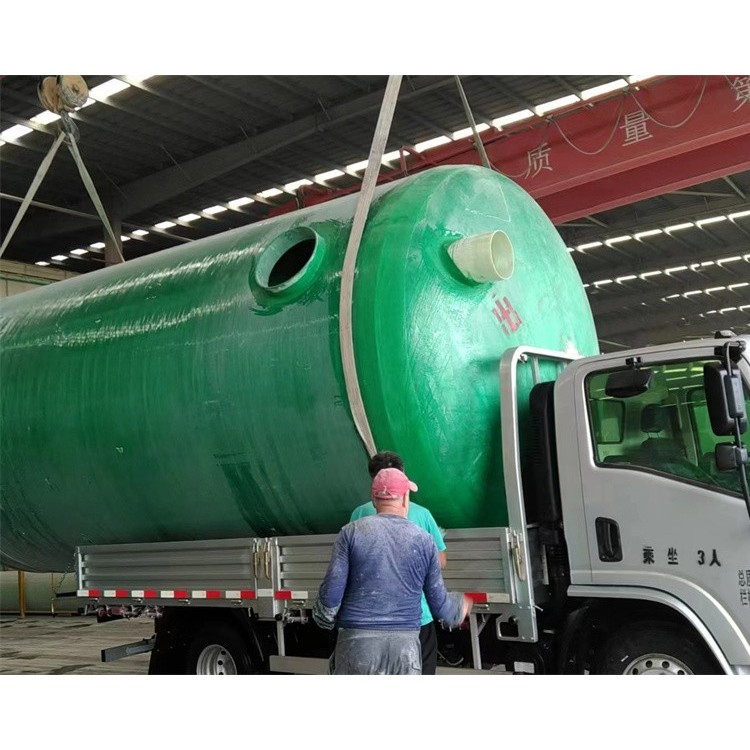
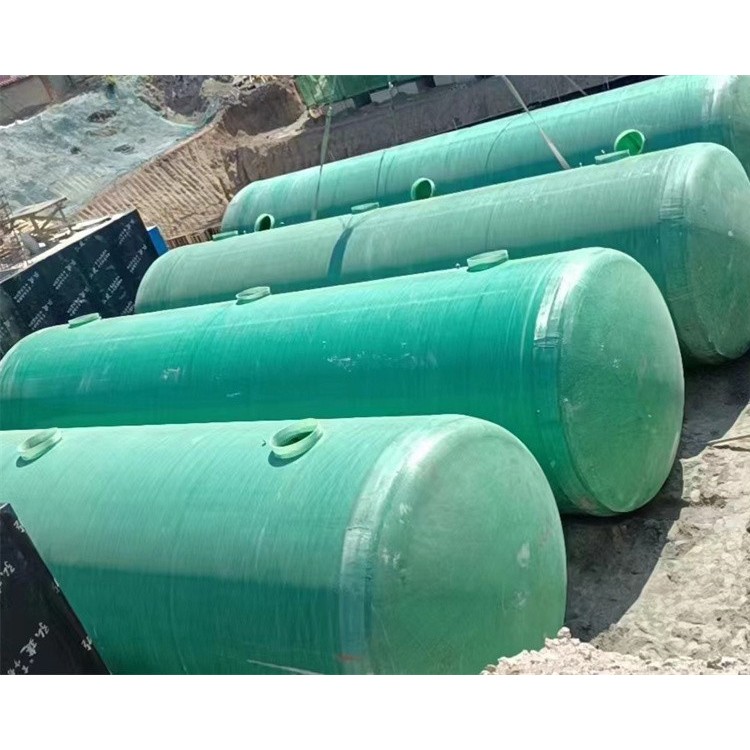





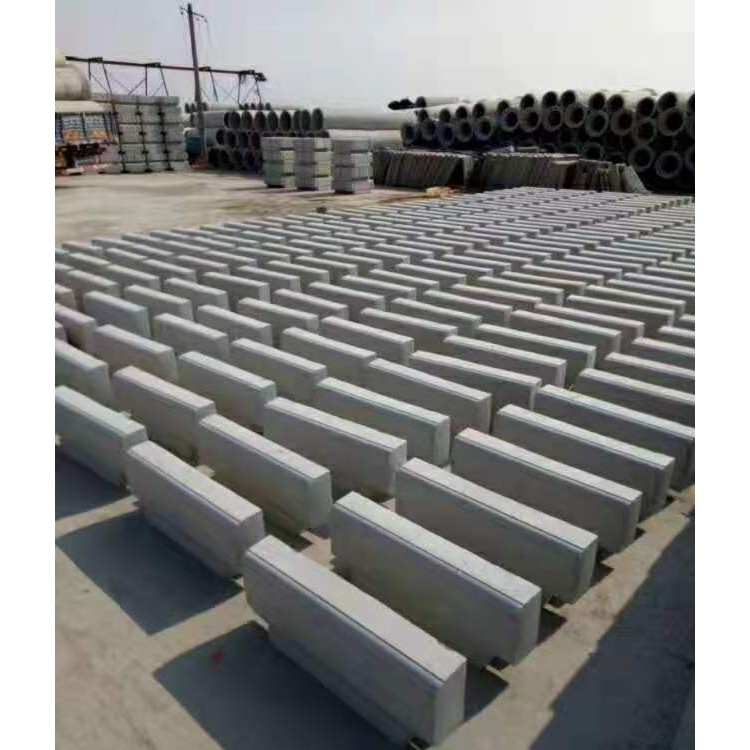

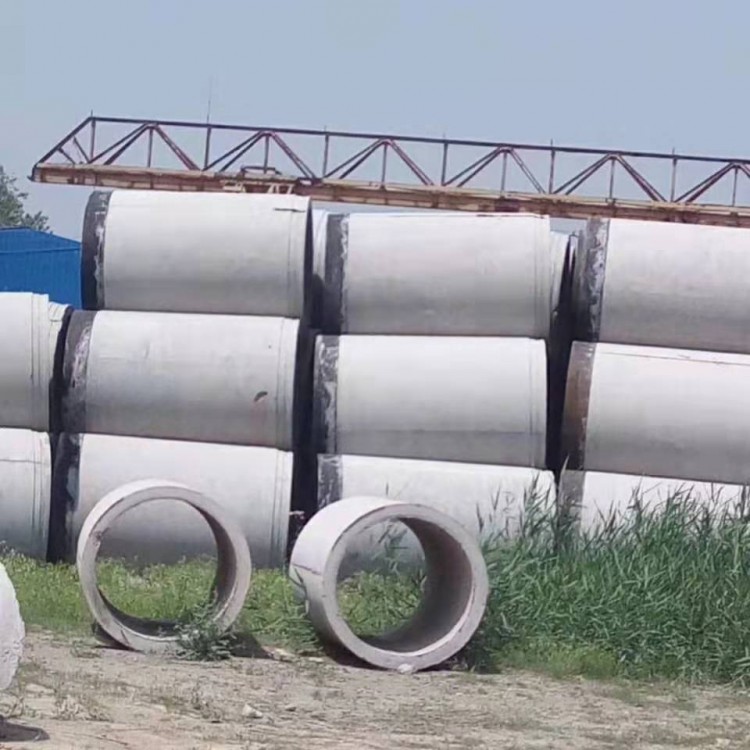
Pre-fabricated Reinforced Concrete Septic Tanks. Made of reinforced concrete, these tanks offer excellent tightness, stability, and strength, ensuring no leakage and good water treatment results. Yingde utilizes factory production to save time and costs; upon delivery to the site, they can be installed directly, making the process simple and quick. Compared to on-site casting, this method significantly reduces labor and time costs. They have minimal requirements for installation sites and environments, allowing for complete control over the installation progress and ensuring timely completion. Moreover, septic tanks can be flexibly combined and installed according to the actual needs of the construction site or specific site conditions.
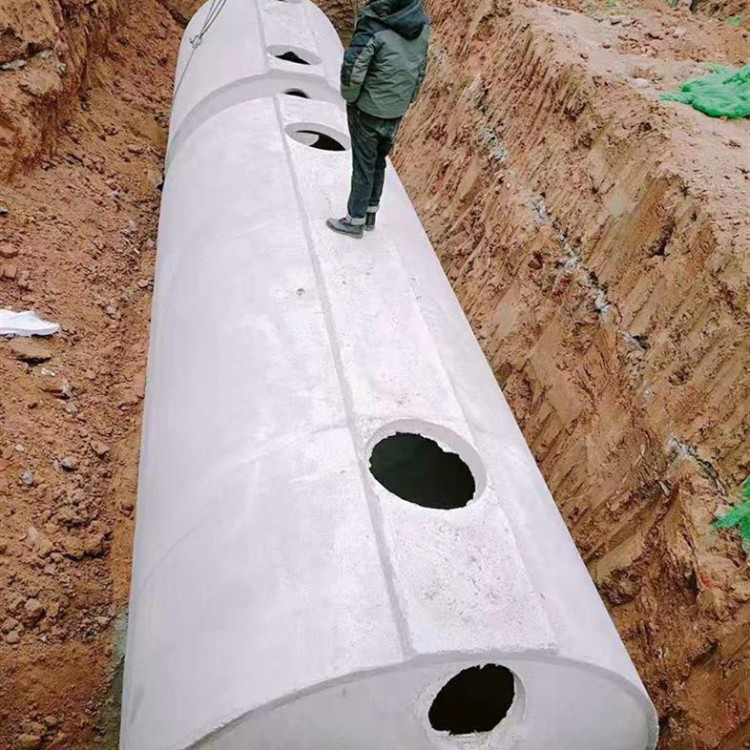
Cast-in-place concrete septic tanks. Made from reinforced concrete, these tanks are poured on-site. Reinforced concrete septic tanks offer high strength, stability, and tightness, preventing leakage and cracks, with excellent purification results. However, the on-site pouring process is complex, slow, and costly in terms of time, with difficulty in controlling the construction schedule. During rainy or cold seasons, it's challenging to complete the construction within the set timeframe; also, a large workforce is required, increasing labor costs.
Cement septic tank cleaning process
1. Remove the septic tank cover with an iron hook, then use a long bamboo pole (8 meters) to disperse the solidified debris layer inside the septic tank.
2. Transport the vacuum truck to the job site, fit the vacuum hose (5m long, with 3 spare) into the septic tank.
3. Turn on the sewage pump truck's switch, extract the feces until all the solidified sludge in the septic tank is suctioned out, to prevent soiling the work site and the clothes of passersby.
4. Secure the septic tank cover, and rinse the work area and all tools with clean water. 5. Clean once a year, remove 90% of the first-grade tank, 75% of the second-grade tank, and all solid surfaces from the third-grade tank.
5. After cleaning, visually inspect the well to ensure no debris floats on the surface, and that both the entry and exit are clear to prevent wastewater from spilling onto the ground.
6. After the septic tank cover is opened for 10-15 minutes, no one should stand near the tank. It is strictly prohibited to light a fire or smoke near the tank to prevent accidental ignition of gases. (This must be paid close attention to!)
7. No personnel to enter the pool to prevent poisoning or drowning.
8. After the septic tank cover is opened, the worker must not leave the scene. After cleaning is complete, please close the cover immediately to prevent pedestrians from falling into the well and causing an accident.