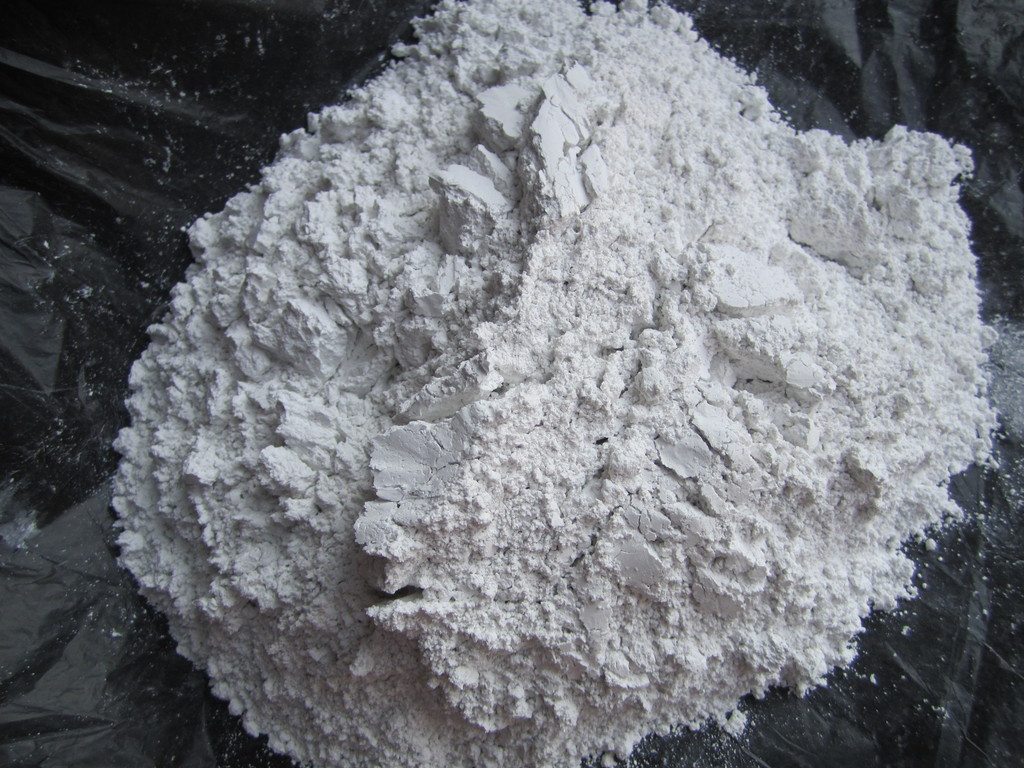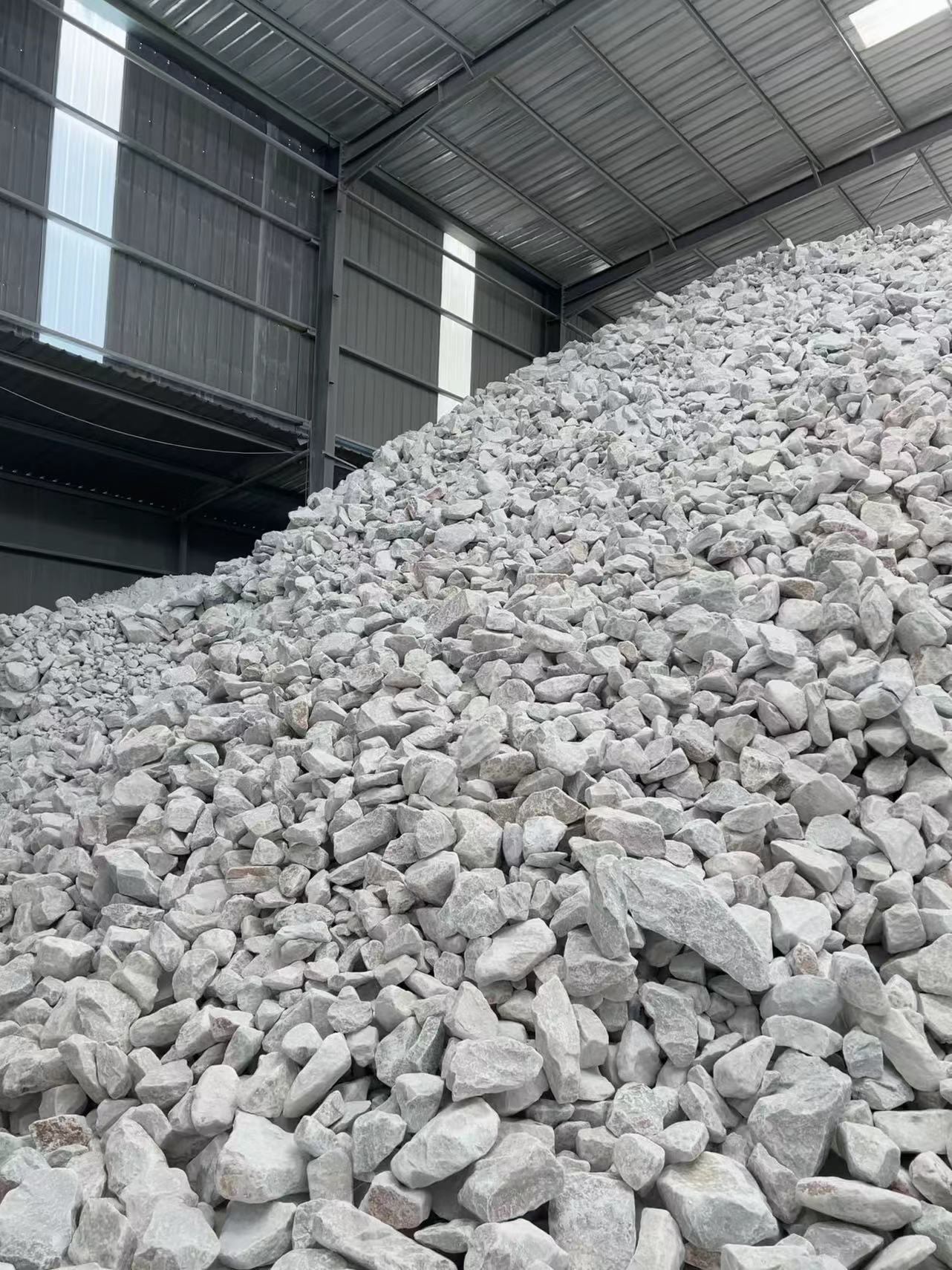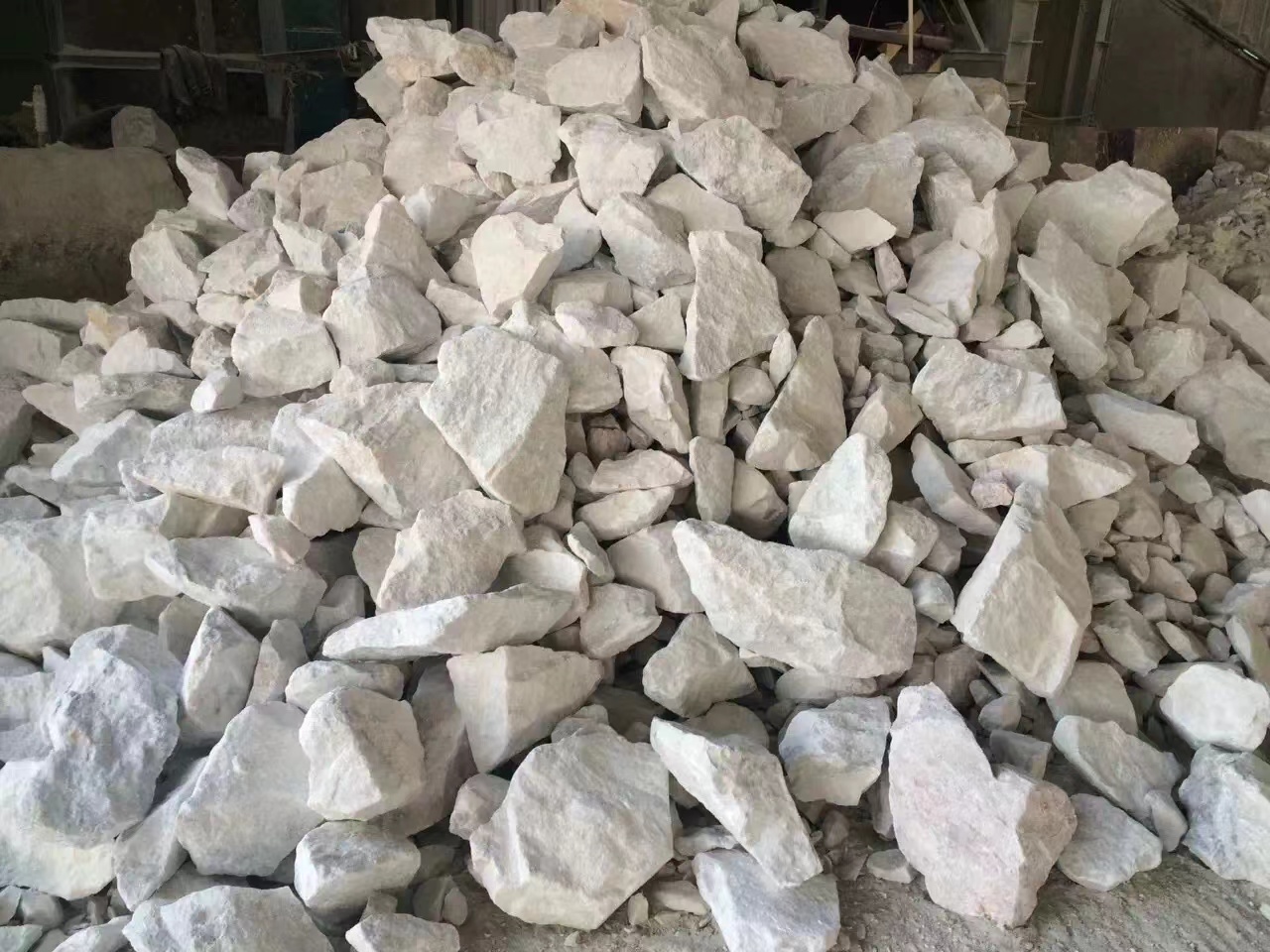












One, the characteristics of putty powder
Environmental Protection: The putty powder is mainly composed of eco-friendly resins and high polymer polymers, usually free of toxic and harmful substances, and does not pollute the human body or environment during use. It meets relevant environmental protection standards and is a green building material.
Excellent construction performance: After applying the putty powder, the wall surface is smooth, with vibrant colors and good texture, and the color remains stable, offering excellent decorative effects. The putty powder has strong adhesion and high bonding strength, certain flexibility, good breathability, and does not turn to powder when dampened, demonstrating strong water resistance.
Water and abrasion resistant: The putty powder features water and abrasion resistance, capable of withstanding the effects of moisture and wear, maintaining the wall's durability and aesthetic appeal.
Wide Application Range: Putty powder is suitable for various types of wall decorations, such as painting and wallpapering. It can also be used in the preparation of composite materials to enhance the strength and overall performance of the material.
Section 2: Application of Putty Powder
Flat Wall Surface: Putty powder can fill in cracks and uneven surfaces on walls, making the surface smoother. By applying putty powder during construction, the flatness of the wall can be effectively improved, laying a solid foundation for subsequent decoration.
Protecting Walls: Putty powder serves as a protective layer for walls, preventing moisture and external factors from eroding the surface, thereby extending the lifespan of the walls.
Supply Decorative Base: The wall foundation formed after the application of spackling powder is smooth and delicate, providing ideal conditions for subsequent painting or wallpaper installation. It enhances the adhesion and uniformity of paint, resulting in a more aesthetically pleasing decorative effect on the wall.
Composite Material Preparation: The putty powder can also be used in the preparation of certain composite materials, such as gypsum boards and thermal insulation boards. It can serve as a filler or binder for composites, enhancing the material's strength and overall performance.