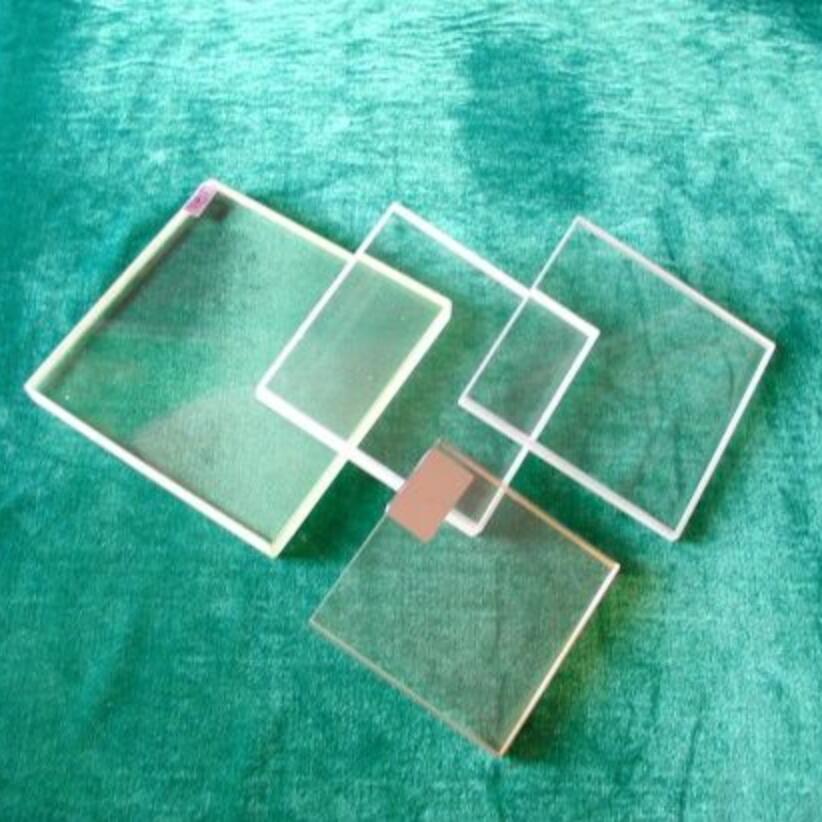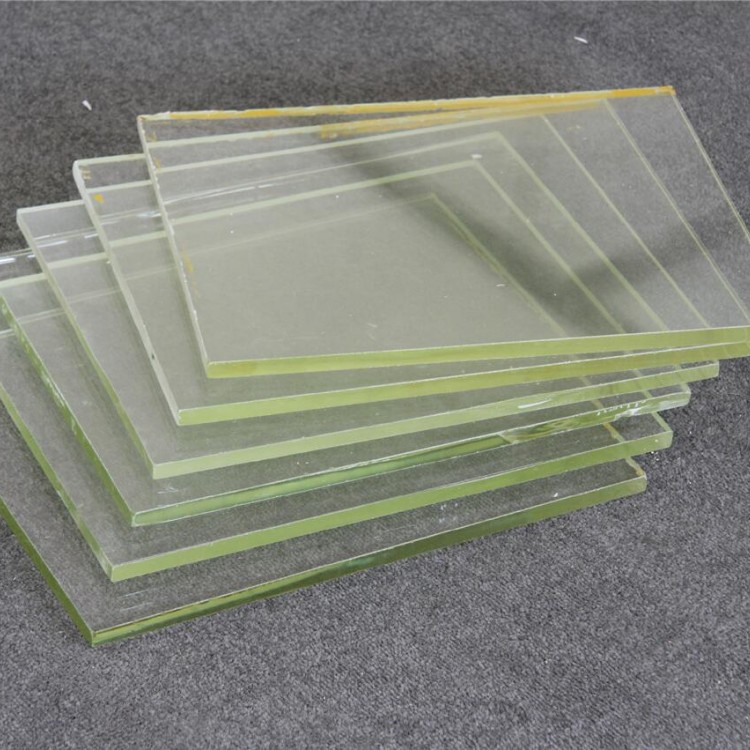

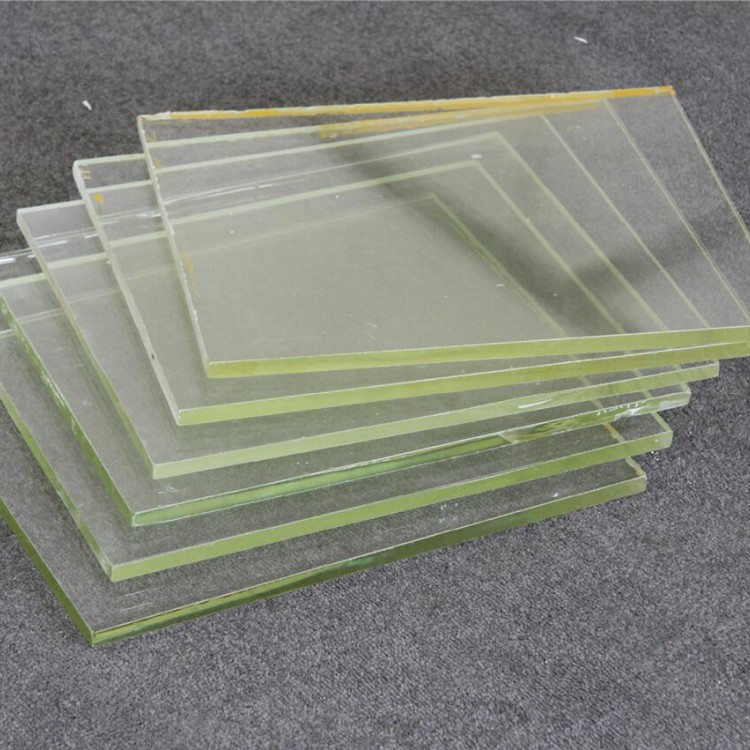
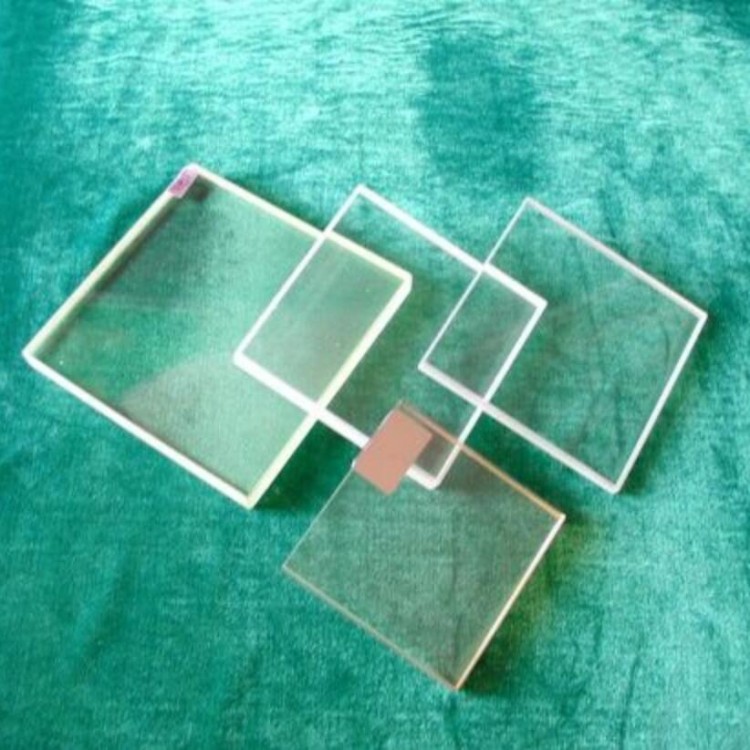







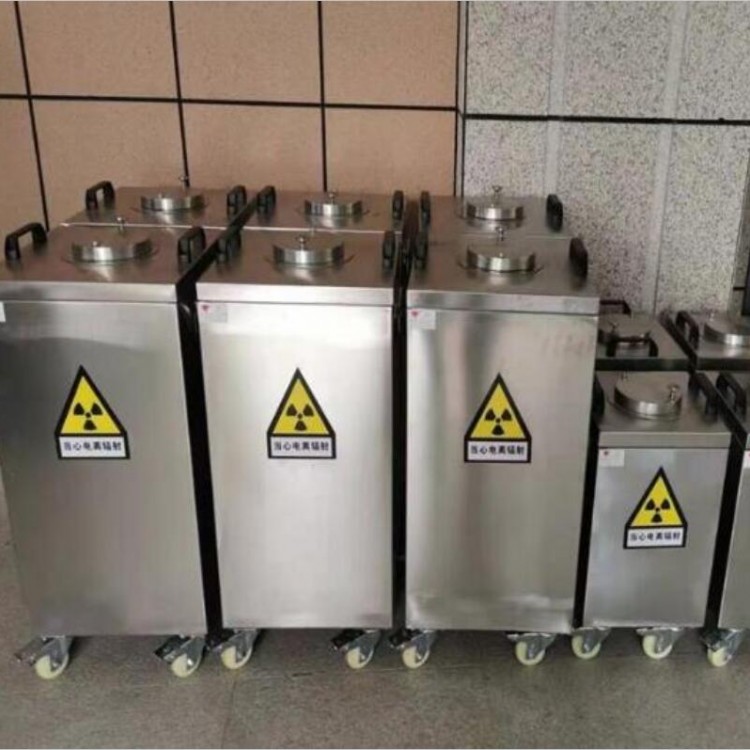
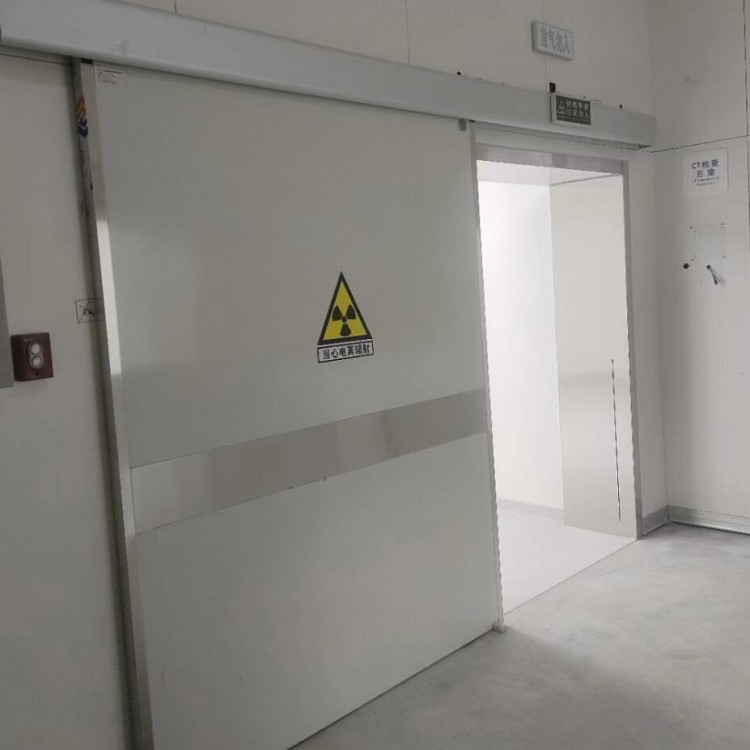
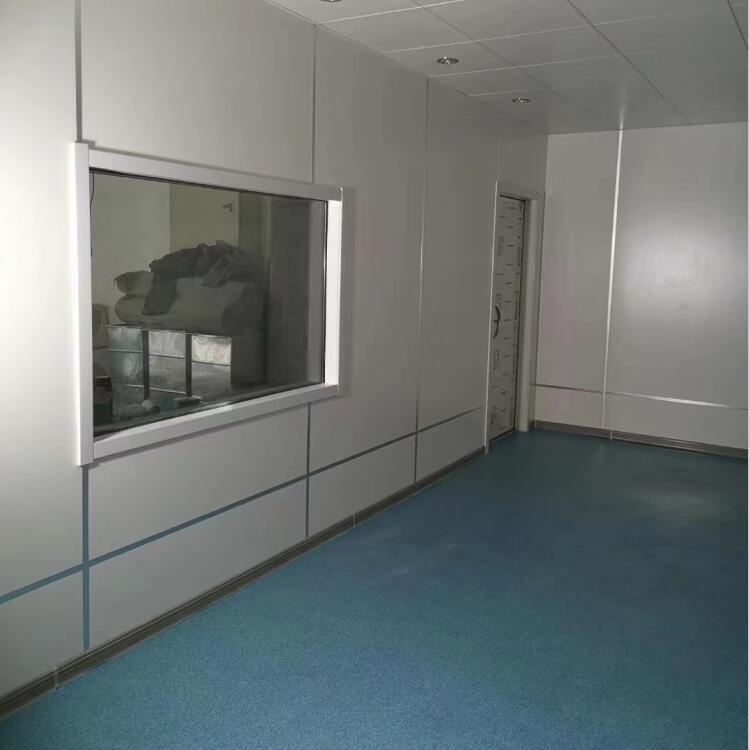
Lead glass is primarily used for radiation protection, blocking X-rays and gamma rays. It is commonly used in hospitals, factories, research institutions, and school laboratories.
The glass surface is smooth, transparent, and has strong protective properties. Compared to ordinary glass, it is less hard and prone to scratching. Therefore, the following points should be noted during use:
1. Lead glass is a brittle material that is fragile and prone to breaking; it should be handled gently and carefully when moving.
2. During installation, the glass must be tightly sealed around the perimeter with protective materials against wall to prevent radiation leakage. Lead plates, lead rubber, and other radiation shielding materials can be added around the window.
3. Lead glass is prone to acid and alkali contamination due to its high content of lead and barium, making it unsuitable for storage and installation in environments with acid gases and humidity.
4. Avoid scratching the lead glass surface by contact with hard or rough objects.