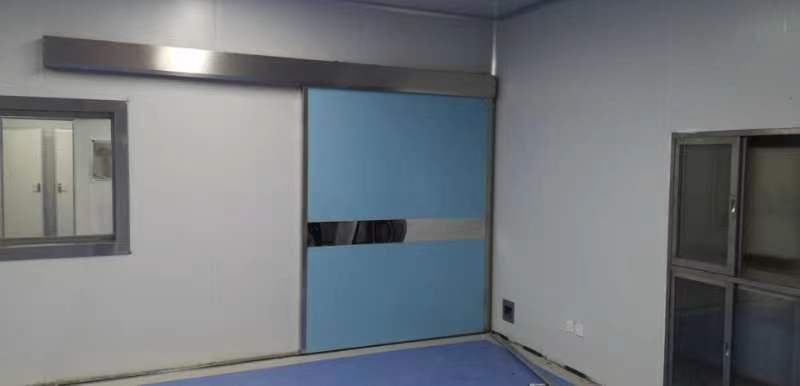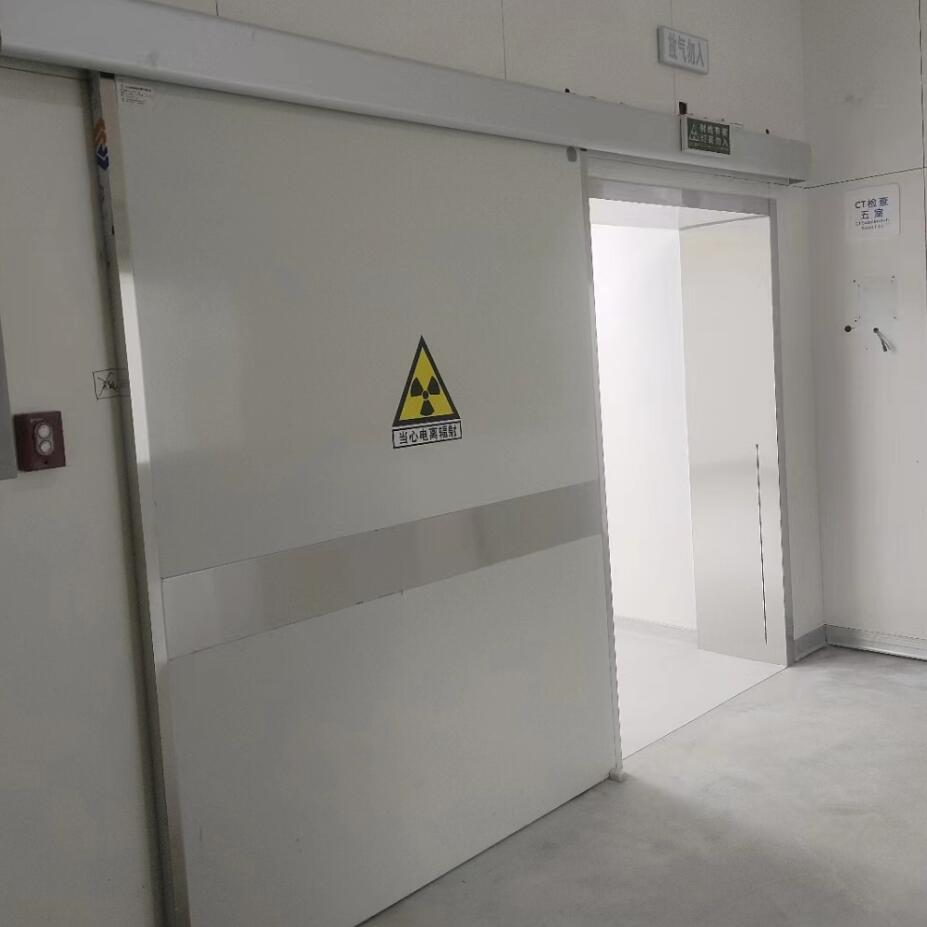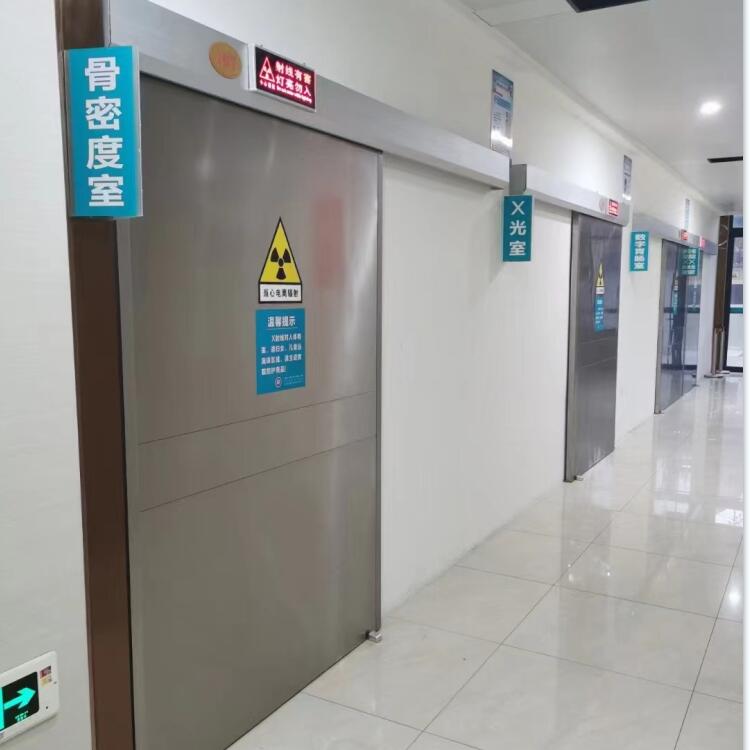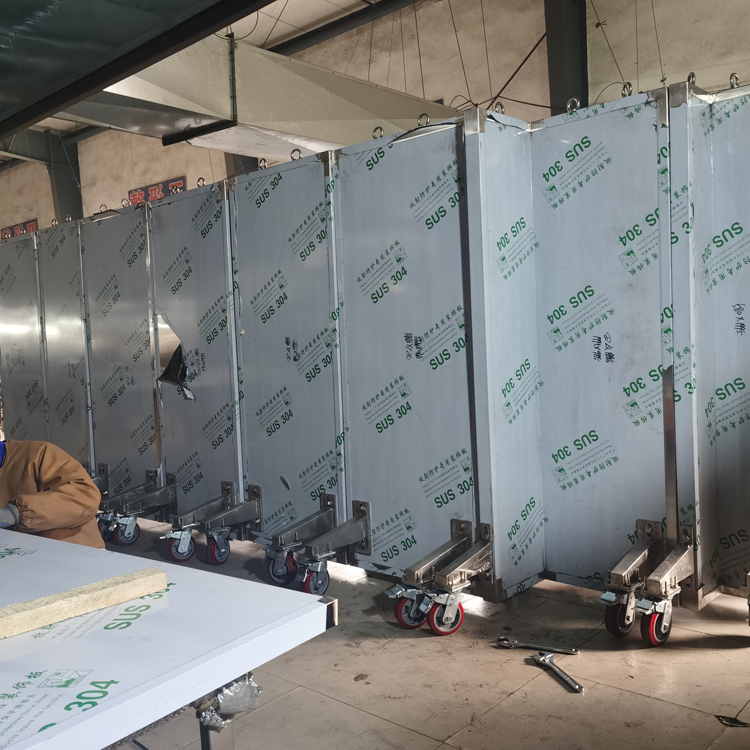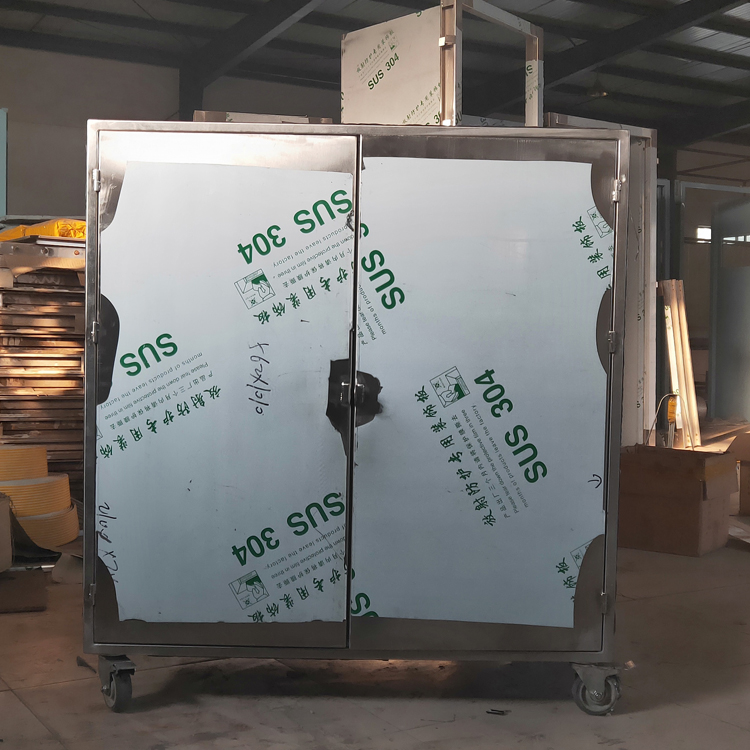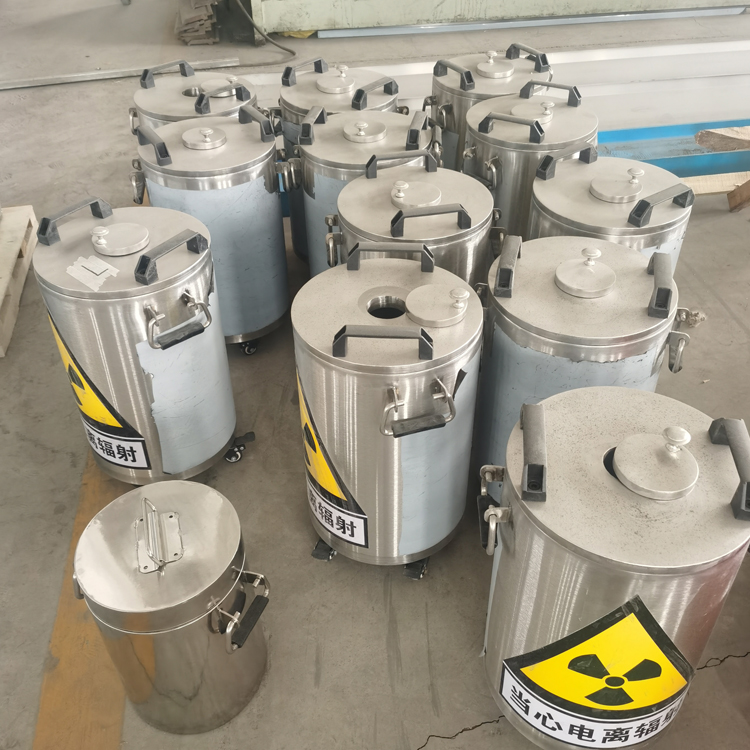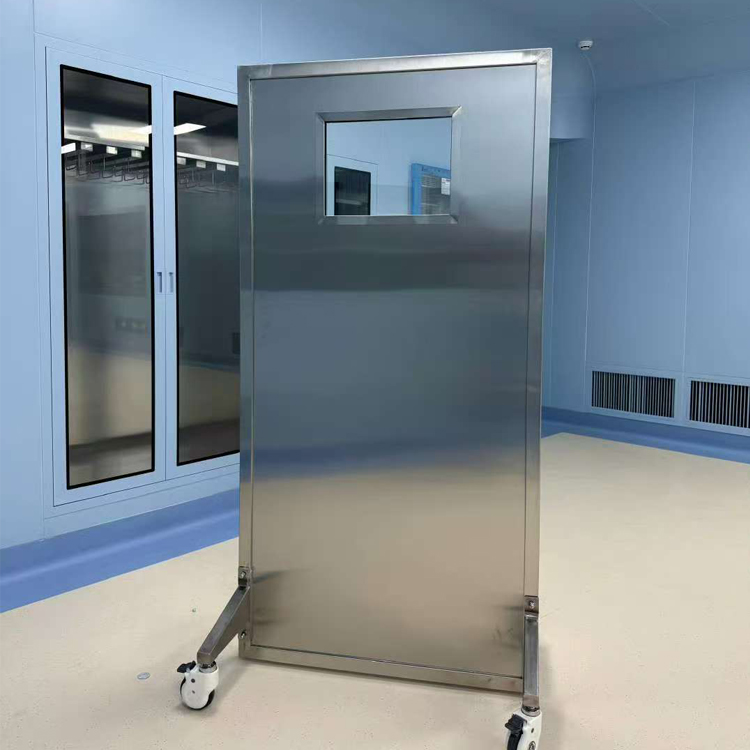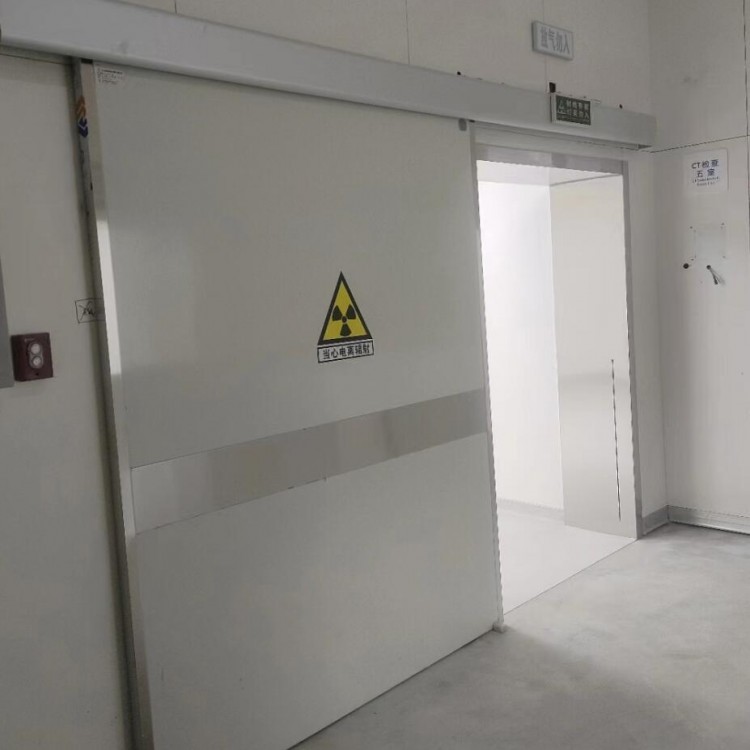

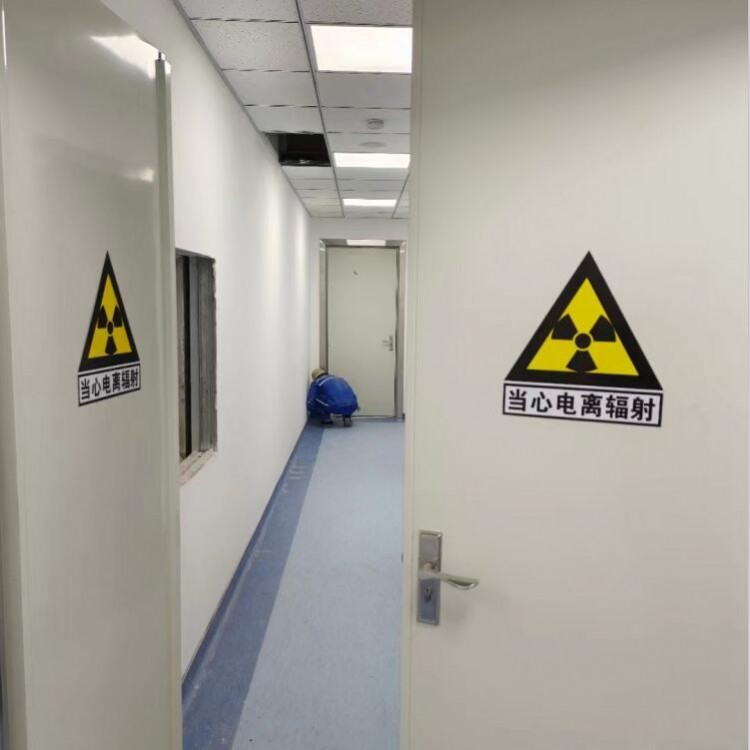
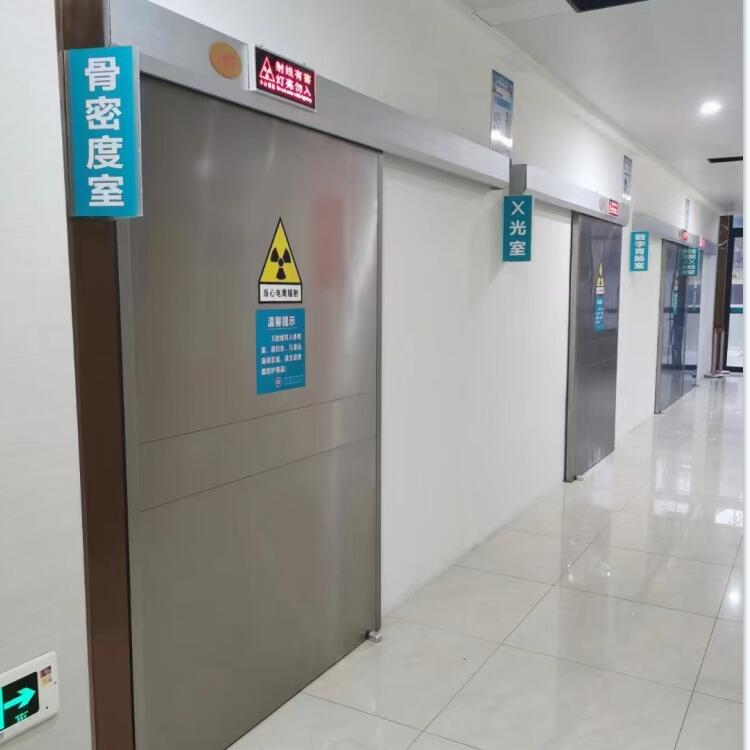


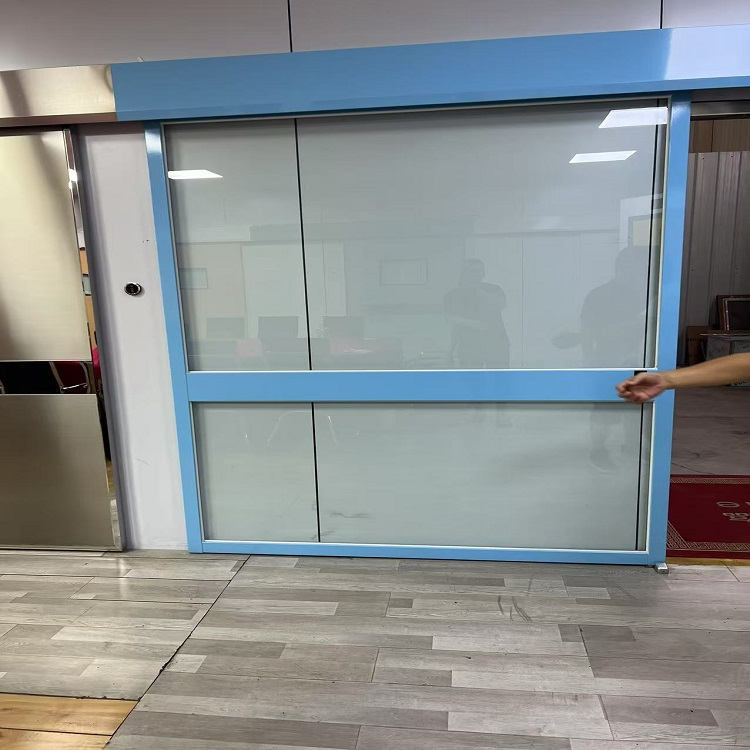
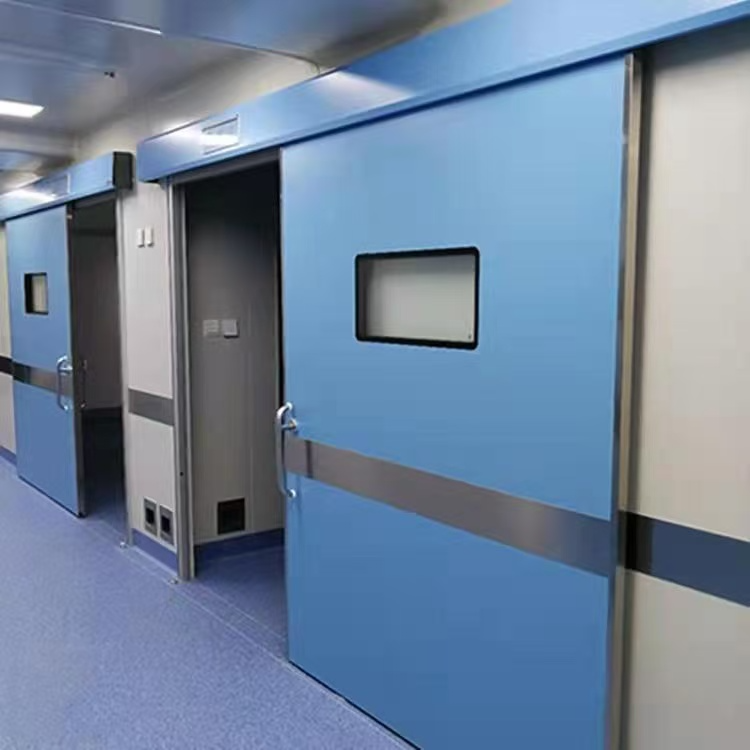
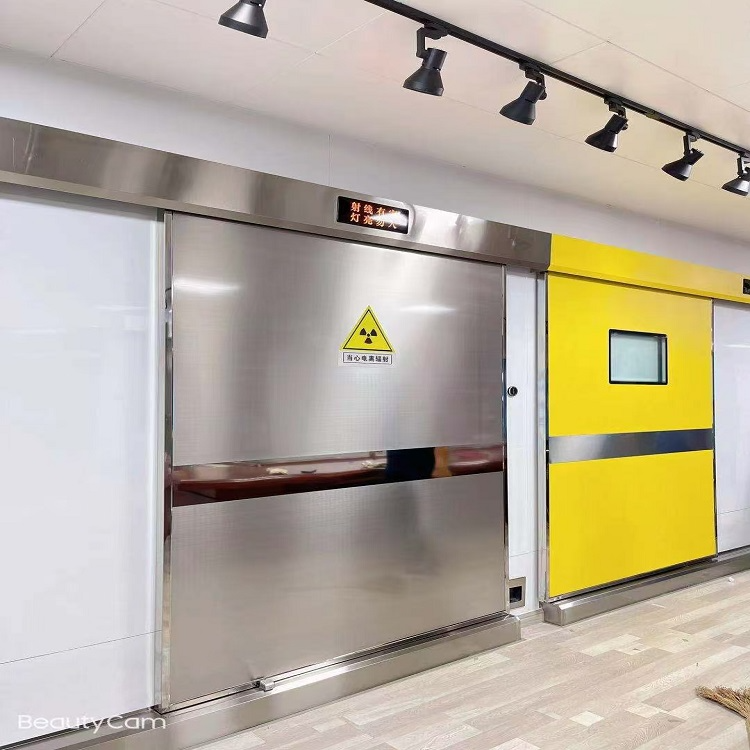
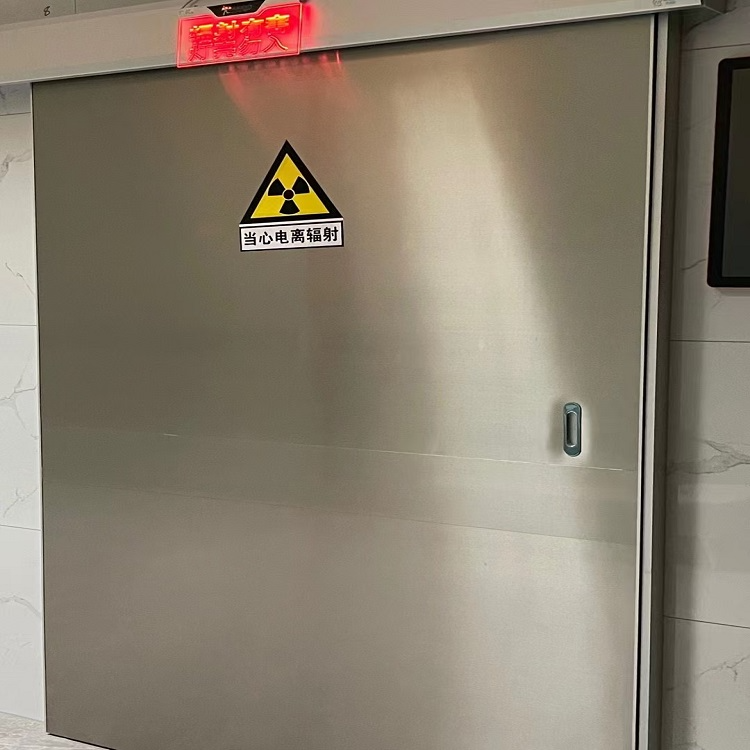
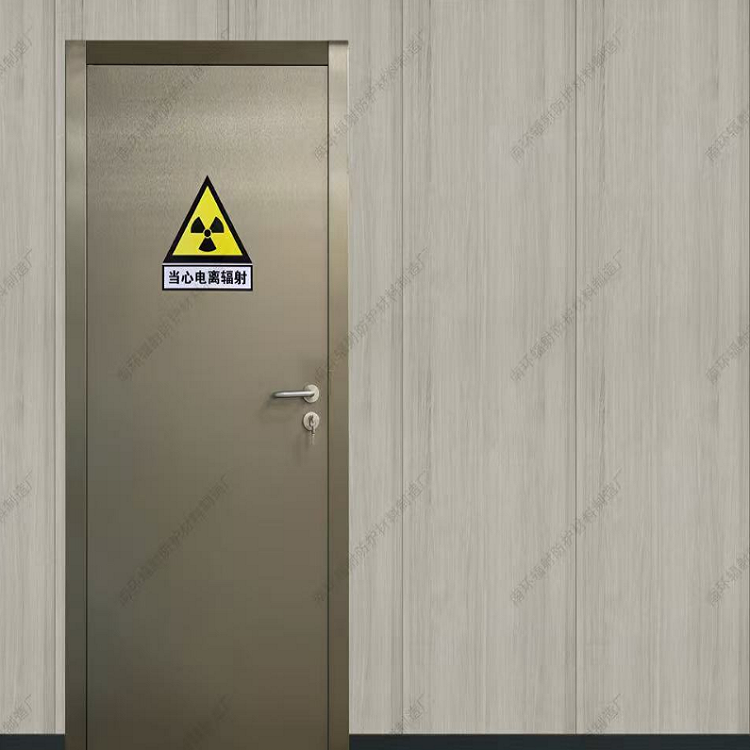





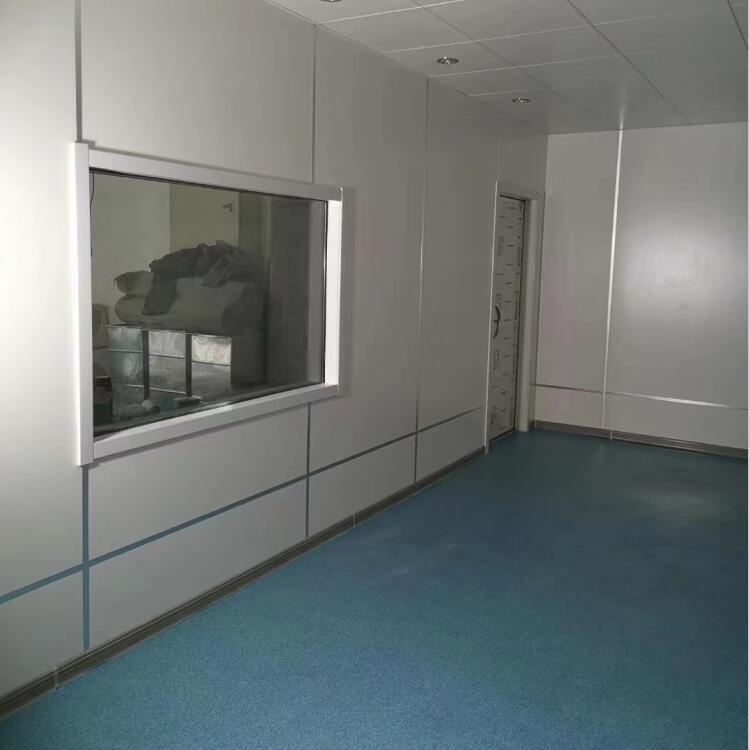
Lead doors are primarily used in areas with low radiation intensity and high airtightness requirements, commonly in human entrance and exit passages. These locations have thin shielding layers, small passage dimensions, and high airtightness demands, with manual opening as the preferred method. Sliding Lead Doors: Mainly used in areas with strong radiation intensity where airtightness is not required.
Outer doors commonly used in personnel mixed entry-exit passages or special logistics channels. The space outside the passage is spacious, the shielding layer is thick, the passage dimensions are large, and there is no requirement for airtightness. The doors can be manually or electrically operated. Rotating Lead Door: Rotating radiation shielding doors are often used in places with high radiation intensity and limited external space.
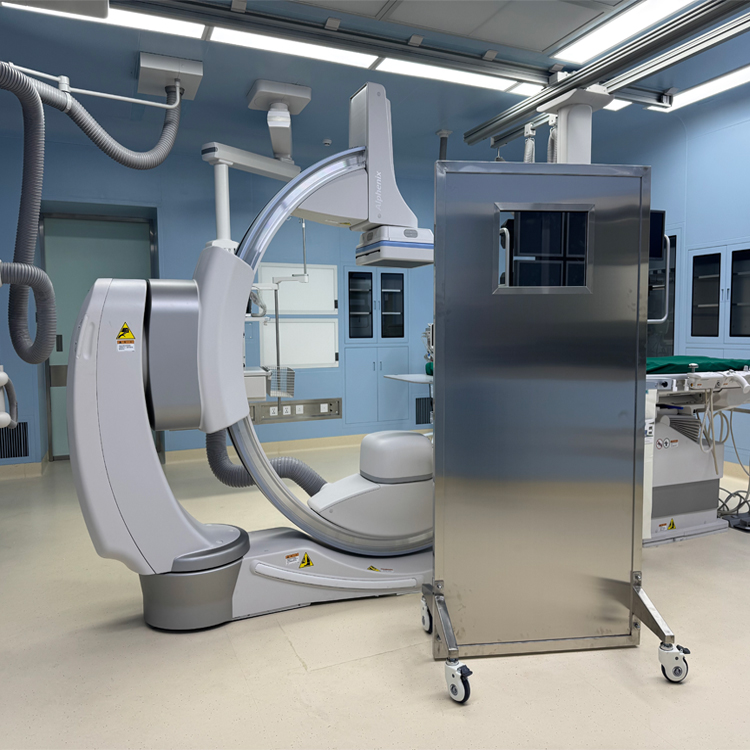
As an inner protection for a standard radiation emitting device. This area has high dose rates and limited space, making it unsuitable for sliding radiation shielding doors, as well as for opening such doors. Retractable Lead Door: Radiation shielding lead doors must be extremely sturdy, with the shielding layer typically reaching several meters in thickness. Mainly used for neutron protection or high γ-dose environments.