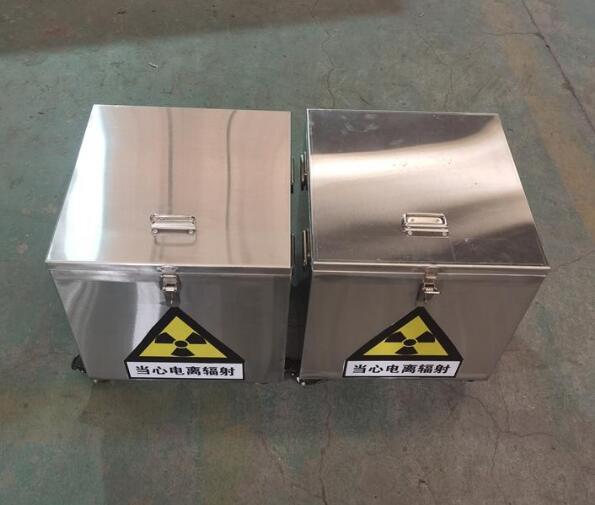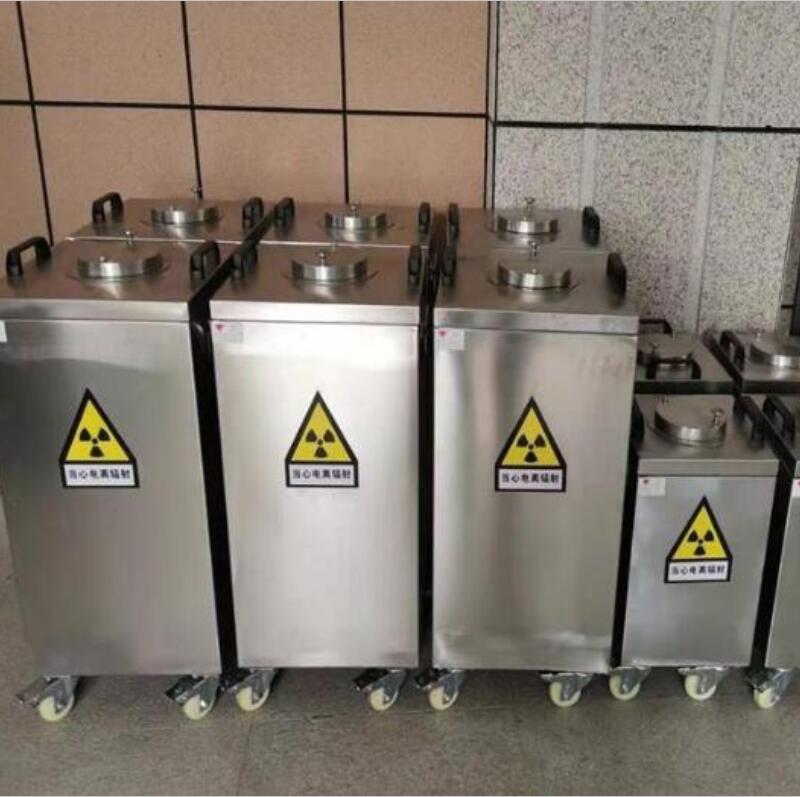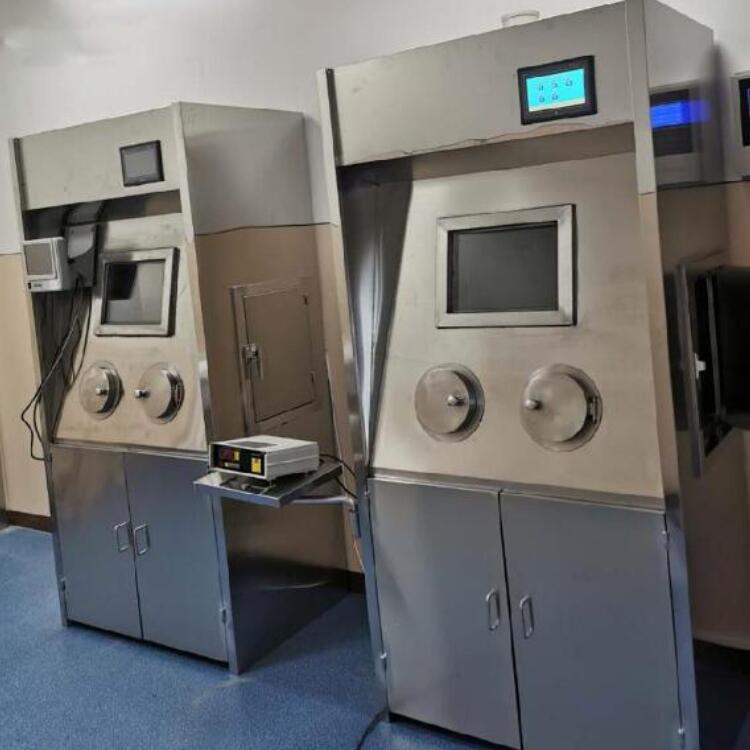








The decay pool is a specialized equipment used in nuclear medicine for treating radioactive wastewater. It is a container designed for collecting, storing, and discharging radioactive waste liquids. The primary function of the decay pool is to allow the radioactive waste liquids to undergo natural decay, thereby reducing or eliminating the impact of radioactive substances on the environment.
Decay pools are commonly made from corrosion-resistant and radiation-resistant materials such as stainless steel to ensure long-term stability and reliability. Depending on the type and characteristics of the radioactive waste liquids, decay pools can be classified into levels one, two, and three. Among them, level three decay pools have a strong treatment capacity and can handle various types of radioactive waste liquids.
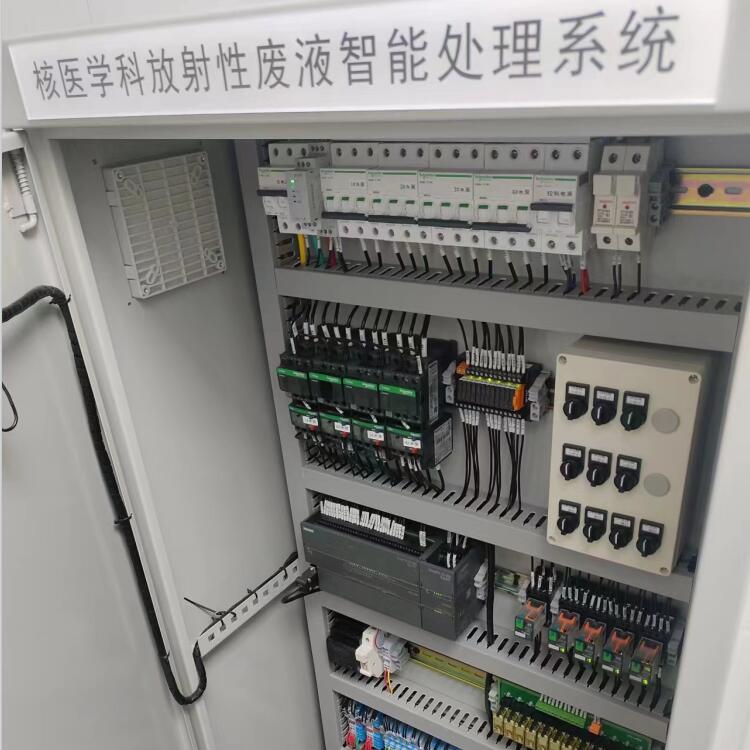
In the decay pool, radioactive waste liquid gradually reduces in radioactivity after a certain period of decay. Once the radioactivity of the waste liquid reaches a safe level, it can be discharged through the outlet. To ensure that the discharged waste liquid meets national or local safety standards, decay pools are typically equipped with monitoring systems that can real-time monitor the radioactivity of the waste liquid within the pool and automatically control the discharge process.