








Primary Use
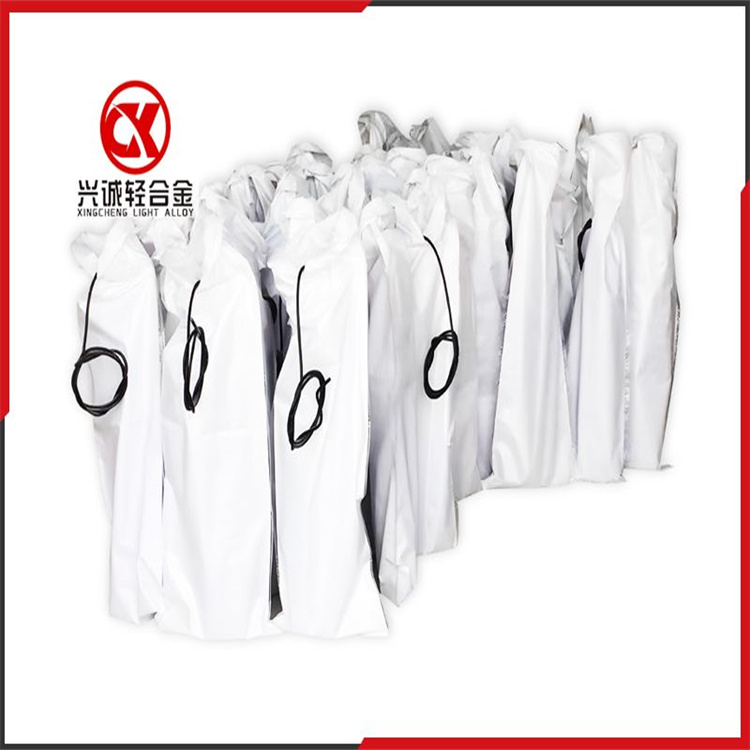
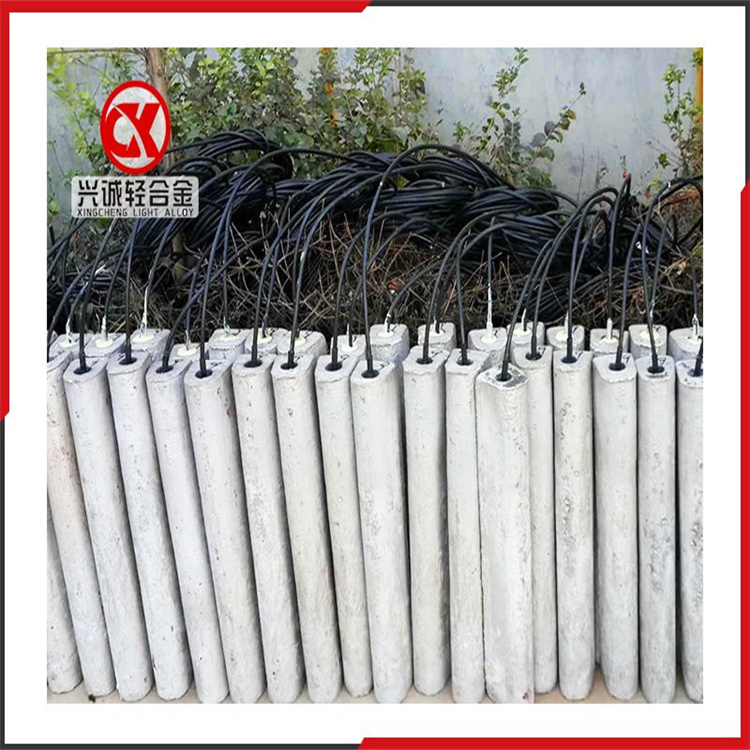
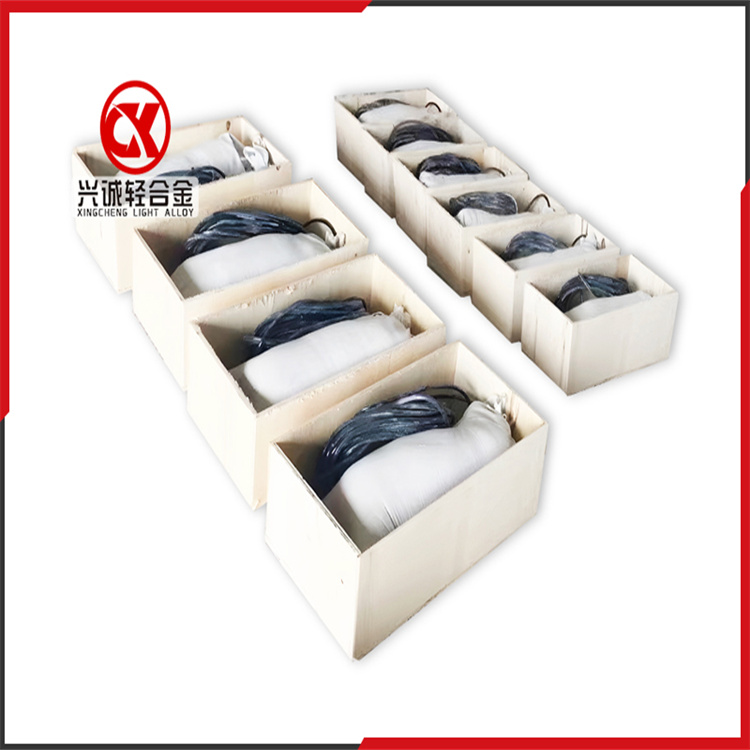
Magnesium alloy sacrificial anodes (magnesium anodes) are suitable for corrosion protection in projects such as oil and gas transmission pipelines, water supply and drainage pipelines, underground cables, chemical industries, communications, ports, ships, reservoir gateways, and more.
Standard: GB/T 17731-2009
Chemical Composition

Buried pipeline/Storage tank outer walls and underground metal structures commonly use sacrificial anodes (magnesium anodes) models and specifications.

Anode (Magnesium Anode) Installation Method
1Anode Ground Bed Structure
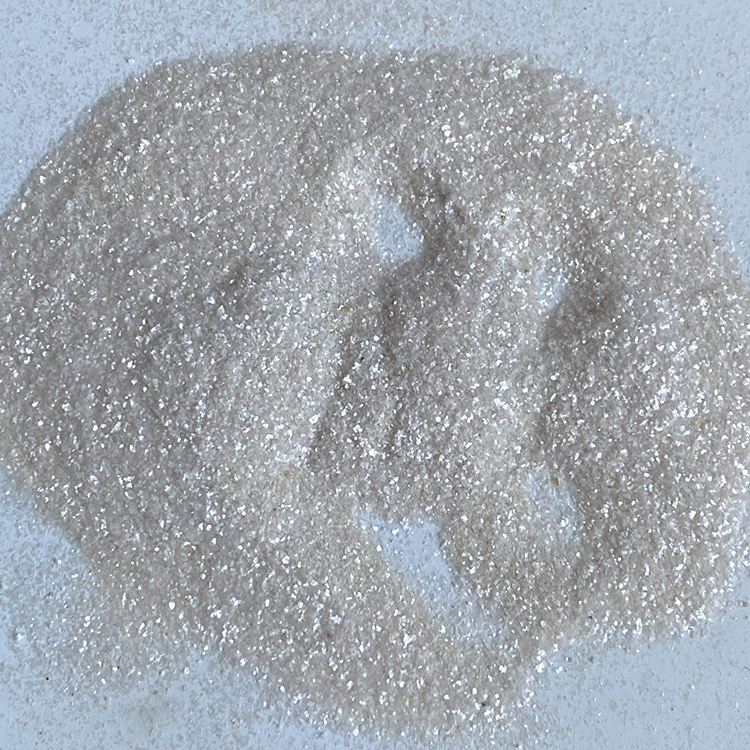
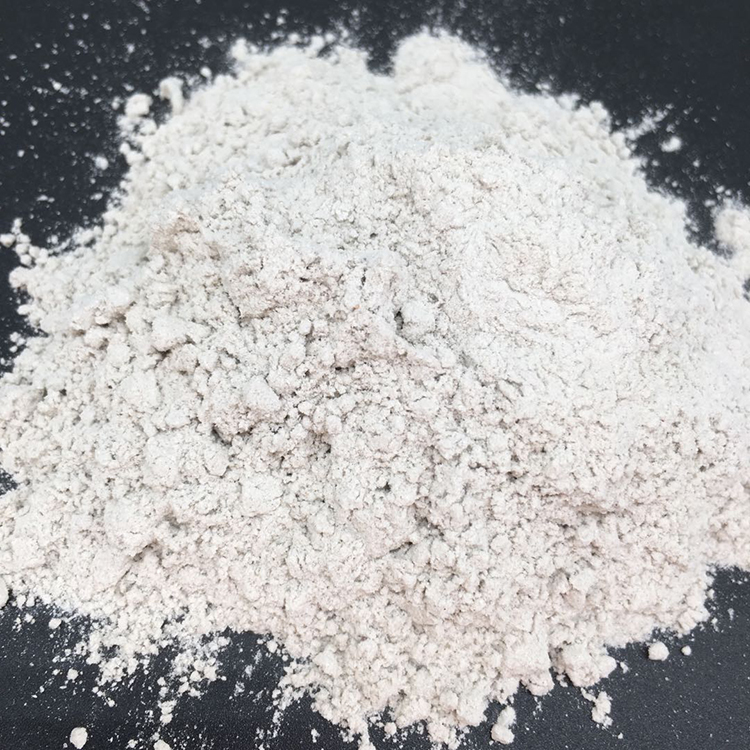
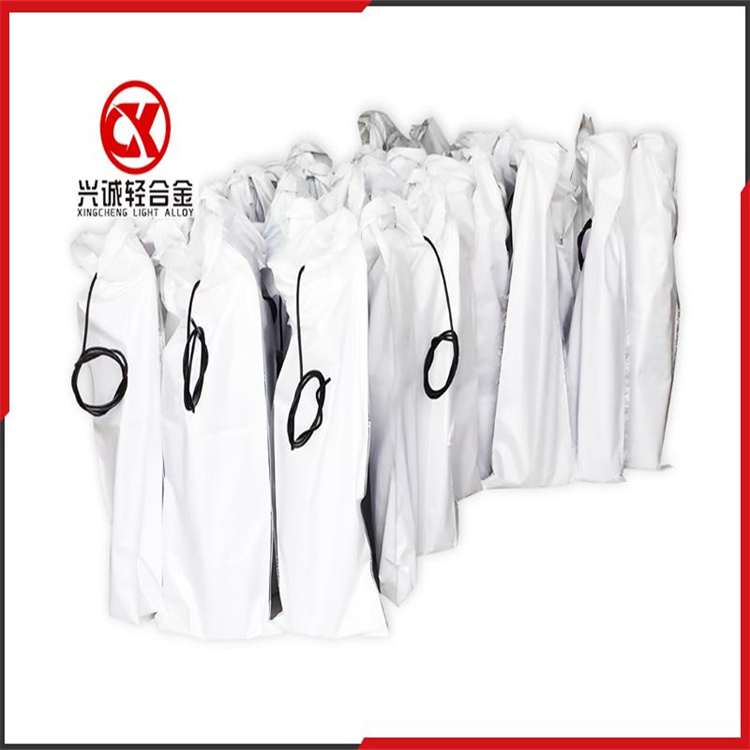
To ensure the stable performance of the sacrificial anode (magnesium anode) in the soil, appropriate chemical backfill material should be filled around the anode. The adjacent soil is in contact with the anode and the backfill, which improves the working environment of the anode; reduces the anode's grounding resistance, increases the anode's output current; the chemical composition of the backfill promotes the dissolution of anode products, prevents scaling, reduces unnecessary anode polarization; and maintains a long-term moist anode bed. The basic requirements for the chemical backfill material are:
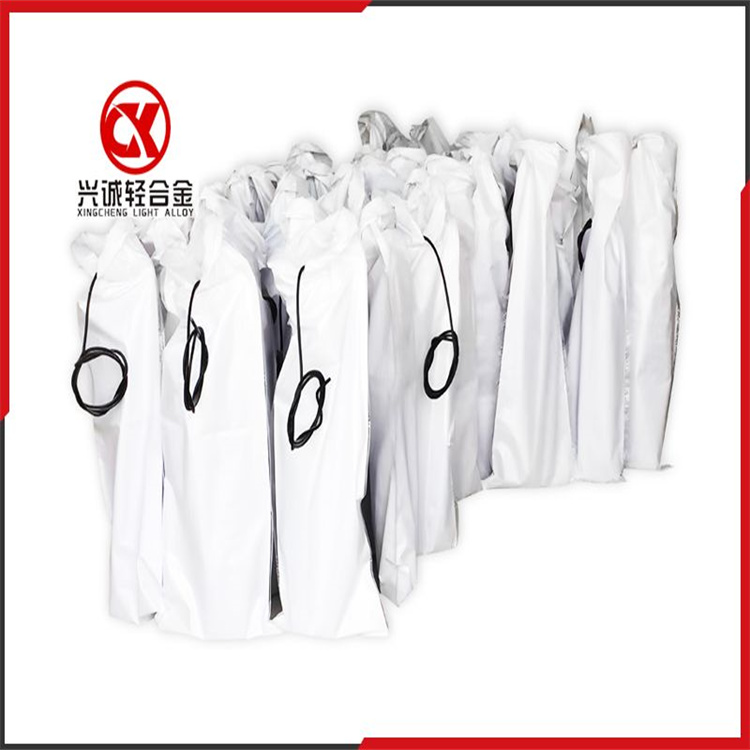
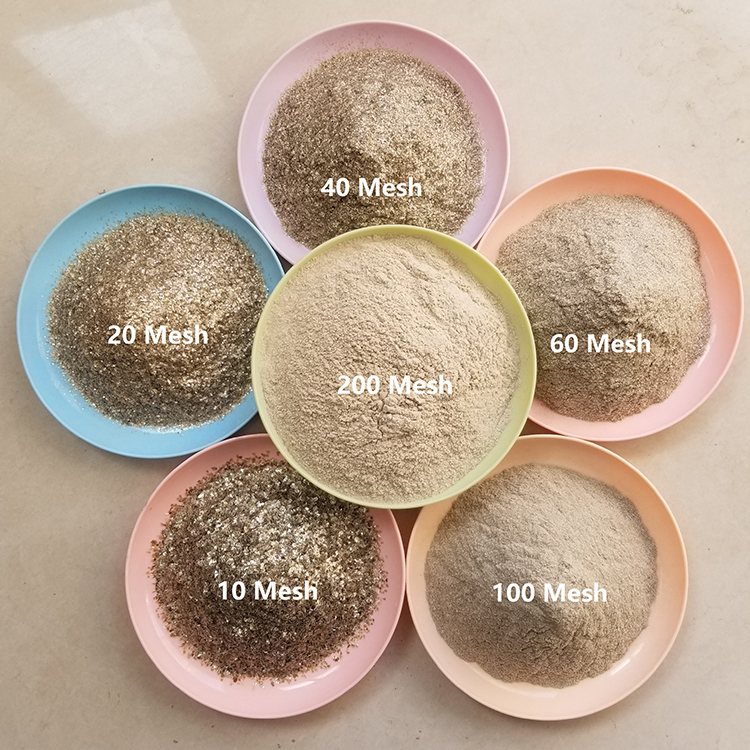
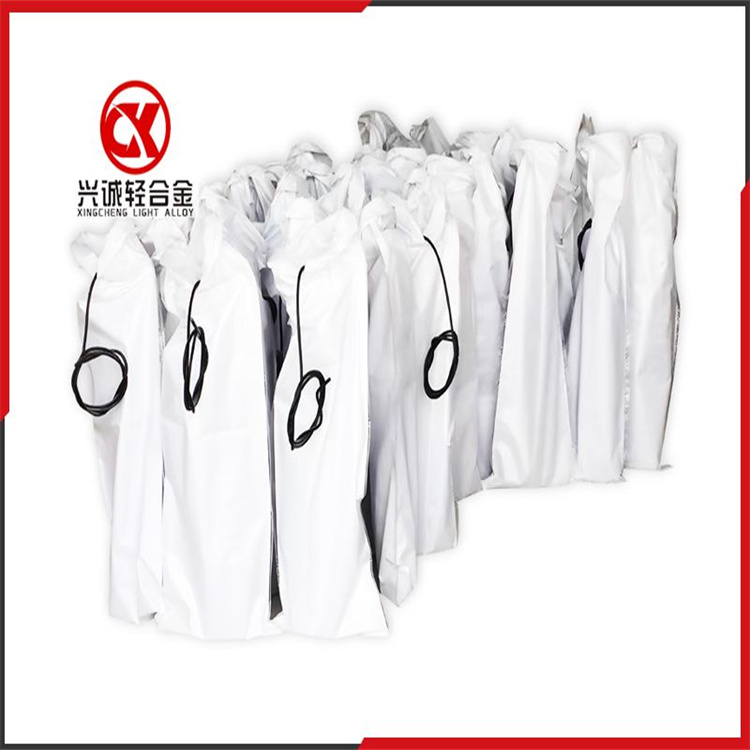
Low resistivity, good permeability, not prone to loss; excellent moisture retention. Sacrificial anode filling material can be filled using two methods: bag packaging and on-site drilling. Note that the bags for bag packaging are made of natural fiber fabrics, and synthetic fiber materials are strictly prohibited. Although the on-site drilling filling method is effective, it requires a large amount of filling material, and carelessness can easily introduce soil particles into the filling, affecting the quality of the filling. The thickness of the filling material should be maintained at 5-10 cm in all directions. Common filling material formulations are listed in the attached table:
2Anode ground bed arrangement
The distribution of sacrificial anodes can be in a single piece or grouped together. The installation of anodes can be either vertical or horizontal, with burial directions including axial and radial. The general burial position of anodes is usually 3 to 5 meters from the pipe wall, with a minimum of 0.3 meters. The burial depth should be such that the top of the anode is not less than 1 meter from the ground, especially below the frost line in northern regions. For grouped installations, the spacing between anodes should be 2 to 3 meters. In dry areas with groundwater levels below 3 meters, deeper burial of sacrificial anodes is recommended. For river and lake areas, anodes should be buried as close to the riverbed (lake bottom) as possible to prevent damage from flooding and dredging. When using sacrificial anodes in urban and pipeline areas, attention must be given to ensure no other structures, such as cables, water, steam, or pipes, are between the anodes and the protected structures.
Anode (magnesium anode) arrays should be spaced at intervals of 1 to 2 sets per kilometer for long-distance pipelines, and 200 to 300 sets per kilometer are recommended for urban pipelines and in-station networks.
3Appendix Table