








Anode (Magnesium Anode) Installation Method
1Anode Ground Bed Structure
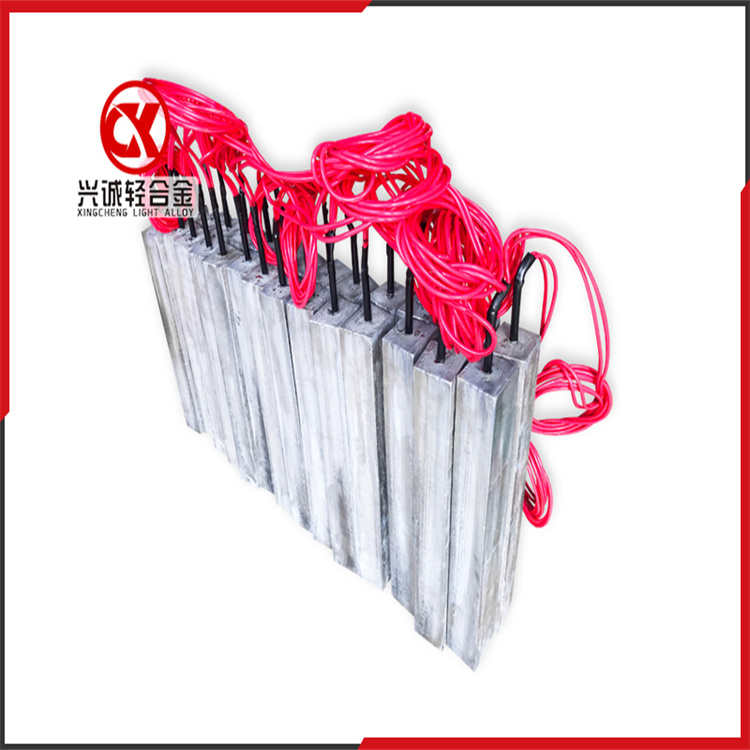
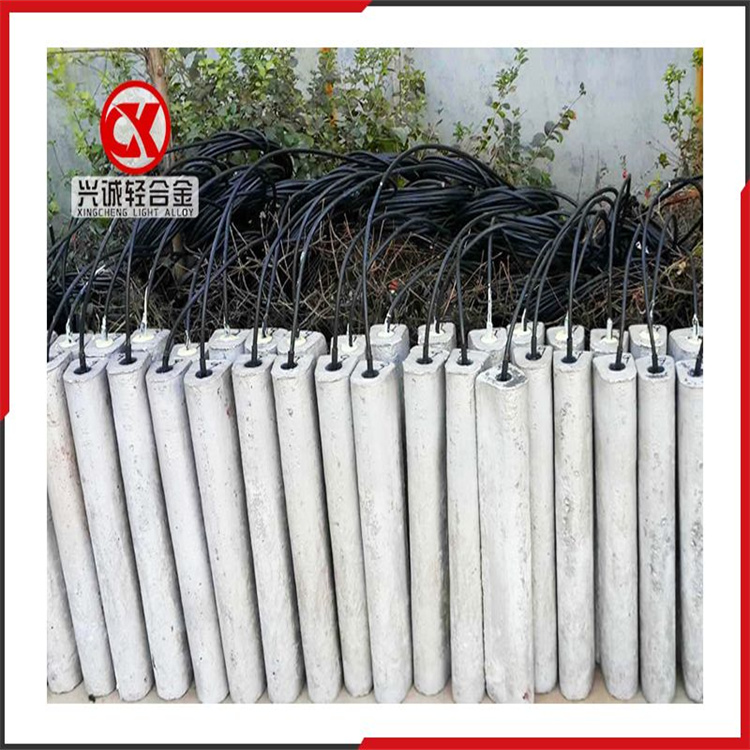
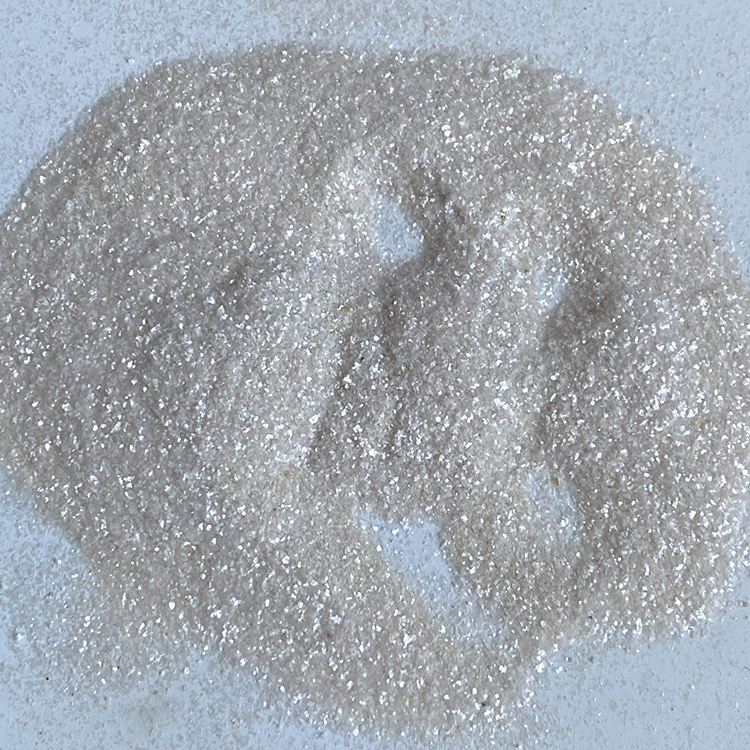
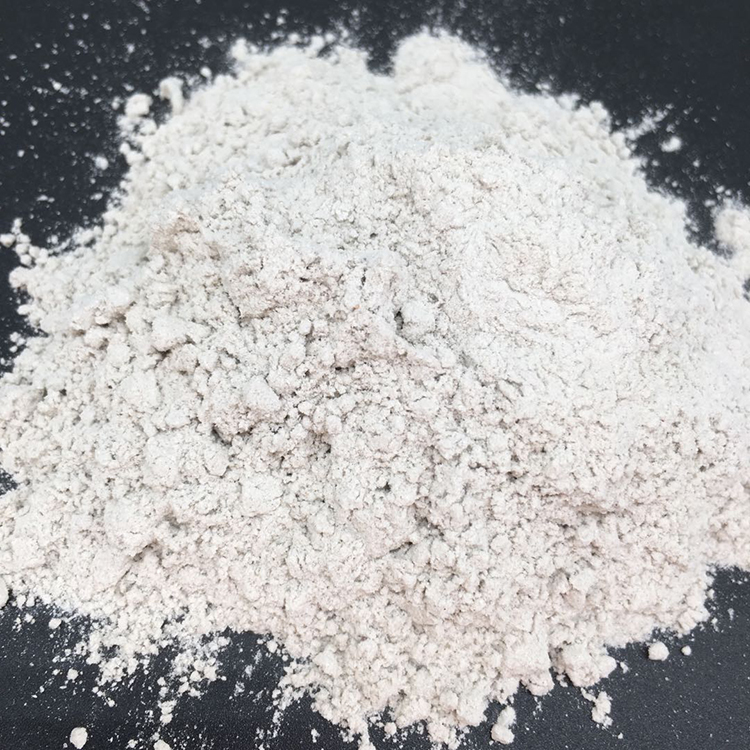
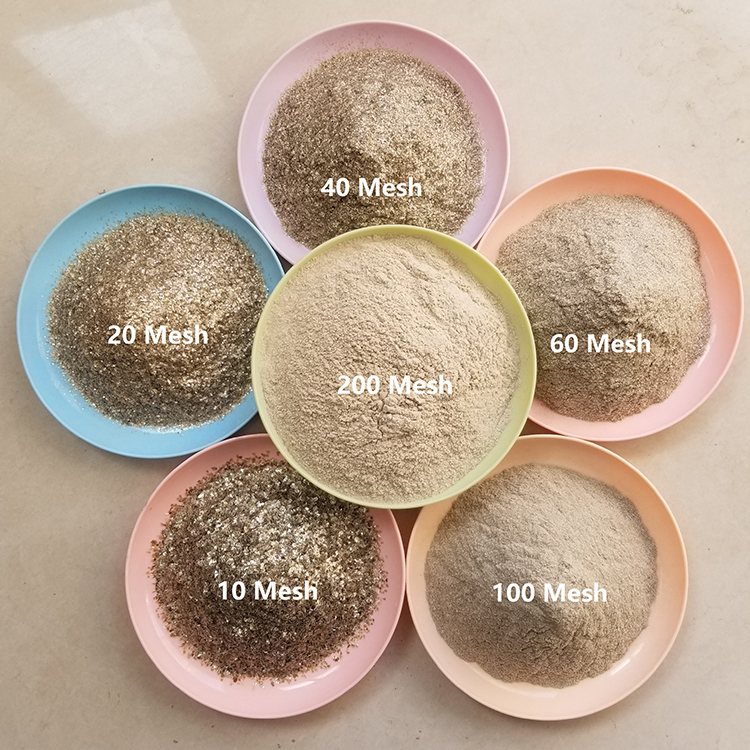
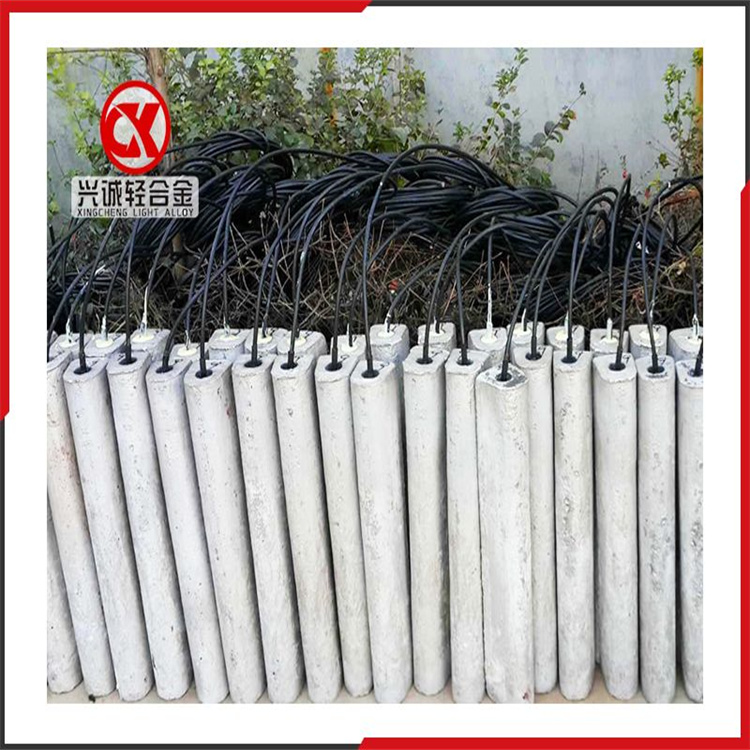
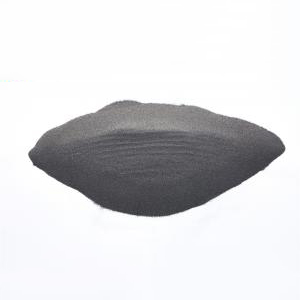
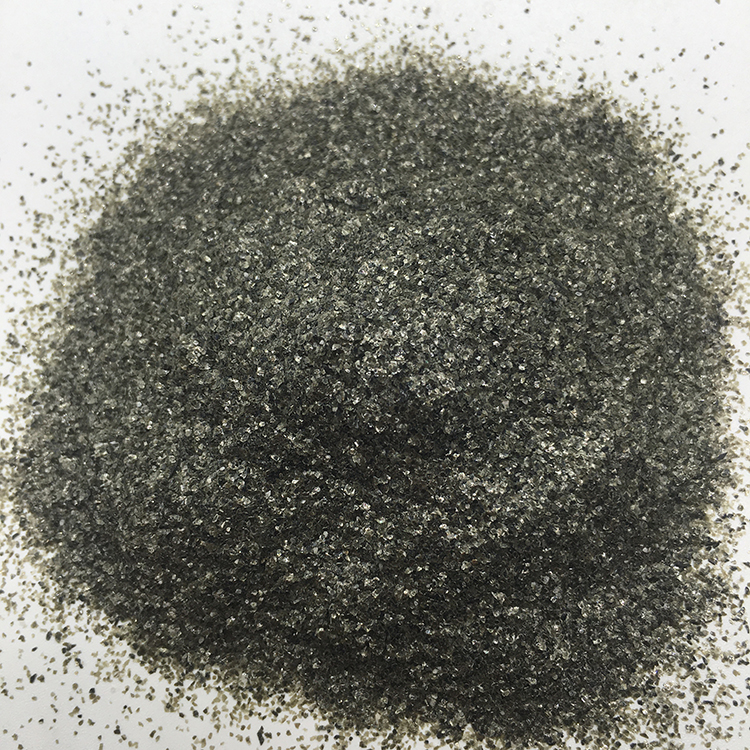
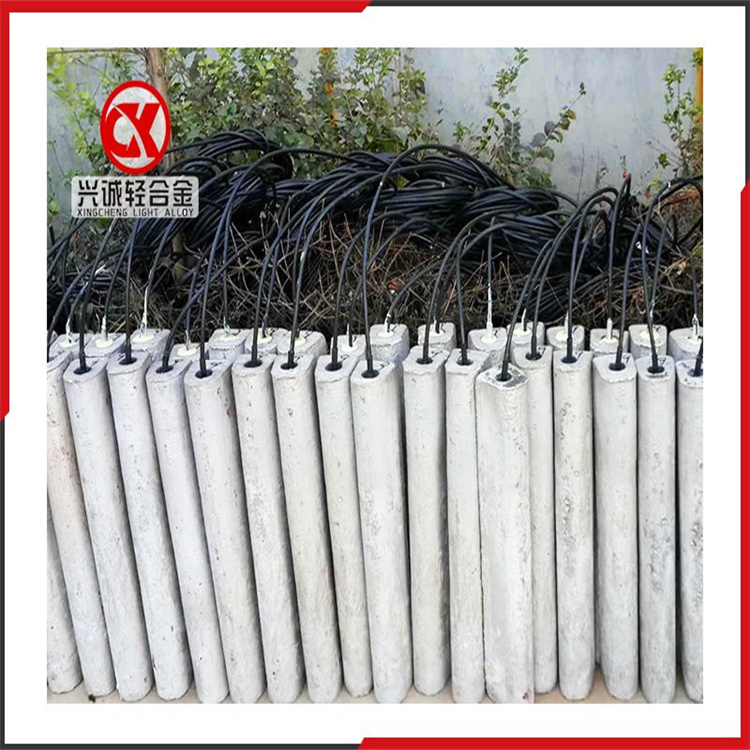
To ensure the stable performance of the sacrificial anode (magnesium anode) in the soil, appropriate chemical backfill material should be filled around the anode. This arrangement of the anode adjacent to the soil and the backfill improves the anode's working environment; reduces the anode's grounding resistance, increasing the anode's output current; the chemical composition of the backfill promotes the dissolution of anode products, prevents scaling, reduces unnecessary anode polarization; and maintains a long-term moist anode bed. The basic requirements for the chemical backfill material are:
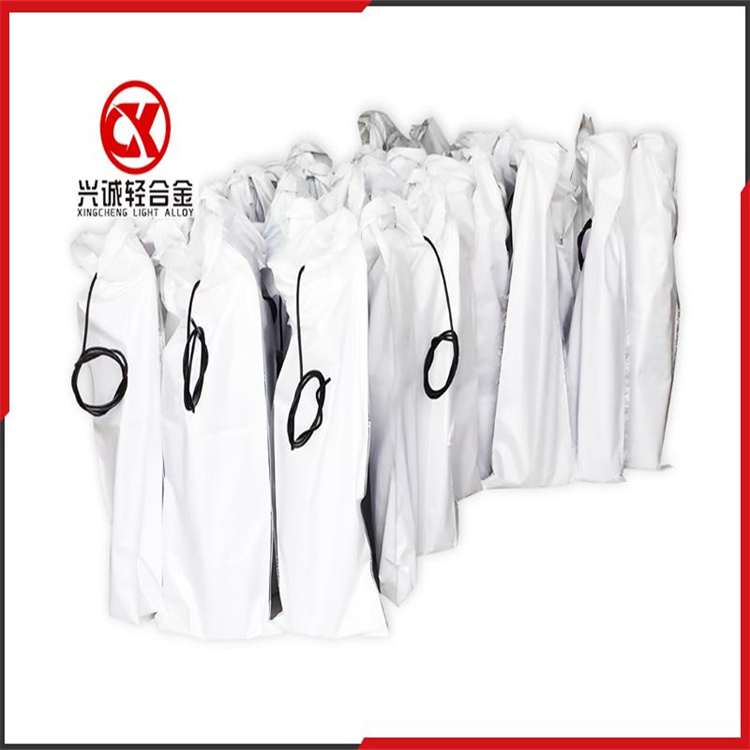
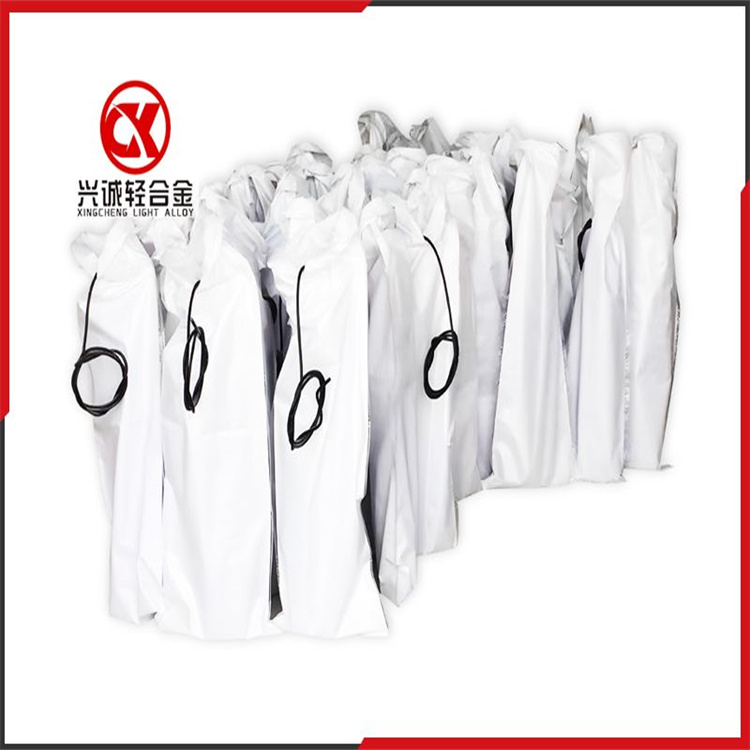
Low resistivity, good permeability, not prone to leach; excellent moisture retention. Sacrificial anode filling material can be filled in two ways: bagged and filled during on-site drilling. Note that the bags are made of natural fiber fabrics and synthetic fiber fabrics are strictly prohibited. Although the on-site drilling filling has good effects, a large amount of filling material is required, and it's easy to introduce soil particles into the filling material if not careful, which affects the quality of the filling. The thickness of the filling material should be maintained at 5-10 cm in all directions. Common filling material formulations are listed in the attached table:
2Anode Ground Bed Arrangement
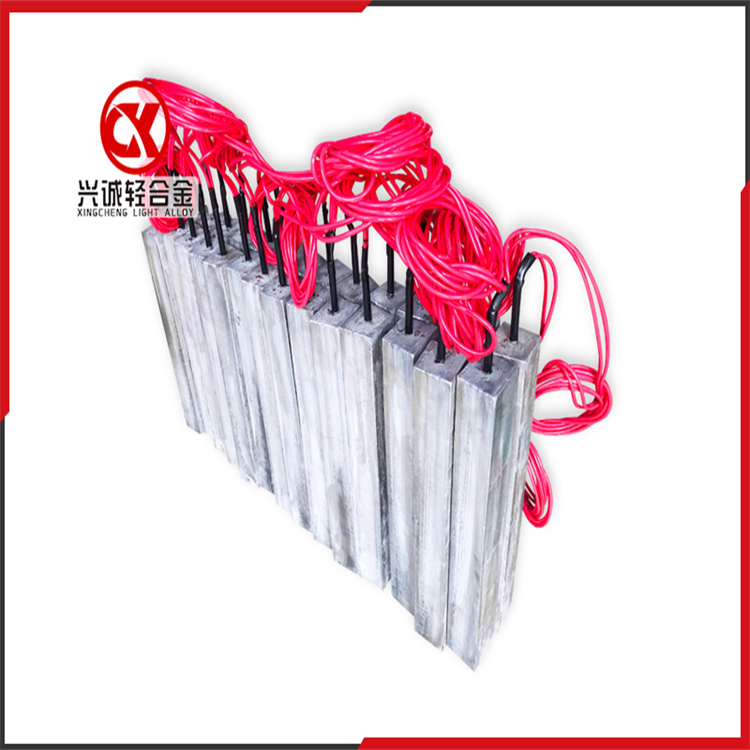
Anodic distribution can be in single units or grouped together. The anodes can be installed either vertically or horizontally, with burial directions in the axial or radial. The general burial position is 3 to 5 meters from the pipe wall, with a minimum of 0.3 meters. The burial depth should be such that the top of the anode is no less than 1 meter from the ground, especially below the frost line in northern regions. For grouped burial, the spacing between anodes should be 2 to 3 meters. In dry areas with groundwater levels below 3 meters, anodic burial should be deeper. For river and lake areas, anodes should be buried as close to the riverbed (lake bottom) as possible to prevent damage from flooding and dredging. When using anodes in urban or pipeline areas, it is important to ensure that no other structures, such as cables, water, steam, or pipelines, are between the anodes and the protected structures.
Sacrificial anode (magnesium anode) spacing on pipelines: for long-distance pipelines, 1-2 sets per km; for urban pipelines and on-site networks, 200-300 sets are recommended.