

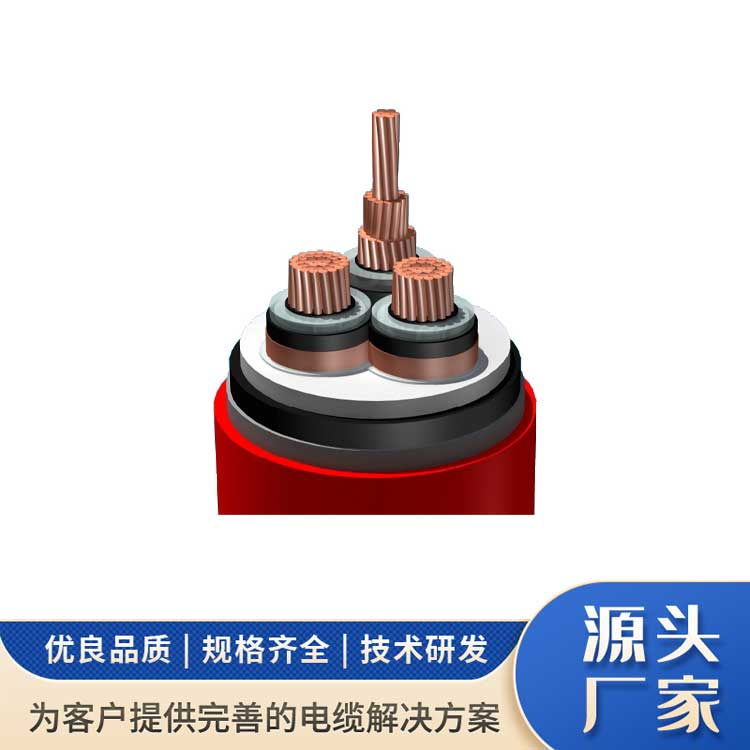
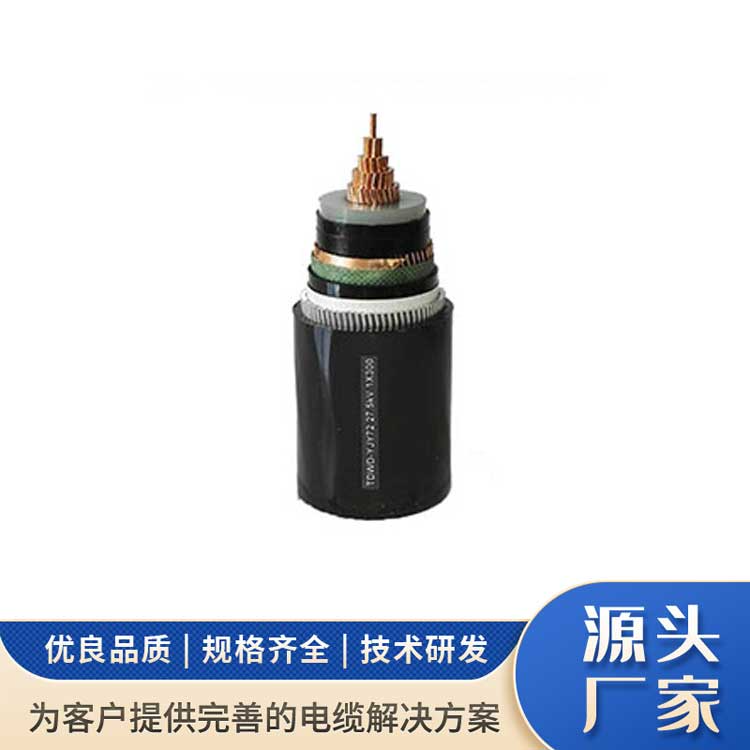
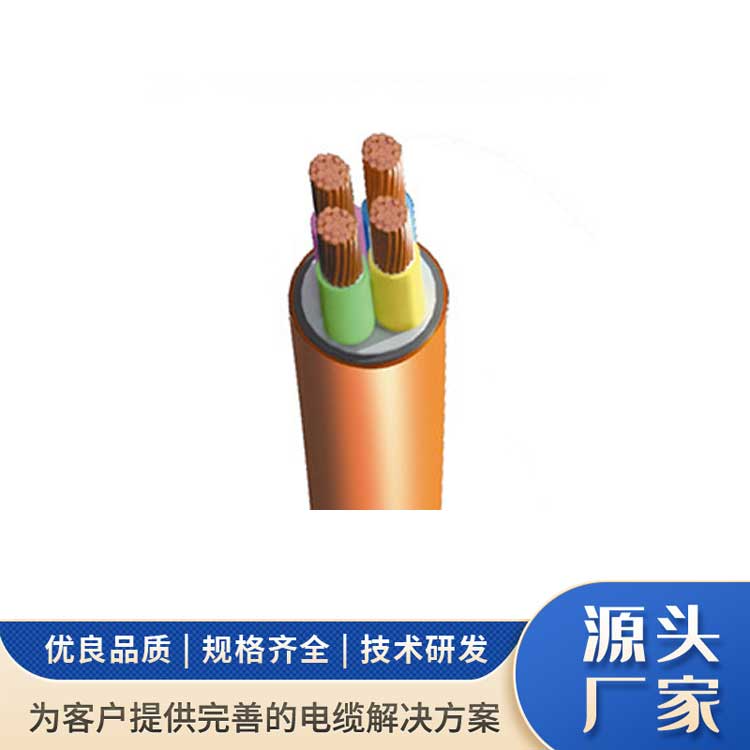
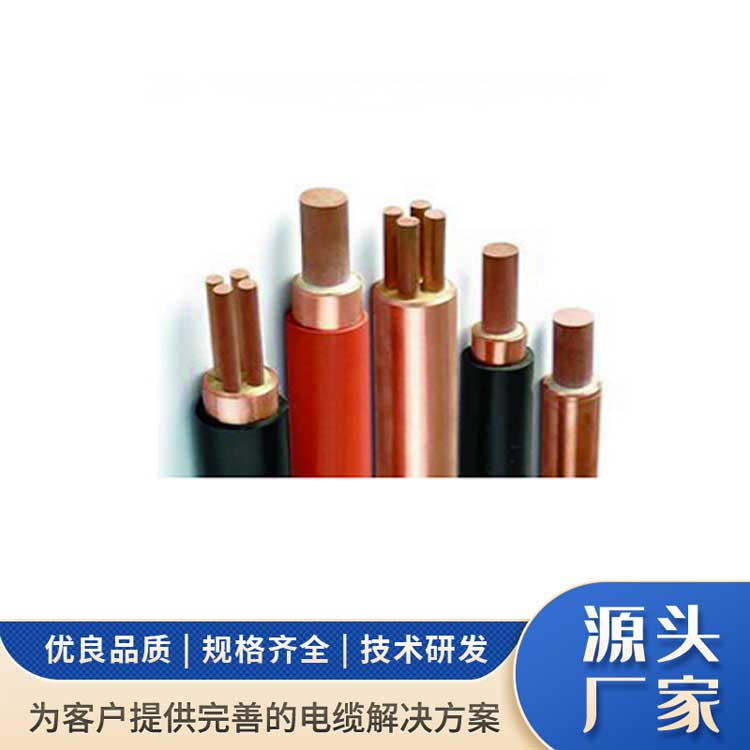
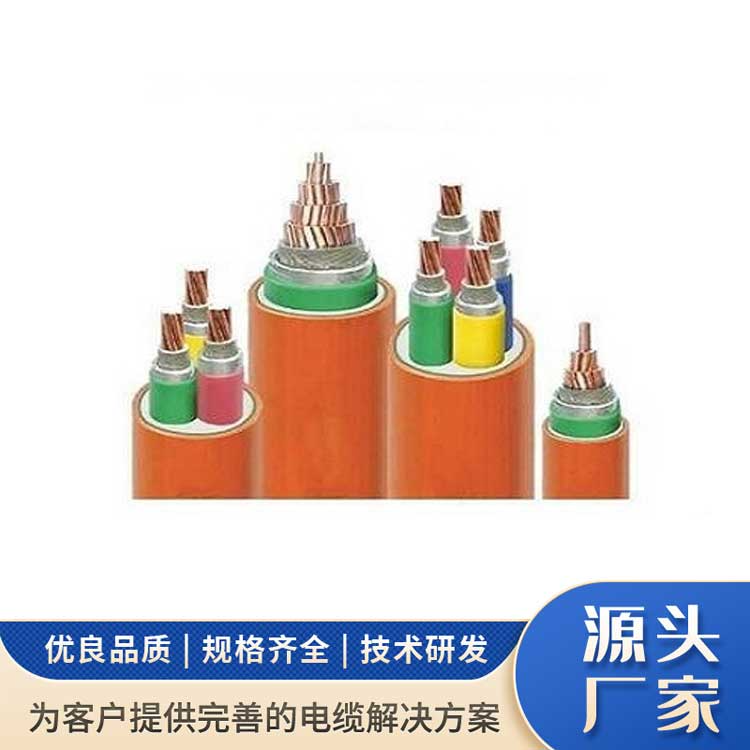







Nanjing Xiaguan old cable wire recycling, Panda Cable & Wire recycling, logistics pick-up
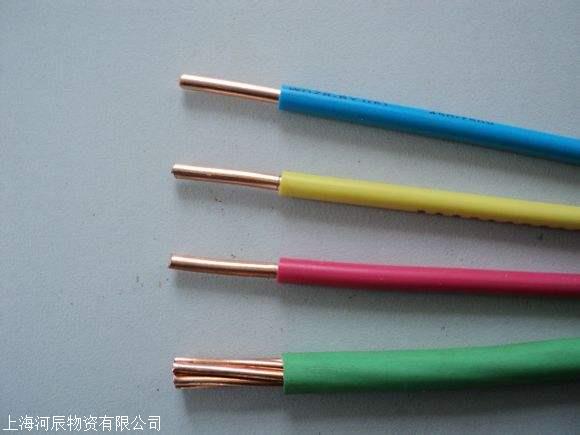
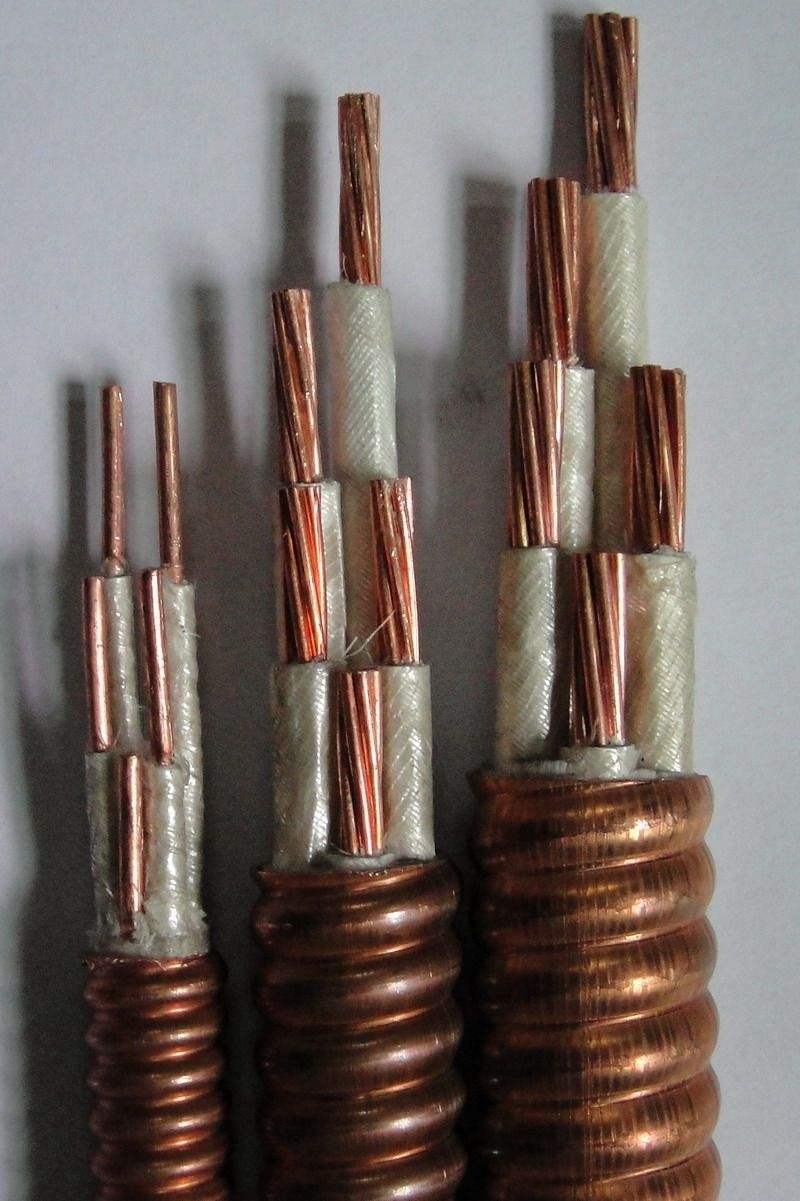
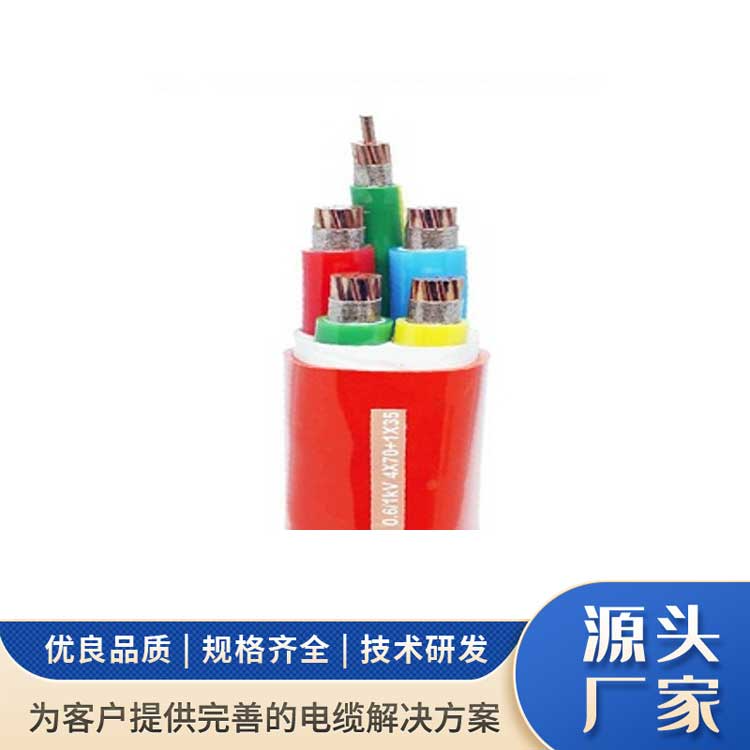
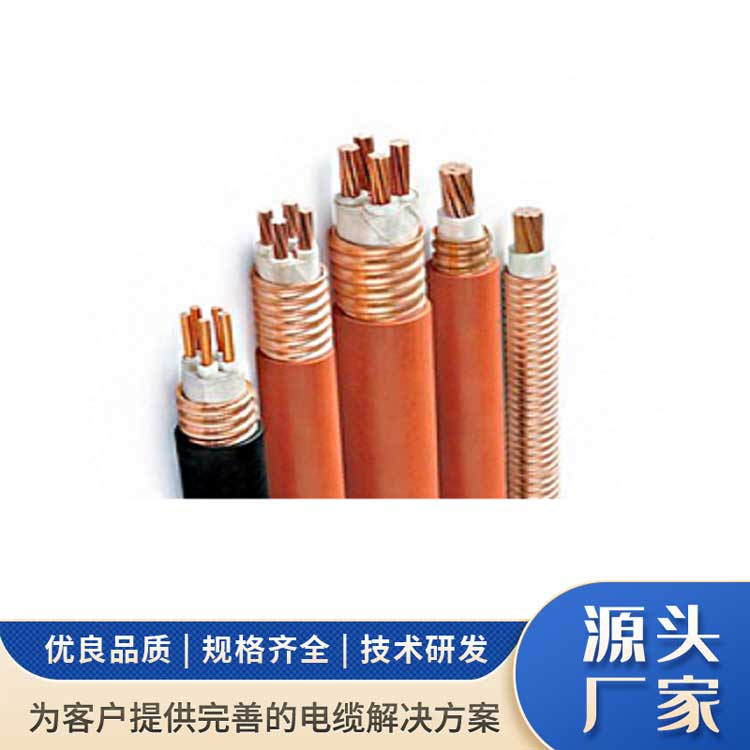
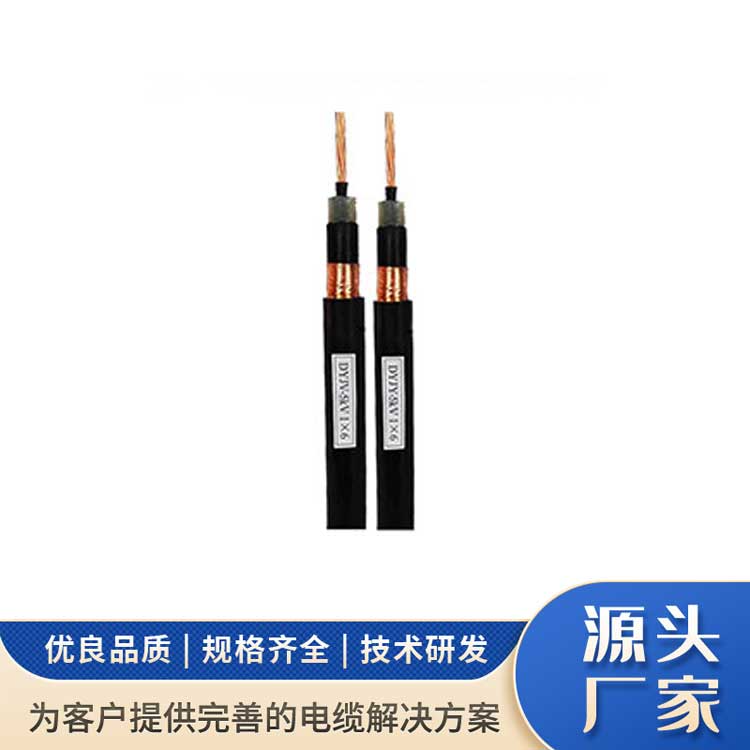
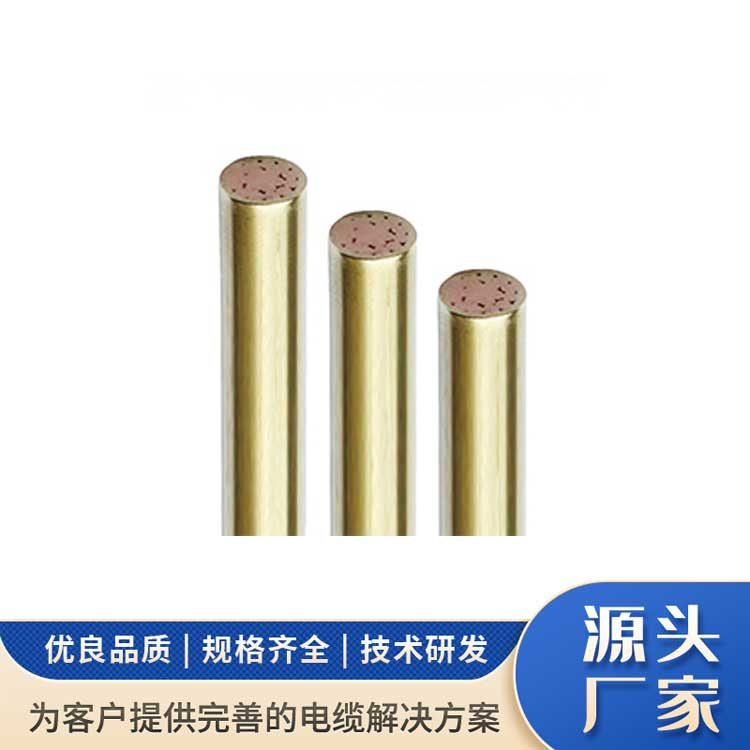
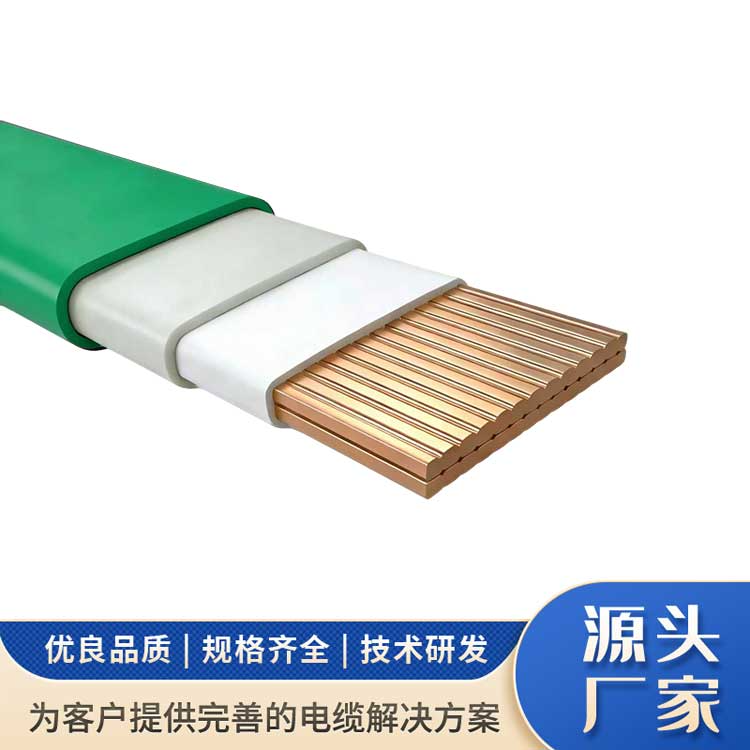
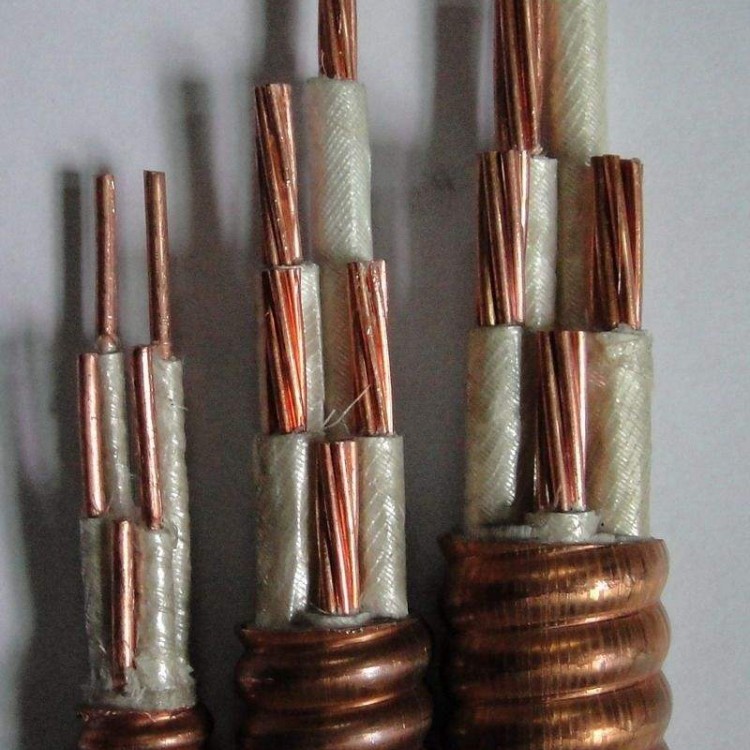
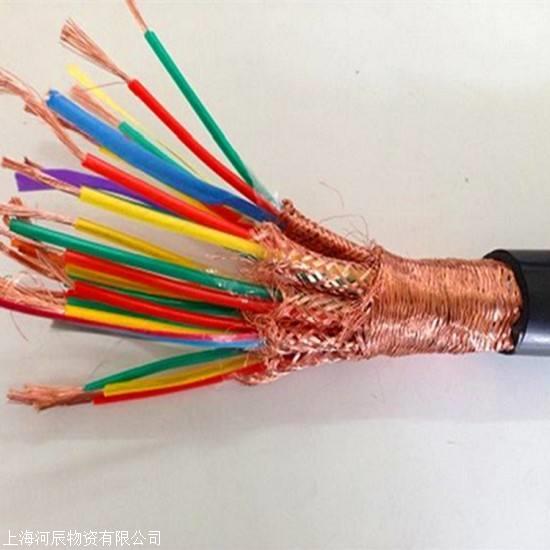
Cable and wire recycling services, including the collection of second-hand cables, copper bars, busbars, factory cables, fire-resistant cables, communication cables, marine cables, special cables, and废旧network cables with free dismantling service. Recycling Range: 1. Power cable recycling: medium and low voltage power cables, high voltage cables, ultra-high voltage cables, and ultra-ultra-high voltage cables, oil-impregnated, plastic, and rubber insulated power cables. 2. Communication cable recycling: coaxial communication cables, urban communication cables, coal mine-specific communication cables, shielded communication cables, armored communication cables, flame-retardant communication cables. 3.裸wired products: steel-core aluminum stranded wire, copper aluminum busbars, power locomotive wires, etc. 4. Special cable recycling: high-temperature resistant cables, polyether sulfone insulated wires, low-inductive cables, low-noise cables, heating cables, electroluminescent wires, CMP cables, cables, halogen-free new green environmental protection cables and wires, cross-linked cables, bare wires, factory cables. Mainly serving areas in Jiangsu Province, Zhejiang Province, Anhui Province (Nanjing, Zhenjiang, Changzhou, Wuxi, Suzhou, Nantong, Taicang, Kunshan, Yixing, Jiangyin, Qidong, Haimen, Zhangjiagang, Xuancheng, Changshu, Huzhou, Jiaxing, Hangzhou, Shaoxing, Ningbo, Zhoushan), and surrounding areas. Welcome to call!
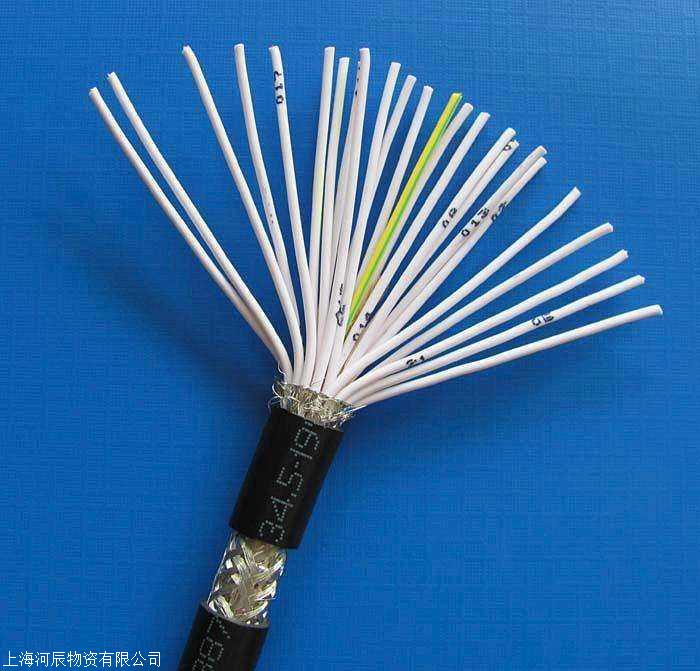
Nanjing Xianqu old cable wire recycling, Panda Cable Co., Ltd., has conducted field tests in cities like Beijing and Wuhan. Soon after, it was used as interoffice trunk lines within the city's telephone network. Since 1984, it has gradually been employed for long-distance lines and started using single-mode fiber optics. Communication cables have a greater transmission capacity than copper wire cables, with longer relay segment distances, smaller size, lighter weight, and no electromagnetic interference. Since 1976, they have developed into the backbone of long-distance trunk lines, city interoffice trunks, nearshore and transoceanic submarine communications, and wired transmission lines for local area networks and dedicated networks. They have also begun to expand into the city's user loop wiring network, providing transmission lines for fiber-to-the-home and broadband integrated services digital networks. Cables are typically made by twisting several or several groups of wires [each group with fewer than two wires] into a rope-like cable, with each group insulated from the others and often wrapped around a twisted core; specifically referring to submarine cables: there are differences in materials. Cables use metal materials (mostly copper, aluminum) as conductors; optical cables use glass fiber as conductors. Two: There are differences in signal transmission. Cables transmit electrical signals. Optical cables transmit light signals. Three: There are differences in application scope. Cables are now mostly used for energy transmission and low-end data information transmission (such as telephones). Optical cables are mostly used for data transmission.
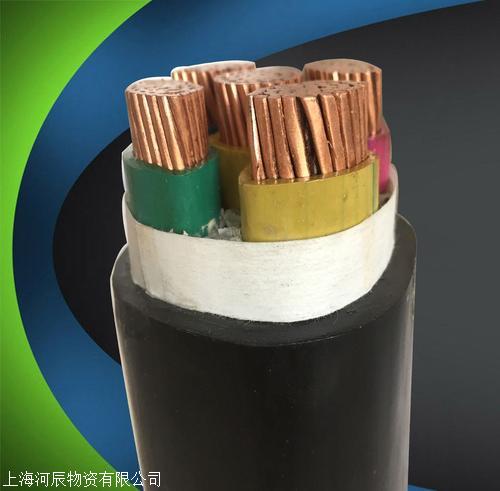
【shqqhs】The use of cable protection sleeves offers the following advantages: 1. Excellent corrosion resistance, long service life, suitable for use in humid, saline-alkali areas. 2. Flame-retardant and heat-resistant, can be used at 130°C without deformation for a long time and does not burn when exposed to fire. 3. High strength and rigidity, suitable for direct burial under roadways without the need for a concrete protective layer, accelerating the construction progress of cable projects. 4. Cable protection sleeves, whether pipes or fittings, have flexibility, capable of withstanding external heavy pressure and foundation settlement. 5. Good resistance to external signal interference. 6. The inner wall is smooth, preventing damage to the cables. The design features a socket-and-socket connection method for easy installation and connection. The joint is sealed with a rubber gasket, which accommodates thermal expansion and contraction and prevents the entry of mud and sand.