











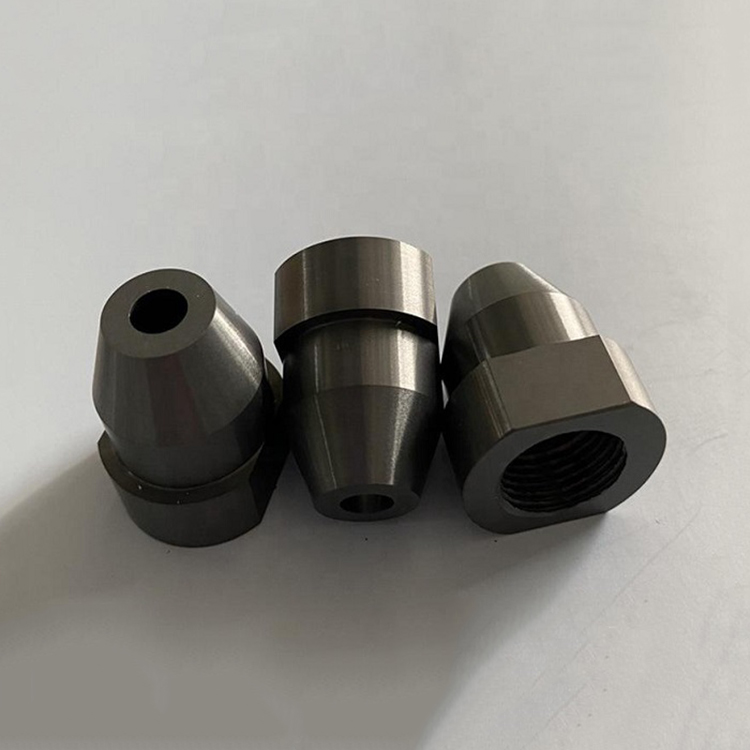
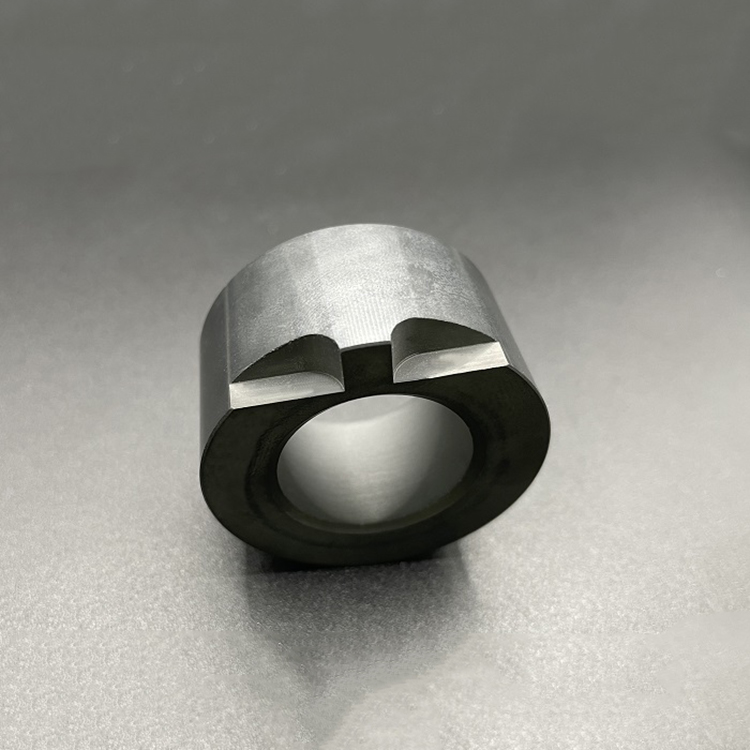
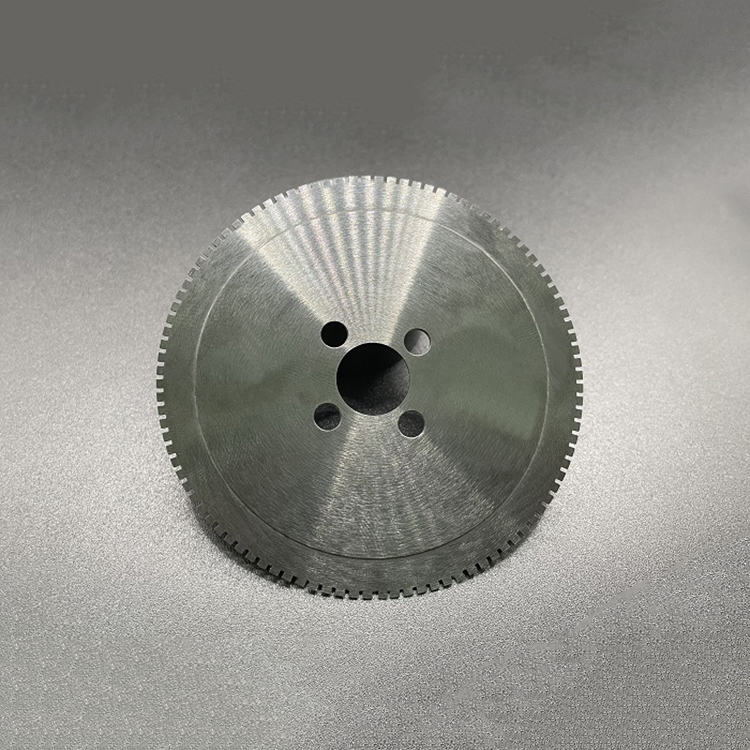
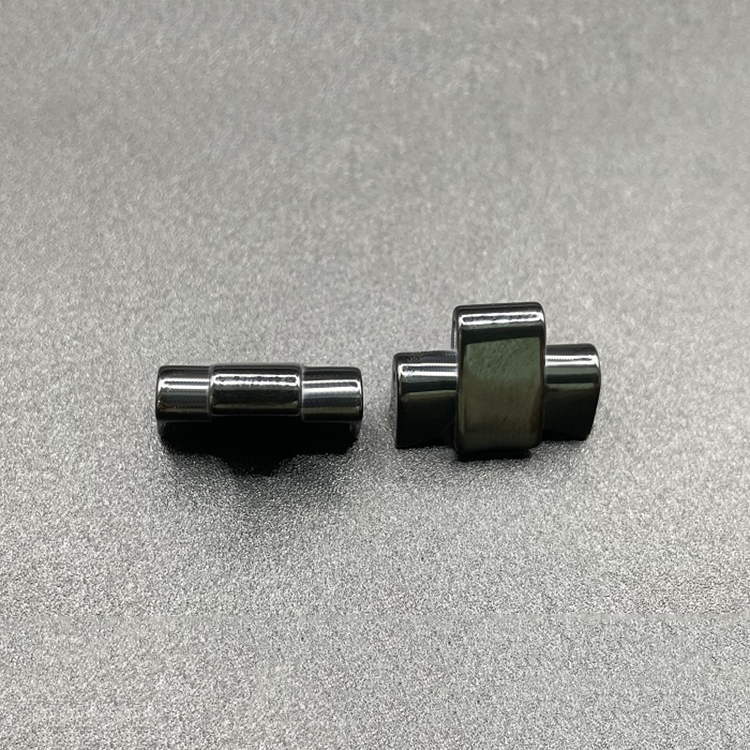
Precision ceramic structural components and their applications
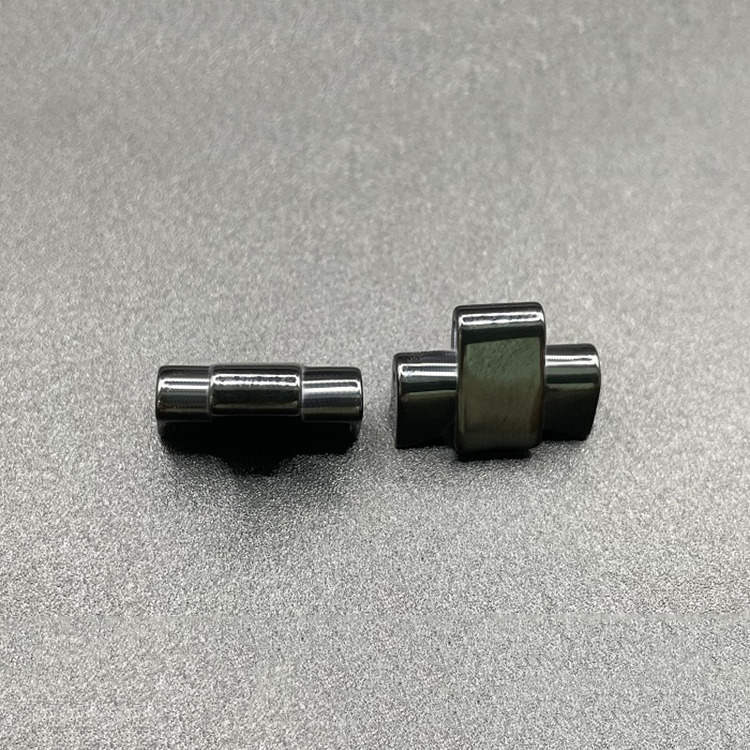
Ceramics offer numerous advantages across a variety of applications in multiple markets. In vehicle and automotive engineering, electronics, energy and environmental sectors, as well as in equipment and mechanical engineering, precision ceramics play a crucial role in enhancing safety, cost efficiency, and comfort in vehicles and automotive engineering. Lu Hai Technology will recommend a reasonable and cost-effective production method based on the application field, material geometric characteristics, and quantity of the customer's products.
Precision Ceramic Components - Features and Advantages
High mechanical strength
High tensile strength and impact resistance
Exceptional wear resistance
-- Excellent thermal conductivity
Low thermal expansion
Thermal shock resistance
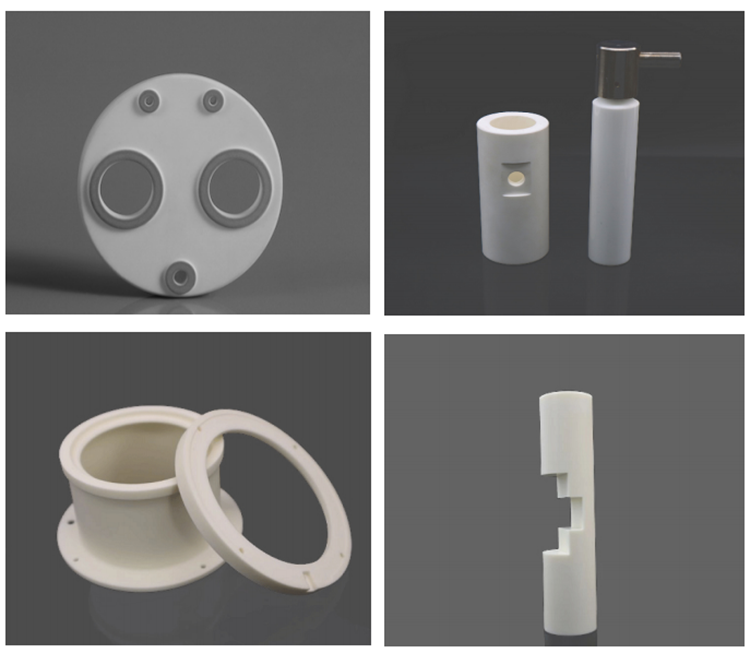
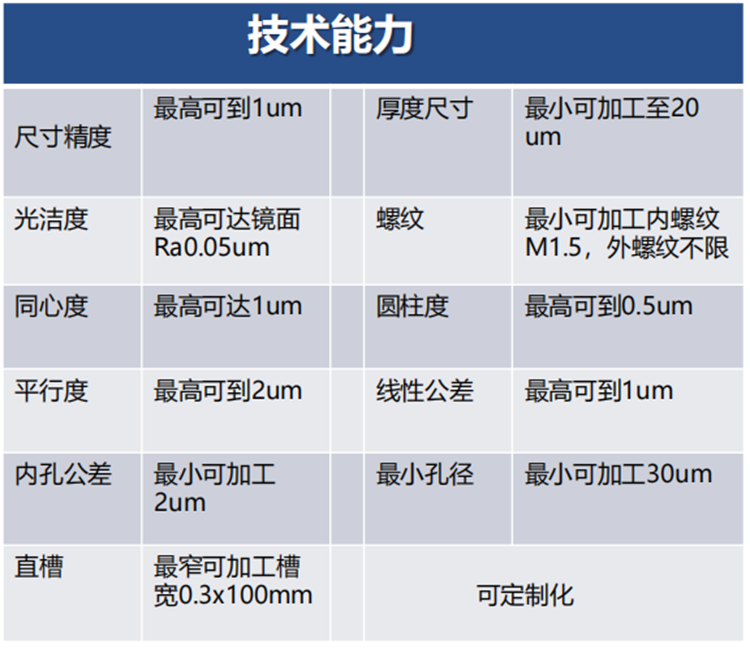
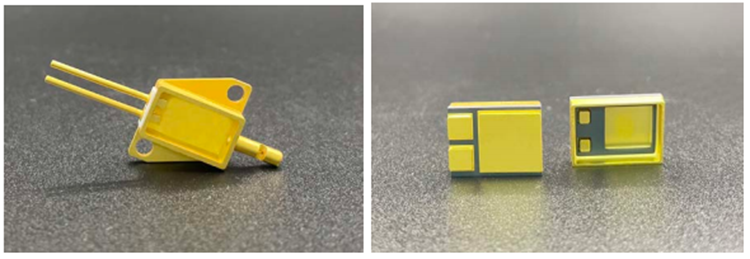
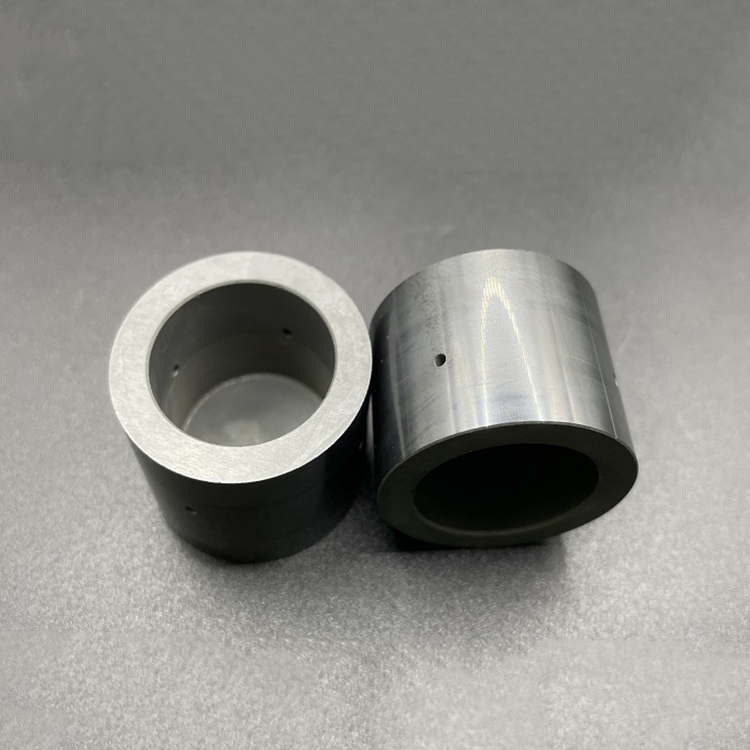
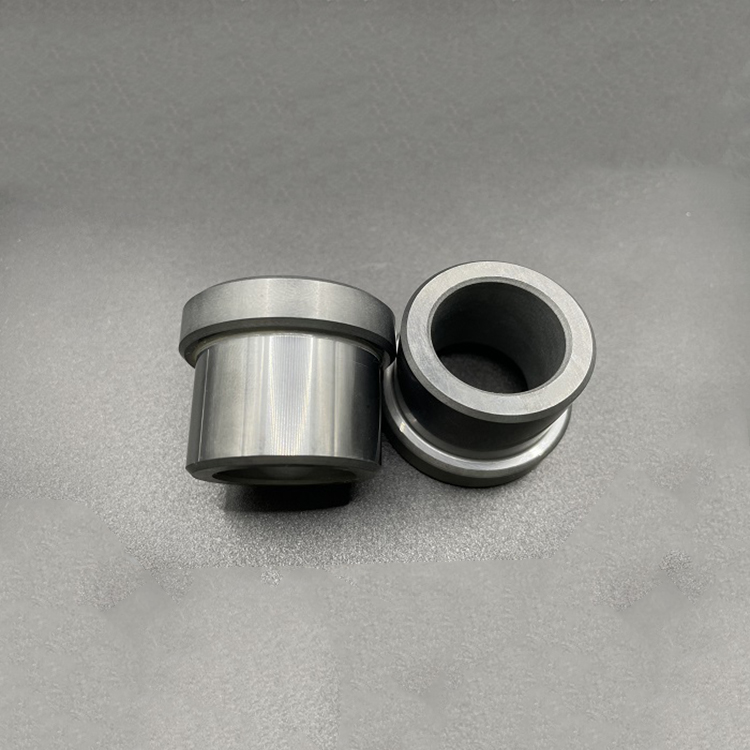
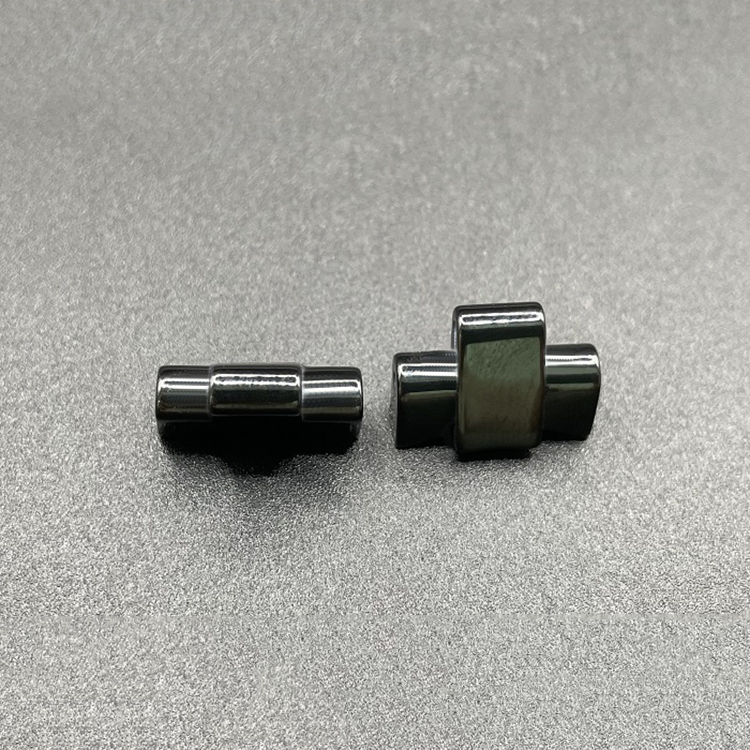
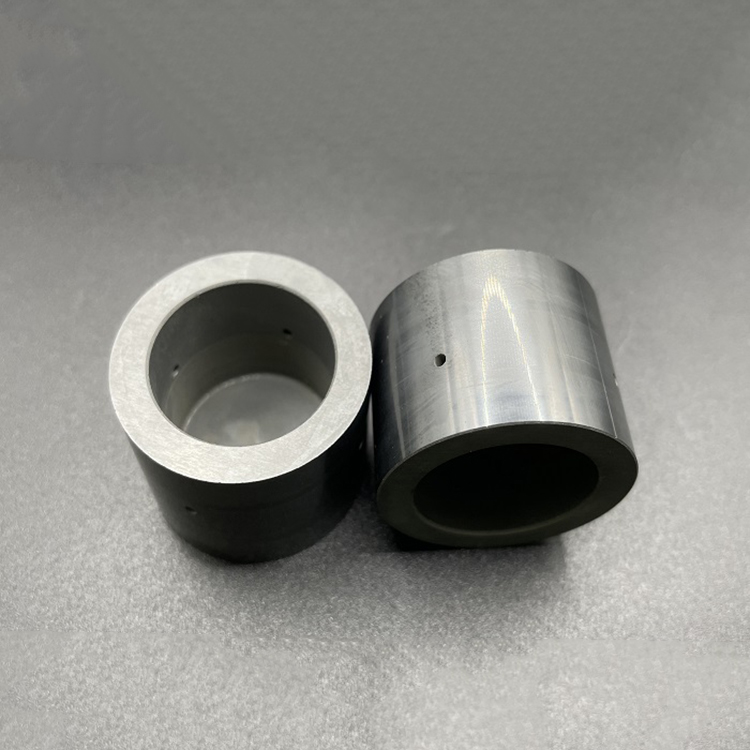
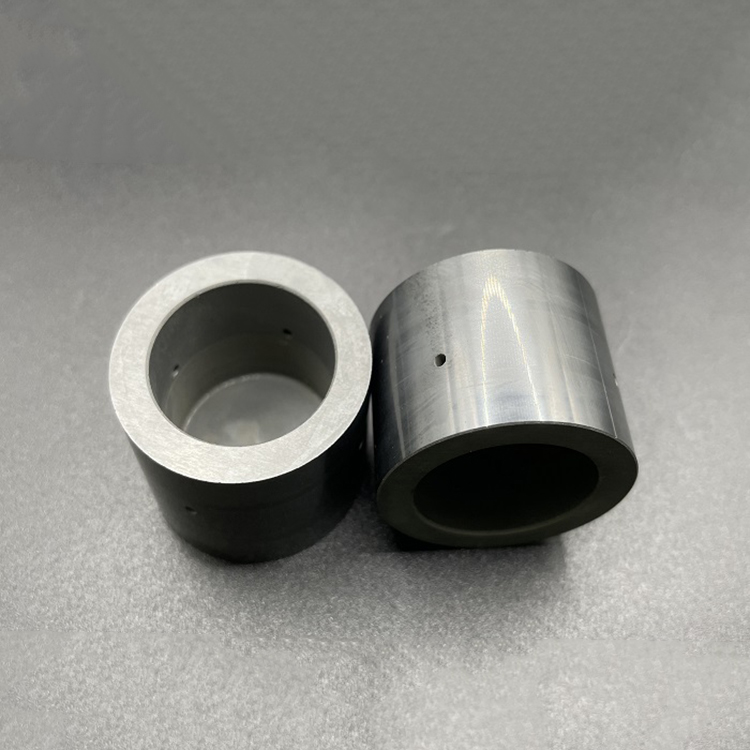
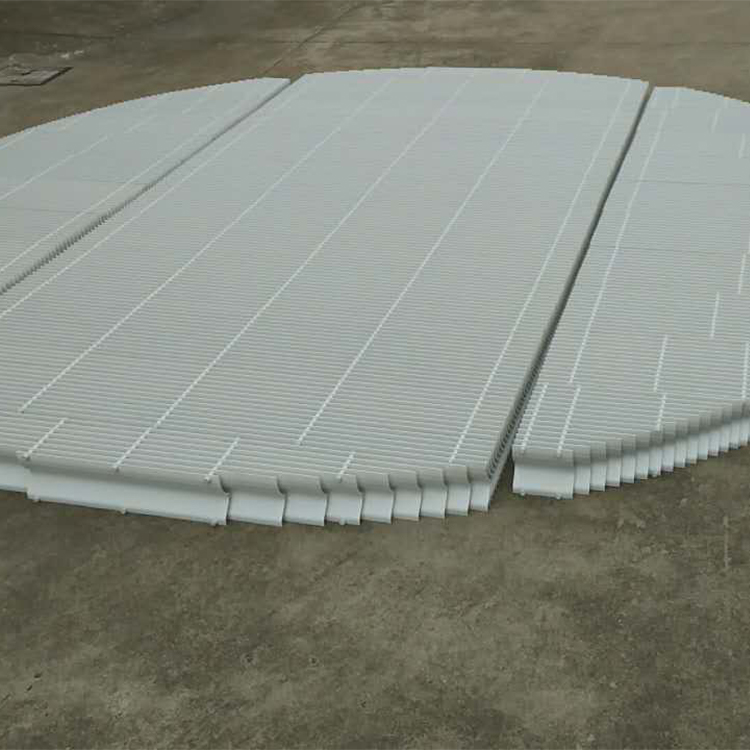
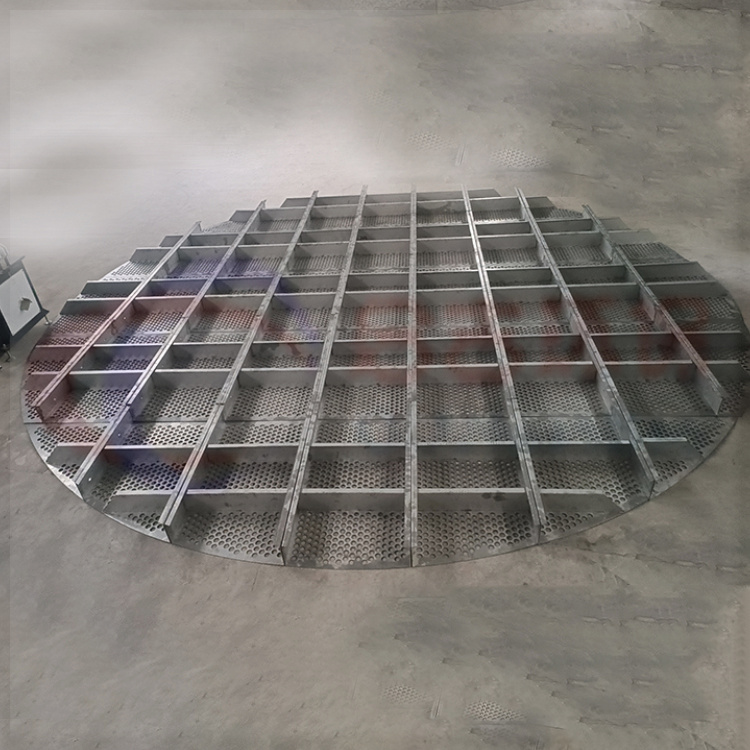
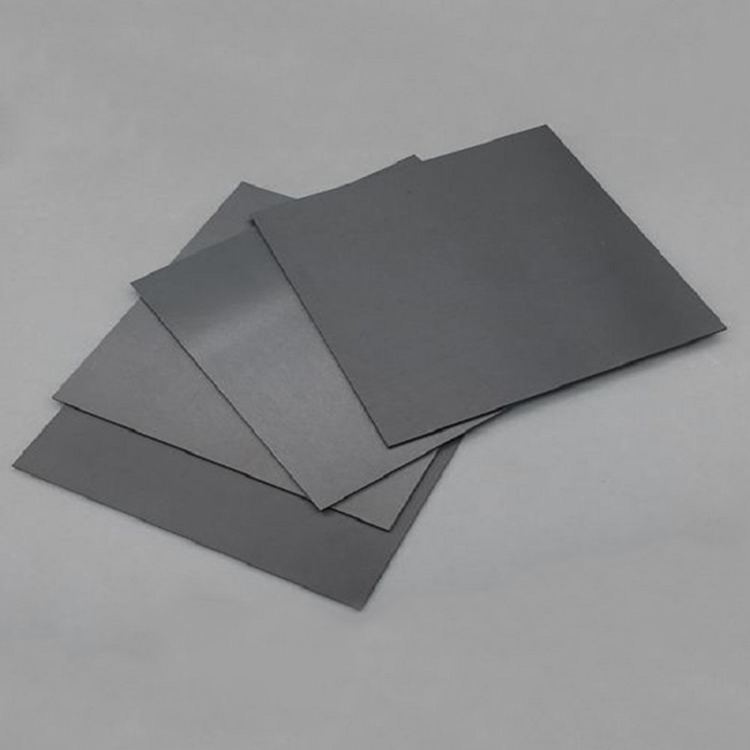
Product Images
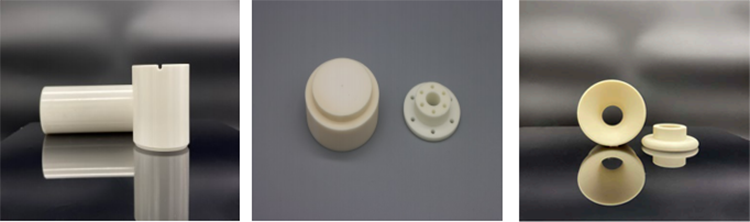
High Temperature Co-Fired Ceramic (HTCC) Technology
What is HTCC technology?
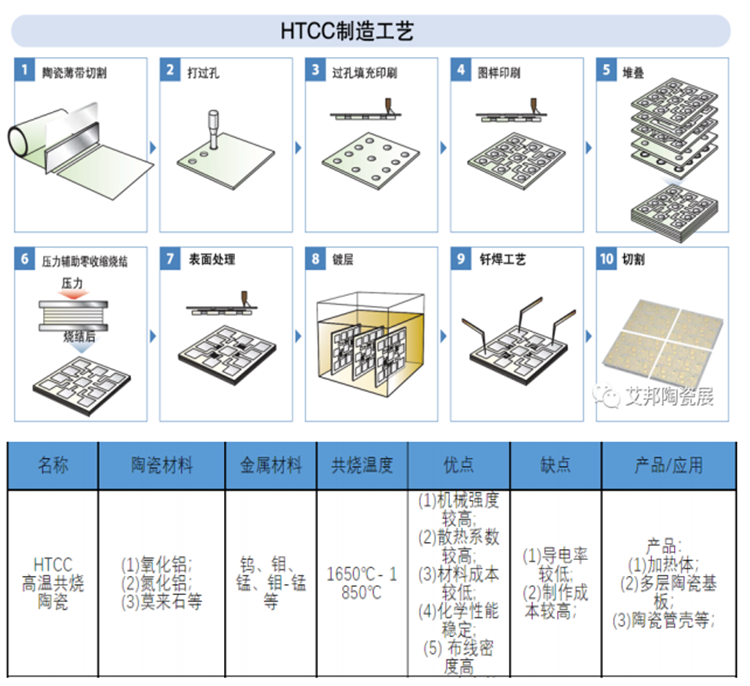
Utilizing multilayer ceramic substrate technology, as these multilayer substrates are co-sintered at a high temperature of 1600°C using alumina as the insulating material and conductive materials (Mo, W, Mo-Mn), they are known as High Temperature Co-Sintered Ceramics (HTCC) to differentiate them from the Low Temperature Co-Sintered Ceramics developed later.
HTCC, or High Temperature Co-fired Ceramics, typically employs metals such as tungsten, molybdenum, and manganese with high melting points. As per circuit design specifications, they are printed onto green bodies of alumina, aluminum nitride, or less commonly, mullite ceramics. These are then stacked and co-fired as a single unit at temperatures ranging from 1650 to 1850°C.