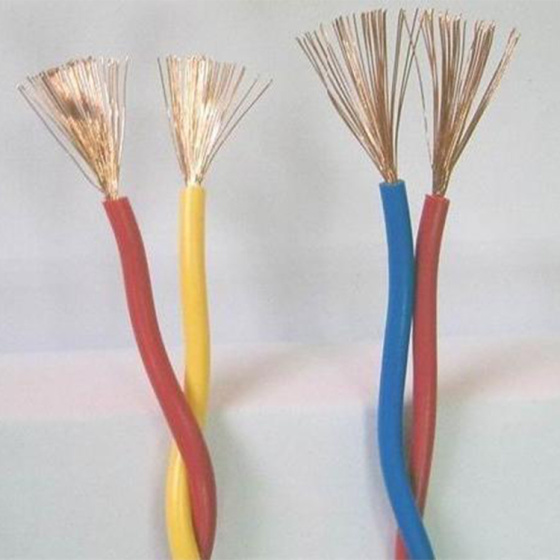


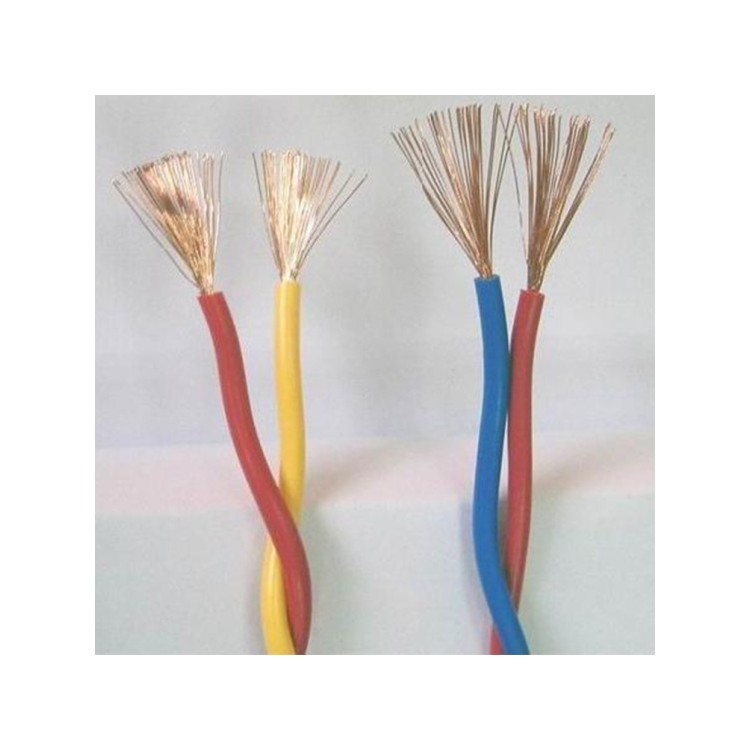
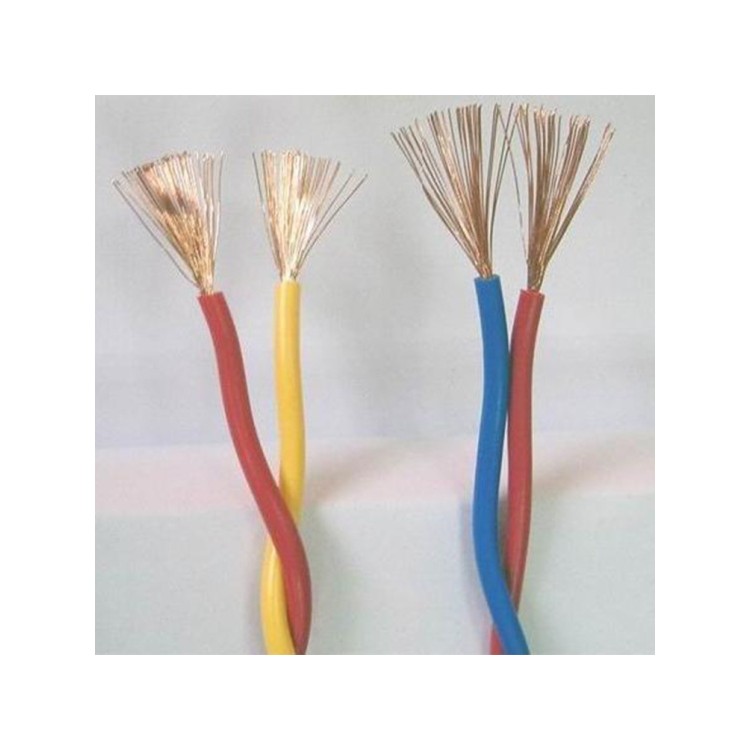
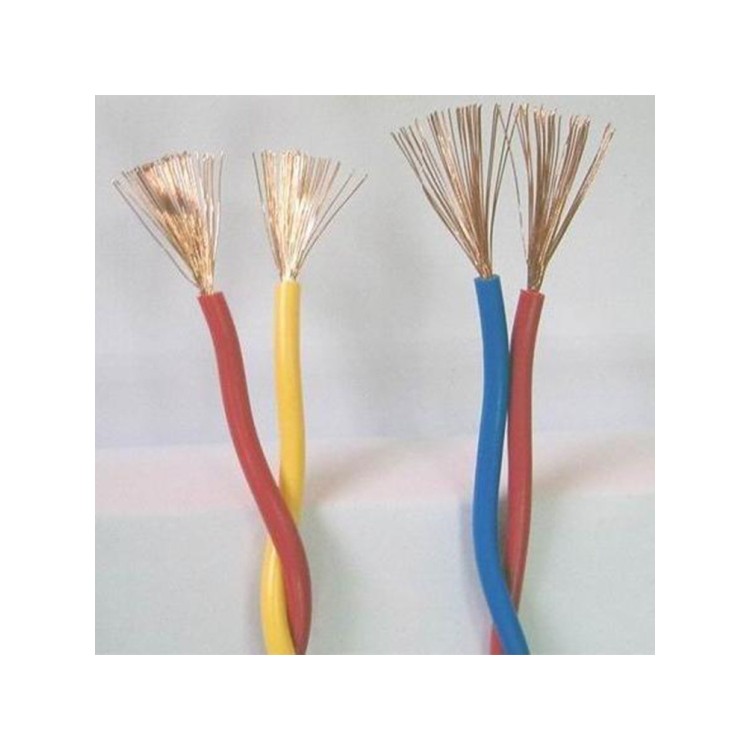











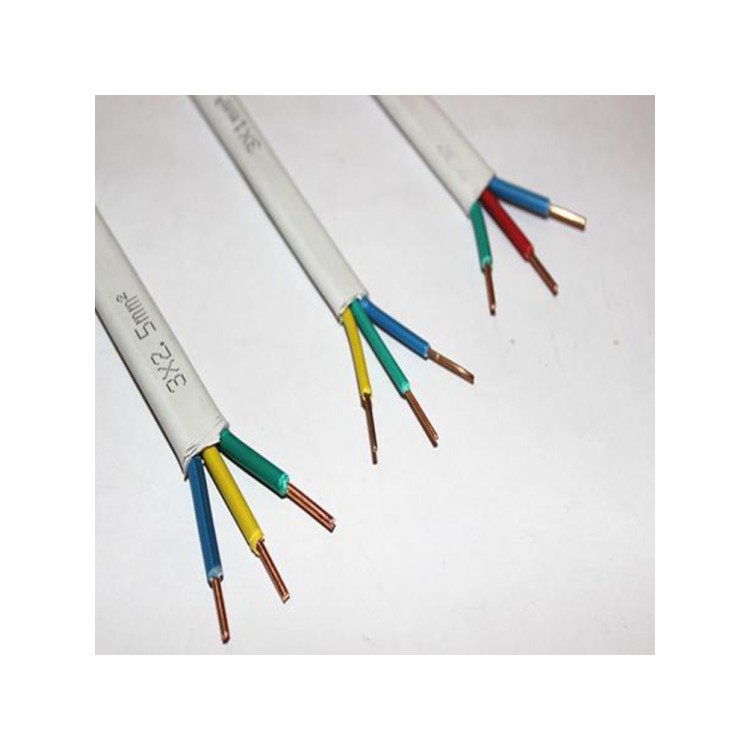
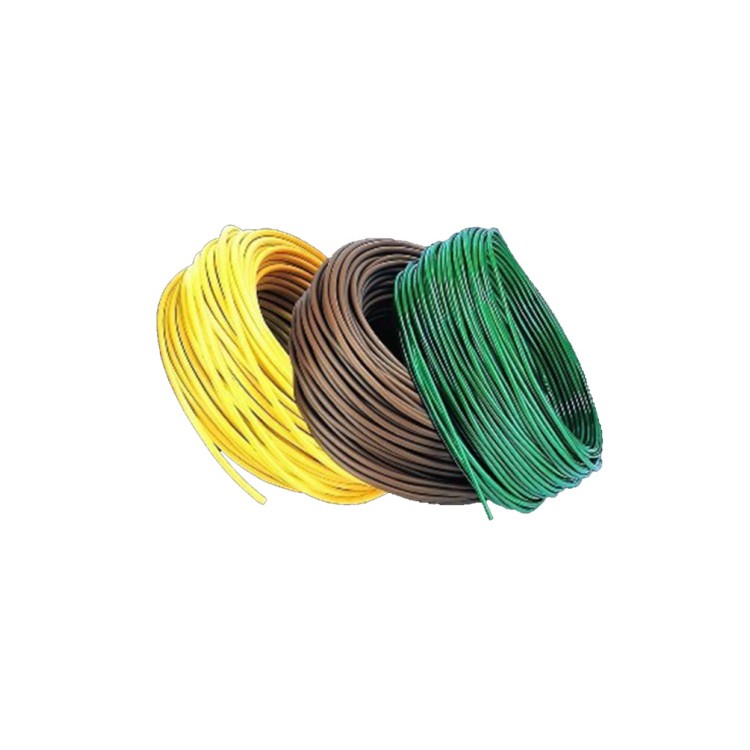
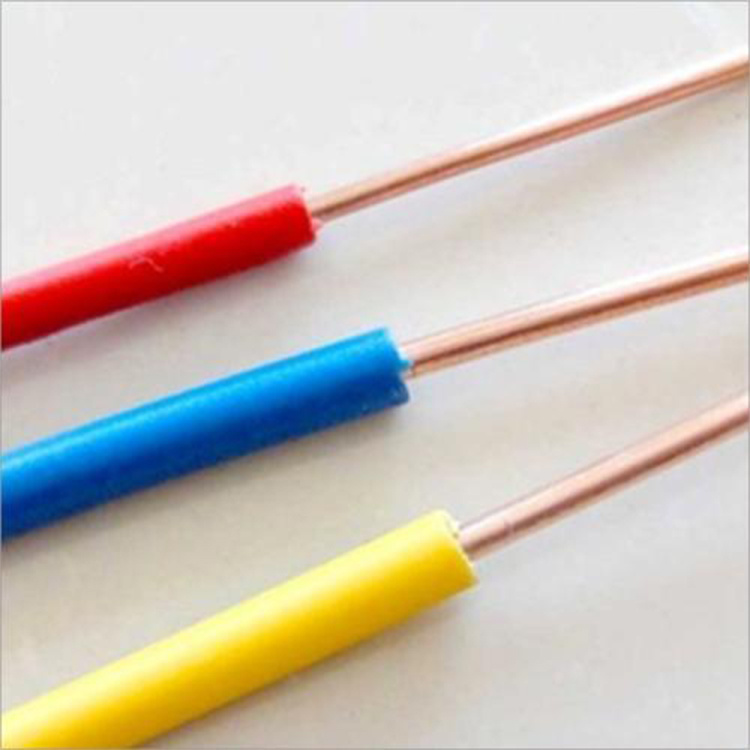
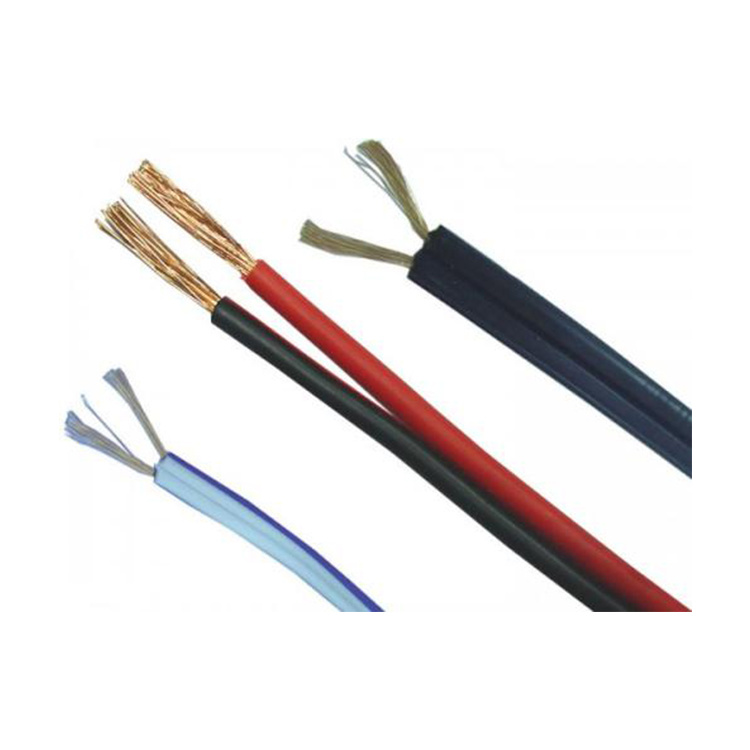
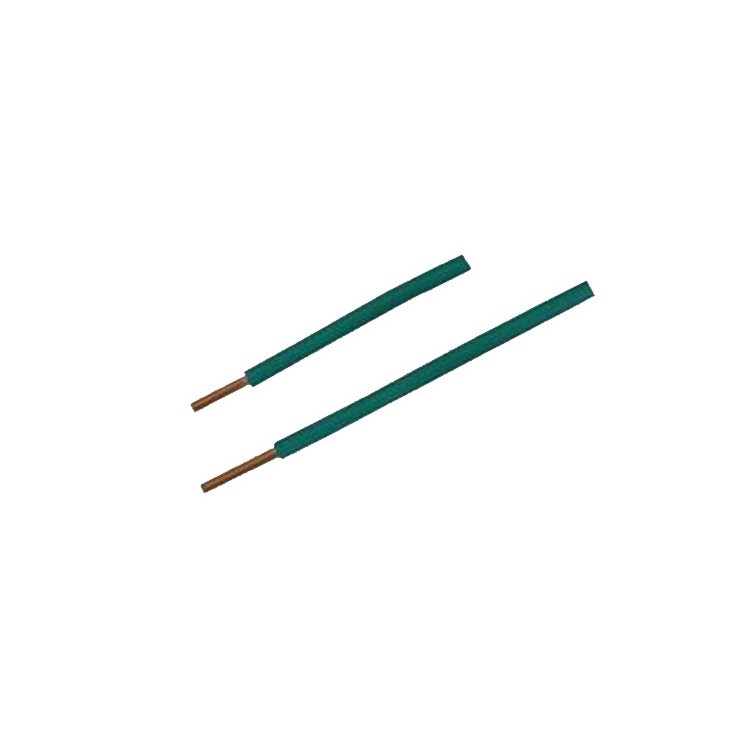
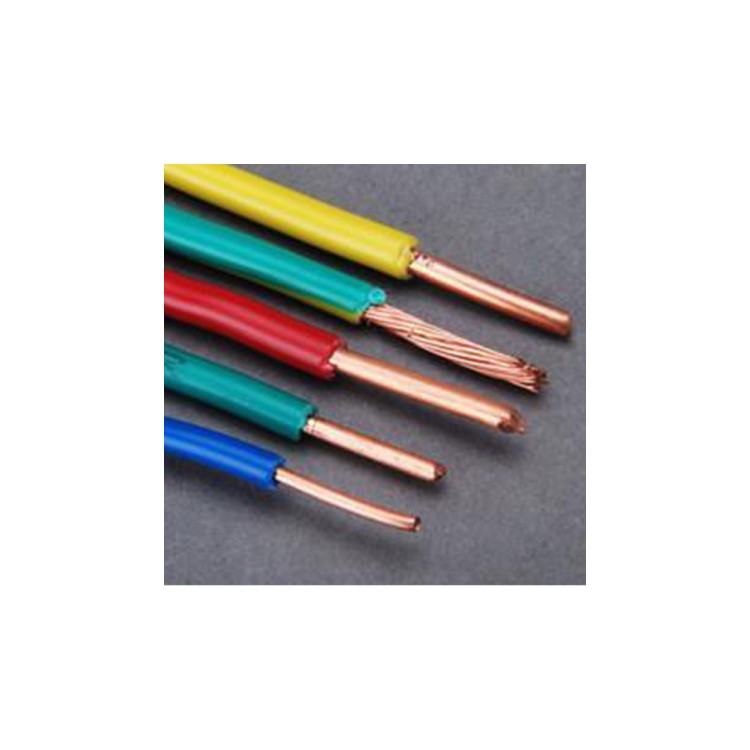
Wires are categorized into various types based on their usage and characteristics. For instance, common household wires come in two types: unshielded cables and shielded cables. Unshielded cables are generally used for low-voltage and low-frequency circuits, such as household wiring, while shielded cables are utilized for high-voltage and high-frequency circuits, like audio-video equipment. Additionally, there are wires specifically designed for communication purposes, such as telecommunication lines and network cables.
Wires can be categorized not only by their purpose but also by the cross-sectional area of the conductor, the conductor's thickness, and the type of insulation material. A larger cross-sectional area of the conductor results in higher conductivity. The thickness of the conductor also affects its resistance and the ability to carry current. The type and quality of the insulation material determine the durability and safety of the wire.
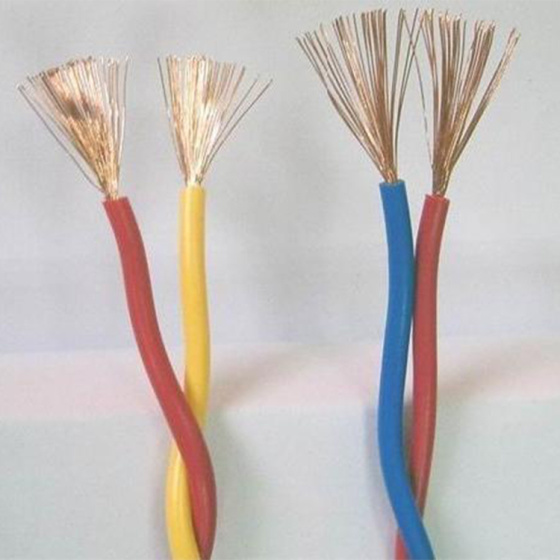
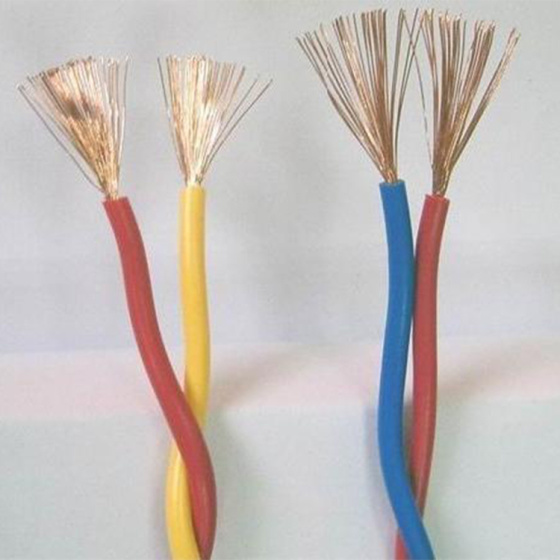
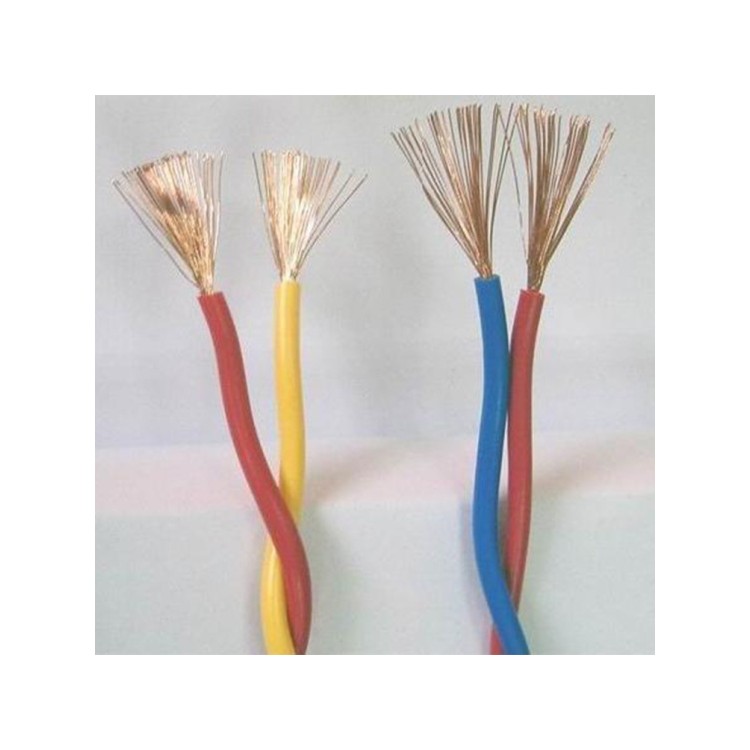
RVS Wire
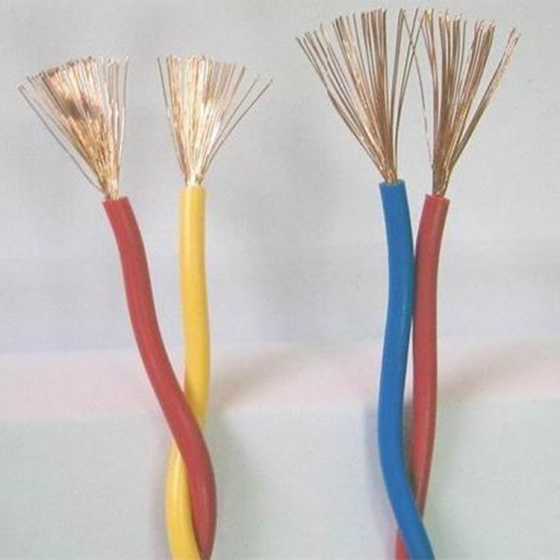
The design and manufacturing of wires is a meticulous and stringent process. Firstly, suitable conductors and insulating materials must be selected to ensure the wire's conductivity and insulation properties. Then, based on different applications and requirements, the wire's cross-sectional area, length, and structure are determined. Professional equipment and techniques are used to assemble the conductors and insulating materials into wires.
When using wires, safety precautions should be taken. Firstly, the wires must be functioning properly without any short circuits or open circuits. Any damaged or worn-out wires should be replaced promptly. Secondly, wires should not exceed their rated voltage and current load to prevent overloading or fire hazards. Additionally, wires should be properly installed to avoid moisture and damage.