












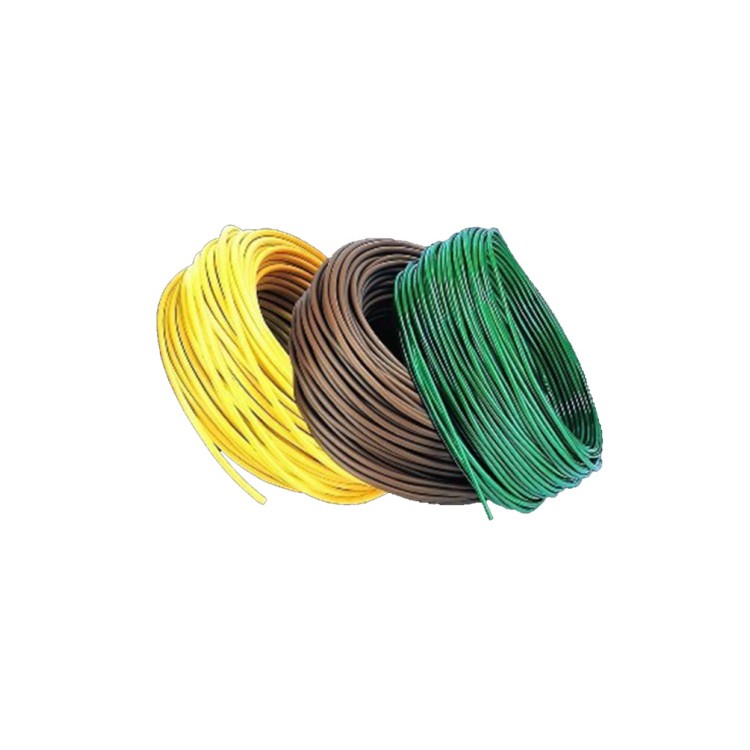
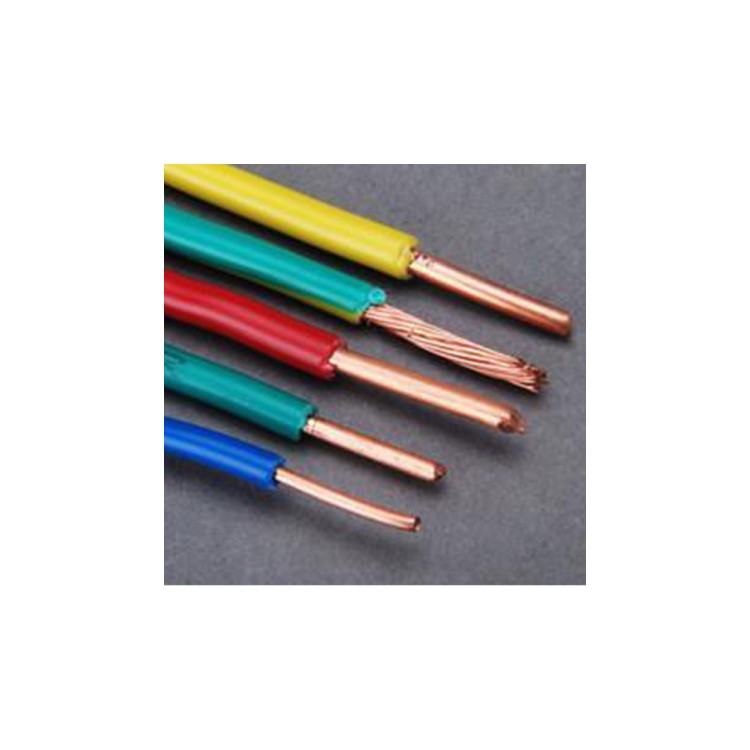
Wires are conductive devices used to transmit electrical power from power sources to various electrical appliances. They are widely used in everyday life and across various industries, almost everywhere. The working principle of wires is very simple; they transfer electrical power by the movement of free electrons within the conductor under the influence of an electric field.

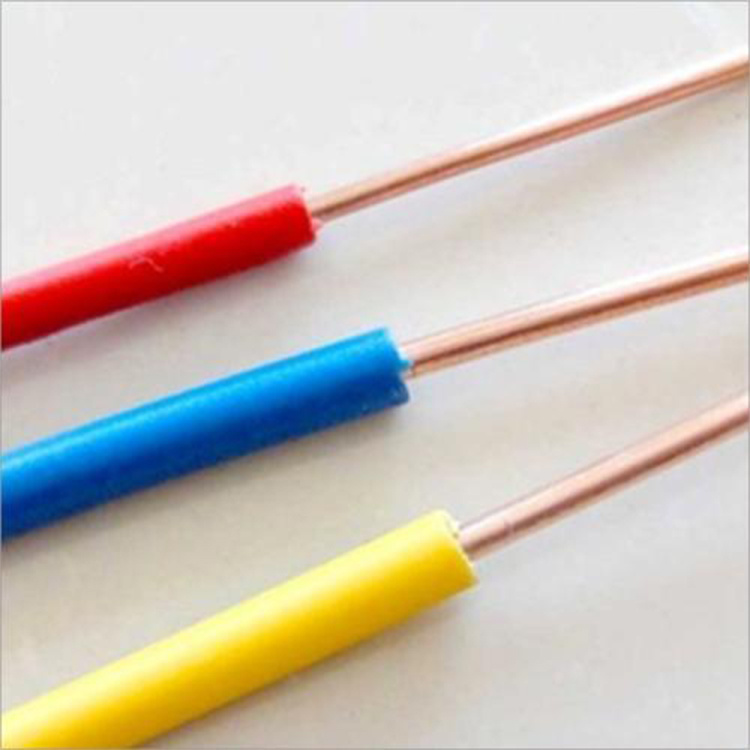
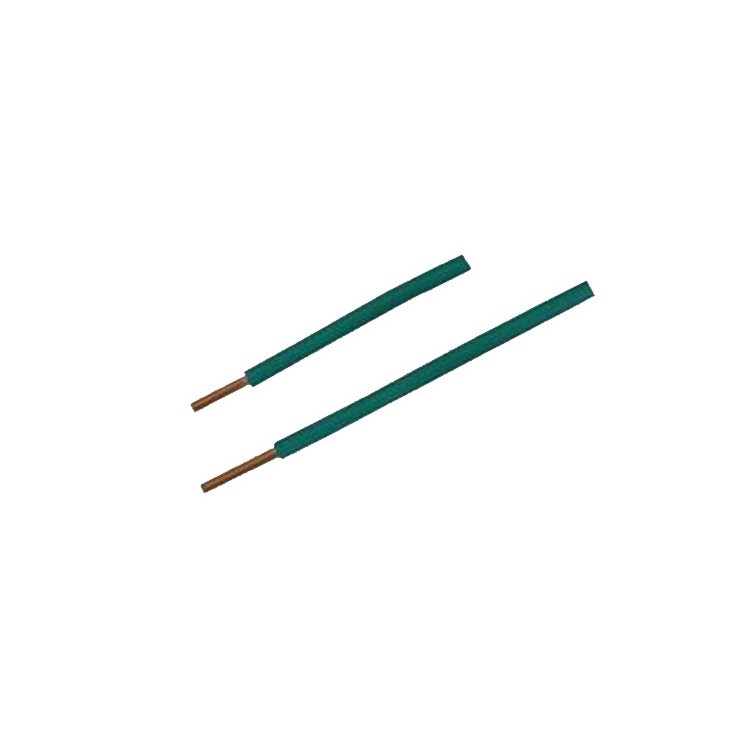
Wires are primarily composed of conductors and insulators. Conductors are typically metals, such as copper or aluminum, due to their excellent conductivity. Insulators are the materials that surround the conductors, like plastic or rubber. The insulating layer's purpose is to prevent the conductors from contacting each other and to stop current from leaking into the surrounding environment. This ensures the safe and efficient transmission of electrical power.
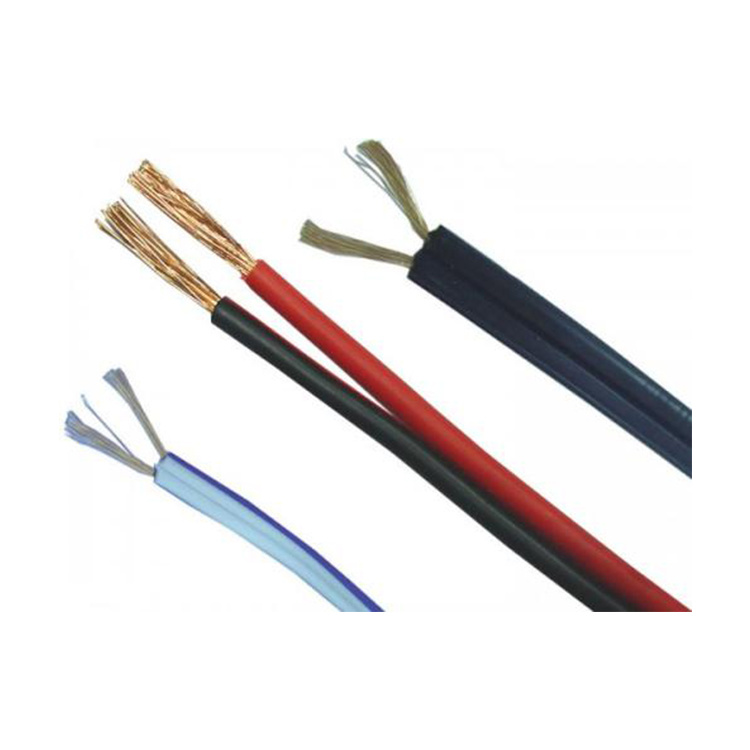
Wires are categorized into various types based on their use and characteristics. For instance, common household wires come in two types: unshielded cables and shielded cables. Unshielded cables are generally used for low-voltage and low-frequency circuits, such as household wiring, while shielded cables are employed for high-voltage and high-frequency circuits, like audio-visual equipment. Additionally, there are wires specifically designed for communication purposes, such as telecommunication lines and network cables.
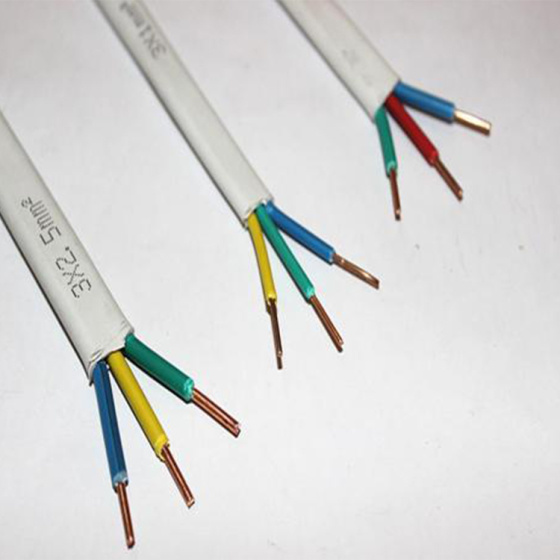
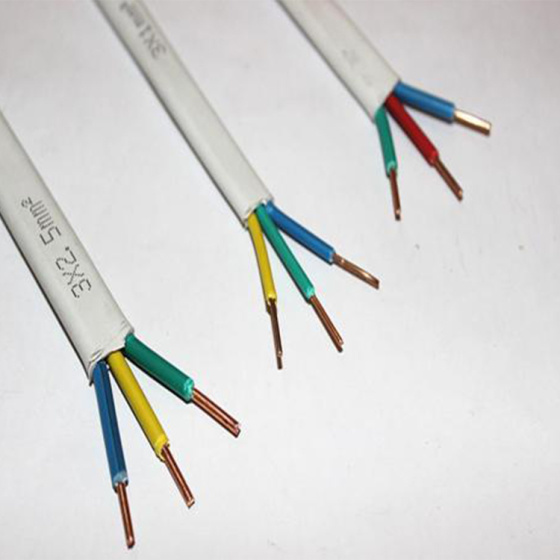
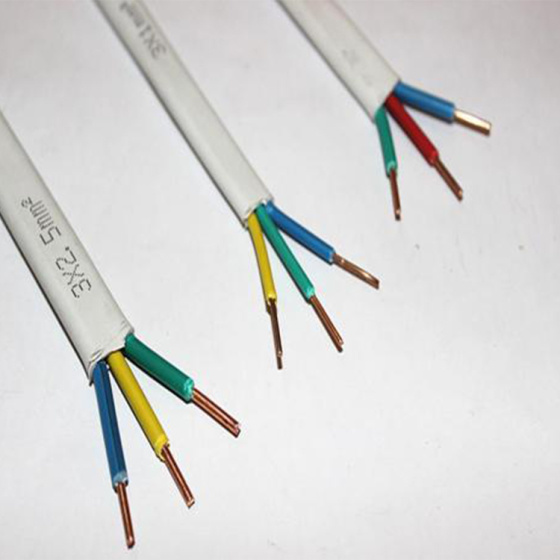
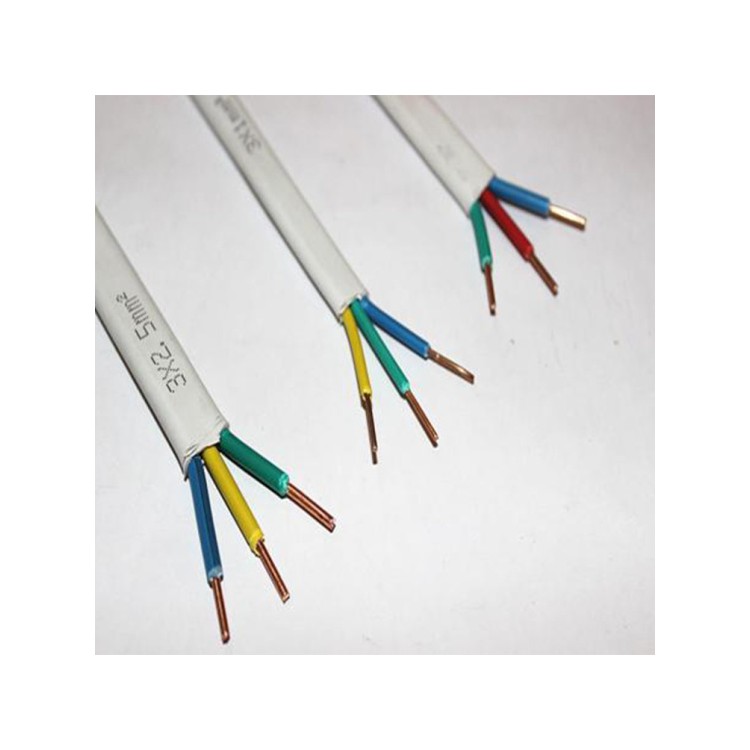
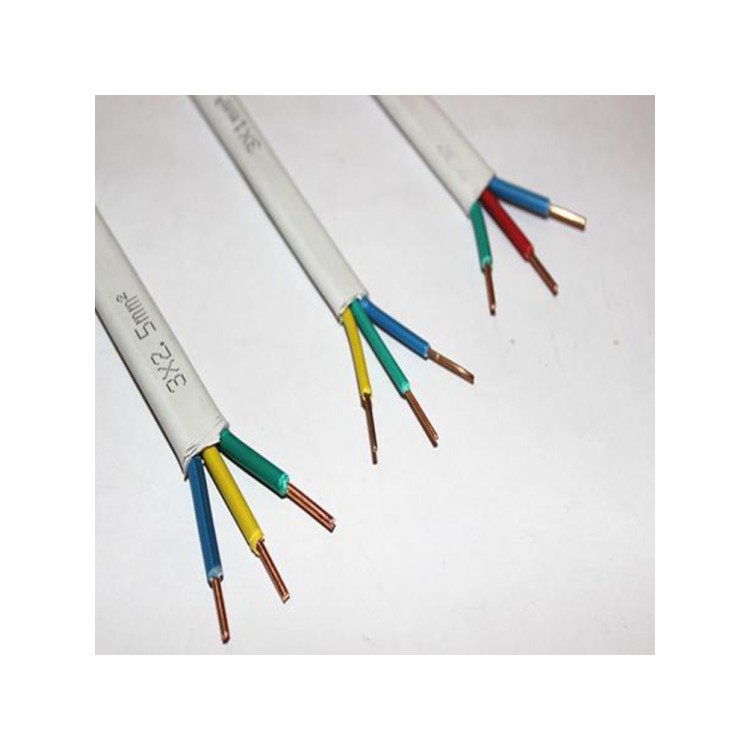
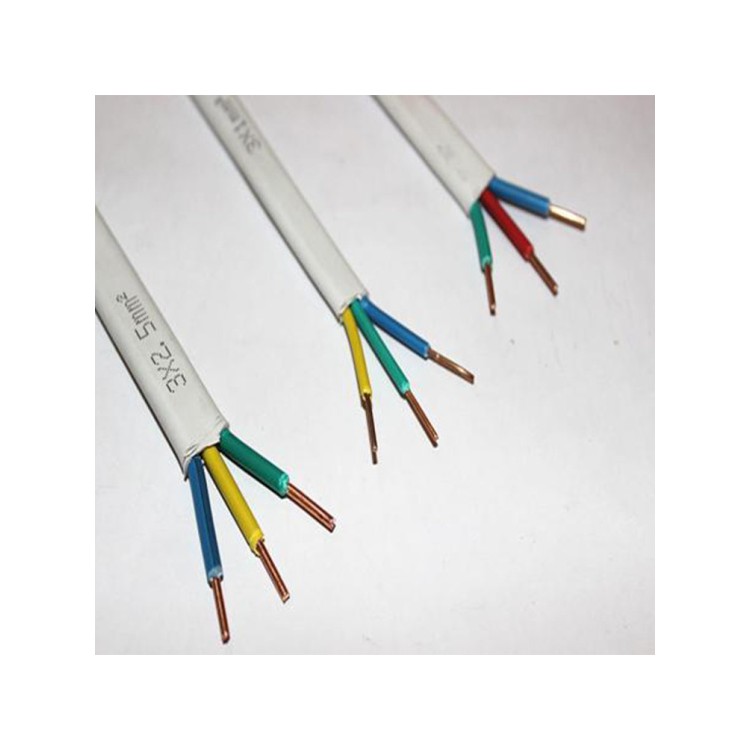
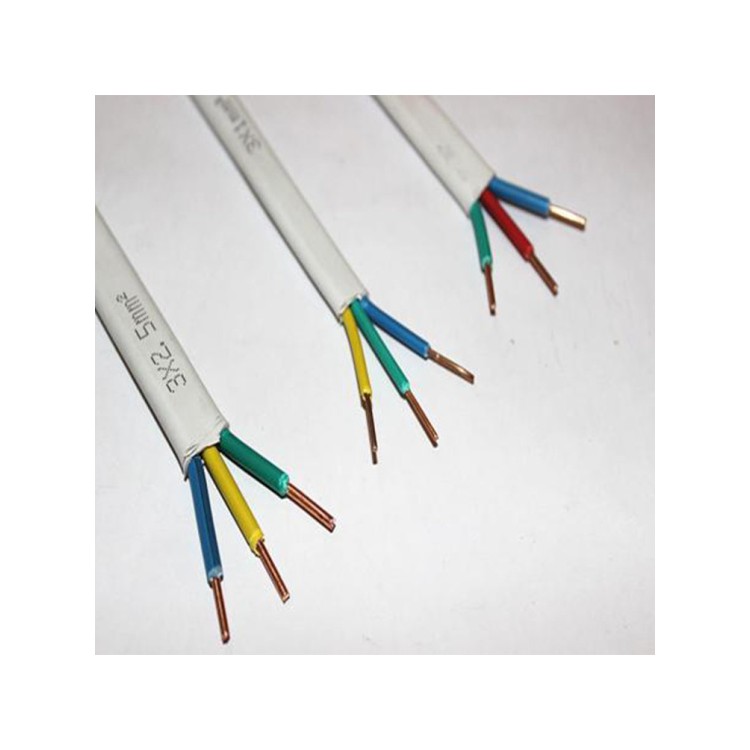
BVVB Wire

Wires can be categorized based on their conductor cross-sectional area, the thickness of the conductor, and the type of insulation material. A larger conductor cross-sectional area results in higher conductivity. The thickness of the conductor also affects the resistance and flow of current. The type and quality of the insulation material determine the wire's durability and safety.
The design and manufacturing of wires is a precise and stringent process. Firstly, suitable conductors and insulating materials must be selected to ensure the wire's conductivity and insulation properties. Then, based on different applications and requirements, the wire's cross-sectional area, length, and structure are determined. Through professional equipment and techniques, conductors and insulating materials are assembled into wires.