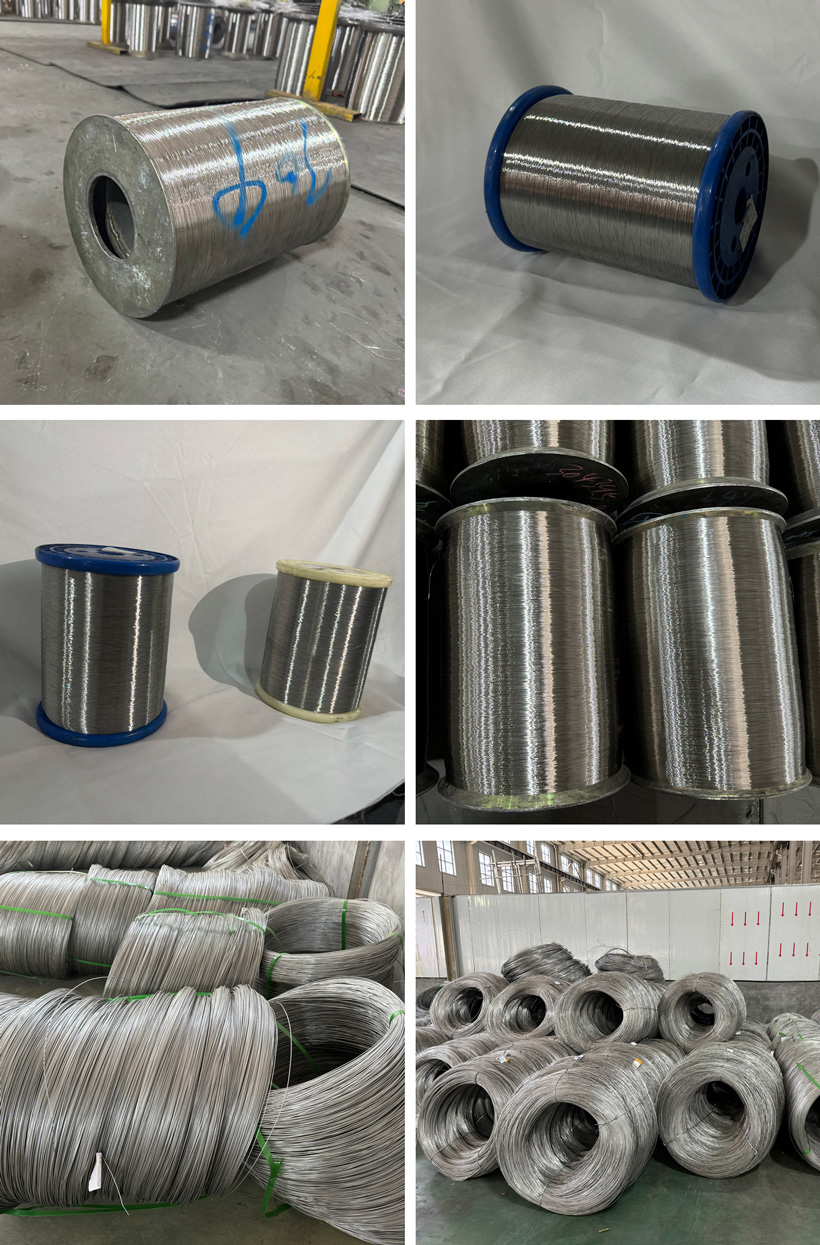

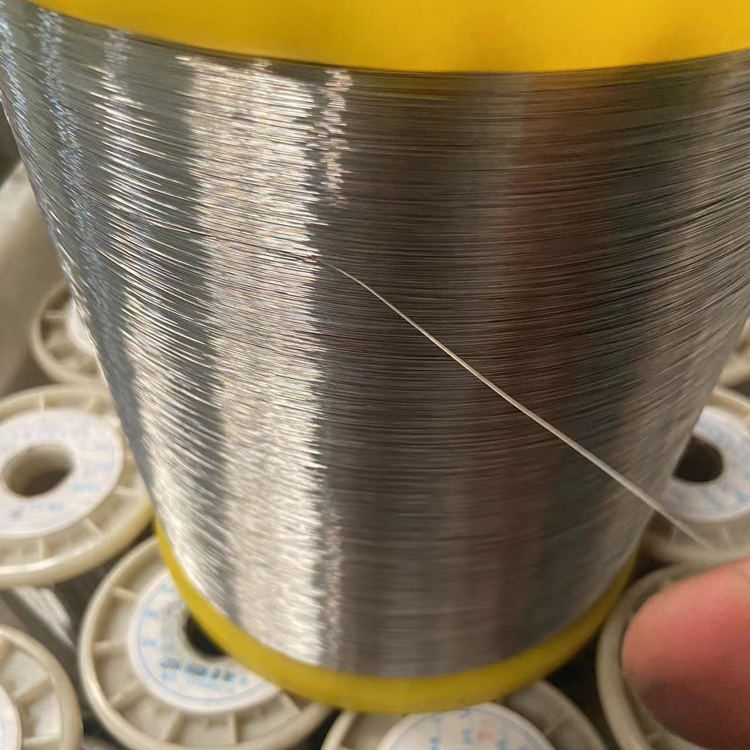












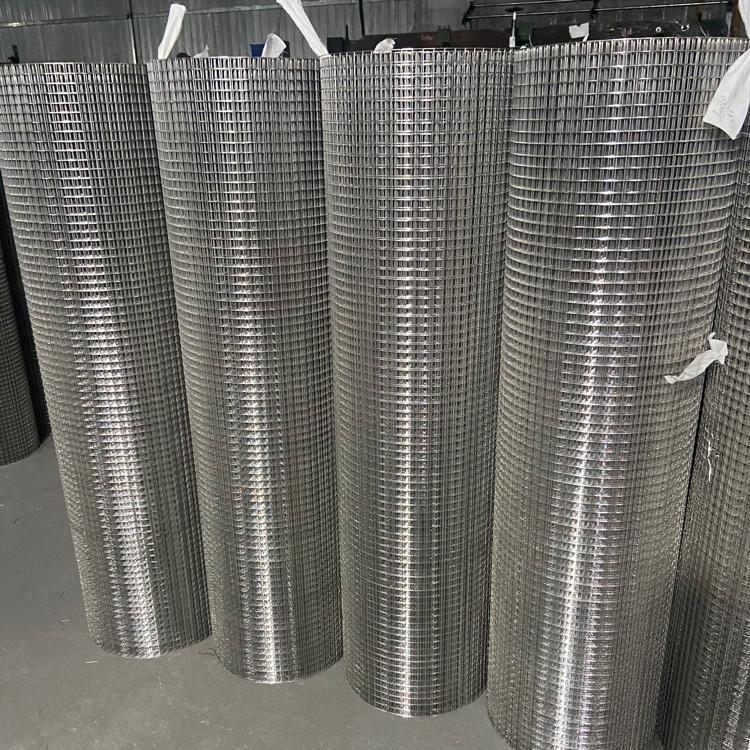
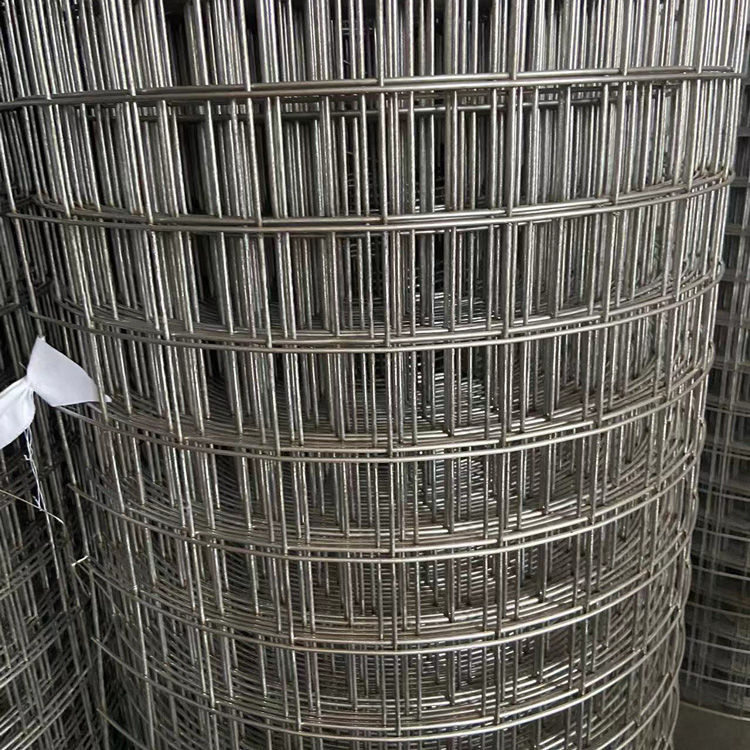
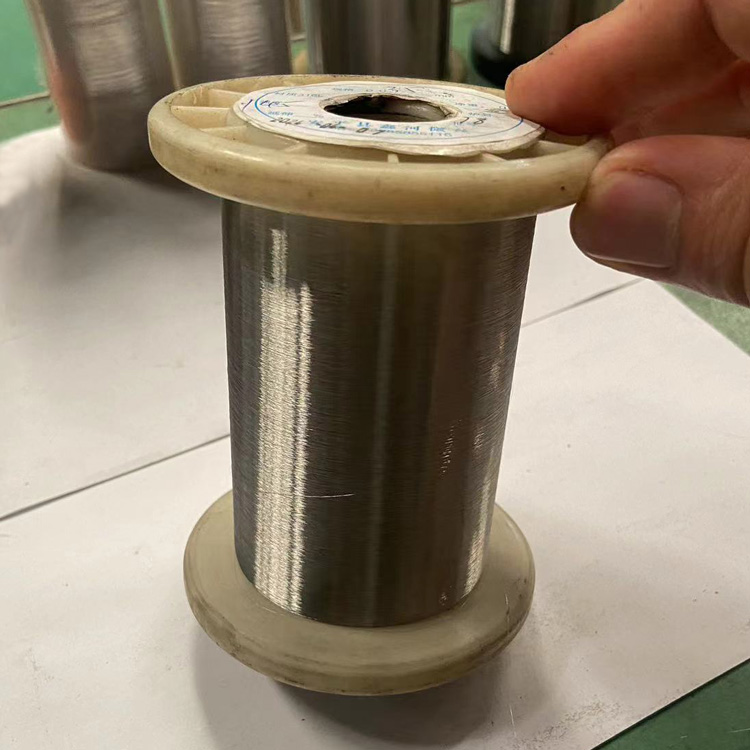

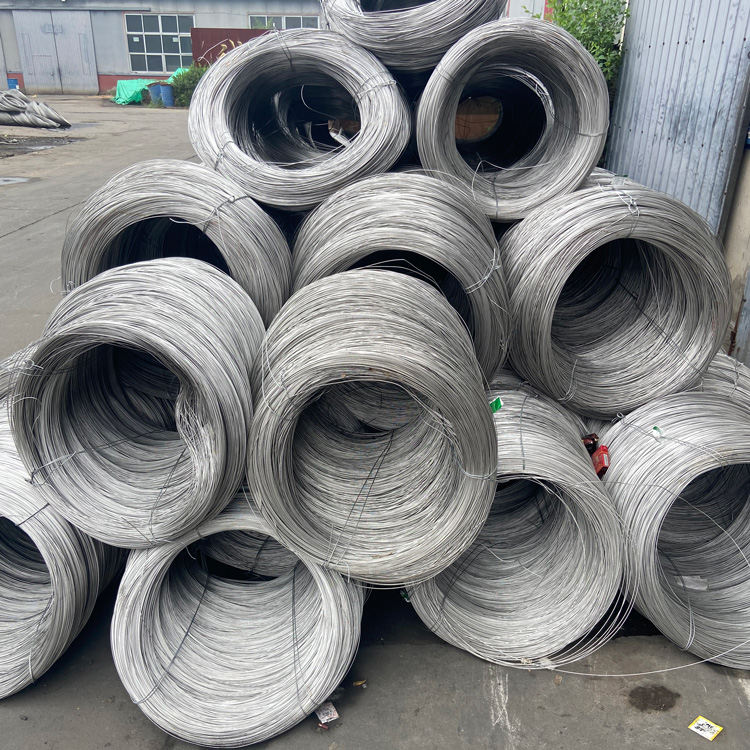
As technology advances and industries develop, the application fields of stainless steel wire will continue to expand. At the same time, market demands for the performance and quality of stainless steel wire are increasing, driving continuous upgrades and innovations in production technology. Therefore, the market prospects for stainless steel wire are promising, with significant development potential.
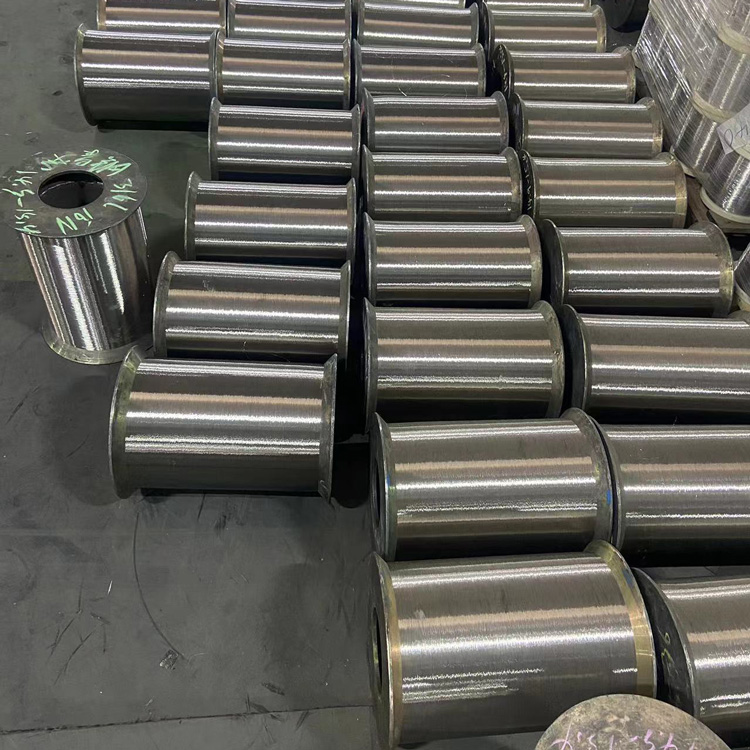
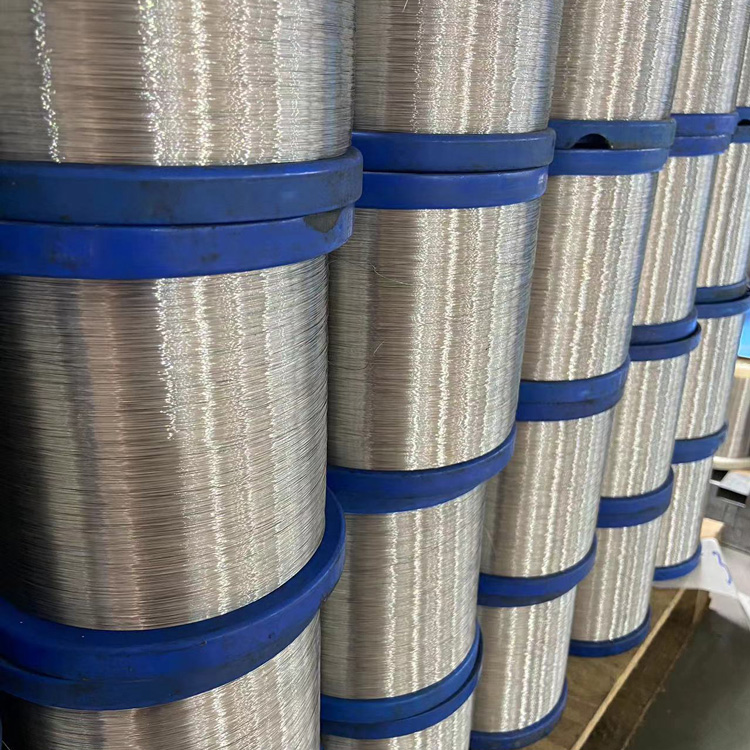
Stainless steel wire is categorized into various types based on material and performance, such as 304 stainless steel wire and 316 stainless steel wire. Each type boasts unique characteristics in terms of corrosion resistance and high-temperature tolerance, making them suitable for different application scenarios.
The production process of stainless steel wire involves multiple steps, including raw material preparation, melting, casting, rolling, drawing, heat treatment, surface treatment, and inspection. Among them, drawing is one of the critical processes in stainless steel wire production. Through repeated drawing, the diameter of the stainless steel wire can gradually decrease while improving its surface quality and mechanical properties.