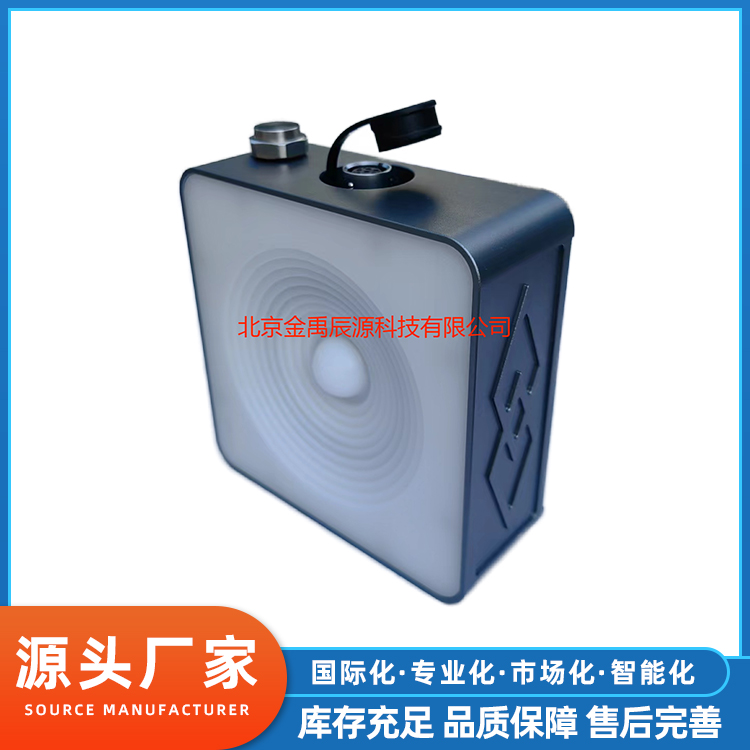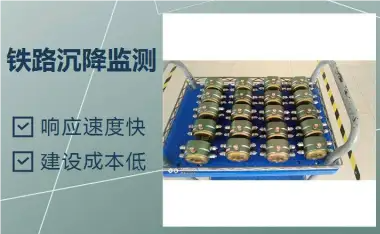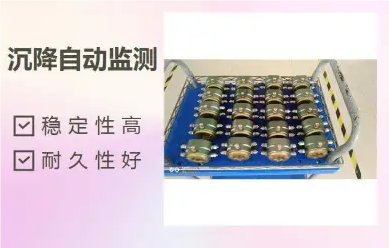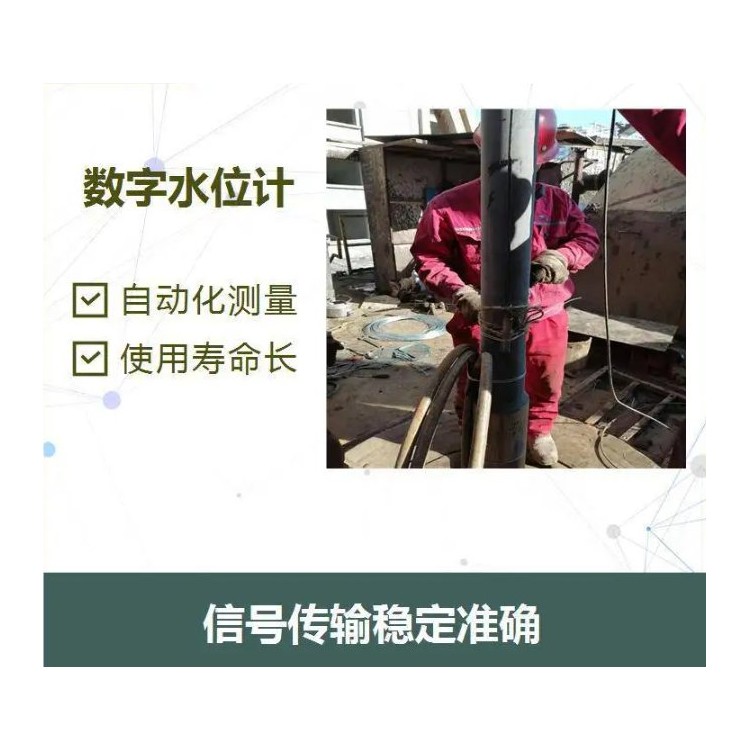

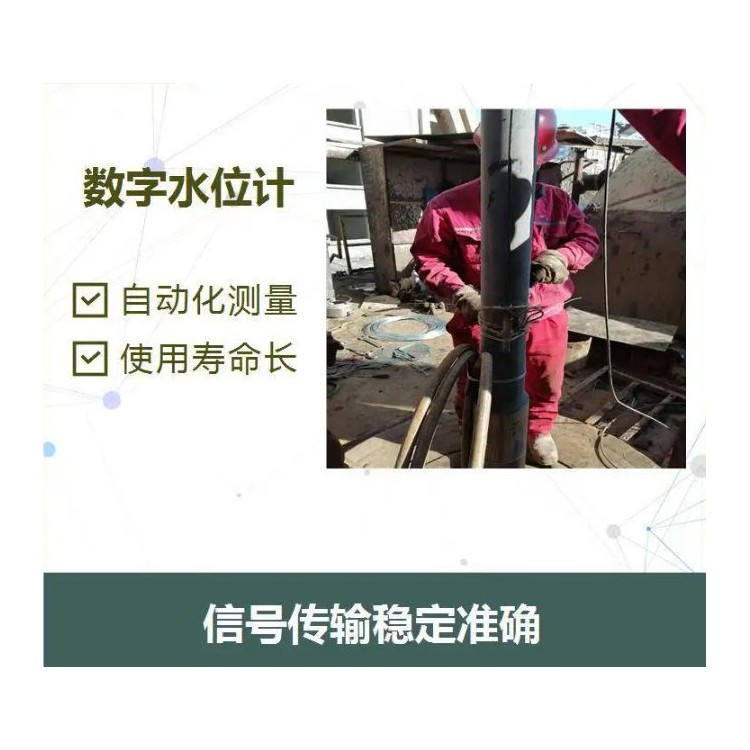
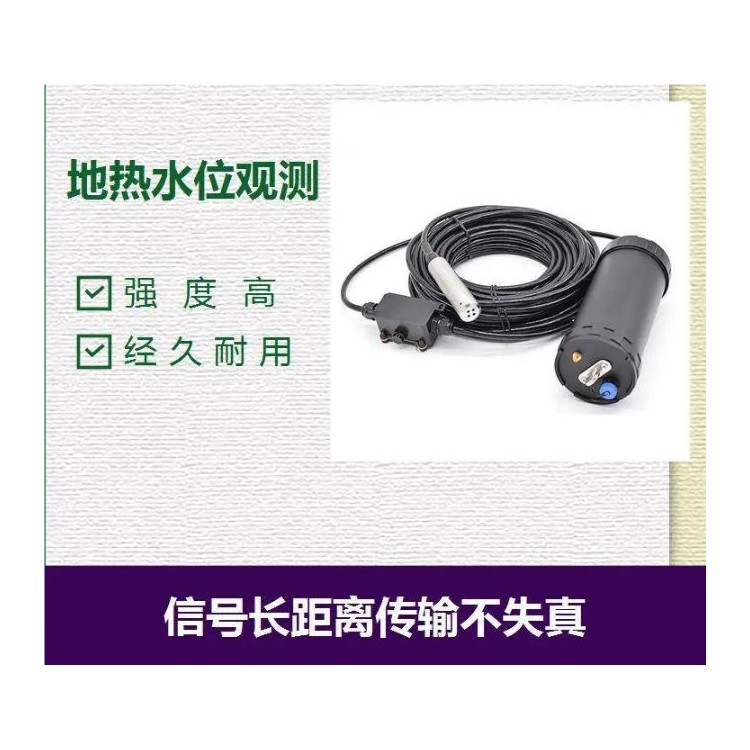
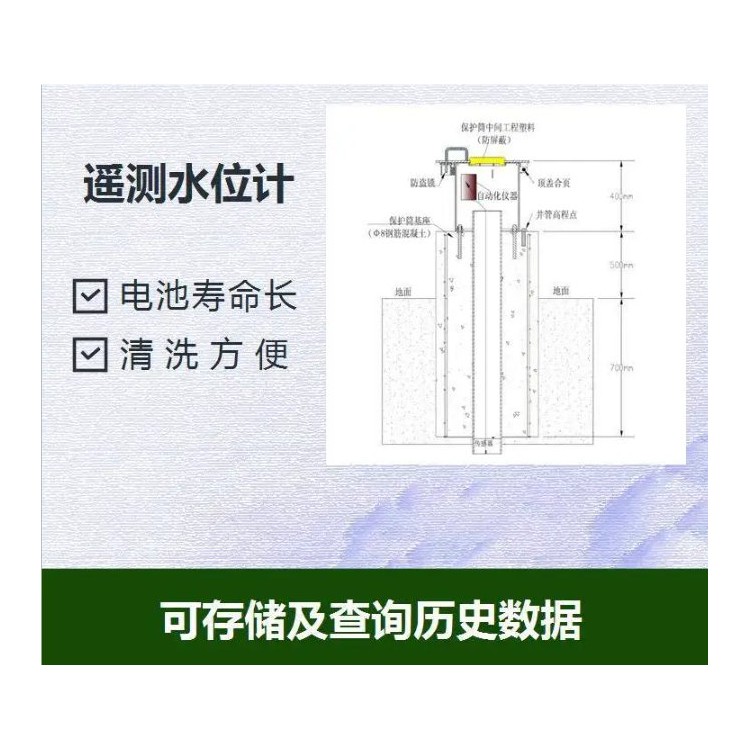


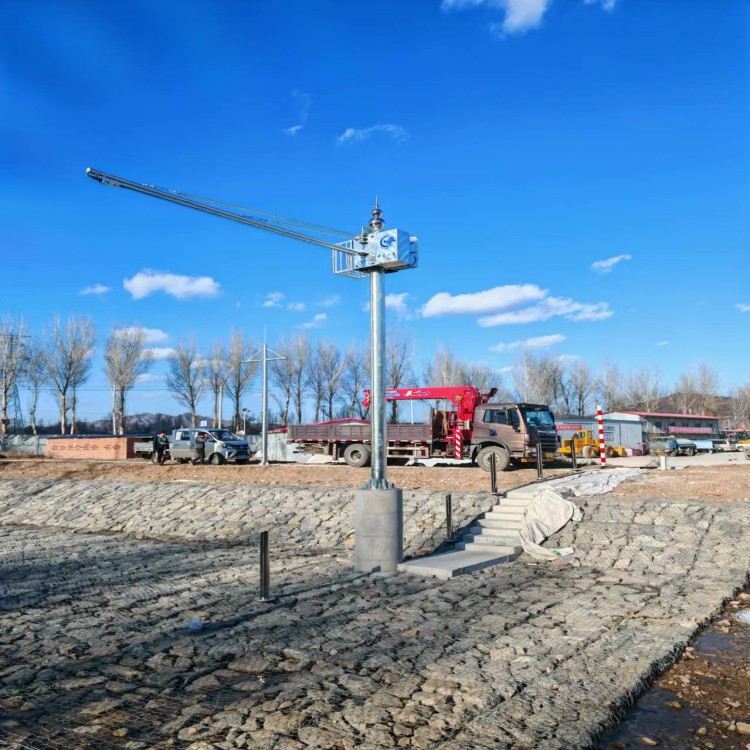






Differential Pressure Hydrostatic Level Gauge Features: Compact size, high precision, wide measurement range; can be installed along the ground contour without turning points, fully sealed structure for underground installation; wide temperature compensation (-20~80℃), operating temperature up to -40~125℃, suitable for various harsh environments; measurement points do not require liquid surface flow, real-time manifestation of differential pressure due to settlement; hardware with RS485 interface, strong compatibility, can be connected to Zigbee modules for Zigbee self-organizing network; also can be connected to GPRS modules for remote communication.
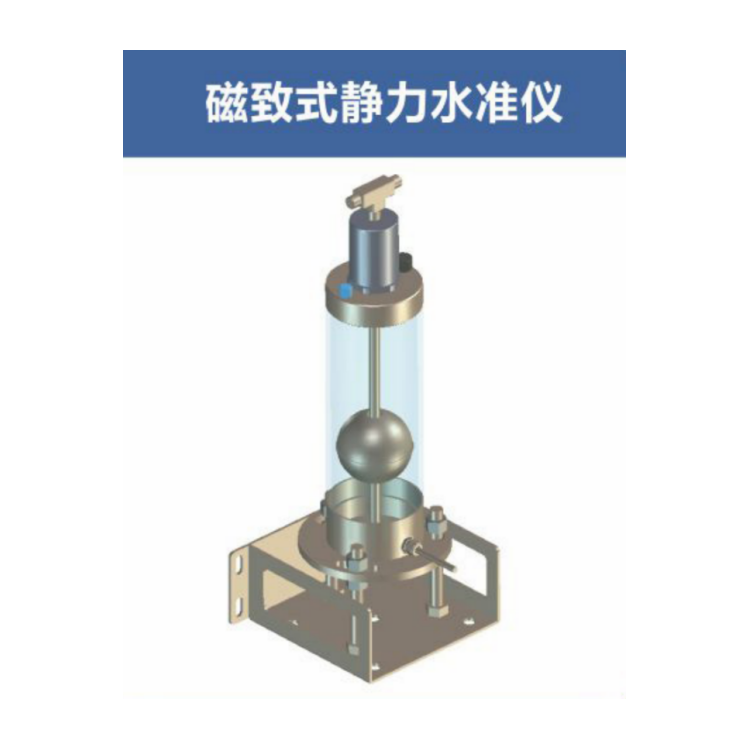
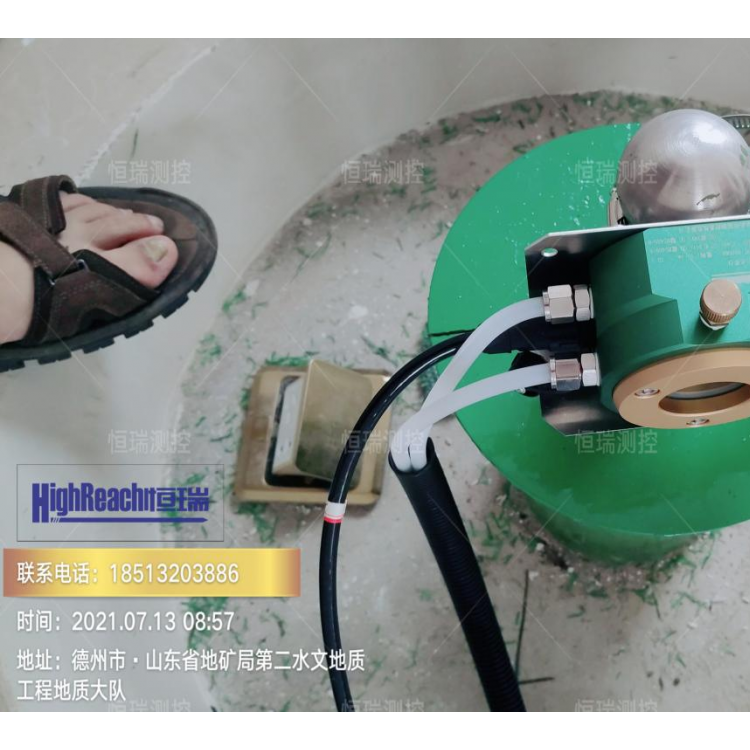
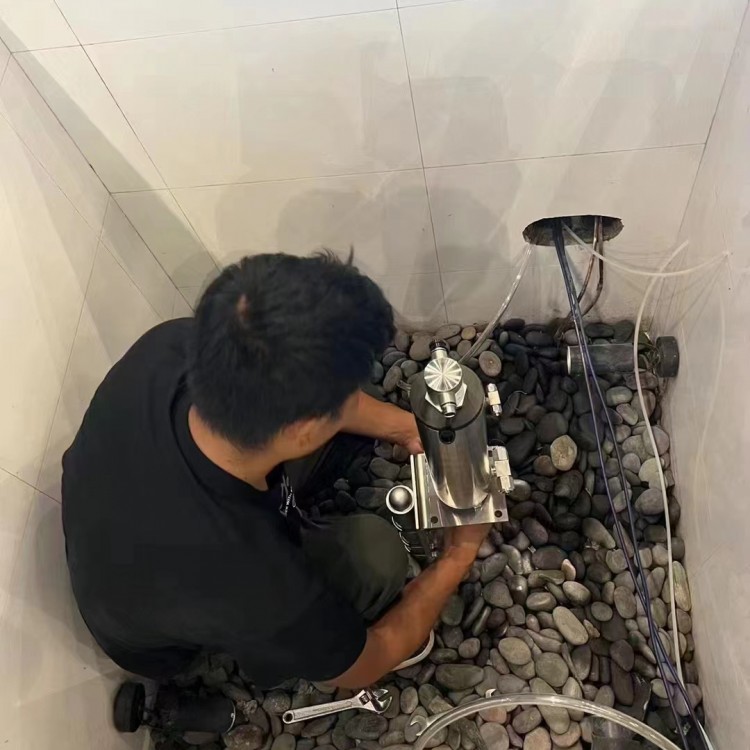
The differential pressure static level gauge is composed of a reservoir, ultra-high precision core, special customized circuit modules, and protective covers, etc. The settlement system consists of multiple sensors of the same type, connected by gas and liquid pipes between the storage tanks. The benchmark point is placed at a stable horizontal base point. When the measurement point rises or falls relative to the benchmark point, it causes changes in pressure at each point. The rise and fall of each measurement point relative to the horizontal base point is calculated by measuring the change in pressure of the sensors.
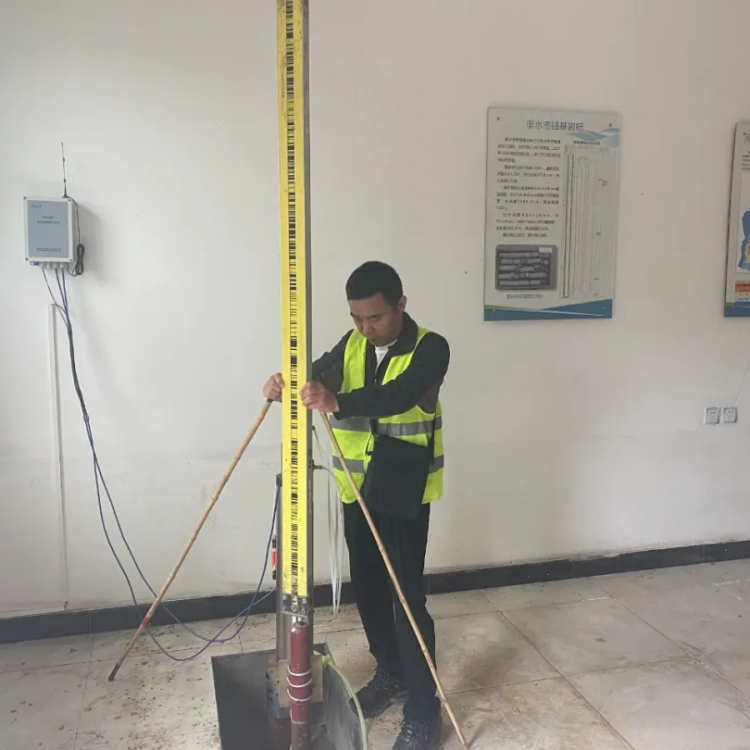
The static level gauge is a precision instrument used for measuring the relative settlement at various points of foundations and buildings. It is mainly used for measuring uneven settlements at various points of large structures such as hydropower plants, dams, high-rise buildings, nuclear power plants, and rock masses in hydraulic枢纽 projects. The built-in lithium battery has a lifespan of over 2 years and is replaceable. It supports multiple power supply methods, including 5V to 24V and 220V. The product is equipped with a built-in wireless zigbee networking function, enabling automated network setup. The wireless communication range, which varies depending on the power of the wireless module, can be between 1-3km and 3-10km. It can directly connect to the internet to realize the function of the Internet of Things. Remote access, monitoring, cloud storage, and data sharing are achieved through web software.
Principle of Stratified Settlement Meter
Inductive sensors are variable reluctance sensors that utilize the change in inductance of a coil to achieve non-electrical quantity measurement. They can convert various mechanical and physical quantities such as displacement, vibration, pressure, strain, flow rate, and specific gravity into electrical outputs, enabling long-distance transmission, display, and control of information. A simple inductive sensor consists of an iron core and a movable armature, with an air gap between the armature and the core. As the armature moves, the magnetic reluctance in the magnetic circuit changes, causing a variation in the inductance of the coil. This change in inductance corresponds to the position of the armature or the size of the air gap. Therefore, by measuring this change in inductance, the magnitude of the armature displacement can be determined. Inductive sensors are designed and manufactured based on this principle.