










Spring wire is an elastic linear material. It has the following main applications:
Hanging Device: Spring wire can be used to create hanging lamps, hammocks, hanging seats, and other hanging devices. Its elasticity serves as a shock absorber and buffer, enhancing the stability and comfort of the equipment.
2. Handicrafts: Spring wire can be used to create handicrafts such as bead strings and ornaments. Its elasticity serves to reinforce and enhance the aesthetics.
3. Packaging Materials: Spring wire can be used for packaging and binding items. Its elasticity ensures items are securely fastened together, reducing collisions and damage during transit.
4. Electronics: Spring wire can be used as connection wires in electronic products. Its elasticity protects the connection parts from external impacts and tension, enhancing the stability and durability of the connections.
5. Toys: Spring wires can be used to create toys with elasticity and deformation features, such as spring-shaped toys.
6. Automotive and Machinery Equipment: Spring wire can be utilized for shock absorption devices in automotive suspension systems and machinery equipment. Its elasticity reduces vibrations and impacts, enhancing driving comfort and equipment stability.
In summary, spring wire boasts excellent elasticity, durability, and flexibility, making it widely applicable in numerous fields.
Spring wire is a fine wire or rope made from spring materials. It features the following functions:
1. Elasticity: The spring wire possesses elasticity, enabling it to withstand and absorb external pressures, tensions, and pulling forces, and to return to its original shape and length.
2. Support and suspension: Spring wire can be used for supporting and suspending objects such as hammocks, batteries, lighting fixtures, curtains, etc. Its length and tension can be adjusted to meet various requirements.
3. Motion Control: Spring wire can be used to control the movement of machinery, such as bicycle and automotive suspension systems, industrial equipment, and aircraft landing gears. It provides cushioning and shock-absorbing functions, reducing the impact of vibrations and shocks on mechanical equipment and passengers.
4. Spring Rope: Spring wire can be woven into spring rope, suitable for hoisting, rope structures, decorations, and outdoor activities. It features lightness, softness, and durability, making it convenient for carrying and use.
5. Measurement and Sensing: Spring wire can be used for measuring and sensing physical quantities such as stress, weight, pressure, and torque. When an external force acts on the spring wire, it undergoes elastic deformation, thereby reflecting changes in the physical quantities.
In summary, spring wire achieves functionality through its elasticity and adjustability, finding applications in various fields.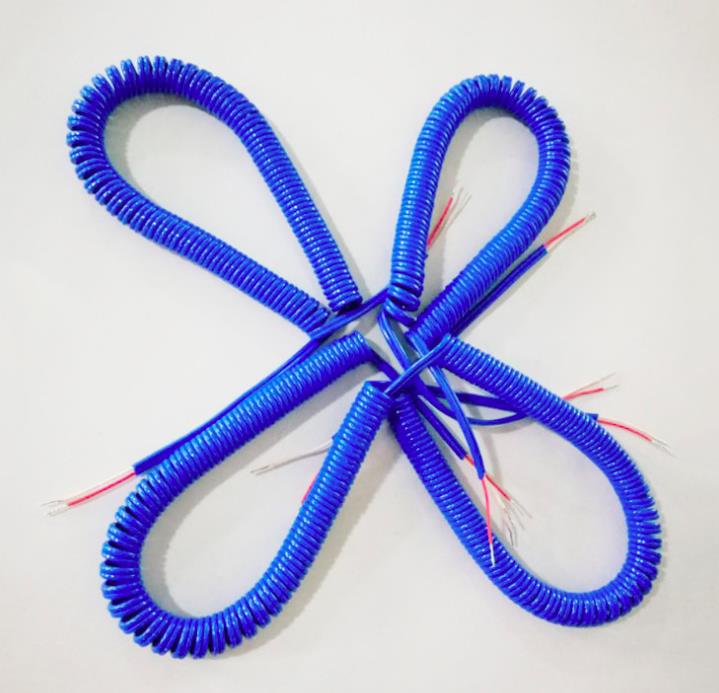
Spring wire is a type of elastic wire material, with the following main functions:
1. Elastic Function: The spring wire can undergo elastic deformation in response to external forces, absorb and store energy, and return to its original shape after the force is removed. This elastic function is applicable in mechanical and structural applications, such as spring shock absorbers, spring suspension systems, etc.
2. Support Function: Spring wire can serve as a supportive material for bearing weight or maintaining the shape of an object. It is commonly used in furniture such as mattresses, sofas, and chairs, providing support and protection for the human body.
3. Connector Function: Spring wire is used for connecting and securing objects. It is commonly employed in connectors such as ropes, zippers, and spring clips, where it serves to connect and secure items.
4. Spring Buffering Function: The elastic properties of the spring wire can act as a buffer, used to reduce impact force and vibration. It is commonly used in automotive suspension systems, industrial machinery devices, and other fields to minimize the impact of collisions and vibrations on equipment and personnel.
5. Adjustment Function: The spring wire can control its elastic properties by adjusting parameters such as material type, diameter, and length, enabling the regulation and control of force. This adjustment function is widely used in industrial fields, such as regulating valves, instruments, and equipment.
In summary, spring wire offers various functions and is suitable for different fields and applications.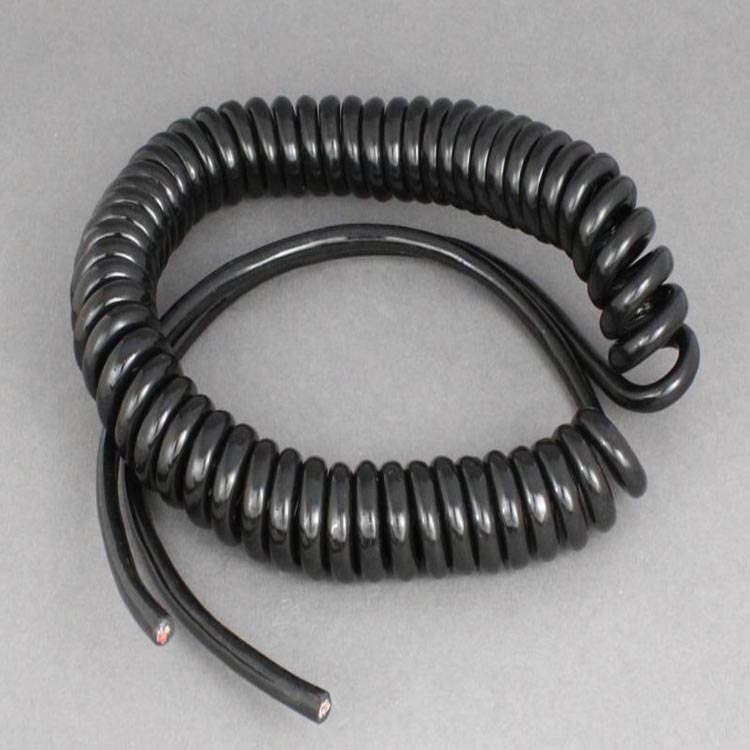
Spring wire is a type of elastic metal wire with the following characteristics:
1. Elasticity: The spring wire can return to its original shape after being subjected to force, demonstrating its elasticity. It can withstand and absorb a significant amount of force or compression before reverting back to its original form.
2. Conductivity: Spring wire is typically made of metals with good conductivity, such as steel, copper, etc., thus enabling the transmission of electricity.
3. High Tensile Strength: The spring wire features high toughness, capable of withstanding significant tensile and compressive forces without fracturing or deforming easily.
4. Plastic Deformation: The spring wire can undergo plastic deformation within a certain range, allowing for bending, coiling, or stretching as needed.
5. Corrosion Resistance: Spring wire is commonly surface treated, such as galvanized or coated, to enhance its corrosion resistance and prolong its service life.
6. Versatility: Due to the characteristics of spring wire, it is widely used in fields such as machinery, electronics, automotive, and furniture, serving functions like bearing, supporting, connecting, and conducting.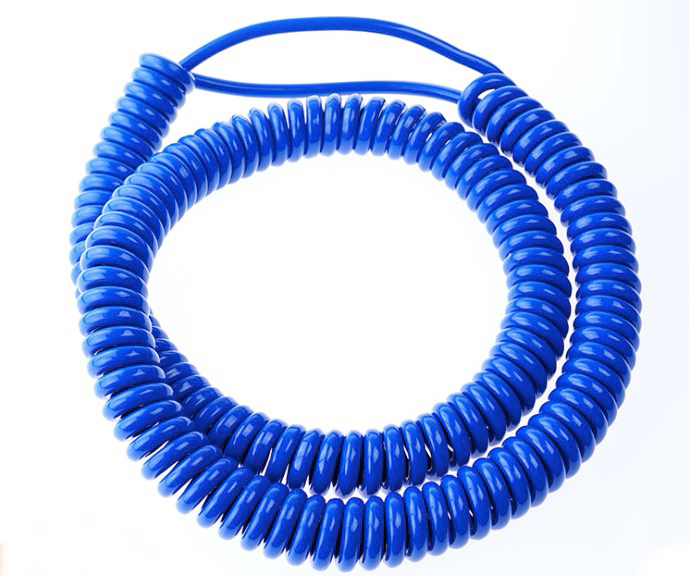
Spring wire is a linear material made of metal or rubber, featuring the following functions:
1. Elastic Response: The elasticity of spring wire allows it to deform and store energy when subjected to external force. Once the force is removed, it returns to its original shape and releases the stored energy.
2. Buffering and Shock Absorption: Spring wires can absorb impact and vibration forces when under pressure or tension, thereby reducing the transmission of external forces to other objects, achieving a buffering and shock-absorbing effect.
3. Shape Support and Retention: Spring wire can be used for supporting and maintaining the shape of objects. For instance, spring wire can serve as the support system in a mattress, offering comfortable support.
4. Motion Control: Spring wire can be used to adjust and control mechanical motion. For instance, in automotive suspension systems, spring wire can adjust the vehicle's undercarriage height and shock-absorption effect based on road conditions.
Overall, spring wire features elasticity, cushioning, support, and motion control capabilities, and is widely used in mechanical engineering, furniture manufacturing, transportation, construction, and production industries.
The spring wire has a wide range of applications, commonly including:
1. Mechanical Engineering: Spring wire is used to manufacture spring assemblies, such as compression springs, torsion springs, and tension springs, etc. They are widely employed in machinery and equipment like automobiles, machine tools, household appliances, and more.
2. Electronic Engineering: Spring wire can be used to manufacture electronic devices and connectors, such as electronic plugs, sockets, battery elastic contacts, etc.
3. Equipment: Spring wire finds numerous applications in equipment, such as surgical instruments and orthopedic devices.
4. Furniture and Home Goods: Spring wire is used in the production of furniture and home goods, such as spring mattresses, spring sofas, spring door locks, etc.
5. Spring wire finds many applications in the field, such as parts and engines.
In summary, spring wire finds extensive applications, covering nearly all fields requiring elastic components.
WeChat Official Account

Scan to follow Official Account