
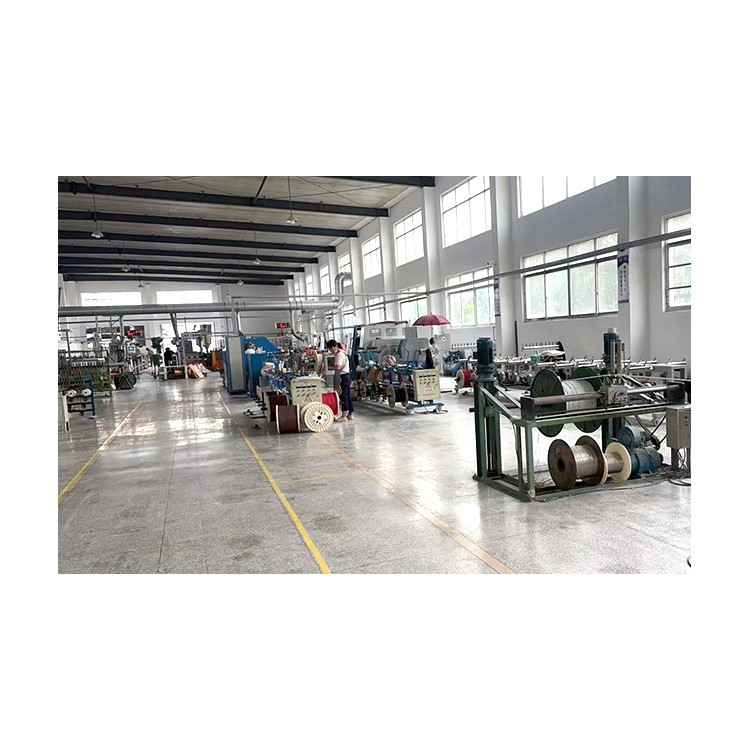













Flexible helical cables are a type of wire with elastic and twistable properties, commonly used to connect power or communication signals between mobile and fixed equipment. These cables feature free bending, twisting, and stretching capabilities, making device connections more flexible and convenient. They are typically composed of multiple insulated conductors woven or coiled within a spiral tube, forming a compact yet flexible structure. Flexible helical cables are widely used in fields such as robotics, automation equipment, machinery, automotive electronics, and stage lighting and sound equipment.
A cable spiral is a device used for controlling and organizing cables. It serves the following functions:
Prevent Cable Entanglement: The cable spiral can wrap multiple cables together, preventing them from tangling and intertwining. This reduces friction and movement between cables, lowering the risk of damage and failure.
2. Cable Protection: The spiral wire of the cable provides an additional protective layer, reducing the impact of external pressure, abrasion, and impact on the cable. It prevents the cable from being twisted, pulled apart, or cut.
3. Cable Organization: Cable spirals help bundle multiple cables together, keeping them neatly arranged and reducing clutter. This enhances work efficiency and ensures cable reliability.
4. Aesthetically Enhance Appearance: The cable spiral provides an external covering for the cable, making its appearance neater and more attractive. This is particularly important in situations where the cable needs to be showcased, such as at exhibitions or demonstrations.
In summary, cable spiral lines are primarily used for protecting, organizing, and beautifying cables, enhancing their reliability and safety.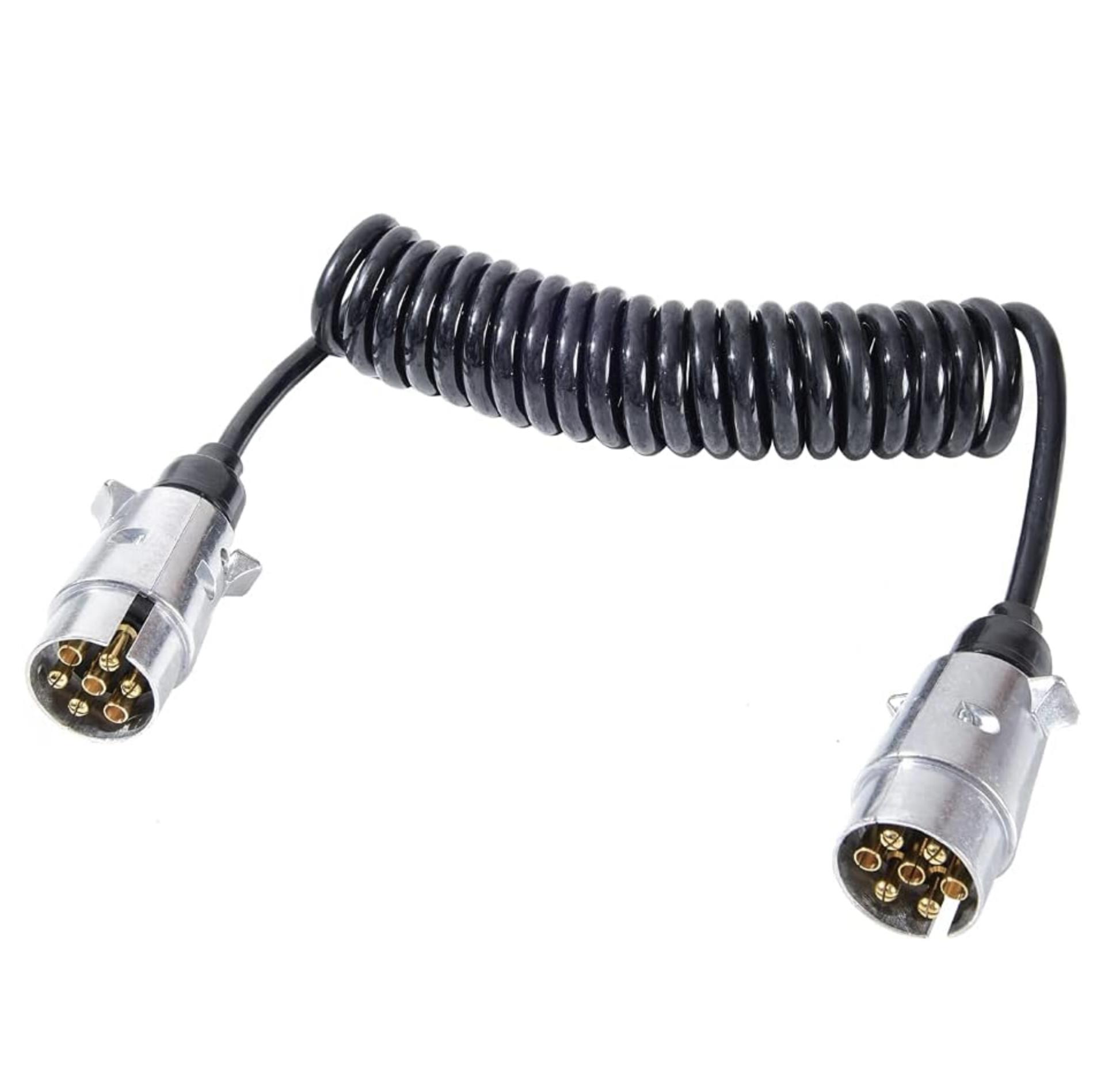
The primary use of the trailer helix is for dragging and pulling vehicles or heavy loads. It works by securing the helix to the rear of a vehicle or other object to be pulled, then connecting the other end to a trailer or tractor to achieve牵引 and movement.
The function of the trailer helix includes:
1. Towing and Pulling: The trailer helix allows for the connection of vehicles or heavy objects to a trailer or tractor, enabling them to be towed and pulled. This is useful for removing disabled vehicles or moving heavy items to where they are needed.
2. Correct Direction: In the event of a vehicle losing directional control or becoming immobile, the tow truck's winch spiral can be used to realign its direction and pull it back into a manageable range.
3. Emergency Towing: In the event of an accident or emergency, the tow truck helix can be used for quick vehicle removal to clear the road or ensure safety.
4. Discharge to designated location: The trailer helix can be used to pull vehicles or other heavy objects out of tight areas or inconvenient positions and move them to a designated location.
In summary, the tow truck helix is a powerful tool for moving and pulling vehicles or heavy objects, and it is useful in rescue operations, emergencies, and other situations requiring towing actions.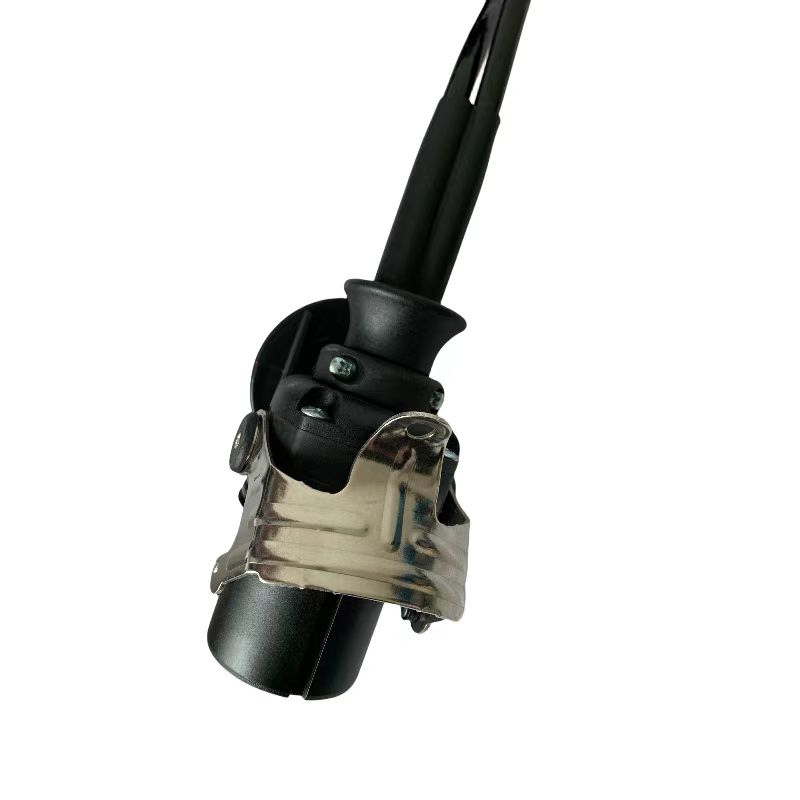
The functions of the cable helix include the following aspects:
Prevent Cable Tangles: The cable spiral can bundle multiple cables together and arrange them in a spiral pattern, effectively preventing the cables from tangling with each other. This not only helps maintain the cables in a neat and orderly state but also reduces the hassle during maintenance and wiring.
2. Cable Protection: The cable spiral provides a certain level of protection for the cable. It can block external objects from colliding with or scratching the cable, reducing the risk of damage. Additionally, the cable spiral also serves as an insulator and water-resistant barrier, protecting the cable from temperature fluctuations and moisture.
3. Easy Wiring and Maintenance: The cable spiral allows cables to be neatly arranged, facilitating wiring and maintenance. It reduces cable clutter and enhances cable identification, making wiring and debugging more convenient. Additionally, when cable replacement or maintenance is needed, it's a simple matter to release the spiral without having to disassemble the entire cable assembly.
4. Enhanced Safety: The spiral cable design reduces exposure of the cable, thereby lowering the risk of malicious damage or accidental contact. It also prevents tripping over or pulling the cable, avoiding harm to personnel and equipment.
In summary, the purpose of the cable spiral is to protect, organize, and facilitate the use and maintenance of the cable, enhancing its reliability and safety.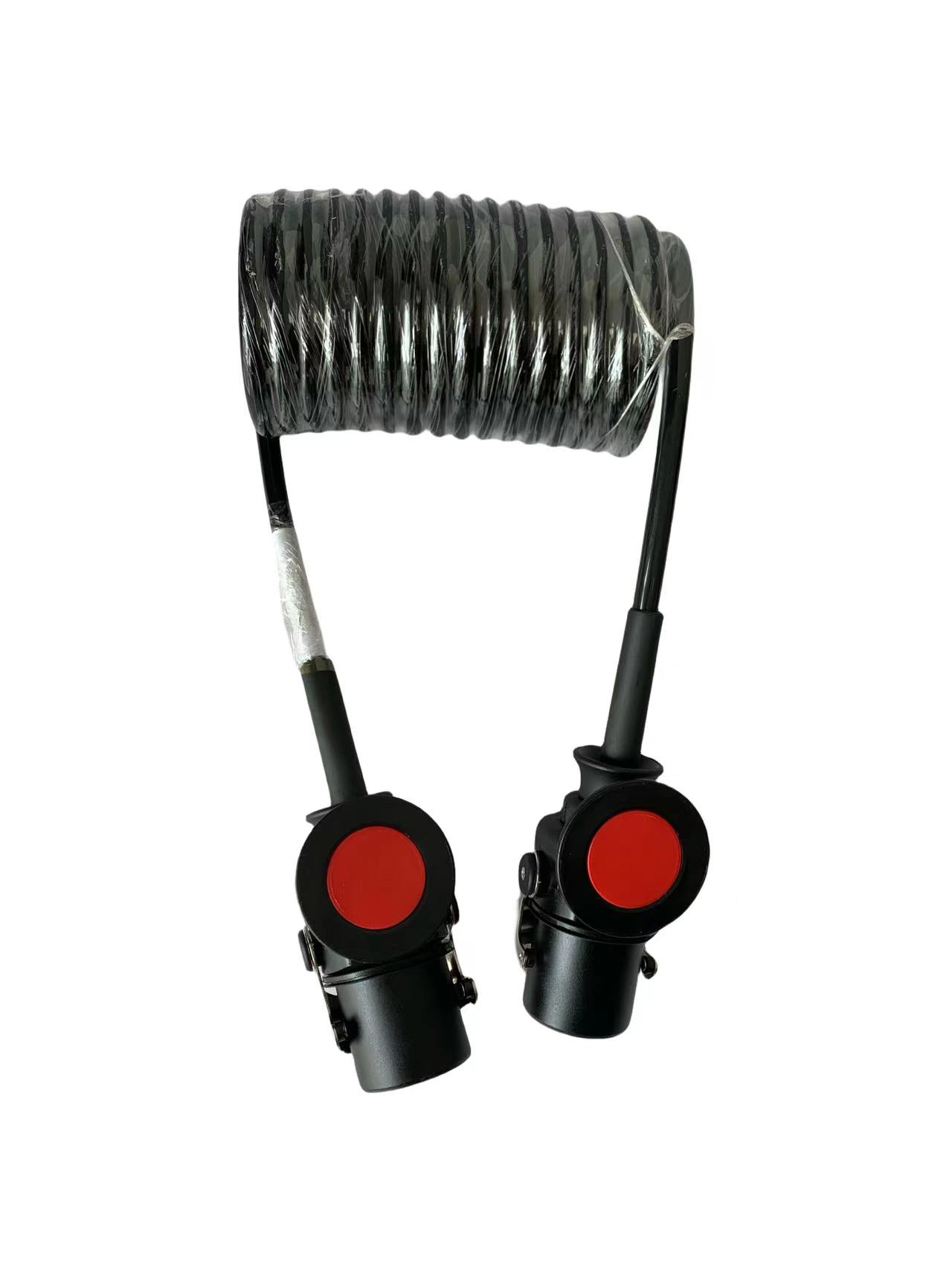
Flexible spiral cables are a type of wire with certain bending properties, characterized primarily by the following points:
Flexibility: The flexible helical cable has certain bending resistance, allowing for flexible bending and twisting, suitable for complex installation environments.
2. Flexibility: The flexible spiral cable has certain extensibility, allowing it to freely elongate and shorten to accommodate various installation distances.
3. Abrasion Resistance: The surface of flexible spiral cables is typically protected with wear-resistant materials, effectively resisting friction and wear to extend the service life.
4. Protective: Flexible spiral cables usually have a protective layer that can withstand the effects of external environments such as water, oil, and dust, safeguarding the internal electrical equipment and signal transmission of the cable.
5. Reusable: Flexible spiral cables can be repeatedly bent and stretched without affecting their performance or lifespan, thus saving costs and enhancing efficiency.
6. Space-saving: Flexible spiral cables can be freely coiled and stored without occupying excessive space, effectively saving installation space.
In summary, flexible spiral cables offer features such as flexibility, high tensile strength, wear resistance, and robust protective properties. They are suitable for complex installation environments and are widely used in industrial automation, robotics, and equipment fields.
Flexible spiral cables have a wide range of applications, including the following areas:
Electronic Equipment: Flexible spiral cables are commonly used to connect different components inside electronic devices, such as circuit boards, switches, sensors, etc.
2. Machinery and Equipment: Flexible spiral cables are used to connect various components, such as motors, transmission units, control panels, etc.
3. Automation Systems: Flexible spiral cables are suitable for connecting factory automation equipment, such as robots, sensors, PLCs, etc.
4. Equipment: Flexible spiral cables are suitable for internal connections in equipment such as imaging devices and surgical instruments.
5. Flexible spiral cables are commonly used for electrical system connections in aircraft and machinery, featuring lightweight and vibration resistance.
6. Automotive Industry: Flexible spiral cables are widely used in automotive electrical systems, such as engine control, dashboard, audio system, etc.
In summary, flexible helical cables are widely used in industries such as electronics, mechanical, automation, and automotive.
WeChat Official Account

Scan to follow Official Account




















