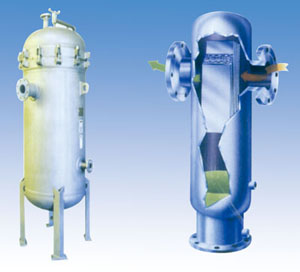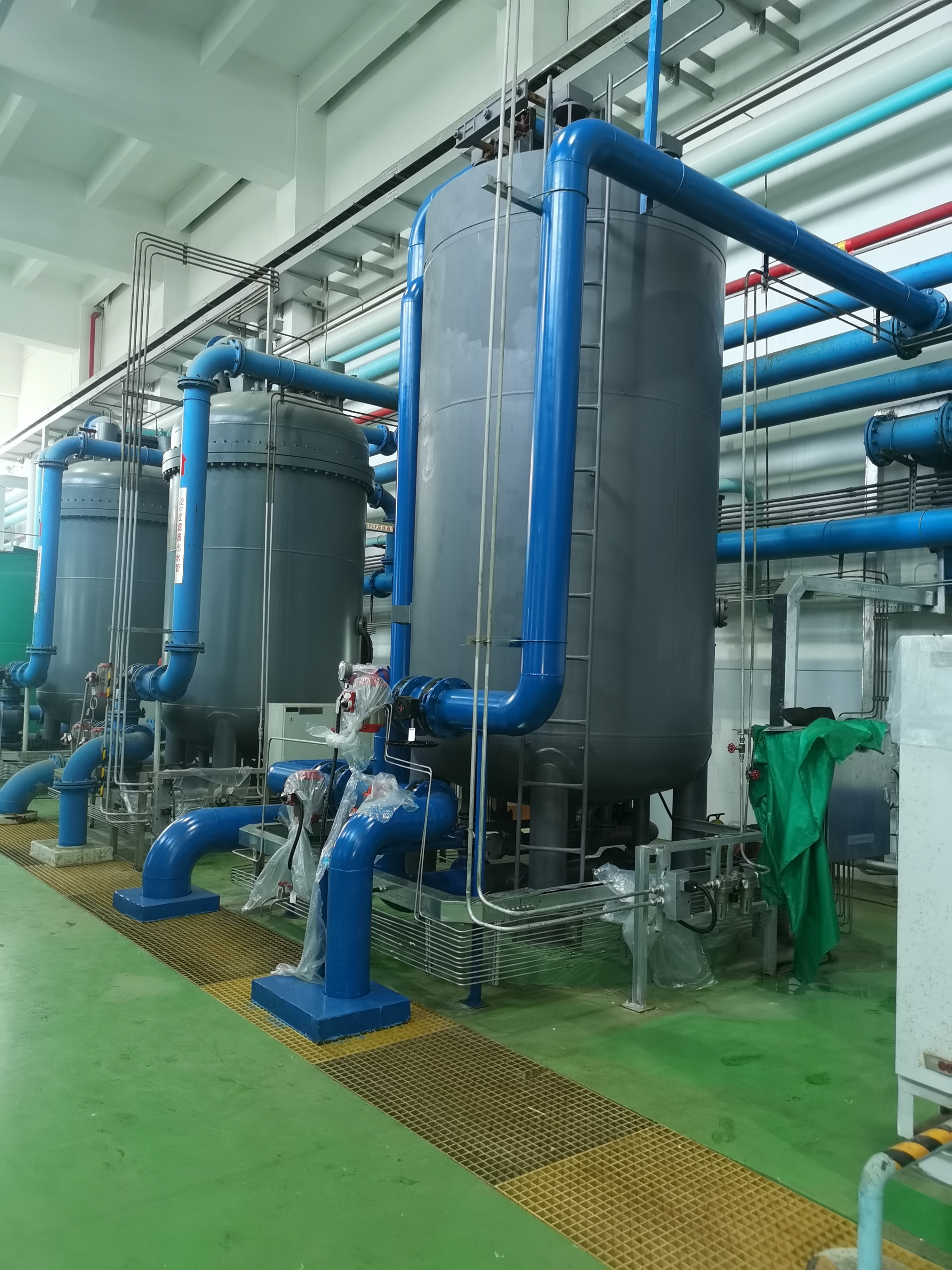









An industrial pure water machine is a water purification equipment used for production and processing in industrial applications. It removes impurities and contaminants from water to yield pure water. This equipment is commonly used in industries such as electronics, chemicals, and food, where high water quality standards are essential. Industrial pure water machines typically employ filtration and membrane separation technologies to eliminate microorganisms, heavy metals, suspended particles, dissolved solids, and organic compounds. They provide consistent water quality and can adjust purity and flow rate as needed. Industrial pure water machines ensure water safety and product quality during the production process.

The main functions of the GMP purified water equipment are as follows:
Water Purification: GMP purified water systems utilize multiple process steps (such as filtration, reverse osmosis, ion exchange, ultra-filtration, etc.) to remove impurities, particles, suspended matter, organic matter, microorganisms, etc., from the water, enhancing its purity and quality.
2. Stable Water Pressure: The GMP purified water equipment can maintain stable water pressure within the system by adjusting the pressure control system, ensuring consistent product water flow and quality.
3. Maintain Water Flow Rate: GMP purified water equipment can maintain an appropriate flow rate through the design of a suitable piping system, preventing adverse effects on water quality due to either too fast or too slow flow rates.
4. Water Temperature Control: The GMP purified water equipment can control the water temperature through heating or cooling devices, ensuring the water temperature meets the requirements.
5. Automation Control: GMP purified water equipment is typically equipped with an automatic control system, enabling automated operation and control, including monitoring water quality, controlling pressure, and adjusting flow rates.
6. Pipeline Cleaning: GMP purified water systems usually come with automatic or manual cleaning capabilities, allowing for regular pipeline cleaning to ensure consistent and safe water quality.
7. Fault Alarm: GMP purified water equipment is typically equipped with a fault alarm system, which can promptly issue alerts and take corresponding measures to ensure the safe operation of the equipment.
GMP purified water equipment is primarily used in biotechnology, medical devices, food and beverage industries, for water purification and purification treatment during the production process, ensuring that the water quality meets GMP standards and relevant regulatory requirements.
The characteristics of GMP purified water equipment include:
GMP Compliant: Equipment meets GMP (Good Manufacturing Practice) requirements, ensuring product purity and quality.
2. High Purity Water Quality: The equipment possesses purification capabilities to remove impurities, microorganisms, and other harmful substances from raw water, providing high purity water quality.
3. Purification Process: The equipment employs a purification process, including pretreatment, reverse osmosis, and ultraviolet disinfection, effectively removing impurities and microorganisms from the water, ensuring the water quality meets the required standards.
4. Automated Control System: Equipped with an automated control system, the equipment can automatically monitor and adjust its operational status, ensuring stability and reliability.
5. Easy Operation: The equipment is user-friendly with simple operations. Operators just need to follow the prompts on the device interface.
6. High Reliability: Made with high-quality components and materials, the equipment boasts superior reliability and durability, ensuring stable operation for extended periods.
7. Protection Measures: The equipment is equipped with necessary protective measures, including filter devices, disinfection units, etc., to effectively prevent water quality from being re-contaminated.
8. Energy-saving and Environmental Protection: The equipment utilizes energy-saving technology to reduce energy consumption, while also handling waste water and exhausts.
9. Customizable: The equipment can be tailored to meet users' specific requirements, including production capacity, water quality standards, and equipment layout, catering to diverse user needs.
WeChat Official Account

Scan to follow Official Account