








Food-grade pure water equipment is a device used for producing pure water, mainly applied in food processing and beverage production fields. It typically consists of a pretreatment system, a reverse osmosis system, and a pure water storage system.
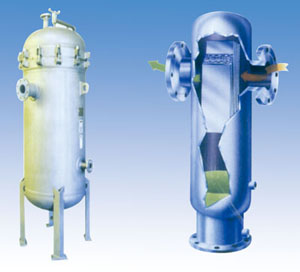
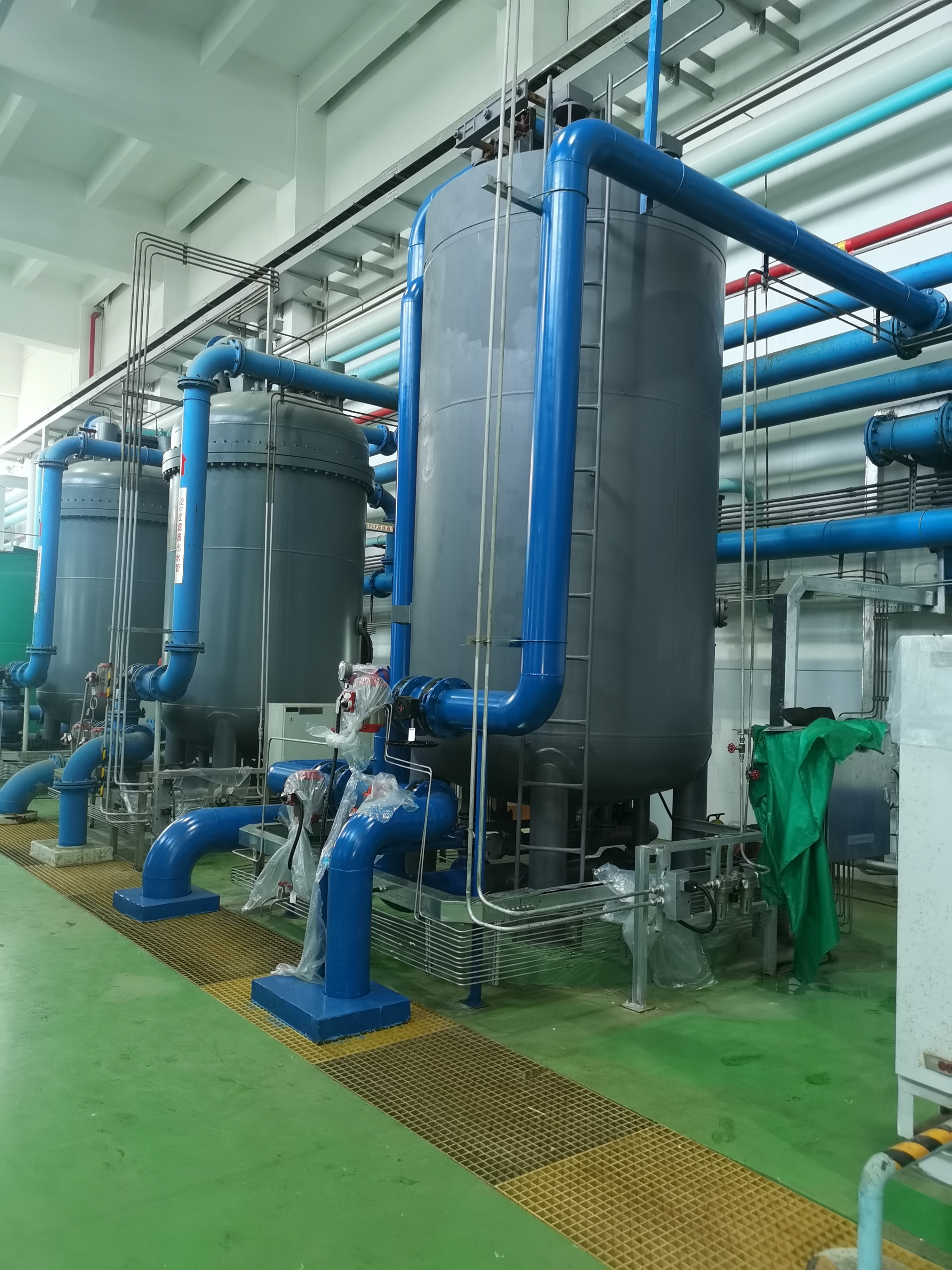
The pretreatment system is primarily used to remove impurities such as suspended solids, particulates, colloids, and organic matter from water. Common pretreatment equipment includes filters, activated carbon adsorbers, and softeners, etc.
Reverse osmosis systems are the core component of food pure water equipment, utilizing reverse osmosis membrane technology. They force water molecules through a semi-permeable membrane under high pressure, blocking impurities, solutes, and microorganisms, thereby achieving water separation and purification.
Pure water storage systems often come equipped with storage tanks and UV sterilizers to preserve and protect the quality of the pure water.
Food-grade pure water equipment can remove impurities, microorganisms, and chemical pollutants from water, providing a sufficient quantity of pure water to ensure water safety during the food production process.
The characteristics of pure water equipment include the following:
Provide high purity water quality: Purification equipment utilizes various purification processes such as reverse osmosis, electroion exchange, and ultrafiltration, effectively removing impurities, ions, and organic matter from the water, achieving the high purity water quality standards required by the industry.
2. Compliant with GMP Standards: The purified water system is designed to meet GMP (Good Manufacturing Practice) requirements, ensuring the production process of purified water adheres to industry quality standards and is easy for cleaning, disinfection, and maintenance.
3. Automation Control: The purified water equipment utilizes an automated control system that can monitor and adjust water quality parameters in real-time, ensuring stability and consistency of the water quality.
4. Traceability and Record Functionality: Purified water equipment typically features traceability and record functions, which can log critical parameters and operational data during the water production process for traceability and analysis. This aids in ensuring the reliability of water quality and preventing potential contamination issues.
5. Reliability and Stability: The purified water equipment utilizes high-quality materials and components, produced through stringent process controls and manufacturing procedures, ensuring the equipment's reliability and stability, and providing a continuous and stable supply of purified water.
6. Safety: The pure water equipment is designed with safety in mind, incorporating protective measures and safety devices to prevent cross-contamination of water quality and ensure the safety of operators and the environment.
Overall, purified water equipment features high purity, compliance with GMP standards, automated control, traceability and recording capabilities, reliability and stability, as well as safety, meeting the industry's demand for quantitatively pure water.
The characteristics of the GMP purified water equipment include:
GMP Compliance: Equipment meets the requirements of GMP (Good Manufacturing Practice), ensuring product purity and quality.
2. High Purity Water Quality: The equipment's purification capability removes impurities, microorganisms, and other harmful substances from the raw water, providing high-purity water quality.
3. Purification Process: The equipment utilizes a purification process, including pretreatment, reverse osmosis, and ultraviolet disinfection, effectively removing impurities and microorganisms from the water, ensuring the water quality meets the required standards.
4. Automated Control System: Equipped with an automated control system, the equipment can automatically monitor and adjust the operational status, ensuring stability and reliability.
5. Easy Operation: The equipment is simple and convenient to operate, requiring the operator to follow the on-screen prompts only.
6. High Reliability: The equipment is made with high-quality parts and materials, offering excellent reliability and durability, ensuring long-term stable operation.
7. Protection Measures: The equipment is equipped with necessary protection measures, including filtration devices and sterilization devices, which effectively prevent the water quality from being re-contaminated.
8. Energy-saving and Environmental Protection: The equipment utilizes energy-saving technologies to reduce energy consumption, while also handling waste water and waste gas effectively.
9. Customizable: The equipment can be tailored to meet the user's specific requirements, including production capacity, water quality standards, and equipment layout, catering to the unique needs of different users.
The features of the small purified water equipment are as follows:
1. Purify Water Quality: Small purification systems utilize filters and membrane separation technology to remove suspended particles, sediments, bacteria, viruses, heavy metals, and organic pollutants from water, providing a clean and pure water source.
2. Remove Odors and Taste: Mini purification water systems can eliminate odors and tastes from water using materials like activated carbon, providing refreshing drinking water.
3. Remove Harmful Substances: Small purification water systems can eliminate contaminants from water, such as chlorine, chemicals, and pesticide residues, providing healthy and safe drinking water.
4. Retain Beneficial Components: Small-scale purification equipment can remove contaminants from water while preserving minerals and trace elements, providing healthy drinking water.
5. Easy to Use: Compact design and simple operation make small purification water equipment convenient for use in homes, offices, and other settings.
In summary, small purification water equipment can purify tap water, providing safe, healthy, and clean drinking water to meet the demands for water quality.
The characteristics of the pure water equipment for preparations mainly include:
High-purity Water Quality: Purification water equipment can effectively remove impurities, ions, organic matter, etc., from water, achieving high-purity water quality that meets the strict requirements of industries such as cosmetics.
2. Filtration System: Equipment typically employs a filtration system, which includes coarse filtration, activated carbon filtration, and granular filtration, to progressively remove suspended particles, granular impurities, and organic matter from the water.
3. Reverse Osmosis (RO) Technology: RO membranes are a common core technology in water purification systems, capable of removing dissolved substances, ions, and microorganisms from water through selective permeation across a semi-permeable membrane, resulting in highly purified water quality.
4. Flexible and adjustable: Purification water equipment for preparations typically features a flexible and adjustable design, allowing for the adjustment of the output water quality to meet different requirements, catering to various processes and applications.
5. Automatic Control System: Equipment is generally equipped with an automatic control system, which can achieve automatic operation of the equipment, monitor water quality, adjust process parameters, etc., to improve work efficiency and stability.
6. Easy Operation and Maintenance: Purification water equipment is usually designed in a modular manner, featuring simple operation and easy maintenance, significantly reducing the maintenance costs of the equipment.
7. Safe and Reliable: The materials and manufacturing processes used in the equipment comply with relevant safety standards, ensuring safe and reliable operation, along with monitoring and alarm functions to maintain stable and safe water quality.
In summary, our purification water equipment for preparations features high-purity water quality, filtration system, RO technology, adjustable flexibility, automatic control system, ease of operation, convenient maintenance, and safety reliability, meeting various industries' needs for high-purity water quality.
WeChat Official Account

Scan to follow Official Account