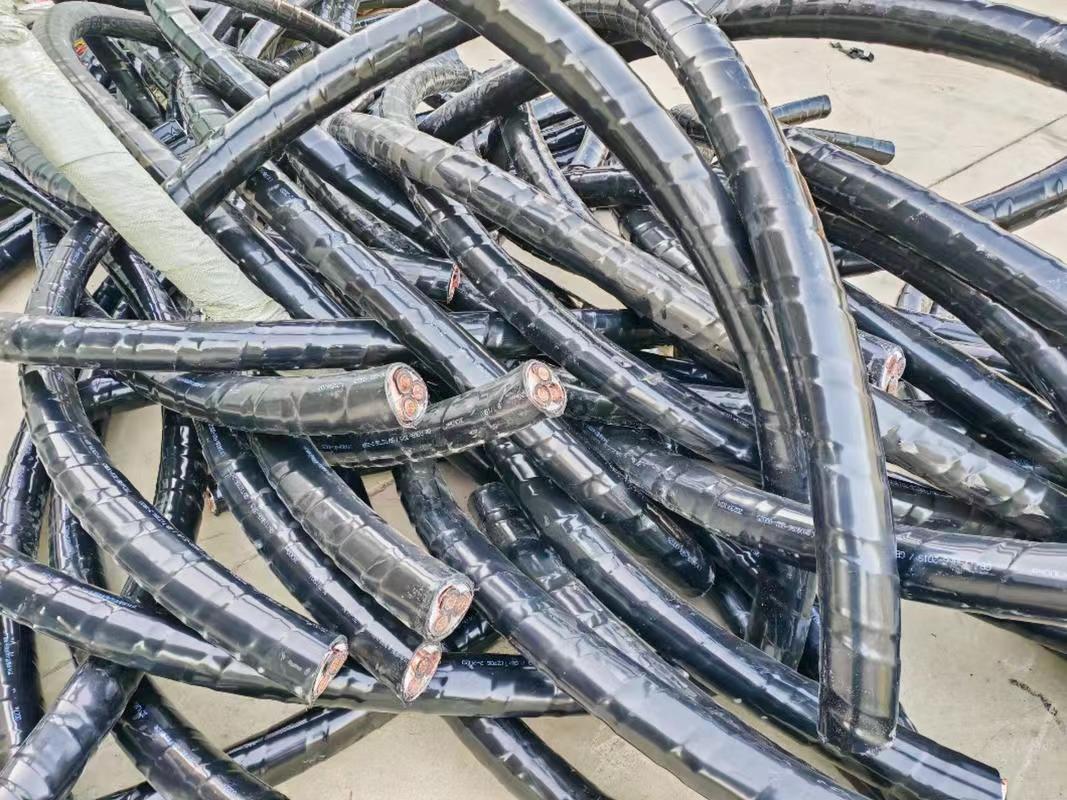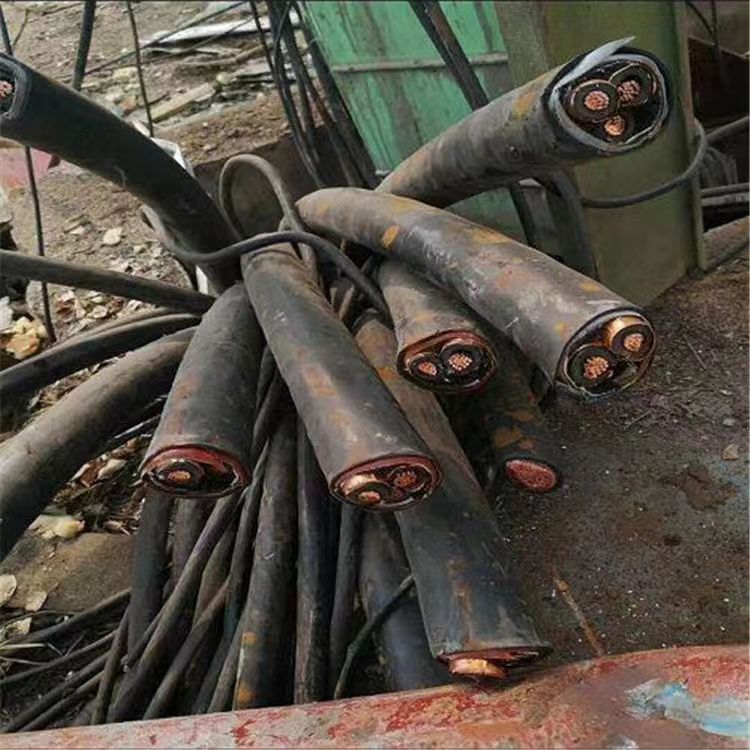

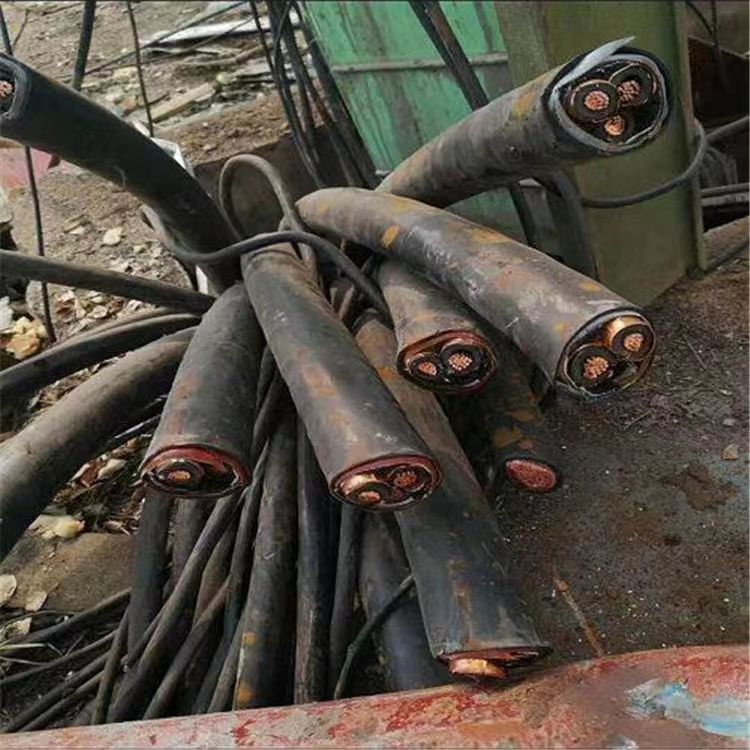

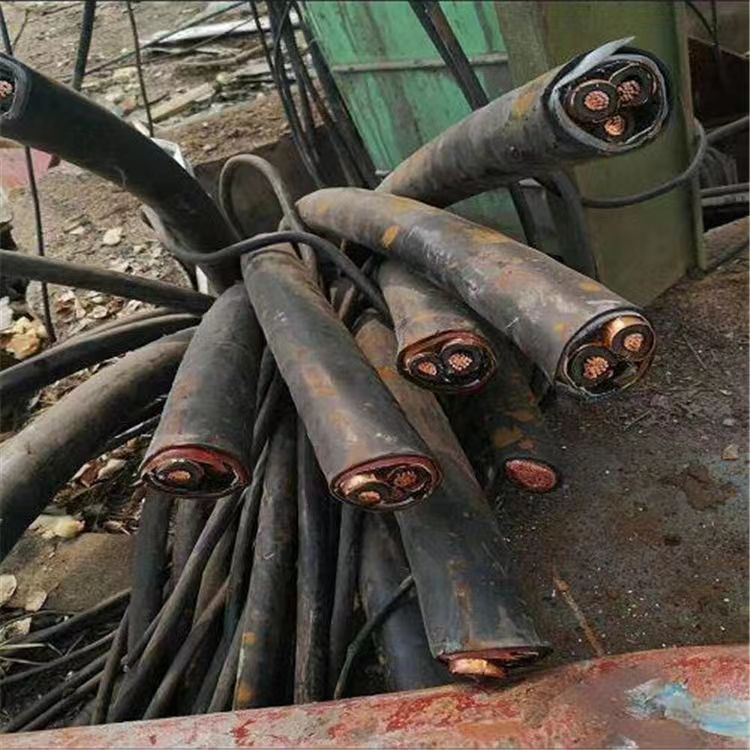
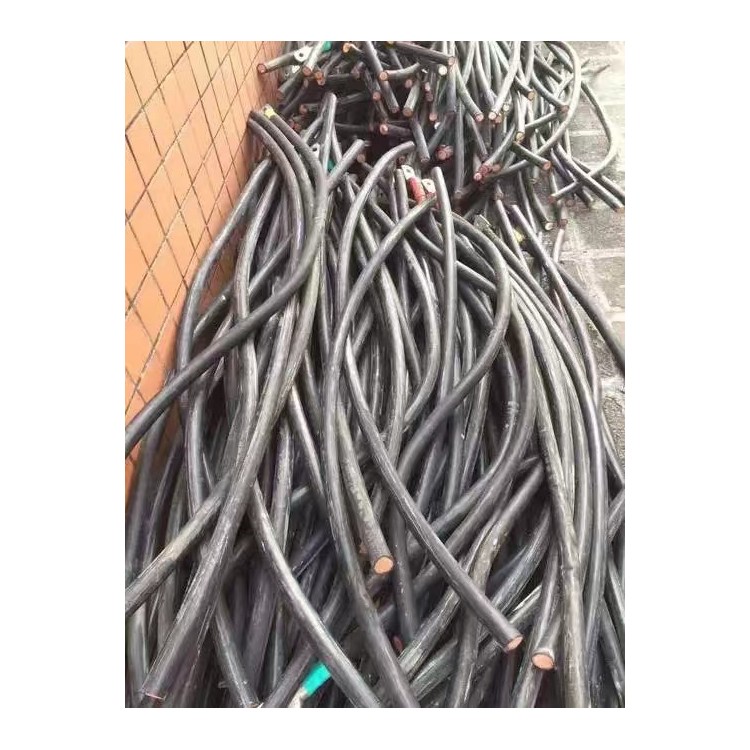
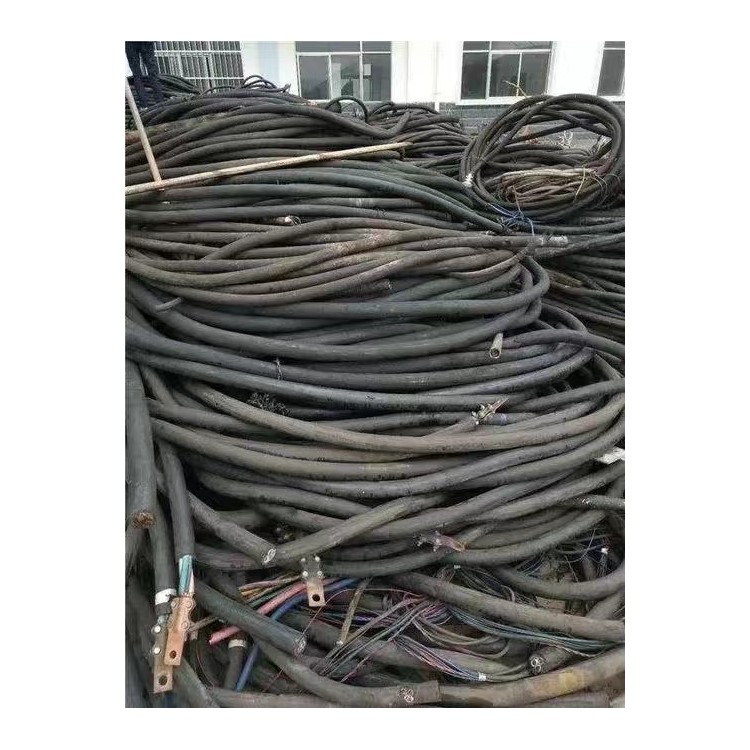











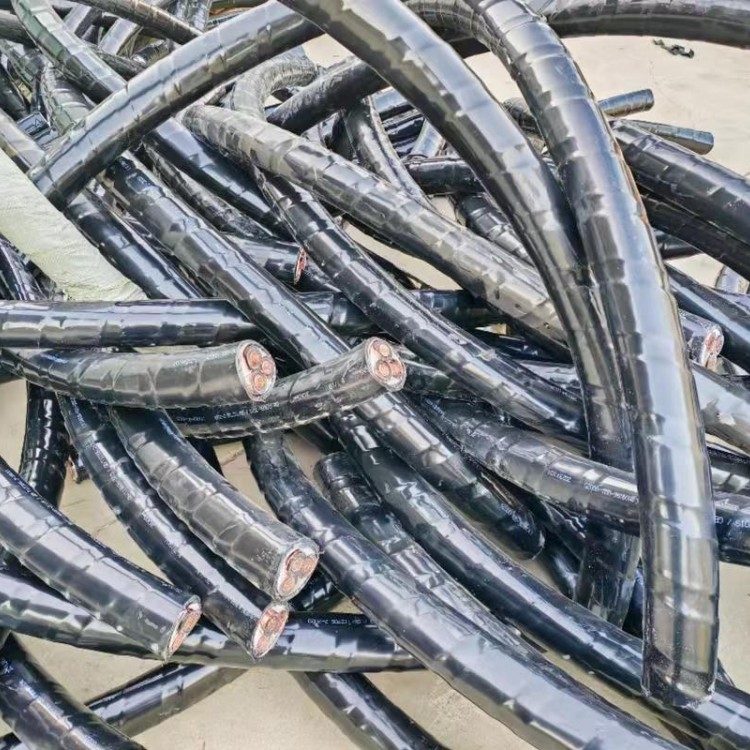
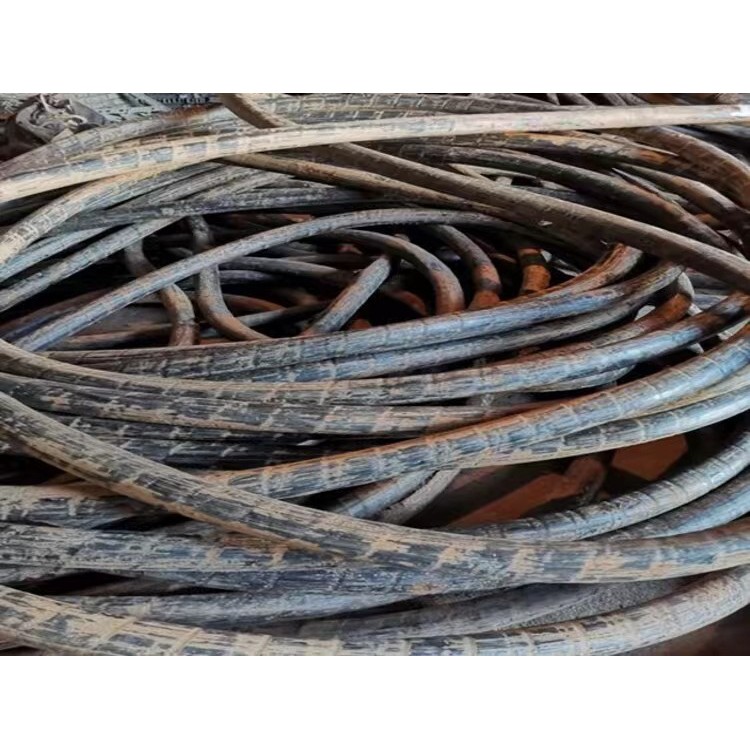
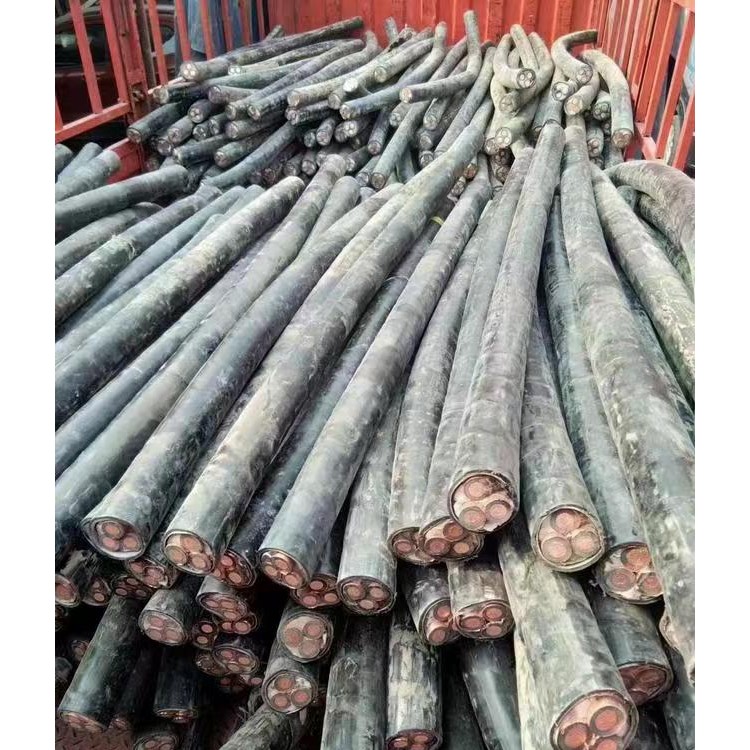
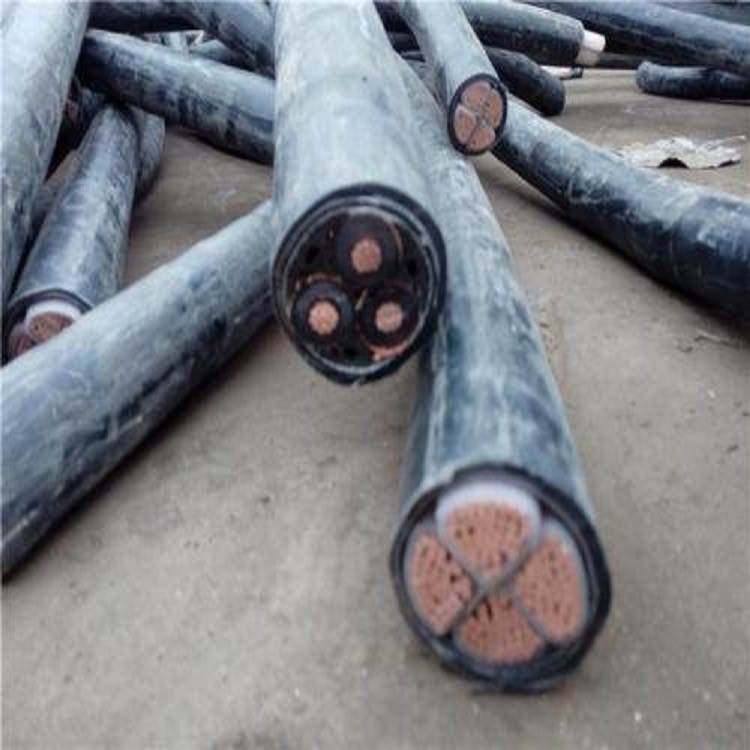
Xian Cable Recycling and Processing 1. The main sources of the Xian scrap cable recycling market include construction demolition, waste materials from cable production, and the retirement of old equipment. After these sources of scrap cables undergo sorting, disassembly, and reprocessing, they are reshaped into new cables or other metal products, achieving effective recycling and utilization of resources. In this market, the main participants include recyclers, disassembly processors, and sellers, each playing different roles but collectively maintaining the stability and prosperity of the market. Recyclers are primarily responsible for collecting and initially processing the scrap cables, disassembly processors handle the deep disassembly and processing of the cables, and sellers are in charge of selling the processed metals and materials to various markets. With the increasingly stringent environmental protection policies and the growing emphasis on resource recycling and utilization, the prospects of the Xian scrap cable recycling market are becoming broader. In the future, as technology advances and innovation occurs, the industry will face more opportunities and challenges. Overall, the Xian scrap cable recycling market is a vibrant and promising sector.
2. For instance, the recycling of construction electrical cables requires the disassembly and separation of the load-bearing shell, followed by sorting, packaging, and storage. On the other hand, the recycling of electronic power cables necessitates effective cleaning and processing. Therefore, recycling old cables demands not only knowledge of their types, characteristics, and applications but also understanding the specific recycling methods. Process and procedure description of old cable recycling: The recycling process involves numerous details, and to ensure worker and environmental safety, each step must be given special attention. Firstly, protective measures must be taken in advance to safeguard the health of workers and the environment before purchasing old cables. Conduct a site inspection at the recycling location to understand the quantity and quality of the purchase. Then, sort the cables by type and specification, conduct a count, and tally them. Subsequently, pack the sorted old cables and transport them to designated storage locations for subsequent processing. This is the detailed classification of old cables.