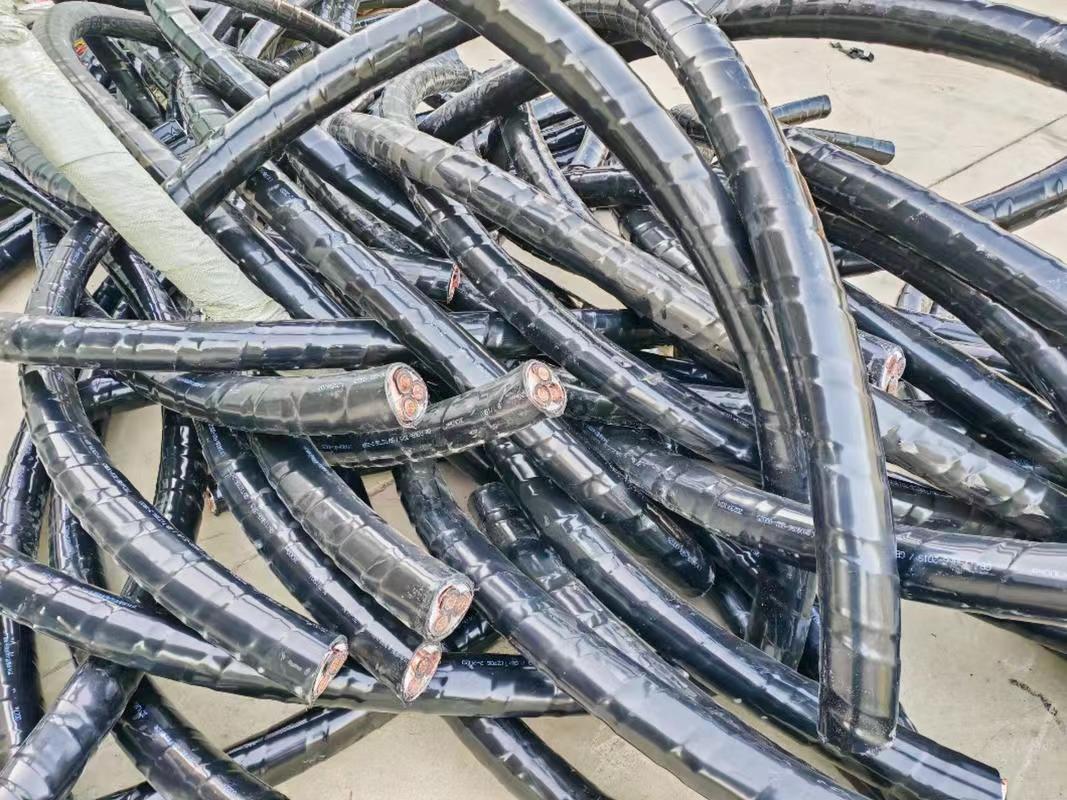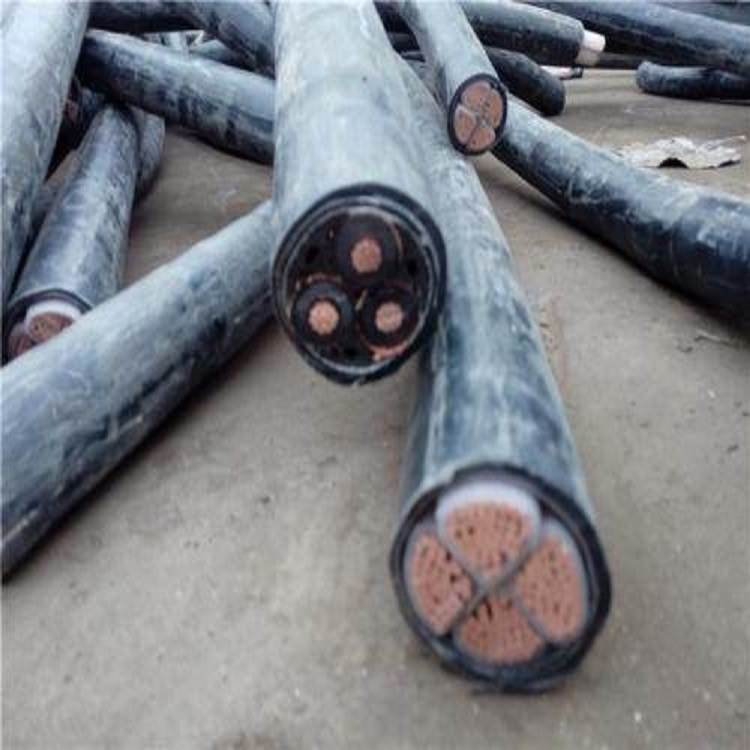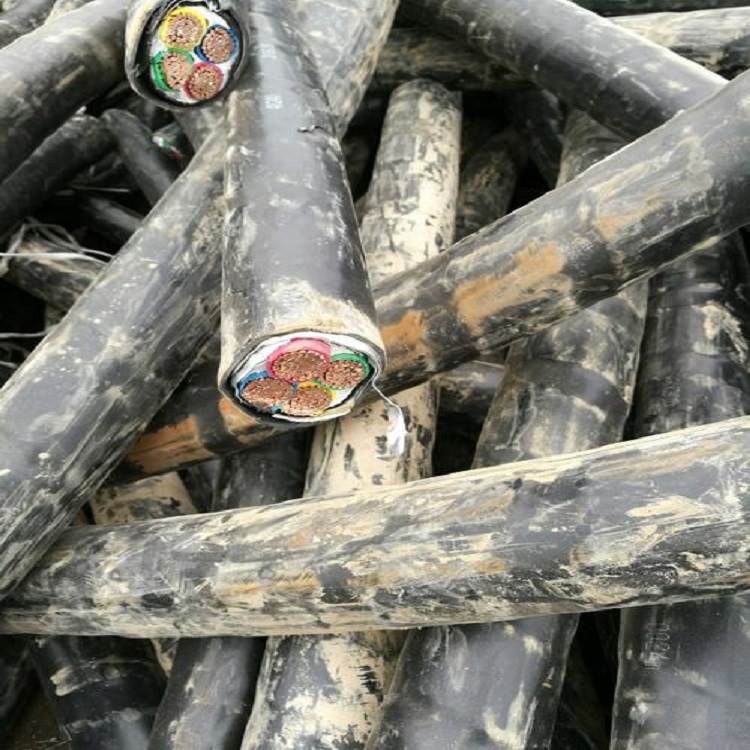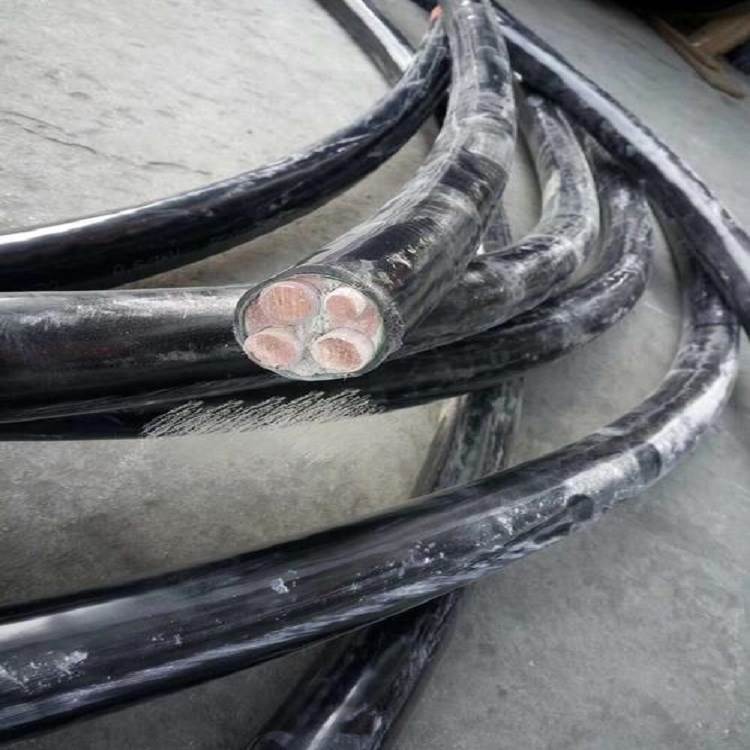

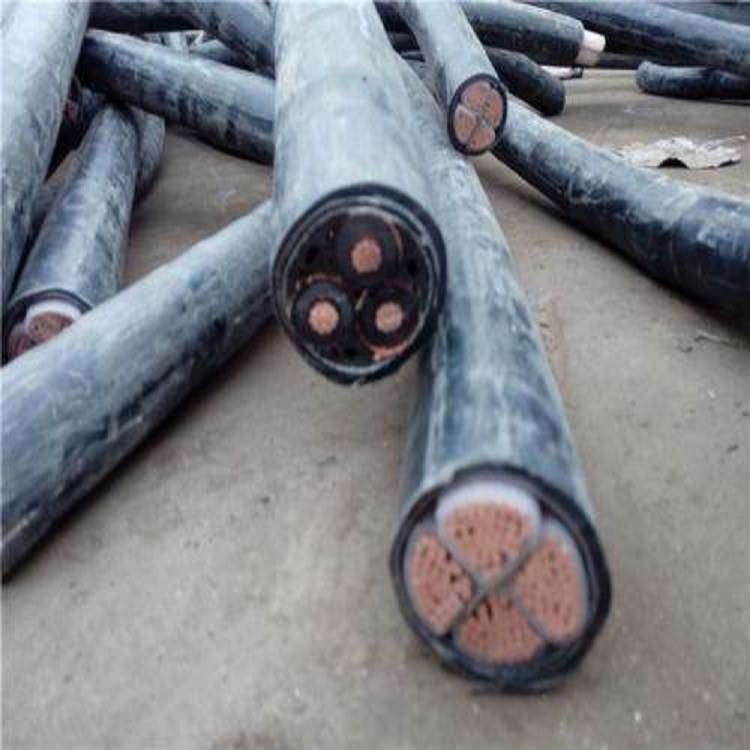

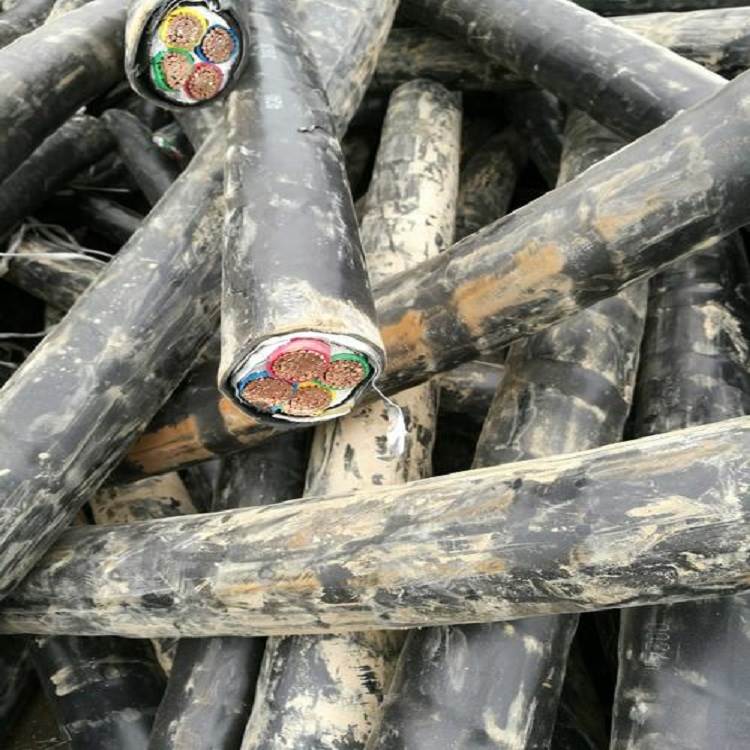
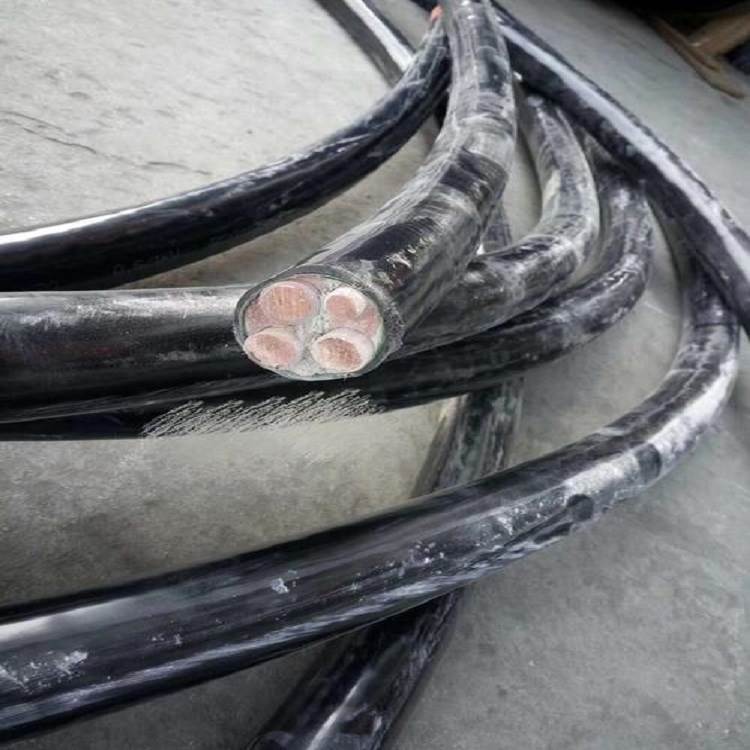









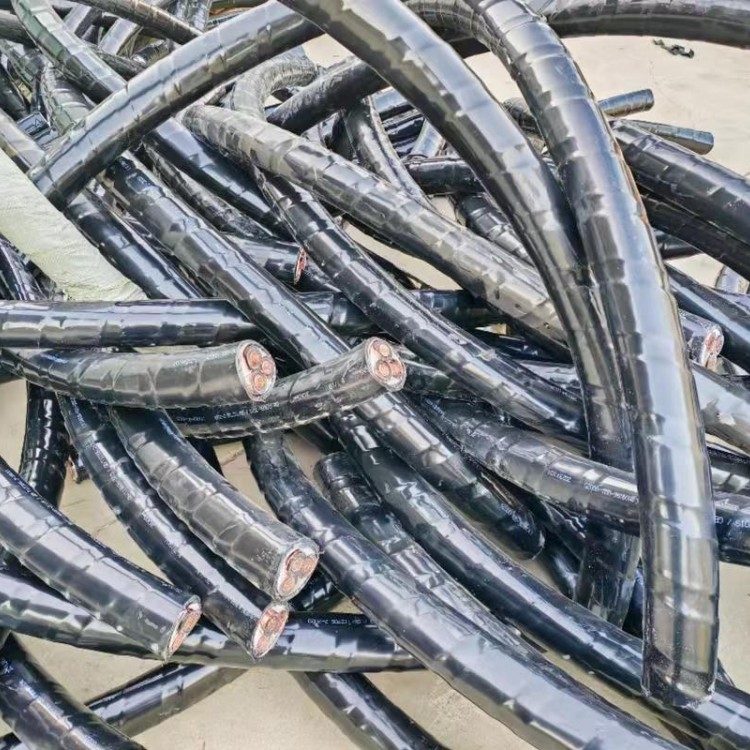
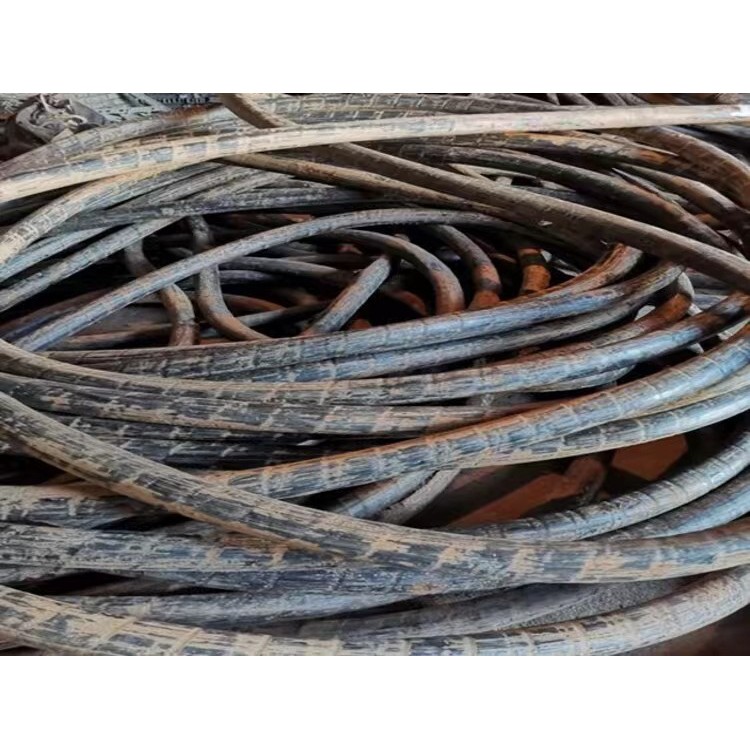
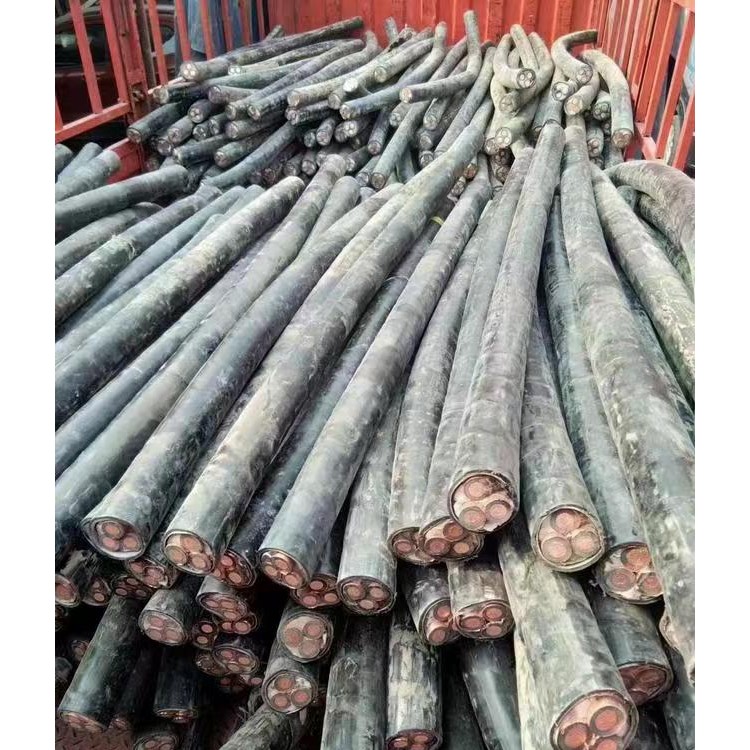
1. Xi'an Cable Recycling and Processing: The main sources of the Xi'an scrap cable recycling market include construction demolition, waste materials from cable production, and the retirement of old equipment. After undergoing sorting, disassembly, and reprocessing, these scrap cables are reshaped into new cables or other metal products, achieving effective resource recycling. Key participants in this market include recyclers, dismantling and processing companies, and sellers. Each plays a different role in the market, collectively ensuring its stability and prosperity. Recyclers are primarily responsible for collecting and preliminary processing of scrap cables, while dismantling and processing companies handle in-depth disassembly and processing. Sellers then market the processed metals and materials to various markets. With increasingly stringent environmental policies and growing emphasis on resource recycling, the future of Xi'an's scrap cable recycling market looks promising. As technology advances and innovation continues, the industry will face more opportunities and challenges. Overall, it is a dynamic and opportunistic field.
2. For instance, recycling construction cables and wires requires disassembling and separating the load-bearing shells, followed by sorting, packing, and storage; while the recycling of electronic power cables involves effective cleaning and processing. Therefore, to recycle old cables, one must not only understand the types, characteristics, and applications of the cables and wires but also the specific recycling methods. Process and flow description of old cable recycling: The recycling process of old cables involves many details, and to ensure the safety of workers and the environment, each stage requires special attention. Firstly, protective measures must be taken in advance to protect the health of workers and the environment before purchasing old cables. Conduct a site inspection at the recycling location to understand the quantity and quality of the cables. Then, sort the cables and wires according to their types and specifications, and perform a count and tally. Next, package the sorted old cables and transport them to designated storage locations for storage and subsequent processing. This is the detailed classification of old cables.